
No products in the cart.
AI Multilingual SEO: The Complete Guide to Dominating Global Search in the Age of Machine Translation
29
Jul
Jul
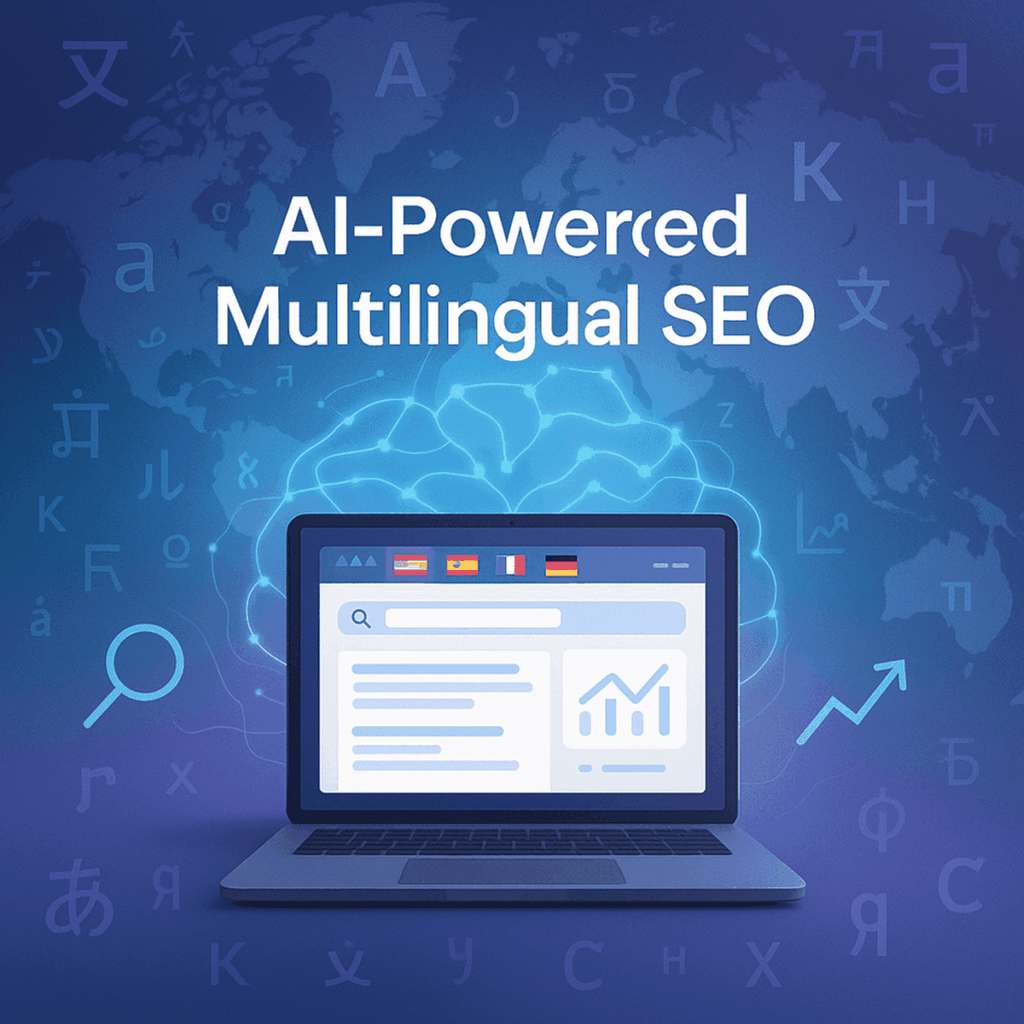
AI multilingual SEO combines artificial intelligence with multilingual search engine optimization to help businesses rank in multiple languages efficiently. As global online traffic grows, optimizing content for different languages and regions is no longer optional—it’s a necessity. This comprehensive guide explains how AI transforms multilingual SEO, from automated keyword research to neural machine translation and advanced hreflang strategies.
What Is AI Multilingual SEO?
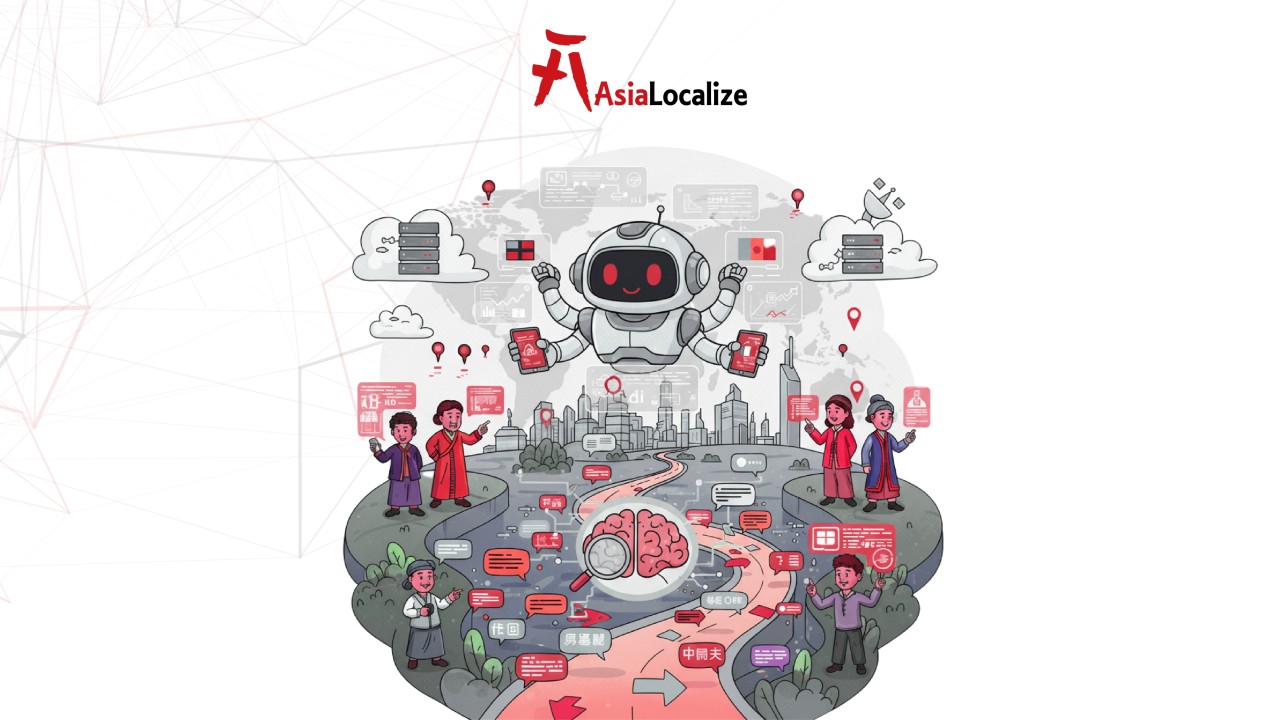
AI multilingual SEO refers to the practice of using artificial intelligence technologies to plan, execute, and scale search engine optimization across multiple languages and geographic markets. Instead of manually translating content and guessing local keyword intent, AI tools analyze search data, generate localized content drafts, and automate technical SEO tasks. The core goal remains the same as traditional multilingual SEO: make your website discoverable and relevant to users speaking different languages. What makes AI-driven approaches different is the speed, scale, and precision they enable.
At its foundation, AI multilingual SEO still depends on classic international SEO pillars like hreflang tags, geo-targeting, and culturally adapted content. The AI layer enhances each step. Neural machine translation (NMT) systems such as DeepL and Google’s Transformer models produce translations that capture nuance far better than older statistical methods. Natural language processing helps identify search intent behind keywords in languages you may not speak. AI-powered content optimization platforms can suggest semantically related terms for dozens of languages simultaneously. The result is a workflow that reduces turnaround time from weeks to days while improving quality.
Modern search engines themselves are AI-driven. Google’s Multilingual BERT processes queries in over 100 languages, and its Multitask Unified Model (MUM) can transfer knowledge across 75 languages to deliver more relevant results. This means your multilingual SEO strategy must align with how AI interprets language, intent, and context. Simply throwing machine-translated text onto a page no longer works; AI multilingual SEO requires a blend of automation and human oversight to meet both search engine guidelines and user expectations.
Why AI Multilingual SEO Matters More Than Ever
Internet users are incredibly diverse. Research consistently shows that over 60% of global consumers prefer to browse and buy in their native language, and a significant percentage will not make a purchase if the website is not in their language. Major markets like China, Germany, Japan, and Brazil have high local-language search volumes on Google, Baidu, Yandex, and Naver. Ignoring multilingual SEO means leaving revenue on the table. The challenge has always been resource intensity: hiring native translators, conducting in-language keyword research, and maintaining dozens of localized sites simultaneously. AI radically changes the economics.
Generative AI and NMT have lowered the cost of producing grammatically correct content in multiple languages. At the same time, AI-powered SEO tools can now crawl foreign-language search engine results pages (SERPs) to extract ranking factors, competitor gaps, and user intent signals that were previously invisible to non-speakers. When a content team can identify that the top-ranking page for a German query uses a specific long-tail phrase, they can incorporate that insight without manually combing through each result. This data-driven approach allows for highly targeted localization rather than blanket translation.
Additionally, voice search is growing globally, often in colloquial, long-form natural language. AI models trained on conversational data can optimize for voice queries in multiple languages, ensuring your content matches how real people ask questions via Siri, Google Assistant, or Alexa in different regions. With Google’s continued emphasis on E-E-A-T and user-first content, a properly executed AI multilingual SEO strategy signals authority and relevance across borders, directly influencing rankings and click-through rates.
Key Components of AI Multilingual SEO
AI-Driven Keyword Research for Multilingual Markets
Traditional keyword research in a foreign language usually involves simple translation of high-performing keywords from your primary language. This approach misses critical differences in search intent, cultural phrasing, and regional vocabulary. AI tools now enable true multilingual keyword discovery. Platforms like SEMrush, Ahrefs, and Moz support multiple databases and can surface the exact terms users type in Mexico compared to Spain, or in Quebec compared to France. AI then clusters these keywords by semantic similarity, intent, and seasonality, producing content briefs in the target language.
Natural language processing goes a step further. By analyzing top-ranking pages in the target language, AI can identify which entities, questions, and related concepts Google associates with a query. For example, a search for “life insurance” in Japanese might heavily reference terms around “medical examination exemption” or “over-the-counter sales,” while the English version emphasizes “term vs. whole life.” An AI multilingual SEO workflow captures these discrepancies automatically, ensuring the final content covers what local searchers actually need, not what a head office assumes.
Neural Machine Translation and Content Localization
Neural machine translation has evolved from producing stilted, word-for-word output to understanding context, idioms, and tone. DeepL, Google Translate, and enterprise solutions like Systran or modern API integrations can generate a reasonable first draft in under a second. However, AI multilingual SEO does not stop at raw MT output. The best practice is a “machine translation plus post-editing” (MTPE) model. The AI drafts the content, then a native-speaking linguist or an AI quality-assurance tool refines it for cultural relevance, local idioms, and brand voice.
Beyond plain text, AI can now localize multimedia elements. Computer vision models can detect on-screen text in images and suggest translated overlays. Synthetic voice generators can produce localized video voiceovers. While these capabilities are emerging, they hint at the future of fully automated multilingual content ecosystems. For SEO, the critical aspect is that the localized content must be indexable, unique, and valuable—Google’s algorithms can detect and may devalue auto-generated, low-quality translations.
Hreflang and International SEO Technical Setup
No AI multilingual SEO strategy works without proper technical foundations. Hreflang tags tell search engines which language and region a page targets, preventing duplicate content issues and ensuring the right version appears in search results. AI assists here by auditing large sites for missing or incorrect hreflang implementations. Tools like Sitebulb, DeepCrawl (now Lumar), and Semrush’s Site Audit can crawl thousands of URLs and flag hreflang conflicts, missing return tags, or mismatched language codes.
Automation goes further. Some content management systems now integrate with translation APIs and automatically generate hreflang annotations when a new language version is published. AI can also recommend regional URL structures—subdirectories (example.com/fr/), subdomains (fr.example.com), or country-code top-level domains (example.fr)—based on the business’s resources and ranking data. Additionally, AI models can predict which markets will yield the highest organic traffic by analyzing search volume trends, competition, and seasonality, aiding in prioritization of hreflang deployment.
Benefits and Limitations of AI Multilingual SEO
| Aspect | Benefits | Limitations |
|---|---|---|
| Speed and Scale | Can generate translations and keyword lists for 20+ languages in days; dramatically faster time-to-market. | Initial drafts often require human review to fix cultural nuance; speed should not compromise accuracy. |
| Cost Efficiency | Reduces reliance on large teams of native copywriters; MTPE lowers translation costs by up to 50%. | High-quality AI tools and APIs still carry licensing fees; free tools may produce inconsistent results. |
| Data-Driven Precision | Uncovers local search intent, SERP features, and competitor strategies invisible to manual research. | AI models can misinterpret niche or very low-volume queries without proper training data. |
| Consistency | Ensures uniform brand terminology across all languages through translation memories and glossaries. | Over-standardization can kill regional personality; local flavors still need manual injection. |
| Scalability | Perfect for e-commerce with thousands of product descriptions; dynamic content expansion. | Thin or duplicated content risks if AI is misused without quality checks; can trigger algorithm penalties. |
AI Multilingual SEO vs Traditional Multilingual SEO: A Comparison
| Criteria | Traditional Multilingual SEO | AI Multilingual SEO |
|---|---|---|
| Keyword Research | Manual keyword translation; limited to tools in known languages. | Automated discovery using NLP; identifies local intent, long-tail variations, and semantic groups across languages. |
| Content Creation | Human writing from scratch or manual translation; slow and expensive. | Neural MT draft with post-editing; AI content generation for product descriptions and templated pages. |
| Technical SEO | Manual hreflang implementation; prone to errors in large sites. | Automated hreflang audits and dynamic tag generation; AI-assisted canonicalization decisions. |
| Quality Assurance | Relies on human review cycles; inconsistency across languages. | AI-driven quality scoring; real-time checks for readability, brand voice, and compliance with local regulations. |
| Time to Market | Weeks to months for a single new language. | Days to fully launch a localized version with verified SEO elements. |
Step-by-Step Guide to Implement AI Multilingual SEO
1. Define Your Global Target Markets and Language-Intent Overlap
Start with data. Use web analytics to see which countries already send traffic, then cross-reference with market size and language usage. A single language may require multiple regional versions—Spanish for Mexico, Spain, and Argentina, for instance. AI-fueled tools can estimate search volume for top queries in each market and highlight keyword overlap. Prioritize markets where the organic opportunity is highest and you have operational capacity.
2. Conduct AI-Enhanced Multilingual Keyword Research
Within your chosen SEO platform, switch to the target country and language database. Seed the tool with English keywords, then expand using AI-driven “keyword magic tools” that generate local-spin variations. Review the intent (informational, transactional) and note differences. For example, a search for “buy laptop” in English might show product pages, while the equivalent Italian query could trigger a comparison guide. Document these findings per market and per language.
3. Create a Localization-Ready Content Blueprint
Build a master content plan that includes the primary SEO elements: focus keyword, title tag, meta description, H1, and structural subheadings. This blueprint should be written in simple, clear English to minimize MT ambiguity. Mark sections that require special cultural adaptation—idioms, images, currency, legal disclaimers. Provide an English-language brief with semantic LSI keywords to guide both AI and human editors.
4. Generate Drafts with Neural Machine Translation and Post-Edit
Use a high-quality NMT engine to translate the blueprint into each target language. For premium results, invest in a translation management system (TMS) that integrates with DeepL API or Google Cloud Translation Advanced, and apply your brand glossary. A professional translator—or a skilled native speaker—should then post-edit the output, optimizing it for local SEO. Insert the regionalized keywords naturally in headings, body text, image alt tags, and URL slugs.
5. Tackle Technical Infrastructure: Hreflang, Structure, and Schema
Implement the recommended URL structure. Use hreflang tags in the HTML head or via XML sitemap, and include a self-referencing canonical. AI auditing tools can validate the implementation at scale. Add localized structured data (schema markup) for products, reviews, and local business information. For each language version, ensure the JSON-LD includes the correct language attribute and local business address where applicable.
6. Monitor, Learn, and Iterate with AI Analytics
Launching is only the beginning. Set up language-specific dashboards in Google Search Console and your analytics platform. AI can now flag unusual ranking drops, suggest keyword gaps, and even recommend content refreshes based on trending topics in the target market. Regularly feed performance data back into the keyword research phase so that the strategy continuously improves.
Common Mistakes to Avoid in AI Multilingual SEO
- Relying solely on machine translation without human editing. MT can produce literal errors or culturally insensitive phrasing that damages trust and rankings.
- Ignoring hreflang tags and canonical setup. Missing or incorrect hreflang tags cause search engines to serve wrong language versions, splitting link equity and frustrating users.
- Using the same keyword list across all languages. Search behavior varies wildly; what works in English may have zero volume or different intent in Korean.
- Not adapting visual content. An infographic with English labels embedded in an image remains indecipherable to a Spanish user unless localized or accompanied by translated text.
- Forgetting local search engines. AI multilingual SEO must consider Baidu for China, Yandex for Russia, and Naver for South Korea, each with its own ranking factors and technical requirements.
- Over-automation without quality gates. Pumping out thousands of auto-generated pages with thin content triggers Google’s spam filters; every page must deliver unique value.
Important Notes for Long-Term Success
AI multilingual SEO is not a set-it-and-forget-it project. Language evolves, search algorithms update, and competitors enter new markets. Maintain a feedback loop between the native-speaking quality reviewers and the AI tool configuration. Whenever a post-editor fixes a mistranslation, the translation memory and glossary should update to prevent recurrence. Similarly, revisit AI-generated keyword suggestions quarterly to capture seasonal and trend shifts.
Google’s quality rater guidelines emphasize expertise, authoritativeness, and trustworthiness, regardless of language. A blog post about medical advice in German must demonstrate the same E-E-A-T signals as its English counterpart. AI can help scale the creation of authoritative content, but the core expertise must come from credentialed sources. Include author bios in each language and consider localization of trust signals like certifications, awards, and customer testimonials.
Page speed and Core Web Vitals remain universal ranking factors. Multilingual sites often pull content from a central CDN; ensure all language versions are optimized for fast loading on mobile devices in target regions. AI performance monitoring can detect slow-loading pages per country and suggest technical fixes.
Frequently Asked Questions
What exactly is AI multilingual SEO?
AI multilingual SEO is the application of artificial intelligence—such as neural machine translation, natural language processing, and automated auditing tools—to optimize websites for multiple languages and regions. It accelerates keyword research, content localization, and technical SEO tasks while maintaining quality through human oversight.
How does AI improve multilingual SEO compared to manual methods?
AI speeds up translation and keyword discovery, reduces human error in hreflang implementation, and uncovers local search intent patterns that a human might miss. It also enables scalable processes for large e-commerce sites and dynamic content, lowering costs and improving consistency across languages.
Can AI fully replace human translators for multilingual SEO?
Not completely. AI produces a strong first draft but lacks deep cultural understanding, brand voice subtlety, and the ability to handle highly creative or sensitive content. A hybrid model—machine translation plus human post-editing—yields the best balance of efficiency and quality.
Which tools are essential for AI multilingual SEO?
Key categories include: AI-powered SEO platforms (Semrush, Ahrefs, Moz) for cross-language keyword research; neural machine translation engines (DeepL API, Google Cloud Translation); translation management systems that maintain glossaries and translation memories; and technical SEO crawlers (Lumar, Sitebulb) for hreflang audits. Enterprise solutions often integrate these capabilities into a single workflow.
How do I correctly implement hreflang tags for multiple language versions?
Use valid ISO 639-1 language codes and optionally ISO 3166-1 Alpha 2 country codes. Implement hreflang either in the HTML head of each page or in the XML sitemap. Every page must include a self-referencing hreflang tag and reciprocal links back to all other language versions. Validate with Google Search Console’s International Targeting report and automated crawler tools.
Does AI multilingual SEO work for voice search optimization?
Yes. AI language models trained on spoken conversational data can optimize content for natural language queries across languages. By analyzing question-style keywords and featured snippet opportunities in each target language, AI helps structure content to answer voice searchers directly, improving the chance of appearing in position zero.
Conclusion
AI multilingual SEO reshapes how brands reach international audiences, turning a traditionally slow and resource-heavy process into a data-driven, scalable discipline. By combining neural machine translation, automated keyword intelligence, and rigorous technical SEO, businesses can land in front of millions of potential customers in their own language. However, the technology is a force multiplier, not a replacement for strategic human judgment. The most successful global brands treat AI as a partner that handles repetitive tasks and pattern recognition, while native-speaking experts inject cultural relevance and creativity.
Start small: pick one high-potential market, apply the AI-assisted workflow outlined here, and measure the impact. As you build confidence and internal processes, expand to additional languages, always keeping the user’s native experience at the center. In the age of AI, speaking your customer’s language—accurately and authentically—is the ultimate ranking factor.
Xem thêm:
- AI SEO Geo Targeting: The Complete Guide to Local Search Dominance in 2025
- AI SEO Course: The Definitive Guide to Automating and Dominating Search Rankings
- AI SEO Framework: The Complete Blueprint for Search Dominance in 2025
- AI SEO Mobile First Indexing: The Complete Guide to Future-Proofing Your Rankings
- AI SEO Heading Generator: The Complete Guide to Higher Rankings in 2025
Bài viết cùng chủ đề:

AI SEO SEO Automation with Make: The Complete Workflow Guide

AI SEO SEO Automation with Zapier: The Complete Workflow Guide

AI SEO SEO Automation with n8n: The Complete Workflow Guide
AI SEO SEO Automation with Gemini: The Complete Guide to Scaling Organic Growth

AI SEO SEO Automation with Claude: The Complete Guide to Scaling Content in 2025

AI SEO SEO Automation with ChatGPT: The Complete Playbook for 2025

AI SEO & SEO Automation for Affiliate Sites: The 2025 Playbook for Passive Income Growth
AI SEO & SEO Automation for Bloggers: The Complete Guide to Scaling Your Content

AI SEO & SEO Automation for Agencies: The Complete 2025 Playbook

AI SEO and SEO Automation for Ecommerce: The Complete Playbook for 2025

AI SEO & SEO Automation for WordPress: The Complete Playbook for 2025
AI SEO SEO Automation Strategy: The Complete Playbook for 2025

Mastering the AI SEO SEO Automation Process: A Complete Guide to Scaling Organic Growth
AI SEO SEO Automation System: The Complete Guide to Scaling Organic Growth in 2025
AI SEO SEO Automation Platform: The Complete Guide to Scaling Organic Growth in 2025
AI SEO SEO Automation Software: The Complete Guide to Scaling Organic Growth in 2025















