
No products in the cart.
AI SEO Navigational Intent: The Complete Guide to Winning Brand Searches in 2025
10
Aug
Aug
AI SEO Navigational Intent is transforming how brands capture users who are actively searching for a specific website, page, or platform. As artificial intelligence reshapes search engine results pages (SERPs), understanding this intersection has become critical for digital marketers. When a user types “Nike running shoes” versus “Nike official site,” the intent differs dramatically. The latter represents navigational intent, and AI-powered search engines now interpret these queries with unprecedented nuance. This comprehensive guide explores how AI technologies analyze, predict, and serve navigational queries, and provides actionable strategies to optimize your digital presence for this evolving landscape.
Understanding AI SEO Navigational Intent
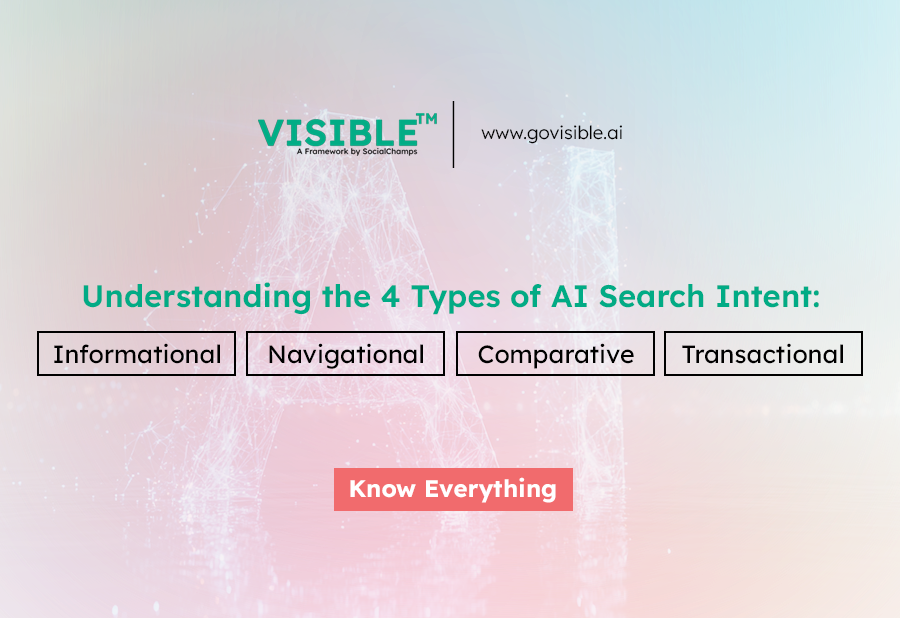
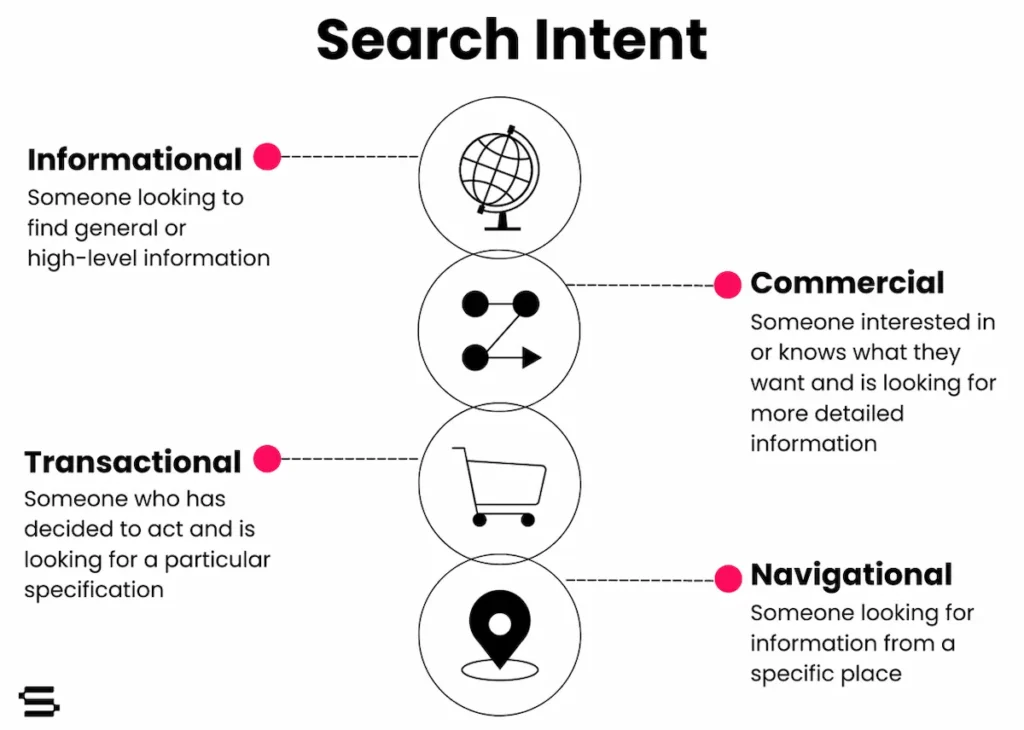
Navigational intent represents the user’s desire to reach a specific website or page directly through a search engine. Instead of researching or comparing options, these users already know where they want to go. They simply use search as a shortcut rather than typing a full URL into their browser. AI SEO Navigational Intent refers to the application of artificial intelligence and machine learning algorithms to better understand, categorize, and respond to these types of queries.
Traditional search engines relied heavily on exact-match domain signals and basic click-through data to identify navigational queries. Modern AI systems go far beyond this baseline. They analyze user behavior patterns, search history, device type, location, and even the time of day to determine whether a query carries navigational intent. For instance, searching “Facebook” at 9 AM on a workday might trigger different AI interpretations than the same query at midnight on a weekend.
The rise of generative AI and large language models (LLMs) has added another layer of complexity. Tools like Google’s Search Generative Experience (SGE) and Bing Chat now synthesize information from multiple sources, potentially bypassing traditional navigational results. This shift means brands must optimize not just for traditional SERPs but also for AI-generated summaries that may or may not include their official links.
How AI Detects and Processes Navigational Queries
AI systems employ sophisticated natural language processing (NLP) to parse the structure and semantics of search queries. When analyzing navigational intent, these systems look for several key signals. Brand names appearing in the query without additional qualifiers often indicate navigational intent. The presence of words like “official,” “login,” “website,” or “homepage” strengthens this classification. AI also examines the query’s brevity, as navigational searches tend to be shorter than informational or transactional ones.
Machine learning models continuously refine their understanding through user interaction data. When users click a result and immediately bounce back to search, the AI learns that the result did not satisfy their navigational need. Conversely, prolonged engagement with a specific result reinforces its relevance for that query type. This feedback loop enables AI systems to adapt to emerging brands and changing user preferences in real time.
Contextual understanding plays a vital role in AI’s processing of navigational queries. The same query can carry different intents depending on the user’s location, language, and device. A search for “Amazon” on a mobile device in the United States likely indicates a desire to reach the retail platform. The same query on a desktop in Germany might lead to Amazon.de, and AI systems must account for these regional variations automatically.
The Impact of Generative AI on Navigational Search Behavior
Generative AI has fundamentally altered how users approach navigational searches. Instead of typing a brand name and clicking the first organic result, users now increasingly turn to AI chatbots for direct answers. When someone asks ChatGPT or Google’s Gemini “Where can I log into my Gmail account?” the AI provides a direct response, potentially eliminating the need to visit the search engine at all. This behavior shift poses significant challenges for brands relying on traditional navigational traffic.
Search engines are responding by integrating AI features directly into their results pages. Google’s AI Overviews now appear at the top of many SERPs, providing synthesized answers that may satisfy user intent without requiring a click. For navigational queries, these overviews typically include the brand’s official website link, but they also present competing information that could distract users. Brands must monitor how AI systems represent their digital properties in these new formats.
The concept of “zero-click searches” has gained prominence as AI features reduce the need for users to visit websites. According to recent industry data, over 60% of Google searches now end without a click to an external website. For navigational queries, this percentage is even higher, as users often find what they need directly in the search results. This trend forces brands to reconsider their SEO strategies and find new ways to capture value from navigational searches.
Optimizing Your Website for AI SEO Navigational Intent
Brand optimization for AI navigational intent begins with technical fundamentals. Your website must clearly communicate its identity to search engine crawlers and AI systems. Implementing structured data markup, particularly Organization and WebSite schema, helps AI understand your brand’s official digital presence. This markup provides explicit signals about your brand name, logo, social profiles, and primary website URL, reducing ambiguity in AI’s interpretation.
Content optimization extends beyond traditional keyword targeting. AI systems analyze the semantic relationship between your brand and related terms. Creating authoritative content that consistently uses your brand name in context helps reinforce your digital identity. This includes optimizing your About page, contact information, and any content that clarifies your brand’s positioning. Consistency across all digital properties, including social media profiles and business directories, strengthens the signals AI uses to identify your official presence.
Technical performance directly influences how AI systems rank navigational results. Page speed, mobile responsiveness, and secure connections (HTTPS) serve as trust signals that AI algorithms weigh heavily. A slow-loading or poorly optimized website may lose navigational visibility to faster competitors, even when the user clearly intended to visit your site. Regular technical audits ensure your website meets the performance standards AI systems expect.
Brand SERP Management in the Age of AI
Managing your brand’s search engine results page has become more complex with AI integration. Traditional brand SERP management focused on ensuring your official website ranked first for your brand name. Modern AI-driven SERPs present multiple elements, including knowledge panels, AI overviews, image carousels, and video results. Each element offers opportunities and risks for brand perception.
Knowledge panels represent a critical component of AI-driven navigational results. These panels display structured information about your brand, including logo, description, social links, and key facts. AI systems generate this information from multiple sources, and inaccuracies can harm user trust. Regular monitoring and claiming your knowledge panel through Google Business Profile ensures the information presented aligns with your official brand messaging.
AI-generated summaries in search results require proactive management. When users search for your brand, AI systems may generate overviews that synthesize information from various sources. These summaries can include outdated information, competitor mentions, or negative reviews. Brands must actively publish fresh, authoritative content that AI systems can reference when generating these summaries. Press releases, official announcements, and regularly updated website content all contribute to positive AI representation.
Secondary Keywords and Semantic Search Optimization
AI SEO Navigational Intent extends beyond your exact brand name. Users often employ variations and related terms when searching for your website. Semantic search optimization involves identifying and targeting these related queries. For example, users searching for “Nike official store” or “Nike.com login” carry navigational intent toward Nike’s website, even though the queries differ from the exact brand name.
Building content around these semantic variations helps AI systems understand the full scope of your brand’s digital presence. Create dedicated landing pages for common navigational variations, such as login pages, support portals, or regional websites. Each page should clearly indicate its relationship to your official brand while providing value to users with specific navigational needs.
Voice search optimization adds another dimension to semantic navigational intent. Voice assistants like Siri, Alexa, and Google Assistant interpret conversational queries differently than typed searches. Users might say “Open my Amazon app” or “Go to YouTube” rather than typing exact brand names. Optimizing for these natural language patterns ensures your brand appears in voice-driven navigational results.
AI Tools for Analyzing Navigational Intent

Several AI-powered tools help marketers analyze and optimize for navigational intent. Google Search Console provides valuable data on branded queries, showing impressions, clicks, and average position for searches containing your brand name. AI-enhanced analytics platforms like Semrush and Ahrefs now incorporate machine learning to identify query patterns and predict intent classifications.
Natural language processing tools can analyze the semantic structure of navigational queries, identifying patterns that indicate user intent. These tools help marketers understand the language users employ when searching for their brand, enabling more effective content optimization. Sentiment analysis adds another layer, revealing whether navigational searches carry positive, negative, or neutral associations with your brand.
Predictive analytics powered by AI can forecast future navigational search trends. By analyzing historical data and current market conditions, these systems identify emerging brand-related queries before they become mainstream. Early identification allows brands to create targeted content and capture valuable navigational traffic ahead of competitors.
Common Mistakes in AI Navigational Intent Optimization
Many brands make critical errors when optimizing for AI-driven navigational searches. One common mistake involves neglecting brand consistency across digital properties. Inconsistent branding across your website, social profiles, and business listings confuses AI systems, potentially leading to incorrect navigational associations. Maintaining uniform brand names, logos, and descriptions across all platforms is essential.
Another frequent error involves focusing exclusively on your exact brand name while ignoring semantic variations. Users employ countless variations when searching for your website, and failing to optimize for these variations means missing valuable navigational traffic. Comprehensive keyword research should identify all relevant brand-related queries, including misspellings and abbreviations.
Some brands attempt to manipulate AI systems through aggressive optimization tactics. Keyword stuffing, cloaking, and other black-hat techniques can trigger AI detection algorithms, resulting in penalties that damage navigational visibility. AI systems increasingly prioritize authentic, user-focused content over artificially optimized pages. Sustainable success requires genuine value creation rather than algorithmic manipulation.
Measuring Success in AI Navigational Intent Optimization
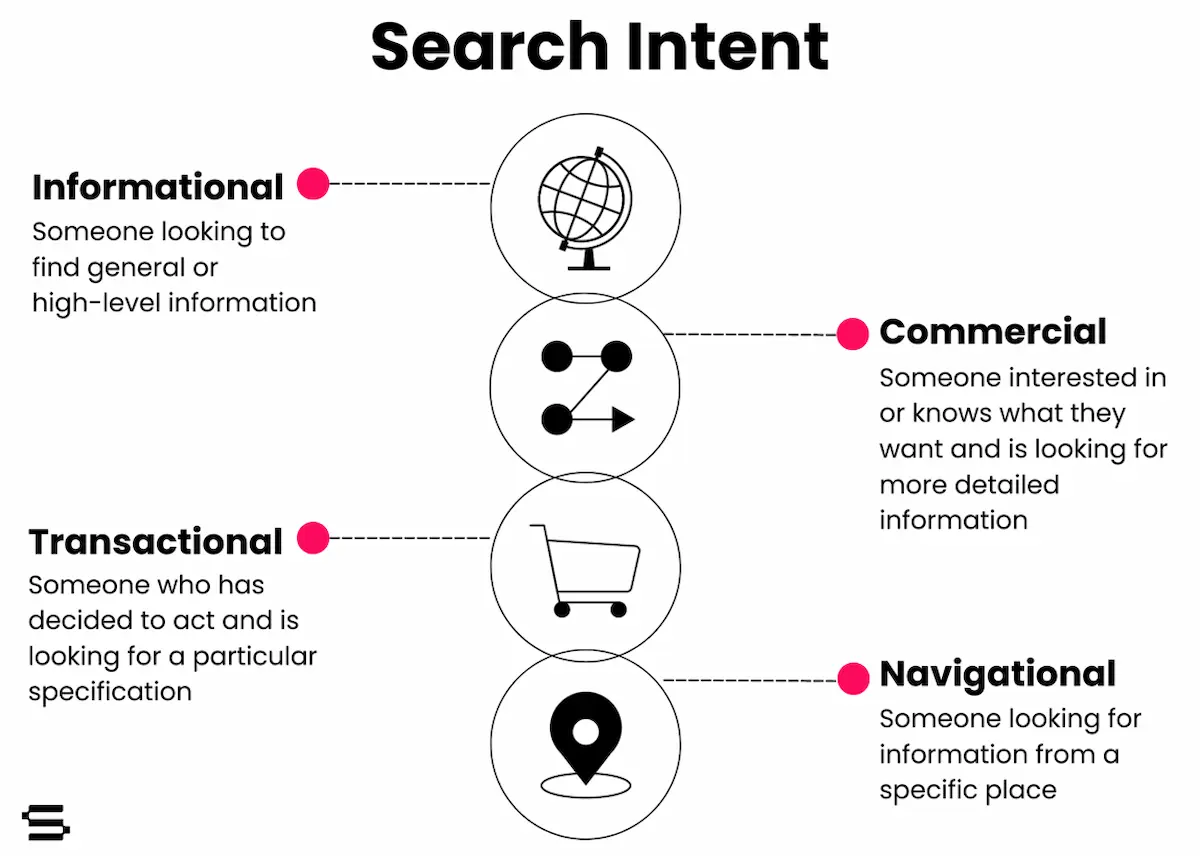
Tracking the effectiveness of your AI navigational intent strategy requires a comprehensive measurement framework. Traditional metrics like branded search volume and click-through rates provide baseline data. However, AI-driven search introduces new metrics that require attention. AI overview visibility, zero-click search rates, and voice search performance all offer insights into your navigational presence.
User engagement metrics provide valuable signals about navigational satisfaction. When users arrive at your website through navigational searches, their behavior indicates whether they found what they sought. High bounce rates on navigational landing pages suggest a disconnect between user expectations and your website’s content. Analyzing these patterns helps identify areas for improvement.
Competitor benchmarking offers context for evaluating your navigational performance. Monitoring how competitors appear in AI-driven results for brand-related queries reveals opportunities and threats. If competitors consistently appear in AI overviews for your brand name, this signals a gap in your optimization strategy that requires immediate attention.
Future Trends in AI SEO Navigational Intent
The evolution of AI technology promises continued transformation of navigational search. Multimodal AI systems that process text, images, and voice simultaneously will create new opportunities for brand visibility. Users may soon search for brands using images or voice commands, requiring optimization strategies that extend beyond traditional text-based approaches.
Personalization will play an increasingly significant role in AI-driven navigational results. AI systems already tailor results based on user history and preferences, and this trend will accelerate. Brands must consider how their digital presence appears to different user segments, potentially creating personalized navigational experiences that adapt to individual preferences.
The integration of augmented reality and virtual reality into search experiences will create entirely new navigational paradigms. Users may navigate to virtual brand spaces through AI-powered assistants, requiring brands to establish presence in these emerging digital environments. Forward-thinking brands should monitor these developments and prepare for the next evolution of navigational search.
Practical Implementation Guide for AI Navigational Intent
Implementing an effective AI SEO Navigational Intent strategy requires a systematic approach. Begin by conducting a comprehensive audit of your current navigational presence. Identify all branded queries, analyze your SERP appearance, and evaluate your website’s technical foundation. This baseline assessment reveals strengths and weaknesses that inform your optimization priorities.
Develop a content strategy that addresses all facets of navigational intent. Create dedicated pages for common navigational queries, optimize your homepage for brand recognition, and publish authoritative content that reinforces your brand identity. Each piece of content should serve a clear purpose in helping AI systems understand and represent your brand accurately.
Establish monitoring systems that track your navigational performance over time. Regular reporting on branded search metrics, AI overview visibility, and user engagement provides the data needed for continuous optimization. Adjust your strategy based on performance data, emerging trends, and changes in AI algorithms.
Frequently Asked Questions
What is the difference between navigational intent and transactional intent?
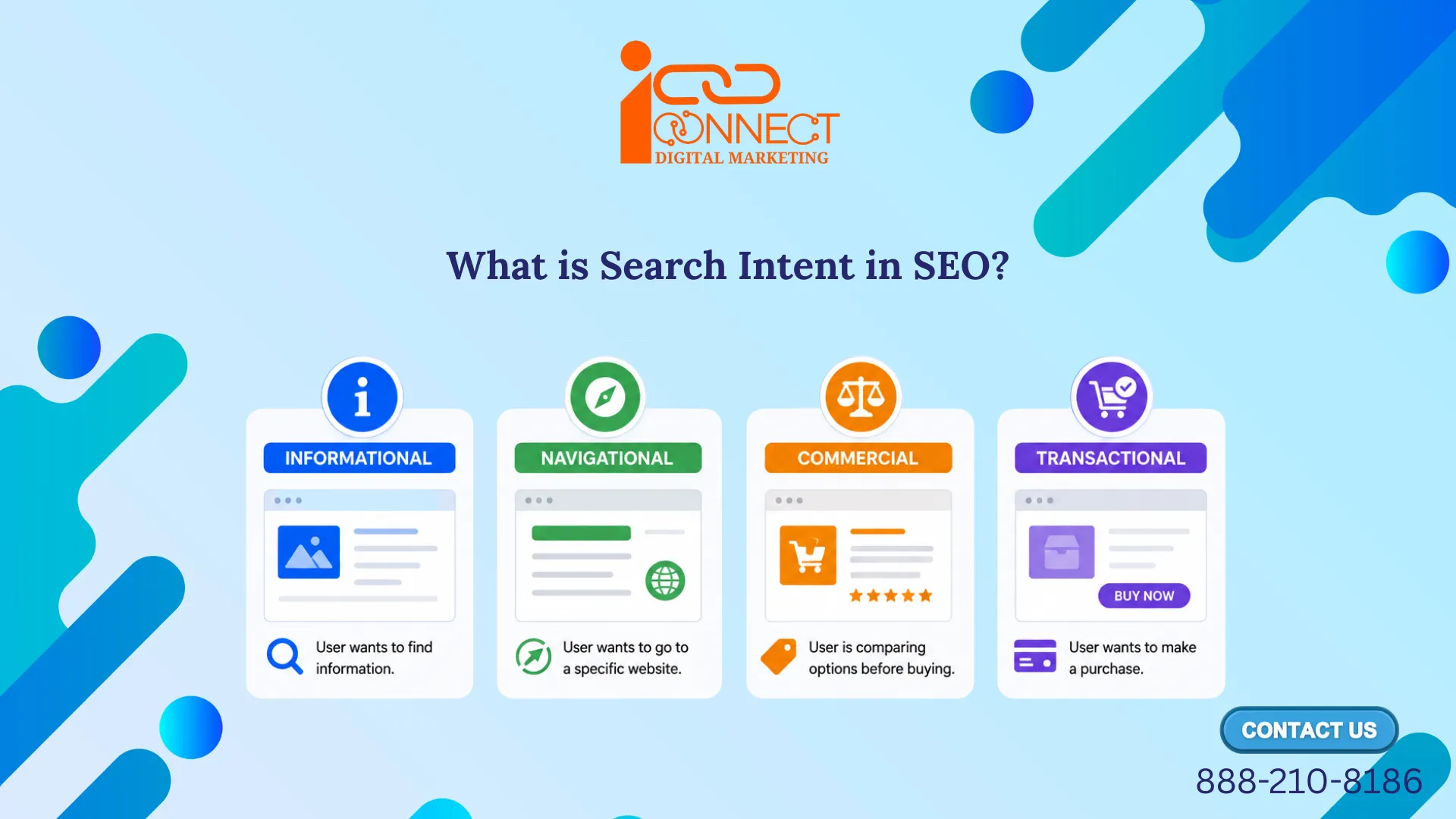
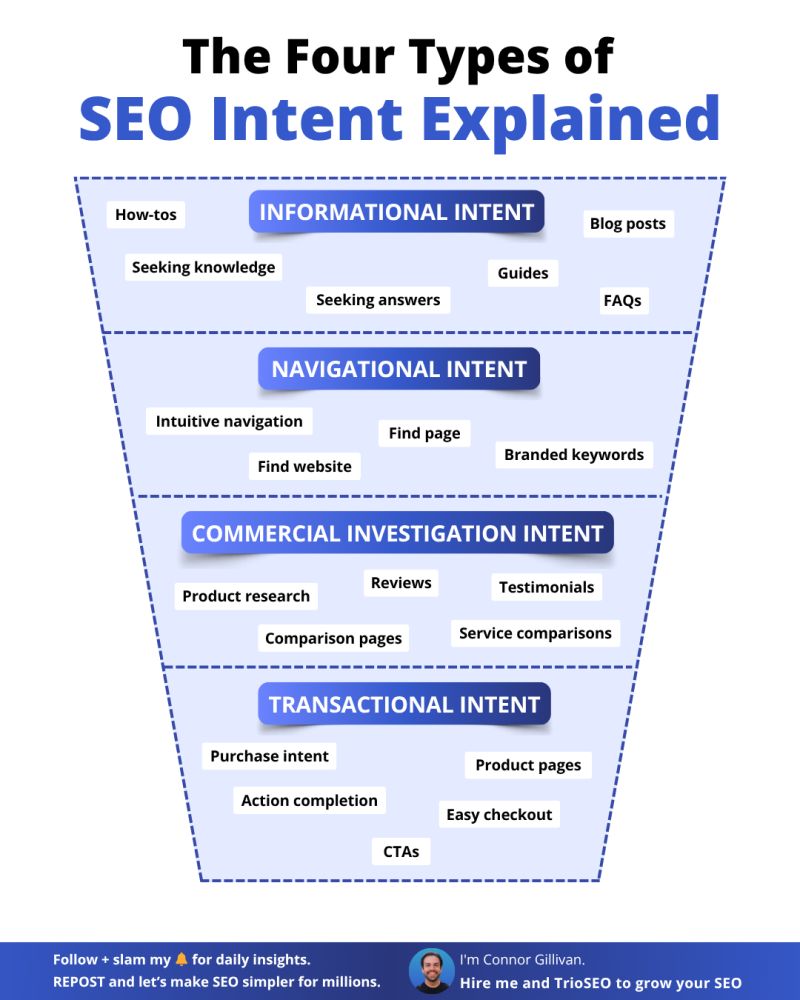
Navigational intent occurs when users search for a specific website or page they already know about, such as searching “YouTube” to reach the video platform. Transactional intent involves users ready to complete a purchase or other conversion action, such as searching “buy running shoes online.” Navigational searches focus on reaching a destination, while transactional searches focus on completing an action.
How does AI change traditional navigational SEO?
AI transforms navigational SEO by enabling more sophisticated understanding of user intent, personalizing results based on individual behavior, and generating synthesized answers that may reduce clicks to websites. Traditional navigational SEO focused on ranking first for brand names, while AI-driven approaches require optimizing for semantic variations, AI overviews, and multiple search formats.
Can AI systems misidentify navigational intent?
Yes, AI systems can misidentify navigational intent, particularly for ambiguous queries or emerging brands. For example, a query like “Apple” could refer to the technology company or the fruit. AI systems use contextual signals like user history and location to make determinations, but errors still occur. Brands can reduce misidentification by maintaining consistent digital presence and publishing clear, authoritative content.
How important is brand consistency for AI navigational optimization?
Brand consistency is critically important for AI navigational optimization. AI systems rely on consistent signals across websites, social media, and business directories to identify official brand presence. Inconsistent branding confuses AI algorithms and may result in incorrect navigational associations or reduced visibility in branded search results.
What tools can help monitor AI navigational performance?
Google Search Console provides essential data on branded query performance, including impressions, clicks, and positions. AI-powered SEO platforms like Semrush, Ahrefs, and Moz offer advanced analytics for tracking navigational metrics. Additionally, brand monitoring tools that track mentions across the web help identify how AI systems represent your brand in various contexts.
Conclusion
AI SEO Navigational Intent represents a fundamental shift in how brands must approach search optimization. The days of simply ranking first for your brand name are over. Modern AI systems demand comprehensive optimization that addresses semantic variations, AI-generated summaries, voice search, and personalized results. Brands that embrace these changes and implement sophisticated navigational strategies will capture valuable traffic and strengthen their digital presence. Those that cling to outdated approaches risk losing visibility to competitors and AI-generated alternatives. The future belongs to brands that understand and adapt to the AI-driven evolution of navigational search.
Xem thêm:
- AI SEO Knowledge Panel Optimization: The Complete Guide to Dominating Search in 2025
- AI SEO Revenue Growth: The Complete Playbook for Scaling Organic Income in 2025
- AI SEO Competitor Content Analysis: The Complete Playbook for 2025
- AI SEO Framework: The Complete Blueprint for Search Dominance in 2025
- AI SEO Statistics 2025: Data-Driven Insights Every Marketer Must Know
Bài viết cùng chủ đề:

AI SEO SEO Automation with Make: The Complete Workflow Guide

AI SEO SEO Automation with Zapier: The Complete Workflow Guide

AI SEO SEO Automation with n8n: The Complete Workflow Guide
AI SEO SEO Automation with Gemini: The Complete Guide to Scaling Organic Growth

AI SEO SEO Automation with Claude: The Complete Guide to Scaling Content in 2025

AI SEO SEO Automation with ChatGPT: The Complete Playbook for 2025

AI SEO & SEO Automation for Affiliate Sites: The 2025 Playbook for Passive Income Growth
AI SEO & SEO Automation for Bloggers: The Complete Guide to Scaling Your Content

AI SEO & SEO Automation for Agencies: The Complete 2025 Playbook

AI SEO and SEO Automation for Ecommerce: The Complete Playbook for 2025

AI SEO & SEO Automation for WordPress: The Complete Playbook for 2025
AI SEO SEO Automation Strategy: The Complete Playbook for 2025

Mastering the AI SEO SEO Automation Process: A Complete Guide to Scaling Organic Growth
AI SEO SEO Automation System: The Complete Guide to Scaling Organic Growth in 2025
AI SEO SEO Automation Platform: The Complete Guide to Scaling Organic Growth in 2025
AI SEO SEO Automation Software: The Complete Guide to Scaling Organic Growth in 2025















