
No products in the cart.
AI SEO Navigation: The Complete Guide to Smarter Site Architecture in 2025

31
Jul
Jul
AI SEO navigation is transforming how search engines crawl, interpret, and rank websites. Traditional navigation relied on static menus and manual internal linking, but artificial intelligence now powers dynamic pathways that adapt to user behavior and search intent. This guide explains what AI SEO navigation means, how it works, and how to implement it for measurable ranking improvements. You will learn the core components, practical setup steps, common pitfalls, and answers to frequently asked questions about this emerging discipline.
What Is AI SEO Navigation?
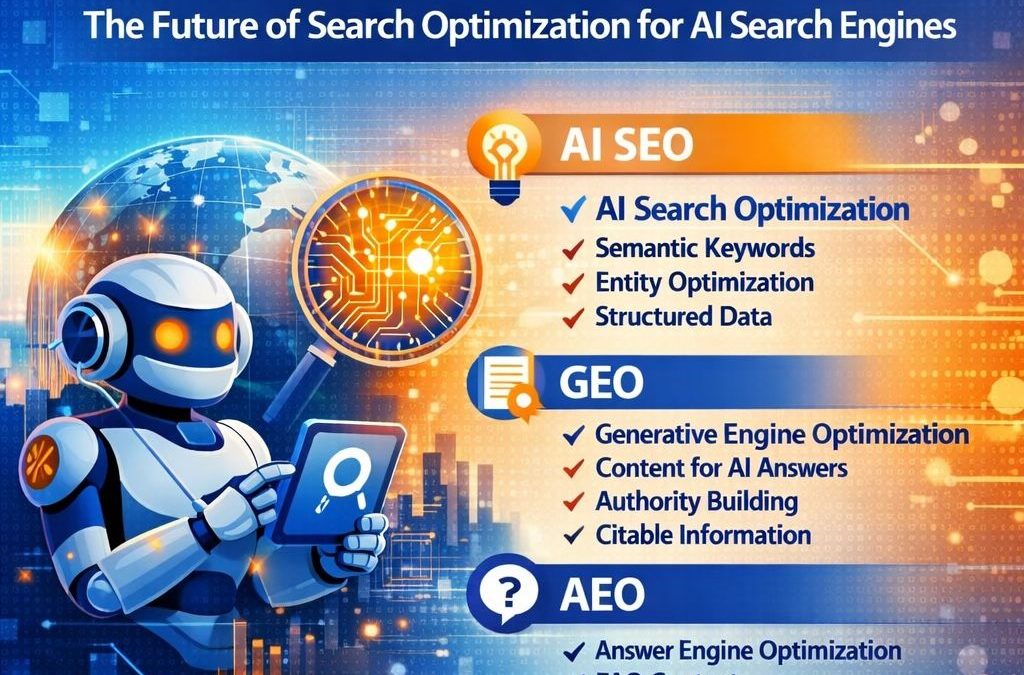
AI SEO navigation refers to the use of machine learning algorithms and natural language processing to design, optimize, and automate a website’s navigation structure. Unlike static HTML menus, AI-driven navigation analyzes search engine crawl patterns, user clickstream data, and semantic relationships between pages to generate dynamic internal linking paths. The goal is to ensure that every important page receives sufficient crawl depth and link equity while providing users with the most relevant next steps.
The concept extends beyond simple menu bars. It encompasses breadcrumb trails, contextual in-content links, related article widgets, and even predictive search suggestions. AI models evaluate thousands of signals, including query intent, session duration, and conversion probability, to decide which links to display and where to place them. This results in a navigation system that evolves continuously rather than remaining fixed for months or years.
How AI Differs from Traditional SEO Navigation
Traditional navigation relies on human judgment and static hierarchies. A webmaster decides that the homepage links to category pages, which link to product pages, and that structure rarely changes. AI SEO navigation, however, uses real-time data to adjust link placement. For example, if an AI model detects that users searching for “wireless earbuds battery life” frequently visit a specific review page, it will automatically surface that page in the navigation for related queries.
Another key difference is scalability. A human can manage internal links for a site with 500 pages, but not for a site with 500,000 pages. AI algorithms can analyze the entire URL structure, identify orphan pages, and suggest link additions across massive content repositories without manual effort. This capability is essential for e-commerce platforms, news portals, and enterprise websites with extensive archives.
Core Components of AI SEO Navigation
Implementing AI SEO navigation requires understanding its fundamental building blocks. Each component works together to create a self-optimizing system that improves crawl efficiency and user engagement.
1. Semantic Content Clustering
AI models group pages into topical clusters based on semantic similarity rather than simple keyword matching. For instance, a page about “running shoes” might be clustered with “heel strike patterns,” “marathon training plans,” and “ankle support technology.” The navigation then links these pages together contextually, signaling to search engines that the site has comprehensive coverage of the topic. This clustering directly impacts how Google interprets entity relationships and topical authority.
2. Dynamic Internal Linking
Instead of static footer links, AI SEO navigation generates internal links on the fly. When a user lands on a blog post, the system analyzes their entry query, device type, and past behavior to display three to five relevant links. These links might change for different visitors or for the same visitor on different visits. Search engine crawlers also see these dynamic links, which helps distribute PageRank more effectively across the site.
3. Predictive Crawl Path Optimization
Search engine bots have limited crawl budgets. AI navigation predicts which pages are most likely to rank and prioritizes them in the internal linking structure. The system monitors server logs to see which pages Googlebot visits frequently and which it ignores. It then adjusts anchor text and link placement to guide crawlers toward high-value pages that are currently under-crawled.
4. User Intent Adaptation
Navigation menus powered by AI can change based on the user’s stage in the buying journey. A first-time visitor might see broad category links, while a returning visitor who previously viewed pricing pages might see links to case studies, testimonials, and comparison charts. This personalization improves engagement metrics like time on site and pages per session, which are indirect ranking factors.
Benefits of Implementing AI SEO Navigation
Adopting AI-driven navigation offers several concrete advantages that directly impact search performance and business outcomes.
- Improved crawl efficiency: AI ensures that important pages are never more than three clicks from the homepage, reducing crawl depth and ensuring faster indexing.
- Higher keyword rankings: Dynamic internal links pass more contextual anchor text, helping target pages rank for long-tail variations.
- Reduced orphan page issues: The system automatically detects pages with zero internal links and suggests placement opportunities.
- Enhanced user experience: Personalized navigation reduces bounce rates by showing users exactly what they need next.
- Scalability: AI handles link optimization for thousands of pages without requiring manual audits.
- Better data insights: Navigation analytics reveal which pathways convert best, informing broader content strategy.
Measurable Impact on Core Web Vitals
AI navigation can also improve performance metrics. By reducing the number of clicks needed to reach key content, pages load faster because users access them directly rather than through heavy category pages. Additionally, AI can preload likely next pages based on cursor movement and click prediction, making navigation feel instantaneous. Google’s Core Web Vitals, particularly Largest Contentful Paint and Interaction to Next Paint, benefit from these optimizations.
Limitations and Challenges
AI SEO navigation is not a silver bullet. Several limitations require careful consideration before implementation.
Data dependency: The system requires substantial historical data to make accurate predictions. New websites with low traffic may not have enough signals for AI to work effectively. In such cases, a hybrid approach using manual rules alongside AI is recommended.
Implementation complexity: Integrating machine learning models into a content management system or e-commerce platform requires technical expertise. Many teams lack the engineering resources to build custom solutions, though third-party tools are emerging to fill this gap.
Risk of over-optimization: If the AI overfits to current user behavior, it may create navigation loops that confuse crawlers or hide important pages. Regular monitoring and fallback rules are essential to prevent this issue.
Cost: Advanced AI navigation platforms charge subscription fees based on page count and traffic volume. For small businesses, the cost may outweigh the benefits compared to manual internal linking.
AI SEO Navigation vs. Traditional Navigation: A Comparison
| Aspect | Traditional Navigation | AI SEO Navigation |
|---|---|---|
| Link placement | Static, manual | Dynamic, algorithm-driven |
| Scalability | Limited to human capacity | Handles millions of pages |
| User personalization | Same for all visitors | Adapts to individual behavior |
| Crawl optimization | Based on manual audits | Real-time server log analysis |
| Update frequency | Weekly or monthly | Continuous, real-time |
| Data requirements | Minimal | High volume of behavioral data |
| Cost | Low (manual labor) | High (software and infrastructure) |
How to Implement AI SEO Navigation: A Step-by-Step Guide
Implementing AI navigation requires a structured approach. Follow these steps to move from static menus to an intelligent linking system.
Step 1: Audit Your Current Navigation Structure
Start by exporting your entire URL list and mapping the current internal link graph. Use tools like Screaming Frog or Sitebulb to identify orphan pages, deep pages (more than four clicks from home), and pages with zero inbound internal links. This baseline data will train your AI model and highlight immediate fixes.
Step 2: Collect Behavioral Data
Integrate analytics tools that capture clickstream data, scroll depth, and navigation paths. Google Analytics 4 and Microsoft Clarity provide this information. You need at least three months of data to identify reliable patterns. Focus on metrics like exit pages, next-page click rates, and search queries that lead to specific pages.
Step 3: Choose an AI Navigation Platform or Build Custom Models
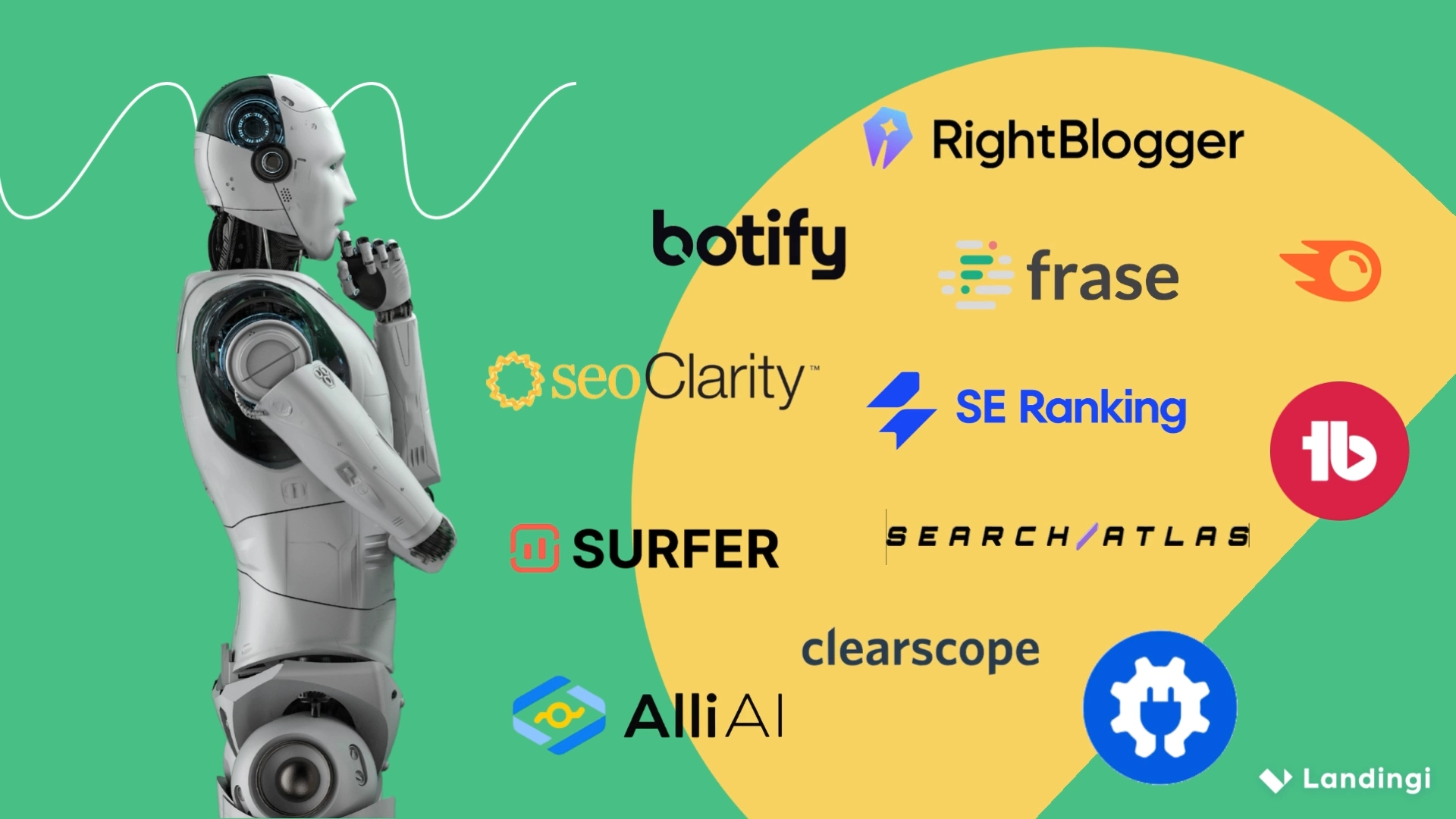
Several SaaS platforms offer AI-driven internal linking, including Link Whisper, Internal Link Juicer, and MarketMuse. These tools use pre-trained models that analyze your content and suggest relevant links. For enterprise needs, consider building custom models using Python libraries like scikit-learn or TensorFlow. The custom route allows full control but requires data science expertise.
Step 4: Define Navigation Rules and Constraints
Set boundaries for the AI. For example, you might specify that no page should have more than 50 internal links, or that product pages must link to at least two related products. These constraints prevent the AI from creating spammy link patterns that violate Google’s guidelines.
Step 5: Implement Dynamic Menu and In-Content Links
Modify your website’s template to support dynamic link injection. This often involves using JavaScript to fetch link recommendations from an API and render them in the sidebar, footer, or within the article body. Ensure that the dynamic links are crawlable by using server-side rendering or progressive enhancement techniques.
Step 6: Monitor and Iterate
After deployment, track changes in crawl frequency, indexation rates, and keyword rankings. Use Google Search Console to monitor which pages receive impressions and clicks. Set up automated alerts for any sudden drop in crawl activity, which might indicate that the AI created a navigation loop.
Common Mistakes in AI SEO Navigation and How to Avoid Them
Many teams make avoidable errors when adopting AI navigation. Recognizing these pitfalls early saves time and prevents ranking losses.
Mistake 1: Ignoring Crawl Budget Limits
AI might generate hundreds of new internal links, but Googlebot still has a finite crawl budget. If the AI links to low-value pages excessively, important pages may get crawled less frequently. Avoid this by setting a maximum link threshold per page and prioritizing links to pages with proven ranking potential.
Mistake 2: Using Generic Anchor Text
Some AI tools default to using “click here” or “read more” as anchor text. This provides zero semantic value to search engines. Avoid this by configuring the AI to extract the target page’s primary keyword or a descriptive phrase from its title tag.
Mistake 3: Over-Personalizing for Search Bots
If the AI detects that Googlebot follows a specific link path, it might over-optimize that path, creating an unnatural structure. Avoid this by ensuring that navigation serves human users first. If a link doesn’t make sense for a human visitor, remove it even if it helps crawling.
Mistake 4: Neglecting Mobile Navigation
AI navigation models trained primarily on desktop data may fail on mobile devices where screen space is limited. Avoid this by segmenting your data by device type and testing the mobile navigation experience separately.
Mistake 5: Failing to Update the Model
User behavior changes over time, and so do search engine algorithms. An AI model trained on last year’s data will become stale. Avoid this by retraining the model quarterly and incorporating new search query data from Google Search Console.
Important Notes for AI SEO Navigation Success
Several contextual factors determine whether AI navigation will succeed on your website.
Content quality is non-negotiable. AI navigation cannot fix thin or duplicate content. If your pages lack substance, no amount of internal linking will improve rankings. Focus on creating comprehensive, original content first, then apply AI navigation to amplify its reach.
Search engine guidelines still apply. Google’s spam policies prohibit manipulative link schemes, including excessive internal linking with exact-match anchors. AI navigation must comply with these rules. Use natural language variations and avoid stuffing keywords into every link.
Integration with existing SEO tools is critical. Your AI navigation platform should export data to your analytics and rank tracking tools. This integration allows you to measure the direct impact of navigation changes on organic performance.
User feedback loops matter. Implement a feedback mechanism where users can report broken links or confusing navigation paths. This human input helps refine the AI model beyond what behavioral data alone can provide.
Frequently Asked Questions About AI SEO Navigation

What is the difference between AI SEO navigation and traditional sitemaps?
A sitemap is a static XML file that lists URLs for search engines. AI SEO navigation is a dynamic system that generates internal links based on real-time data. Sitemaps tell crawlers where pages exist, while AI navigation determines which pages are most important and how they relate to each other. Both are useful, but AI navigation provides deeper optimization because it adapts to user behavior and search intent.
Can small websites benefit from AI SEO navigation?
Yes, but the benefits are proportional to site size. A small site with 50 pages can achieve similar results with manual internal linking. However, AI navigation becomes valuable when the site grows beyond 500 pages or when the content changes frequently. For small sites, using a lightweight AI tool that suggests links based on keyword similarity can still save time and improve topical relevance.
Does Google penalize dynamic navigation links?
No, Google does not penalize dynamic links as long as they are crawlable and provide genuine value. Google’s John Mueller has confirmed that JavaScript-generated links are processed if they render properly. The key is to ensure that the links are not hidden, deceptive, or irrelevant. AI navigation that serves user intent will not trigger manual actions.
How long does it take to see results from AI SEO navigation?
Most sites see initial improvements in crawl frequency within two to four weeks. Ranking changes typically take six to twelve weeks because Google needs to recrawl and re-index the affected pages. The full impact on organic traffic may take three to six months, depending on the competitiveness of your niche and the quality of your content.
What are the best tools for AI SEO navigation?
Popular tools include Link Whisper for WordPress, which uses AI to suggest internal links based on content similarity. MarketMuse offers content clustering and navigation recommendations for larger sites. For custom solutions, using Google’s Natural Language API combined with a graph database like Neo4j can build a powerful navigation system. Always test tools on a staging site before deploying to production.
Is AI SEO navigation the same as programmatic SEO?
No, they are related but distinct. Programmatic SEO involves generating thousands of pages from templates based on data feeds. AI SEO navigation focuses on how those pages link to each other. You can have programmatic SEO without AI navigation, but combining them creates a powerful synergy where automatically generated pages are automatically interlinked based on semantic relevance.
Conclusion
AI SEO navigation represents a fundamental shift from static site architecture to adaptive, data-driven pathways. By leveraging machine learning to analyze user behavior, crawl patterns, and semantic relationships, websites can achieve better indexation, higher rankings, and improved user engagement. The technology is not without challenges, including data requirements and implementation complexity, but the potential rewards are substantial for sites that commit to the process.
Start by auditing your current navigation, collecting behavioral data, and testing a reliable AI tool on a subset of your pages. Monitor the results carefully, adjust your constraints, and scale gradually. The future of search optimization belongs to those who embrace intelligent navigation systems that evolve alongside user needs and search engine algorithms. Implementing AI SEO navigation today positions your website for sustained visibility in an increasingly competitive digital landscape.
Xem thêm:
- AI Headline Generator: Craft High-Converting Titles in Seconds
- AI SEO Competitor Content Analysis: The Complete Playbook for 2025
- AI SEO AI Citation Optimization: The Complete Guide to Dominating Local Search in 2025
- AI SEO Skyscraper Technique: The 2025 Guide to Dominating Search Rankings
- AI Grammar Checker: Transform Your Writing with Intelligent Error Detection
Bài viết cùng chủ đề:

AI SEO SEO Automation with Make: The Complete Workflow Guide

AI SEO SEO Automation with Zapier: The Complete Workflow Guide

AI SEO SEO Automation with n8n: The Complete Workflow Guide
AI SEO SEO Automation with Gemini: The Complete Guide to Scaling Organic Growth

AI SEO SEO Automation with Claude: The Complete Guide to Scaling Content in 2025

AI SEO SEO Automation with ChatGPT: The Complete Playbook for 2025

AI SEO & SEO Automation for Affiliate Sites: The 2025 Playbook for Passive Income Growth
AI SEO & SEO Automation for Bloggers: The Complete Guide to Scaling Your Content

AI SEO & SEO Automation for Agencies: The Complete 2025 Playbook

AI SEO and SEO Automation for Ecommerce: The Complete Playbook for 2025

AI SEO & SEO Automation for WordPress: The Complete Playbook for 2025
AI SEO SEO Automation Strategy: The Complete Playbook for 2025

Mastering the AI SEO SEO Automation Process: A Complete Guide to Scaling Organic Growth
AI SEO SEO Automation System: The Complete Guide to Scaling Organic Growth in 2025
AI SEO SEO Automation Platform: The Complete Guide to Scaling Organic Growth in 2025
AI SEO SEO Automation Software: The Complete Guide to Scaling Organic Growth in 2025















