
No products in the cart.
AI Headline Generator: Craft High-Converting Titles in Seconds
29
Jul
Jul
Every marketer, blogger, and content creator knows the brutal truth: a brilliant article or ad falls flat without a compelling headline. In a digital landscape where attention spans shrink by the day, the right five to ten words can make or break your click-through rate. An AI headline generator steps into this pressure cooker, offering data-backed, emotionally resonant title suggestions that bypass creative burnout. This in-depth guide unpacks how these tools function, their real-world benefits, their limitations, and a straightforward process for weaving them into your daily workflow to boost engagement without losing your brand voice.
What Is an AI Headline Generator?
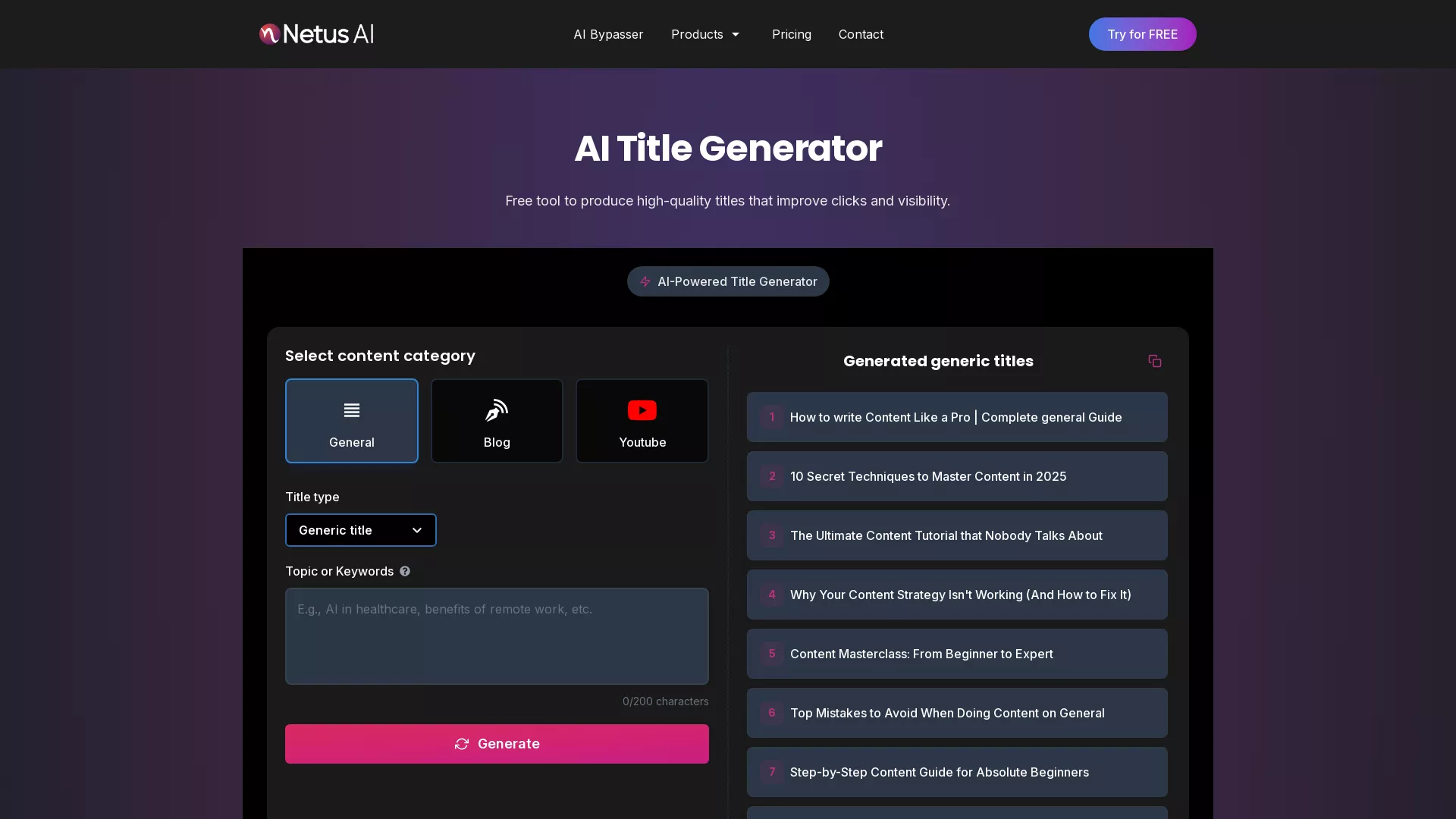
An AI headline generator is a specialized software application that uses artificial intelligence—primarily natural language processing (NLP) and machine learning—to produce headline variations for articles, ads, emails, social media posts, and video titles. Instead of staring at a blank screen, you provide a topic, a few target keywords, and a tone preference. The tool then outputs dozens of polished, clickable headline suggestions within seconds. These systems learn from massive datasets that include top-performing headlines, search engine results, and psychological triggers, which makes them more than random title spinners.
The technology does not merely shuffle words. It analyzes sentiment, power words, length, and structural patterns proven to drive clicks. For instance, a generator might recognize that listicles with numbers, “how-to” formats, and curiosity gaps tend to outperform vague statements. It then applies these insights algorithmically. As a result, an AI headline generator becomes a creative co-pilot, helping you move past subjective preferences toward what resonates with human readers and search engine algorithms simultaneously.
The Technology Behind AI-Powered Headline Creation
Modern headline generators rely on transformer-based language models, similar to those powering advanced writing assistants. These models undergo pre-training on enormous corpora of text; during that phase, they internalize grammar, syntax, and common headline structures. Many tools fine-tune their base models on curated datasets of headlines paired with click-through rate data, sentiment scores, and conversion metrics. When you feed the generator a core idea, it performs a probabilistic calculation, predicting which word sequences are most likely to align with high engagement based on what it has observed in millions of examples.
Beyond raw language generation, some systems incorporate keyword optimization modules. They can adjust the phrasing to include a primary keyword naturally, maintain an appropriate character count for display on search engine results pages, or align with a specific reading grade level. More advanced platforms run an instant emotional analysis of each suggested headline, assigning a score for curiosity, urgency, or positivity, so you can select titles that match your content’s emotional goal.
How an AI Headline Generator Transforms Ideation: A Step-by-Step Process
Using an AI headline generator is not a magical one-click solution. It works best within a deliberate workflow that marries machine efficiency with human judgment. The typical process unfolds across four clear stages.
- Input specification: You define the core topic, target keyword, content format (blog post, YouTube video, product page), and desired tone—urgent, informative, witty, or empathetic. Some tools let you pick a headline template, such as “Question,” “How-to,” or “Controversial Statement.”
- Generation and filtering: The AI outputs a list of 20 to 50 headlines in seconds. At this stage, you discard options that misrepresent the content, feel too gimmicky, or fail to mention the product or service you need to highlight.
- Emotional and structural scoring: Many platforms display a numeric score or color-coded indicator for each suggestion, measuring emotional impact, readability, and predicted click-through rate. You can sort headlines by these metrics to identify the strongest candidates quickly.
- Human refinement: You take the top three to five machine-generated ideas and tweak them. Add a specific number, swap a generic adjective for brand-specific vocabulary, or shorten the headline to fit a mobile preview. The output is a tight list of headlines you can A/B test or publish with confidence.
- Dramatic time savings: Generating 30 variations manually can take an experienced copywriter 45 to 90 minutes. An AI headline generator delivers the same volume in under a minute, freeing time for higher-level strategy, audience research, or crafting the actual content body.
- Elimination of creative rigidity: Even the most imaginative writers fall into ruts, unconsciously reusing the same structural templates. AI tools force diversity by proposing formats—question headlines, negative headlines, “what nobody tells you” angles—that your brain might skip.
- Data-backed decisions: Instead of relying on gut feeling, you work with headlines that have been ranked according to emotional impact scores, word balance, and predicted click-through rates. This reduces the guesswork and elevates design over chance.
- Scalability across teams and channels: Content teams managing multiple brands, languages, or platforms can enforce headline quality standards uniformly. The generator serves as an objective reference point, making sure every headline meets a baseline of persuasiveness before publication.
- Improved click-through and open rates: When consistently applying generator-optimized titles, blog posts, email subject lines, and social updates often see measurable lifts. Even a 5 percent improvement can translate into thousands of additional visitors for high-volume sites.
- Support for A/B testing strategies: With dozens of viable headlines, you can quickly set up split tests on email subject lines or social ads, comparing variations rooted in curiosity versus variations rooted in urgency, and collect direct performance data.
- Potential for generic-sounding output: Because models are trained on aggregated data, the most statistically probable headlines often sound safe, formulaic, and easily forgettable. Without a strong human filter, your titles risk blending into the background noise of clickbait.
- Difficulty interpreting brand voice: An AI headline generator struggles with a highly specific brand persona—especially one built on sarcasm, understatement, or inside jargon. It may produce technically correct headlines that feel completely alien to the company’s character.
- Over-reliance on sensational patterns: Models optimized for click-through data can overuse “shocking,” “you won’t believe,” and “before it’s too late” structures. This damages credibility if the content itself is moderate and educational, leading to a credibility gap between headline promise and article delivery.
- Factual inaccuracies in niche sectors: When you prompt a generator with a highly technical or regulated topic—medical devices, financial compliance, legal advice—it can produce headlines that imply benefits or guarantees you cannot legally or ethically make. Every factual claim must be verified.
- Context blindness: The tool does not know your audience’s recent history, your competitor’s latest move, or a current cultural event that makes a particular phrase tone-deaf. Only a human editor can spot those sensitivities and adjust accordingly.
- Blindly publishing the first suggestion: The AI’s top result is simply the most statistically probable, not the best for your audience. Always generate at least 20 variations and manually curate. A 30-second review can transform a mediocre headline into a standout.
- Ignoring brand voice consistency: A headline that reads like a tabloid will confuse readers who expect a restrained, professional tone. After generation, read the headline aloud as if it were spoken by your brand ambassador. If it feels off, adjust the vocabulary and intensity until it fits.
- Stacking too many power words: Generators sometimes produce headlines crammed with “ultimate,” “essential,” “proven,” and “life-changing” all at once. This creates a desperate, spammy vibe. Limit most headlines to one strong power word and let the structure do the rest of the persuasive work.
- Using the wrong generator for the platform: A tool built for blog SEO will produce titles that are too long and descriptive for Instagram. Match the generator type to the destination; if necessary, use a separate social-media-specific generator for those channels.
- Neglecting to refresh prompts over time: Language trends and audience sensibilities shift. A prompt that worked well six months ago may now produce stale results. Regularly update your input descriptions with new angles, seasonal terms, or emerging slang where appropriate.
- Forgetting mobile previews: Many email clients and social platforms truncate headlines after a certain character threshold. Always check how the headline renders on a smartphone screen. The generator might not know the exact pixel width of your landing page’s title area, so manually verify the display.
This hybrid approach ensures that the final selection is data-informed without becoming robotic. The AI handles the heavy lifting of divergent thinking; you apply convergent thinking to polish the best options.
Types of AI Headline Generators
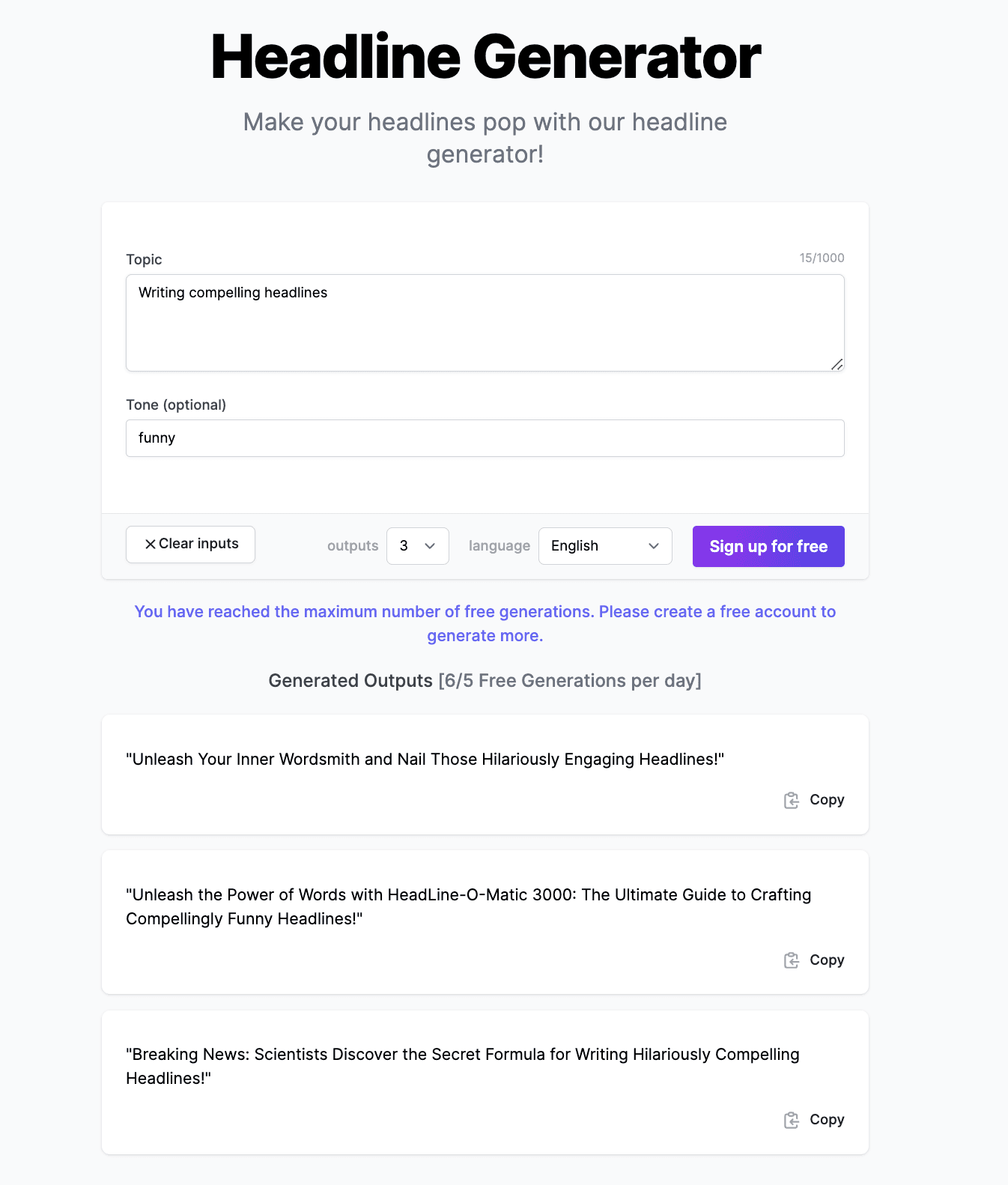
Not every headline generator is built on the same architecture or serves the same audience. Understanding the distinctions helps you choose the right tool for your specific needs.
1. Dedicated Headline Analyzers and Generators
These tools focus exclusively on headline creation and optimization. They often combine a generation engine with a scoring algorithm that rates headlines based on word balance, emotional valence, and length. Examples include specific modules within marketing suites where you enter a subject and receive a ranked list of titles with detailed feedback on why each might work. They typically excel at teaching headline principles as much as delivering ready-made text.
2. All-Purpose AI Writing Assistants with Headline Features
Broad-platform AI writers include headline generation as one of dozens of templates. When you select the “Blog Title” or “Headline” template in these tools, they tap into the same underlying language model but apply a narrower prompt. Because these platforms support full content creation, you can often click a generated headline and immediately write the matching introduction, making the workflow seamless. However, their headline-specific scoring may be less detailed than that of specialized analyzers.
3. SEO-Focused Title Generators
These applications prioritize search engine visibility over pure emotional appeal. They generate headlines that incorporate primary and secondary keywords, stay within Google’s display character limits, and mimic patterns found in featured snippets. The writing style leans toward informative and precise rather than provocative. Marketers who depend heavily on organic traffic frequently use them to bridge the gap between click appeal and search ranking.
4. Social Media Headline Engines
Platforms like Facebook, LinkedIn, and X reward different headline patterns. A subset of AI headline generators specializes in short-form, emoji-friendly, or hashtag-optimized titles for social captions and video thumbnails. They produce variations that perform well when surrounded by distractingly dynamic feeds, often relying on pattern-of-three structures, direct address, or bold claims that stop the scroll.
Benefits of Using an AI Headline Generator
Adopting an AI-powered title creation habit delivers tangible results across productivity, performance, and creative resilience. The gains extend far beyond simply saving a few minutes.
These benefits compound when you treat the generator as a thinking partner, not a replacement. The machine supplies raw material; the human editor selects and sharpens it, resulting in headlines that feel both fresh and reliably effective.
Limitations and Challenges of AI Headline Creation
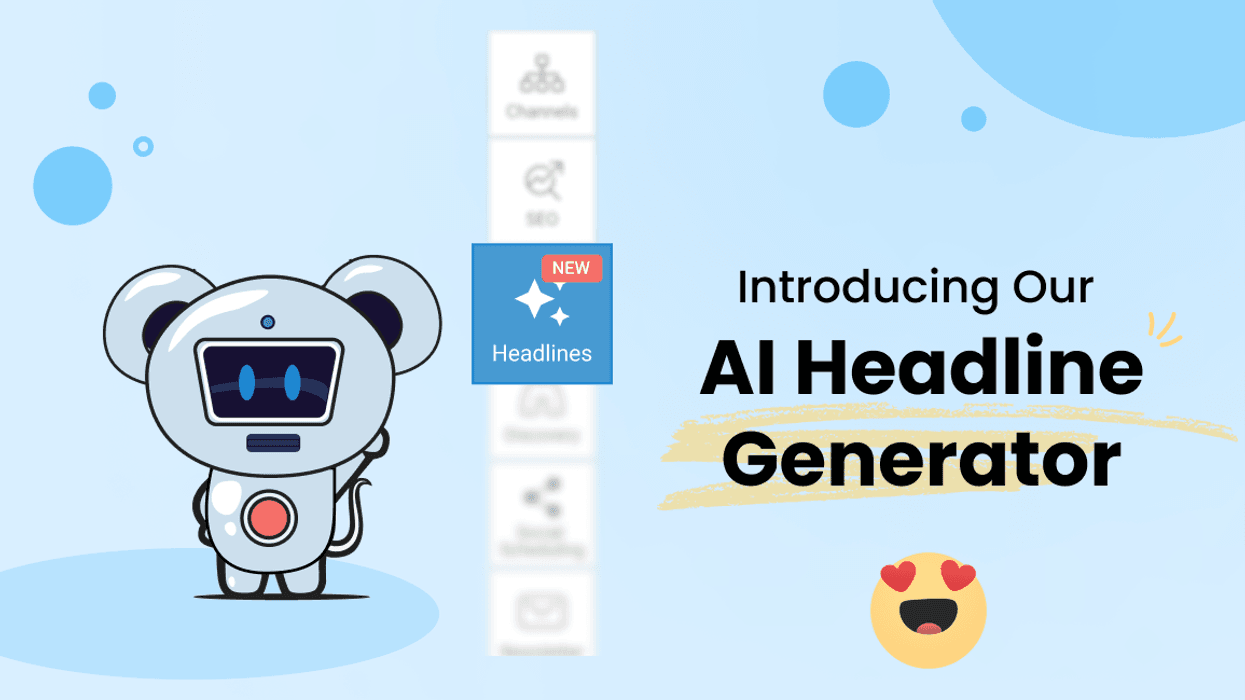
For all its speed, an AI system cannot fully replicate contextual intuition, deep brand nuance, or cultural sensitivity. Recognizing these limits prevents costly missteps.
These challenges do not invalidate the technology; they clarify its role. An AI headline generator supplies possibilities, but final editorial control must always rest with someone who understands the full context of the message.
AI Headline Generator vs. Human Copywriter: A Detailed Comparison
| Factor | AI Headline Generator | Skilled Human Copywriter |
|---|---|---|
| Speed | Generates 30+ variations in seconds | Produces 10–15 refined ideas in 30–60 minutes |
| Creativity depth | Statistical recombination of known patterns; can feel formulaic | Original metaphor, wordplay, and tone-shifting; highly adaptive |
| Data integration | Checks against emotional scores, length limits, and keyword density automatically | Must manually research keywords and emotional triggers |
| Brand nuance | Requires extensive prompt engineering; often misses subtle brand voice | Internalizes brand persona and applies it instinctively |
| Scalability | Unlimited output across channels without fatigue | Finite mental energy per day; output decreases with exhaustion |
| Cost | Low marginal cost per headline after subscription | Higher per-project cost, especially for senior talent |
| Emotional authenticity | Simulated emotion based on word patterns | Genuine understanding of human psychology and cultural subtext |
The table makes clear that the optimal approach is not replacement but augmentation. Use the generator to clear volume and identify high-potential structures, then assign a human writer to refine the top candidates and ensure authenticity. This combination obtains the best of both speed and soul.
How to Use an AI Headline Generator Effectively: A Practical Guide
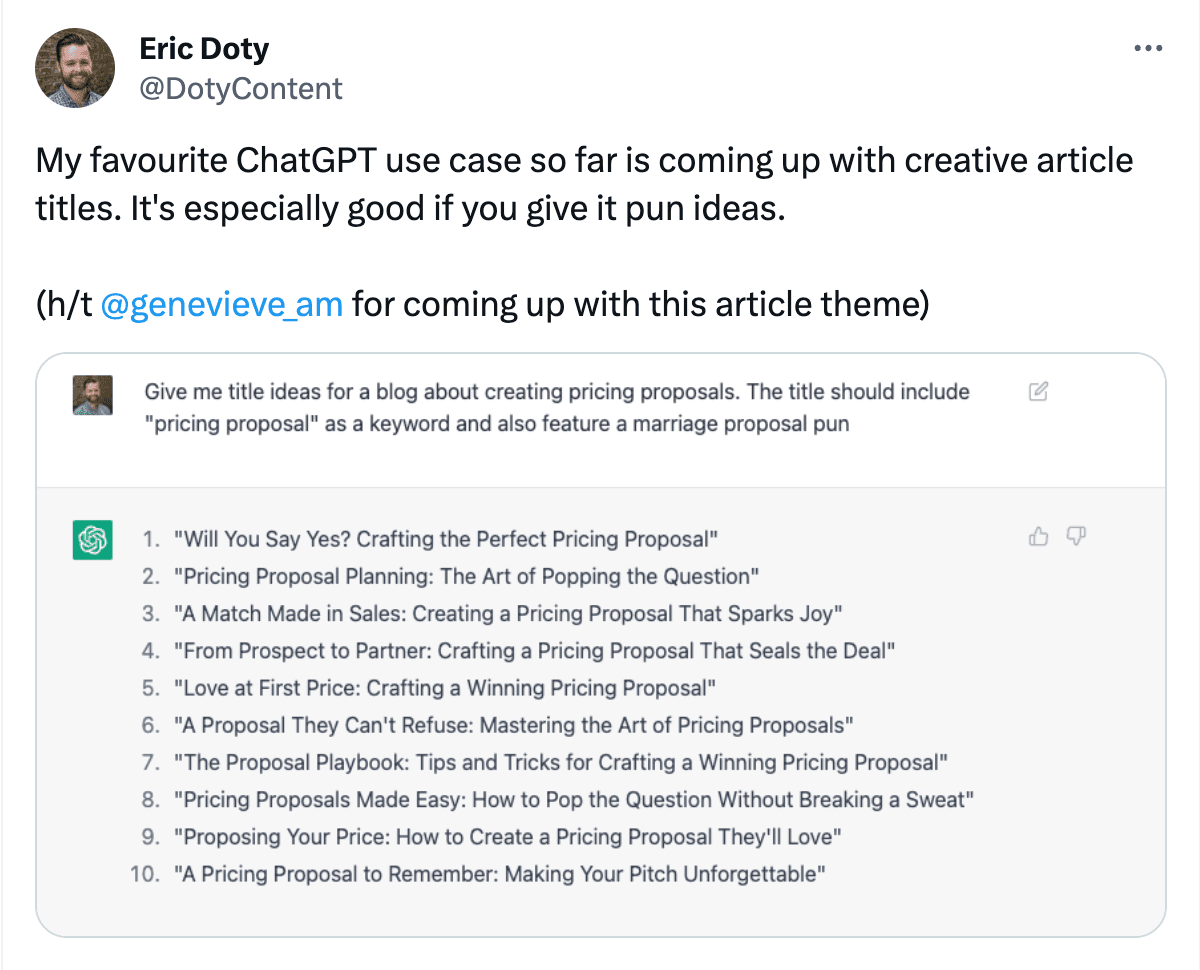
A structured process turns scattered experimentation into a repeatable system. Follow this method to extract maximum value from any headline generation tool.
Step 1: Define Your Headline’s Job
Before opening the tool, get specific about what you need this headline to accomplish. Is the primary goal SEO ranking, email open rate, social media engagement, or conversion on a landing page? A headline that works brilliantly for search may fall flat in a crowded Twitter feed. Write down one clear goal and include the target keyword if search matters.
Step 2: Gather Core Inputs
Collect the topic, the intended audience’s dominant pain point, a concrete benefit from the content, and the tone you require. For instance: “Topic: time management for remote workers. Pain point: constant interruptions. Benefit: a three-step framework to protect deep work hours. Tone: authoritative but warm.” The richer the input, the less generic the output.
Step 3: Generate in Batches with Different Prompts
Do not settle for a single run. Ask the AI headline generator to produce titles in multiple styles one after another. Request “how-to” formats, then question formats, then listicle formats. Tweak the tone each time: one batch optimistic, the next batch urgent, the next batch conversational. This deliberate variation forces the model to explore neighborhoods of the probability space it might otherwise skip.
Step 4: Shortlist Using Objective Criteria
Apply a quick filtering checklist to every suggestion. Eliminate any headline that misleads about the content, exceeds 70 characters if destined for Google, uses jargon the audience may not know, or relies entirely on a clickbait phrase that damages trust. Mark the ones that pass. The goal is to narrow down to a manageable five to seven strong candidates.
Step 5: Score the Finalists
Use a headline analyzer tool if available, but also apply your own judgment. For each shortlisted headline, ask: Does it align with the reader’s self-interest? Is there an element of specificity (a number, a timeframe, a unique mechanism)? Is the promise something the article actually fulfills? The headlines that receive a clear “yes” to all three questions become your A/B test group or your final choice.
Step 6: Embed SEO Naturally
If the headline targets a keyword, verify that it appears near the front and feels organic. Move the keyword earlier if possible without making the phrasing awkward. Confirm that the title tag length stays under 600 pixels to avoid truncation in search results. This small extra step ensures the click-worthy phrase also communicates clearly to search engines.
Common Mistakes When Using an AI Headline Generator and How to Avoid Them
Even sophisticated tools can lead users astray if the human element checks out too early. The most frequent errors are predictable and entirely preventable.
Important Considerations and Best Practices
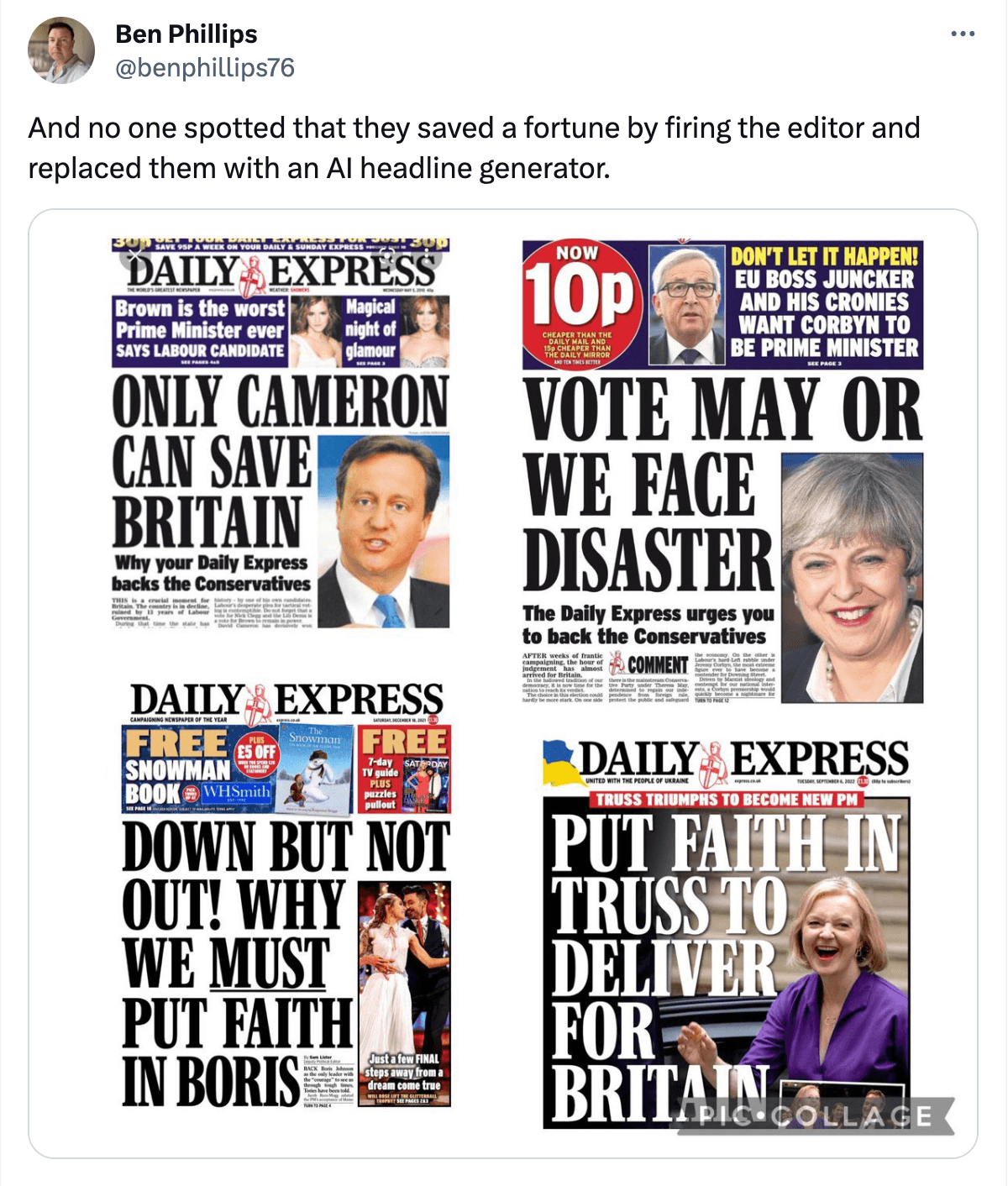
Incorporating an AI headline tool into a professional workflow requires a framework that guards quality and ethics. Keep these guiding principles at the front of your process.
Maintain editorial oversight: The generator is a junior ideation assistant, not the final decision-maker. Every headline must pass a human gatekeeper who understands the broader strategy, legal boundaries, and audience sensibilities. Never set up an automated system that feeds AI-generated headlines directly to a live site without review.
Respect the promise of the headline: The fastest way to erode trust is to deliver content that fails to match the title’s expectation. If you generate a headline that says “The Exact Morning Routine of Fortune 500 CEOs,” the article must deliver that specific, actionable detail, not a generic productivity list. Fulfillment builds long-term brand equity; empty hype destroys it.
Use analytics to close the feedback loop: Track the real-world performance of headlines created with AI assistance. Monitor click-through rate, bounce rate, time on page, and social shares. Feed this performance data back into your prompt-writing process. For example, if you notice that “How to” headlines with an odd number consistently outperform even-numbered listicles, you can instruct the generator accordingly in future sessions.
Combine multiple specialized tools: No single generator excels at everything. Use one tool for initial ideation and emotional scoring, another for SEO optimization, and yet another for platform-specific trimming. This layered approach capitalizes on the strengths of each specialized engine and prevents the output from becoming homogeneous.
Stay ethical and avoid dark patterns: Refrain from generating headlines that exploit fear, shame, or misinformation, even if the emotional analyzer rates them highly. Short-term click gains never compensate for the reputational damage and audience fatigue caused by manipulative tactics. An AI headline generator will produce whatever patterns you reward; you must enforce an internal ethical filter.
Frequently Asked Questions
What is an AI headline generator?
An AI headline generator is a software tool that uses natural language processing and machine learning to automatically create multiple headline variations for content such as blog posts, ads, email subject lines, and social media captions. It analyzes linguistic patterns, emotional triggers, and character limits to suggest titles designed to attract clicks and engage readers.
How can an AI headline generator improve my content marketing?
It speeds up brainstorming, reduces creative blocks, and provides data-informed options rather than guesses. By generating dozens of statistically sound headlines quickly, it allows marketers to focus on strategy and refinement. Consistent use often leads to higher click-through rates, better email open rates, and more efficient A/B testing across channels.
Can AI-generated headlines genuinely boost click-through rates?
Yes, when used properly. Studies and platform analytics frequently show that headlines optimized for emotional impact and clarity outperform generic ones. An AI headline generator can identify winning structural patterns—such as numbers, emotional adjectives, and specificity—that correlate with higher clicks, but the human editor must ensure the headline accurately reflects the content to sustain reader engagement.
Are there free AI headline generators available?
Many commercial platforms offer limited free tiers or trial periods that include headline generation. Some dedicated headline analyzer websites provide a handful of free title ideas per day. However, advanced features like bulk generation, emotional scoring, and deep customization typically reside in premium subscriptions that offer better quality and more relevant variety.
How do I choose the best AI headline tool for my needs?
Evaluate tools based on your primary use case. If SEO is paramount, choose a generator that integrates keyword optimization and character count checking. For social media, look for one that supports emoji integration and platform-specific length limits. Test a few options using the same prompt and compare how well the suggestions align with your brand voice before committing to a subscription.
Will using an AI headline generator make my content sound robotic?
Only if you skip the human revision step. The raw output can sometimes feel templated. By selecting the most promising suggestions and rewriting them to incorporate brand personality, specific details, or a conversational twist, you can inject the warmth and uniqueness that pure machine generation lacks. The tool provides the skeleton; you add the soul.
Conclusion
An AI headline generator has shifted from a novelty to a practical necessity for content creators who value both creativity and efficiency. It demolishes the blank-page paralysis, injects data-backed patterns into the ideation phase, and scales the production of high-potential titles across teams and platforms. At the same time, it remains a tool, not a maestro—its greatest value emerges when complemented by human editorial judgment, brand awareness, and an unwavering commitment to delivering on the headline’s promise.
Integrating such a generator into a deliberate, critiqued workflow turns headline creation from an anxious guessing game into a systematic, repeatable process. Start with precise inputs, generate in varied batches, filter ruthlessly, and always refine the final selection through your brand lens. With this balance, you capture the speed of artificial intelligence without sacrificing the authenticity that builds lasting reader trust.
Xem thêm:
- AI SEO Keyword Mapping: The Complete Guide to Smarter Content Planning
- AI SEO AI Content Audit Tool: The Complete Guide to Automated Content Optimization
- AI SEO Python Automation: The Complete Playbook for Modern Search Optimization
- AI SEO Digital Authority: The Complete Playbook for Dominating Search in 2025
- AI SEO Image Titles: The Complete Guide to Boosting Your Visual Search Rankings
Bài viết cùng chủ đề:

AI SEO SEO Automation with Make: The Complete Workflow Guide

AI SEO SEO Automation with Zapier: The Complete Workflow Guide

AI SEO SEO Automation with n8n: The Complete Workflow Guide
AI SEO SEO Automation with Gemini: The Complete Guide to Scaling Organic Growth

AI SEO SEO Automation with Claude: The Complete Guide to Scaling Content in 2025

AI SEO SEO Automation with ChatGPT: The Complete Playbook for 2025

AI SEO & SEO Automation for Affiliate Sites: The 2025 Playbook for Passive Income Growth
AI SEO & SEO Automation for Bloggers: The Complete Guide to Scaling Your Content

AI SEO & SEO Automation for Agencies: The Complete 2025 Playbook

AI SEO and SEO Automation for Ecommerce: The Complete Playbook for 2025

AI SEO & SEO Automation for WordPress: The Complete Playbook for 2025
AI SEO SEO Automation Strategy: The Complete Playbook for 2025

Mastering the AI SEO SEO Automation Process: A Complete Guide to Scaling Organic Growth
AI SEO SEO Automation System: The Complete Guide to Scaling Organic Growth in 2025
AI SEO SEO Automation Platform: The Complete Guide to Scaling Organic Growth in 2025
AI SEO SEO Automation Software: The Complete Guide to Scaling Organic Growth in 2025















