
No products in the cart.
AI SEO Organic Traffic: The Complete Playbook for Sustainable Growth in 2025
10
Aug
Aug
AI SEO organic traffic is no longer a futuristic concept—it is the defining force reshaping how brands earn visibility in search engines. As artificial intelligence tools like ChatGPT, Google’s Search Generative Experience (SGE), and AI-powered content platforms become mainstream, the rules of organic search have shifted dramatically. This comprehensive guide breaks down exactly how AI influences organic traffic, how to leverage it for your advantage, and the proven strategies that separate thriving websites from those losing ground.
Understanding AI SEO Organic Traffic: What It Really Means
AI SEO organic traffic refers to the practice of using artificial intelligence technologies to improve a website’s visibility in unpaid search results. This goes beyond simply generating articles with AI. It encompasses a full ecosystem of machine learning algorithms, natural language processing (NLP), predictive analytics, and automated optimization tools that work together to attract, engage, and convert users who find your site through search engines.
The core shift is that search engines themselves are now AI-driven. Google’s RankBrain and MUM (Multitask Unified Model) process billions of queries daily, understanding user intent at a semantic level rather than just matching keywords. This means your content must be optimized not just for words, but for meaning, context, and genuine usefulness.
The Evolution from Traditional SEO to AI-Powered SEO
Traditional SEO relied heavily on keyword density, backlink quantity, and exact-match domains. The AI era demands a completely different approach. Search algorithms now evaluate content quality through the lens of E-E-A-T (Experience, Expertise, Authoritativeness, Trustworthiness). They analyze user engagement metrics like dwell time, bounce rate, and click-through rate to determine if your content actually satisfies the searcher.
AI SEO organic traffic strategies now focus on creating comprehensive topic clusters, optimizing for conversational queries, and structuring data so that machine learning models can easily understand and rank your content. The result is a more competitive landscape where thin content and keyword stuffing no longer work.
How AI Search Engines Process and Rank Content
To master AI SEO organic traffic, you must understand how modern search engines operate. Google’s algorithms use a multi-stage process that involves crawling, indexing, and ranking. The AI components analyze hundreds of ranking factors simultaneously, but the most critical ones relate to content relevance and user satisfaction.
Natural language processing allows search engines to understand synonyms, context, and the relationships between concepts. For example, if someone searches for “best running shoes for flat feet,” the AI understands that “overpronation” and “arch support” are related concepts. Your content needs to cover these semantic variations naturally to rank well.
The Role of Machine Learning in Search Rankings
Machine learning models are trained on massive datasets of human behavior. They learn which content characteristics correlate with user satisfaction. This includes factors like readability, comprehensiveness, and the presence of structured data. The algorithms continuously update their understanding, which is why SEO strategies that worked last year may fail today.
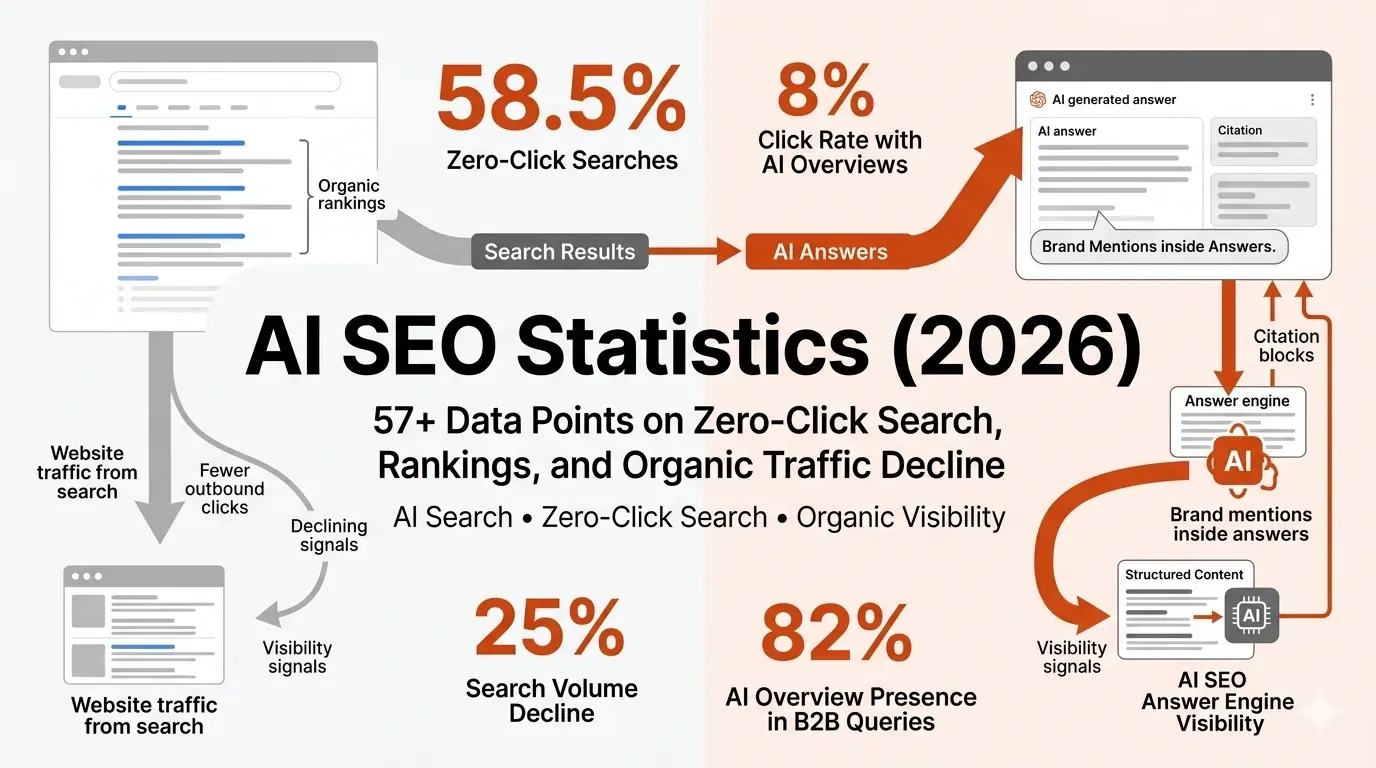
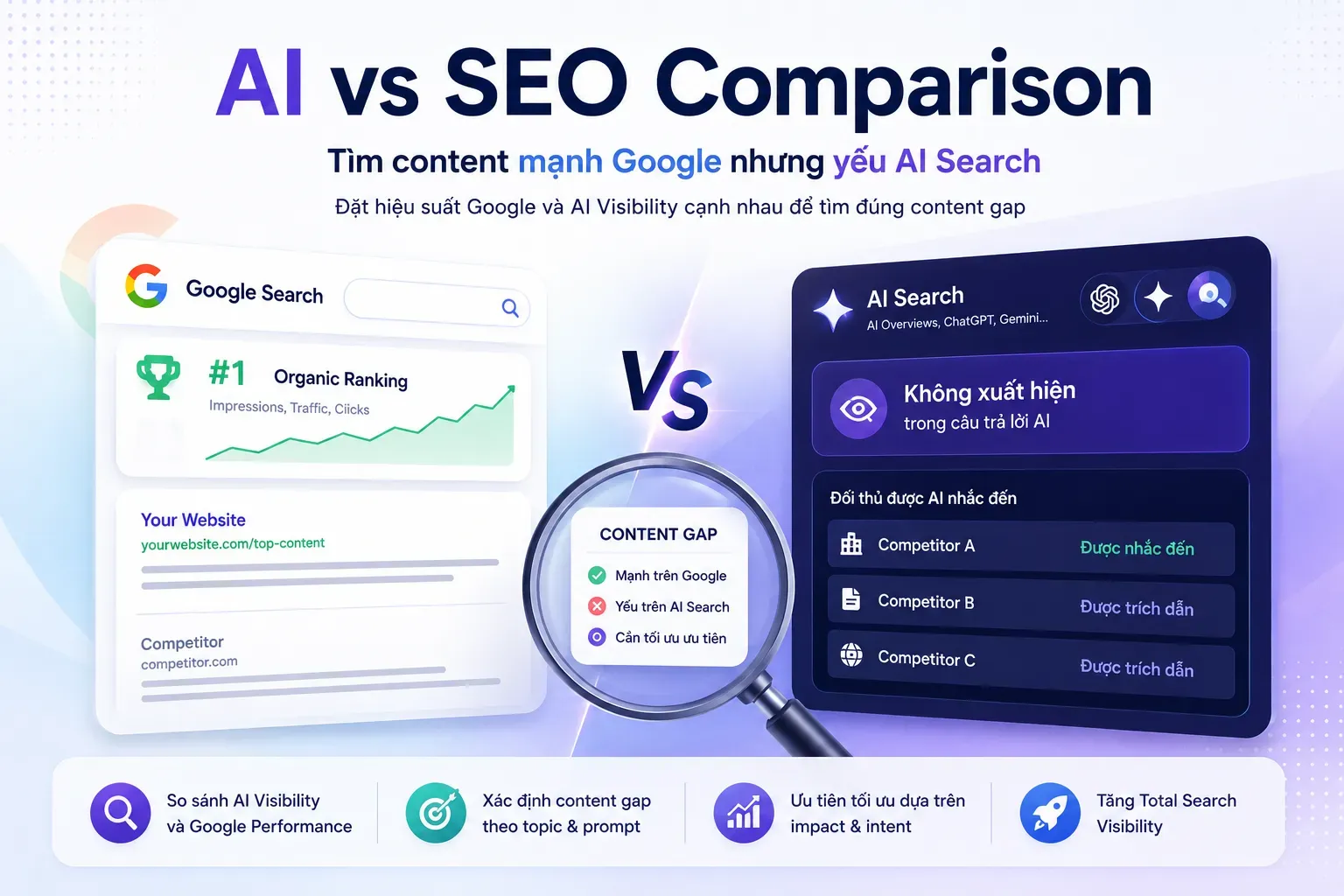
One of the most significant developments is the integration of large language models (LLMs) into search results. When users ask complex questions, search engines now generate AI-powered summaries at the top of the results page. This feature, often called the AI Overview, directly impacts organic click-through rates. Websites that appear in these AI-generated summaries receive significant traffic, while those that don’t may see reduced visibility.
Proven Strategies to Boost AI SEO Organic Traffic
Implementing AI tools into your SEO workflow can dramatically increase your organic traffic potential. The key is to use AI not as a replacement for human expertise, but as an amplifier of your existing capabilities. Below are the most effective strategies that are producing measurable results in 2025.
1. AI-Powered Keyword Research and Topic Clustering
Traditional keyword research tools provide data on search volume and difficulty. AI-powered tools go several steps further. They analyze search intent patterns, identify gaps in existing content, and suggest related topics that your competitors haven’t covered. This allows you to build comprehensive topic clusters that establish topical authority.
For example, instead of targeting a single keyword like “AI SEO organic traffic,” you would create a cluster of interconnected articles covering subtopics like “AI content optimization,” “machine learning for keyword research,” “predictive analytics in SEO,” and “AI tools for link building.” Each piece links to the others, creating a web of authority that search engines recognize.
2. Generating Content That Satisfies AI Algorithms
AI-generated content can help you scale your production, but it must be heavily edited and enhanced by human experts. The most successful approach is to use AI to generate outlines, draft initial versions, and suggest data points, then have a subject matter expert refine the content to add unique insights, personal experience, and original research.
Search engines are increasingly sophisticated at detecting purely AI-generated content that lacks depth. The content that ranks best demonstrates first-hand experience, includes specific examples, and provides actionable advice that cannot be found elsewhere. This is where your unique expertise becomes your competitive advantage.
3. Optimizing for Conversational and Voice Search
With the rise of AI assistants like Siri, Alexa, and Google Assistant, a significant portion of searches are now conversational. People ask complete questions rather than typing fragmented keywords. Your content should include natural language phrases and direct answers to common questions in your niche.
Structuring your content with clear headings, bullet points, and concise paragraphs makes it easier for AI systems to extract and feature your information. The goal is to become the source that AI assistants pull from when they answer user queries.
Essential AI SEO Tools for Organic Traffic Growth
The market is flooded with AI SEO tools, but not all are created equal. The most effective tools integrate multiple functions and provide actionable insights rather than just raw data.
| Tool Category | Primary Function | Best Use Case |
|---|---|---|
| Content Optimization Platforms | Analyze top-ranking pages and suggest content improvements | Ensuring your articles cover all relevant subtopics and entities |
| Predictive Analytics Tools | Forecast keyword performance and traffic potential | Prioritizing content creation based on expected ROI |
| Automated Reporting Tools | Track rankings, traffic, and conversions in real-time | Identifying algorithm updates and traffic drops quickly |
| AI Writing Assistants | Generate drafts, headlines, and meta descriptions | Overcoming writer’s block and speeding up production |
| Technical SEO Bots | Crawl your site and identify technical issues | Fixing broken links, slow pages, and indexing problems |
When selecting tools, look for those that offer transparency in their algorithms and allow you to export data for further analysis. The best approach is to combine multiple tools to get a comprehensive view of your SEO performance.
Common Mistakes That Kill AI SEO Organic Traffic
Many website owners are making critical errors in their attempts to leverage AI for SEO. These mistakes not only waste resources but can actively harm your search rankings. Understanding these pitfalls is essential for long-term success.
Publishing Unedited AI Content at Scale
The most damaging mistake is publishing AI-generated content without human review. Search engines can detect low-quality, repetitive AI text, and they penalize sites that publish it. This results in a loss of rankings and a decline in organic traffic. Every piece of AI-generated content must go through a rigorous editing process that adds unique value, personal experience, and factual accuracy.
Ignoring User Intent in Favor of Keywords
AI algorithms are incredibly good at understanding what users actually want. If you create content that targets keywords but fails to answer the underlying question, your bounce rate will increase, and your rankings will suffer. Focus on creating content that fully satisfies the searcher’s intent, even if it means targeting fewer keywords.
Neglecting Technical SEO Fundamentals
AI tools cannot fix a website with poor technical foundations. If your site has slow loading times, broken links, or poor mobile responsiveness, no amount of AI optimization will help. Ensure your technical SEO is solid before investing in AI content strategies.
Practical Implementation: A Step-by-Step Guide
Implementing an AI SEO organic traffic strategy requires a systematic approach. Follow this step-by-step guide to build a sustainable system that generates consistent results.
- Audit Your Current Content: Use AI tools to analyze your existing content for gaps, outdated information, and optimization opportunities.
- Build Your Topic Cluster Map: Identify your core topic and map out all related subtopics that your target audience searches for.
- Create a Content Brief: Use AI to generate a detailed brief that includes target keywords, related entities, and content structure recommendations.
- Draft and Edit: Generate a first draft with AI, then have a subject matter expert rewrite and enhance it with unique insights.
- Optimize On-Page Elements: Use AI tools to optimize title tags, meta descriptions, and header structure for maximum click-through rate.
- Build Internal Links: Connect your new content to related articles using descriptive anchor text.
- Monitor and Iterate: Track your rankings and traffic, then use AI analytics to identify what is working and what needs improvement.
Measuring the Success of Your AI SEO Efforts
Tracking the right metrics is crucial to understanding whether your AI SEO organic traffic strategies are working. Vanity metrics like page views can be misleading. Focus on metrics that directly correlate with business outcomes.
Key performance indicators include organic sessions, keyword rankings for high-intent terms, conversion rate from organic traffic, and average time on page. AI-powered analytics tools can help you attribute traffic to specific content pieces and identify which topics drive the most valuable visitors.
Understanding the Impact of AI Overviews on Traffic
Google’s AI Overviews have changed the game for organic traffic. When a user searches for a query, they may see an AI-generated summary at the top of the results. This summary often contains information pulled from multiple websites. If your content is cited in this summary, you can receive significant traffic. If not, you may see a drop in clicks.
To increase your chances of being featured, structure your content to directly answer questions in a clear, concise manner. Use lists, tables, and short paragraphs that AI systems can easily parse. The more structured your data, the more likely it is to be used in AI-generated responses.
Important Notes for Long-Term Success
AI SEO organic traffic is not a one-time project but an ongoing process. Search algorithms are constantly evolving, and AI tools are becoming more sophisticated. To maintain your competitive edge, you must commit to continuous learning and adaptation.
Stay updated on the latest algorithm changes and AI developments. Follow reputable SEO news sources and participate in professional communities. Test new strategies on a small scale before implementing them site-wide. Most importantly, never lose sight of the fundamental principle of SEO: creating valuable content for real people.
Building authority takes time. Do not expect overnight results. Focus on consistently producing high-quality, comprehensive content that addresses the needs of your audience. Over time, this approach will compound, resulting in significant organic traffic growth.
Frequently Asked Questions
How long does it take to see results from AI SEO organic traffic strategies?
Typically, it takes between three to six months to see significant improvements in organic traffic after implementing AI SEO strategies. This timeline depends on the competitiveness of your niche, the current state of your website, and the consistency of your efforts. Content that targets long-tail keywords with lower competition can show results faster, sometimes within a few weeks.
Is AI-generated content penalized by Google?
Google does not penalize AI-generated content outright. The search engine’s guidelines focus on content quality, regardless of how it is produced. If AI-generated content is helpful, accurate, and provides a good user experience, it can rank well. However, content that is created solely to manipulate search rankings, regardless of whether it is written by AI or humans, will be penalized.
Can small websites compete with large brands using AI SEO?
Yes, AI SEO levels the playing field for smaller websites. AI tools allow smaller teams to conduct research, generate content, and optimize their sites at a scale that was previously only possible for large corporations. The key is to focus on niche topics where you can provide unique expertise and value that larger competitors may overlook.
What is the difference between AI SEO and traditional SEO?
Traditional SEO focuses on keyword optimization, backlinks, and technical factors. AI SEO incorporates machine learning and natural language processing to understand user intent, generate content, and predict algorithm changes. AI SEO is more holistic, focusing on semantic relevance and user satisfaction rather than just keyword matching.
How do I optimize for AI Overviews in search results?
To optimize for AI Overviews, structure your content with clear headings, use bullet points and numbered lists for key information, and provide direct, concise answers to common questions. Ensure your content is well-researched and includes data from credible sources. Using schema markup can also help search engines understand your content better.
Conclusion: The Future of AI SEO Organic Traffic
AI SEO organic traffic represents the convergence of two powerful forces: the growing intelligence of search algorithms and the availability of sophisticated AI tools. The websites that will dominate search results in the coming years are those that embrace this convergence and use it to create genuinely better user experiences.
The strategies outlined in this guide provide a roadmap for success. By understanding how AI algorithms work, leveraging AI tools for research and optimization, and maintaining a focus on high-quality content, you can build a sustainable source of organic traffic that grows over time. The future of search is intelligent, and those who adapt will reap the rewards.
Xem thêm:
- AI SEO Short Form Content: The Complete Playbook for 2025
- AI SEO SEO Automation Platform: The Complete Guide to Scaling Organic Growth in 2025
- AI SEO Bounce Rate: The Complete Guide to Decoding User Intent in 2025
- AI SEO Extensions: The Smart Way to Automate and Supercharge Your Search Rankings
- AI SEO Keyword Prioritization: The Complete Guide to Smarter Content Planning
Bài viết cùng chủ đề:

AI SEO SEO Automation with Make: The Complete Workflow Guide

AI SEO SEO Automation with Zapier: The Complete Workflow Guide

AI SEO SEO Automation with n8n: The Complete Workflow Guide
AI SEO SEO Automation with Gemini: The Complete Guide to Scaling Organic Growth

AI SEO SEO Automation with Claude: The Complete Guide to Scaling Content in 2025

AI SEO SEO Automation with ChatGPT: The Complete Playbook for 2025

AI SEO & SEO Automation for Affiliate Sites: The 2025 Playbook for Passive Income Growth
AI SEO & SEO Automation for Bloggers: The Complete Guide to Scaling Your Content

AI SEO & SEO Automation for Agencies: The Complete 2025 Playbook

AI SEO and SEO Automation for Ecommerce: The Complete Playbook for 2025

AI SEO & SEO Automation for WordPress: The Complete Playbook for 2025
AI SEO SEO Automation Strategy: The Complete Playbook for 2025

Mastering the AI SEO SEO Automation Process: A Complete Guide to Scaling Organic Growth
AI SEO SEO Automation System: The Complete Guide to Scaling Organic Growth in 2025
AI SEO SEO Automation Platform: The Complete Guide to Scaling Organic Growth in 2025
AI SEO SEO Automation Software: The Complete Guide to Scaling Organic Growth in 2025















