
No products in the cart.
AI SEO PAA Questions: The Complete Guide to Winning People Also Ask in 2025
10
Aug
Aug
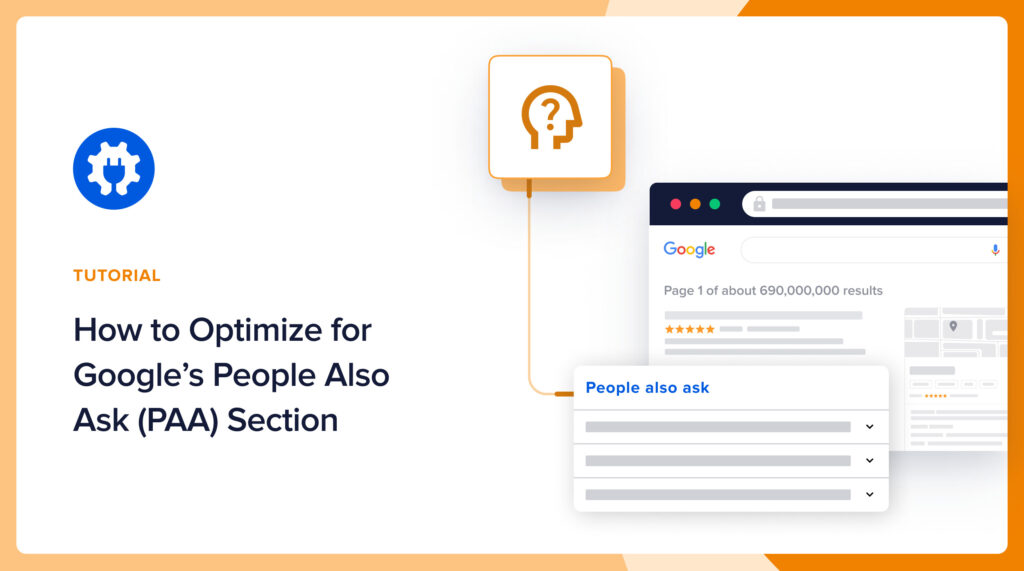
Search engine optimization has evolved far beyond simple keyword matching. The rise of artificial intelligence has transformed how Google interprets queries and displays results, making the “People Also Ask” (PAA) box one of the most valuable real estate on the search engine results page. Understanding AI SEO PAA questions is no longer optional for digital marketers who want to maintain visibility. This comprehensive guide explores how artificial intelligence shapes PAA boxes, why these question-based features matter for organic traffic, and how to optimize content to capture these high-intent search opportunities.
What Are AI SEO PAA Questions?
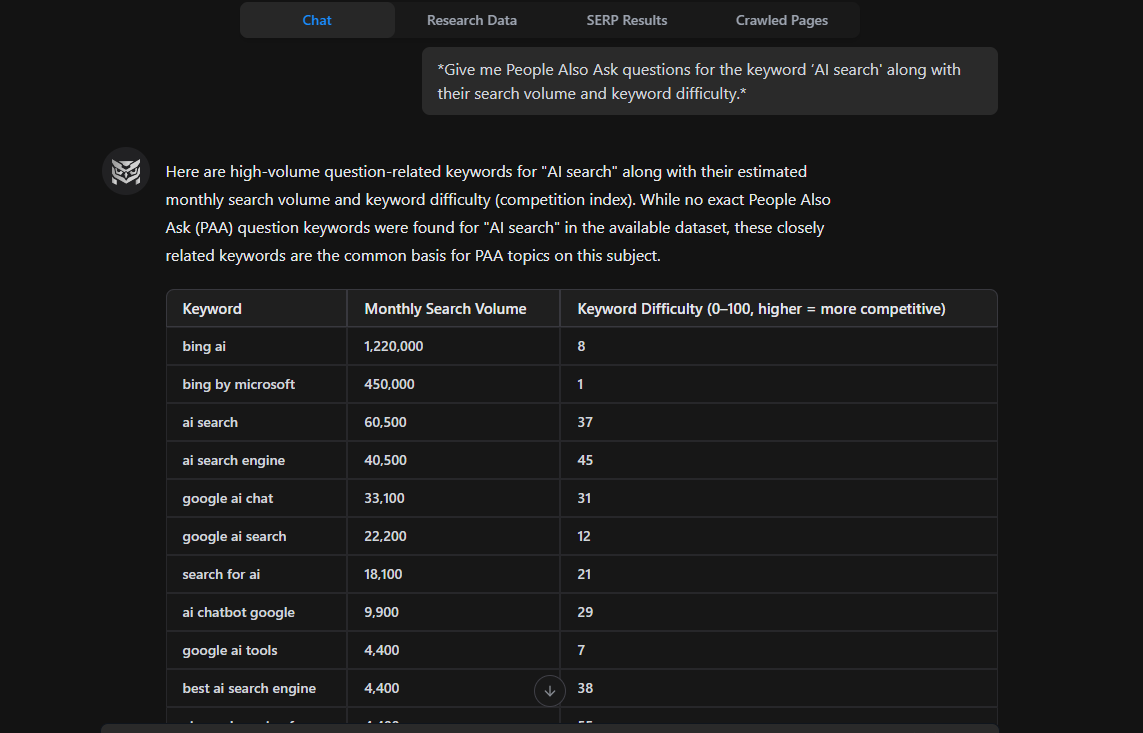
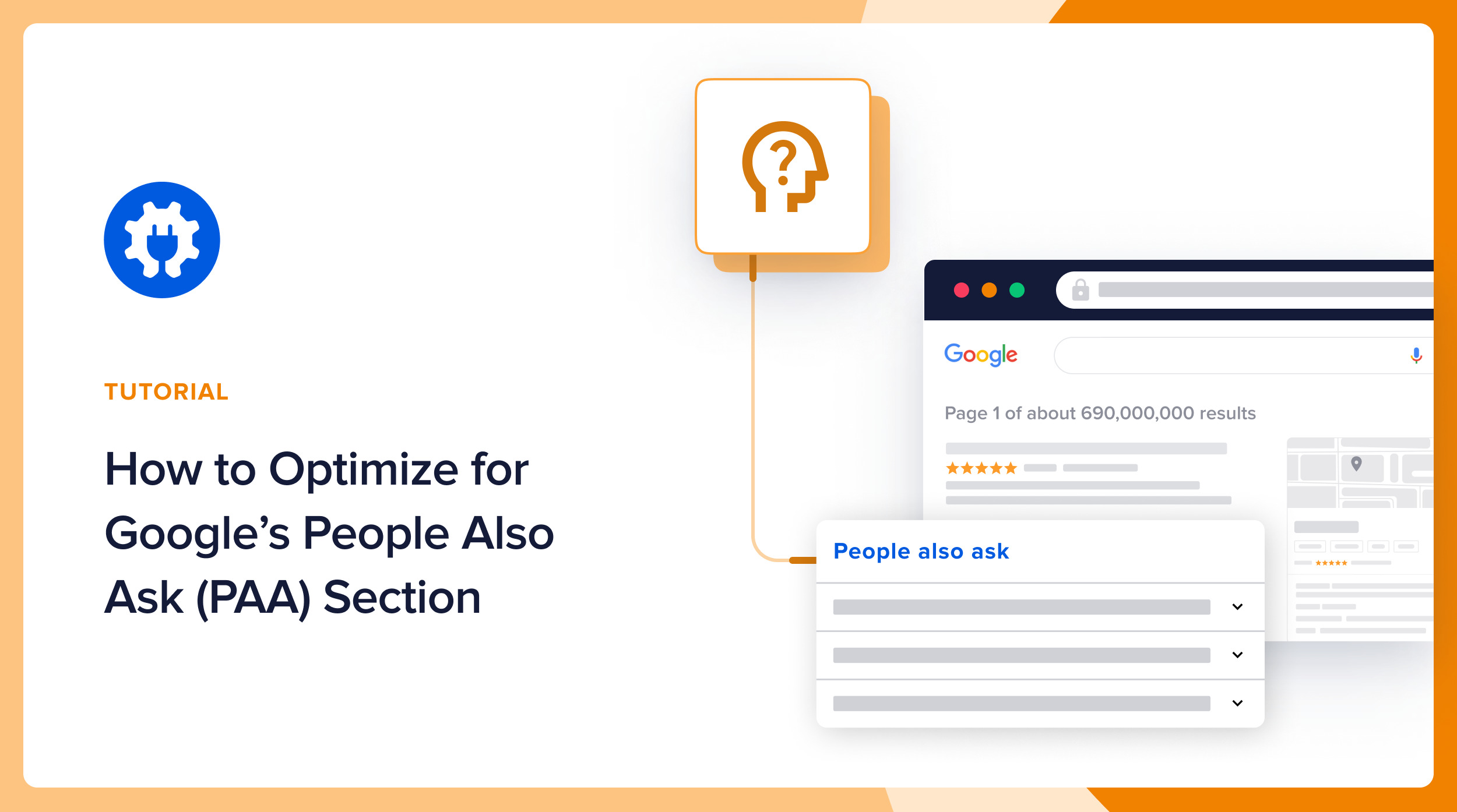
AI SEO PAA questions refer to the intersection of artificial intelligence-driven search algorithms and the People Also Ask feature on Google. The PAA box displays a dynamic list of related questions that users frequently search for alongside their original query. When a user clicks on one of these questions, the box expands to show a featured snippet-style answer, and additional questions appear below it.
Google’s AI systems, particularly the RankBrain and BERT algorithms, determine which questions appear in the PAA box. These machine learning models analyze billions of search queries to identify patterns, semantic relationships, and user intent. The AI evaluates content across the web to select the most relevant answers for each question, considering factors like content depth, authority signals, and answer clarity.
The Evolution of PAA Boxes
Google introduced the People Also Ask feature in 2015 as a simple list of related questions. Over the years, the feature has become increasingly sophisticated. Modern PAA boxes are powered by neural matching and natural language processing that understand the context behind queries. The AI can now generate questions that users might not have explicitly searched for but are logically related to their intent.
This evolution means that PAA boxes now serve as a window into the collective search behavior of millions of users. For SEO professionals, each question in a PAA box represents a potential traffic opportunity. The AI-driven nature of these questions means that optimizing for them requires a different approach than traditional keyword targeting.
Why AI SEO PAA Questions Matter for Your Strategy
The importance of PAA boxes in search visibility cannot be overstated. Research indicates that PAA boxes appear in approximately 40-50% of all Google search results. This prevalence means that ignoring PAA optimization leaves significant organic traffic potential untapped.
Several factors make AI SEO PAA questions particularly valuable for search strategies:
- High click-through rates: PAA boxes appear near the top of the search results, often above organic listings, making them highly visible to users.
- Voice search alignment: PAA questions mirror the natural language patterns used in voice searches, making this optimization future-proof.
- Content ideation: PAA questions provide direct insight into what users want to know, guiding content creation.
- Featured snippet opportunities: Answers within PAA boxes often appear as featured snippets, which can drive substantial traffic.
- Zero-click search capture: Even when users don’t click through, brand visibility increases when your content appears in PAA boxes.
- PAA impression share: The percentage of PAA boxes your content appears in for target queries.
- Click-through rate from PAA: How often users click from a PAA answer to your website.
- Position changes: Movement in organic rankings correlated with PAA appearances.
- Branded search volume: Increases in searches for your brand name following PAA visibility.
How Google’s AI Selects PAA Questions
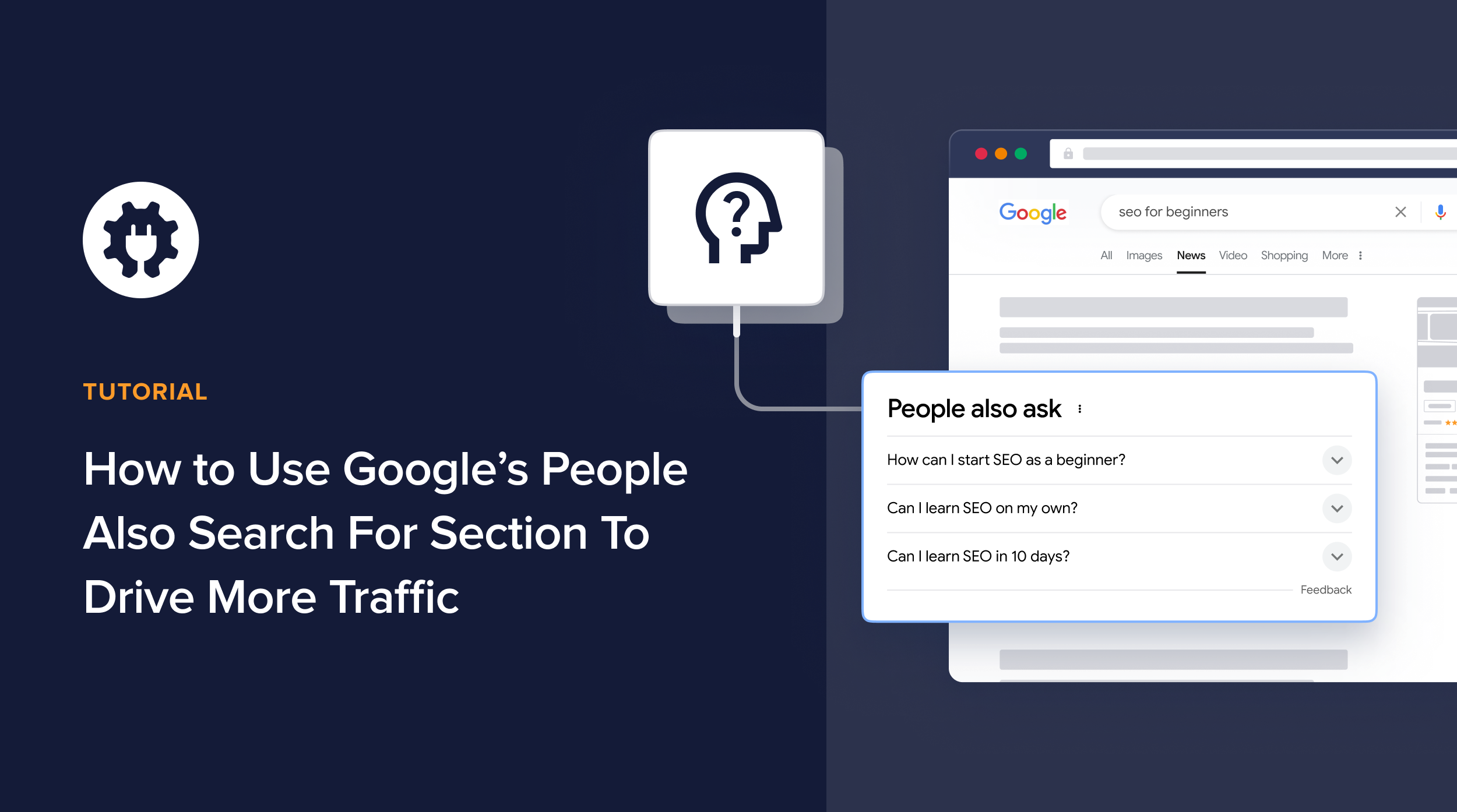
Understanding the AI mechanisms behind PAA selection helps create content that aligns with algorithmic preferences. Google’s AI systems evaluate multiple signals when determining which questions to display and which answers to feature.
Semantic Understanding and Context
Modern search algorithms use transformer-based models like BERT to understand the context of words in a query. These models analyze the relationship between words in a sentence rather than processing them in isolation. This semantic understanding allows the AI to identify questions that are conceptually related to the user’s search intent, even when the wording differs significantly.
User Engagement Signals
The AI monitors how users interact with PAA boxes. When users frequently click on a particular question, expand it, and then click through to a website, the algorithm learns that this question is valuable. Conversely, questions that users ignore may eventually be removed from the PAA box. This feedback loop means that engagement metrics directly influence which questions appear.
Content Quality and Relevance
Google’s AI evaluates the content that answers PAA questions using the E-E-A-T framework (Experience, Expertise, Authoritativeness, and Trustworthiness). Content that demonstrates first-hand experience, cites credible sources, and provides comprehensive answers is more likely to be selected for PAA boxes.
How to Find AI SEO PAA Questions for Your Niche
Identifying the right PAA questions requires a systematic approach that combines manual research with AI-powered tools. Several methods can help you discover the questions your target audience is asking.
Manual Google Search Analysis
The most straightforward method involves performing Google searches for your primary keywords and noting the questions that appear in the PAA box. Clicking on each question reveals additional related questions, allowing you to map out the full question ecosystem for your topic. This manual approach provides real-time data but is time-consuming for large-scale research.
AI-Powered Keyword Research Tools
Tools like Ahrefs, SEMrush, and Surfer SEO have integrated AI capabilities that can generate PAA-style questions based on your seed keywords. These tools analyze millions of search queries and use machine learning to predict which questions are likely to appear in PAA boxes. They also provide metrics like search volume and difficulty scores for each question.
Analyzing Competitor PAA Boxes
Examining the PAA boxes that appear for your competitors’ ranking keywords reveals gaps in your own content strategy. Tools like AlsoAsked.com visualize the hierarchical relationship between PAA questions, showing you the parent questions and their related subtopics. This visualization helps you understand the full scope of user queries around a topic.
Leveraging Google Search Console Data
Your own search performance data contains valuable PAA insights. The Search Console reports show which queries trigger your content to appear in search results. Filtering for question-based queries (those starting with who, what, when, where, why, and how) reveals the PAA opportunities you are already partially capturing.
Optimizing Content for AI SEO PAA Questions
Creating content that wins PAA boxes requires a strategic approach that goes beyond traditional on-page optimization. The following techniques help align your content with AI preferences for question-based search features.
Structure Content Around Direct Answers
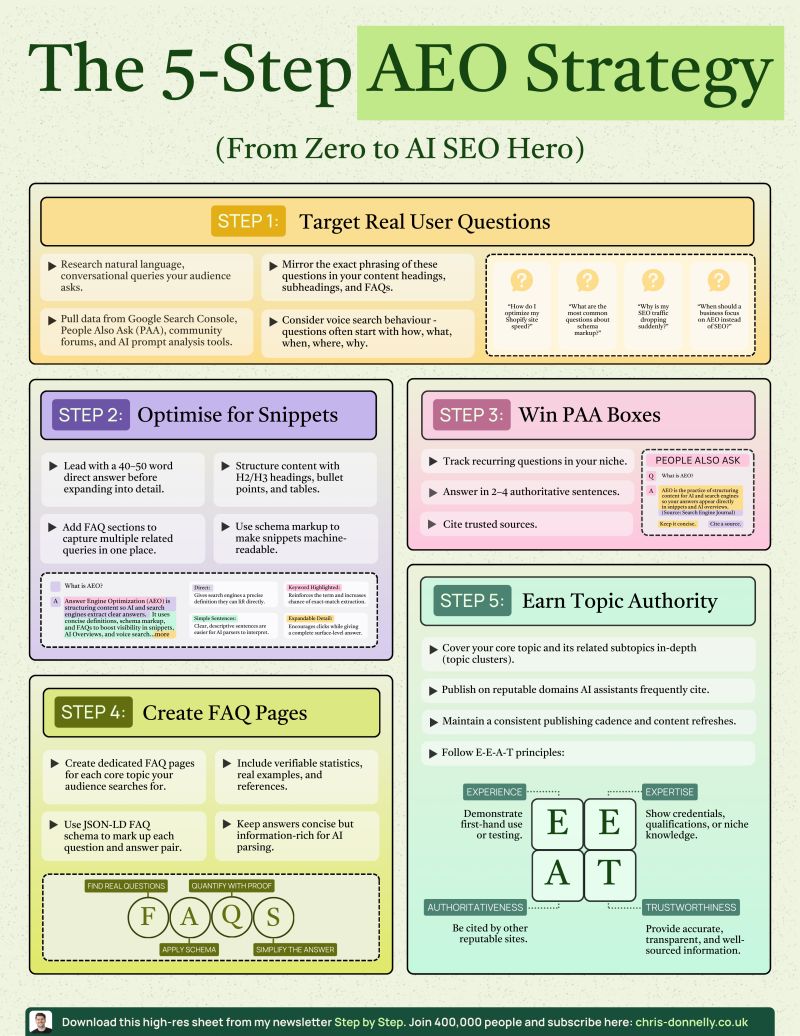
Google’s AI prefers content that provides immediate, direct answers to questions. When optimizing for PAA questions, place the answer in the first paragraph of the relevant section, followed by supporting details. Use the question as an H2 or H3 heading, then provide a concise answer in 40-50 words before expanding with additional context.
Use Question-Based Headings
Incorporate natural language questions as headings throughout your content. These headings signal to Google’s AI that your content addresses specific user queries. Format the questions exactly as users would type them, using proper punctuation and natural phrasing rather than keyword-stuffed variations.
Optimize for Featured Snippet Format
PAA answers often pull from featured snippets, so optimizing for both features simultaneously maximizes your chances of visibility. Use paragraph format for definitions, lists for step-by-step processes, and tables for comparative information. Keep answers concise while providing sufficient depth to satisfy user intent.
Include Schema Markup
Implementing FAQPage and QAPage schema markup helps search engines understand the question-and-answer structure of your content. While schema markup does not guarantee PAA inclusion, it provides clear signals about the purpose of your content and improves the chances of being selected for rich results.
Content Types That Perform Well in PAA Boxes
Certain content formats have proven more successful in capturing PAA positions. Understanding these formats helps you structure your content for maximum PAA visibility.
| Content Type | Best For | PAA Success Rate |
|---|---|---|
| Definitional paragraphs | What is… questions | High |
| Step-by-step lists | How to… questions | High |
| Comparison tables | X vs Y questions | Medium-High |
| Statistical data | How many… questions | Medium |
| Process explanations | Why does… questions | Medium |
Common Mistakes When Targeting AI SEO PAA Questions
Many SEO professionals make avoidable errors when attempting to capture PAA positions. Recognizing these mistakes helps refine your optimization strategy.
Keyword Stuffing in Questions
Some marketers force their target keywords into unnatural question formats. Google’s AI detects this manipulation and penalizes content that does not read naturally. Questions should reflect genuine user search behavior, not keyword variations.
Ignoring Answer Length Requirements
PAA answers typically range from 40-60 words. Content that provides overly lengthy answers without a concise summary at the beginning is less likely to be selected. Structure your content so that the core answer appears early, with elaboration following.
Focusing Only on High-Volume Questions
High-volume questions face intense competition from established domains. Long-tail PAA questions with lower search volume often provide better conversion rates because they indicate more specific user intent. Balance your strategy by targeting a mix of high and low volume questions.
Neglecting Content Updates
PAA boxes change frequently as Google’s AI learns from user behavior. Content that was optimized six months ago may no longer align with current PAA questions. Regular content audits and updates ensure your pages remain relevant to evolving question patterns.
Measuring the Impact of PAA Optimization
Tracking the effectiveness of your PAA optimization efforts requires specific metrics and monitoring approaches. Standard SEO analytics provide partial visibility, but PAA-specific tracking offers deeper insights.
Key Metrics to Monitor
Tools for Tracking PAA Performance
Several tools provide PAA-specific tracking capabilities. SEMrush’s Position Tracking includes a PAA feature that shows which questions your domain appears for. Ahrefs offers similar functionality through its Rank Tracker. For real-time monitoring, manual checks of target queries provide the most current data, though this approach is labor-intensive.
Integrating PAA Questions into Your Content Strategy
Successful PAA optimization requires integration into your broader content strategy rather than treating it as a standalone tactic. The following framework helps incorporate PAA questions systematically.
Content Planning Phase
During content ideation, compile a list of PAA questions for your target topics. Use these questions to structure your content outline, ensuring each major section addresses a specific user query. This approach naturally creates content that aligns with PAA requirements.
Content Creation Phase
Write content that directly answers each PAA question within the first 50 words of the relevant section. Use the exact question phrasing as your heading, then provide the answer in a format suitable for featured snippets. Include supporting information that adds depth without diluting the direct answer.
Content Optimization Phase
After publishing, monitor your content’s performance in PAA boxes. Use tools to track which questions trigger your content to appear. Analyze the answers that competitors provide for questions you are not winning and adjust your content accordingly.
Future Trends in AI SEO PAA Questions
The landscape of PAA optimization continues to evolve as Google refines its AI systems. Several trends are shaping the future of question-based search features.
Generative AI Integration
Google’s Search Generative Experience (SGE) is changing how questions are answered in search results. AI-generated summaries may reduce the visibility of traditional PAA boxes for some queries. However, PAA boxes remain relevant for questions that require specific, verifiable answers rather than generative responses.
Multimodal Search Expansion
As Google expands its multimodal search capabilities, PAA boxes may incorporate video, image, and audio answers. Content creators who diversify their content formats will have an advantage in capturing these emerging PAA opportunities.
Increased Personalization
Google’s AI is moving toward more personalized search results based on user history and context. This personalization may affect which PAA questions appear for individual users, making it harder to optimize for a universal PAA experience.
Frequently Asked Questions
How many PAA questions should I target per piece of content?
Targeting 5-10 PAA questions per content piece provides a good balance between depth and focus. This range allows you to cover the topic comprehensively without diluting your content’s relevance. Prioritize questions that align closely with your primary keyword and have clear search intent.
Do PAA boxes affect organic click-through rates?
PAA boxes can both positively and negatively affect click-through rates. When your content appears in a PAA box, you gain additional visibility that can drive clicks. However, PAA boxes also push traditional organic listings further down the page, potentially reducing clicks for pages that do not appear in the PAA feature.
Can I optimize for PAA without appearing in featured snippets?
While PAA answers often come from featured snippets, the two features are not identical. Some PAA answers pull from content that does not hold a featured snippet position. Optimizing for featured snippets increases your chances of PAA inclusion, but it is not a strict requirement.
How often do PAA questions change?
PAA boxes are dynamic and can change frequently based on user behavior and Google’s algorithm updates. Some PAA questions remain stable for months, while others shift within days. Regular monitoring is essential to maintain PAA visibility.
Does voice search affect PAA question optimization?
Voice search queries are typically longer and more conversational than text searches. These natural language patterns align closely with PAA question formats. Optimizing for PAA questions simultaneously improves your content’s relevance for voice search queries.
Important Notes for Long-Term PAA Success
Sustainable PAA optimization requires ongoing effort and adaptation. The following considerations help maintain your competitive edge in question-based search features.
First, prioritize content quality over PAA-specific tactics. Google’s AI consistently favors content that genuinely helps users, regardless of optimization techniques. Content that provides unique insights, data-backed information, and practical value will naturally perform well in PAA boxes.
Second, diversify your content formats. While text-based answers dominate PAA boxes currently, the integration of video and image content is increasing. Creating multimedia content that addresses common questions positions you for future PAA opportunities.
Third, monitor your competitors’ PAA performance. Tools that track competitor PAA appearances reveal gaps in your strategy and highlight emerging question patterns in your niche. This competitive intelligence informs your content roadmap and helps you stay ahead of market shifts.
Fourth, integrate PAA optimization with your broader SEO strategy. PAA questions should inform your keyword research, content briefs, internal linking structure, and schema implementation. Treating PAA as a standalone tactic limits its effectiveness.
Conclusion
AI SEO PAA questions represent a significant opportunity for brands and content creators to capture high-intent search traffic. The artificial intelligence systems that power Google’s People Also Ask feature reward content that directly answers user questions in clear, structured formats. By understanding how these AI systems select questions and answers, you can optimize your content to appear in these valuable search features.
The strategies outlined in this guide provide a comprehensive framework for PAA optimization, from question research to content structuring and performance measurement. Success in this area requires consistent effort, regular monitoring, and a willingness to adapt as Google’s AI continues to evolve. Content that genuinely serves user intent will always have a competitive advantage in PAA boxes, regardless of algorithmic changes.
Start by identifying the PAA questions relevant to your niche, then create content that answers those questions directly and comprehensively. Monitor your performance, refine your approach based on data, and integrate PAA optimization into your overall content strategy. The traffic and visibility gains from PAA boxes make this investment worthwhile for any serious SEO program.
Xem thêm:
- AI SEO Google Gemini SEO: The Complete Playbook for 2025
- AI SEO Ranking Opportunities: The Complete Playbook for 2025
- AI SEO People Also Ask Generator: The Complete Guide to Unlocking PAA Insights
- AI SEO for Travel Websites: The Complete Guide to Dominating Search in 2025
- AI SEO APIs: The Ultimate Guide to Automating Search Optimization with Artificial Intelligence
Bài viết cùng chủ đề:

AI SEO SEO Automation with Make: The Complete Workflow Guide

AI SEO SEO Automation with Zapier: The Complete Workflow Guide

AI SEO SEO Automation with n8n: The Complete Workflow Guide
AI SEO SEO Automation with Gemini: The Complete Guide to Scaling Organic Growth

AI SEO SEO Automation with Claude: The Complete Guide to Scaling Content in 2025

AI SEO SEO Automation with ChatGPT: The Complete Playbook for 2025

AI SEO & SEO Automation for Affiliate Sites: The 2025 Playbook for Passive Income Growth
AI SEO & SEO Automation for Bloggers: The Complete Guide to Scaling Your Content

AI SEO & SEO Automation for Agencies: The Complete 2025 Playbook

AI SEO and SEO Automation for Ecommerce: The Complete Playbook for 2025

AI SEO & SEO Automation for WordPress: The Complete Playbook for 2025
AI SEO SEO Automation Strategy: The Complete Playbook for 2025

Mastering the AI SEO SEO Automation Process: A Complete Guide to Scaling Organic Growth
AI SEO SEO Automation System: The Complete Guide to Scaling Organic Growth in 2025
AI SEO SEO Automation Platform: The Complete Guide to Scaling Organic Growth in 2025
AI SEO SEO Automation Software: The Complete Guide to Scaling Organic Growth in 2025















