
No products in the cart.
AI SEO Ranking Opportunities: The Complete Playbook for 2025
10
Aug
Aug
The landscape of search engine optimization has shifted dramatically with the integration of artificial intelligence into every major search platform. Understanding AI SEO ranking opportunities is no longer optional for digital marketers who want to maintain visibility. Search engines like Google, Bing, and emerging platforms now use machine learning algorithms to interpret queries, assess content quality, and determine relevance in ways that differ fundamentally from traditional keyword matching. This comprehensive guide explores where these opportunities exist, how to capitalize on them, and what pitfalls to avoid when optimizing for AI-driven search systems.
Understanding AI SEO Ranking Opportunities in the Modern Search Ecosystem
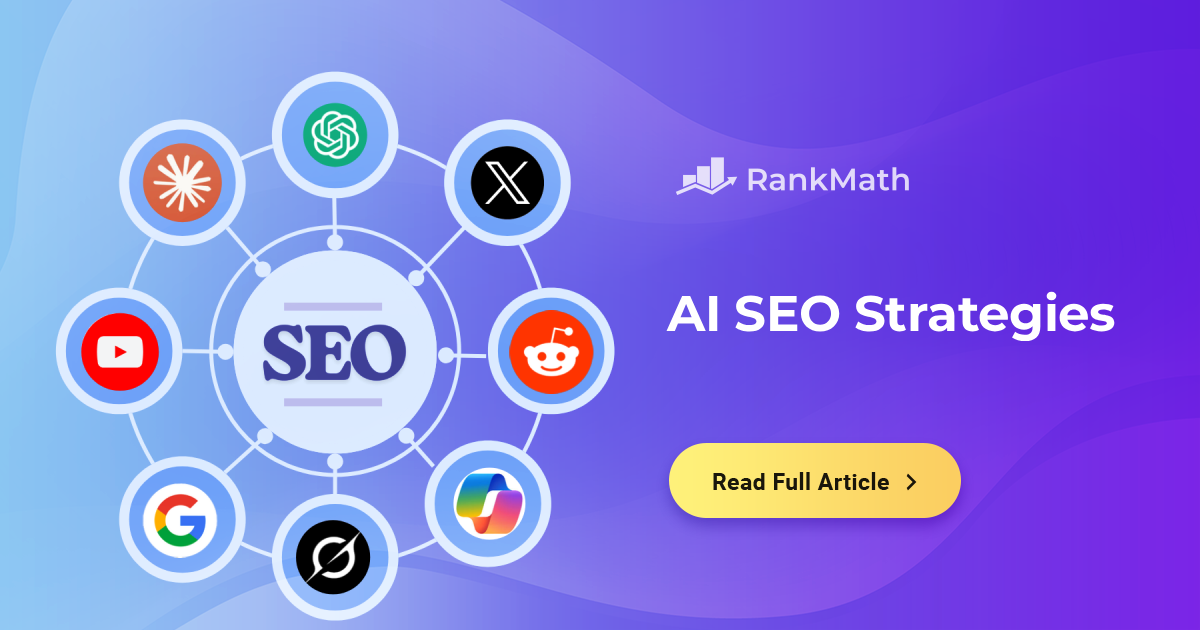
AI SEO ranking opportunities refer to the specific tactics, content formats, and technical implementations that align with how artificial intelligence systems evaluate and rank web pages. Traditional SEO focused on backlinks, exact-match keywords, and meta tags. Modern AI-driven search engines analyze user intent, semantic relationships between concepts, content comprehensiveness, and real-world expertise signals.
Google’s RankBrain, BERT, and the more recent MUM (Multitask Unified Model) represent significant leaps in understanding natural language. These systems process queries contextually, meaning the same keyword phrase can trigger different results based on user location, search history, and device type. For content creators, this means optimizing for topics rather than individual keywords, and building authority through depth and accuracy.
The Shift from Keywords to Entities and Topics
AI systems identify entities—people, places, organizations, concepts—and understand the relationships between them. When you write about “renewable energy incentives,” the AI recognizes related entities like “solar tax credit,” “net metering,” and “Department of Energy.” Content that naturally covers these connected concepts signals expertise and relevance, creating AI SEO ranking opportunities that keyword-stuffed articles miss entirely.
Search engines now evaluate topical authority by examining whether a website covers a subject comprehensively across multiple pages. A single in-depth article helps, but a cluster of interconnected content pieces that cross-reference each other provides stronger signals. This approach mirrors how AI models learn—through exposure to vast amounts of related information.
Core Components of AI-Driven Search Algorithms
To identify AI SEO ranking opportunities, you must understand the underlying technology. Modern search algorithms incorporate several AI techniques that work together to deliver results.
| AI Technology | Primary Function | SEO Implication |
|---|---|---|
| RankBrain | Interprets never-before-seen queries and maps them to known concepts | Focus on semantic relevance over exact keyword matching |
| BERT | Understands context and nuance in natural language | Write conversationally; avoid awkward keyword placement |
| MUM | Multitask understanding across text, images, and video | Create multimedia content that addresses complex queries |
| Neural Matching | Connects queries to pages using deep learning | Cover subtopics thoroughly to match varied query formulations |
| SpamBrain | Detects link spam and manipulative patterns | Prioritize earned links and genuine authority signals |
Each of these systems creates distinct AI SEO ranking opportunities. RankBrain rewards content that answers the underlying intent behind ambiguous queries. BERT favors natural, human-sounding prose. MUM opens doors for content that combines formats—a tutorial video paired with a detailed text guide and infographic. SpamBrain means low-quality link building actively harms rankings, pushing focus toward content quality.
Content Strategies That Unlock AI SEO Ranking Opportunities
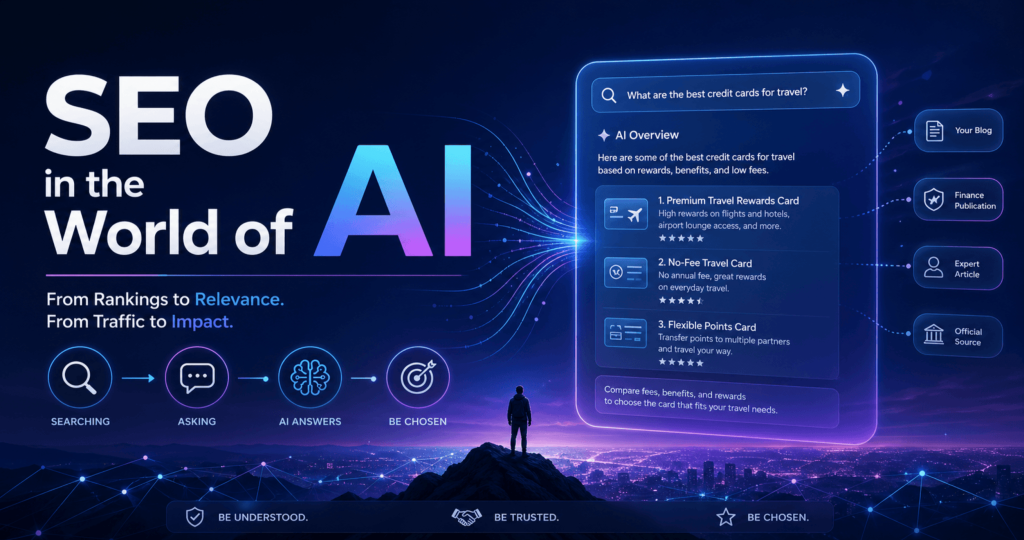
Creating content that AI systems recognize as authoritative requires a strategic approach. The days of writing 500-word blog posts targeting a single keyword are over. Modern content must demonstrate genuine expertise and provide complete answers.
Comprehensive Topic Coverage
AI algorithms measure content comprehensiveness by analyzing whether a page addresses the full spectrum of user needs related to a query. For example, an article about “home EV charging installation” should cover costs, permits, electric panel requirements, charger types, installation timelines, and maintenance. Each of these subtopics represents potential AI SEO ranking opportunities because users searching for related terms may find your content relevant.
Practical implementation involves creating pillar pages that offer broad overviews and cluster content that dives deep into specific aspects. Internal linking between these pages helps AI systems understand your site structure and topic authority. This architecture mirrors the way knowledge graphs organize information, making it easier for algorithms to categorize your content.
Structured Data and Schema Markup
Structured data provides explicit signals to AI systems about your content’s meaning. Schema markup for articles, FAQs, how-to guides, products, and reviews helps search engines parse your content accurately. This technical foundation amplifies AI SEO ranking opportunities by reducing ambiguity.
Implementing FAQ schema, for instance, can earn your content a featured snippet position. How-to schema enables rich results that display step-by-step instructions directly in search results. Product schema with review ratings increases click-through rates. These enhanced listings often outperform standard blue links because they provide immediate value to searchers.
Natural Language Processing Optimization
Write for humans first, but structure content to be easily parsed by NLP systems. Use clear headings that describe the content that follows. Keep paragraphs focused on single ideas. Define acronyms and technical terms on first use. These practices help AI models extract meaning accurately.
Voice search represents a growing segment where NLP optimization matters. People phrase voice queries as complete questions—”What is the best time to visit Japan?”—rather than fragmented keywords. Content that includes natural question-and-answer formats captures these AI SEO ranking opportunities. A dedicated FAQ section that directly answers common questions in concise, accurate language performs exceptionally well.
Technical SEO Factors for AI Visibility
AI systems crawl and index websites differently than earlier algorithms. Technical excellence creates the foundation for all other ranking efforts.
Core Web Vitals and User Experience Signals
Google’s AI systems incorporate user experience metrics directly into ranking calculations. Largest Contentful Paint measures loading performance, First Input Delay assesses interactivity, and Cumulative Layout Shift evaluates visual stability. Pages that load slowly or shift unexpectedly during loading receive lower rankings regardless of content quality.
Optimizing these metrics involves compressing images, leveraging browser caching, minimizing JavaScript, and using modern image formats like WebP. Mobile responsiveness is non-negotiable since most searches now occur on smartphones. AI systems evaluate mobile usability separately, and poor mobile experiences suppress rankings.
Indexing and Crawl Efficiency
AI crawlers allocate resources based on perceived importance. Sites with clear navigation, logical internal linking, and XML sitemaps get crawled more thoroughly. Orphan pages—those with no internal links—may never get indexed. Regular content updates signal freshness, prompting more frequent crawls.
JavaScript-rendered content presents unique challenges. AI crawlers execute JavaScript but may not process all dynamic elements. Server-side rendering or prerendering ensures your content appears in the initial HTML response. This technical detail can make the difference between ranking and invisibility for single-page applications.
Building Authority That AI Systems Trust
E-E-A-T—Experience, Expertise, Authoritativeness, and Trustworthiness—remains central to how AI evaluates content quality. These signals come from multiple sources.
Demonstrating First-Hand Experience
Content that includes original research, personal testing, or real-world case studies carries weight that generic AI-generated articles lack. If you review products, include photos from actual testing. If you provide advice, share specific examples from your professional experience. This authentic content creates AI SEO ranking opportunities because algorithms increasingly detect and reward originality.
Google’s helpful content system specifically targets content created primarily for search engines rather than people. Pages that demonstrate direct knowledge and genuine helpfulness outperform those that merely synthesize information from other sources. Including author bios with credentials, professional affiliations, and links to relevant experience strengthens these signals.
Earning Quality Backlinks
AI systems still use backlinks as a primary authority signal, but the evaluation has become more sophisticated. Links from relevant, authoritative sites in your niche carry substantial weight. Links from unrelated or low-quality sites provide minimal benefit and can trigger penalties.
Digital PR, original data studies, and expert commentary attract natural backlinks. Creating genuinely useful resources—calculators, templates, interactive tools—earns links because other sites want to share these assets with their audiences. These earned links signal to AI systems that your content provides real value.
Measuring and Monitoring AI SEO Performance
Tracking the effectiveness of your AI SEO ranking opportunities requires attention to different metrics than traditional SEO.
- Query coverage: Monitor which queries your pages appear for, including long-tail and conversational phrases
- Position stability: AI algorithm updates can cause ranking fluctuations; track consistency over time
- Featured snippet presence: Being selected for position zero indicates strong AI recognition
- Entity association: Check whether your brand appears in knowledge panels or entity-based results
- Click-through rates: High CTRs signal relevance to AI systems, reinforcing rankings
- Audit your existing content against AI evaluation criteria—comprehensiveness, entity coverage, user experience
- Identify gaps where competitors rank but you don’t; analyze what their content includes that yours lacks
- Map related entities and subtopics for your core topics using tools like Google’s related searches and People Also Ask
- Create content clusters with pillar pages and supporting articles that interlink naturally
- Implement structured data for all relevant content types
- Optimize technical performance, focusing on Core Web Vitals and mobile usability
- Build authority through original research, expert contributions, and earned media
- Monitor performance in Search Console and adjust based on query data
Google Search Console provides query data that reveals how AI interprets your content. The Performance report shows impressions and clicks for queries you may not have explicitly targeted. These insights expose untapped AI SEO ranking opportunities—queries where your content ranks on page two but could reach page one with optimization.
Common Mistakes That Block AI SEO Ranking Opportunities
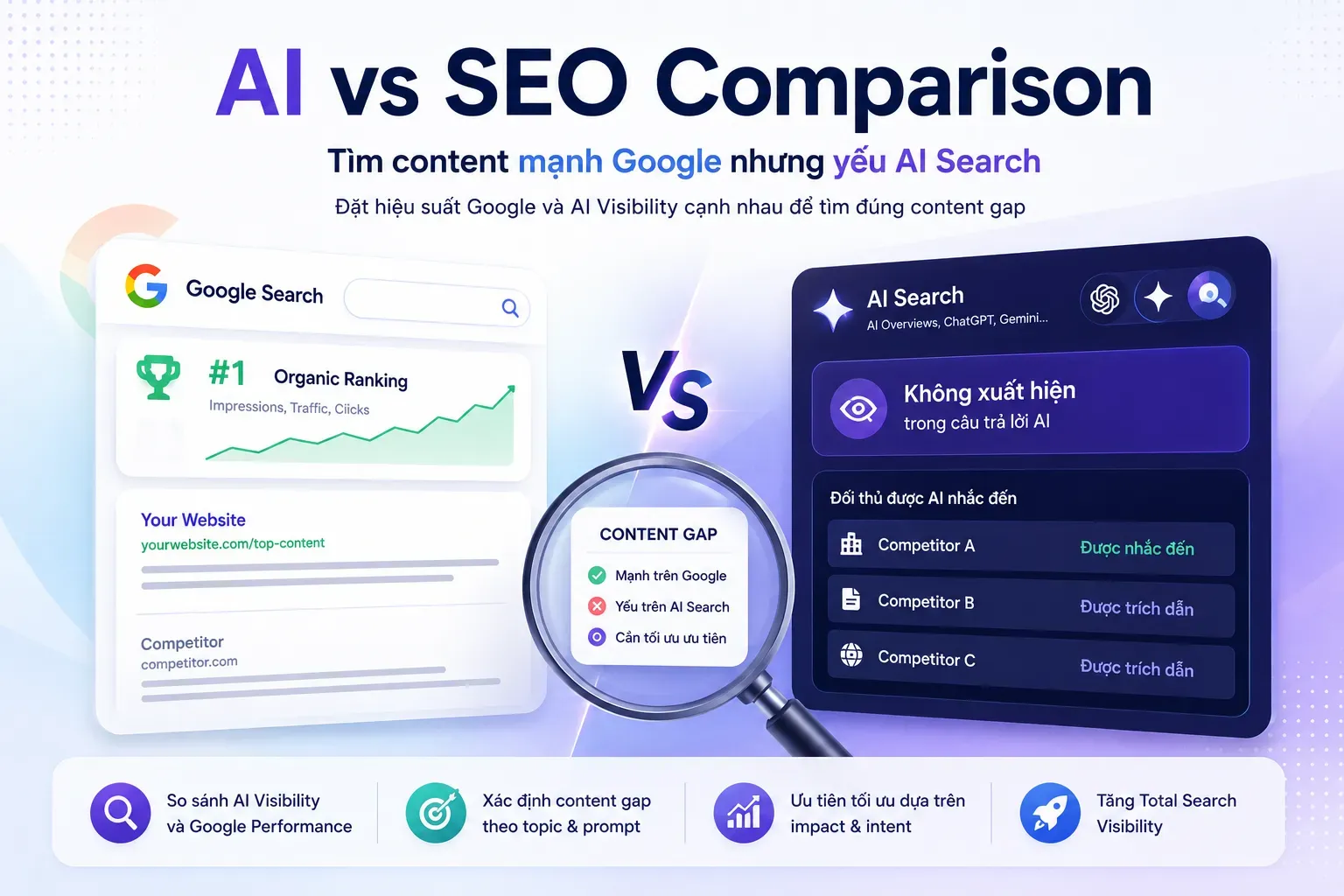
Many optimization efforts inadvertently harm AI visibility. Recognizing these pitfalls helps you avoid wasted effort and potential penalties.
Keyword Cannibalization
Creating multiple pages targeting the same topic confuses AI systems. They must choose which page to rank, often resulting in neither page performing well. Consolidate overlapping content or differentiate pages by targeting distinct subtopics and user intents.
Ignoring User Intent Variations
AI systems distinguish between informational, navigational, and transactional queries. A page optimized for informational queries won’t rank for transactional ones even if keywords overlap. Analyze the intent behind your target queries and create content that matches each intent type.
Over-Optimizing for Exact Match Keywords
Repeating the exact target keyword unnaturally triggers AI spam detection. Modern algorithms recognize when content is written for algorithms rather than people. Use variations, synonyms, and natural language while maintaining clear topical focus.
Neglecting Content Freshness
AI systems favor current information, especially for topics that evolve rapidly. Statistics, product recommendations, and industry guidelines become outdated quickly. Regular content audits and updates signal to AI that your site maintains accuracy and relevance.
Practical Implementation Guide for AI SEO Success
Translating these concepts into action requires a systematic approach. Follow this framework to identify and capture AI SEO ranking opportunities in your niche.
This process requires ongoing effort. AI algorithms update frequently, and what works today may need adjustment tomorrow. Staying informed about algorithm changes and industry best practices ensures you continue capturing AI SEO ranking opportunities as they evolve.
Important Notes for Long-Term Success
AI SEO ranking opportunities favor organizations that prioritize genuine value creation. Shortcuts and manipulative tactics increasingly fail as detection systems improve. Building sustainable visibility requires patience and consistent quality.
Consider the role of AI-generated content in your strategy. While AI tools can assist with research and drafting, search engines increasingly distinguish between helpful content and mass-produced filler. Google’s guidelines explicitly address AI-generated content, stating that it will be rewarded if it demonstrates quality and helpfulness, but penalized if created primarily to manipulate rankings. Always review and enhance AI-generated drafts with human expertise and original insights.
Local businesses have specific AI SEO ranking opportunities through Google Business Profile optimization, local schema markup, and review management. AI systems use these signals to determine local pack rankings. Ensuring consistent name, address, and phone information across directories remains essential.
International audiences require hreflang tags and localized content. AI systems detect language and regional relevance, serving appropriate versions to users. Poorly implemented international SEO confuses these systems and suppresses rankings across all regions.
Frequently Asked Questions
What are AI SEO ranking opportunities?
AI SEO ranking opportunities are optimization tactics that align with how artificial intelligence systems evaluate and rank web content. These include semantic topic coverage, natural language processing optimization, structured data implementation, user experience signals, and demonstrated expertise—all factors that AI algorithms use to determine relevance and authority.
How does AI change traditional SEO practices?
AI shifts focus from exact-match keywords to understanding user intent and semantic relationships. Traditional practices like keyword density and exact-match anchor text matter less. Content comprehensiveness, entity coverage, and genuine helpfulness matter more. AI also enables personalized results based on user context, making universal optimization less effective.
Can AI-generated content rank well in search results?
AI-generated content can rank if it meets quality standards. Search engines evaluate content based on helpfulness, accuracy, and originality, not the method of creation. However, purely AI-generated content often lacks first-hand experience and unique insights that demonstrate E-E-A-T. Combining AI assistance with human expertise produces the best results.
What tools help identify AI SEO ranking opportunities?
Google Search Console reveals query data and performance metrics. Ahrefs and SEMrush provide keyword gap analysis and content suggestions. Clearscope and Surfer SEO analyze content comprehensiveness against top-ranking pages. Google’s People Also Ask and related searches expose entity connections and subtopics to cover.
How long does it take to see results from AI SEO optimization?
Timelines vary based on competition, content quality, and site authority. Some improvements appear within weeks, particularly for technical fixes and structured data implementation. Authority building and comprehensive content clusters typically require three to six months to show significant ranking changes. Consistency matters more than speed.
Is voice search optimization different from regular AI SEO?
Voice search relies on the same AI systems but emphasizes conversational phrasing and direct answers. Voice queries tend to be longer and phrased as questions. Content that includes clear, concise answers formatted for featured snippets performs well for voice search. Local voice queries also require accurate business information across platforms.
Conclusion
AI SEO ranking opportunities represent the evolution of search optimization from mechanical keyword targeting to sophisticated content and technical strategies that align with machine learning systems. Success requires understanding how AI interprets content, building genuine authority, and providing exceptional user experiences. The organizations that thrive will be those that treat SEO as an integral part of creating valuable digital experiences rather than a separate optimization exercise.
The search landscape will continue evolving as AI technology advances. Multimodal search, conversational interfaces, and predictive recommendations will create new opportunities and challenges. Staying adaptable, focusing on fundamental quality, and monitoring performance data positions you to capture AI SEO ranking opportunities now and in the future. The fundamentals remain constant—create content that genuinely helps people, build trust through expertise and transparency, and ensure your website delivers excellent experiences across all devices and contexts.
Xem thêm:
- AI SEO AI Visibility Audit: The Complete Guide to Dominating Search in 2025
- AI SEO SERP Competitor Analysis: The Complete Playbook for 2025
- AI SEO Content Strategy: The Complete Blueprint for 2025 and Beyond
- AI SEO Topic Research: The Complete Guide to Data-Driven Content Planning
- AI SEO MarketMuse: The Complete Guide to Content Intelligence in 2025
Bài viết cùng chủ đề:

AI SEO SEO Automation with Make: The Complete Workflow Guide

AI SEO SEO Automation with Zapier: The Complete Workflow Guide

AI SEO SEO Automation with n8n: The Complete Workflow Guide
AI SEO SEO Automation with Gemini: The Complete Guide to Scaling Organic Growth

AI SEO SEO Automation with Claude: The Complete Guide to Scaling Content in 2025

AI SEO SEO Automation with ChatGPT: The Complete Playbook for 2025

AI SEO & SEO Automation for Affiliate Sites: The 2025 Playbook for Passive Income Growth
AI SEO & SEO Automation for Bloggers: The Complete Guide to Scaling Your Content

AI SEO & SEO Automation for Agencies: The Complete 2025 Playbook

AI SEO and SEO Automation for Ecommerce: The Complete Playbook for 2025

AI SEO & SEO Automation for WordPress: The Complete Playbook for 2025
AI SEO SEO Automation Strategy: The Complete Playbook for 2025

Mastering the AI SEO SEO Automation Process: A Complete Guide to Scaling Organic Growth
AI SEO SEO Automation System: The Complete Guide to Scaling Organic Growth in 2025
AI SEO SEO Automation Platform: The Complete Guide to Scaling Organic Growth in 2025
AI SEO SEO Automation Software: The Complete Guide to Scaling Organic Growth in 2025















