
No products in the cart.
AI SEO Performance Monitoring: The Complete Guide to Data-Driven Search Optimization
31
Jul
Jul
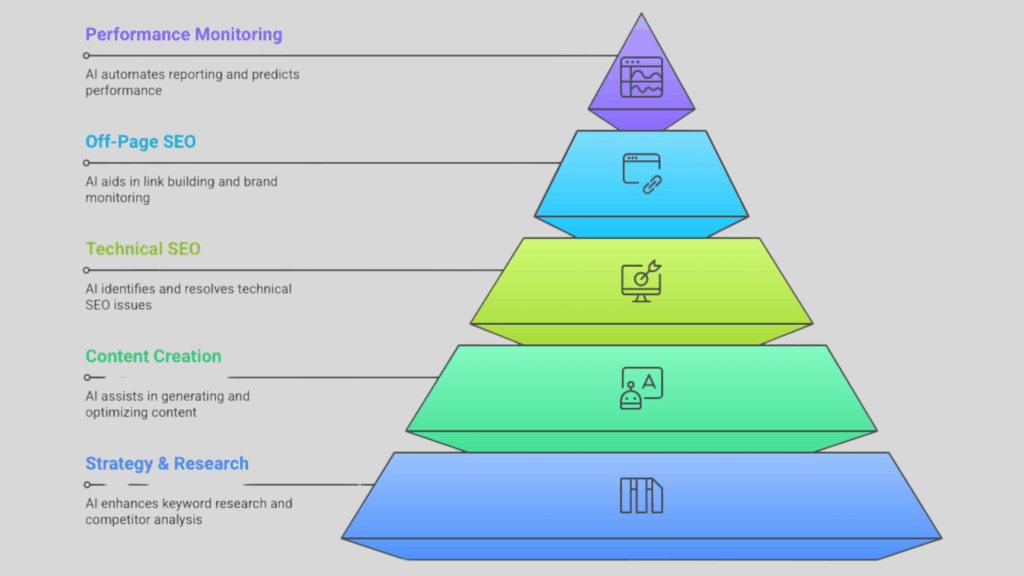
Search engine optimization has evolved far beyond keyword stuffing and backlink chasing. Modern SEO demands real-time insights, predictive analytics, and automated adjustments—all powered by artificial intelligence. AI SEO performance monitoring represents the intersection of machine learning and search optimization, enabling businesses to track, analyze, and improve their organic visibility with unprecedented precision. This comprehensive guide explores how AI transforms performance tracking, what metrics matter most, and how to implement a monitoring system that drives measurable results.
What Is AI SEO Performance Monitoring?
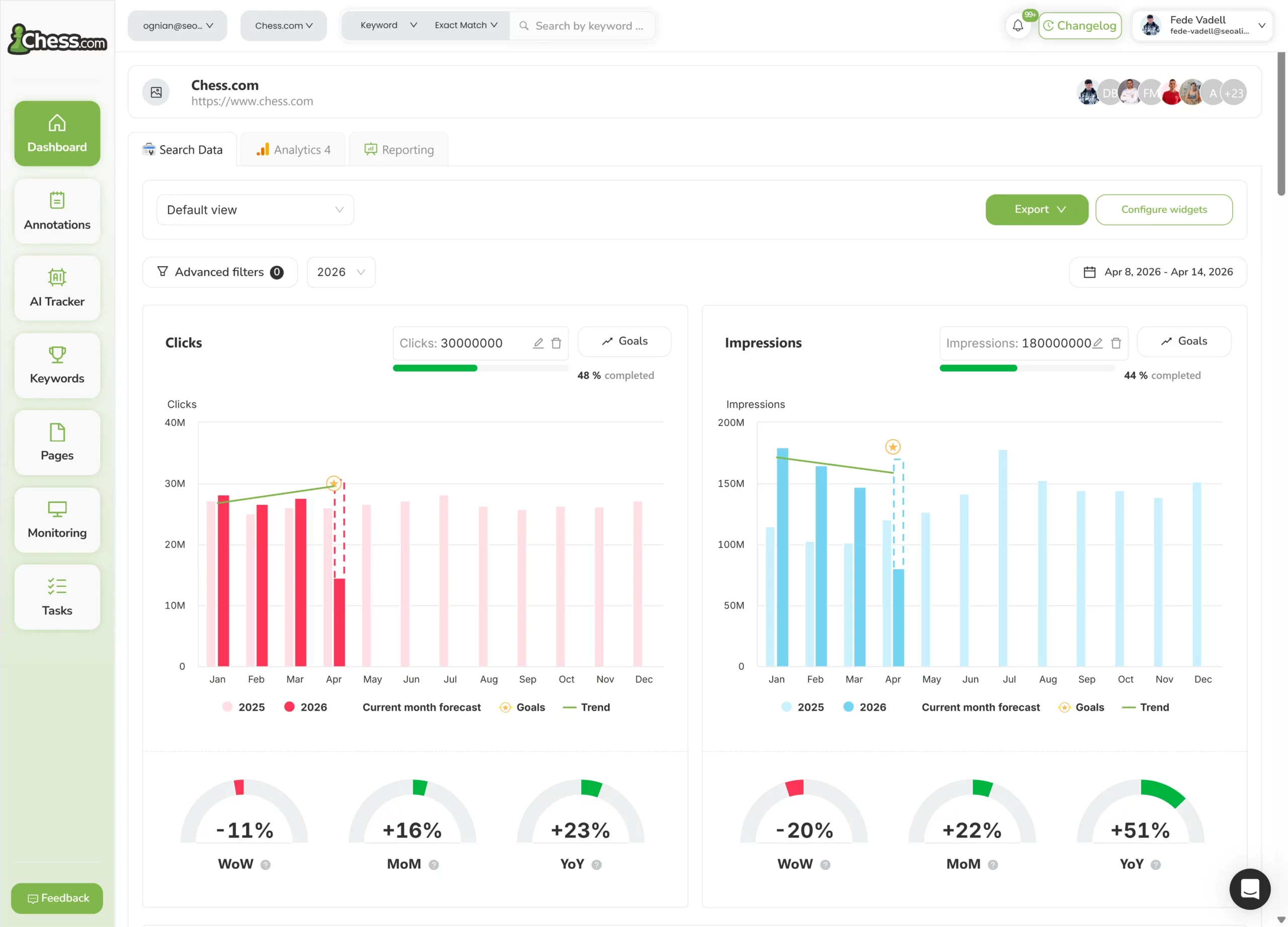
AI SEO performance monitoring refers to the systematic use of artificial intelligence algorithms to track, analyze, and interpret search engine optimization data. Unlike traditional monitoring tools that simply report rankings and traffic, AI-powered systems identify patterns, predict algorithm changes, and recommend actionable improvements automatically. These systems process vast amounts of data from search engine results pages, website analytics, user behavior, and competitor activity to provide a holistic view of organic search performance.
The core difference lies in the analytical depth. Traditional tools answer “what happened,” while AI monitoring answers “why it happened” and “what will happen next.” Machine learning models detect correlations between ranking fluctuations and algorithm updates, content changes, or technical issues that human analysts might miss. This shift from reactive reporting to proactive optimization represents a fundamental change in how SEO professionals approach performance management.
Why Traditional SEO Tracking Falls Short
Conventional rank tracking and analytics tools have served digital marketers for decades, but they face significant limitations in today’s search landscape. Search engines now personalize results based on user location, search history, device type, and hundreds of other signals. A single keyword can produce thousands of different result pages across different users and contexts. Traditional tools sample a fraction of these variations, providing an incomplete picture of actual performance.
Additionally, manual analysis creates substantial delays. By the time a human analyst notices a traffic drop, investigates the cause, and implements a fix, days or weeks have passed. During that window, competitors gain ground, and revenue suffers. AI SEO performance monitoring eliminates these delays through continuous data collection and instant anomaly detection. The system flags issues the moment they appear, often before they impact rankings significantly.
Another critical weakness of traditional tracking involves the sheer volume of data. Modern SEO generates terabytes of information daily—search queries, click-through rates, dwell time, bounce rates, conversion paths, and hundreds of other variables. Human analysts simply cannot process this volume effectively. AI systems excel at pattern recognition across massive datasets, uncovering insights that would remain hidden in manual analysis.
Core Components of AI SEO Performance Monitoring Systems
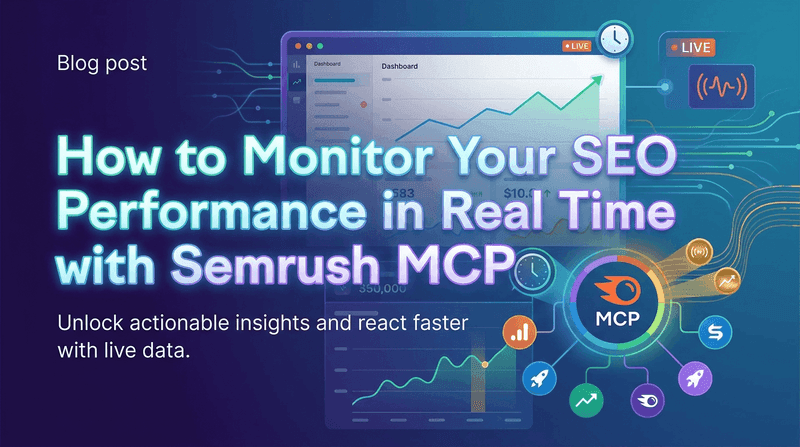
Understanding the architecture of AI-powered monitoring platforms helps you evaluate tools and build effective workflows. Most systems share several fundamental components that work together to deliver comprehensive insights.
Automated Data Collection and Integration
AI monitoring platforms aggregate data from multiple sources automatically. These include Google Search Console, Google Analytics, Bing Webmaster Tools, server logs, CRM systems, and third-party SEO tools. The integration layer normalizes data from different sources, ensuring consistent formatting and eliminating duplicate entries. Advanced systems also collect real-time data from search engine results pages through APIs and web scraping technologies, providing up-to-the-minute ranking information.
The data collection process runs continuously, unlike traditional tools that update on daily or weekly schedules. This constant stream of information enables immediate detection of ranking changes, traffic anomalies, and technical issues. For example, if a website experiences a sudden drop in indexed pages, the monitoring system alerts the SEO team within minutes, allowing rapid investigation and resolution.
Machine Learning Algorithms for Pattern Recognition
At the heart of AI SEO performance monitoring lies a suite of machine learning models trained on historical SEO data. These algorithms identify patterns that correlate with ranking improvements or declines. Regression models predict traffic based on various input variables, while classification algorithms categorize pages as high-performing, average, or underperforming. Clustering techniques group similar pages to identify systemic issues affecting multiple URLs.
Natural language processing (NLP) plays a crucial role in content analysis. NLP models evaluate content relevance, readability, semantic richness, and topical authority. These models compare your content against top-ranking pages for target keywords, identifying gaps in coverage, missing subtopics, or opportunities for content enhancement. The system provides specific recommendations, such as adding certain related terms, expanding sections, or improving internal linking structures.
Predictive Analytics and Forecasting
Predictive capabilities distinguish advanced AI monitoring from basic analytics. Time series models forecast future traffic based on historical patterns, seasonal trends, and current optimization efforts. These forecasts help businesses plan content calendars, allocate resources, and set realistic performance targets. When actual performance deviates significantly from predictions, the system investigates potential causes, such as algorithm updates or competitor actions.
Predictive models also simulate the potential impact of proposed changes. Before implementing a major site restructure or content overhaul, marketers can run simulations to estimate traffic implications. This capability reduces risk and enables data-driven decision-making. For instance, an e-commerce site considering a URL structure change can model the potential ranking impact across thousands of product pages before committing to the migration.
Automated Reporting and Alerting
AI monitoring systems generate comprehensive reports automatically, eliminating manual report compilation. These reports highlight key performance indicators, trends, anomalies, and recommended actions. Customizable dashboards allow different stakeholders to view relevant metrics—executives see revenue impact, while technical teams focus on crawl errors and page speed issues.
Alerting mechanisms notify teams about critical events in real time. Threshold-based alerts trigger when metrics exceed predefined limits, such as a 20% traffic drop or a 15% decrease in average position. Anomaly detection algorithms go further, identifying unusual patterns that might indicate emerging problems. For example, a sudden increase in 404 errors following a site update triggers an immediate alert, enabling rapid fixes before rankings suffer.
Key Metrics Tracked by AI SEO Performance Monitoring
AI systems track hundreds of metrics, but certain indicators provide the most valuable insights for optimization decisions. Understanding these metrics helps you interpret monitoring data and prioritize actions effectively.
Organic Visibility and Share of Voice
Organic visibility measures the overall presence of your website in search results for relevant queries. AI tools calculate visibility scores based on rankings, search volumes, and click-through rates across thousands of keywords. Share of voice compares your visibility against competitors, revealing market position and opportunities for growth. These metrics provide a high-level view of SEO health, complementing granular keyword-level data.
Visibility metrics fluctuate daily, but AI systems distinguish between normal variations and significant shifts. Seasonal patterns, new content publication, and competitor activities cause expected fluctuations. The monitoring system contextualizes changes, helping you understand whether a visibility drop requires immediate action or represents normal market dynamics.
Search Intent Alignment and Content Relevance
Modern search engines prioritize content that matches user intent. AI monitoring evaluates how well your pages satisfy the intent behind target queries. The system analyzes search result features—featured snippets, knowledge panels, people-also-ask boxes—to understand what formats and information users expect. Pages that align with intent signals rank higher and achieve better engagement metrics.
Content relevance scoring uses semantic analysis to measure topical coverage. The AI compares your content against top-ranking pages, identifying missing entities, concepts, and subtopics. This analysis extends beyond simple keyword matching to understand the relationships between concepts. For example, a page about “vegan protein sources” should cover topics like amino acid profiles, bioavailability, and recipe ideas to fully satisfy user intent.
Technical Health and Crawl Efficiency
Technical SEO issues directly impact rankings and user experience. AI monitoring continuously scans websites for crawl errors, broken links, duplicate content, page speed problems, and mobile usability issues. The system prioritizes issues based on their potential impact on rankings and user experience, helping teams address the most critical problems first.
Crawl budget optimization represents a growing focus area. Search engines allocate limited crawl resources to each website, and inefficient crawling wastes these resources on low-value pages. AI systems analyze server logs to understand crawl patterns, identifying pages that waste crawl budget and opportunities to improve crawl efficiency. This analysis helps ensure search engines discover and index your most important content.
User Engagement and Conversion Metrics
Search engines increasingly use user engagement signals as ranking factors. AI monitoring tracks metrics like click-through rate, dwell time, bounce rate, and pages per session. These signals indicate content quality and relevance, influencing rankings for competitive queries. The system identifies pages with poor engagement metrics and recommends improvements to content, layout, or internal linking.
Conversion tracking connects SEO performance to business outcomes. AI systems attribute conversions to organic search traffic, measuring the revenue impact of SEO efforts. This attribution helps justify SEO investments and identify high-value keywords that drive qualified traffic. Advanced systems analyze conversion paths, understanding how users interact with multiple pages before completing a desired action.
Benefits of Implementing AI SEO Performance Monitoring
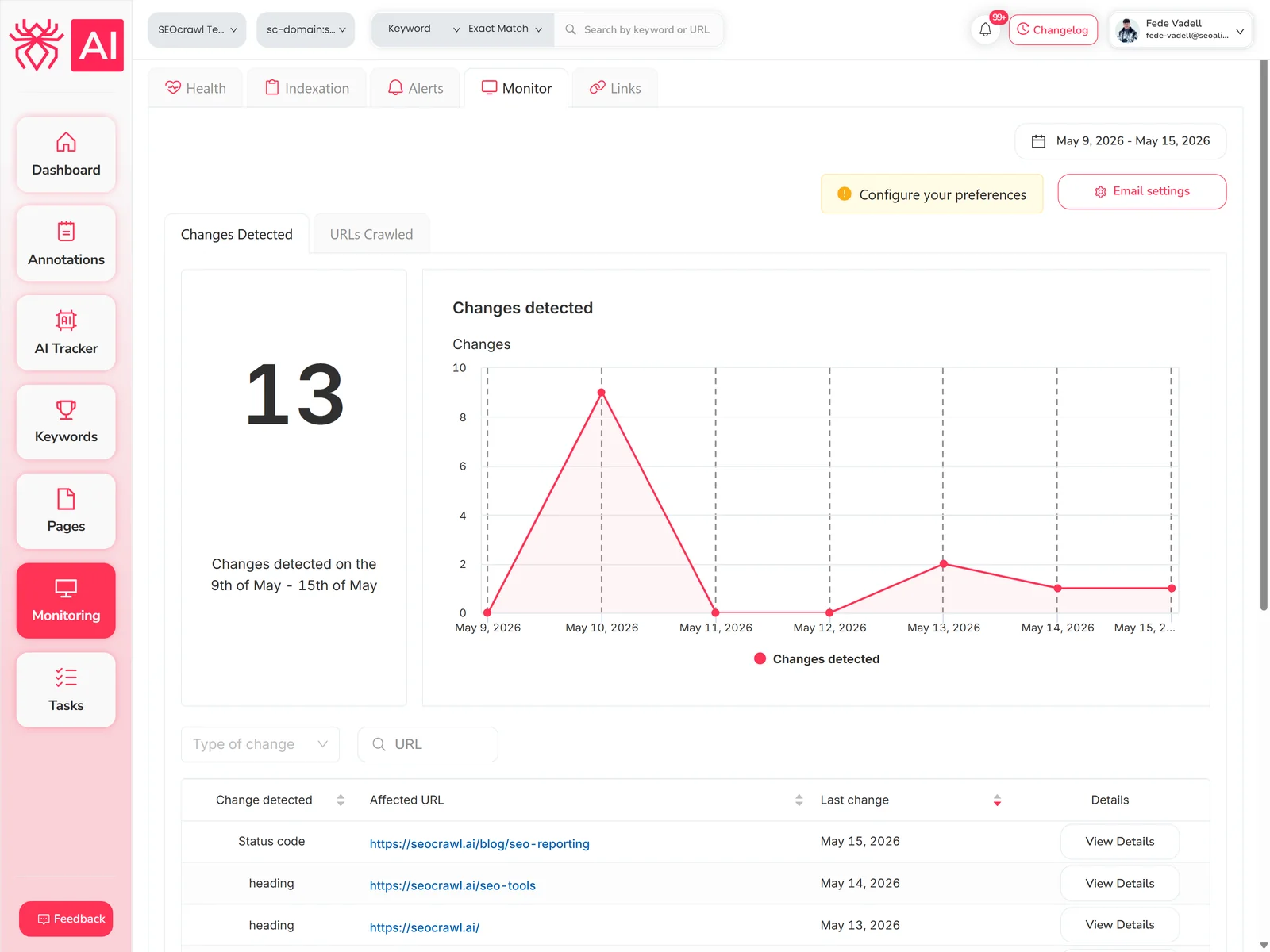
Organizations that adopt AI-powered monitoring gain significant advantages over competitors relying on traditional approaches. These benefits extend beyond improved rankings to encompass operational efficiency, strategic planning, and risk management.
Faster Response to Algorithm Updates
Search engines update their algorithms hundreds of times annually, with major updates causing significant ranking fluctuations. AI monitoring detects the impact of algorithm updates within hours, not days. The system identifies affected pages, analyzes potential causes, and recommends adjustments. This rapid response minimizes traffic losses and accelerates recovery compared to competitors who discover issues days later.
Historical algorithm update data enables predictive modeling. AI systems learn patterns from past updates, anticipating how future changes might impact your website. This foresight allows proactive preparation, such as strengthening content quality or improving technical health before a predicted update rolls out.
Resource Optimization and Cost Efficiency
AI monitoring prioritizes optimization opportunities based on potential impact and effort required. This prioritization ensures teams focus on changes that deliver the greatest return. Instead of spreading resources across hundreds of minor improvements, marketers concentrate on the few changes that significantly affect rankings and traffic.
Automated monitoring reduces the time spent on manual data collection and reporting. SEO professionals reclaim hours previously dedicated to spreadsheet compilation and report generation, redirecting this time toward strategic initiatives. The cost savings from improved efficiency often offset the investment in AI monitoring tools.
Competitive Intelligence and Market Insights
AI systems continuously monitor competitor performance, tracking their rankings, content strategies, and backlink profiles. This competitive intelligence reveals opportunities to outperform rivals and threats requiring defensive action. When a competitor gains rankings for valuable keywords, the system analyzes their content and identifies gaps in your own coverage.
Market trend analysis identifies emerging topics and shifting user interests before they become mainstream. Early identification of trending topics enables content creation ahead of competitors, capturing search demand as it grows. This first-mover advantage compounds over time, building topical authority that becomes difficult for competitors to overcome.
Limitations and Challenges of AI SEO Monitoring
While AI brings transformative capabilities to SEO monitoring, understanding its limitations ensures realistic expectations and effective implementation. No technology solves every problem, and AI monitoring has specific constraints worth acknowledging.
Data Quality and Integration Issues
AI systems depend entirely on the quality of input data. Inconsistent tracking codes, incomplete analytics implementation, or incorrect data source configurations produce misleading insights. Organizations must invest in proper data governance to ensure monitoring systems receive accurate, complete information. Regular audits of tracking implementations prevent garbage-in-garbage-out scenarios.
Integration challenges arise when connecting AI monitoring tools with existing marketing technology stacks. Legacy systems may lack APIs or use incompatible data formats, complicating data flow. Organizations should evaluate integration capabilities before selecting monitoring platforms, ensuring compatibility with their current infrastructure.
Interpretation and Contextual Understanding
AI algorithms excel at pattern recognition but struggle with contextual understanding. A traffic drop might result from an algorithm update, a competitor campaign, seasonal patterns, or a technical issue. AI systems identify the anomaly but may misattribute the cause without human interpretation. SEO professionals must validate AI recommendations against their knowledge of business context and industry dynamics.
Natural language processing limitations affect content analysis accuracy. NLP models may miss subtle nuances, cultural references, or industry-specific terminology. For highly specialized or technical content, human review remains essential to ensure AI recommendations align with domain expertise and brand voice.
AI SEO Performance Monitoring vs Traditional Tools: A Comparison
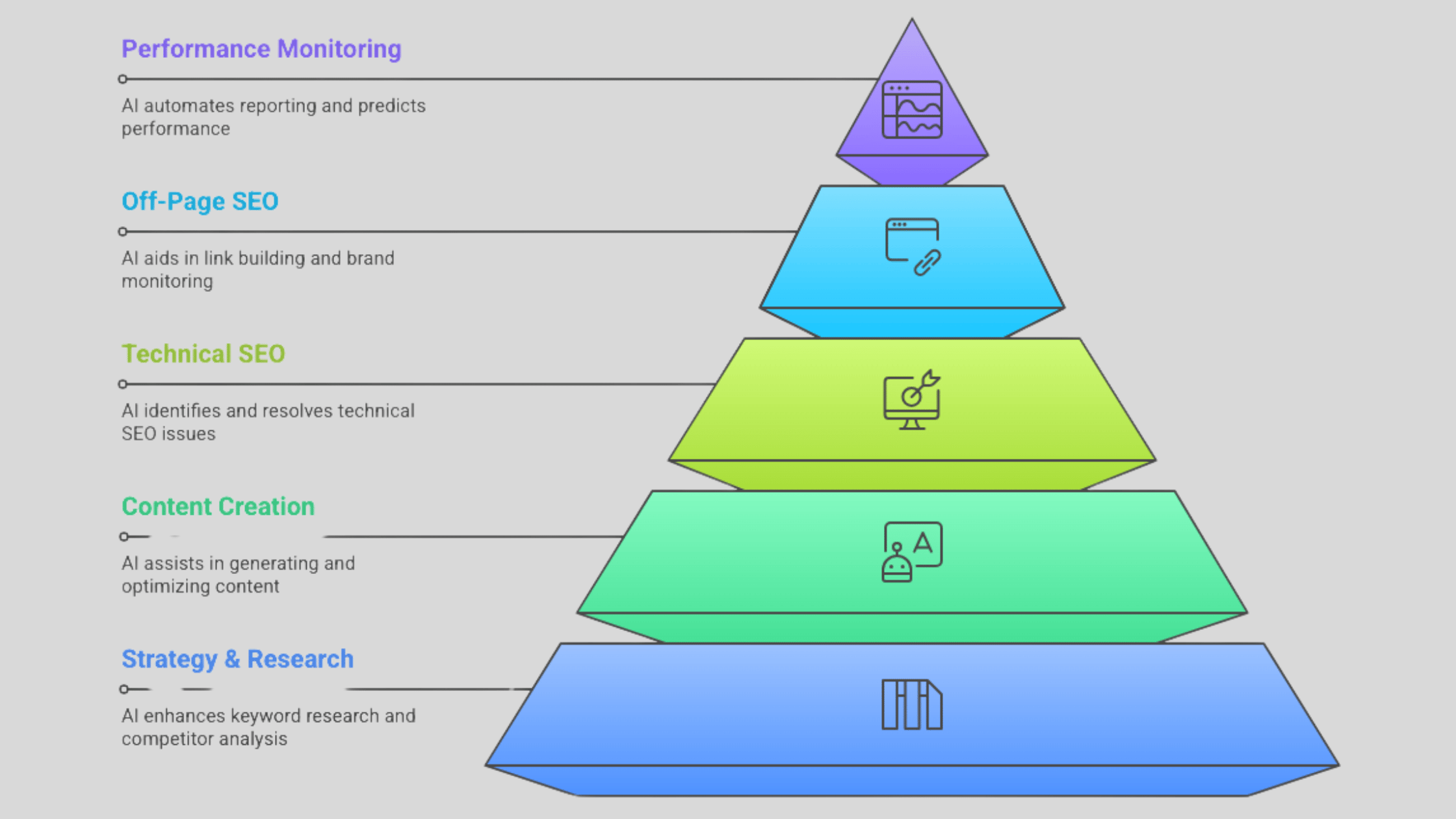
| Feature | AI-Powered Monitoring | Traditional Tools |
|---|---|---|
| Data processing speed | Real-time analysis of millions of data points | Daily or weekly batch processing |
| Anomaly detection | Automatic identification of unusual patterns | Manual review of reports |
| Predictive capabilities | Forecasts traffic and ranking changes | Historical reporting only |
| Content analysis | Semantic and intent-based evaluation | Keyword matching and density checks |
| Recommendation generation | Automated, prioritized action items | Manual analysis and interpretation |
| Competitor monitoring | Continuous, comprehensive tracking | Periodic manual checks |
| Scalability | Handles thousands of keywords and pages | Limited by human capacity |
| Cost | Higher initial investment | Lower entry cost |
The comparison reveals that AI monitoring excels in speed, depth, and predictive power, while traditional tools offer simplicity and lower cost. Many organizations use both approaches, leveraging AI for strategic insights while maintaining traditional tools for basic reporting and team familiarity.
Practical Implementation: How to Set Up AI SEO Performance Monitoring
Implementing AI-powered monitoring requires careful planning and execution. Following a structured approach ensures successful adoption and maximum return on investment.
Step 1: Define Objectives and Key Performance Indicators
Start by clarifying what you want to achieve with AI monitoring. Common objectives include improving organic traffic, increasing keyword rankings, reducing response time to algorithm updates, or enhancing content relevance. Translate these objectives into specific, measurable KPIs that the monitoring system will track. For example, an objective to improve organic traffic might include KPIs like monthly organic sessions, average position for priority keywords, and conversion rate from organic traffic.
Establish baseline measurements before implementing AI monitoring. Collect historical data on your current performance to provide context for future comparisons. This baseline helps the AI system understand normal patterns and identify meaningful deviations from expected performance.
Step 2: Select the Right AI Monitoring Platform
Evaluate AI SEO monitoring tools based on your specific needs, budget, and technical capabilities. Consider factors like data source integrations, machine learning sophistication, reporting features, and ease of use. Request demos and trial periods to test platforms with your actual data before committing.
Popular AI-powered SEO platforms include Semrush with its AI-driven recommendations, Ahrefs with machine learning-based content analysis, and specialized tools like BrightEdge or Conductor that focus on enterprise-level monitoring. Each platform has unique strengths, so match capabilities to your organization’s priorities.
Step 3: Configure Data Sources and Tracking
Connect all relevant data sources to your monitoring platform. This includes search engine tools, analytics platforms, server logs, and any other systems containing SEO-relevant data. Verify that tracking codes are correctly implemented across your website, ensuring complete data collection.
Set up custom alerts and thresholds based on your KPIs. Define what constitutes a significant deviation requiring immediate attention. For example, configure alerts for traffic drops exceeding 15% in 24 hours, ranking losses beyond position 10 for priority keywords, or sudden increases in crawl errors.
Step 4: Train the System and Establish Baselines
AI systems improve over time as they learn from your specific data patterns. Allow the system to collect data for several weeks before relying heavily on its recommendations. During this training period, validate AI insights against your own analysis to ensure accuracy.
Document your optimization history, including past algorithm updates, content changes, and technical fixes. This historical context helps the AI system understand cause-and-effect relationships, improving its predictive accuracy over time.
Step 5: Integrate Monitoring into Daily Workflows
AI monitoring delivers value only when teams act on its insights. Establish daily or weekly review processes where SEO professionals examine monitoring dashboards, investigate alerts, and implement recommended actions. Assign clear ownership for different monitoring categories—technical issues, content gaps, competitive threats—to ensure accountability.
Create feedback loops where the results of optimization actions feed back into the monitoring system. This continuous learning cycle improves the AI’s recommendations, creating a compounding effect of increasingly accurate insights.
Common Mistakes in AI SEO Performance Monitoring
Organizations often make predictable errors when implementing AI monitoring systems. Recognizing these pitfalls helps you avoid them and maximize the value of your investment.
Over-Reliance on Automated Recommendations
AI recommendations provide valuable guidance but should not replace human judgment entirely. Automated systems lack understanding of brand strategy, audience nuances, and business priorities. Blindly implementing every AI suggestion can lead to generic content, misaligned messaging, or technical changes that harm user experience. Always review AI recommendations through the lens of your strategic objectives and domain expertise.
Similarly, avoid ignoring AI insights in favor of intuition. Some marketers dismiss data-driven recommendations that contradict their assumptions. The most effective approach balances AI insights with human expertise, using each to validate and enhance the other.
Focusing on Vanity Metrics
Rankings and traffic volume represent important indicators, but they do not tell the complete story. A keyword might rank highly while driving minimal conversions, or traffic might increase while engagement declines. AI monitoring provides comprehensive data, but teams must focus on metrics that align with business outcomes rather than superficial indicators.
Define what constitutes meaningful SEO success for your organization. For e-commerce sites, this might be revenue per organic visit. For lead generation businesses, qualified lead volume matters more than raw traffic. For content publishers, engagement time and return visits indicate audience quality. Align monitoring priorities with these business-specific metrics.
Neglecting Data Quality and Governance
AI systems amplify the impact of data quality issues. Inaccurate tracking, incomplete data, or inconsistent naming conventions produce misleading insights that lead to poor decisions. Establish data governance policies that ensure consistent, accurate data collection across all sources.
Regularly audit your analytics implementation, checking for tracking code errors, spam traffic, or bot interference. Clean your data regularly to remove noise that confuses AI algorithms. Invest in proper tagging and naming conventions to maintain data consistency over time.
Ignoring the Human Element
AI monitoring provides data and recommendations, but humans execute changes and interpret context. Organizations that fully automate SEO processes without human oversight risk implementing changes that harm brand reputation or user trust. Maintain human involvement in content creation, strategic planning, and final decision-making.
Build a culture where data informs but does not dictate decisions. Encourage team members to question AI insights, investigate anomalies, and contribute contextual knowledge that algorithms lack. The most successful SEO programs combine AI efficiency with human creativity and judgment.
Important Notes for Maximizing AI Monitoring Value
Several considerations enhance the effectiveness of AI SEO performance monitoring programs. Keeping these principles in mind helps you extract maximum value from your investment.
First, recognize that AI monitoring tools require ongoing configuration and refinement. Search landscapes change, business priorities shift, and new data sources emerge. Regularly review your monitoring setup to ensure it remains aligned with current objectives. Schedule quarterly reviews of KPIs, alert thresholds, and data integrations to maintain relevance.
Second, invest in team training and skill development. AI tools amplify the capabilities of skilled SEO professionals but cannot replace fundamental SEO knowledge. Ensure your team understands search engine mechanics, content strategy principles, and technical optimization basics. This foundational knowledge enables effective interpretation and application of AI insights.
Third, maintain realistic expectations about AI capabilities. AI monitoring identifies patterns and makes predictions, but it cannot guarantee rankings or traffic. Search engines constantly evolve, competitors adapt, and market conditions change. Use AI insights to improve your odds of success, not as a certainty of outcomes.
Fourth, prioritize data security and privacy compliance. AI monitoring systems collect and process significant amounts of data, including potentially sensitive user information. Ensure your monitoring practices comply with relevant regulations like GDPR or CCPA. Work with vendors that demonstrate strong security practices and data protection standards.
Frequently Asked Questions About AI SEO Performance Monitoring
What is the difference between AI SEO monitoring and traditional rank tracking?
Traditional rank tracking simply records keyword positions at specific intervals, providing a snapshot of where pages appear in search results. AI SEO performance monitoring goes far beyond this, analyzing patterns across thousands of data points, predicting future performance, detecting anomalies automatically, and generating actionable recommendations. AI systems process data continuously and identify correlations that human analysts would miss, enabling proactive optimization rather than reactive reporting.
How much does AI SEO performance monitoring cost?
Pricing varies significantly based on platform capabilities, data volume, and feature requirements. Entry-level AI-powered SEO tools start around $100-200 per month, while enterprise platforms can cost $1,000-5,000 or more monthly. Most platforms offer tiered pricing based on keyword tracking limits, user seats, and advanced features. Many tools provide free trials or limited free versions, allowing you to test capabilities before committing financially.
Can small businesses benefit from AI SEO monitoring?
Absolutely. Small businesses gain significant advantages from AI monitoring, particularly in competitive markets where every ranking position matters. Affordable AI-powered tools provide insights that previously required expensive enterprise solutions or extensive manual analysis. Small teams benefit most from automation that reduces time spent on data collection, allowing them to focus on content creation and optimization. Even basic AI features like automated anomaly detection and content recommendations deliver substantial value.
How quickly can AI monitoring detect algorithm updates?
AI systems typically detect the impact of algorithm updates within hours of rollout. Because monitoring runs continuously, the system notices ranking fluctuations and traffic changes almost immediately. Traditional tools that update daily might not reveal algorithm impacts for 24-48 hours. This speed advantage enables faster response and recovery, minimizing potential traffic losses during algorithm transitions.
Does AI SEO monitoring replace the need for SEO experts?
No, AI monitoring enhances the capabilities of SEO professionals rather than replacing them. AI systems handle data processing, pattern recognition, and routine analysis, freeing experts to focus on strategy, creative content development, and complex problem-solving. Human judgment remains essential for interpreting AI insights, understanding business context, and making final decisions. The most effective SEO programs combine AI efficiency with human expertise and experience.
Conclusion
AI SEO performance monitoring represents a fundamental advancement in how organizations track and optimize their search presence. The shift from manual, reactive reporting to automated, predictive analysis enables faster responses to algorithm changes, deeper insights into content performance, and more efficient resource allocation. While implementation requires investment in tools, training, and process changes, the returns in improved rankings, increased traffic, and better conversion rates justify the effort.
Success with AI monitoring depends on thoughtful implementation, continuous refinement, and balanced integration with human expertise. Organizations that embrace AI as a complement to—not a replacement for—skilled SEO professionals achieve the best outcomes. As search engines continue to evolve and competition intensifies, AI-powered monitoring becomes not just advantageous but essential for maintaining competitive visibility.
The future of SEO belongs to data-driven organizations that leverage artificial intelligence to understand, predict, and influence search performance. By implementing robust AI monitoring systems today, you position your organization to thrive in an increasingly complex and competitive search landscape. Start by defining clear objectives, selecting the right tools, and building workflows that turn AI insights into tangible optimization actions.
Xem thêm:
- AI SEO Automation Scripts: The Complete Guide to Scaling Your Rankings in 2025
- AI SEO Topical Coverage: The Complete Guide to Dominating Search Rankings
- AI SEO Product Review Generator: The Complete Guide to Automated Review Content
- AI SEO vs Traditional SEO: How Automation Is Rewriting the Rules of Search Visibility
- How to Use DeepSeek for SEO: The Complete Guide to AI-Powered Optimization
Bài viết cùng chủ đề:

AI SEO SEO Automation with Make: The Complete Workflow Guide

AI SEO SEO Automation with Zapier: The Complete Workflow Guide

AI SEO SEO Automation with n8n: The Complete Workflow Guide
AI SEO SEO Automation with Gemini: The Complete Guide to Scaling Organic Growth

AI SEO SEO Automation with Claude: The Complete Guide to Scaling Content in 2025

AI SEO SEO Automation with ChatGPT: The Complete Playbook for 2025

AI SEO & SEO Automation for Affiliate Sites: The 2025 Playbook for Passive Income Growth
AI SEO & SEO Automation for Bloggers: The Complete Guide to Scaling Your Content

AI SEO & SEO Automation for Agencies: The Complete 2025 Playbook

AI SEO and SEO Automation for Ecommerce: The Complete Playbook for 2025

AI SEO & SEO Automation for WordPress: The Complete Playbook for 2025
AI SEO SEO Automation Strategy: The Complete Playbook for 2025

Mastering the AI SEO SEO Automation Process: A Complete Guide to Scaling Organic Growth
AI SEO SEO Automation System: The Complete Guide to Scaling Organic Growth in 2025
AI SEO SEO Automation Platform: The Complete Guide to Scaling Organic Growth in 2025
AI SEO SEO Automation Software: The Complete Guide to Scaling Organic Growth in 2025















