
No products in the cart.
AI SEO Topical Coverage: The Complete Guide to Dominating Search Rankings
10
Aug
Aug
AI SEO Topical Coverage has transformed how search engines evaluate website authority. Gone are the days when a single keyword could secure a top ranking. Modern search algorithms, powered by machine learning, now assess entire content ecosystems to determine expertise. This comprehensive guide explains how to build topical authority using AI-driven strategies, ensuring your website becomes the definitive resource in your niche. Understanding this approach is essential for any digital marketer aiming for sustainable organic growth in 2025 and beyond.
What is AI SEO Topical Coverage?
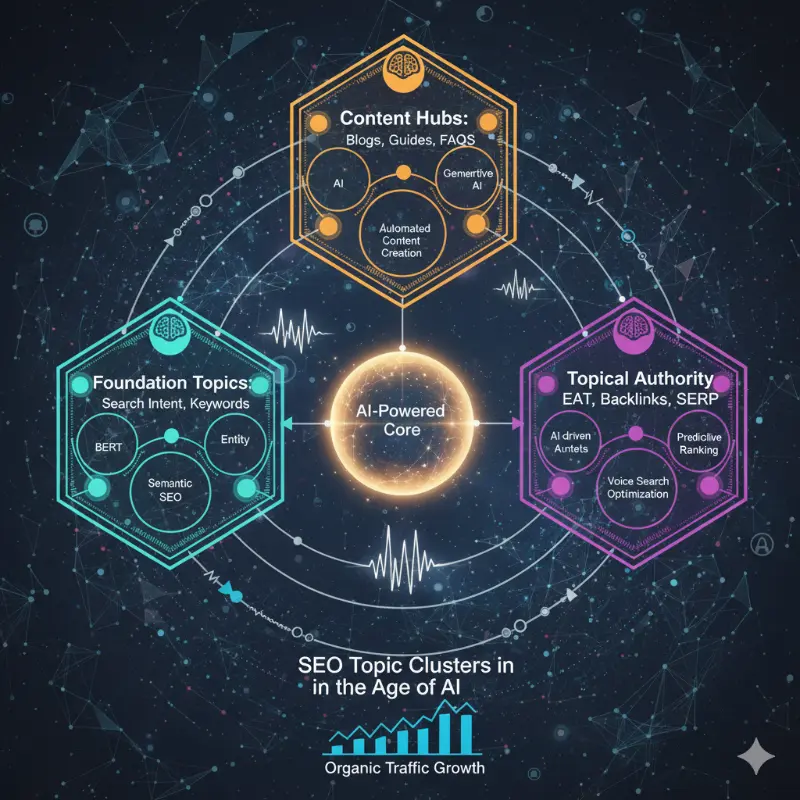
AI SEO Topical Coverage refers to the strategic process of creating a comprehensive network of interlinked content that thoroughly addresses every facet of a specific subject area. Unlike traditional SEO that focuses on individual keywords, this method leverages artificial intelligence to map out entire topic clusters. AI tools analyze search patterns, user intent, and semantic relationships to identify gaps in your existing content. The goal is to cover a subject so completely that search engines recognize your domain as the ultimate authority.
The concept moves beyond simple keyword density. It involves understanding the entities, questions, and subtopics that surround your main theme. For instance, a website about “keto diet” would need content on macros, recipes, side effects, scientific studies, meal plans, and common myths. AI algorithms help identify these related components by analyzing billions of search queries and user interactions. This holistic approach aligns perfectly with how Google’s RankBrain and BERT algorithms process information.
Why Topical Coverage Matters in Modern SEO
Search engines have evolved from simple keyword matchers to sophisticated semantic understanding systems. Google’s continuous algorithm updates, particularly the helpful content update, prioritize websites that demonstrate deep, first-hand expertise. AI SEO Topical Coverage directly addresses this requirement by ensuring your site provides exhaustive answers to user queries. When your content covers a topic comprehensively, you naturally earn more backlinks, longer dwell times, and higher engagement metrics.
The shift from keyword-based to entity-based indexing means search engines now understand relationships between concepts. A website with fragmented content that only touches on isolated keywords fails to build this semantic network. Conversely, a site with complete topical coverage creates a knowledge graph that search engines can easily crawl and understand. This results in higher rankings for both head terms and long-tail variations, as the algorithmic confidence in your authority increases across the entire topic cluster.
The Role of Machine Learning in Content Strategy
Machine learning algorithms process vast datasets to predict which content topics will gain traction. These systems analyze competitor strategies, search volume trends, and user behavior patterns. By implementing AI SEO Topical Coverage, you utilize these insights to prioritize content creation. The technology identifies emerging subtopics before they become saturated, giving you a first-mover advantage in your industry. This predictive capability transforms content planning from guesswork into a data-driven science.
Core Components of an AI-Driven Topical Map
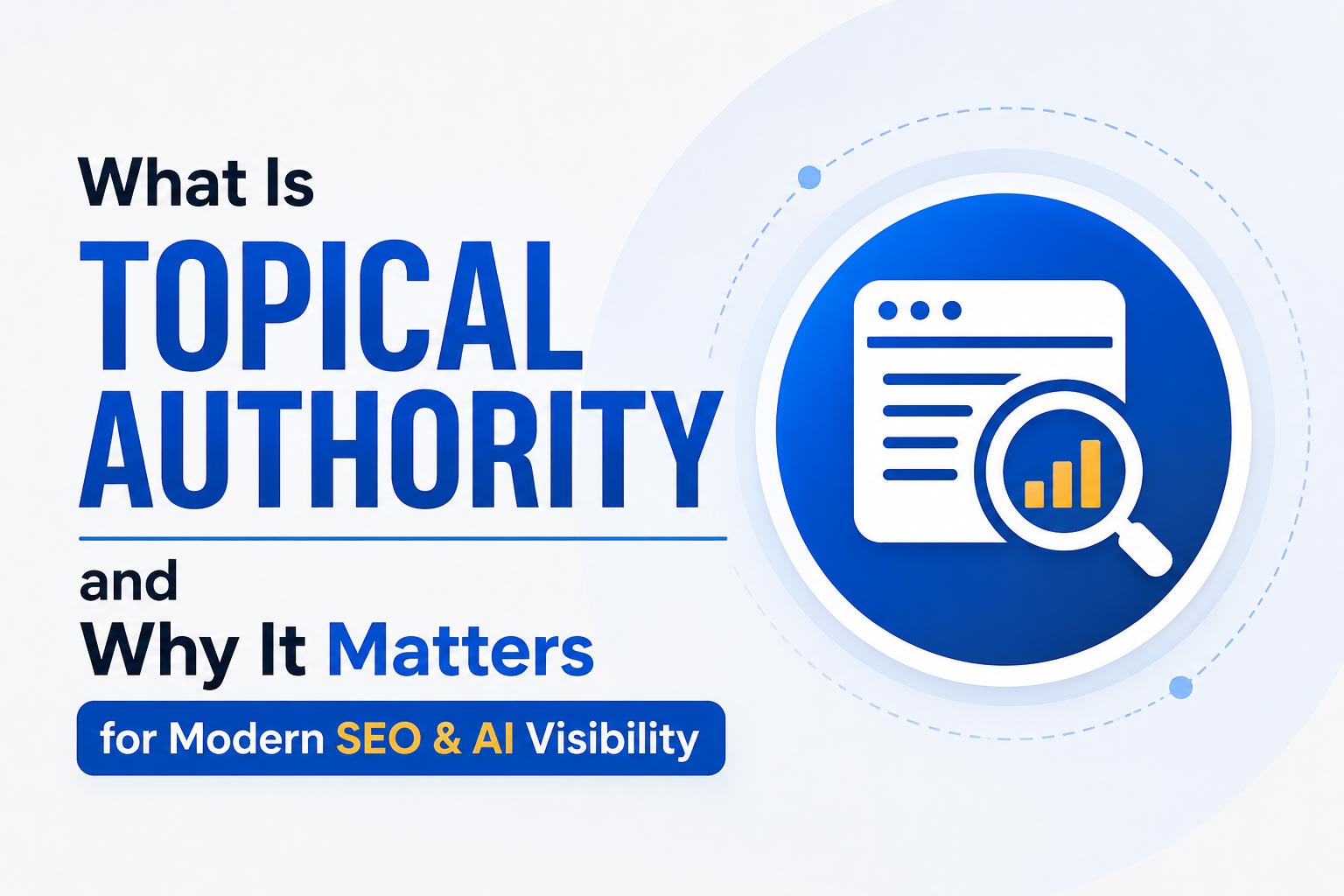
Building a successful AI SEO Topical Coverage strategy requires understanding its fundamental building blocks. Each component plays a vital role in creating a cohesive content ecosystem that search engines can easily interpret. The following elements form the backbone of any effective topical authority campaign.
Pillar Content and Cluster Pages
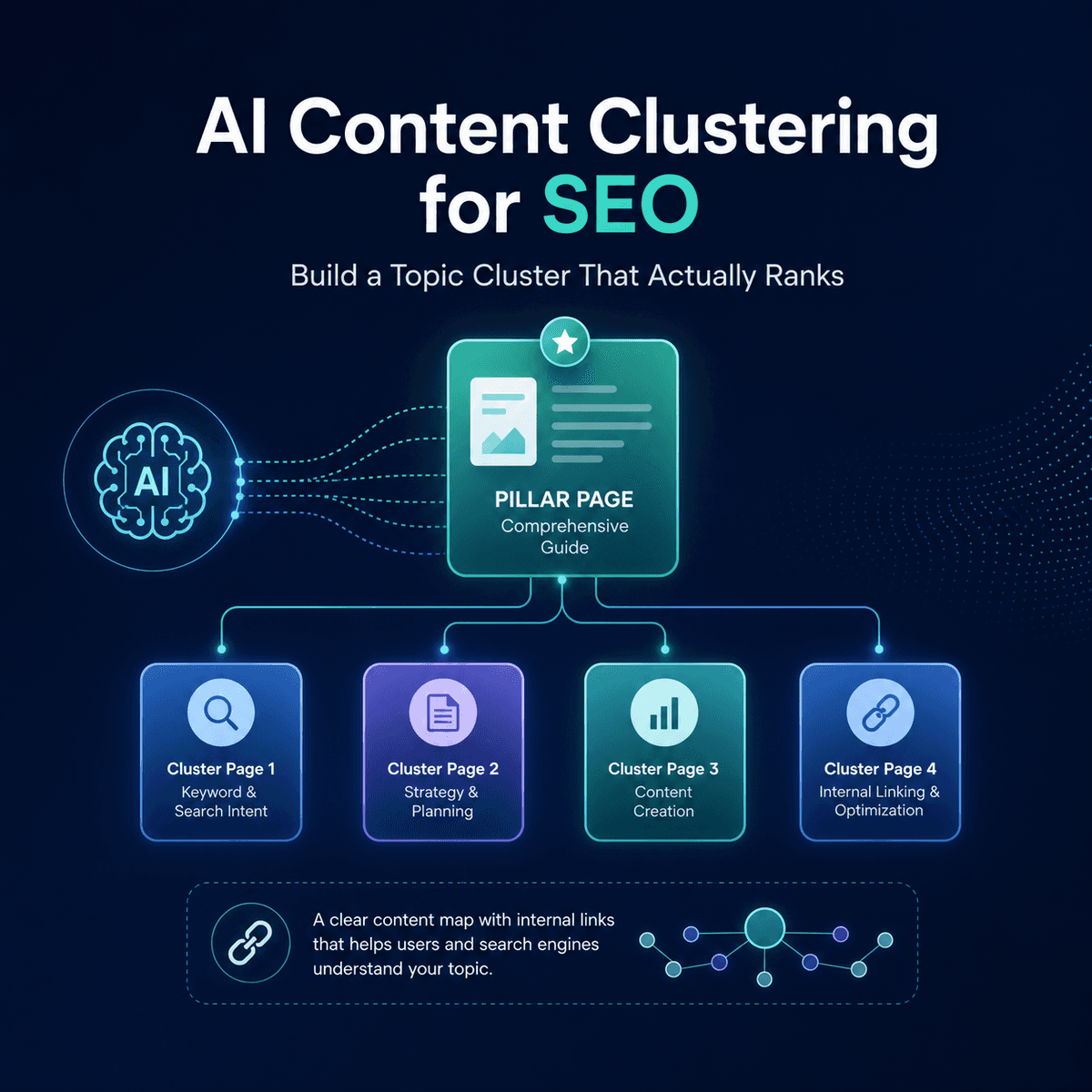
The pillar page serves as the central hub for your topic. This comprehensive guide covers the broad subject in depth, linking out to all related cluster content. Cluster pages address specific subtopics in detail, each linking back to the pillar. This internal linking structure signals to search engines that your site offers complete coverage. AI tools assist in identifying which subtopics deserve their own cluster pages based on search demand and content gaps.
Semantic Keyword Mapping
Traditional keyword research focuses on exact match phrases. AI-driven semantic mapping goes further by identifying related terms, synonyms, and contextual variations. For example, a page about “solar panel installation” should also naturally include terms like “photovoltaic systems,” “inverter setup,” and “grid connection.” AI algorithms analyze top-ranking pages to determine which semantic entities are essential for comprehensive coverage. This ensures your content matches the full spectrum of user search intents.
Content Gap Analysis
AI tools continuously scan your existing content against competitor sites and search engine result pages. This gap analysis reveals subtopics you have not yet covered or areas where your content lacks depth. The technology identifies questions your competitors answer but you miss, opportunities for fresh perspectives, and emerging trends within your niche. Regular gap analysis ensures your topical coverage remains complete and up-to-date as user interests evolve.
How to Implement AI SEO Topical Coverage
Implementing this strategy requires a systematic approach that combines technology with editorial expertise. The following steps provide a practical roadmap for building comprehensive topical authority. Each phase builds upon the previous one, creating a robust framework for long-term SEO success.
Step 1: Define Your Core Topic Ecosystem
Start by identifying the primary topic your website aims to dominate. This should be a broad subject that aligns with your business goals and audience needs. Use AI-powered research tools to generate a comprehensive list of subtopics, questions, and related entities. These tools analyze search engine autocomplete suggestions, “People Also Ask” boxes, and related searches to build a complete topic map. Prioritize subtopics based on search volume, commercial intent, and your ability to provide unique value.
Step 2: Conduct AI-Powered Competitor Analysis
Analyze the top-ranking websites in your niche to understand their content structure. AI tools can crawl these sites and identify which subtopics they cover, the depth of their content, and their internal linking patterns. This analysis reveals opportunities where you can outperform competitors by providing more comprehensive or updated information. Pay attention to content gaps where competitors have weak coverage or outdated data. These gaps represent your best opportunities for quick wins.
Step 3: Create a Structured Content Plan
Develop a detailed editorial calendar that outlines every piece of content needed for complete topical coverage. Each content piece should have a clear purpose, target keywords, and internal linking strategy. AI tools can help estimate the potential traffic and ranking difficulty for each topic. Prioritize content that fills critical gaps in your existing coverage while also targeting high-value keywords. This structured approach ensures you systematically build out your topic cluster over time.
Step 4: Generate Content with AI Assistance
Use AI writing tools to accelerate the content creation process. These tools can generate outlines, draft sections, and suggest relevant examples based on your topic map. However, human editors must review and enhance all AI-generated content to ensure accuracy, originality, and brand voice consistency. The best results come from a hybrid approach where AI handles research and initial drafting while humans provide expertise and editorial judgment. This collaboration produces content that is both comprehensive and genuinely helpful.
Step 5: Implement Strategic Internal Linking
Internal links are the connective tissue of your topical coverage strategy. Each new piece of content should link to relevant existing pages, and you should update older content to link to new pages. AI tools can suggest optimal anchor text and identify which pages need additional internal links. This interlinking helps search engines discover new content and distributes page authority throughout your site. A well-linked topic cluster signals expertise and improves crawl efficiency.
Benefits of AI-Driven Topical Authority
Investing in AI SEO Topical Coverage yields numerous advantages that extend beyond simple search rankings. These benefits compound over time, creating a significant competitive moat. Understanding these advantages helps justify the resource investment required for this strategy.
- Higher Search Visibility: Comprehensive coverage allows you to rank for hundreds of related keywords, not just a few primary terms.
- Improved Click-Through Rates: When your site appears for multiple related queries, users begin to recognize your brand as the go-to resource.
- Enhanced User Experience: Complete topical coverage means users find all the information they need on your site, reducing bounce rates.
- Natural Backlink Acquisition: Other websites naturally link to comprehensive resources that answer multiple related questions.
- Resilience to Algorithm Updates: Sites with deep topical authority are less affected by algorithm changes that target thin or shallow content.
- Better Conversion Rates: Users who consume multiple pieces of your content are further along the buyer journey and more likely to convert.
- Focus on User Value First: Always prioritize creating content that genuinely helps your audience. Search engine rankings are a byproduct of providing real value.
- Leverage AI for Research, Not Just Writing: The most powerful use of AI is in identifying topics, analyzing gaps, and predicting trends, not just generating text.
- Monitor Performance Metrics: Track rankings, organic traffic, and engagement for your entire topic cluster, not just individual pages.
- Integrate with Other SEO Efforts: Topical coverage works best when combined with technical SEO, link building, and brand building strategies.
- Stay Updated on Algorithm Changes: Search engine algorithms continuously evolve. Stay informed about updates that may affect how topical authority is evaluated.
- Build Real Expertise: AI can help structure content, but your team’s genuine experience and knowledge are what truly differentiate your content from competitors.
Challenges and Limitations of Topical Coverage
While the benefits are substantial, implementing AI SEO Topical Coverage comes with its own set of challenges. Being aware of these potential pitfalls helps you plan accordingly and allocate resources effectively. The following limitations require careful consideration.
Resource Intensity
Creating comprehensive content for an entire topic cluster requires significant time, budget, and human expertise. AI tools can assist, but they cannot replace the need for subject matter experts who can provide unique insights and experiences. Smaller teams may need to prioritize subtopics strategically rather than attempting to cover everything at once. A phased approach that tackles the most important subtopics first is often more practical.
Content Saturation Risks
In highly competitive niches, your competitors are also implementing similar strategies. This can lead to content saturation where many websites offer similar comprehensive guides. To stand out, you must provide unique perspectives, original research, or proprietary data that cannot be found elsewhere. AI tools can help identify angles that competitors have overlooked, but the final differentiation depends on your unique expertise.
Maintenance Requirements
Topical coverage is not a one-time project. Search trends evolve, new questions emerge, and existing information becomes outdated. You must continuously update your content to maintain authority. AI monitoring tools can alert you when your content becomes stale or when new subtopics emerge. This ongoing maintenance requires dedicated resources and a commitment to long-term content stewardship.
AI SEO Topical Coverage vs. Traditional Keyword Targeting
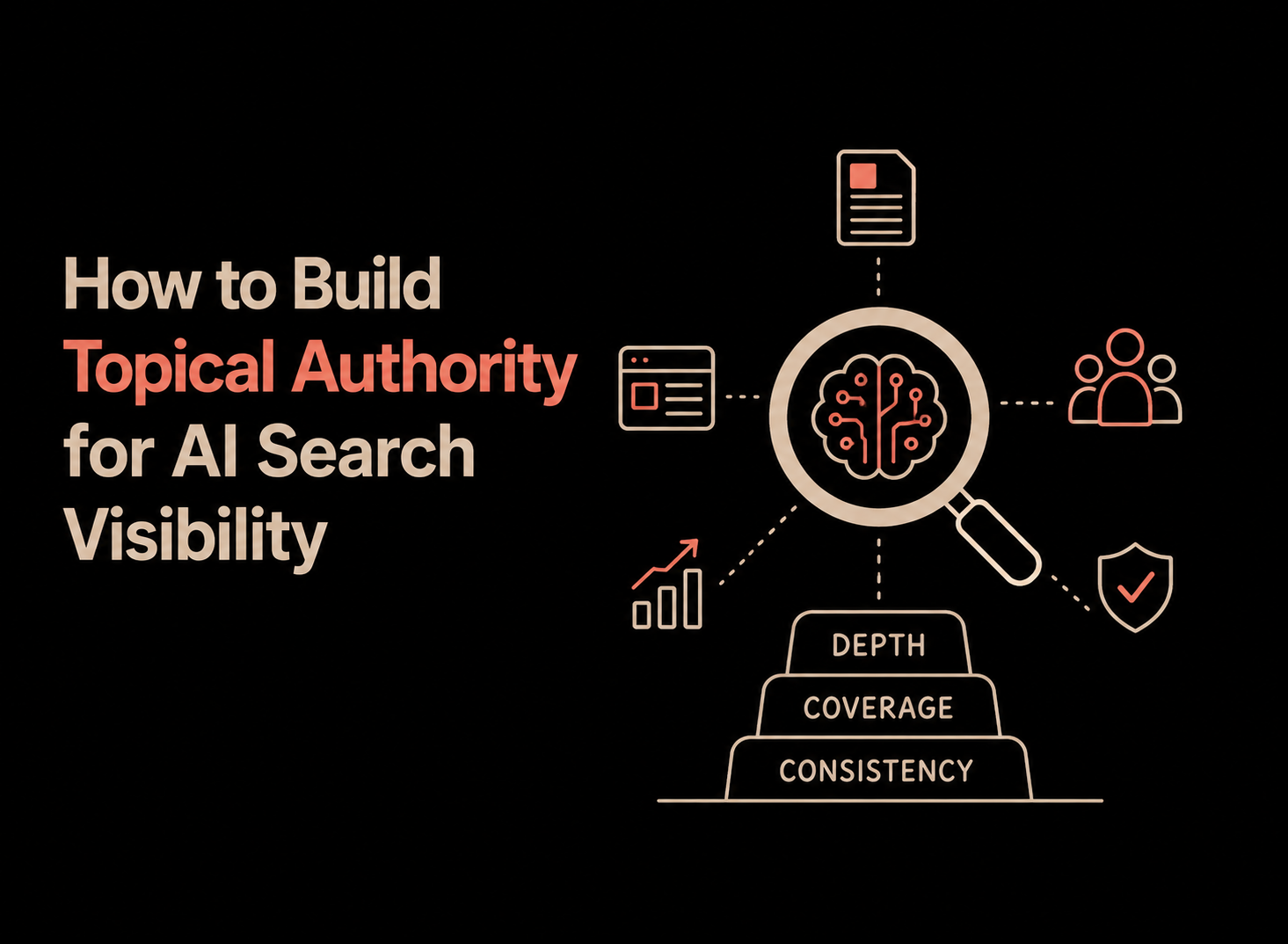
Understanding the differences between these two approaches clarifies why the AI-driven method is superior for modern search. The following table highlights the key distinctions that impact your SEO strategy.
| Aspect | Traditional Keyword Targeting | AI SEO Topical Coverage |
|---|---|---|
| Primary Focus | Individual keywords and phrases | Complete subject areas and entities |
| Content Structure | Isolated pages targeting specific terms | Interlinked clusters with pillar pages |
| Search Intent Handling | Limited to exact match queries | Addresses all variations of user intent |
| Algorithm Alignment | Designed for older keyword-based algorithms | Optimized for modern semantic algorithms |
| Scalability | Difficult to scale without keyword overlap | Naturally scalable through subtopic expansion |
| Authority Building | Slow, page-by-page accumulation | Rapid, holistic domain-wide authority |
| Risk of Cannibalization | High risk with similar keywords | Low risk due to clear content hierarchy |
Practical Applications Across Industries
AI SEO Topical Coverage applies to virtually any industry or niche. The principles remain the same, but the execution varies based on your specific market. The following examples illustrate how different sectors can implement this strategy effectively.
E-commerce Product Categories
An online retailer selling fitness equipment can create a pillar page for “home gym setup” with cluster pages covering specific equipment types, workout routines, space optimization, and maintenance tips. Each product page links to relevant informational content, improving both SEO and user experience. This approach also captures users at different stages of the buying journey, from initial research to final purchase decision.
B2B Software Solutions
A SaaS company offering project management tools can build topical coverage around “team collaboration.” Cluster content might include remote work best practices, agile methodology guides, productivity metrics, and integration tutorials. This comprehensive approach positions the company as a thought leader, attracting organic traffic from potential buyers researching solutions. The content also supports sales efforts by educating prospects before they engage with the sales team.
Health and Wellness Websites
Medical and wellness sites benefit significantly from topical authority due to the high stakes of accurate information. A site covering “heart health” needs content on risk factors, diagnostic tests, lifestyle changes, medication options, and recent research. AI tools help ensure all critical subtopics are covered while maintaining medical accuracy. This comprehensive approach builds trust with both users and search engines, which is crucial in the YMYL (Your Money or Your Life) category.
Common Mistakes in Implementing Topical Coverage
Many websites fail to achieve the full benefits of AI SEO Topical Coverage due to avoidable errors. Recognizing these common pitfalls helps you steer clear of them and maximize your chances of success. The following mistakes are frequently observed across various industries.
Creating Superficial Content
One of the biggest mistakes is creating many short, shallow articles just to tick off subtopics on a checklist. Search engines can detect thin content that lacks real value. Each piece of content must provide genuine depth, unique insights, and actionable information. It is better to have fewer comprehensive pages than many superficial ones. Quality always trumps quantity when building topical authority.
Ignoring User Intent Variations
Not all searches for a topic have the same intent. Some users want quick answers, others seek in-depth guides, and some are ready to make a purchase. Failing to address these different intents within your topic cluster leaves gaps in your coverage. AI tools can help classify search queries by intent, allowing you to create content that matches each stage of the user journey. This ensures you capture traffic from all types of searches.
Neglecting Content Updates
Topical authority requires current information. A comprehensive guide from 2020 may be completely outdated in 2025. Search engines prioritize fresh, accurate content. Implement a regular content audit schedule to identify pages that need updates. AI tools can flag pages with declining traffic or outdated statistics. Refreshing existing content is often more cost-effective than creating new pages from scratch.
Poor Internal Linking Structure
Creating all the right content but failing to link it properly undermines your topical coverage strategy. Search engines need clear signals about the relationships between your pages. Each cluster page should link to the pillar page and to other relevant cluster pages. Use descriptive anchor text that includes relevant keywords. A well-structured internal linking network ensures that link equity flows throughout your topic cluster.
Important Notes for Long-Term Success
Implementing AI SEO Topical Coverage is a long-term commitment that requires patience and persistence. The following notes provide essential guidance for maintaining a successful strategy over time. These insights come from observing successful implementations across various industries.
Frequently Asked Questions
How long does it take to see results from AI SEO Topical Coverage?
Results typically begin appearing within 3 to 6 months of consistent implementation. However, significant improvements in rankings and organic traffic often take 6 to 12 months. The timeline depends on your niche’s competitiveness, the current state of your website, and the quality of your content. Building true topical authority is a gradual process that compounds over time.
Can small websites benefit from topical coverage strategies?
Yes, small websites can benefit significantly, but they should focus on a narrow niche. Trying to cover a broad topic comprehensively is difficult with limited resources. Instead, choose a specific sub-niche where you can realistically become the most authoritative source. This focused approach allows smaller sites to compete effectively against larger competitors.
What is the ideal length for pillar content?
Pillar content should be comprehensive, typically ranging from 2,000 to 5,000 words. However, length alone is not the goal. The content must thoroughly cover the topic, answer all major questions, and provide unique value. Some topics may require more words, while others can be effectively covered in fewer. Focus on completeness rather than hitting a specific word count.
How often should I update my topical coverage content?
Conduct a full content audit at least quarterly. Pages that contain time-sensitive information, statistics, or industry trends should be reviewed more frequently. AI monitoring tools can alert you when your content starts losing rankings or traffic, indicating it may need an update. Evergreen content may only need minor updates annually, while fast-moving industries require more frequent refreshes.
Does AI SEO Topical Coverage replace traditional link building?
No, it complements but does not replace link building. Topical authority can make your content more link-worthy, naturally attracting backlinks. However, active link building remains important, especially in competitive niches. A comprehensive strategy combines strong topical coverage with proactive outreach and digital PR to build a robust backlink profile.
Conclusion
AI SEO Topical Coverage represents the current best practice for achieving sustainable search visibility. By leveraging artificial intelligence to map out and create comprehensive content ecosystems, websites can establish themselves as authoritative resources in their fields. This approach aligns perfectly with how modern search engines evaluate expertise, making it essential for any serious SEO strategy. The shift from isolated keyword targeting to holistic topic coverage is not just a trend but a fundamental change in how search optimization works.
Success requires a strategic blend of AI-powered research and human expertise. The technology identifies opportunities and streamlines processes, but your unique knowledge and experience create content that truly resonates with users. Start by defining your core topic, conducting thorough gap analysis, and building out your content cluster systematically. Maintain your coverage through regular updates and continuous monitoring. The effort invested in building comprehensive topical authority will pay dividends through increased organic traffic, higher rankings, and stronger brand recognition for years to come.
Xem thêm:
- AI SEO Unlinked Mentions: The Complete Guide to Turning Brand Mentions into Backlinks
- AI SEO Internal Link Generator: The Complete Guide to Automating Your Link Strategy
- AI SEO LLM Brand Authority: The Complete Guide to Dominating Search in the Age of Generative Engines
- AI SEO Schema Markup Generator: The Complete Guide to Automated Structured Data
- How to Use DeepSeek for SEO: The Complete Guide to AI-Powered Optimization
Bài viết cùng chủ đề:

AI SEO SEO Automation with Make: The Complete Workflow Guide

AI SEO SEO Automation with Zapier: The Complete Workflow Guide

AI SEO SEO Automation with n8n: The Complete Workflow Guide
AI SEO SEO Automation with Gemini: The Complete Guide to Scaling Organic Growth

AI SEO SEO Automation with Claude: The Complete Guide to Scaling Content in 2025

AI SEO SEO Automation with ChatGPT: The Complete Playbook for 2025

AI SEO & SEO Automation for Affiliate Sites: The 2025 Playbook for Passive Income Growth
AI SEO & SEO Automation for Bloggers: The Complete Guide to Scaling Your Content

AI SEO & SEO Automation for Agencies: The Complete 2025 Playbook

AI SEO and SEO Automation for Ecommerce: The Complete Playbook for 2025

AI SEO & SEO Automation for WordPress: The Complete Playbook for 2025
AI SEO SEO Automation Strategy: The Complete Playbook for 2025

Mastering the AI SEO SEO Automation Process: A Complete Guide to Scaling Organic Growth
AI SEO SEO Automation System: The Complete Guide to Scaling Organic Growth in 2025
AI SEO SEO Automation Platform: The Complete Guide to Scaling Organic Growth in 2025
AI SEO SEO Automation Software: The Complete Guide to Scaling Organic Growth in 2025















