
No products in the cart.
AI SEO Perplexity Optimization: The Complete Guide to Ranking in the Age of Answer Engines
10
Aug
Aug
The digital landscape is shifting beneath the feet of traditional SEO professionals. While Google remains the dominant force, a new wave of AI-powered search engines—led by Perplexity—is changing how users discover information. This shift demands a new discipline: AI SEO Perplexity Optimization. This is not about abandoning classic SEO; it is about evolving it to satisfy both traditional algorithms and the conversational, synthesis-driven nature of large language models. This guide provides a deep, actionable framework for ensuring your content is the primary source cited when AI answers user queries.
Understanding the Core Concept of AI SEO Perplexity Optimization

At its heart, AI SEO Perplexity Optimization is the practice of structuring and writing content so that AI search engines like Perplexity can easily crawl, understand, and cite it as a source. Perplexity does not just return a list of blue links. It generates a synthesized answer, a paragraph or bulleted list, that directly addresses the user’s query. It then cites the sources it used to generate that answer. The goal of this optimization is to be one of those cited sources.
This differs from traditional SEO, which focuses on ranking in a list of results. Here, the focus is on being selected as a reference for a generated answer. This requires content to be exceptionally clear, factual, and structured in a way that an AI model can parse without ambiguity. The “optimization” part involves making your content’s key points so explicit that the AI uses your exact phrasing or data to construct its response.
How Perplexity Differs from Traditional Search Engines
To optimize for Perplexity, you must understand its mechanics. Google uses a complex algorithm to rank pages based on hundreds of signals, including backlinks, domain authority, and user engagement. Perplexity operates differently. It uses a combination of a large language model and a live web search. When you ask a question, it retrieves relevant pages, reads them, and then composes an answer based on that information.
This means that a page with high domain authority but poorly structured information might be ignored in favor of a smaller, niche blog that directly answers the question in a clear, concise format. Perplexity values directness, factual accuracy, and clarity over marketing fluff. It is looking for the “answer,” not the “sales pitch.”
The Critical Role of Content Structure in AI SEO Perplexity Optimization
Structure is the single most important element in AI SEO Perplexity Optimization. AI models are trained on structured data. They look for patterns. A clear, logical structure with descriptive headings helps the model understand the hierarchy of your information. This is not just about using H1, H2, and H3 tags; it is about using them semantically.
Your H1 should be the main topic. Your H2s should be the major subtopics or questions a user might ask. Your H3s should be the specific details under those subtopics. This creates a clear map for the AI to follow. If your content is a wall of text with no headings, the A
Using Direct Answers and Question-Based Headings
One of the most effective tactics is to format your H2 and H3 headings as direct questions. For example, instead of a heading like “Benefits of Optimization,” use “What Are the Benefits of AI SEO Perplexity Optimization?” This mirrors the way users type queries into Perplexity. When the AI sees a question that matches the user’s query, it immediately recognizes your content as highly relevant.
Following the question heading, the first sentence of that section should provide the direct answer. This is often called the “featured snippet” style. Write the answer in a clear, concise sentence, and then elaborate in the following paragraphs. This makes it incredibly easy for the AI to extract the core answer and cite your page as the source.
Technical SEO Factors That Impact Perplexity Visibility
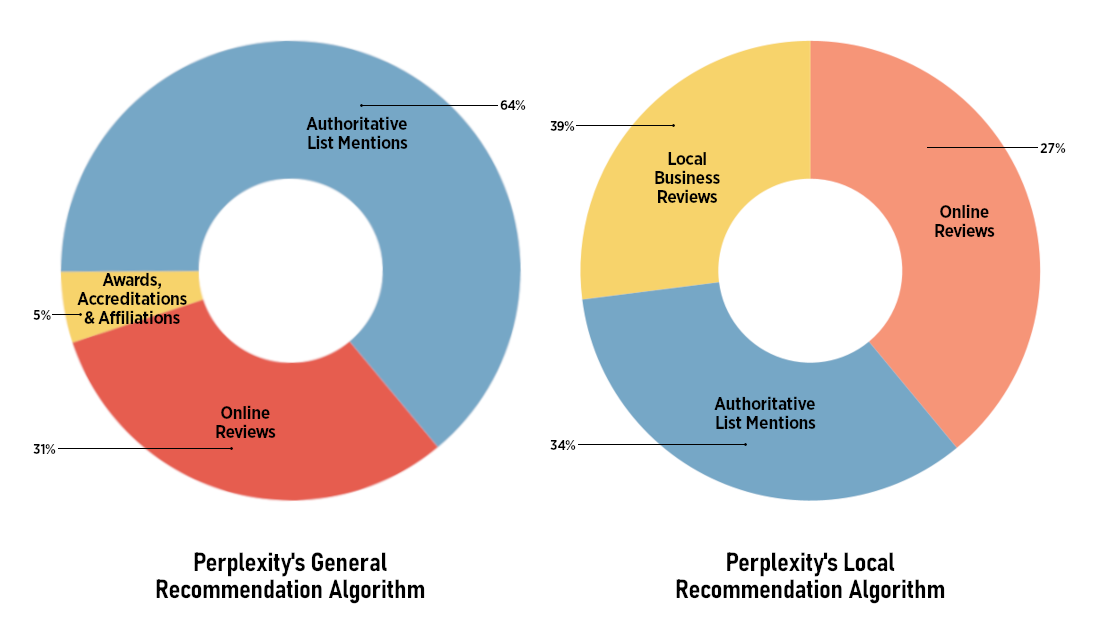
While content structure is paramount, technical SEO still plays a vital role in AI SEO Perplexity Optimization. If the AI cannot crawl your site, it cannot cite it. The fundamentals of technical SEO are more important than ever.
Your site must be fast, mobile-friendly, and secure (HTTPS). The robots.txt file should not be blocking the AI crawler. Perplexity uses its own user agent, and it is crucial to ensure it is not inadvertently blocked. A clean, XML sitemap helps the AI discover your content quickly and understand the relationship between your pages.
Schema Markup and Structured Data
Implementing schema markup is a powerful way to provide explicit signals to AI. Schema helps the AI understand the context of your content. For example, using FAQPage schema tells the AI that a specific section contains a question and answer. Using Article schema helps it identify the author and publication date, which builds trust.
While Perplexity does not rely on schema as heavily as Google, it still uses it to understand the semantic meaning of content. Providing this structured data reduces the “guesswork” for the AI, increasing the likelihood of a correct citation. It is a clear signal of high-quality, well-organized information.
Content Strategies for AI SEO Perplexity Optimization
Creating content that resonates with AI requires a shift in writing style. The goal is to be the definitive source of truth on a topic. This means moving beyond surface-level information and providing comprehensive, data-backed insights. The content must be authoritative and trustworthy.
This is where E-E-A-T (Experience, Expertise, Authoritativeness, Trustworthiness) becomes critical. Perplexity is designed to prioritize reliable information. Content written by a recognized expert, backed by data, and free of factual errors is more likely to be cited. You must demonstrate your expertise not just through words, but through the accuracy and depth of the information you provide.
The Importance of Original Data and Research
One of the most effective ways to get cited by Perplexity is to include original data. If you conduct a survey, analyze a dataset, or compile unique statistics, you become a primary source. When a user asks a question that your data answers, Perplexity is highly likely to cite your research as the origin of that information.
This is a significant competitive advantage. While many sites will regurgitate the same generic information, a site with unique data offers something the AI cannot find elsewhere. This makes your content invaluable to the AI’s synthesis process. It is the ultimate form of link-worthy content in the AI era.
Practical Guide: How to Optimize Your Content for Perplexity
Let’s move from theory to practice.
- Keyword Research with a Conversational Twist: Start with your primary keyword. Then, use tools like “People Also Ask” and Perplexity itself to find the specific questions users are asking about that topic. Type your keyword into Perplexity and note the follow-up questions it suggests.
- Create a Question-Based Outline: Structure your article around these questions. Your H2s and H3s should be these exact questions. This ensures you are directly addressing the user’s search intent.
- Write Direct, Concise Answers: Under each question heading, write a 2-3 sentence direct answer first. This is your “featured snippet” answer. Then, expand with more detail, context, and examples.
- Incorporate Data and Statistics: Find relevant statistics from reputable sources to support your claims. If you have original data, feature it prominently. Use tables to present data clearly, as this is easy for AI to parse.
- Optimize for Readability: Use short paragraphs, bullet points, and bold text to highlight key terms. This helps both human readers and AI models scan the content efficiently.
- Build Topical Authority: Do not just write one article. Create a cluster of content that covers a topic in depth. Link between these articles to show the AI that you are a comprehensive resource on the subject.
Example of an Optimized Content Block
Let’s look at an example. Suppose your target keyword is “benefits of green tea.” An optimized block might look like this:
H2: What Are the Proven Health Benefits of Green Tea?
The primary health benefits of green tea are its high antioxidant content and its potential to improve brain function and fat loss. Studies show that the catechins in green tea can help protect cells from damage.
Green tea is rich in polyphenols, particularly epigallocatechin gallate (EGCG). These compounds have potent antioxidant properties. Research indicates that these antioxidants can reduce oxidative stress in the body, which is linked to chronic diseases. Additionally, the combination of caffeine and L-theanine in green tea can have synergistic effects on brain function, improving mood, reaction time, and memory.
This structure is perfect for Perplexity. The H2 is a question. The first paragraph is a direct answer. The second paragraph provides deeper context and uses specific terminology (EGCG) that signals expertise.
Common Mistakes in AI SEO Perplexity Optimization
Many SEO professionals are making critical errors when trying to optimize for AI. Understanding these mistakes is just as important as knowing the best practices. Avoiding these pitfalls will give you a significant edge.
- Keyword Stuffing: This is a relic of old SEO. AI models are sophisticated enough to understand natural language. Stuffing keywords makes your content sound robotic and less trustworthy, reducing your chances of being cited.
- Ignoring User Intent: Writing content that does not answer the user’s question is a fatal flaw. Perplexity is built to answer questions. If your content is just a promotional piece, it will be ignored.
- Lack of Originality: Simply rewriting content that already exists on the web adds no value. The AI can find the original source. You must add a new perspective, new data, or a more comprehensive analysis.
- Poor Technical Health: A slow, broken website will not be crawled effectively. If the AI cannot access your content, it cannot cite it. Technical SEO is the foundation upon which all other efforts are built.
Overlooking the Importance of Entity Clarity
Another common mistake is being ambiguous about the entities you are discussing. An “entity” is a specific person, place, thing, or concept. If you are writing about “Apple,” the AI needs to know if you mean the fruit or the technology company. Use clear, unambiguous language. Define your terms early in the article. This helps the AI map your content to the correct entity in its knowledge graph.
This clarity extends to your brand as well. Ensure your website clearly states who you are, what you do, and your area of expertise. This helps the AI establish your authority and trustworthiness, which is a key factor in its citation decisions.
Important Notes on Measuring Success
Measuring the success of AI SEO Perplexity Optimization is different from traditional SEO. You cannot just look at your Google Analytics and see “Perplexity Referrals” as a standard metric. You need to be more proactive in your measurement.
One of the best ways is to manually query Perplexity for your target keywords. See if your content is cited. If it is not, analyze the content that is being cited. What are they doing differently? This is a manual but highly effective form of competitor analysis. You can also monitor your brand mentions and referral traffic from perplexity.ai to gauge your visibility.
Tracking Brand Mentions and Referral Traffic
Set up alerts for your brand name and your key content topics. When Perplexity cites your content, it often includes a link back to your site. This will show up as a referral in your analytics. Tracking these referrals over time will give you a clear picture of your performance in the AI search space.
Remember that this is a long-term game. Building the authority and trust required to be a consistent AI source takes time. Do not be discouraged if you do not see results immediately. Consistency and a commitment to high-quality, original content will eventually pay off.
Frequently Asked Questions (FAQ)
What is the main difference between SEO and AI SEO Perplexity Optimization?
Traditional SEO focuses on ranking in a list of search results. AI SEO Perplexity Optimization focuses on being cited as a source within a synthesized, conversational answer. It prioritizes clear structure, direct answers, and factual accuracy over link building and domain authority alone.
How do I find the right keywords for Perplexity optimization?
Start with your core topic and use Perplexity itself for research. Type in a broad query and observe the follow-up questions it generates. These are real user queries. Also, use Google’s “People Also Ask” feature and keyword research tools to find long-tail, conversational questions.
Is backlinking still important for AI SEO Perplexity Optimization?
Yes, but its role has evolved. Backlinks are still a strong signal of authority and trustworthiness. A page with many high-quality backlinks is more likely to be considered an authoritative source. However, a page with fewer backlinks but superior, well-structured content can still be cited over a high-authority page with poor structure.
How long does it take to see results from this optimization?
It is not an overnight process. It takes time for AI crawlers to discover, index, and trust your content. Consistent effort in creating high-quality, structured content over several months is typically required to see significant results in AI citation rates.
Can I use the same content for Google and Perplexity?
Yes, the foundation of good content is the same for both. However, the optimization tactics differ. For Perplexity, you should place a higher emphasis on question-based headings and direct answers. Content that is well-structured for Perplexity will also perform well on Google, as it aligns with the principles of good UX and featured snippet optimization.
Conclusion: The Future of Search is Conversational
AI SEO Perplexity Optimization is not a passing trend; it is the next evolution of search. As AI-powered answer engines become more prevalent, the ability to be a cited source will become as important as ranking on the first page of Google. The principles outlined in this guide—clear structure, direct answers, original data, and technical excellence—are the keys to thriving in this new environment.
The shift requires a change in mindset. You are no longer just writing for a search engine algorithm; you are writing for an AI that is trying to understand the world. By providing clear, factual, and well-organized information, you position your brand as a trusted authority. This trust will not only drive AI citations but will also build a stronger relationship with your human audience, who will come to see you as a reliable source of truth in a sea of digital noise. The time to adapt is now, and the rewards for those who do will be substantial.
Xem thêm:
- AI SEO Backlink Prospects: The Complete Guide to Smarter Link Building in 2025
- AI SEO Predictive Analytics: The Complete Guide to Forecasting Search Performance
- AI SEO SEO Automation with ChatGPT: The Complete Playbook for 2025
- AI SEO Keyword Modifiers: The Complete Guide to Smarter Search Optimization
- AI SEO Content Audits: The Complete Guide to Automated Content Optimization
Bài viết cùng chủ đề:

AI SEO SEO Automation with Make: The Complete Workflow Guide

AI SEO SEO Automation with Zapier: The Complete Workflow Guide

AI SEO SEO Automation with n8n: The Complete Workflow Guide
AI SEO SEO Automation with Gemini: The Complete Guide to Scaling Organic Growth

AI SEO SEO Automation with Claude: The Complete Guide to Scaling Content in 2025

AI SEO SEO Automation with ChatGPT: The Complete Playbook for 2025

AI SEO & SEO Automation for Affiliate Sites: The 2025 Playbook for Passive Income Growth
AI SEO & SEO Automation for Bloggers: The Complete Guide to Scaling Your Content

AI SEO & SEO Automation for Agencies: The Complete 2025 Playbook

AI SEO and SEO Automation for Ecommerce: The Complete Playbook for 2025

AI SEO & SEO Automation for WordPress: The Complete Playbook for 2025
AI SEO SEO Automation Strategy: The Complete Playbook for 2025

Mastering the AI SEO SEO Automation Process: A Complete Guide to Scaling Organic Growth
AI SEO SEO Automation System: The Complete Guide to Scaling Organic Growth in 2025
AI SEO SEO Automation Platform: The Complete Guide to Scaling Organic Growth in 2025
AI SEO SEO Automation Software: The Complete Guide to Scaling Organic Growth in 2025















