
No products in the cart.
AI SEO Personalization: The Complete Guide to Hyper-Relevant Search Rankings in 2025
31
Jul
Jul
Search engine optimization has entered a new era where static keyword placement no longer guarantees visibility. AI SEO personalization is transforming how brands connect with search intent by delivering tailored content experiences at scale. This guide explores how machine learning algorithms analyze user behavior, search history, and contextual signals to serve hyper-relevant results. Understanding this shift is essential for marketers who want to maintain competitive rankings and meaningful engagement. The days of one-size-fits-all content are ending, replaced by dynamic systems that adapt to each unique searcher.
What Is AI SEO Personalization?
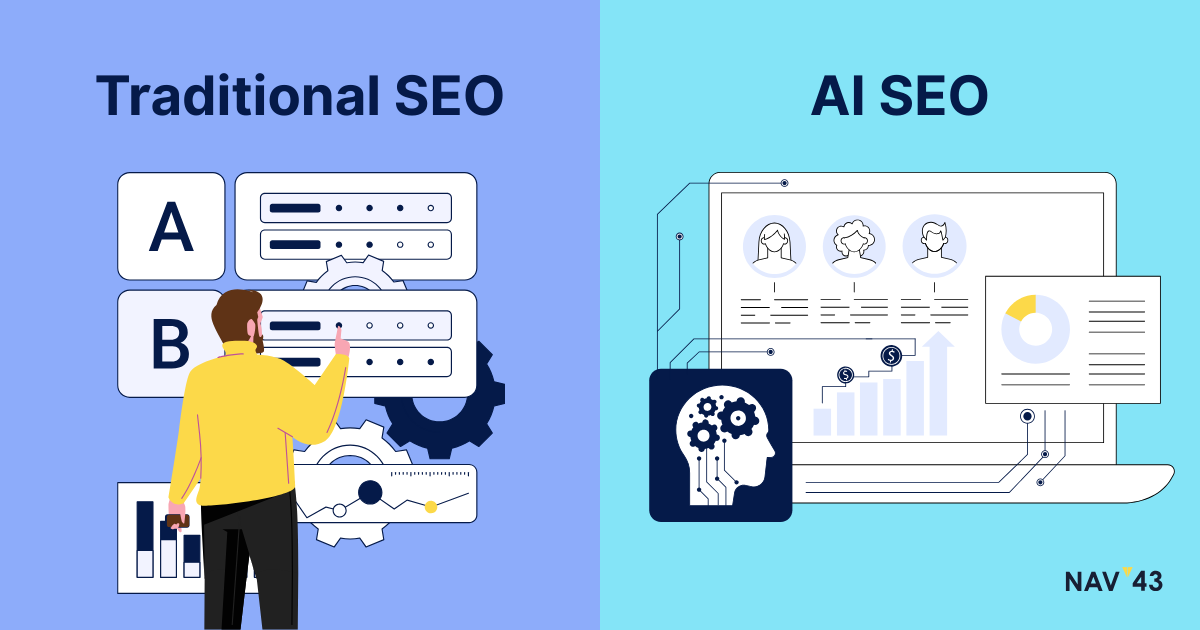
AI SEO personalization refers to the use of artificial intelligence technologies to customize search engine results, content recommendations, and on-site experiences based on individual user data. Unlike traditional SEO which targets broad audiences, this approach leverages machine learning to understand patterns in user behavior, device usage, location, and past interactions. The goal is to present the most relevant information to each user at the exact moment they need it.
Search engines like Google have long used personalization signals, but AI takes this to a new level. Algorithms now process billions of data points to predict what a user wants before they finish typing. This includes analyzing previous searches, click-through rates, dwell time, and even the type of content format a user prefers. For businesses, this means optimizing for a moving target that shifts with every individual query.
Core Components of AI-Driven Search Personalization
The architecture of AI SEO personalization rests on several key pillars. First, user intent modeling uses natural language processing to decipher the meaning behind queries, distinguishing between informational, navigational, and transactional intent. Second, behavioral tracking monitors how users interact with search results, learning which types of pages satisfy their needs. Third, contextual awareness considers factors like time of day, geographic location, and device type to refine results further.
Machine learning models continuously update these components. When a user searches for “best running shoes,” the algorithm considers whether they previously clicked on review sites or product pages. It also factors in whether they searched from a mobile device while commuting or a desktop at home. This creates a unique search experience for every individual, making traditional rank tracking less predictable.
Why AI SEO Personalization Matters for Modern Marketers
The shift toward personalized search results has profound implications for organic visibility. Standard SEO metrics like keyword difficulty and domain authority remain important, but they no longer tell the complete story. A page might rank on the first page for one user while appearing on the third page for another, based entirely on their personal search history. This variability demands a new approach to content strategy and technical optimization.
Data from recent industry studies indicates that personalized search results can increase click-through rates by up to 30% compared to generic results. Users are more likely to trust and engage with content that aligns with their previous behavior. For e-commerce sites, this translates directly into higher conversion rates. When a returning visitor searches for a product category, AI can prioritize pages that match their preferred price range, brand affinity, or content style.
The Role of Machine Learning in Search Algorithms
Google’s RankBrain and subsequent AI systems like MUM (Multitask Unified Model) represent the backbone of modern search personalization. These systems do not simply match keywords; they understand concepts and relationships between topics. RankBrain processes unfamiliar queries by mapping them to known concepts, while MUM can analyze text, images, and video simultaneously to provide comprehensive answers. This capability allows search engines to personalize results based on the depth of information a user typically consumes.
BERT (Bidirectional Encoder Representations from Transformers) also plays a critical role. This natural language processing model understands the context of words in relation to all other words in a sentence. It helps search engines distinguish between queries like “can you get medicine for someone else” and “can you get medicine for yourself.” This nuanced understanding enables more accurate personalization based on the subtle differences in user intent.
How to Implement AI SEO Personalization in Your Strategy
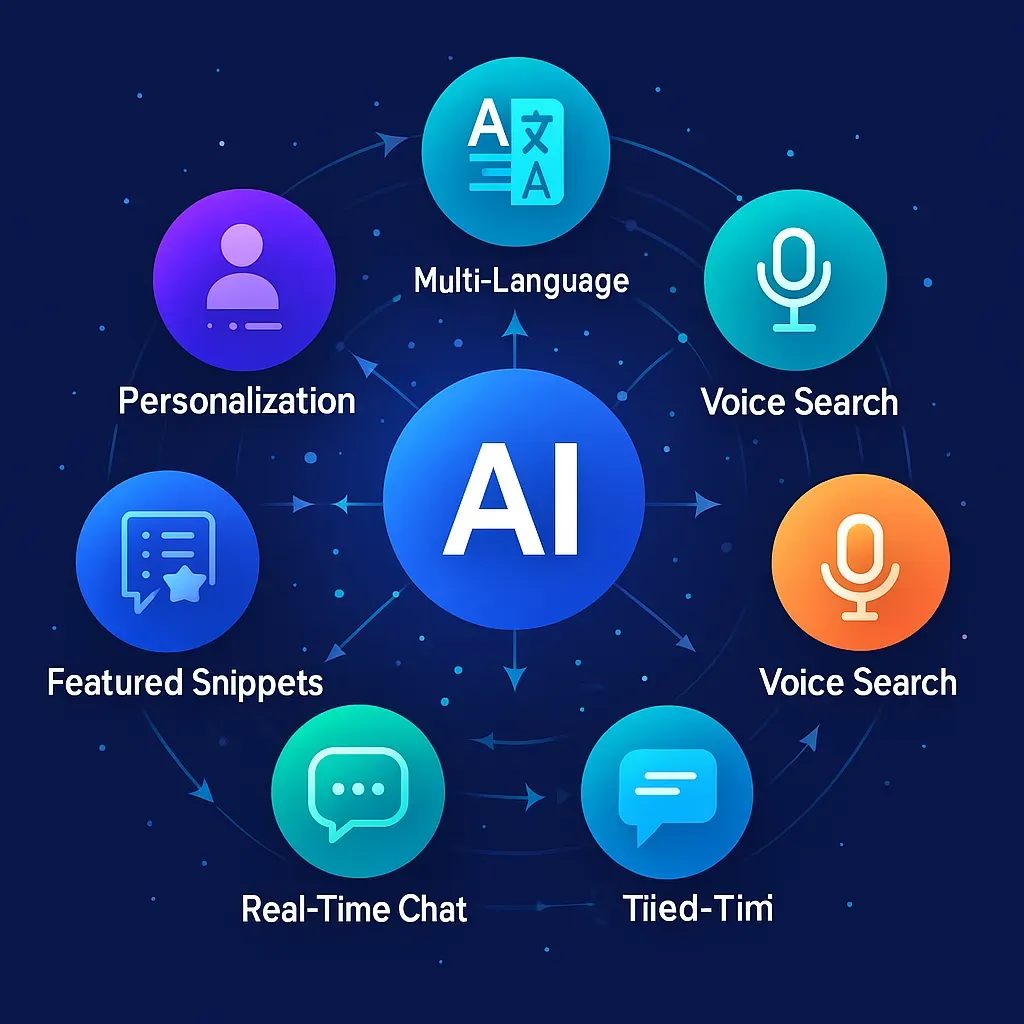
Implementing AI SEO personalization requires a multi-layered approach that combines technical infrastructure with content innovation. The first step is data collection. You need to gather comprehensive information about your audience segments, including their search patterns, content preferences, and conversion behaviors. Tools like Google Analytics 4, Search Console, and specialized AI platforms can provide these insights.
Next, you must structure your website to support dynamic content delivery. This involves creating modular content blocks that can be rearranged or swapped based on user signals. For example, a homepage might display different hero images, product recommendations, or blog post teasers depending on whether the visitor is new or returning. Server-side personalization engines can handle this at scale, but even client-side solutions using JavaScript can be effective for smaller sites.
Practical Steps for Personalized Content Creation
Start by mapping your buyer personas to specific search intents. Create content clusters that address each stage of the funnel, from awareness to decision. Then, use AI writing assistants to generate variations of your core content that emphasize different angles. For instance, a single product page could have multiple introductions, each highlighting a different benefit based on the user’s industry or role.
Consider implementing a content recommendation engine on your blog. These systems analyze user behavior in real-time and suggest related articles that match their interests. This not only improves engagement metrics but also signals to search engines that your site provides a cohesive, personalized experience. Sites with high internal engagement often see improved rankings for long-tail keywords.
Technical SEO Adjustments for Personalization
Technical optimization must account for personalized experiences without confusing search engine crawlers. Use canonical tags to indicate the preferred version of a page when serving dynamic content. Implement hreflang attributes for language-based personalization. Ensure that your site’s structured data accurately reflects the content variations so that rich snippets remain accurate.
Page speed becomes even more critical when serving personalized content. Dynamic elements require additional server requests and JavaScript execution. Optimize your Core Web Vitals by using edge caching, lazy loading, and efficient database queries. A slow personalized experience will harm both user satisfaction and search rankings.
Benefits of AI SEO Personalization
The advantages of adopting AI-driven personalization extend beyond search rankings. Here are the key benefits:
- Improved User Engagement: Personalized content keeps users on your site longer, reducing bounce rates and increasing page views per session.
- Higher Conversion Rates: When users see content that matches their intent, they are more likely to take desired actions like making a purchase or filling out a form.
- Enhanced Customer Loyalty: Returning visitors appreciate a tailored experience, which builds trust and encourages repeat visits.
- Better Keyword Targeting: AI helps identify micro-moments and long-tail queries that are highly specific to individual user needs.
- Competitive Advantage: Most businesses still use generic SEO tactics, so personalization offers a significant edge in crowded markets.
Limitations and Challenges of AI SEO Personalization

Despite its potential, AI SEO personalization presents several challenges that marketers must navigate. Data privacy regulations like GDPR and CCPA restrict how much user data you can collect and process. This limits the granularity of personalization possible without explicit user consent. Balancing personalization with privacy requires transparent data policies and robust security measures.
Another challenge is the complexity of implementation. Building a personalization engine requires significant technical expertise and ongoing maintenance. Small businesses may struggle to allocate resources for AI tools, data scientists, and content management systems that support dynamic delivery. Additionally, over-personalization can create filter bubbles, where users only see content that reinforces their existing beliefs, limiting discovery.
Common Mistakes to Avoid
Many brands fail in their personalization efforts by making avoidable errors. One common mistake is relying solely on demographic data without considering behavioral signals. Age and location are less predictive than actual browsing behavior. Another error is ignoring the context of the search. A user searching for “best laptop” on a mobile device at 8 AM likely has different needs than someone searching on a desktop at 10 PM.
Failing to test and iterate is another pitfall. Personalization is not a set-and-forget strategy. You must continuously A/B test different content variations and measure their impact on engagement and conversions. Also, avoid creating a fragmented experience where personalized content conflicts with your brand messaging. Consistency across all touchpoints is essential for building trust.
AI SEO Personalization vs. Traditional SEO: A Comparison
| Aspect | Traditional SEO | AI SEO Personalization |
|---|---|---|
| Targeting | Broad audience segments | Individual user profiles |
| Content Delivery | Static pages | Dynamic, adaptive content |
| Keyword Focus | High-volume keywords | Long-tail and intent-based queries |
| Data Usage | Limited to analytics | Real-time behavioral data |
| Ranking Factors | Backlinks, on-page optimization | User engagement, contextual relevance |
| Measurement | Rank tracking, traffic volume | Engagement depth, conversion quality |
Tools and Technologies for AI SEO Personalization
Several platforms can help you implement AI SEO personalization effectively. Google’s own tools, including Search Console and Analytics, provide foundational data. For more advanced personalization, consider platforms like Optimizely, which offers experimentation and feature flagging. Adobe Target and Salesforce Interaction Studio are enterprise-grade solutions that integrate with CRM data.
For content creation, tools like Jasper and Copy.ai use GPT models to generate personalized copy variations. Surfer SEO and Clearscope use AI to analyze top-ranking pages and suggest content optimizations based on search intent. For technical implementation, solutions like Algolia provide AI-powered search and recommendation APIs that can be embedded directly into your website.
Measuring the Impact of Personalization
To measure the success of your AI SEO personalization efforts, focus on metrics that reflect user engagement rather than just rankings. Track organic click-through rates, time on page, and pages per session. Monitor conversion rates for personalized segments versus non-personalized control groups. Use heatmaps and session recordings to understand how different users interact with your dynamic content.
Set up custom reports in Google Analytics to segment users based on their behavior patterns. Compare the performance of personalized pages against static versions. Pay attention to metrics like return visitor rate and customer lifetime value, which indicate long-term success. Regularly review your search console data to see if personalized pages are earning more impressions and clicks for targeted queries.
Important Notes for Long-Term Success
AI SEO personalization is not a one-time project but an ongoing process. Search algorithms are constantly evolving, and user expectations shift over time. You must stay updated with the latest developments in AI technology and search engine guidelines. Subscribe to industry blogs, attend webinars, and participate in SEO communities to remain informed.
Always prioritize user experience over algorithmic manipulation. Personalization should serve the user’s needs, not just game the system. If your personalized content feels intrusive or irrelevant, it will backfire. Maintain a balance between personalization and discovery by occasionally exposing users to content outside their typical preferences.
Finally, ensure that your personalization strategy aligns with your overall business goals. Whether you aim to increase sales, generate leads, or build brand awareness, every personalized interaction should move users toward that objective. Regularly review your strategy and adjust based on performance data and changing market conditions.
Frequently Asked Questions
How does AI SEO personalization affect search rankings?
AI personalization affects rankings by tailoring results to individual users. This means your page may rank differently for different people. To succeed, focus on creating high-quality content that satisfies various intents and signals expertise. Strong engagement metrics from personalized experiences can boost your overall domain authority and visibility.
Is AI SEO personalization the same as dynamic content?
Dynamic content is a component of AI SEO personalization, but they are not identical. Dynamic content refers to any web content that changes based on user data. AI SEO personalization uses machine learning to determine what dynamic content to show and when. It involves predictive analysis and continuous learning, while dynamic content can be rule-based and static.
What data is needed for AI SEO personalization?
Essential data includes search history, browsing behavior, device type, location, time of visit, and past purchases. You also need demographic data like age and gender, though behavioral data is more predictive. Ensure you collect this data ethically and comply with privacy regulations. Use first-party data whenever possible to avoid reliance on third-party cookies.
Can small businesses benefit from AI SEO personalization?
Yes, small businesses can benefit by using accessible tools and focusing on niche audiences. Start with simple personalization like showing different content to new versus returning visitors. Use AI-powered analytics tools to gain insights without needing a data science team. Even basic personalization can improve engagement and conversions significantly.
How long does it take to see results from AI SEO personalization?
Results vary based on your industry, website traffic, and implementation quality. Some businesses see improvements in engagement metrics within weeks. However, significant ranking changes may take several months as search engines re-crawl and re-index your personalized pages. Consistent testing and optimization are crucial for sustained growth.
Conclusion
AI SEO personalization represents the next frontier in search optimization, moving beyond static keywords to deliver tailored experiences that resonate with each individual user. By leveraging machine learning, behavioral data, and dynamic content delivery, brands can achieve higher engagement, better conversions, and stronger customer loyalty. The transition requires investment in technology, data strategy, and content innovation, but the rewards are substantial for those who adapt early.
Start by auditing your current data collection and content delivery systems. Identify the personalization opportunities that align with your business objectives. Implement small-scale tests, measure the results, and scale what works. Stay committed to ethical data practices and user-centric design. As search engines continue to evolve, AI SEO personalization will become not just a competitive advantage but a necessity for online visibility.
The future of search is personal, and the brands that embrace this reality will lead their markets. Begin your journey today by understanding your audience at a granular level and using AI to serve them better than ever before.
Xem thêm:
- AI Digital PR: The Ultimate Guide to Automating and Amplifying Your Public Relations Strategy
- WP Trove AI Automation: The Complete Guide to Streamlining Your WordPress Workflow
- AI Search Traffic: Your Complete Guide to Organic Visibility in the Age of Generative AI
- AI SEO Keyword Lists: The Complete Guide to Building High-Performance Keyword Sets
- AI SEO for Crypto: The Complete Guide to Dominating Search in 2025
Bài viết cùng chủ đề:

AI SEO SEO Automation with Make: The Complete Workflow Guide

AI SEO SEO Automation with Zapier: The Complete Workflow Guide

AI SEO SEO Automation with n8n: The Complete Workflow Guide
AI SEO SEO Automation with Gemini: The Complete Guide to Scaling Organic Growth

AI SEO SEO Automation with Claude: The Complete Guide to Scaling Content in 2025

AI SEO SEO Automation with ChatGPT: The Complete Playbook for 2025

AI SEO & SEO Automation for Affiliate Sites: The 2025 Playbook for Passive Income Growth
AI SEO & SEO Automation for Bloggers: The Complete Guide to Scaling Your Content

AI SEO & SEO Automation for Agencies: The Complete 2025 Playbook

AI SEO and SEO Automation for Ecommerce: The Complete Playbook for 2025

AI SEO & SEO Automation for WordPress: The Complete Playbook for 2025
AI SEO SEO Automation Strategy: The Complete Playbook for 2025

Mastering the AI SEO SEO Automation Process: A Complete Guide to Scaling Organic Growth
AI SEO SEO Automation System: The Complete Guide to Scaling Organic Growth in 2025
AI SEO SEO Automation Platform: The Complete Guide to Scaling Organic Growth in 2025
AI SEO SEO Automation Software: The Complete Guide to Scaling Organic Growth in 2025















