
No products in the cart.
AI SEO Review Schema: The Complete Guide to Structured Data in 2025
10
Aug
Aug
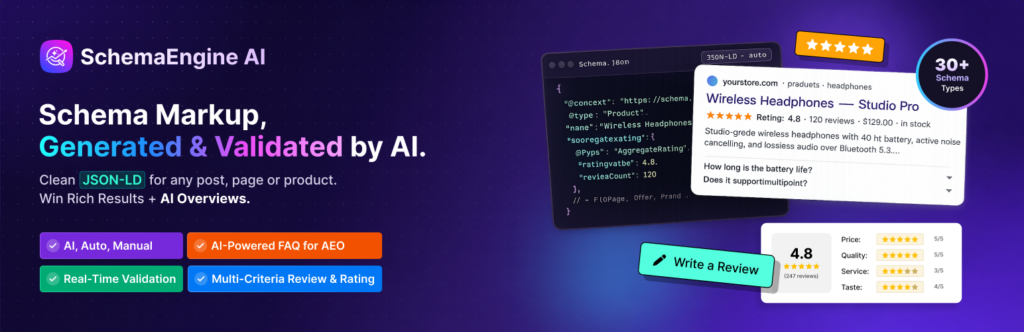
AI SEO Review Schema has become a critical component for websites aiming to secure rich results and maintain visibility in an increasingly AI-driven search landscape. As search engines evolve to prioritize structured, machine-readable data, implementing review schema correctly ensures your content stands out with star ratings and enhanced snippets. This comprehensive guide explores how AI SEO Review Schema works, why it matters for modern search performance, and exactly how to implement it for maximum impact.
What Is AI SEO Review Schema?
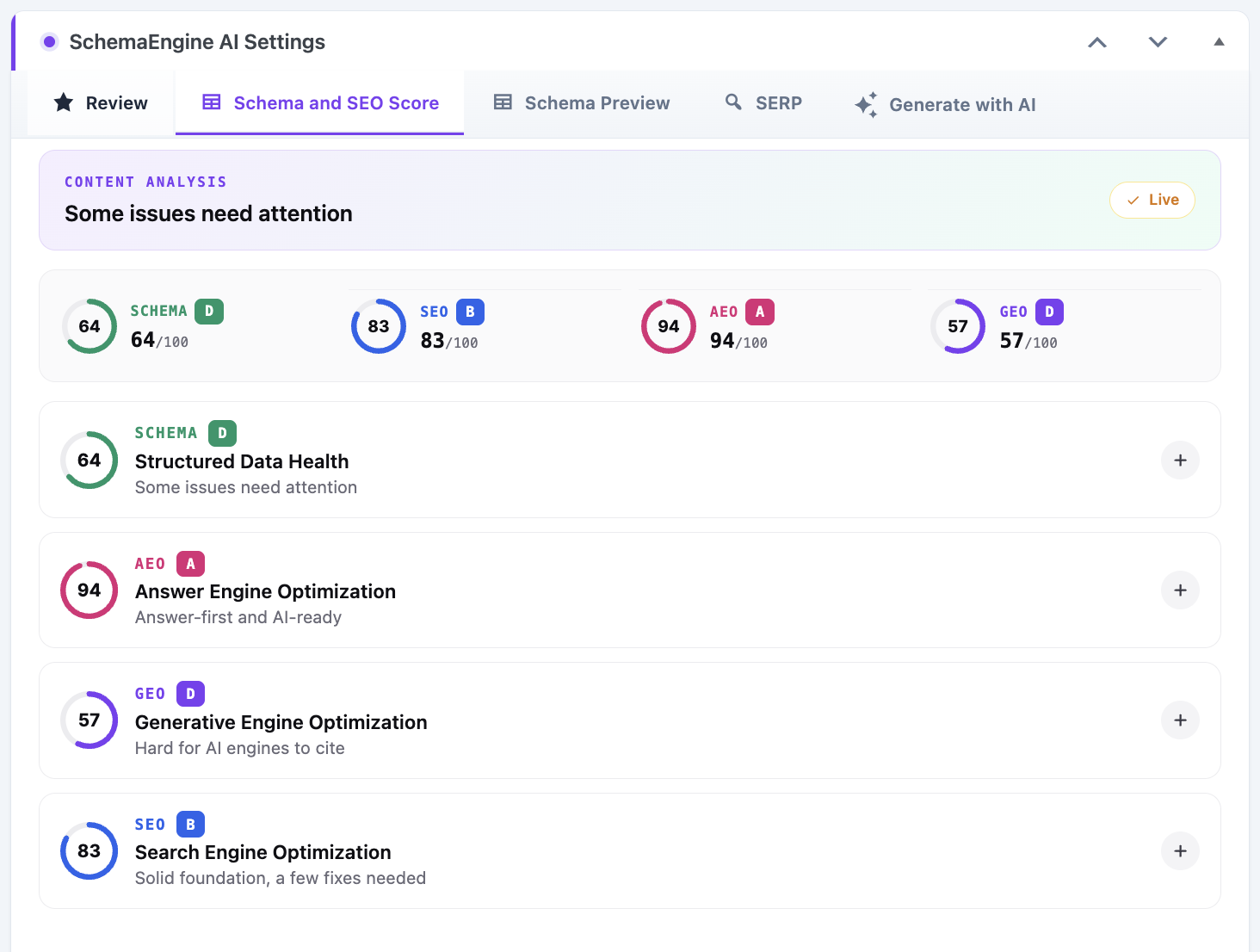
AI SEO Review Schema refers to the strategic implementation of structured data markup, specifically the Review and AggregateRating schema types, optimized for how artificial intelligence systems parse and understand web content. It combines traditional schema.org vocabulary with AI-driven SEO practices to help search engines and AI assistants accurately interpret review-related information on your pages.
At its core, this schema type provides explicit signals about customer ratings, review counts, and the entities being reviewed. When properly implemented, it enables search engines to display star ratings directly in search results, increasing click-through rates and establishing immediate trust with potential customers.
The Technical Foundation of Review Schema
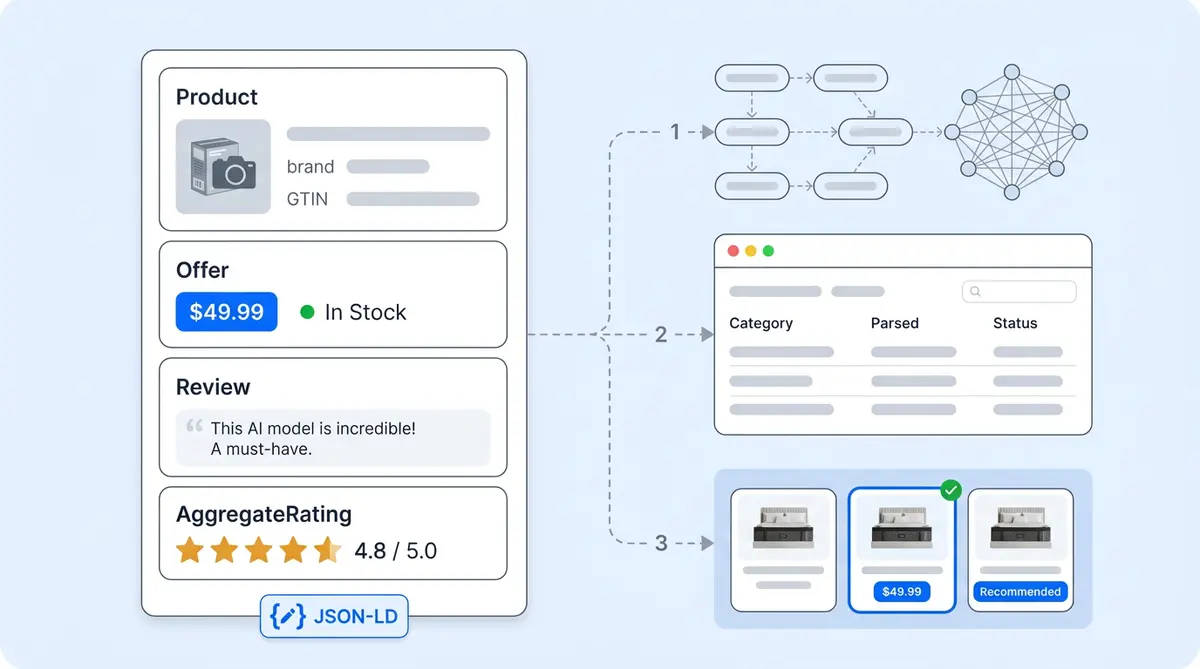
The schema.org Review type works alongside the AggregateRating type to provide comprehensive rating data. The Review type describes individual customer reviews, including the author, review body, and rating value. The AggregateRating type summarizes overall ratings, showing the average score and total review count. AI systems use these structured data points to generate rich snippets and inform their understanding of your brand’s reputation.
Modern AI SEO Review Schema goes beyond basic markup. It incorporates additional properties like reviewAspect, positiveNotes, and negativeNotes to give search engines deeper context about what customers appreciate or dislike about your products or services. This granularity helps AI algorithms match your content with more specific user queries.
Why AI SEO Review Schema Matters for Search Rankings
Search engines have shifted from simple keyword matching to semantic understanding powered by machine learning. Structured data acts as a translator, converting your content into a format that AI models can process with high accuracy. Review schema specifically signals trust signals that influence both rankings and user behavior.
Rich results featuring star ratings occupy more visual space in search engine results pages (SERPs) and typically achieve significantly higher click-through rates. Studies consistently show that listings with star ratings can see CTR improvements of 20-35% compared to standard blue links. This increased engagement sends positive user experience signals to search algorithms, creating a virtuous cycle for your SEO performance.
How AI Search Engines Use Review Schema
AI-powered search systems like Google’s RankBrain and BERT, along with emerging generative search experiences, rely on structured data to extract entities and relationships. When your review schema clearly identifies the product, the rating value, and the review count, AI systems can confidently present this information in answer boxes, knowledge panels, and AI-generated summaries.
For voice search and AI assistants, review schema provides the precise data needed to answer queries like “best wireless headphones with high ratings” or “what do customers say about this restaurant.” Without structured data, AI systems must guess at this information, often leading to incomplete or inaccurate responses.
Types of Review Schema and Their Applications
Different scenarios call for different review schema implementations. Understanding these variations helps you choose the right approach for your specific content type and business model.
Product Review Schema
E-commerce sites use product review schema to mark up individual product ratings. This type applies to physical goods, digital products, and services sold online. Each product page should contain its own AggregateRating markup reflecting genuine customer feedback for that specific item.
Local Business Review Schema
Local businesses, including restaurants, salons, and service providers, use LocalBusiness review schema to display ratings in local search results and map listings. This implementation often combines with LocalBusiness schema to provide complete business information alongside rating data.
Software and App Review Schema
SaaS companies and app developers implement review schema to showcase user ratings for their software products. This type requires careful attention to the applicationCategory property and often includes both aggregate ratings and individual review markup.
Book and Course Review Schema
Educational content, books, and online courses use specialized review schema variants. These implementations often include additional properties like numberOfCredits or educationalLevel alongside standard rating information.
Step-by-Step Implementation Guide for AI SEO Review Schema
Implementing review schema requires careful planning and technical precision. Follow this systematic approach to ensure correct implementation that yields measurable results.
Step 1: Audit Your Current Structured Data
Begin by examining your existing schema markup using tools like Google’s Rich Results Test or Schema.org Validator. Identify which pages currently have review schema and whether it is properly configured. Many websites have incomplete or outdated markup that needs correction before adding new implementations.
Step 2: Choose the Correct Schema Type
Select the appropriate schema type based on your content. For product pages, use the Product type with AggregateRating. For service businesses, apply the Service or LocalBusiness type. For articles reviewing products, use the Review type with the itemReviewed property pointing to the product.
Step 3: Generate the JSON-LD Markup
JSON-LD (JavaScript Object Notation for Linked Data) is the recommended format for modern schema implementation. Place the script in the head section of your HTML or inject it via Google Tag Manager. The Review object needs the author, datePublished, and reviewBody properties to be fully valid.
Step 4: Validate Your Implementation
After adding the markup, run your pages through Google’s Rich Results Test to verify that the schema is recognized and error-free. Check that the preview shows the expected star ratings and that all required fields are present. Fix any warnings or errors before requesting indexing.
Step 5: Monitor Performance in Search Console
Once Google indexes your pages, monitor the Performance report in Google Search Console. Track impressions and clicks for queries that trigger your rich results. Pay attention to the Enhancement reports to see if Google identifies any structured data issues over time.
Benefits of Implementing AI SEO Review Schema
The advantages of proper review schema implementation extend far beyond visual enhancements in search results. Understanding these benefits helps justify the investment in structured data optimization.
- Enhanced SERP Visibility: Star ratings make your listings stand out among competitors, capturing user attention and increasing brand recognition.
- Higher Click-Through Rates: Rich results with ratings consistently outperform standard listings, driving more qualified traffic to your pages.
- Improved Trust Signals: Visible ratings provide immediate social proof, reducing friction in the user’s decision-making process.
- AI Readiness: Structured data ensures your content is prepared for AI-powered search experiences and voice assistants.
- Competitive Advantage: Many websites still lack proper schema implementation, giving you an edge in saturated markets.
- Better Content Understanding: Search engines gain deeper insight into your content’s relevance and quality signals.
Limitations and Common Pitfalls
While review schema offers substantial benefits, several limitations and potential issues require careful attention to avoid penalties or lost opportunities.
Google’s Review Snippet Policy
Google has strict guidelines regarding self-serving reviews. As of recent policy updates, review snippets are generally not shown for local businesses using schema markup on their own websites. This limitation means local businesses should focus on acquiring reviews through Google Business Profile rather than relying solely on website schema.
Risk of Manual Actions
Marking up fake or unverifiable reviews violates Google’s structured data guidelines and can result in manual actions that remove rich results entirely. All ratings must reflect genuine customer feedback that is publicly available or verifiable through your systems.
Technical Implementation Errors
Common errors include missing required fields, incorrect nesting of schema types, and using outdated vocabulary. These errors prevent rich results from appearing and may trigger warnings in Search Console that require immediate attention.
AI SEO Review Schema vs Traditional Review Schema
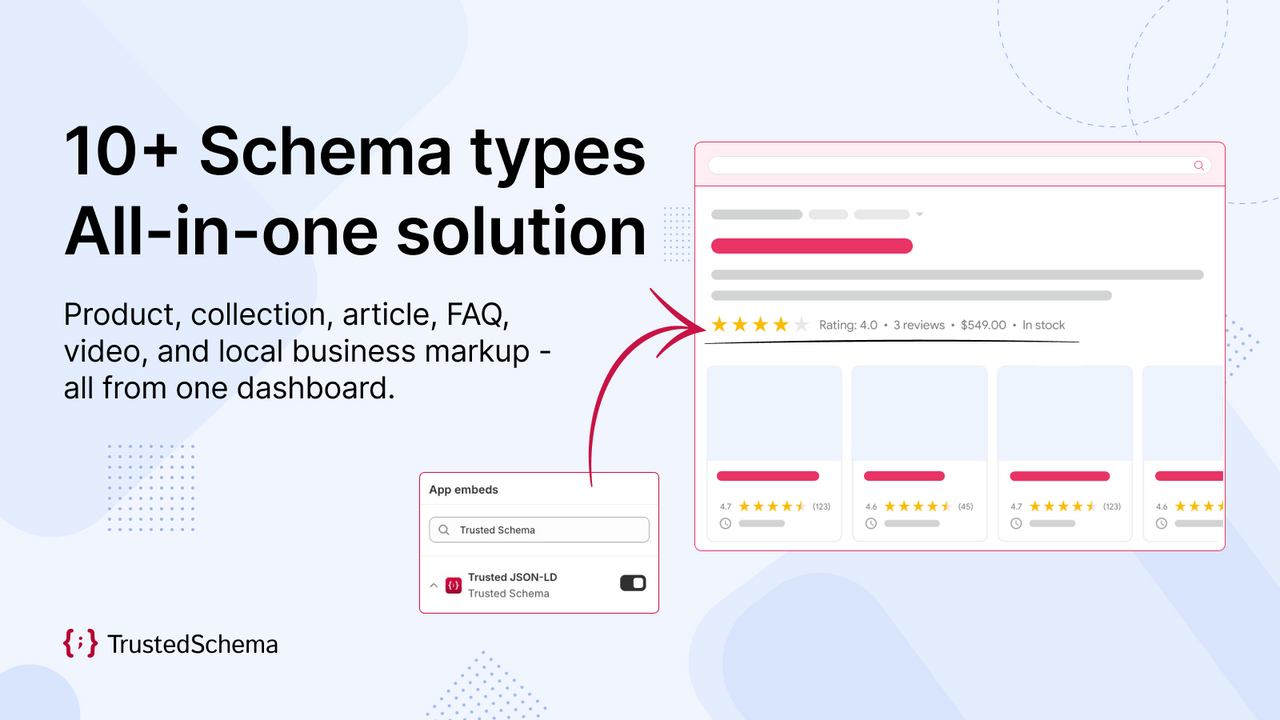
Understanding the distinction between traditional review schema and AI-optimized review schema helps you future-proof your structured data strategy.
| Aspect | Traditional Review Schema | AI SEO Review Schema |
|---|---|---|
| Primary Focus | Basic rich result eligibility | Machine learning optimization |
| Data Depth | Minimum required properties | Comprehensive entity relationships |
| Contextual Signals | Limited to rating values | Includes review aspects and sentiment data |
| AI Assistant Compatibility | Basic recognition | Optimized for natural language processing |
| Adaptability | Static markup | Dynamic, entity-rich structured data |
Traditional schema focuses on meeting minimum requirements for rich results. AI SEO Review Schema takes a holistic approach, considering how machine learning models extract meaning from your markup and connect it with other entities across the web.
Practical Applications Across Industries
Review schema implementation varies by industry, with each sector requiring specific considerations for optimal results.
E-Commerce and Retail
Online retailers should implement product review schema on every product page. Include both aggregate ratings and individual reviews to provide comprehensive data. Pay special attention to the offers property, ensuring price and availability information aligns with your rating data.
Hospitality and Travel
Hotels, restaurants, and travel services benefit from LocalBusiness review schema combined with detailed rating breakdowns. Include properties like priceRange and servesCuisine to give AI systems complete context about your establishment.
Healthcare and Professional Services
Medical practices, law firms, and financial advisors must be particularly careful with review schema. Ensure compliance with industry regulations regarding testimonials and patient privacy. Focus on aggregate ratings rather than individual review markup when privacy concerns exist.
Education and Online Learning
Course platforms and educational institutions use Course review schema to display ratings for individual classes or programs. Include provider and courseMode properties to provide complete information to AI systems.
Common Mistakes and How to Avoid Them
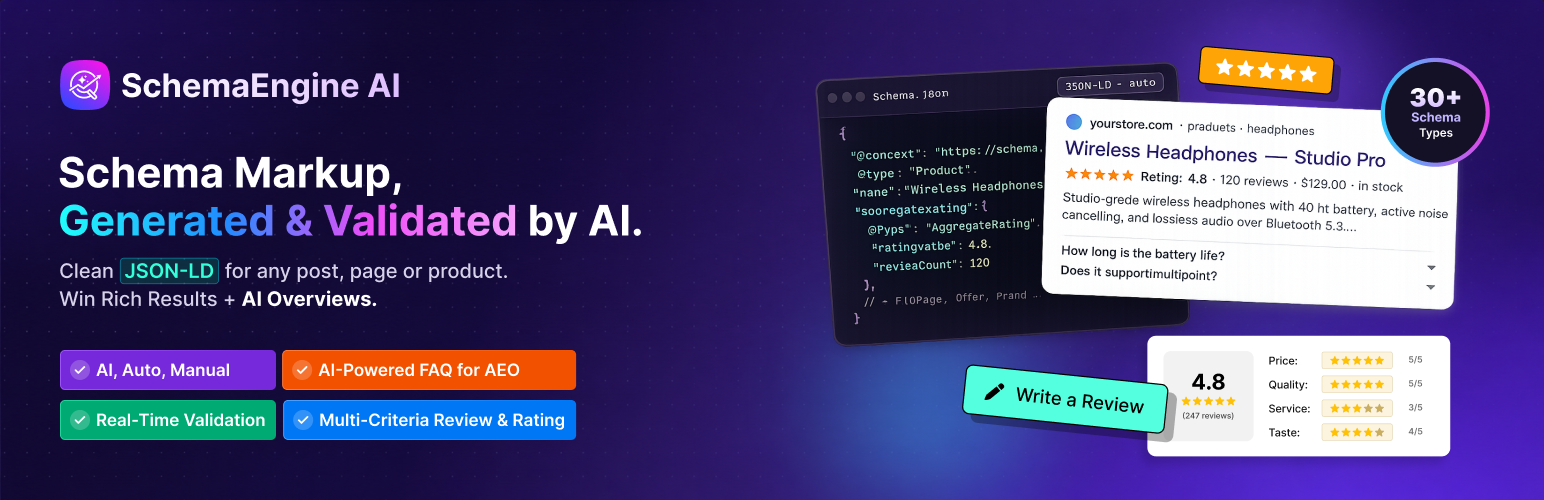
Avoiding common implementation errors saves time and prevents potential penalties. Review these frequent mistakes to ensure your schema markup remains compliant and effective.
Mistake 1: Marking Up Self-Serving Reviews
Many website owners attempt to mark up their own testimonials as reviews. This practice violates Google’s guidelines and can lead to manual actions. Only mark up reviews from verified third-party sources or user-generated content on your platform.
Mistake 2: Inconsistent Rating Scales
Ensure your ratingValue always uses the same scale across your website. Mixing 5-star and 10-point scales confuses AI systems and may result in incorrect rich snippet displays.
Mistake 3: Ignoring Review Count Accuracy
The reviewCount property must accurately reflect the number of reviews contributing to the aggregate rating. Inflating this number violates guidelines and damages trust when users discover discrepancies.
Mistake 4: Neglecting Mobile Optimization
Rich results must display correctly on mobile devices. Test your schema implementation on various screen sizes to ensure star ratings and review counts appear properly across all devices.
Mistake 5: Failing to Update Schema
Review schema requires regular updates as your products, services, and ratings change. Implement automated systems to regenerate markup whenever new reviews are added or products are modified.
Important Notes for Long-Term Success
Several strategic considerations ensure your AI SEO Review Schema continues delivering value as search technology evolves.
First, maintain a consistent review collection strategy. Actively solicit reviews from customers through email campaigns, post-purchase follow-ups, and on-site prompts. The more genuine reviews you accumulate, the more data AI systems have to work with when evaluating your brand.
Second, integrate review schema with other structured data types. Combining review markup with Product, Organization, and BreadcrumbList schema creates a comprehensive entity graph that AI systems can process holistically.
Third, monitor schema performance regularly. Use Google Search Console’s enhancement reports to track rich result impressions and clicks. Investigate any sudden drops in performance, as these may indicate algorithm updates or technical issues.
Fourth, stay informed about schema.org updates. The vocabulary evolves regularly, and new properties may become relevant to your implementation. Subscribe to schema.org announcements and follow industry publications to remain current.
Frequently Asked Questions
What is the difference between Review and AggregateRating schema?
Review schema describes an individual customer review with properties like author, review body, and rating. AggregateRating schema provides a summary of all reviews, including the average rating value and total review count. Both types work together to give search engines complete rating information.
Does AI SEO Review Schema guarantee rich results in Google?
No implementation guarantees rich results. Google evaluates multiple factors including content quality, user experience, and compliance with guidelines. Proper schema markup increases your chances of earning rich results but does not ensure them.
Can I use review schema for my own products and services?
Yes, you can mark up reviews of your own products and services, but only if they come from genuine customers. Self-serving reviews that you write yourself or that are not verifiable violate Google’s guidelines and may result in penalties.
How long does it take for review schema to appear in search results?
After implementing schema markup, Google must crawl and index your pages before rich results can appear. This process typically takes anywhere from a few days to several weeks, depending on your site’s crawl frequency and the volume of new content.
Is JSON-LD the only format for review schema?
JSON-LD is Google’s recommended format, but Microdata and RDFa are also valid alternatives. JSON-LD is preferred because it separates structured data from HTML content, making implementation easier and reducing the risk of markup errors.
What happens if I remove review schema from my pages?
Removing review schema will eventually result in the loss of rich results featuring star ratings. Google will continue to show your pages in regular search results, but you will lose the visual enhancements and potential CTR benefits associated with rich snippets.
Conclusion
AI SEO Review Schema represents a fundamental shift in how websites communicate rating information to search engines and AI systems. By implementing comprehensive, accurate review markup, you position your content for enhanced visibility in traditional search results and emerging AI-powered search experiences. The technical implementation requires attention to detail, but the rewards in terms of click-through rates, user trust, and AI readiness make it an essential component of any modern SEO strategy.
Start by auditing your current structured data, then systematically implement review schema across your most important pages. Monitor your results in Search Console and refine your approach based on performance data. As search engines continue integrating AI capabilities, websites with properly structured review data will maintain a significant competitive advantage in capturing user attention and driving conversions.
Xem thêm:
- The 2024 AI SEO Glossary: 50+ Must-Know Terms for Search Professionals
- AI SEO Search Demand: The Complete Guide to Understanding and Leveraging AI-Driven Search Behavior
- AI SEO Internal Link Suggestions: The Complete Guide to Smarter Site Architecture
- AI SEO AI Brand Mentions: The Complete Guide to Automated Brand Monitoring
- WP Trove AI Tutorials: The Complete Guide to Mastering AI-Powered WordPress Workflows
Bài viết cùng chủ đề:

AI SEO SEO Automation with Make: The Complete Workflow Guide

AI SEO SEO Automation with Zapier: The Complete Workflow Guide

AI SEO SEO Automation with n8n: The Complete Workflow Guide
AI SEO SEO Automation with Gemini: The Complete Guide to Scaling Organic Growth

AI SEO SEO Automation with Claude: The Complete Guide to Scaling Content in 2025

AI SEO SEO Automation with ChatGPT: The Complete Playbook for 2025

AI SEO & SEO Automation for Affiliate Sites: The 2025 Playbook for Passive Income Growth
AI SEO & SEO Automation for Bloggers: The Complete Guide to Scaling Your Content

AI SEO & SEO Automation for Agencies: The Complete 2025 Playbook

AI SEO and SEO Automation for Ecommerce: The Complete Playbook for 2025

AI SEO & SEO Automation for WordPress: The Complete Playbook for 2025
AI SEO SEO Automation Strategy: The Complete Playbook for 2025

Mastering the AI SEO SEO Automation Process: A Complete Guide to Scaling Organic Growth
AI SEO SEO Automation System: The Complete Guide to Scaling Organic Growth in 2025
AI SEO SEO Automation Platform: The Complete Guide to Scaling Organic Growth in 2025
AI SEO SEO Automation Software: The Complete Guide to Scaling Organic Growth in 2025















