
No products in the cart.
AI SEO Keyword Relationships: The Complete Guide to Semantic Search Optimization
10
Aug
Aug
Understanding AI SEO keyword relationships is no longer optional for digital marketers who want to maintain search visibility in 2025. Search engines have evolved from simple string-matching algorithms to sophisticated neural networks that interpret user intent, contextual meaning, and semantic connections between terms. This comprehensive guide explores how artificial intelligence transforms keyword research, content optimization, and overall search strategy. You will learn how to leverage AI-powered tools to identify meaningful keyword clusters, build topical authority, and create content that resonates with both search algorithms and human readers.
What Are AI SEO Keyword Relationships?
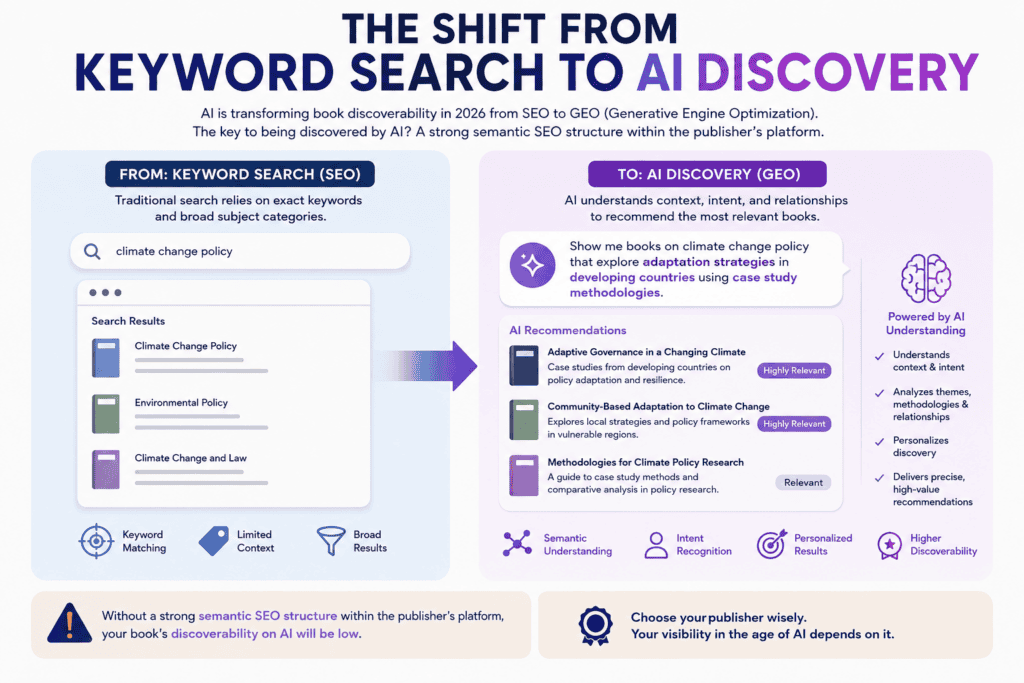
AI SEO keyword relationships refer to the semantic connections and contextual associations that artificial intelligence systems identify between different search terms. Unlike traditional keyword research that treated keywords as isolated entities, AI-powered systems analyze vast datasets to understand how terms relate to each other in meaning, usage patterns, and search intent.
These relationships go beyond simple synonyms. They encompass entity relationships, co-occurrence patterns, user behavior signals, and topical hierarchies. For instance, when someone searches for “best running shoes,” AI systems recognize relationships with terms like “cushioning,” “heel drop,” “pronation support,” and “marathon training.” These connections help search engines deliver more relevant results and help content creators structure their pages more effectively.
The Evolution from Keywords to Semantic Entities
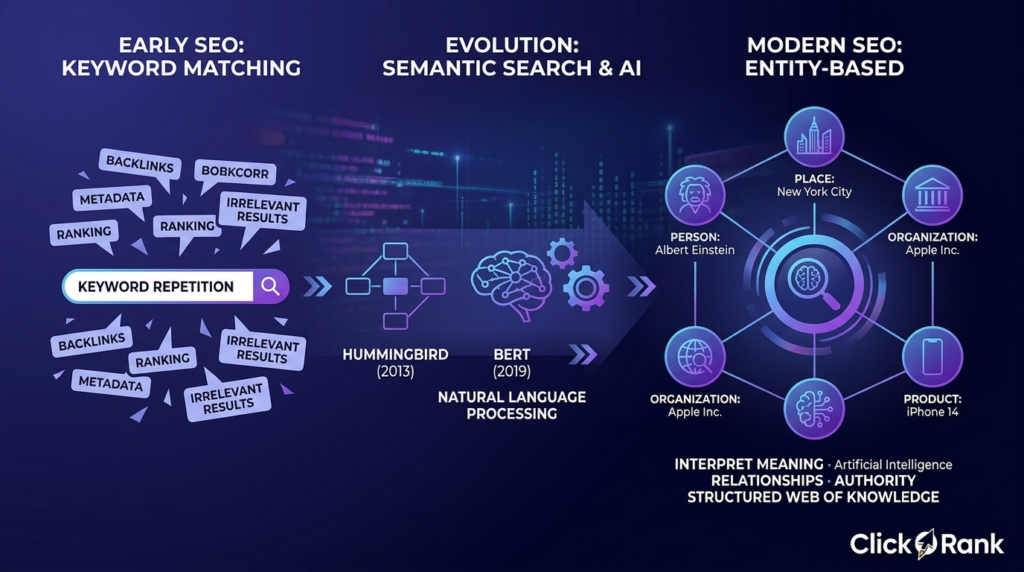
Early search engines relied on exact-match keywords and backlink counts. Google’s Hummingbird update in 2013 marked a significant shift toward understanding query context. Subsequent updates like RankBrain and BERT introduced machine learning models that process natural language more like humans do. Today, MUM (Multitask Unified Model) and similar AI systems can understand complex information across multiple languages and formats.
This evolution means that keyword relationships are now dynamic and context-dependent. The same term can have different relationships depending on user location, device, search history, and the specific phrasing of the query. AI systems continuously update these relationship maps based on new content, user interactions, and emerging trends.
Why AI SEO Keyword Relationships Matter for Rankings
Search engines use keyword relationship data to determine topical relevance and content quality. When your content covers a topic comprehensively, including related terms and concepts, AI systems recognize your page as an authoritative resource. This recognition directly impacts rankings for both primary keywords and long-tail variations.
Content that demonstrates strong keyword relationships typically achieves higher engagement metrics. Users find the information more useful because it addresses their needs from multiple angles. This improved user experience signals quality to search engines, creating a positive feedback loop that boosts rankings further.
How Search Engines Use Relationship Data
Modern search algorithms construct knowledge graphs that map entities and their interconnections. When you search for “apple,” the algorithm determines whether you mean the fruit, the technology company, or the record label based on surrounding context and related terms. Your content helps this disambiguation process when it clearly establishes relationships between concepts.
Natural language processing models analyze your content’s semantic structure. They look for logical progression, coherent topic coverage, and appropriate use of related terminology. Pages that artificially stuff keywords without meaningful relationships get flagged as low-quality, while pages that naturally incorporate related concepts earn trust signals.
Types of AI SEO Keyword Relationships
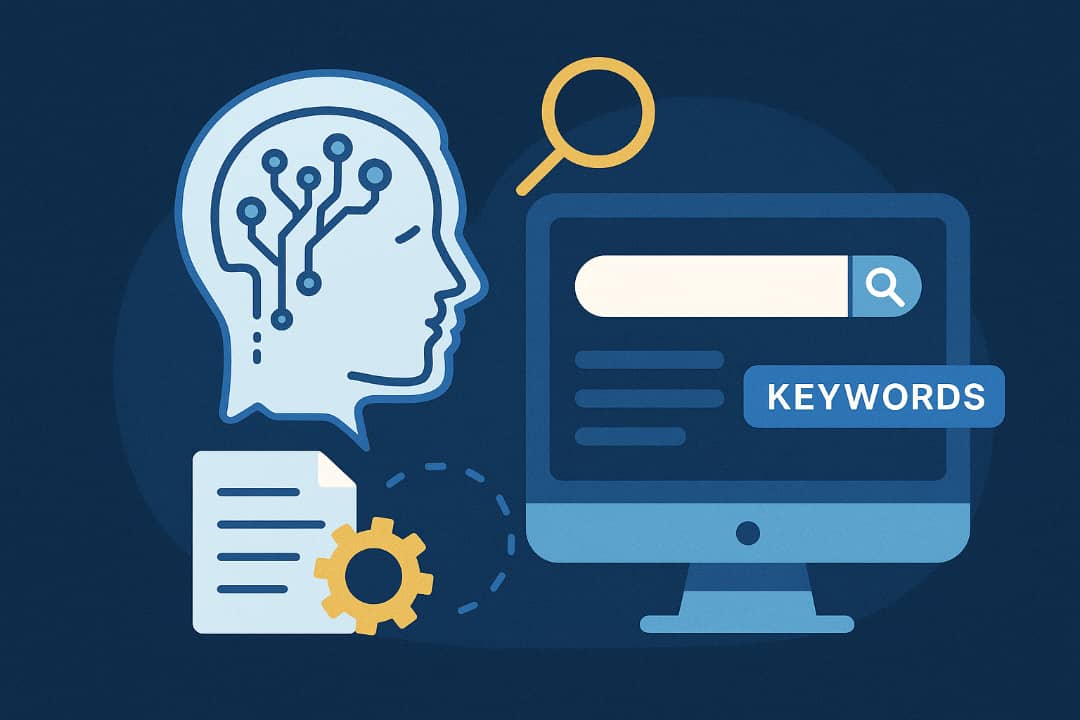
Understanding the different categories of keyword relationships helps you build more effective content strategies. Each type serves a distinct purpose in helping search engines understand your content’s relevance and authority.
Semantic Relationships
Semantic relationships involve terms that share meaning or context. These include synonyms, hypernyms (broader terms), hyponyms (narrower terms), and meronyms (part-to-whole relationships). For example, “vehicle” is a hypernym of “car,” while “engine” is a meronym. AI systems recognize these connections and use them to match content with queries that use different vocabulary but express similar intent.
Co-Occurrence Relationships
Co-occurrence refers to terms that frequently appear together in high-quality content. Search engines analyze millions of pages to identify these patterns. If “content marketing” consistently appears with “audience segmentation” and “conversion optimization” in authoritative marketing content, the algorithm learns these terms belong together. Your content should reflect these natural co-occurrence patterns without forcing them.
Entity-Based Relationships
Entities are distinct concepts, people, places, or things. AI systems track relationships between entities to build comprehensive knowledge. For instance, the entity “Nike” has relationships with “running shoes,” “Michael Jordan,” “sustainable manufacturing,” and “athletic apparel.” Content that accurately represents these entity relationships demonstrates deeper expertise.
Intent-Based Relationships
Search intent categories include informational, navigational, commercial, and transactional queries. AI systems recognize that certain keywords relate to specific intent stages. A user searching “what is SEO” has informational intent, while someone searching “best SEO tools” shows commercial intent. Understanding these relationships helps you match content format and depth to user expectations.
How AI Tools Identify Keyword Relationships
Modern SEO platforms leverage machine learning algorithms to discover and visualize keyword relationships. These tools analyze search engine result pages, user behavior data, and content patterns to build comprehensive relationship maps.
Natural Language Processing Techniques
NLP algorithms break down text into tokens, identify parts of speech, and analyze syntactic structures. They use techniques like word embeddings to represent words as vectors in multidimensional space. Words with similar meanings cluster together in this space, allowing algorithms to identify semantic proximity. Tools like Google’s Word2Vec and BERT embeddings power many commercial SEO platforms.
Search Query Log Analysis
Search engines and SEO tools analyze millions of actual search queries to identify patterns. When users frequently search for “keto diet” and then “low carb recipes” in the same session, the system learns these terms relate. Query log analysis reveals real-world search behavior that pure linguistic analysis might miss.
Clickstream Data and User Behavior
User interaction data provides powerful signals for keyword relationships. When users click from a search result for “yoga for beginners” to pages about “basic yoga poses” and “yoga equipment,” the algorithm infers relationships. High click-through rates and low bounce rates on pages covering related topics reinforce these connections.
Building a Keyword Relationship Map for Your Content
Creating a structured keyword relationship map helps you plan comprehensive content that satisfies both users and search algorithms. This process involves several strategic steps that move from broad topic identification to specific content structuring.
Step 1: Identify Your Core Topic Cluster
Start with your primary topic and identify the main entities and concepts associated with it. Use AI-powered tools to generate related terms, questions, and subtopics. For a fitness website, your core cluster might include “strength training,” “cardio workouts,” “nutrition planning,” and “recovery strategies.”
Step 2: Analyze Search Intent Variations
For each keyword in your cluster, determine the dominant search intent. Create separate content pieces for informational, commercial, and transactional queries. An informational post about “benefits of strength training” serves a different purpose than a commercial post comparing “best adjustable dumbbells.”
Step 3: Map Content Hierarchy
Structure your content to reflect the relationships between topics. Pillar pages cover broad topics comprehensively, while cluster content addresses specific subtopics in depth. Internal linking between these pages reinforces the relationship structure for search engines. Each piece should naturally reference related content within your cluster.
Step 4: Use Relationship Data for On-Page Optimization
Incorporate related terms naturally throughout your content. Use them in headings, body text, image alt attributes, and meta descriptions. The key is relevance and natural flow, not forced inclusion. AI systems detect when related terms appear in meaningful contexts versus when they are artificially inserted.
Practical Applications of AI SEO Keyword Relationships
Understanding the theory behind keyword relationships is valuable, but practical application drives results. Here are concrete ways to apply these concepts to your SEO strategy.
Content Gap Analysis
Use AI tools to identify related keywords that your competitors rank for but your site does not. This analysis reveals relationship gaps in your content coverage. If competitors ranking for “project management software” also rank for “team collaboration tools,” you need content addressing that relationship.
Internal Linking Optimization
Keyword relationship data helps you determine which pages should link to each other. Pages covering related concepts should be interconnected with descriptive anchor text. This structure helps search engines understand the relationships between your content and distributes authority throughout your site.
Topic Authority Building
Consistently publishing content that covers related keywords builds topical authority. Search engines recognize when a site comprehensively addresses a subject area. This authority extends to all keywords within the relationship cluster, improving rankings across the board.
Voice Search Optimization
Voice search queries tend to be longer and more conversational. AI keyword relationships help you anticipate the natural language variations users employ. Content that addresses these conversational patterns captures voice search traffic that exact-match optimization misses.
Tools for Analyzing AI SEO Keyword Relationships
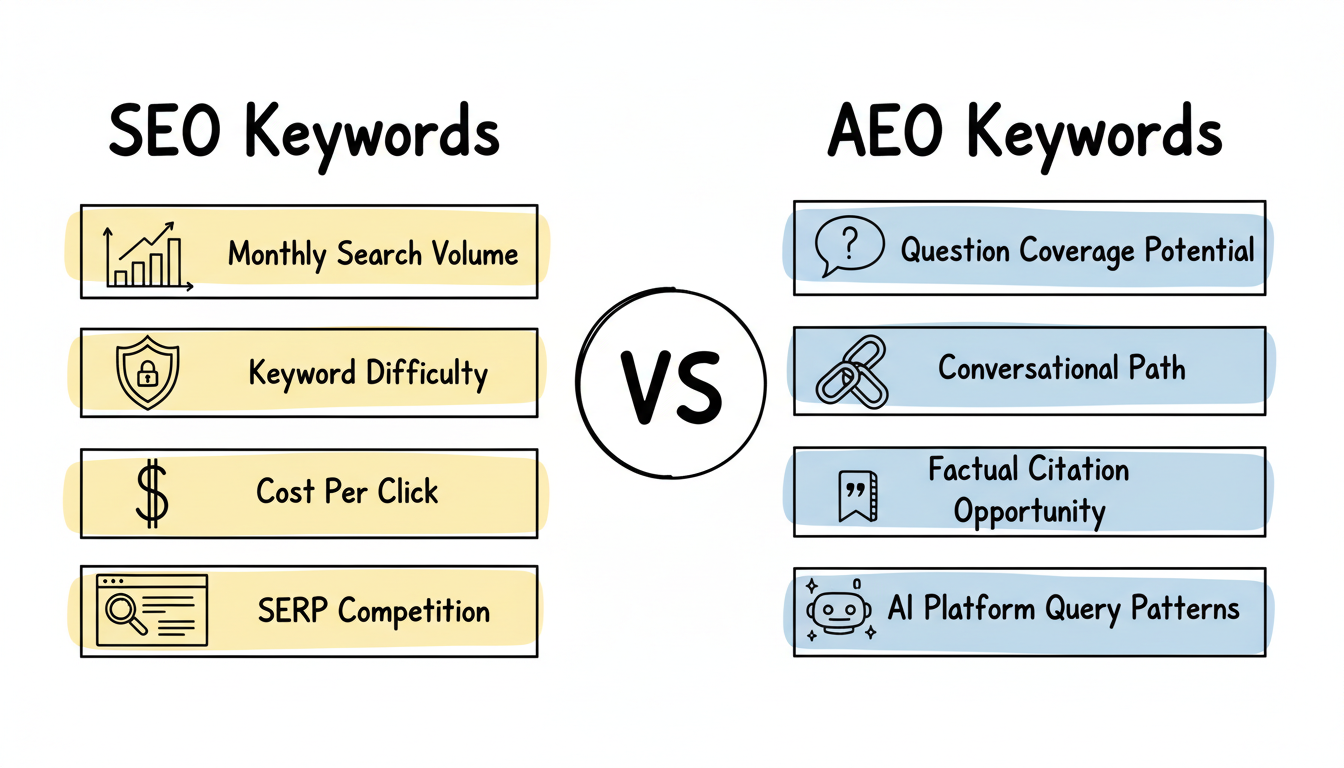
Several powerful tools help marketers identify and leverage keyword relationships. Each offers unique features for different aspects of relationship analysis.
| Tool | Key Features | Best For |
|---|---|---|
| Ahrefs | Content gap analysis, keyword difficulty scores, parent topic identification | Comprehensive keyword research and competitor analysis |
| Semrush | Topic research, keyword clustering, SEO content templates | Content planning and optimization workflows |
| Surfer SEO | Content editor with real-time relationship scoring, NLP term extraction | On-page optimization for existing content |
| MarketMuse | Content intelligence, topic modeling, competitive benchmarking | Enterprise-level content strategy development |
| Google Search Console | Query data, position tracking, impression analysis | Validating relationship assumptions with real performance data |
Interpreting Tool Output Effectively
Tools provide data, but interpretation requires human judgment. A keyword relationship suggested by an AI tool may not fit your specific audience or business context. Always validate tool recommendations against your understanding of your users and industry. Combine quantitative data from tools with qualitative insights from customer feedback, sales team input, and industry expertise.
Common Mistakes in Handling Keyword Relationships
Even experienced SEO professionals make errors when working with keyword relationships. Recognizing these mistakes helps you avoid them in your own strategy.
Keyword Stuffing with Related Terms
Some marketers overcorrect by stuffing content with every related term they discover. This creates unnatural, low-quality content that harms user experience and rankings. Related terms should appear organically where they add value, not forced into every paragraph.
Ignoring Relationship Changes Over Time
Keyword relationships evolve as language changes, new products emerge, and user behavior shifts. A relationship that held true last year may no longer apply. Regularly refresh your relationship maps and update content to reflect current semantic connections.
Focusing Only on Head Terms
Head terms like “digital marketing” have broad relationships, but long-tail keywords often reveal more specific and valuable connections. Neglecting long-tail relationship analysis means missing opportunities to capture high-intent traffic with less competition.
Copying Competitor Relationship Structures
Your competitors’ keyword relationships may not suit your brand, audience, or business goals. Use competitor analysis for inspiration, but build your own relationship map based on your unique value proposition and customer needs.
Measuring the Impact of Keyword Relationship Optimization
Tracking the right metrics helps you understand whether your keyword relationship strategy is working. Focus on both search performance indicators and user engagement signals.
Search Performance Metrics
Monitor rankings for your primary keywords and related long-tail variations. Track organic traffic growth, particularly for pages that target relationship clusters. Watch for improvements in impressions and click-through rates across your content portfolio.
User Engagement Signals
Time on page, pages per session, and bounce rate indicate whether users find your content valuable. When keyword relationships are properly implemented, users should navigate between related pages on your site, increasing engagement metrics.
Conversion Metrics
Ultimately, SEO drives business results. Track conversions from organic traffic, including form submissions, purchases, and other goal completions. Compare conversion rates for pages optimized with relationship data against those using traditional keyword targeting.
Future Trends in AI SEO Keyword Relationships
The landscape of keyword relationships continues to evolve rapidly. Staying ahead of emerging trends positions your content strategy for future success.
Generative AI and Content Creation
Large language models can now generate content that naturally incorporates complex keyword relationships. However, human oversight remains essential to ensure accuracy, brand voice consistency, and genuine value. The most effective approach combines AI-generated drafts with human expertise and editing.
Multimodal Search Optimization
Search engines increasingly process images, video, and audio alongside text. Keyword relationships now extend across content formats. A video about “home workouts” relates to text content about “exercise equipment” and image searches for “yoga poses.” Optimizing all content formats with relationship data creates a cohesive semantic presence.
Personalized Search Experiences
AI systems personalize search results based on individual user behavior and preferences. Keyword relationships may vary by user segment. Content that addresses diverse relationship patterns within your topic area captures broader personalized search visibility.
Important Notes for Implementing Keyword Relationship Strategies
Several practical considerations ensure successful implementation of AI-driven keyword relationship optimization.
- Prioritize user value over algorithmic optimization. Content that genuinely helps users naturally demonstrates appropriate keyword relationships.
- Maintain consistent terminology across your site. Using multiple terms for the same concept confuses both users and search engines.
- Regularly audit your content for outdated relationships. Update pages to reflect current semantic connections and industry developments.
- Balance breadth and depth. Cover related topics sufficiently without diluting your core message or expertise.
- Document your keyword relationship maps. This documentation guides future content creation and helps new team members understand your strategy.
Frequently Asked Questions
What is the difference between traditional keywords and AI keyword relationships?
Traditional keyword optimization focuses on individual terms and their exact-match usage. AI keyword relationships examine how terms connect semantically, contextually, and behaviorally. This approach considers user intent, entity connections, and topical relevance rather than just string matching.
How do I find AI SEO keyword relationships for my niche?
Use AI-powered SEO tools like Ahrefs, Semrush, or MarketMuse to generate related terms and topic clusters. Analyze search engine results pages for your target keywords to identify common related concepts. Study your competitors’ content to understand which relationships they target. Combine these data sources with your own industry knowledge and customer insights.
Can I optimize for keyword relationships without AI tools?
Manual analysis of search results, user queries, and content patterns can reveal keyword relationships. However, AI tools process vastly more data and identify patterns that humans might miss. For competitive niches, AI-powered analysis provides significant advantages in speed and comprehensiveness.
How often should I update my keyword relationship maps?
Review your relationship maps quarterly at minimum. More frequent updates may be necessary in fast-moving industries or when significant algorithm updates occur. Monitor search performance data continuously to identify when relationships may have shifted.
Do keyword relationships affect voice search optimization?
Yes, voice search queries are typically longer and more conversational. Understanding keyword relationships helps you anticipate the natural language variations users speak. Content that addresses these conversational patterns captures voice search traffic that exact-match optimization misses.
Conclusion
AI SEO keyword relationships represent the new frontier of search optimization. Traditional keyword targeting alone no longer suffices in an era of sophisticated AI-powered search algorithms. Understanding and leveraging semantic connections between terms enables you to create content that demonstrates genuine topical authority and satisfies user intent comprehensively.
The practical application of keyword relationship strategies requires ongoing effort. Build relationship maps for your core topics, create content that naturally incorporates related concepts, and measure the impact on rankings and engagement. Stay current with evolving search technologies and adjust your approach as AI systems become more sophisticated.
Success in modern SEO belongs to those who embrace the complexity of semantic search. By mastering AI SEO keyword relationships, you position your content to perform strongly across the diverse range of queries your target audience uses. The investment in understanding these relationships pays dividends through improved visibility, higher engagement, and sustainable organic growth.
Xem thêm:
- AI SEO Featured Snippet Opportunities: The Complete Playbook for 2025
- Perplexity SEO: How to Rank in AI‑Powered Search Engines and Get Cited
- AI SEO Contextual Search: The Complete Guide to Ranking in the New Search Era
- AI SEO Keyword Modifiers: The Complete Guide to Smarter Search Optimization
- Can AI Replace SEO? Why Human Strategy Still Dominates the Future of Search
Bài viết cùng chủ đề:

AI SEO SEO Automation with Make: The Complete Workflow Guide

AI SEO SEO Automation with Zapier: The Complete Workflow Guide

AI SEO SEO Automation with n8n: The Complete Workflow Guide
AI SEO SEO Automation with Gemini: The Complete Guide to Scaling Organic Growth

AI SEO SEO Automation with Claude: The Complete Guide to Scaling Content in 2025

AI SEO SEO Automation with ChatGPT: The Complete Playbook for 2025

AI SEO & SEO Automation for Affiliate Sites: The 2025 Playbook for Passive Income Growth
AI SEO & SEO Automation for Bloggers: The Complete Guide to Scaling Your Content

AI SEO & SEO Automation for Agencies: The Complete 2025 Playbook

AI SEO and SEO Automation for Ecommerce: The Complete Playbook for 2025

AI SEO & SEO Automation for WordPress: The Complete Playbook for 2025
AI SEO SEO Automation Strategy: The Complete Playbook for 2025

Mastering the AI SEO SEO Automation Process: A Complete Guide to Scaling Organic Growth
AI SEO SEO Automation System: The Complete Guide to Scaling Organic Growth in 2025
AI SEO SEO Automation Platform: The Complete Guide to Scaling Organic Growth in 2025
AI SEO SEO Automation Software: The Complete Guide to Scaling Organic Growth in 2025















