
No products in the cart.
AI SEO Redirect Chains: The Complete Guide to Automated Redirect Management
31
Jul
Jul
Search engines have grown increasingly sophisticated at crawling and indexing websites, yet redirect chains remain one of the most persistent technical SEO issues. When artificial intelligence enters the picture, the management of these redirects transforms from a manual, error-prone process into an automated, intelligent system. AI SEO redirect chains represent the intersection of machine learning algorithms and URL redirection strategies, designed to detect, analyze, and resolve redirect chains before they damage search rankings. This comprehensive guide explores how AI-powered tools are revolutionizing redirect management, the technical foundations of redirect chains, and practical strategies for implementing AI-driven solutions in your SEO workflow.
Understanding Redirect Chains in Technical SEO
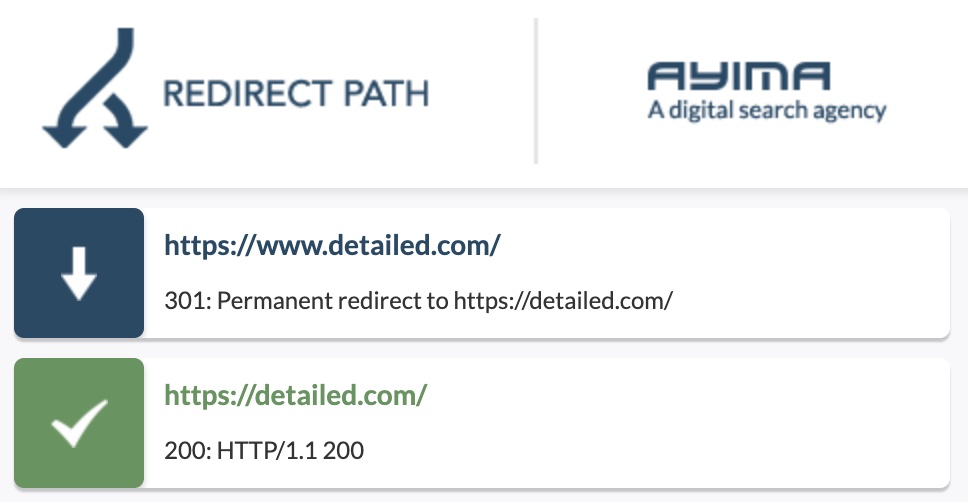
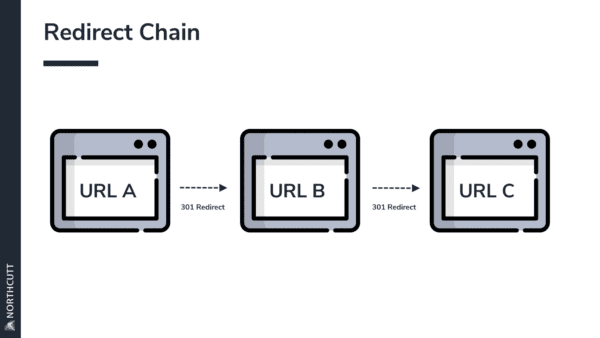
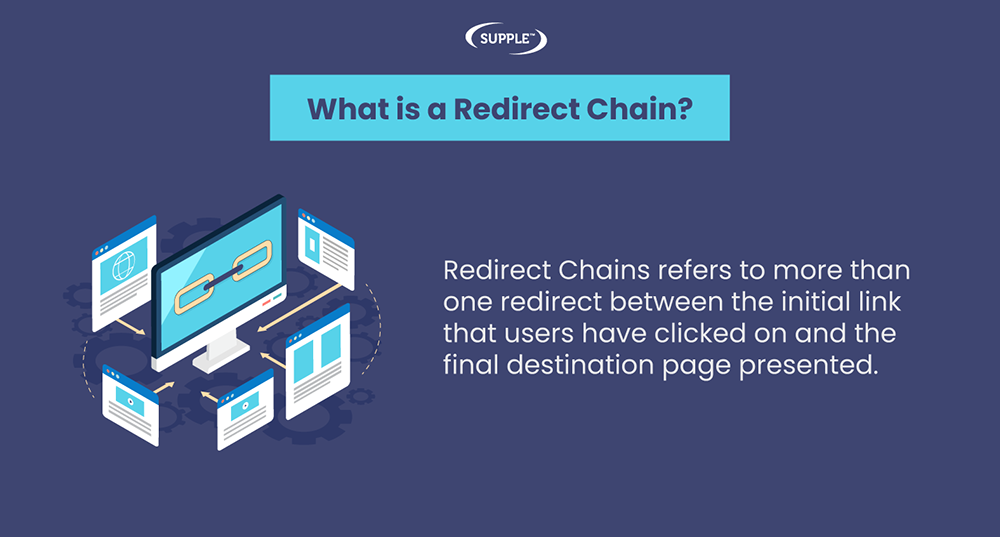
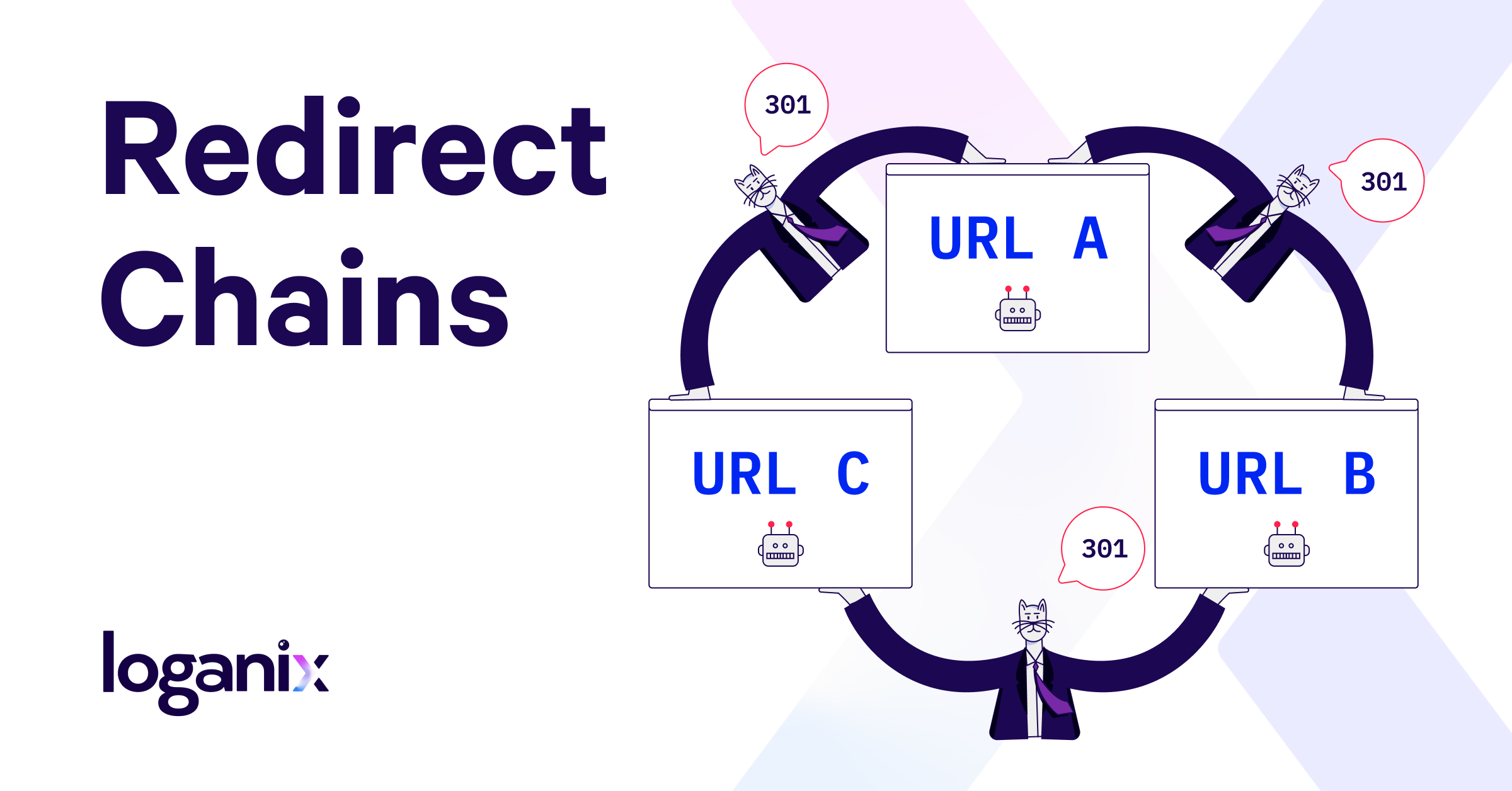
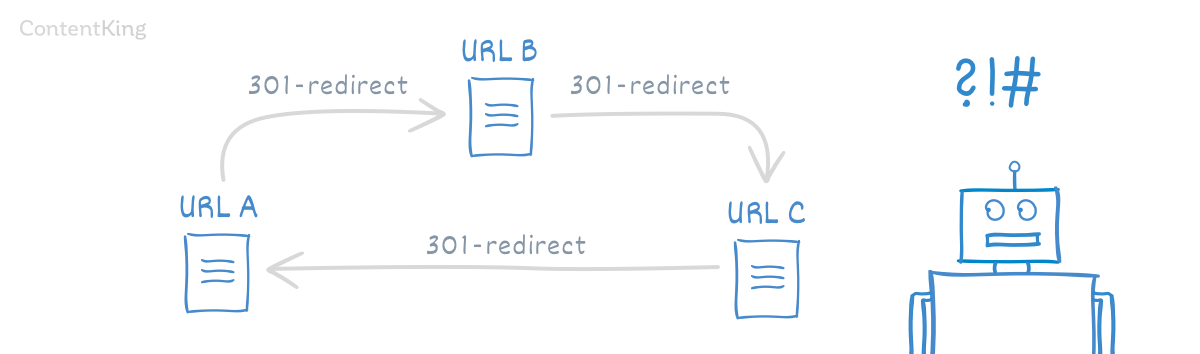
A redirect chain occurs when a URL redirects to another URL, which then redirects to yet another URL, creating a sequence of HTTP redirects before reaching the final destination. Each hop in this chain adds latency, dilutes link equity, and consumes crawl budget. Search engines like Google have explicitly stated that redirect chains should be minimized, as they negatively impact both user experience and search performance.
The anatomy of a redirect chain typically involves 301 (permanent), 302 (temporary), or 307 (temporary) status codes. While a single redirect is generally acceptable, chains of three or more redirects trigger algorithmic penalties in many cases. Google’s John Mueller has confirmed that while Google can handle redirect chains, longer chains waste crawl resources and may result in slower indexing or reduced crawl frequency.
Why Redirect Chains Form in the First Place
Redirect chains rarely appear overnight. They accumulate through years of site migrations, content updates, and structural changes. A common scenario involves a page that moved from /old-path to /new-path, then later moved again to /newer-path. Instead of updating the original redirect to point directly to the final URL, the original redirect still points to /new-path, which then redirects to /newer-path. This creates a two-hop chain that could have been a single redirect.
E-commerce platforms frequently generate redirect chains during product category reorganizations. When a store changes its URL structure from /category/product to /shop/category/product, every existing redirect must be updated. Failure to do so results in cascading redirects that grow longer with each subsequent change. Content management systems with automatic URL slug updates also contribute to this problem, as they often create redirects without checking for existing ones.
The Role of AI in Detecting Redirect Chains
Traditional SEO audits rely on crawlers that follow redirects and report chain lengths. These tools work, but they operate retrospectively. AI SEO redirect chains management takes a proactive approach, using machine learning models to predict where chains will form and automatically suggesting or implementing fixes. AI-powered crawlers can process millions of URLs simultaneously, identifying patterns that human auditors would miss.
Machine learning algorithms excel at recognizing redirect patterns across large datasets. An AI system can analyze historical redirect data, identify URLs that frequently change, and flag potential chain formations before they impact search performance. This predictive capability represents a significant advancement over manual auditing, which typically discovers chains only after rankings have already suffered.
How AI Algorithms Analyze Redirect Patterns
AI systems trained on redirect data use several analytical techniques. Natural language processing helps identify semantically related URLs that may have been moved without proper redirect updates. Graph-based algorithms map the entire redirect structure of a website, visualizing chains as connected nodes. Anomaly detection models flag unusual redirect patterns, such as URLs that redirect to themselves or loops that never resolve.
These algorithms also consider temporal factors. A redirect that worked correctly six months ago may now point to a deleted page, creating a chain that ends in a 404 error. AI systems continuously monitor redirect health, comparing current status codes against historical baselines. When deviations occur, the system generates alerts with recommended actions.
Key Components of AI-Powered Redirect Management Systems
Modern AI SEO redirect chains tools consist of several integrated components that work together to provide comprehensive redirect management. Understanding these components helps SEO professionals evaluate and implement the right solutions for their specific needs.
| Component | Function | AI Enhancement |
|---|---|---|
| Crawler Engine | Discovers URLs and follows redirects | Parallel processing and intelligent crawl prioritization |
| Pattern Recognition | Identifies redirect chain structures | Machine learning models trained on millions of redirect patterns |
| Predictive Analytics | Forecasts future redirect issues | Time-series analysis and trend detection |
| Automated Fixing | Generates corrected redirect maps | Natural language generation for.htaccess and CMS updates |
| Monitoring Dashboard | Displays redirect health metrics | Real-time anomaly alerts and severity scoring |
Automated Redirect Chain Resolution
The most valuable feature of AI-powered redirect management is automated resolution. When the system detects a redirect chain, it can automatically generate a flattened redirect map that points directly from the original URL to the final destination. This eliminates intermediate hops, preserving link equity and reducing crawl waste.
For example, consider a chain where /old-page redirects to /intermediate-page, which redirects to /final-page. An AI system would generate a rule that makes /old-page redirect directly to /final-page, bypassing /intermediate-page entirely. This simple change reduces page load time, improves crawl efficiency, and consolidates ranking signals.
Benefits of Implementing AI SEO Redirect Chains Management
Organizations that adopt AI-driven redirect management experience measurable improvements in several key areas. The benefits extend beyond simple technical fixes, impacting overall search performance and operational efficiency.
- Improved Crawl Budget Utilization: Search engines allocate a specific crawl budget to each website. Redirect chains waste this budget by forcing crawlers to follow multiple hops. Eliminating chains ensures crawlers spend their time on actual content pages.
- Faster Page Load Times: Each redirect adds an HTTP request round-trip, increasing latency. Removing intermediate redirects can shave hundreds of milliseconds off page load times, directly improving Core Web Vitals scores.
- Preserved Link Equity: PageRank and other ranking signals flow through redirects, but each hop dilutes the transfer. Flattening chains ensures maximum equity passes from the original URL to the final destination.
- Reduced Manual Workload: AI systems handle redirect detection and resolution automatically, freeing SEO teams to focus on strategic initiatives rather than repetitive technical fixes.
- Proactive Issue Prevention: Predictive analytics identify potential chain formations before they occur, preventing ranking drops rather than reacting to them.
- Ignoring External Redirects: AI systems typically focus on internal redirects, but external redirects from other websites can also create chains. Ensure your monitoring includes backlink redirects and partner site links.
- Over-Automation Without Oversight: While AI can generate fixes, human oversight remains essential. Review all automated changes to ensure they align with business goals and user expectations.
- Failing to Update Internal Links: Flattening redirect chains does not help if internal links still point to intermediate URLs. Update all internal links to point directly to final destinations.
- Neglecting Redirect Chain History: When removing a redirect, consider whether any external sites still link to the original URL. Removing the redirect entirely could result in 404 errors for those external visitors.
- Using Temporary Redirects for Permanent Changes: AI systems may not always distinguish between temporary and permanent redirects. Ensure your configuration enforces 301 status codes for permanent moves.
Limitations and Considerations
While AI SEO redirect chains management offers substantial advantages, it is not without limitations. AI systems require high-quality training data to make accurate predictions. Websites with sparse redirect history may not benefit fully from predictive features. Additionally, automated fixes can sometimes introduce errors if the AI misinterprets the intended redirect structure.
Cost represents another consideration. Enterprise-grade AI SEO tools with redirect management capabilities typically require significant subscription fees. Smaller websites may find that manual redirect management or basic crawler tools provide sufficient functionality at a fraction of the cost. Organizations must weigh these factors when deciding whether to invest in AI-powered solutions.
Comparing AI-Powered Tools vs Traditional Redirect Management
The choice between AI-powered and traditional redirect management depends on website scale, technical complexity, and available resources. A direct comparison highlights the key differences that should inform this decision.
| Aspect | Traditional Tools | AI-Powered Tools |
|---|---|---|
| Detection Speed | Manual or scheduled crawls | Continuous real-time monitoring |
| Chain Identification | Reports chain length | Predicts and prevents chains |
| Fix Implementation | Manual editing required | Automated rule generation |
| Scalability | Limited by processing power | Handles millions of URLs |
| Error Rate | Human error possible | Minimal with proper training |
| Cost | Lower upfront investment | Higher subscription fees |
Practical Implementation Guide for AI Redirect Chain Management
Implementing AI SEO redirect chains management requires a structured approach that combines technology adoption with sound SEO practices. The following steps provide a roadmap for organizations ready to leverage AI in their redirect strategy.
Step 1: Audit Your Current Redirect Landscape
Before implementing AI tools, establish a baseline of your current redirect situation. Use existing crawler tools to generate a complete map of all redirects on your website. Document chain lengths, identify the most common redirect patterns, and note any URLs that have been redirected multiple times. This baseline data will serve as training input for AI systems and provide a benchmark for measuring improvement.
Step 2: Select the Right AI SEO Platform
Evaluate AI-powered SEO platforms that offer redirect chain management as a core feature. Look for tools that provide real-time monitoring, automated fix generation, and integration with your content management system. Consider whether the platform supports your website’s scale and whether its machine learning models have been trained on data relevant to your industry.
Step 3: Configure AI Detection Parameters
Set thresholds for what constitutes a problematic redirect chain. While any chain longer than one hop is technically suboptimal, some chains may be unavoidable due to external factors. Configure your AI system to flag chains of three or more hops as critical, while monitoring two-hop chains for potential consolidation.
Step 4: Implement Automated Fixes Gradually
Start with a pilot program that applies AI-generated redirect fixes to a small subset of URLs. Monitor the impact on search rankings, crawl behavior, and user experience over a two-week period. If results are positive, gradually expand the automated fixing to the entire website. This phased approach minimizes risk while allowing you to validate the AI system’s accuracy.
Step 5: Establish Ongoing Monitoring and Reporting
AI redirect management is not a one-time project. Configure your system to provide weekly reports on redirect health, including new chain formations, resolved chains, and any anomalies detected. Use these reports to refine your redirect strategy and ensure that new content updates do not inadvertently create future chains.
Common Mistakes in AI Redirect Chain Management
Even with advanced AI tools, organizations can undermine their redirect management efforts through common errors. Recognizing these mistakes helps prevent them from compromising your SEO performance.
Important Notes for Maximizing AI Redirect Chain Effectiveness
Several technical considerations can enhance the effectiveness of AI SEO redirect chains management. Paying attention to these details ensures your AI investment delivers maximum return.
First, maintain clean URL structures that minimize the need for redirects in the first place. AI systems work best when redirects are the exception rather than the rule. Second, ensure your website’s robots.txt file does not block AI crawlers from accessing redirect URLs. Some AI tools require access to redirect chains to analyze them properly. Third, coordinate AI redirect management with your content update schedule. When publishing new content or updating existing pages, check whether the AI system has already identified potential chain formations.
Finally, document all redirect changes in a central repository. This documentation serves as training data for future AI models and provides a reference for troubleshooting any issues that arise. The combination of AI automation and human documentation creates a robust redirect management framework.
Frequently Asked Questions About AI SEO Redirect Chains
What is the maximum recommended redirect chain length for SEO?
Google recommends keeping redirect chains as short as possible, with a maximum of three hops. Chains longer than three redirects risk losing link equity and may be crawled less frequently. The ideal scenario is a single redirect from the original URL directly to the final destination. AI tools can automatically flatten longer chains to meet this recommendation.
How does AI detect redirect chains that traditional tools miss?
AI systems use machine learning algorithms that analyze redirect patterns across millions of URLs. Unlike traditional crawlers that simply follow redirects, AI models can predict where chains will form based on historical data, URL naming conventions, and content update patterns. This predictive capability allows AI to identify potential chains before they fully develop.
Can AI automatically fix redirect chains without human intervention?
Yes, many AI-powered SEO platforms can automatically generate and implement redirect fixes. The system creates a flattened redirect map that bypasses intermediate URLs and applies the changes to your server configuration or CMS. However, best practices recommend human review of automated changes, especially for high-traffic pages or URLs with significant backlink profiles.
What is the cost of implementing AI redirect chain management?
Costs vary widely depending on the platform and website scale. Entry-level AI SEO tools with redirect management features typically start around $100 per month. Enterprise solutions with advanced predictive analytics and automated fixing can cost $1,000 or more per month. Many platforms offer tiered pricing based on the number of URLs monitored.
How long does it take to see SEO improvements after fixing redirect chains?
Improvements in crawl efficiency and page load times are immediate after implementing redirect fixes. However, ranking improvements typically take two to four weeks to materialize, as search engines need time to recrawl the affected URLs and update their indexes. The full impact on link equity transfer may take several crawl cycles to become apparent.
Conclusion
AI SEO redirect chains management represents a significant evolution in technical SEO practices. By leveraging machine learning algorithms, organizations can move from reactive redirect auditing to proactive chain prevention. The benefits of improved crawl budget utilization, faster page loads, and preserved link equity translate directly into better search performance and user experience.
The implementation of AI-powered redirect management requires careful planning, appropriate tool selection, and ongoing monitoring. Organizations that successfully integrate these systems into their SEO workflows gain a competitive advantage through more efficient website architecture and reduced technical debt. As search engines continue to prioritize user experience and crawl efficiency, the importance of maintaining clean redirect structures will only grow. AI provides the scalability and intelligence needed to manage redirects effectively at enterprise scale, making it an essential component of modern SEO strategy.
Xem thêm:
- AI SEO Transactional Intent: The Complete Guide to Converting Search Traffic
- AI SEO Answer Generator: The Complete Guide to Automated Content Intelligence
- AI SEO Competitor Content Analysis: The Complete Playbook for 2025
- AI SEO Examples: Proven Ways to Automate and Optimize Your Search Strategy
- AI SEO Site Structure: The Complete Guide to Building an AI-Ready Website Architecture
Bài viết cùng chủ đề:

AI SEO SEO Automation with Make: The Complete Workflow Guide

AI SEO SEO Automation with Zapier: The Complete Workflow Guide

AI SEO SEO Automation with n8n: The Complete Workflow Guide
AI SEO SEO Automation with Gemini: The Complete Guide to Scaling Organic Growth

AI SEO SEO Automation with Claude: The Complete Guide to Scaling Content in 2025

AI SEO SEO Automation with ChatGPT: The Complete Playbook for 2025

AI SEO & SEO Automation for Affiliate Sites: The 2025 Playbook for Passive Income Growth
AI SEO & SEO Automation for Bloggers: The Complete Guide to Scaling Your Content

AI SEO & SEO Automation for Agencies: The Complete 2025 Playbook

AI SEO and SEO Automation for Ecommerce: The Complete Playbook for 2025

AI SEO & SEO Automation for WordPress: The Complete Playbook for 2025
AI SEO SEO Automation Strategy: The Complete Playbook for 2025

Mastering the AI SEO SEO Automation Process: A Complete Guide to Scaling Organic Growth
AI SEO SEO Automation System: The Complete Guide to Scaling Organic Growth in 2025
AI SEO SEO Automation Platform: The Complete Guide to Scaling Organic Growth in 2025
AI SEO SEO Automation Software: The Complete Guide to Scaling Organic Growth in 2025















