
No products in the cart.
AI SEO Transactional Intent: The Complete Guide to Converting Search Traffic
10
Aug
Aug
AI SEO transactional intent represents the convergence of artificial intelligence-driven search optimization and the analysis of user behavior signals that indicate a readiness to purchase. In the current digital landscape, understanding how AI interprets transactional queries has become essential for businesses seeking to convert organic search traffic into revenue. This comprehensive guide explores how artificial intelligence is reshaping the way marketers identify, target, and optimize for transactional search intent, providing actionable strategies that align with modern search engine algorithms.
Understanding AI SEO Transactional Intent
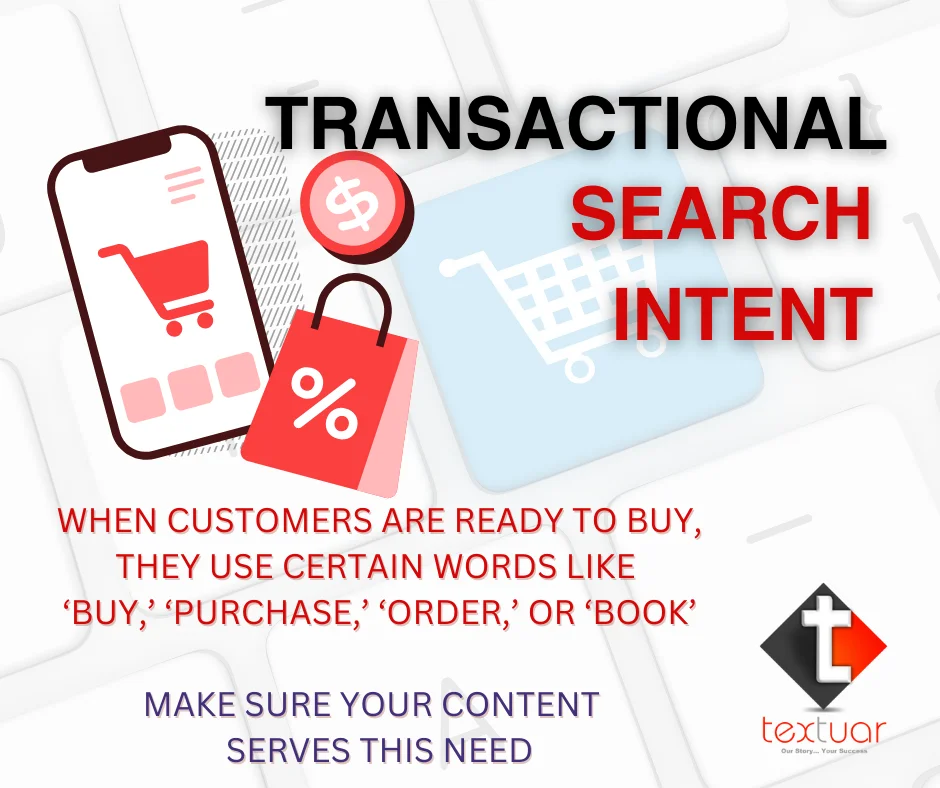
Transactional intent in search engine optimization refers to queries where users demonstrate a clear desire to complete a purchase or engage in a commercial transaction. These searches typically include terms like “buy,” “order,” “price,” “discount,” or specific product names with commercial modifiers. The integration of AI into SEO has transformed how search engines interpret these queries, moving beyond simple keyword matching to sophisticated semantic understanding of user behavior patterns.
Artificial intelligence systems now analyze thousands of signals to determine transactional intent, including search history, device type, time of day, location data, and previous interaction patterns with similar content. This deep learning approach enables search engines to deliver highly relevant results that match not just the literal query but the underlying commercial motivation of the searcher.
The Evolution of Transactional Intent Analysis
Traditional SEO relied heavily on keyword classification to identify transactional queries. Marketers would categorize keywords based on their linguistic patterns, assuming that words like “cheap” or “best price” automatically indicated purchase readiness. AI has fundamentally changed this approach by analyzing behavioral data and contextual signals that reveal true intent beyond surface-level language.
Modern AI systems can detect micro-intent signals that human analysts might miss. For instance, a user searching for “iPhone 15 Pro review” might actually be in the transactional phase if they have previously visited comparison sites, read multiple reviews, and are now comparing specific models. The AI recognizes this pattern and adjusts search results accordingly, prioritizing e-commerce pages and product listings over informational content.
How AI Identifies Transactional Search Queries
AI-powered search algorithms employ multiple layers of analysis to determine whether a query carries transactional intent. Natural language processing (NLP) models examine the syntactic structure of queries, identifying action verbs and commercial modifiers. Machine learning algorithms then cross-reference these linguistic signals with user behavior data to confirm purchase readiness.
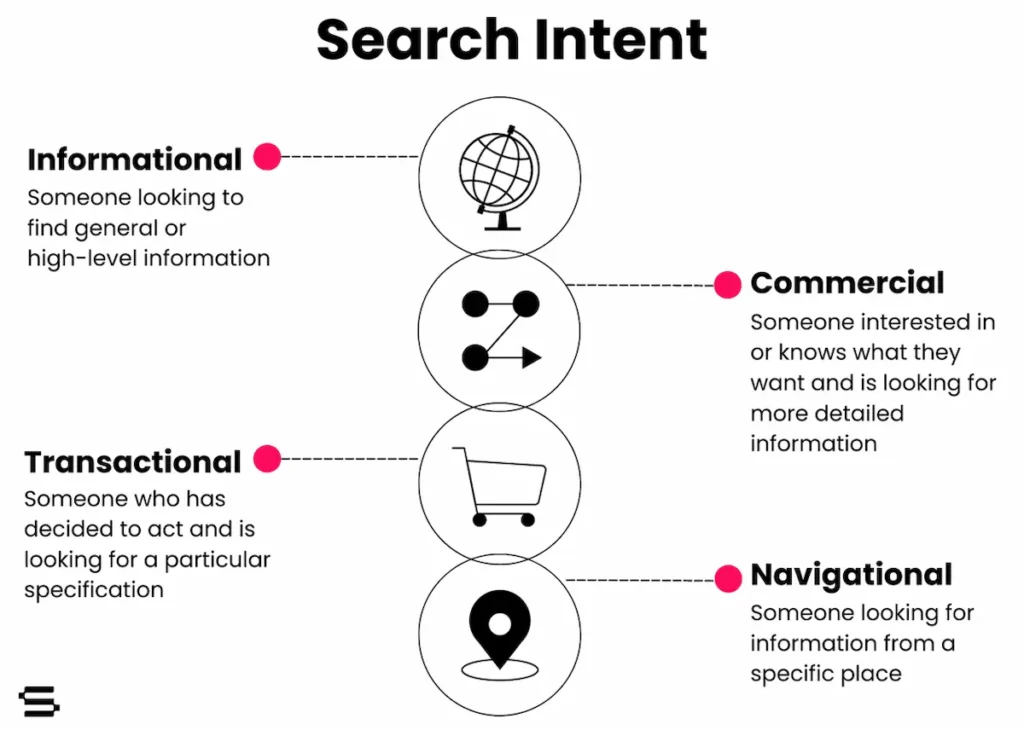
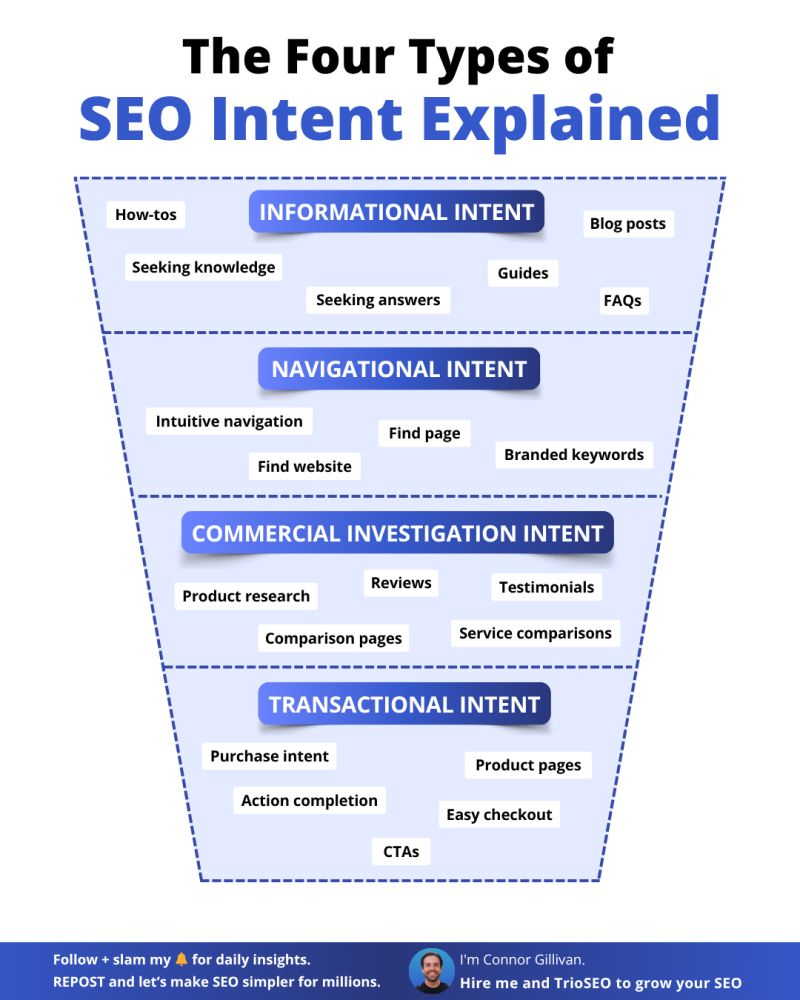
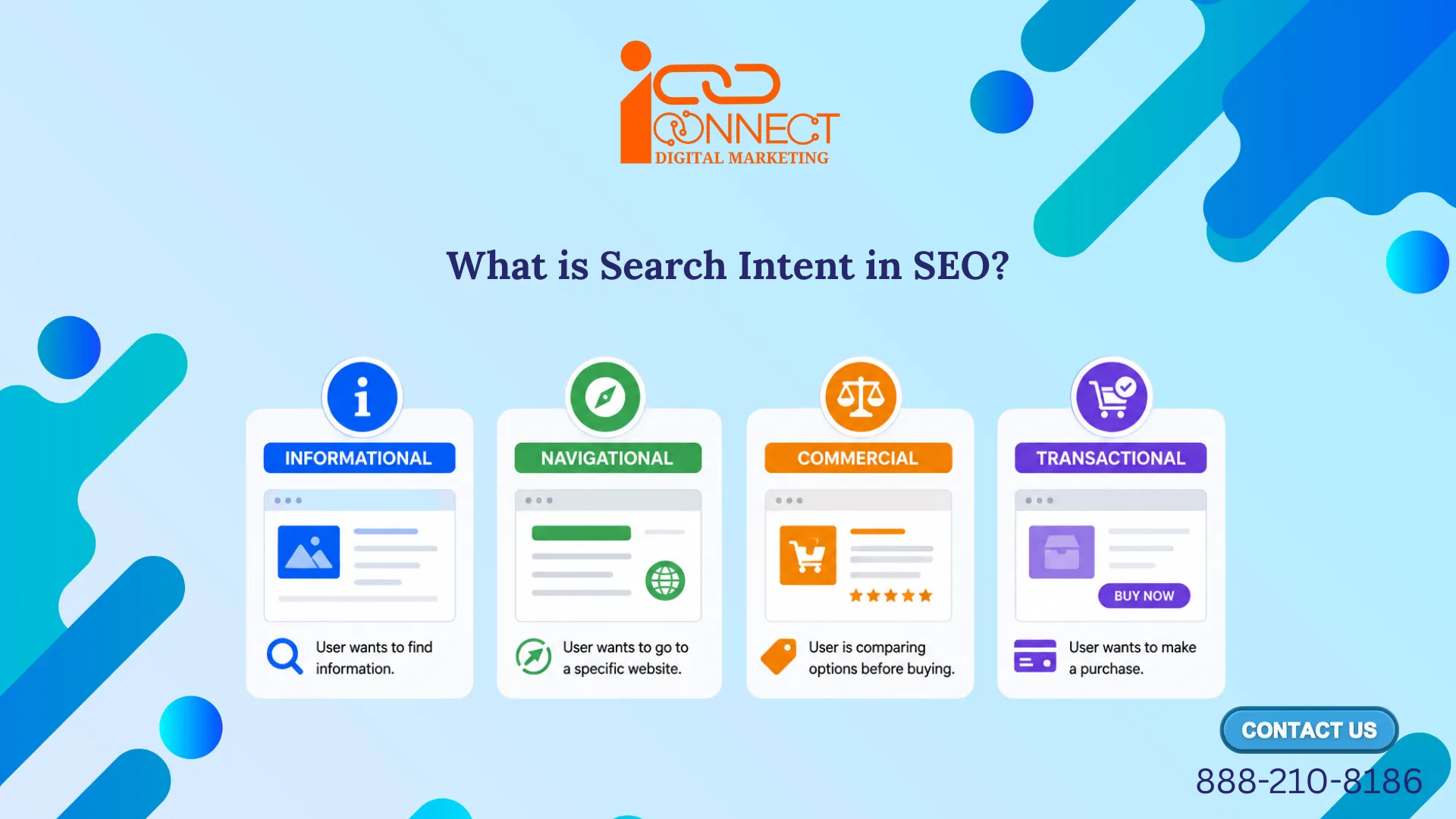
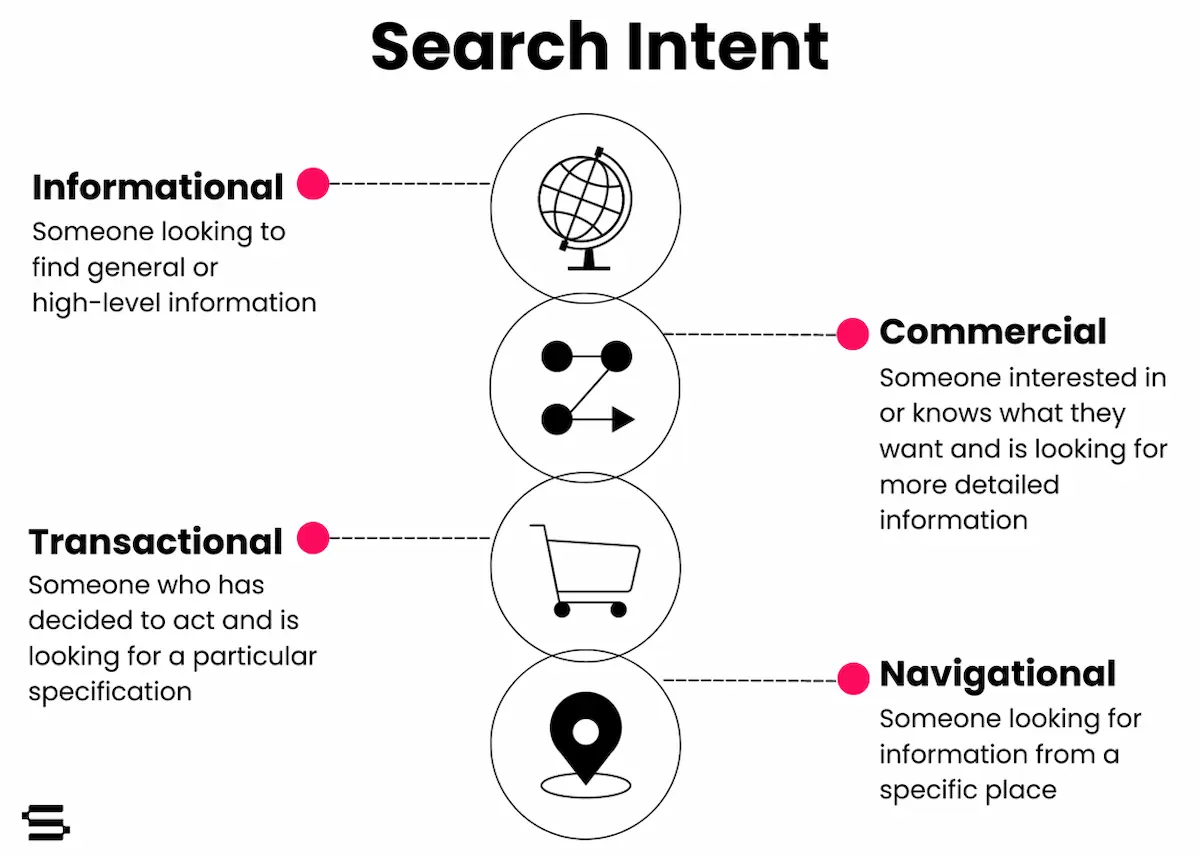
The process begins with query classification, where the AI categorizes searches into informational, navigational, commercial investigation, or transactional buckets. This classification is not static; it evolves based on real-time user interactions. A query that typically yields informational results might shift to transactional results if the user’s search history indicates they are in the consideration phase of the buying journey.
Key Behavioral Signals AI Uses
Search engines now track numerous behavioral indicators to refine their understanding of transactional intent. Click-through rates on product pages versus informational content provide strong signals. Dwell time on e-commerce pages, cart abandonment patterns, and return visits to product pages all contribute to the AI’s assessment of user intent.
Device and location data also play crucial roles. Mobile users searching for products near their physical location often demonstrate higher transactional intent than desktop users conducting broad research. Similarly, searches performed during business hours on weekdays might indicate professional purchasing intent, while evening and weekend searches often reflect personal shopping behavior.
Optimizing Content for AI SEO Transactional Intent
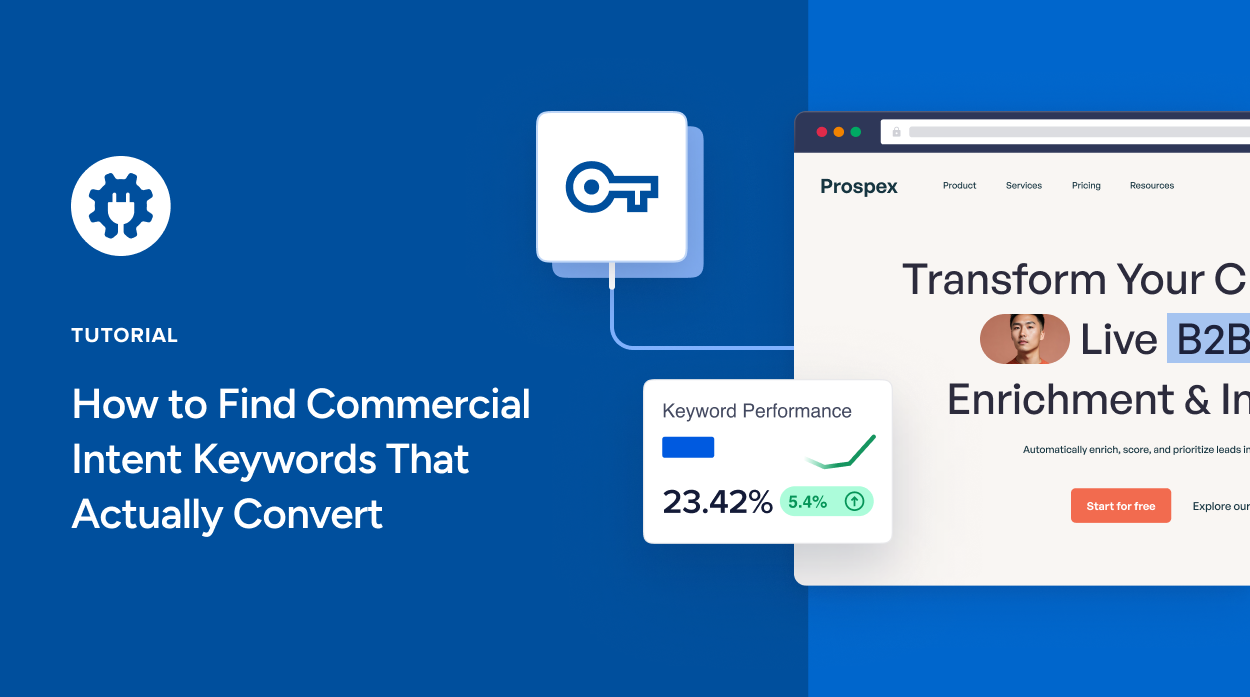
Creating content that satisfies AI-driven transactional intent requires a strategic approach that goes beyond traditional keyword optimization. The focus must shift toward creating comprehensive product experiences that answer every question a potential buyer might have while providing clear pathways to conversion.
Product pages should include detailed specifications, high-quality images, customer reviews, comparison tables, and transparent pricing information. AI systems evaluate these elements when determining whether a page satisfies transactional queries. Pages that provide complete information are more likely to rank for high-intent keywords and appear in featured snippets for transactional searches.
Structuring Product Pages for AI Recognition
Schema markup plays a vital role in helping AI systems understand the commercial nature of your content. Product schema, offer schema, and review schema provide structured data that search engines can parse efficiently. This markup signals to AI algorithms that your page contains transactional elements, increasing the likelihood of appearing for purchase-intent queries.
Clear calls-to-action, prominent pricing information, and easy navigation to checkout processes all contribute to positive user experience signals. AI systems monitor these elements to assess whether a page effectively serves users with transactional intent. Pages that facilitate smooth transactions are rewarded with higher rankings for commercial queries.
AI-Powered Tools for Transactional Intent Research
Modern SEO professionals have access to sophisticated AI-powered tools that analyze search patterns and predict transactional intent with remarkable accuracy. These platforms process millions of search queries to identify emerging commercial trends and provide insights into user behavior that would be impossible to gather manually.
These tools analyze keyword clusters, search volume fluctuations, and competitive landscapes to help marketers identify high-value transactional opportunities. They can predict seasonal buying patterns, detect shifts in consumer preferences, and recommend content strategies that align with current AI search algorithms.
Leveraging Predictive Analytics
Predictive analytics represents the cutting edge of AI SEO transactional intent optimization. By analyzing historical data, AI systems can forecast which products or services will experience increased transactional search demand. This foresight allows businesses to prepare content and optimize pages before the surge in commercial queries occurs.
Machine learning models continuously refine their predictions based on new data, improving accuracy over time. Marketers who leverage these insights gain a competitive advantage by being prepared for shifts in consumer demand before their competitors even recognize the trend.
Content Strategies for Transactional Keywords
Developing content that targets transactional keywords requires a different approach than informational content creation. The focus must be on providing immediate value to users who are ready to make purchasing decisions. This means prioritizing clarity, specificity, and actionable information over broad educational content.
Buying guides that compare multiple products serve dual purposes: they attract users in the consideration phase and provide the detailed information needed to complete a transaction. These guides should include direct links to product pages, current pricing, and honest assessments of each option’s strengths and weaknesses.
Creating Comparison Content
Comparison content ranks exceptionally well for transactional queries because it directly addresses the decision-making process. AI systems recognize that users searching for “Product A vs Product B” are typically in the final stages of their buying journey. Pages that provide clear, unbiased comparisons with purchase links satisfy both user needs and AI quality assessments.
Effective comparison pages include side-by-side specification tables, pros and cons lists, price comparisons, and user reviews. They should be regularly updated to reflect current product versions and pricing, as stale information damages credibility and reduces the likelihood of ranking for transactional queries.
Measuring Success in AI Transactional SEO
Tracking the effectiveness of your AI SEO transactional intent strategies requires a comprehensive analytics approach. Beyond traditional metrics like rankings and organic traffic, you must monitor conversion rates, average order value, and revenue generated from organic search. These business-focused metrics provide the clearest picture of transactional SEO success.
Search console data reveals which queries trigger your pages to appear and whether those impressions convert into clicks. Analyzing this data helps identify gaps between the transactional intent you are targeting and the queries your pages actually attract. Continuous refinement based on these insights improves overall performance.
Key Performance Indicators
Conversion rate from organic traffic stands as the most important metric for transactional SEO. This measures the percentage of organic visitors who complete a desired action, whether that is making a purchase, filling out a contact form, or calling your business. AI tools can help segment this data by query type, device, and user demographics to identify optimization opportunities.
Revenue per organic visit provides another crucial metric, revealing the monetary value of your SEO efforts. This figure helps justify SEO investments and guides resource allocation toward the most profitable transactional keywords and content types.
Common Mistakes in Transactional Intent Optimization
Many businesses make critical errors when attempting to optimize for AI SEO transactional intent. One frequent mistake involves creating content that is too sales-focused without providing genuine value. AI systems detect thin, low-quality commercial content and penalize it in search rankings, preferring pages that offer substantive information alongside purchase opportunities.
Another common error involves ignoring the nuances of different transactional queries. A user searching for “best running shoes” has different intent than one searching for “Nike Pegasus 40 size 10 price.” Treating all transactional queries the same results in missed opportunities and poor user experiences.
Over-Optimization Pitfalls
Keyword stuffing and unnatural language usage remain persistent problems in transactional SEO. AI algorithms are sophisticated enough to detect these manipulative tactics and respond with ranking penalties. Content must read naturally while incorporating target keywords in contextually appropriate ways.
Failing to update product information regularly also hurts transactional SEO performance. AI systems prioritize fresh, accurate content. Outdated pricing, discontinued product mentions, and stale reviews signal to algorithms that your page may not provide the best user experience for transactional queries.
Future Trends in AI Transactional Search
The evolution of AI continues to reshape how search engines interpret and respond to transactional intent. Voice search is becoming increasingly important, with users making purchase queries through digital assistants. Optimizing for conversational language patterns and long-tail transactional queries will become essential for capturing this growing segment.
Visual search technology also impacts transactional SEO. Users can now photograph products and search for purchasing options. AI systems analyze these images to identify products and match them with commercial listings. Businesses must ensure their product images are optimized for visual search recognition.
Personalization and Transactional Intent
AI-driven personalization is making search results increasingly tailored to individual users. The same transactional query might yield different results based on the user’s search history, location, and past purchasing behavior. This personalization requires businesses to create content that appeals to diverse segments while maintaining relevance for each potential customer.
Privacy regulations are simultaneously limiting the data available for personalization. Search engines are developing new methods for understanding intent while respecting user privacy, creating both challenges and opportunities for SEO professionals.
Practical Implementation Guide
Implementing an effective AI SEO transactional intent strategy requires a systematic approach. Begin by auditing your current content to identify pages that target transactional keywords but may not fully satisfy user intent. Use AI-powered analytics tools to assess how well your pages perform for commercial queries.
Develop a content creation calendar that prioritizes transactional content during peak buying seasons. Ensure all product pages include comprehensive information, clear calls-to-action, and proper schema markup. Regularly test different page structures and content formats to identify what resonates best with both users and AI algorithms.
Building a Transactional Content Ecosystem
Create interconnected content that guides users from informational queries through to transactional pages. Blog posts that answer product questions should link to relevant product pages. Comparison guides should include direct purchase options. This ecosystem approach helps AI systems understand the relationship between your content pieces and strengthens your overall authority for commercial queries.
Monitor your competitors’ transactional SEO strategies to identify gaps in your own approach. Analyze which keywords they target, how their product pages are structured, and what content formats they use. Use these insights to differentiate your strategy and capture opportunities they may have missed.
Important Notes for Long-Term Success
AI SEO transactional intent optimization is not a one-time effort but an ongoing process. Search algorithms continuously evolve, requiring constant monitoring and adjustment of your strategies. Stay informed about AI search developments and be prepared to adapt your approach as new technologies emerge.
User experience remains the foundation of all successful SEO, including transactional optimization. Pages that load quickly, display properly on all devices, and provide intuitive navigation will always perform better than technically optimized but user-hostile pages. Prioritize user satisfaction above all other factors.
Build trust through transparency. Clearly display pricing, shipping costs, return policies, and customer reviews. AI systems recognize trust signals and reward pages that demonstrate reliability and credibility. This trust-building also converts users more effectively, creating a virtuous cycle of improved rankings and increased revenue.
Frequently Asked Questions
What is the difference between transactional intent and commercial investigation intent?
Transactional intent indicates immediate readiness to purchase, with users searching for specific products, prices, or places to buy. Commercial investigation intent involves research before purchase, with users comparing options, reading reviews, and evaluating alternatives. AI systems distinguish between these by analyzing query language and user behavior patterns.
How does AI determine if a search query has transactional intent?
AI systems analyze multiple signals including keyword patterns, user search history, click behavior, device type, location, and time of search. Machine learning models trained on millions of user interactions can predict transactional intent with high accuracy by recognizing patterns that correlate with eventual purchases.
Can AI SEO transactional intent optimization work for B2B businesses?
Yes, B2B businesses benefit significantly from transactional intent optimization. AI systems identify commercial queries in B2B contexts, such as software comparisons, equipment pricing, and service provider searches. B2B transactional content should focus on ROI, implementation details, and business-specific benefits.
How long does it take to see results from transactional SEO optimization?
Results vary based on competition, current site authority, and content quality. Some businesses see improvements within weeks, while others require several months of consistent optimization. AI-driven strategies often produce faster results because they align more closely with how modern search engines evaluate content.
What role does content freshness play in transactional SEO?
Content freshness significantly impacts transactional SEO performance. AI systems prioritize current information for commercial queries, especially for products with frequent price changes or new model releases. Regularly updating product pages, pricing information, and reviews signals to AI that your content is reliable and current.
Conclusion
AI SEO transactional intent represents the new frontier of search engine optimization, where artificial intelligence interprets user behavior to deliver highly relevant commercial results. Businesses that understand and leverage these AI capabilities gain significant advantages in converting organic search traffic into revenue. The strategies outlined in this guide provide a comprehensive framework for optimizing content that satisfies both AI algorithms and users ready to make purchasing decisions.
Success in this field requires continuous learning, adaptation, and a commitment to providing genuine value to users. By focusing on user experience, creating comprehensive transactional content, and leveraging AI-powered tools and insights, businesses can build sustainable organic search traffic that consistently converts. The future of SEO belongs to those who embrace AI’s capabilities while maintaining the human-centered approach that ultimately drives successful transactions.
Xem thêm:
- AI SEO AI Search Optimization: The Complete Guide to Ranking in the Age of Artificial Intelligence
- AI SEO for Ecommerce: The Complete Guide to Outranking Competitors in 2025
- AI SEO SERP Scraping: The Complete Guide to Automated Rank Tracking in 2025
- AI SEO Trends 2027: The Complete Blueprint for Search Dominance
- AI SEO for Automotive: The Complete Guide to Dominating Search in 2025
Bài viết cùng chủ đề:

AI SEO SEO Automation with Make: The Complete Workflow Guide

AI SEO SEO Automation with Zapier: The Complete Workflow Guide

AI SEO SEO Automation with n8n: The Complete Workflow Guide
AI SEO SEO Automation with Gemini: The Complete Guide to Scaling Organic Growth

AI SEO SEO Automation with Claude: The Complete Guide to Scaling Content in 2025

AI SEO SEO Automation with ChatGPT: The Complete Playbook for 2025

AI SEO & SEO Automation for Affiliate Sites: The 2025 Playbook for Passive Income Growth
AI SEO & SEO Automation for Bloggers: The Complete Guide to Scaling Your Content

AI SEO & SEO Automation for Agencies: The Complete 2025 Playbook

AI SEO and SEO Automation for Ecommerce: The Complete Playbook for 2025

AI SEO & SEO Automation for WordPress: The Complete Playbook for 2025
AI SEO SEO Automation Strategy: The Complete Playbook for 2025

Mastering the AI SEO SEO Automation Process: A Complete Guide to Scaling Organic Growth
AI SEO SEO Automation System: The Complete Guide to Scaling Organic Growth in 2025
AI SEO SEO Automation Platform: The Complete Guide to Scaling Organic Growth in 2025
AI SEO SEO Automation Software: The Complete Guide to Scaling Organic Growth in 2025















