
No products in the cart.
AI SEO for Influencers: The Complete Guide to Ranking and Growing in 2025
31
Jul
Jul
Influencer marketing has evolved far beyond posting pretty pictures and hoping for likes. The modern influencer operates in a hyper-competitive digital landscape where visibility determines income. This is where AI SEO for influencers becomes the ultimate game-changer. By combining artificial intelligence with search engine optimization, content creators can now predict trends, optimize their profiles, and rank higher on Google and social platforms without guesswork. This guide breaks down exactly how to leverage AI tools to dominate search results, attract brand deals, and build a sustainable personal brand.
What Is AI SEO for Influencers?
AI SEO for influencers refers to the strategic use of artificial intelligence tools and algorithms to optimize digital content, social profiles, and websites for search engines. Unlike traditional SEO that relies on manual keyword research and backlink building, AI-powered SEO automates data analysis, content generation, and performance tracking at scale.
For influencers, this means using machine learning to understand what their audience searches for, how to structure content for maximum visibility, and when to publish for peak engagement. The core objective remains the same as traditional SEO: appearing on the first page of search results. However, AI adds a layer of predictive intelligence that helps influencers stay ahead of algorithm changes and audience behavior shifts.
Why Traditional SEO Is No Longer Enough for Creators
The influencer economy is saturated. Millions of creators compete for the same keywords, hashtags, and audience attention. Traditional SEO practices like stuffing keywords into captions or buying backlinks no longer yield significant results. Search engines like Google now prioritize user experience, content relevance, and semantic understanding.
AI SEO for influencers addresses these new ranking factors. It analyzes search intent at a granular level, identifies content gaps, and generates topic clusters that establish authority. Moreover, AI tools can process massive datasets from platforms like YouTube, TikTok, and Instagram to reveal what content formats and topics are gaining traction before they become mainstream trends.
Core Components of AI SEO for Influencers
Understanding the building blocks of AI-driven optimization helps influencers implement it effectively. The system works through several interconnected components that together create a powerful visibility engine.
1. Predictive Keyword Intelligence
AI tools like Clearscope, Surfer SEO, and MarketMuse analyze millions of search queries to identify high-opportunity keywords. These tools go beyond simple volume metrics. They assess keyword difficulty, search intent, and topical relevance. For influencers, this means discovering niche keywords that competitors overlook, such as “sustainable fashion hauls for petites” instead of just “fashion hauls.”
2. Content Optimization and Structuring
AI algorithms evaluate existing content against top-ranking pages. They provide real-time suggestions for heading structure, word count, internal linking, and semantic keyword usage. This ensures that every blog post, YouTube description, or Instagram caption is fully optimized for both search engines and user engagement.
3. Audience Sentiment Analysis
Natural language processing (NLP) tools scan comments, reviews, and social media conversations to understand audience sentiment. This data helps influencers tailor their content tone, address pain points, and create material that resonates emotionally while still ranking well.
4. Automated Performance Tracking
AI dashboards consolidate analytics from Google Search Console, YouTube Studio, and social media insights. They highlight which pieces of content drive organic traffic, which keywords convert to followers, and where drop-offs occur. This continuous feedback loop allows for rapid iteration.
The Process: How to Implement AI SEO for Influencers
Implementing AI SEO is not a one-time task but an ongoing workflow. Following a structured process ensures consistent results and measurable growth.
Step 1: Audit Your Current Digital Footprint
Start by using AI tools to analyze your existing website, YouTube channel, and social profiles. Identify which pages or videos already rank for relevant terms. Tools like Ahrefs or SEMrush provide a baseline of your domain authority and organic visibility. This audit reveals strengths to build upon and weaknesses to fix.
Step 2: Build a Topic Cluster Strategy
Instead of creating random content, AI SEO for influencers relies on topic clusters. Choose a pillar topic that represents your niche, such as “vegan skincare routine.” Then, create supporting content around related subtopics like “best vegan moisturizers for dry skin” or “vegan sunscreen for sensitive skin.” AI tools help map out these clusters by analyzing search queries and competitor content.
Step 3: Generate Optimized Content Briefs
Use AI writing assistants like Jasper or ChatGPT to generate detailed content briefs. These briefs include target keywords, suggested headings, word count, and key points to cover. The AI draws from top-ranking pages to ensure your content meets or exceeds search intent. However, human creativity and personal experience remain essential for authenticity.
Step 4: Optimize On-Page Elements
Apply AI recommendations to your titles, meta descriptions, alt text, and URL structures. For YouTube, optimize video titles, descriptions, and tags using AI tools that analyze competitor videos. For Instagram and TikTok, use AI-powered hashtag generators that identify trending and niche-specific tags.
Step 5: Publish and Monitor
After publishing, set up automated monitoring. AI tools track your rankings daily and alert you to any drops or spikes. They also monitor competitor movements, allowing you to adjust your strategy proactively rather than reactively.
Benefits of AI SEO for Influencers
The advantages of integrating AI into your SEO strategy are substantial and measurable. Here are the primary benefits that make this approach indispensable for serious creators.
- Time Efficiency: AI automates hours of manual research, freeing up time for content creation and audience engagement.
- Higher Ranking Accuracy: Machine learning algorithms process more data points than any human, leading to more precise keyword targeting.
- Scalability: Whether you have 1,000 followers or 1 million, AI tools scale your optimization efforts without requiring a larger team.
- Competitive Advantage: AI identifies emerging trends and content gaps before they become saturated, positioning you as an early adopter.
- Improved Content Relevance: By analyzing search intent, AI ensures your content answers exactly what users are looking for, reducing bounce rates.
- Data-Driven Decisions: Every content decision is backed by hard data, eliminating the guesswork that often leads to wasted effort.
- Over-Reliance on Automation: Too much dependence on AI can lead to generic, soulless content that fails to connect with audiences on a personal level.
- Algorithm Bias: AI models are trained on historical data, which may contain biases. This can lead to overlooking diverse audiences or emerging cultural shifts.
- Cost of Premium Tools: High-quality AI SEO tools often come with significant subscription fees, which may be prohibitive for micro-influencers just starting out.
- Constant Algorithm Updates: Search engines frequently update their ranking algorithms. AI tools must be continuously updated to remain effective, which can be a moving target.
- Lack of Human Nuance: AI cannot fully replicate human creativity, emotional intelligence, or the unique personal stories that make influencers relatable.
Limitations and Challenges to Consider
While AI SEO for influencers offers incredible power, it is not without its drawbacks. Understanding these limitations helps you use the technology responsibly and effectively.
AI SEO for Influencers vs. Traditional SEO: A Comparison
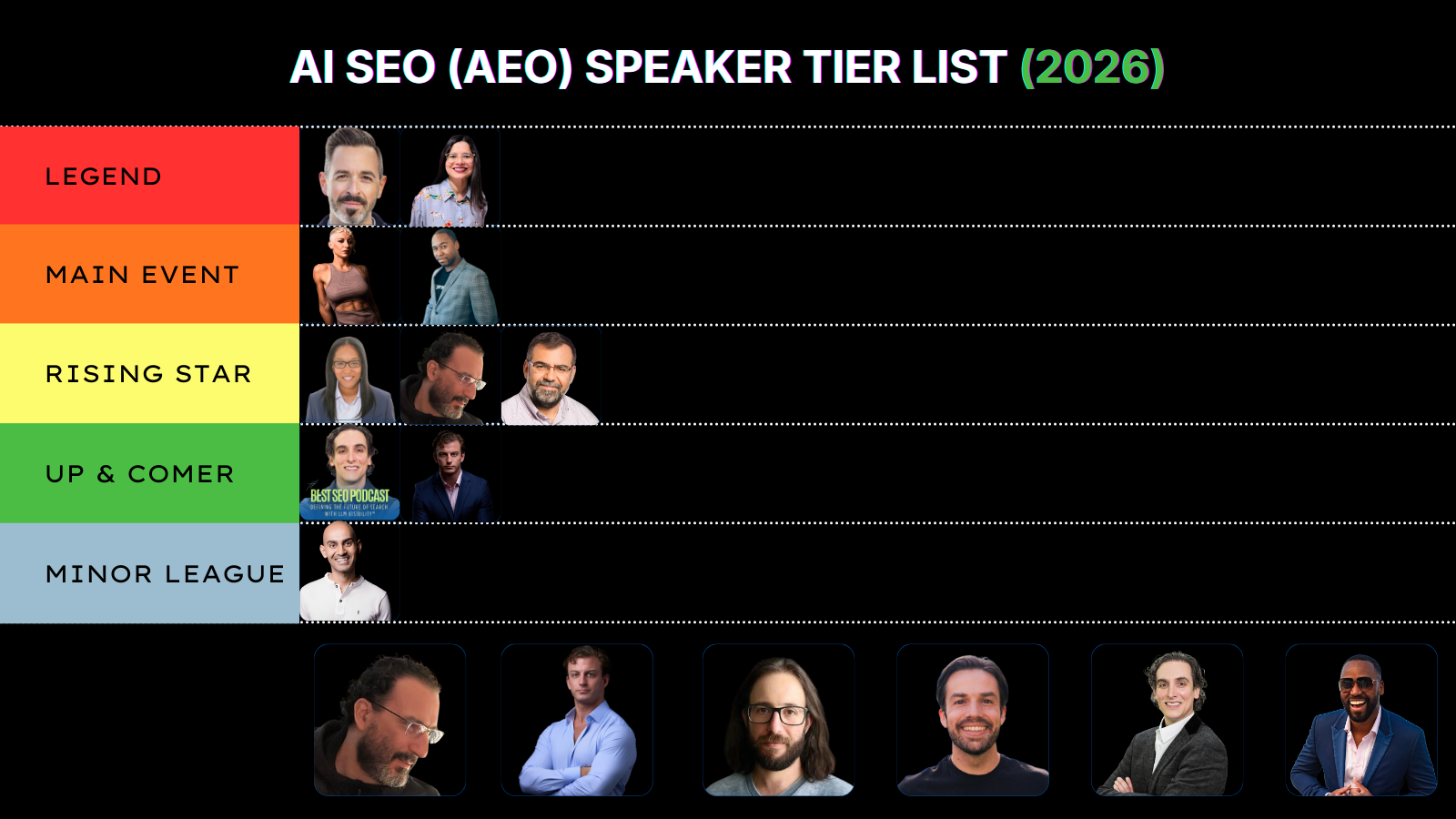
To fully appreciate the value of AI-driven optimization, it helps to compare it directly with traditional methods. The table below highlights the key differences across several dimensions.
| Aspect | Traditional SEO | AI SEO for Influencers |
|---|---|---|
| Keyword Research | Manual analysis using basic tools like Google Keyword Planner | Automated predictive analysis using machine learning on millions of queries |
| Content Creation | Human writer relies on personal knowledge and manual research | AI assists with briefs, outlines, and even drafts, while human adds personal experience |
| Data Analysis | Weekly or monthly manual reporting | Real-time automated dashboards with predictive insights |
| Trend Detection | Reactive, often weeks behind emerging trends | Proactive, identifying trends days or weeks before they peak |
| Personalization | Broad targeting based on demographics | Hyper-personalized content based on search intent and behavioral data |
| Scalability | Limited by human capacity and time | Unlimited scaling across multiple platforms and content types |
Practical Application: A Step-by-Step Guide for Your First AI SEO Campaign
Theory is useful, but application drives results.
Phase 1: Define Your Niche and Audience Persona
Before touching any AI tool, clearly define your niche. Are you a travel influencer, a fitness coach, or a beauty reviewer? Use AI-powered audience analysis tools like SparkToro to understand your audience’s search behavior, preferred platforms, and content consumption patterns. This foundational data informs every subsequent step.
Phase 2: Conduct AI-Driven Keyword Discovery
Log into a tool like Surfer SEO or Frase. Enter your primary topic, such as “home workout routines.” The AI generates a comprehensive list of related keywords, questions, and subtopics that your target audience searches for. Filter these by relevance and difficulty score. Select a mix of high-volume keywords for reach and long-tail keywords for conversion.
Phase 3: Create a Content Calendar Based on Data
Use the keyword data to build a 30-day content calendar. Assign each keyword to a specific piece of content, whether it is a YouTube video, blog post, or Instagram Reel. AI tools like Notion AI or Copy.ai can help draft the calendar structure and even generate initial content ideas for each keyword.
Phase 4: Optimize Your Social Profiles for Search
Your Instagram bio, YouTube channel description, and TikTok profile are all searchable. Use AI to generate optimized bios that include your primary keywords naturally. For example, instead of “Fitness lover,” use “Home Workout Coach | AI-Optimized Fitness Plans for Busy Professionals.” This small change significantly improves your profile’s discoverability.
Phase 5: Publish and Iterate with AI Feedback
After publishing your first batch of content, wait 48 hours and run an AI analysis. Tools like Rank Tracker or SE Ranking will show you where your content appears in search results. Analyze which headlines, formats, and topics perform best. Use this data to refine your next batch of content, creating a continuous improvement loop.
Common Mistakes to Avoid When Using AI SEO for Influencers
Even with powerful tools, influencers often make critical errors that undermine their efforts. Being aware of these pitfalls saves time and prevents frustration.
Mistake 1: Ignoring Search Intent
Many influencers target keywords without understanding why users search for them. Someone searching “best running shoes” likely wants a comparison list, not a personal story about your morning jog. Always align your content format with the dominant search intent identified by AI tools.
Mistake 2: Over-Optimizing Content
Stuffing keywords into every sentence makes content unreadable and triggers search engine penalties. AI tools provide keyword density recommendations, but these should be treated as guidelines, not strict rules. Prioritize natural language and reader experience above all.
Mistake 3: Neglecting User Experience Signals
Search engines track bounce rate, time on page, and click-through rate. If your content is slow to load, cluttered with ads, or difficult to navigate, your rankings will suffer regardless of how well you optimize keywords. Use AI tools to analyze page speed and mobile responsiveness.
Mistake 4: Copying Competitors Blindly
AI tools can show you what competitors rank for, but copying their exact strategy leads to a saturated market. Use AI to identify gaps in their content, then create superior, more comprehensive pieces that address unanswered questions.
Mistake 5: Forgetting the Human Element
AI SEO for influencers is a tool, not a replacement for your unique voice. Audiences follow influencers for authenticity and personal connection. Always inject your personal experiences, opinions, and stories into AI-generated outlines. The best results come from a partnership between machine efficiency and human creativity.
Important Notes on Ethics and Transparency
Using AI in your content creation process raises ethical considerations. Search engines like Google have guidelines about AI-generated content. While they do not ban it outright, they require that content provides value to users and demonstrates expertise. Always review and edit AI-generated text to ensure accuracy and add your personal insights.
Transparency with your audience is equally important. If you use AI to draft content, consider disclosing this in your process. Many audiences appreciate the efficiency but value authenticity. Being open about your workflow builds trust, which is the currency of the influencer economy.
Additionally, be mindful of data privacy. AI tools collect and process user data. Ensure you comply with regulations like GDPR and CCPA when using analytics tools that track audience behavior.
Frequently Asked Questions About AI SEO for Influencers
What is the best AI tool for influencer SEO?
The best tool depends on your specific needs and budget. Surfer SEO excels at on-page optimization, while Ahrefs provides comprehensive keyword and backlink analysis. For content generation, Jasper and Copy.ai are popular choices. Many influencers use a combination of tools, starting with a free trial to determine which fits their workflow best.
Can AI SEO replace the need for a human SEO expert?
AI tools significantly reduce the manual workload, but they cannot fully replace human expertise. An experienced SEO professional understands algorithm nuances, creative strategy, and industry context that AI models may miss. For influencers with limited budgets, AI tools offer a cost-effective starting point, but complex campaigns still benefit from human oversight.
How long does it take to see results from AI SEO?
Results vary based on competition, content quality, and domain authority. Typically, you can expect to see initial ranking improvements within 4 to 6 weeks of consistent implementation. Significant traffic growth usually takes 3 to 6 months as search engines crawl and index your optimized content.
Is AI SEO suitable for all social media platforms?
Yes, but the application differs. YouTube and Pinterest function like search engines and benefit greatly from AI keyword optimization. Instagram and TikTok rely more on hashtags and engagement signals, which AI can also analyze. LinkedIn and Twitter benefit from AI-driven content optimization for professional search queries.
Will AI SEO work for micro-influencers with small audiences?
Absolutely. In fact, AI SEO levels the playing field. Micro-influencers can use AI to target highly specific long-tail keywords with low competition, allowing them to rank quickly and attract highly engaged niche audiences. This often leads to higher conversion rates for brand partnerships than broad, generic content.
Conclusion
AI SEO for influencers is not a passing trend but a fundamental shift in how content creators achieve visibility and growth. By leveraging predictive analytics, automated optimization, and data-driven content strategies, influencers can cut through the noise and reach their target audience with precision. The key lies in balancing machine efficiency with human authenticity. Those who embrace this technology while maintaining their unique voice will not only survive the algorithm changes but thrive in the increasingly competitive creator economy. Start small, experiment with free tools, and gradually integrate AI into your workflow. The results will speak for themselves in the form of higher rankings, more followers, and lucrative brand opportunities.
Xem thêm:
- AI SEO Microsoft Copilot SEO: The Complete Guide to Ranking in the New Search Era
- AI SEO Contextual Keywords: The Complete Guide to Smarter Search Rankings
- The Ultimate AI SEO Checklist for Beginners: Rank Faster with Smart Automation
- How to Build Topical Authority with AI: The Complete Strategic Framework
- AI Citation SEO: The Complete Guide to Earning and Optimizing AI-Generated Citations in Search
Bài viết cùng chủ đề:

AI SEO SEO Automation with Make: The Complete Workflow Guide

AI SEO SEO Automation with Zapier: The Complete Workflow Guide

AI SEO SEO Automation with n8n: The Complete Workflow Guide
AI SEO SEO Automation with Gemini: The Complete Guide to Scaling Organic Growth

AI SEO SEO Automation with Claude: The Complete Guide to Scaling Content in 2025

AI SEO SEO Automation with ChatGPT: The Complete Playbook for 2025

AI SEO & SEO Automation for Affiliate Sites: The 2025 Playbook for Passive Income Growth
AI SEO & SEO Automation for Bloggers: The Complete Guide to Scaling Your Content

AI SEO & SEO Automation for Agencies: The Complete 2025 Playbook

AI SEO and SEO Automation for Ecommerce: The Complete Playbook for 2025

AI SEO & SEO Automation for WordPress: The Complete Playbook for 2025
AI SEO SEO Automation Strategy: The Complete Playbook for 2025

Mastering the AI SEO SEO Automation Process: A Complete Guide to Scaling Organic Growth
AI SEO SEO Automation System: The Complete Guide to Scaling Organic Growth in 2025
AI SEO SEO Automation Platform: The Complete Guide to Scaling Organic Growth in 2025
AI SEO SEO Automation Software: The Complete Guide to Scaling Organic Growth in 2025















