
No products in the cart.
The Future of AI SEO: How Artificial Intelligence Is Reshaping Search Optimization

29
Jul
Jul
The future of AI SEO is no longer a horizon concept—it is unfolding inside search engine results pages, content management systems, and digital marketing strategies right now. Search engines are moving beyond keyword matching to genuine understanding of user intent, context, and content quality. Artificial intelligence is the engine behind that shift. From Google’s RankBrain and MUM to generative AI models capable of writing entire articles, the way marketers optimize for visibility is being rewritten. This comprehensive guide breaks down what the future of AI SEO really means, how it works, its benefits and limitations, practical implementation, and the mistakes that can derail an otherwise smart strategy.
Understanding AI SEO: The Core Concept
AI SEO refers to the integration of artificial intelligence technologies into every phase of search engine optimization—keyword research, content creation, technical auditing, user experience analysis, and performance tracking. Traditional SEO was heavily manual: researching keywords one by one, guessing intent from a handful of top pages, and optimizing meta tags with rigid rules. The future of AI SEO replaces guesswork with data-driven prediction. Machine learning models analyze search patterns, natural language processing deciphers the true meaning behind queries, and generative AI produces content briefs that match what real users want. This is not about replacing human strategists but amplifying their ability to make faster, more accurate decisions.
The Shift from Rule-Based Algorithms to AI-Driven Search Engines
Early search algorithms relied on exact-match keywords, backlink volume, and on-page signals that were easy to manipulate. RankBrain introduced machine learning to interpret unfamiliar queries. Today, Google’s MUM (Multitask Unified Model) understands information across text, images, and languages simultaneously. Bing Chat and Search Generative Experience are placing AI-generated summaries directly at the top of results. This evolution forces SEO to be less about technical trickery and more about genuine expertise, experience, authority, and trustworthiness—the principles of E-E-A-T.
Key Components Shaping the Future of AI SEO
Several interconnected AI technologies are driving this transformation. Each component changes how search results are ranked, how content is evaluated, and how optimization work gets done.
- Natural Language Processing (NLP) – Enables search engines to parse sentence structure, entities, and sentiment. SEO content must now answer questions holistically, not just contain a target phrase.
- Machine Learning for Ranking – Algorithms learn from user interaction data (click-through rate, dwell time, pogo-sticking) to adjust rankings dynamically. This means optimization is continuous, not a one-time fix.
- Generative AI Content Models – Tools like GPT and Gemini can produce drafts, outlines, and meta descriptions. Search engines evaluate AI-generated content based on usefulness, not origin.
- Predictive Analytics – AI can forecast traffic trends, identify rising topics, and assess the potential ROI of targeting specific keywords before you invest resources.
- Computer Vision and Voice Search – Visual search and voice assistants require structured data, image SEO, and conversational content that mirrors how people naturally speak.
- Deeper Understanding of Search Intent – AI tools can cluster queries into intent groups—informational, commercial, navigational, transactional—with far greater precision than manual mapping. This leads to content that satisfies users on the first click.
- Content Optimization at Scale – AI-powered platforms can analyze thousands of pages, identify thin content, and recommend improvements based on top-performing competitors.
- Hyper-Personalization – AI can tailor search experiences and website content to individual user behavior, location, and device, increasing engagement and conversion rates.
- Predictive Performance Modeling – Instead of waiting weeks to see if a page ranks, predictive algorithms can estimate ranking probability and traffic potential before publication.
- Technical SEO Automation – Site audits, schema markup generation, internal linking suggestions, and log file analysis become faster and more accurate, reducing human error.
- Real-Time Trend Adaptation – AI monitors social signals, news, and query shifts so you can pivot content strategy within hours, not days.
- Content Homogenization – When everyone uses the same AI tool, content begins to look and sound identical, erasing brand voice and differentiation.
- Algorithm Opacity – Search engines rarely disclose exactly how AI signals are weighted, making cause-and-effect analysis difficult.
- Hallucinations and Factual Errors – Generative models can confidently produce wrong information. Publishing without human fact-checking damages credibility and rankings.
- Over-Optimization Risk – Automatically inserting keywords, auto-generating content at mass scale, and ignoring user experience triggers manual actions or algorithmic demotions.
- Cost and Knowledge Gaps – Advanced AI tools require investment and upskilling. Smaller teams may struggle to keep pace.
- Publishing Raw AI Output – Content that is unedited, generic, and error-prone erodes trust. Always apply a human editorial layer that adds insight, perspective, and accuracy.
- Ignoring E-E-A-T Signals – AI cannot manufacture experience. Without real author bios, transparent company information, and verifiable credentials, even well-optimized pages will struggle to rank.
- Chasing Every AI Tool – Tool stacking without a clear process wastes budget and creates data silos. Select a core set that integrates with your analytics stack and content workflow.
- Over-Automating Link Building – AI-generated outreach messages and auto-spun link requests get marked as spam. Personal, relationship-driven outreach remains irreplaceable.
- Neglecting User Experience Metrics – AI can optimize for bots, but if real users bounce because of slow pages, intrusive interstitials, or unhelpful content, rankings will fall regardless of clever optimization.
- Treating AI as a Black Box – Not understanding why an AI recommends a certain title or keyword grouping leads to blind acceptance of errors. Regularly audit AI decisions with manual spot-checks.
The Role of Generative AI in Modern Content Strategy
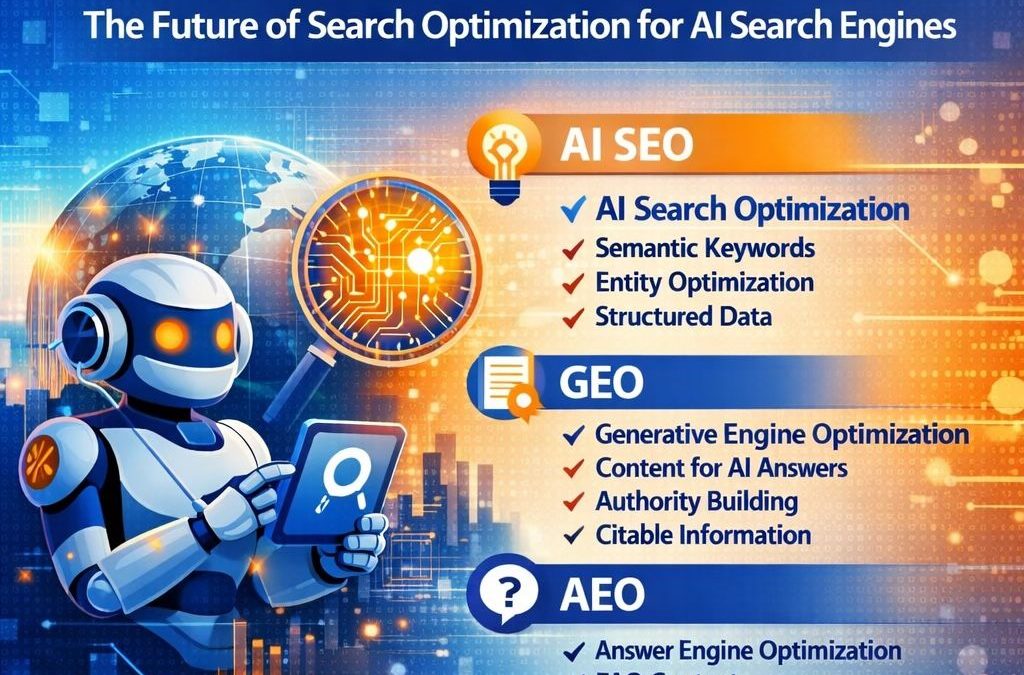
Generative AI is the most visible face of the future of AI SEO. Marketers can use it to scale content production, generate ideas, and personalize messaging at an unimaginable speed. However, the technology is not a set-and-forget solution. Google’s March 2024 core update and Helpful Content System continue to target low-value, AI-spun content. The distinguishing factor is human oversight—editing for accuracy, adding original research, and injecting real-world experience. A thoughtful approach treats AI as a capable assistant that drafts initial versions, while a subject-matter expert refines the final output.
Benefits of AI SEO
Integrating AI into search optimization delivers tangible advantages that go far beyond saving time.
Limitations and Ethical Considerations
Despite its power, the future of AI SEO comes with significant challenges. A blind reliance on automation can degrade quality and trust.
Traditional SEO vs. AI SEO: A Comparative Snapshot
The shift from conventional practices to AI-driven workflows changes nearly every aspect of an SEO strategy. The table below highlights key differences.
| Aspect | Traditional SEO | AI SEO |
|---|---|---|
| Keyword Research | Manual list building with volume and difficulty metrics | Intent-driven clustering, predictive topic discovery, and semantic grouping |
| Content Creation | Human-written drafts from scratch; linear optimization | AI-generated outlines and drafts refined by human editors; real-time personalization |
| On-Page Optimization | Checklists: title tag, H1, meta description, keyword density | Entity-based optimization, NLP scoring, dynamic internal linking |
| Technical Auditing | Periodic crawls with generic reports | Continuous monitoring, anomaly detection, automated fix prioritization |
| Link Building | Volume-focused outreach and guest posting | Graph analysis to find relevance, AI-assisted prospect qualification |
| Performance Measurement | Rank tracking and basic traffic metrics | User engagement signals, predictive traffic modeling, sentiment analysis |
Practical Applications: How to Embed AI Into Your SEO Workflow
Moving from theory to execution requires a structured, phased approach. The following steps allow businesses to adopt AI without losing strategic control.
1. Conduct an AI-Aware SEO Audit
Begin by analyzing your current content inventory with AI-driven auditing tools. Look for pages that rank for the same intent cluster but compete against each other—merge them. Identify pages that fail E-E-A-T checks and need original statistics, expert quotes, or case studies. AI can score each page’s topical depth against competitors, giving you a priority list for updates.
2. Implement an Intent-Led Keyword Strategy
Use NLP-based keyword tools to move beyond single keywords to topic models. Map each user intent type (I-want-to-know, I-want-to-buy, I-want-to-find) to the correct content format. Create content pillars that answer a broad subject deeply, then support them with cluster pages covering subtopics. AI can automatically surface questions people ask in forums, video transcripts, and review sites, enabling you to cover semantic gaps.
3. Augment Content Creation with Guardrails
Set up a human-in-the-loop system. An AI tool generates a detailed outline and first draft. A subject expert then enriches it with unique data, real-world anecdotes, and narrative style. Run the final draft through an NLP scoring tool to ensure it covers relevant entities and meets readability benchmarks. For e-commerce, AI can generate product descriptions, FAQs, and category page intros, but a brand copywriter must maintain a consistent voice.
4. Automate Technical SEO With Oversight
Deploy AI to handle repetitive technical tasks: schema markup generation, image alt text optimization, and broken link correction. Use machine learning to analyze server logs and detect crawl budget waste. However, always test automated changes in a staging environment. For example, if an AI suggests altering your URL structure for better crawl efficiency, verify that 301 redirects are properly mapped to avoid 404s.
5. Build Predictive Analytics Dashboards
Connect search console data, backlink profiles, and seasonal trends into a machine learning model that forecasts traffic. Instead of reacting after a core update, you can see early warning signs in engagement metrics. This enables preemptive content refreshes and link building where the algorithm is likely to reward freshness.
Common Mistakes When Adopting AI SEO and How to Avoid Them
Embracing the future of AI SEO without awareness of its pitfalls leads to stagnation or penalties.
Important Notes for Navigating the AI SEO Landscape
The future of AI SEO is not about replacing human judgment; it is about enhancing it with machine precision. Below are critical strategic guidelines that experienced SEOs adopt.
Originality Is Your Moat. As generative AI commoditizes basic content, the only defensible long-term asset is original research, unique data, and a distinctive brand voice. Google’s hidden gems update explicitly rewards firsthand expertise on forums, blogs, and niche content where AI cannot easily replicate lived experience.
Trust Signals Will Intensify. Expect search engines to place even more weight on verified authorship, secure transactions, transparent privacy policies, and real-world business credentials. A website’s entity footprint in Google’s Knowledge Graph becomes a ranking factor.
Continuous Learning Is Essential. SEO professionals must become fluent in AI terminology, prompt engineering, and data analysis. The era of the purely technical SEO is fading; the new mold combines creative strategy with AI literacy.
Multimodal Search Is Growing. The future of AI SEO includes images, video, and voice. Optimizing for Google Lens, YouTube search, and smart speakers requires structured data, transcripts, and visual asset optimization that traditional text-based SEO did not cover.
Frequently Asked Questions

How will AI change the future of SEO?
A Search engines will understand queries with human-like nuance, and SEO professionals will spend more time on strategy, experience, and trust building rather than repetitive technical tasks.
Can AI fully replace human SEO experts?
No. AI excels at data processing and pattern recognition but lacks genuine creativity, ethical reasoning, and firsthand experience. Human oversight is essential for strategy, brand storytelling, and verifying accuracy. The best results come from a collaboration between AI and skilled humans.
What are the best AI tools for SEO?
Leading tools include natural language optimizers like Clearscope and MarketMuse, AI writers integrated with SEO platforms, chatbot SEO assistants, and automated technical auditing suites. The right tool depends on your specific goals—content scale, technical health, or competitive analysis—and should always be paired with human review.
How does Google rank AI-generated content?
Google does not penalize content solely because it is AI-generated. The ranking focus remains on quality, originality, and helpfulness. Content that is thin, repetitive, or factually incorrect will perform poorly regardless of its origin. Disclosing AI use transparently and adding human expertise helps meet E-E-A-T standards.
Is AI SEO only for large enterprises?
Not at all. Many AI SEO tools offer affordable tiers for small businesses. Even free or low-cost AI tools can automate keyword clustering, generate meta descriptions, and suggest internal links. The key is starting with one well-defined use case and scaling as you see results.
What skills do SEO professionals need for the AI era?
Future-ready SEO professionals need skills in prompt engineering, data analysis, content strategy, and critical thinking. Understanding how machine learning models rank content, comfortable working with large datasets, and maintaining strong editorial judgment are all vital. Soft skills like creativity and adaptability become more valuable than ever.
Conclusion
The future of AI SEO converges advanced technology with timeless principles of trust, relevance, and user satisfaction. Search engines are evolving into answer engines that prioritize deep understanding over surface-level signals. For marketers, this means rethinking optimization as a blend of data-driven automation and human-centered storytelling. Those who treat AI as a strategic partner—not a shortcut—will build resilience against algorithm shifts and earn lasting visibility. The roadmap is clear: audit your current approach, embrace intent-led strategies, guard originality, and never stop learning. The future is not about fearing AI but mastering it to deliver real value to the people searching.
Xem thêm:
- AI SEO Publishing Workflow: The Complete Guide to Scaling Content Production in 2025
- The Best AI SEO Tools for 2025: A Comprehensive Guide to Smarter Content & Rankings
- AI SEO for Niche Sites: The 2025 Playbook for Dominating Small Markets
- AI SEO Schema Markup Optimization: The Complete Guide to Structured Data in 2025
- AI SEO Competitor Traffic: The Complete Playbook for Outranking Rivals in 2025
Bài viết cùng chủ đề:

AI SEO SEO Automation with Make: The Complete Workflow Guide

AI SEO SEO Automation with Zapier: The Complete Workflow Guide

AI SEO SEO Automation with n8n: The Complete Workflow Guide
AI SEO SEO Automation with Gemini: The Complete Guide to Scaling Organic Growth

AI SEO SEO Automation with Claude: The Complete Guide to Scaling Content in 2025

AI SEO SEO Automation with ChatGPT: The Complete Playbook for 2025

AI SEO & SEO Automation for Affiliate Sites: The 2025 Playbook for Passive Income Growth
AI SEO & SEO Automation for Bloggers: The Complete Guide to Scaling Your Content

AI SEO & SEO Automation for Agencies: The Complete 2025 Playbook

AI SEO and SEO Automation for Ecommerce: The Complete Playbook for 2025

AI SEO & SEO Automation for WordPress: The Complete Playbook for 2025
AI SEO SEO Automation Strategy: The Complete Playbook for 2025

Mastering the AI SEO SEO Automation Process: A Complete Guide to Scaling Organic Growth
AI SEO SEO Automation System: The Complete Guide to Scaling Organic Growth in 2025
AI SEO SEO Automation Platform: The Complete Guide to Scaling Organic Growth in 2025
AI SEO SEO Automation Software: The Complete Guide to Scaling Organic Growth in 2025















