No products in the cart.
The Ultimate AI SEO Workflow for Ecommerce: Drive More Traffic and Sales
29
Jul
Jul
An AI SEO workflow for ecommerce is the systematic use of artificial intelligence tools to automate, enhance, and scale every stage of search engine optimization—from keyword discovery to content creation and technical audits. Online stores that integrate AI into their SEO processes consistently outperform competitors in organic rankings, time savings, and revenue growth. This comprehensive guide breaks down exactly how to build and execute a modern AI-powered SEO engine for any ecommerce business.
What Is an AI SEO Workflow for Ecommerce?
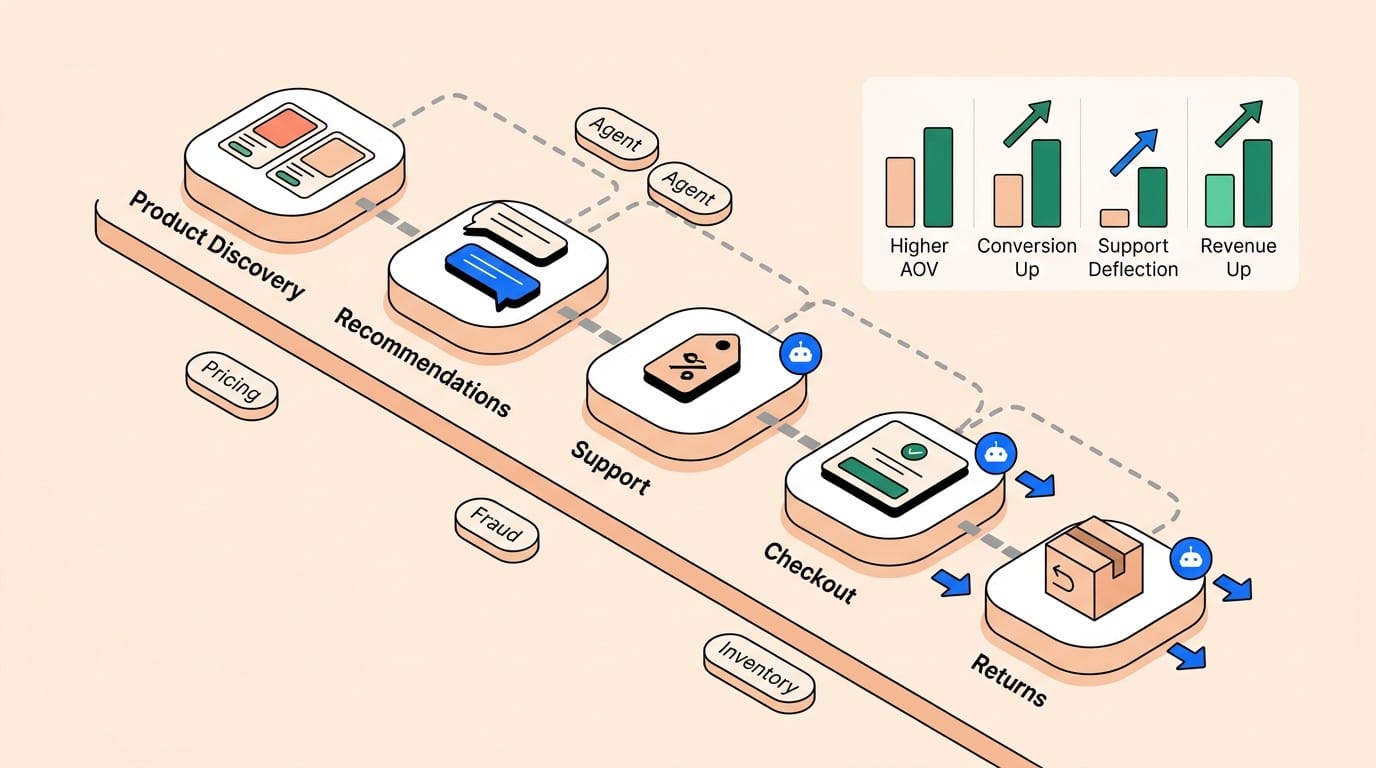
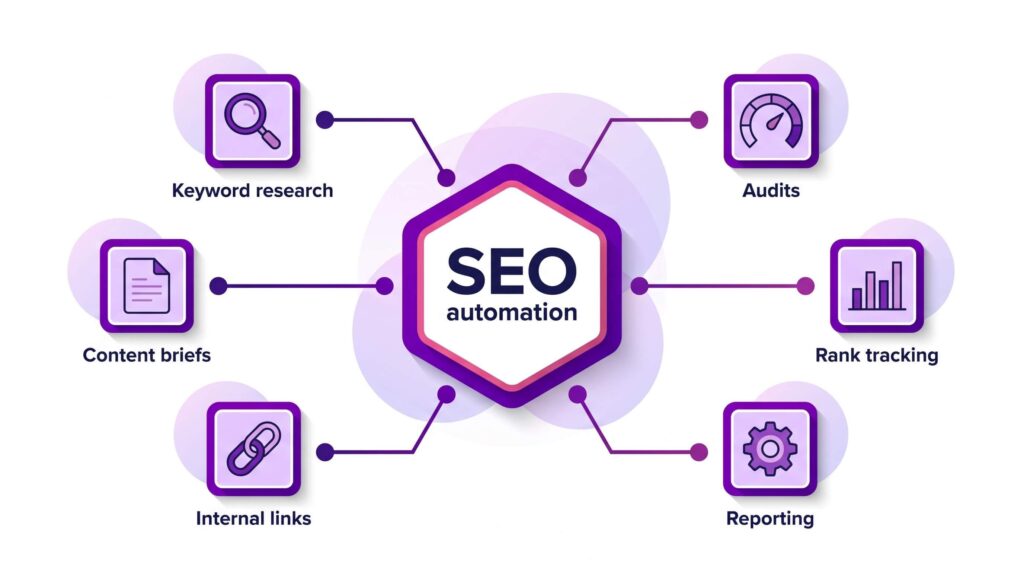
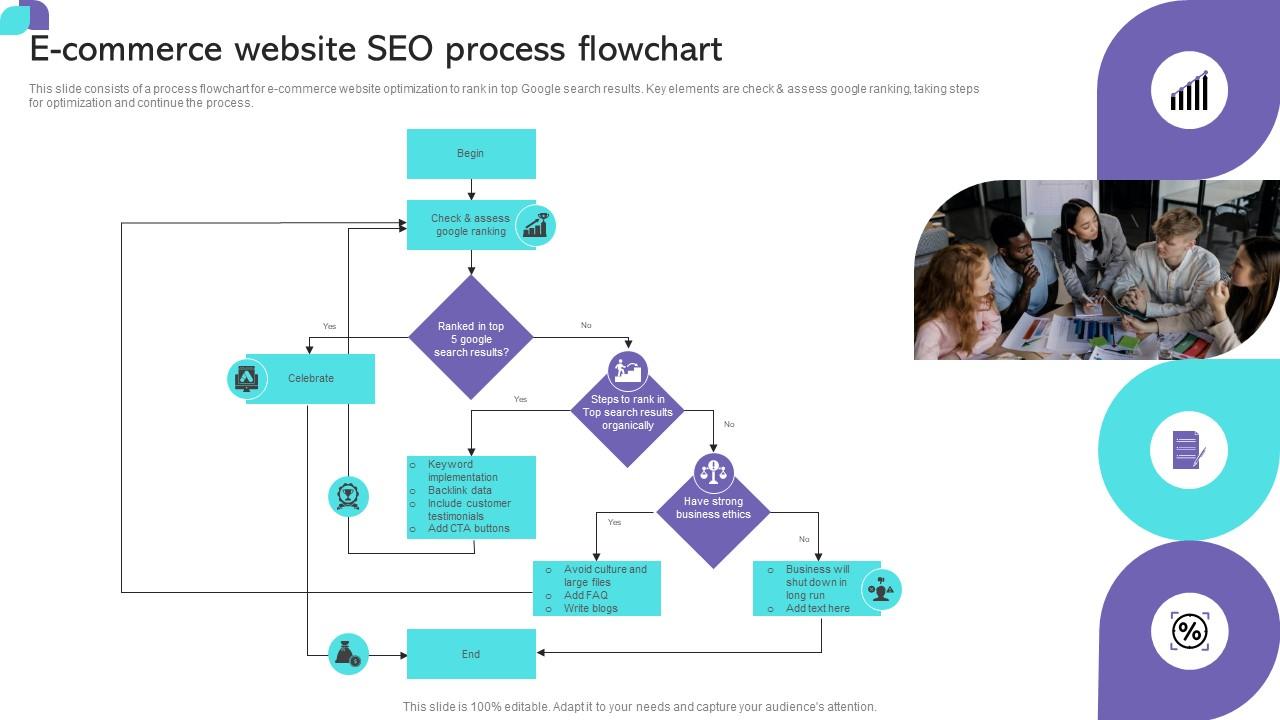
An AI SEO workflow replaces manual, repetitive tasks with machine learning models, natural language processing, and predictive analytics. Instead of spending hours on keyword research, writing meta tags, or auditing thousands of product pages, store owners and marketers can delegate these responsibilities to specialized AI tools. The workflow connects research, content production, optimization, monitoring, and iteration into a single streamlined system.
For ecommerce specifically, the workflow must handle large-scale product catalogs, seasonal trends, user intent variation, and structured data requirements. A well-designed AI SEO workflow for ecommerce treats the entire product discovery journey as a data pipeline, from initial search query to checkout.
Why Ecommerce Demands a Specialized AI SEO Approach
Conventional SEO methods simply break down when managing thousands of SKUs, multiple categories, and fast-changing inventory. AI bridges the gap by analyzing real-time search data, buyer behavior, and competitive landscapes at speeds humans cannot match. Ecommerce SEO also relies heavily on technical elements like canonical tags, internal linking, and product schema, which AI can monitor and correct automatically.
Search engines increasingly reward experience signals and content depth. An AI-powered workflow helps deliver exactly what Google’s algorithms look for: relevance, authority, and a frictionless user journey. Without AI, most ecommerce teams cannot maintain consistent optimization across their entire catalog.
Core Components of an AI SEO Workflow for Ecommerce
1. AI-Driven Keyword and Topic Discovery
Traditional keyword research tools give you lists; AI platforms surface clusters, intent patterns, and emerging trends. Tools like Semrush with AI integration or dedicated solutions like Keyword Insights group long-tail queries by buyer stage. The workflow must distinguish between informational, commercial, and transactional intent because ecommerce content maps directly to the sales funnel.
AI analyzes competitor product pages, forum discussions, and search suggest data to reveal untapped long-tail variations. For example, instead of just “running shoes,” the AI identifies “best stability running shoes for flat feet overpronation” as a high-conversion query. These granular terms are then automatically assigned to relevant product pages, blog posts, or category descriptions.
2. AI Content Generation and Optimization
Modern AI writing assistants go far beyond spinning generic text. They understand brand voice, product specifications, and SEO best practices. When plugged into an AI SEO workflow for ecommerce, these tools generate unique product descriptions, category introductions, and buying guides at scale. The workflow ensures every piece of content includes target keywords naturally, meets readability standards, and follows on-page structure rules.
Advanced workflows use AI to rewrite manufacturer descriptions, create meta titles and descriptions optimized for click-through rate, and even generate FAQ sections that answer voice search queries. The key is that every output goes through a human review layer before publishing—AI provides the first draft, while human judgment adds experience and brand nuance.
3. Automated Technical SEO Audits and Fixes
Crawling a 50,000-page ecommerce site manually is impossible. AI audit tools continuously monitor indexability, broken links, duplicate content, page speed, and Core Web Vitals. They prioritize issues based on revenue impact and often suggest specific fixes. Some platforms integrate directly with ecommerce systems like Shopify or Magento to apply certain corrections automatically, such as updating canonical URLs or generating redirects for out-of-stock products.
4. AI-Powered Internal Linking and Site Architecture
Internal linking profoundly affects crawl budget and user navigation. AI analyzes product relationships, user behavior data, and semantic similarity to build intelligent linking structures. For instance, the workflow might automatically link complementary products within descriptions or suggest “frequently bought together” links that also pass SEO value. It strengthens pillar pages and distributes authority efficiently across the catalog without requiring manual interlinking on every single page.
5. AI-Enhanced Analytics and Performance Forecasting
Predictive analytics tools use historical sales data, search trends, and seasonality to forecast which pages will drive the most organic traffic in the coming months. This allows teams to prioritize optimization resources. AI dashboards flag pages that are slipping in rankings and identify the root cause—whether it’s content decay, a technical problem, or a competitor move. This proactive monitoring closes the loop in the SEO workflow.
Step-by-Step: Building Your AI SEO Workflow for Ecommerce
Phase 1: Audit and Inventory
Begin by running a full site crawl and inventory of all URLs, current rankings, and content. Use an AI audit tool to detect thin product pages, missing meta data, duplicate content blocks, and pages with low click-through rates. Create a master spreadsheet segmented by priority: quick wins, important product pages, and blog content opportunities.
Phase 2: Keyword and Intent Mapping with AI
Feed your product catalog into an AI keyword clustering tool. The tool will group thousands of relevant queries by search intent and map them to specific landing pages. This map becomes the backbone of your entire content strategy. Make sure to separate transactional keywords (product pages) from commercial investigation queries (category pages, comparison guides) and informational searches (blog articles, buyer’s guides).
Phase 3: AI Content Production Pipeline
Design a content pipeline where AI generates first drafts for product descriptions, category text, and supporting blog posts. Use prompts that include target keywords, product features, and unique selling points. After generation, a human editor refines the language, adds real reviews or testimonials, and ensures the content aligns with brand style. Integrate an optimization tool that scores the content against top-ranking competitors and suggests improvements before publishing.
Phase 4: On-Page and Technical Implementation
Apply AI-generated meta tags and schema markup across priority pages. For ecommerce, product schema is essential for rich results. AI tools can batch-create JSON-LD structured data using product data feeds, which dramatically reduces manual coding errors. Set up automated rules for handling out-of-stock items, seasonal product pages, and faceted navigation URLs to prevent index bloat.
Phase 5: Internal Linking Automation
Deploy an internal linking solution that uses AI to identify and suggest contextual links across your site. These tools scan existing content and automatically insert links to relevant product and category pages. They also highlight orphan pages—those with no internal links—so you can integrate them properly. This step alone can recover significant organic traffic.
Phase 6: Continuous Monitoring and Iteration
Connect your analytics platform to an AI reporting suite that uses anomaly detection. When a product page suddenly loses rankings, the system immediately alerts you and suggests possible causes. Schedule weekly content refresh cycles where AI identifies outdated product pages, declining content, or new competitor content that requires a response. The workflow never sleeps; it constantly learns from user signals.
Real-World Benefits of AI SEO Workflow for Ecommerce
- Massive time savings: Automate keyword research, content generation, and technical audits across thousands of pages simultaneously.
- Scalability: Launch new collections or seasonal campaigns with full SEO support in days, not months.
- Improved consistency: Every product page follows the same optimization standards, eliminating gaps that hurt rankings.
- Higher conversion rates: AI-driven content aligns better with user intent, leading to more qualified organic traffic.
- Data-informed decisions: Predictive analytics forecast revenue impact of SEO efforts, helping you allocate budget wisely.
- Faster response to algorithm changes: AI monitoring detects ranking fluctuations early and suggests rapid adjustments.
- Publishing unedited AI content: Raw AI text often lacks E-E-A-T signals that Google values. Always refine with expert insights.
- Ignoring mobile optimization: Ecommerce traffic is predominantly mobile, and AI tools must be instructed to prioritize mobile-first design and speed.
- Neglecting product page uniqueness: Relying on the same AI template for every product without variation creates thin content patterns that get penalized.
- Skipping entity and knowledge graph optimization: AI workflows must include ways to reinforce brand and product entity signals across the web.
- Forgetting user-generated content: Reviews and Q&A sections are SEO gold; AI can help moderate and highlight this content but shouldn’t replace it.
- Not testing different AI tools: No single tool does everything perfectly; a modular workflow that swaps best-in-class solutions works better than an all-in-one dependency.
- Keep your product feed data clean and enriched because AI tools that rely on this data will produce better results when the input is accurate.
- Monitor search engine guidelines regarding AI-generated content; as policies evolve, adjust your workflow to remain transparent and compliant.
- Test different AI models for different tasks. A fine-tuned model may perform better for product descriptions, while a general large language model works well for blog ideas.
- Never forget the human layer. AI handles the heavy lifting, but strategic direction, brand voice, and empathy require a human touch.
Limitations and Challenges to Watch For
AI is powerful, but it can hallucinate facts or produce generic copy if not properly guided. Every AI-generated piece needs human verification, particularly for product specifications that must be accurate. Over-reliance on automation can also strip away brand personality, so establishing strict editorial guidelines is essential.
Technical integration can be complex, especially when connecting AI tools with legacy ecommerce platforms. Data privacy and security must be considered when feeding product and customer data to third-party AI services. Finally, AI models are only as good as the data they are trained on; if your niche is extremely specialized, custom training or highly detailed prompts may be required.
Common Mistakes in AI SEO Ecommerce Workflows
Comparison of Popular AI Tools for Ecommerce SEO Workflows
| Tool | Primary Function | Best For | Integration Complexity |
|---|---|---|---|
| Surfer SEO | Content optimization and SERP analysis | Optimizing product and category pages | Low |
| Frase | AI content briefs and generation | Creating detailed buying guides | Medium |
| Jasper | Marketing copy generation | Product descriptions at scale | Low |
| MarketMuse | Content planning and inventory | Topic clusters and keyword mapping | Medium |
| Semrush with AI | All-in-one SEO platform | Site audits, keyword research, rank tracking | Medium |
| Screaming Frog with AI integrations | Technical crawls | Large catalog technical audits | High |
| Schema App | Structured data automation | Ecommerce product schema at scale | Medium |
Practical Tips when Implementing Your AI SEO Workflow
Start small. Choose one product category and build a complete AI-assisted optimization cycle. Measure the organic traffic and conversion lift before rolling out site-wide. Develop clear SOPs for human-AI collaboration—editors must understand how to prompt, review, and enhance AI outputs.
Regularly feed performance data back into your tools. Many AI platforms learn from results; for example, meta descriptions with higher click-through rates can inform future generations. Keep a tight feedback loop between your analytics, the AI tools, and your content team.
Protecting E-E-A-T in an AI-Enhanced Workflow
Google’s emphasis on experience, expertise, authoritativeness, and trustworthiness demands that ecommerce sites demonstrate real-world authority. AI helps scale content, but you must still showcase genuine product expertise. Include hands-on reviews, video demonstrations, and author bios with industry credentials. Use AI to surface relevant statistics and customer testimonials that reinforce trust, but never fabricate reviews or credentials.
Important Notes for Long-Term Success
Frequently Asked Questions
What exactly is an AI SEO workflow for ecommerce?
It is a structured sequence of tasks where artificial intelligence handles repetitive and data-heavy SEO activities—such as keyword clustering, content generation, technical audits, and internal linking—specifically tailored for online stores. The workflow unifies these steps into a continuous improvement loop that saves time and scales organic growth.
Can AI completely replace human SEO experts in ecommerce?
No. AI accelerates execution, but strategic decisions, brand storytelling, conversion optimization, and high-level creative direction still demand human insight. The most successful teams use AI as a co-pilot, not a replacement.
How does an AI SEO workflow handle seasonal product pages?
AI monitors trend data and can automatically suggest optimization timelines for seasonal pages. It generates unique content and meta tags before the season peaks, and later updates or archives pages based on business rules. This prevents manual scrambling during high-demand periods.
What’s the biggest risk of using AI for product descriptions?
The primary risk is generating inaccurate or duplicate content that violates search engine guidelines. Fact-checking and adding unique value—such as real customer quotes or detailed sizing guidance—are crucial to avoid penalties and maintain trust.
Do I need coding skills to set up an AI SEO workflow?
Not necessarily. Many modern tools offer no-code integrations with Shopify, WooCommerce, and BigCommerce. More advanced customizations, like bespoke schema generation or internal linking scripts, may require developer assistance, but the core workflow can be built without deep technical knowledge.
How quickly can I see results from an AI SEO workflow?
Initial improvements in technical health and on-page optimization can show results in weeks, especially if you fix critical issues. Meaningful organic traffic increases from AI-optimized content typically take three to six months, depending on competition and domain authority. The workflow’s compounding effect grows stronger over time.
Conclusion
Mastering an AI SEO workflow for ecommerce is no longer optional—it is the standard that separates market leaders from everyone else. By weaving AI into keyword strategy, content creation, technical SEO, and performance monitoring, stores can achieve sustainable organic growth even with massive product catalogs. The technology handles scale and complexity, while human oversight ensures the brand remains authentic, trustworthy, and exactly what shoppers want to find. Start building your workflow today, one product line at a time, and transform how your store earns organic visibility.
Xem thêm:
- AI SEO GEO Tools: The Complete Guide to Generative Engine Optimization in 2025
- AI SEO Content Performance: The Complete Guide to Measuring and Maximizing Results
- AI SEO Broken Link Opportunities: The Complete Guide to Automated Link Recovery
- AI White Hat SEO: Mastering Ethical Search Optimization in the Age of Artificial Intelligence
- AI SEO Ranking Factors: The Complete Guide to Ranking in the Age of Machine Learning
Bài viết cùng chủ đề:

AI SEO SEO Automation with Make: The Complete Workflow Guide

AI SEO SEO Automation with Zapier: The Complete Workflow Guide

AI SEO SEO Automation with n8n: The Complete Workflow Guide
AI SEO SEO Automation with Gemini: The Complete Guide to Scaling Organic Growth

AI SEO SEO Automation with Claude: The Complete Guide to Scaling Content in 2025

AI SEO SEO Automation with ChatGPT: The Complete Playbook for 2025

AI SEO & SEO Automation for Affiliate Sites: The 2025 Playbook for Passive Income Growth
AI SEO & SEO Automation for Bloggers: The Complete Guide to Scaling Your Content

AI SEO & SEO Automation for Agencies: The Complete 2025 Playbook

AI SEO and SEO Automation for Ecommerce: The Complete Playbook for 2025

AI SEO & SEO Automation for WordPress: The Complete Playbook for 2025
AI SEO SEO Automation Strategy: The Complete Playbook for 2025

Mastering the AI SEO SEO Automation Process: A Complete Guide to Scaling Organic Growth
AI SEO SEO Automation System: The Complete Guide to Scaling Organic Growth in 2025
AI SEO SEO Automation Platform: The Complete Guide to Scaling Organic Growth in 2025
AI SEO SEO Automation Software: The Complete Guide to Scaling Organic Growth in 2025