
No products in the cart.
AI SEO Rich Result Optimization: The Complete Guide to Winning SERP Features in 2025

10
Aug
Aug
AI SEO Rich Result Optimization has become the defining factor between websites that capture premium search visibility and those that fade into page two obscurity. As artificial intelligence reshapes how Google interprets content and generates search results, understanding how to optimize for rich results—the enhanced visual elements like FAQs, reviews, and product carousels—is no longer optional. This comprehensive guide explores the intersection of AI-driven search algorithms and structured data, providing a practical roadmap for securing those coveted SERP features that drive exponential click-through rates.
Understanding AI SEO Rich Result Optimization
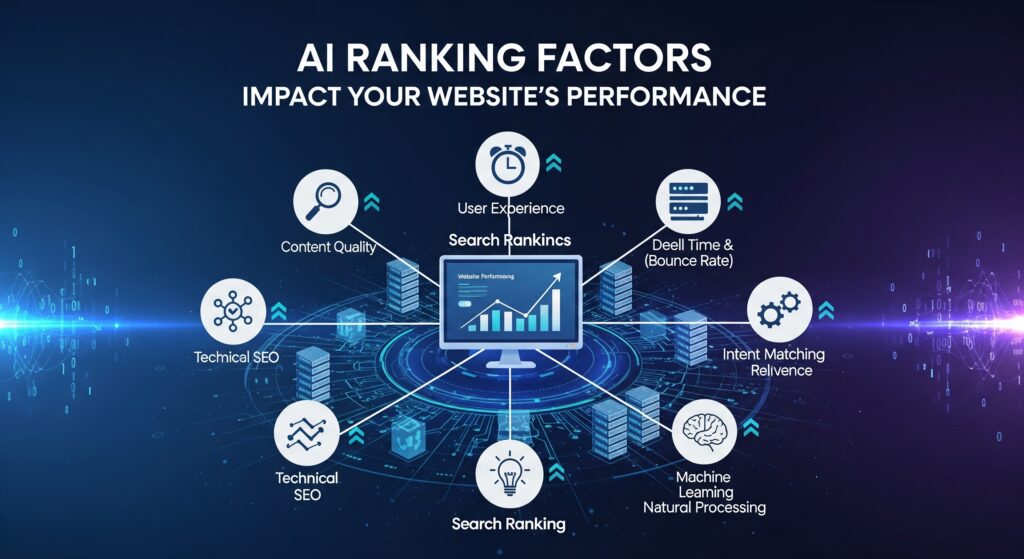
AI SEO Rich Result Optimization refers to the strategic process of preparing website content and technical markup so that artificial intelligence systems within search engines can accurately parse, understand, and display enhanced information directly on the search engine results page. Unlike traditional SEO that focuses purely on rankings, this discipline targets the visual and interactive elements that make a listing stand out.
The core of this optimization lies in structured data, specifically Schema.org vocabulary. When search engine crawlers encounter this semantic markup, they gain a deeper understanding of the content’s context, relationships, and relevance. AI algorithms then use this structured understanding to determine whether a page qualifies for rich results such as star ratings, recipe cards, event listings, or job postings.
The Evolution of Search: From Keywords to Context
Early search engines relied on keyword matching and backlink counts. Modern AI-driven systems, including Google’s RankBrain and the more recent MUM (Multitask Unified Model), process queries with human-like comprehension. These systems analyze user intent, contextual relationships, and content quality simultaneously. Rich results emerged as a way to provide immediate answers without requiring users to click through to a website.
This shift means that AI SEO Rich Result Optimization must address two audiences simultaneously: the human reader seeking valuable content and the AI system evaluating that content for SERP feature eligibility. Content that satisfies both creates a powerful synergy, often achieving higher engagement metrics that further reinforce its authority signals.
Why Rich Results Matter for Modern SEO Strategy
The impact of rich results on search performance cannot be overstated. Studies consistently show that rich results can increase click-through rates by 20-40% compared to standard blue links. This improvement occurs because rich results occupy more visual space, provide immediate value through preview information, and establish credibility through visual trust signals like star ratings or author photos.
Beyond click-through rates, rich results influence brand perception. A website appearing with a prominent FAQ section or a detailed product review carousel signals authority and reliability to potential customers. This psychological advantage often translates into higher conversion rates, as users arrive at the page with pre-established trust.
The Role of AI in Determining Rich Result Eligibility
Google’s AI systems evaluate multiple factors when deciding whether to display a rich result. These include the accuracy of structured data implementation, the relevance of the content to the search query, the historical performance of the domain, and the overall user experience signals. The AI continuously learns from user interactions, adjusting which rich results appear for specific queries based on engagement patterns.
This dynamic evaluation means that AI SEO Rich Result Optimization is not a one-time implementation but an ongoing process of refinement. Websites must monitor their performance in Google Search Console, analyze which rich results are being displayed, and adapt their strategies based on real-time data.
Types of Rich Results and Their AI-Driven Requirements
Understanding the landscape of available rich results is essential for prioritizing optimization efforts. Each type has specific structured data requirements and eligibility criteria that AI systems evaluate.
FAQ Rich Results
FAQ rich results display question-and-answer pairs directly in the search results. Google’s AI extracts these from FAQPage schema markup. The AI evaluates whether the questions are genuinely useful, whether the answers are comprehensive, and whether the content matches the search intent. Pages with thin or repetitive FAQ content often lose this rich result eligibility.
Review Snippets and Star Ratings
Review snippets showcase aggregate ratings with star icons. The AI system verifies that reviews are authentic, that the rating calculations are accurate, and that the schema markup aligns with visible page content. Google has become increasingly strict about self-serving reviews, requiring third-party validation for certain categories.
Product Rich Results
E-commerce sites benefit from product rich results that display price, availability, and review information. The AI cross-references structured data with actual page content and merchant center data to ensure consistency. Price discrepancies between markup and visible content can trigger manual penalties.
Recipe Rich Results
Recipe cards display images, cooking times, and ratings. Google’s AI evaluates the completeness of recipe information, the quality of step-by-step instructions, and the presence of high-resolution images. Recipes with missing nutritional information or vague instructions rarely qualify.
Event Rich Results
Event listings show dates, locations, and ticket availability. The AI system checks for consistency between the structured data and the actual event details, verifying that the event has not passed and that the location information is accurate.
Article and News Rich Results
News articles and blog posts can qualify for enhanced display with author information, publication dates, and headline styling. Google’s AI prioritizes authoritative sources with clear authorship signals and factual reporting.
Technical Implementation of AI SEO Rich Result Optimization
Successful implementation requires a systematic approach to structured data. The process begins with selecting the appropriate schema types, followed by precise implementation and rigorous testing.
Choosing the Right Schema Markup
The first step involves identifying which schema types align with your content and business goals. A comprehensive content audit helps determine whether FAQPage, Product, Review, Event, or a combination of schemas is appropriate. Over-markup, or using irrelevant schema types, can confuse AI systems and lead to rich result disqualification.
Implementation Methods: JSON-LD vs. Microdata
Google explicitly recommends JSON-LD (JavaScript Object Notation for Linked Data) as the preferred implementation method. This format keeps structured data separate from visible HTML, making it easier for AI crawlers to parse and reducing the risk of markup errors. Microdata and RDFa remain valid but are increasingly viewed as legacy approaches.
JSON-LD implementation involves embedding a script block in the page head or body. The script contains the schema properties in a structured format that AI systems can quickly interpret. This approach also simplifies maintenance, as changes can be made without altering the visible content structure.
Testing and Validation Protocols
Before deploying structured data, use Google’s Rich Results Test tool to validate the implementation. This tool simulates how Google’s AI interprets the markup and identifies any errors or warnings. The Schema Markup Validator provides additional verification against the official schema.org specification.
Regular testing is critical because schema requirements evolve. Google periodically updates its rich result guidelines, and AI systems become more sophisticated in detecting manipulative markup. Continuous monitoring ensures that your implementation remains compliant and effective.
AI-Powered Content Strategies for Rich Result Success
Technical implementation alone cannot guarantee rich result eligibility. The content itself must meet the quality standards that AI systems evaluate. This requires a content strategy that aligns with both user needs and algorithmic requirements.
Creating FAQ Content That AI Systems Trust
FAQ sections should address genuine user questions with direct, comprehensive answers. Each question should be phrased naturally, as a user would type it into a search engine. The answers should provide complete information without requiring users to visit external sources. AI systems evaluate answer length, relevance, and uniqueness when determining whether to display FAQ rich results.
Developing Review Content with Authenticity Signals
Reviews must demonstrate authenticity through specific details, balanced perspectives, and verifiable user experiences. AI systems analyze review patterns for signs of manipulation, including sudden spikes in ratings, repetitive language, or suspicious reviewer profiles. Encouraging organic reviews through excellent customer service remains the most effective strategy.
Structuring Product Information for AI Comprehension
Product pages should present information in a logical hierarchy that mirrors the structured data properties. Price, availability, and condition should be clearly visible in the page content, not just in the markup. AI systems cross-reference these elements, and any discrepancy can result in rich result removal.
Common Mistakes in AI SEO Rich Result Optimization
Many websites inadvertently sabotage their rich result opportunities through common implementation errors. Recognizing these pitfalls is essential for maintaining eligibility.
Keyword Stuffing in Structured Data
Some practitioners attempt to manipulate AI systems by including excessive keywords in schema properties. This practice violates Google’s guidelines and triggers algorithmic penalties. Structured data should describe the content accurately, not attempt to game the system.
Markup Without Visible Content
Adding schema markup for content that does not appear on the page is a direct violation of Google’s policies. The AI system detects these discrepancies and may issue a manual action against the entire site, not just the affected page.
Ignoring Mobile Optimization
Rich results are prominently displayed on mobile devices, where screen space is limited. AI systems prioritize mobile-friendly pages for rich result display. Sites with poor mobile performance, slow loading times, or intrusive interstitials often lose eligibility.
Neglecting Regular Schema Audits
Websites change over time, and structured data can become outdated or broken. Regular audits using Google Search Console’s enhancements report help identify issues before they impact rich result performance.
Measuring the Impact of Rich Result Optimization

Tracking the effectiveness of AI SEO Rich Result Optimization requires a comprehensive analytics approach. Google Search Console provides specific reports for each rich result type, showing impressions, clicks, and position for pages that qualify.
| Metric | Measurement Method | Optimization Target |
|---|---|---|
| Rich Result Impressions | Search Console Enhancements Report | Increase by expanding eligible content |
| Click-Through Rate | Search Performance Report | Improve through compelling title and description |
| Rich Result Disqualifications | Search Console Error Reports | Reduce to zero through proper implementation |
| Conversion Rate from Rich Results | Google Analytics Integration | Optimize landing page experience |
Beyond these quantitative metrics, qualitative analysis of search queries that trigger rich results provides insights into user intent. This information guides content development and helps identify new opportunities for rich result eligibility.
Advanced AI SEO Rich Result Optimization Techniques
As AI systems evolve, advanced techniques emerge for staying ahead of the competition. These strategies require deeper technical knowledge and a willingness to experiment.
Leveraging Machine Learning for Schema Selection
Analyzing which schema types perform best for your content categories using machine learning tools can reveal patterns that manual analysis might miss. These insights help prioritize optimization efforts for maximum impact.
Implementing Multi-Schema Strategies
Combining multiple schema types on a single page, such as Product and Review or Article and FAQ, can create comprehensive rich result displays. The AI system evaluates how these schemas interact and may display multiple rich result elements for a single query.
Using Natural Language Processing for Content Optimization
NLP tools analyze how AI systems interpret your content, identifying gaps between your intended meaning and algorithmic understanding. This analysis helps refine content to align with AI comprehension patterns.
Future Trends in AI SEO Rich Result Optimization
The landscape of rich results continues to evolve as AI technology advances. Google’s integration of generative AI into search results, through features like Search Generative Experience (SGE), is reshaping how rich results are displayed and evaluated.
AI-generated overviews may reduce the visibility of traditional rich results for some queries while creating new opportunities for others. Websites that maintain high-quality structured data and authoritative content will be best positioned to appear in these AI-generated responses.
Voice search optimization is becoming increasingly intertwined with rich result strategy. AI assistants like Google Assistant and Siri rely on structured data to provide spoken answers. Optimizing for voice queries requires a focus on conversational content and direct answer formats.
Important Notes for Sustainable Rich Result Success
AI SEO Rich Result Optimization requires a long-term perspective. Google’s algorithms are constantly evolving, and what works today may not work tomorrow. Maintaining flexibility and staying informed about algorithm updates is essential.
Quality should always take precedence over technical optimization. Rich results are a reward for providing exceptional user experiences, not a shortcut to visibility. Websites that focus on creating genuinely valuable content will naturally qualify for rich results as AI systems recognize their authority.
Compliance with Google’s Webmaster Guidelines is non-negotiable. Attempting to deceive AI systems through manipulative markup or fake reviews carries severe penalties that can destroy years of SEO progress.
Frequently Asked Questions
What is the difference between rich results and rich snippets?
Rich results is the broader term encompassing all enhanced search result formats, including carousels, image enhancements, and interactive elements. Rich snippets specifically refer to the visual enhancements applied to standard search listings, such as star ratings, review counts, and author photos. All rich snippets are rich results, but not all rich results are rich snippets.
How long does it take for rich results to appear after implementing schema?
Google typically processes new structured data within a few days to a few weeks. The AI system must crawl the page, parse the markup, and evaluate eligibility. Pages with high authority and consistent historical performance often see faster rich result approval. Monitoring Google Search Console provides the most accurate timeline for your specific situation.
Can AI SEO Rich Result Optimization work for local businesses?
Local businesses benefit significantly from rich result optimization. LocalBusiness schema, combined with Review, FAQ, and Event markup, can generate enhanced displays in local search results. Google’s AI prioritizes local businesses with complete, accurate structured data and positive review signals.
What happens if Google removes my rich results?
Rich result removal typically indicates a violation of Google’s guidelines or a technical error in implementation. The first step is reviewing Google Search Console for specific error messages. Correcting the identified issues and resubmitting for review often restores eligibility. Persistent violations can lead to manual actions that require formal reconsideration requests.
Is AI SEO Rich Result Optimization different from traditional SEO?
Traditional SEO focuses on ranking factors like keywords, backlinks, and content relevance. AI SEO Rich Result Optimization specifically targets the enhanced display features that appear within search results. While related, these disciplines require different technical skills and content strategies. Comprehensive SEO strategies integrate both approaches for maximum visibility.
Conclusion
AI SEO Rich Result Optimization represents the convergence of technical precision and content excellence in modern search marketing. As artificial intelligence continues to reshape how search engines evaluate and display information, the importance of structured data and rich result eligibility will only grow. Websites that invest in proper schema implementation, create content that satisfies both users and AI systems, and maintain compliance with evolving guidelines will capture significant competitive advantages.
The journey toward rich result success requires patience, continuous learning, and a commitment to quality. By following the strategies outlined in this guide, monitoring performance metrics, and adapting to algorithmic changes, you can position your website for enhanced visibility, higher click-through rates, and sustainable organic growth. The future of search belongs to those who understand how to communicate effectively with both human audiences and the AI systems that connect them with valuable content.
Xem thêm:
- AI SEO Semantic Keywords: The Complete Guide to Smarter Content Optimization
- AI SEO Entity Recognition: The Complete Guide to Mastering Semantic Search
- AI SEO Heading Generator: The Complete Guide to Higher Rankings in 2025
- AI Topic Clusters: The Smarter Way to Build Authority and Rank Higher With Semantic SEO
- How to Write SEO Content with AI: The Ultimate Guide to Ranking Smarter
Bài viết cùng chủ đề:

AI SEO SEO Automation with Make: The Complete Workflow Guide

AI SEO SEO Automation with Zapier: The Complete Workflow Guide

AI SEO SEO Automation with n8n: The Complete Workflow Guide
AI SEO SEO Automation with Gemini: The Complete Guide to Scaling Organic Growth

AI SEO SEO Automation with Claude: The Complete Guide to Scaling Content in 2025

AI SEO SEO Automation with ChatGPT: The Complete Playbook for 2025

AI SEO & SEO Automation for Affiliate Sites: The 2025 Playbook for Passive Income Growth
AI SEO & SEO Automation for Bloggers: The Complete Guide to Scaling Your Content

AI SEO & SEO Automation for Agencies: The Complete 2025 Playbook

AI SEO and SEO Automation for Ecommerce: The Complete Playbook for 2025

AI SEO & SEO Automation for WordPress: The Complete Playbook for 2025
AI SEO SEO Automation Strategy: The Complete Playbook for 2025

Mastering the AI SEO SEO Automation Process: A Complete Guide to Scaling Organic Growth
AI SEO SEO Automation System: The Complete Guide to Scaling Organic Growth in 2025
AI SEO SEO Automation Platform: The Complete Guide to Scaling Organic Growth in 2025
AI SEO SEO Automation Software: The Complete Guide to Scaling Organic Growth in 2025















