
No products in the cart.
AI SEO Semantic Keywords: The Complete Guide to Smarter Content Optimization
10
Aug
Aug
Search engine optimization has evolved far beyond simple keyword matching. The rise of natural language processing and machine learning algorithms means that search engines now understand context, intent, and relationships between concepts. This is where AI SEO semantic keywords come into play. These are not just individual terms but clusters of related concepts that help search engines grasp the full meaning of your content. By leveraging artificial intelligence to identify and implement semantic keywords, you can significantly improve your content’s relevance, authority, and search visibility. This guide explores everything you need to know about using AI to master semantic search optimization.
What Are AI SEO Semantic Keywords?
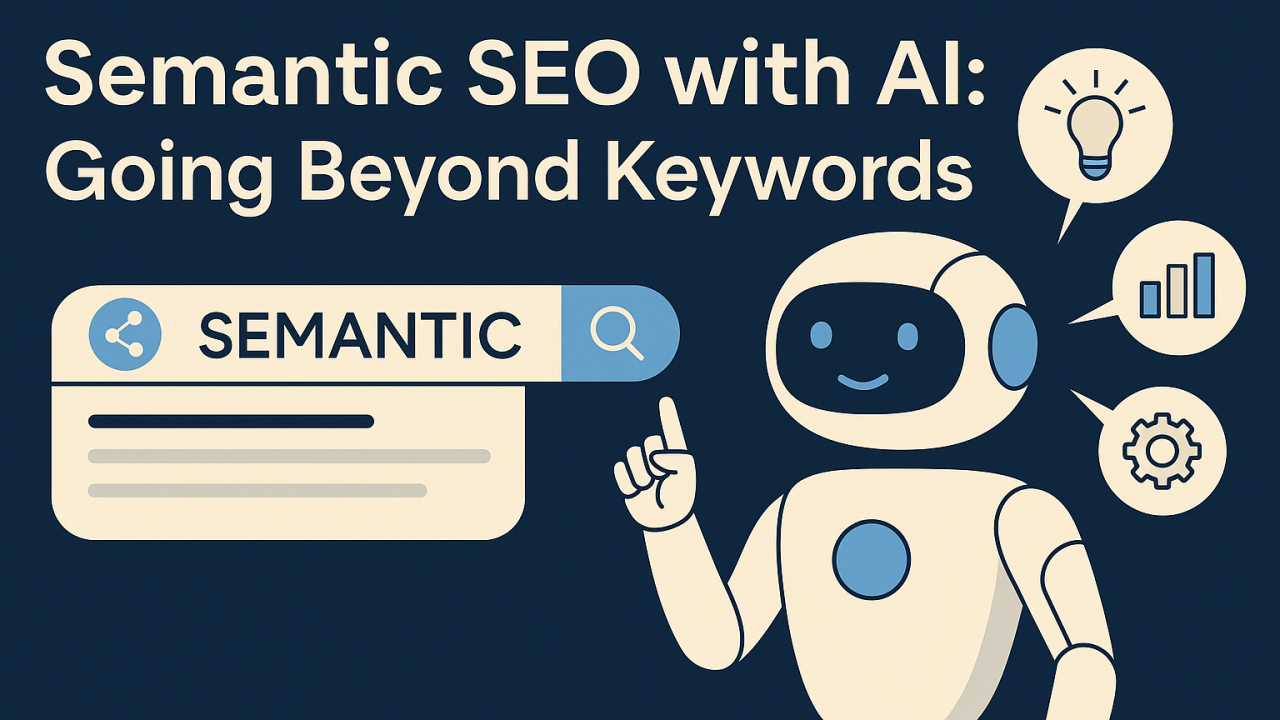
AI SEO semantic keywords refer to the process of using artificial intelligence tools to identify, analyze, and implement semantically related terms and phrases within your content. Unlike traditional keywords that focus on exact-match phrases, semantic keywords encompass synonyms, related concepts, entity relationships, and contextual variations that help search engines understand the depth and breadth of your topic.
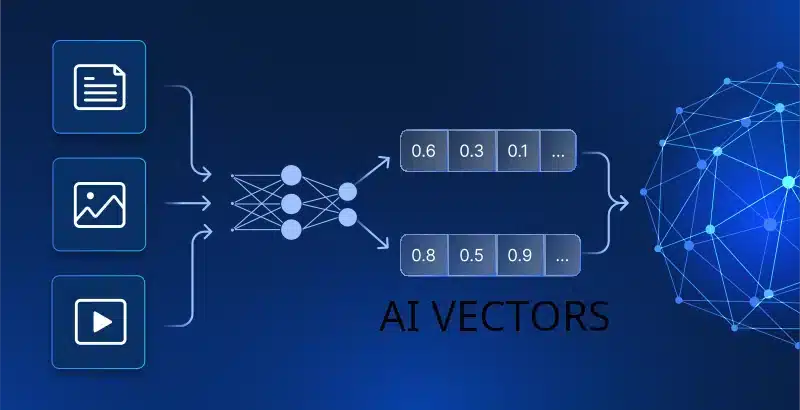
When you write about “apple,” the semantic universe includes fruit varieties, nutritional information, recipes, orchard farming, and even the technology company depending on context. AI algorithms analyze billions of web pages and user interactions to map these relationships. Tools like natural language processing models can now predict which related terms are most likely to appear in high-ranking content for a given topic, making your optimization efforts more precise and data-driven.
The Shift from Keywords to Entities
Search engines like Google have moved from string matching to entity-based understanding. An entity is a distinct concept, person, place, or thing with a unique identity. Semantic keywords help search engines connect your content to the correct entities. For instance, if you write about “jaguar speed,” AI tools can determine whether you mean the animal or the car brand based on surrounding semantic clues. This entity recognition is crucial for ranking in modern search results.
How AI Identifies Semantic Keywords
Artificial intelligence systems use several sophisticated methods to discover semantic keywords that humans might overlook. Understanding these mechanisms helps you appreciate the power of AI-driven SEO strategies.
Natural Language Processing (NLP)
NLP algorithms break down text into grammatical components, identifying nouns, verbs, adjectives, and their relationships. This allows AI to understand that “purchase,” “buy,” “acquire,” and “get” all share similar semantic meaning in a commercial context. Tools like Google’s BERT and MUM models use NLP to interpret search queries and content more naturally, rewarding websites that use varied but related vocabulary.
Latent Semantic Indexing (LSI)
While LSI is an older technology, its principles still inform modern semantic analysis. LSI examines the co-occurrence patterns of words across large document collections. If “climate change” frequently appears with “carbon emissions,” “global warming,” and “renewable energy,” the algorithm recognizes these as semantically linked. Modern AI tools have evolved this concept using deep learning to create more dynamic and context-aware keyword clusters.
Knowledge Graphs and Entity Linking
AI systems reference massive knowledge graphs that contain millions of interconnected entities. When analyzing your content, these systems check whether you mention related entities that logically belong together. For a page about “digital marketing,” the knowledge graph might expect references to “SEO,” “content strategy,” “social media,” “analytics,” and “conversion rate optimization.” Including these related entities signals comprehensive coverage to search engines.
Benefits of Using AI for Semantic Keyword Research
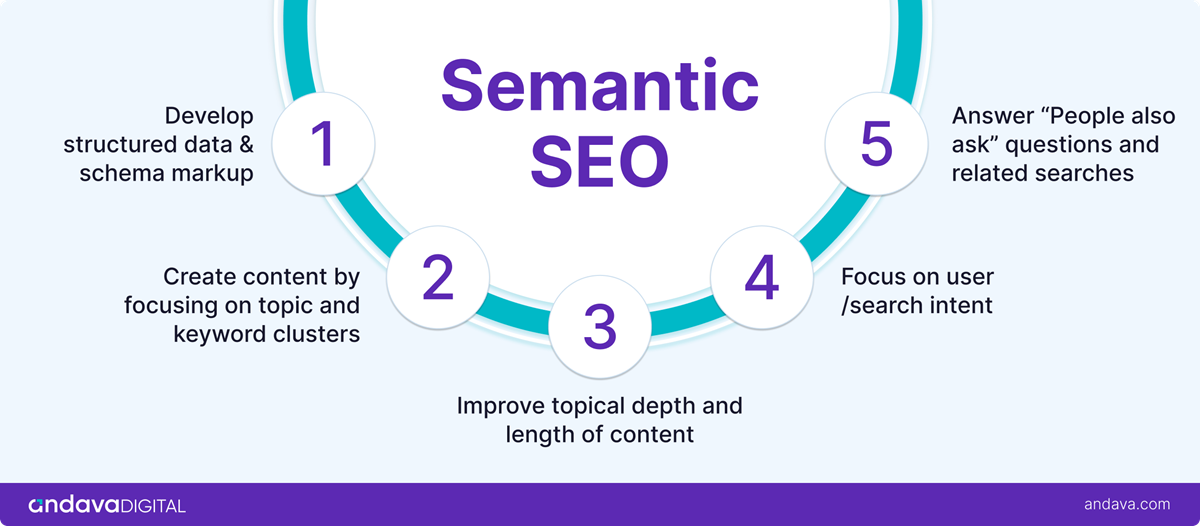
Implementing AI-driven semantic keyword strategies offers numerous advantages over traditional manual research methods. The benefits extend beyond simple rankings to impact overall content quality and user experience.
- Comprehensive Topic Coverage: AI tools analyze thousands of top-ranking pages to identify every subtopic and related concept you need to address, ensuring your content is thorough and authoritative.
- Time Efficiency: What might take days of manual brainstorming and competitor analysis can be accomplished in minutes with AI-powered tools that instantly generate semantic keyword clusters.
- Improved Search Intent Matching: AI algorithms can distinguish between informational, navigational, and transactional intent, helping you tailor your semantic keywords to match what users actually want.
- Reduced Keyword Cannibalization: By understanding the semantic differences between similar terms, you can create distinct content pieces that target different aspects without competing against each other.
- Enhanced Content Relevance: Semantic keywords naturally improve the topical authority of your content, making it more valuable to readers and more likely to earn backlinks and social shares.
- Future-Proof Strategy: As search engines continue to evolve toward more sophisticated AI understanding, content optimized with semantic keywords will remain relevant and competitive.
- Keyword Stuffing with Semantics: Overusing related terms in an attempt to cover every possible variation creates unnatural, low-quality content that fails to engage readers and may trigger spam filters.
- Ignoring User Intent: Semantic keywords are only valuable when they align with what users actually want. Including irrelevant related terms that don’t match search intent confuses both readers and search engines.
- Copying Competitor Keyword Lists: Simply replicating the semantic keywords used by top-ranking pages without adding your unique perspective or addressing gaps leads to generic, undifferentiated content.
- Neglecting Content Quality: Semantic optimization cannot compensate for thin, poorly researched, or unhelpful content. Search engines prioritize comprehensive, valuable information above keyword optimization.
- Forgetting About Entity Consistency: Using contradictory or confusing entity references within your content confuses search engines about your topic’s true focus and authority.
- Failing to Update Content: Semantic relationships evolve over time as language and search patterns change. Content that was well-optimized a year ago may now miss important emerging semantic connections.
Top AI Tools for Semantic Keyword Discovery
Several powerful platforms leverage artificial intelligence to help you find and implement semantic keywords effectively. Each tool offers unique features suited to different needs and budgets.
| Tool Name | Key Features | Best For |
|---|---|---|
| Surfer SEO | Content editor, semantic analysis, competitor comparison, real-time scoring | On-page optimization and content briefs |
| Clearscope | Comprehensive content reports, keyword clustering, readability analysis | Enterprise content teams and agencies |
| MarketMuse | AI-driven content research, topic modeling, content inventory analysis | In-depth topical authority building |
| Frase.io | Content brief generation, SERP analysis, AI writing assistant | Quick content creation workflows |
| NeuronWriter | Semantic analysis, NLP term extraction, content optimization | Cost-effective semantic optimization |
| AlsoAsked | Question-based keyword discovery, visual clustering | FAQ content and featured snippet targeting |
These tools typically integrate with popular content management systems and SEO platforms, allowing you to streamline your workflow from research to publication.
How to Implement AI SEO Semantic Keywords in Your Content
Knowing the theory is one thing, but applying semantic keywords effectively requires a structured approach. Follow this practical guide to integrate AI-driven semantic optimization into your content creation process.
Step 1: Conduct AI-Powered Topic Research
Start by inputting your primary keyword into your chosen AI tool. The system will generate a comprehensive list of related terms, questions, and subtopics based on analysis of current top-ranking content. Review this list carefully and identify which semantic keywords are essential for your specific audience and goals. Prioritize terms that appear frequently across multiple high-authority pages.
Step 2: Create a Semantic Keyword Map
Organize your discovered keywords into logical groups based on subtopics and user intent. For example, if your main topic is “home gardening,” you might create clusters for soil preparation, plant selection, watering techniques, pest control, and seasonal maintenance. This mapping ensures you cover all aspects comprehensively without repeating the same terms excessively.
Step 3: Structure Your Content Around Semantic Themes
Use your semantic keyword map to outline your article structure. Each major section should naturally incorporate a cluster of related terms. This approach creates a logical flow that both readers and search engines can easily follow. Ensure that your primary keyword appears in the title, first paragraph, and at least one heading, while semantic variations are distributed throughout the body text.
Step 4: Write Naturally with Semantic Variations
When writing, focus on creating valuable content for human readers first. Use your semantic keywords as guides rather than strict requirements. Incorporate synonyms, related phrases, and natural language variations that fit the context. Avoid forcing keywords into awkward positions, as this can harm readability and trigger search engine penalties for unnatural language patterns.
Step 5: Optimize Metadata and Structured Data
Extend your semantic keyword strategy to title tags, meta descriptions, and image alt text. Use structured data markup like Schema.org to help search engines understand the entities and relationships in your content. This technical optimization reinforces your semantic signals and improves your chances of earning rich snippets and enhanced search results.
Step 6: Analyze and Refine Based on Performance
After publishing, monitor your content’s performance using analytics tools. Track rankings for your primary and secondary keywords, user engagement metrics, and conversion rates. Use this data to refine your semantic keyword approach for future content. AI tools can also provide ongoing suggestions for content updates and improvements based on changing search patterns.
Common Mistakes to Avoid with Semantic Keywords
Even with powerful AI tools, many content creators make avoidable errors when implementing semantic keyword strategies. Being aware of these pitfalls helps you maintain high-quality optimization.
Measuring the Impact of Semantic Keyword Optimization
To determine whether your AI SEO semantic keyword strategy is working, you need to track the right metrics. While rankings are important, they only tell part of the story. A comprehensive measurement approach includes several key performance indicators.
Organic traffic growth indicates whether your content is attracting more visitors from search results. Monitor not just overall traffic but also the number of keywords your page ranks for, including long-tail and semantic variations. Search visibility tools can show you how many of your target semantic keywords are generating impressions and clicks.
Engagement metrics like time on page, bounce rate, and pages per session reveal whether visitors find your content valuable and relevant. High engagement signals to search engines that your content satisfies user intent, which can boost your rankings for semantic keywords over time.
Conversion metrics ultimately determine the business value of your optimization efforts. Track how many visitors complete desired actions, whether that is making a purchase, signing up for a newsletter, or filling out a contact form. Correlate these conversions with specific semantic keyword clusters to identify which topics drive the most valuable traffic.
Important Notes for Long-Term Success
Semantic keyword optimization is not a one-time task but an ongoing process that requires attention and adaptation. Search engines continuously update their algorithms, and user behavior evolves, meaning your semantic keyword strategy must evolve too.
Focus on building genuine topical authority rather than chasing individual keywords. When your website consistently produces comprehensive, well-researched content that covers topics in depth, search engines begin to recognize you as an authoritative source. This authority extends across your entire semantic universe, benefiting all related content.
Combine AI tools with human expertise. While AI can identify patterns and relationships at scale, human judgment is essential for understanding nuance, cultural context, and the unique needs of your specific audience. Use AI as a powerful assistant, not a replacement for strategic thinking.
Pay attention to voice search and conversational queries. As more users interact with search engines through voice assistants, semantic keywords that match natural speech patterns become increasingly important. Optimize for question-based queries and long-tail conversational phrases.
Frequently Asked Questions
What is the difference between LSI keywords and AI semantic keywords?
LSI keywords are based on older latent semantic indexing technology that analyzes word co-occurrence patterns. AI semantic keywords use more advanced machine learning and natural language processing to understand context, entities, and user intent more deeply. AI-driven approaches are more accurate and dynamic than traditional LSI methods.
How many semantic keywords should I use in an article?
T A general guideline is to naturally incorporate 10-20 semantic variations for a 1500-2000 word article. Focus on relevance and natural integration rather than hitting a specific count.
Can I use AI semantic keywords for local SEO?
Yes, semantic keywords are highly effective for local SEO. AI tools can identify location-specific terms, local landmarks, regional language variations, and community-related entities that help search engines connect your content to local search queries.
Do semantic keywords help with featured snippets?
Absolutely. Featured snippets often pull content that comprehensively answers specific questions. By incorporating semantic keywords that address related questions and subtopics, you increase your chances of being selected for position zero in search results.
How often should I update my semantic keyword research?
Conduct fresh semantic keyword research whenever you create new content and at least quarterly for your existing cornerstone content. Search trends and algorithm updates can shift semantic relationships, so regular updates keep your optimization current.
Conclusion
AI SEO semantic keywords represent the current frontier of search engine optimization. By understanding and implementing these advanced concepts, you position your content to succeed in an increasingly sophisticated search landscape. The shift from simple keyword matching to entity-based, context-aware understanding is not a passing trend but a fundamental change in how search engines operate.
Embracing AI-powered semantic optimization requires a commitment to creating genuinely valuable, comprehensive content that serves user needs. The technology provides the roadmap, but your expertise and creativity determine the destination. Start by integrating AI tools into your research process, map out your semantic keyword clusters, and craft content that demonstrates true topical authority. Monitor your results, refine your approach, and stay informed about emerging developments in AI and search technology.
The websites that thrive in the coming years will be those that master the art of semantic relevance. By applying the strategies outlined in this guide, you equip yourself with the knowledge and tools needed to stay ahead of the competition and build a sustainable, high-performing SEO program that delivers lasting results.
Xem thêm:
- AI SEO Agents: The Future of Automated Search Optimization
- AI SEO for Small Business: The Complete Guide to Smarter Rankings on a Budget
- AI SEO Topical Architecture: The Complete Guide to Building Authority in 2025
- AI SEO SOP: The Definitive Guide to Systemizing Your Search Growth Workflow
- Mastering AI International SEO: Smarter Global Strategies Through Artificial Intelligence
Bài viết cùng chủ đề:

AI SEO SEO Automation with Make: The Complete Workflow Guide

AI SEO SEO Automation with Zapier: The Complete Workflow Guide

AI SEO SEO Automation with n8n: The Complete Workflow Guide
AI SEO SEO Automation with Gemini: The Complete Guide to Scaling Organic Growth

AI SEO SEO Automation with Claude: The Complete Guide to Scaling Content in 2025

AI SEO SEO Automation with ChatGPT: The Complete Playbook for 2025

AI SEO & SEO Automation for Affiliate Sites: The 2025 Playbook for Passive Income Growth
AI SEO & SEO Automation for Bloggers: The Complete Guide to Scaling Your Content

AI SEO & SEO Automation for Agencies: The Complete 2025 Playbook

AI SEO and SEO Automation for Ecommerce: The Complete Playbook for 2025

AI SEO & SEO Automation for WordPress: The Complete Playbook for 2025
AI SEO SEO Automation Strategy: The Complete Playbook for 2025

Mastering the AI SEO SEO Automation Process: A Complete Guide to Scaling Organic Growth
AI SEO SEO Automation System: The Complete Guide to Scaling Organic Growth in 2025
AI SEO SEO Automation Platform: The Complete Guide to Scaling Organic Growth in 2025
AI SEO SEO Automation Software: The Complete Guide to Scaling Organic Growth in 2025















