
No products in the cart.
AI SEO Keyword Categorization: The Complete Guide to Smarter Search Strategy

10
Aug
Aug
AI SEO keyword categorization is transforming how digital marketers structure their content strategies. Instead of manually sorting hundreds of keywords into spreadsheets, artificial intelligence now analyzes search intent, semantic relationships, and user behavior patterns to group keywords into meaningful clusters. This approach saves countless hours and reveals insights that human analysis often misses. For businesses aiming to dominate search rankings, understanding AI-driven keyword categorization is no longer optional—it is essential for staying competitive in an increasingly complex search landscape.
What Is AI SEO Keyword Categorization?
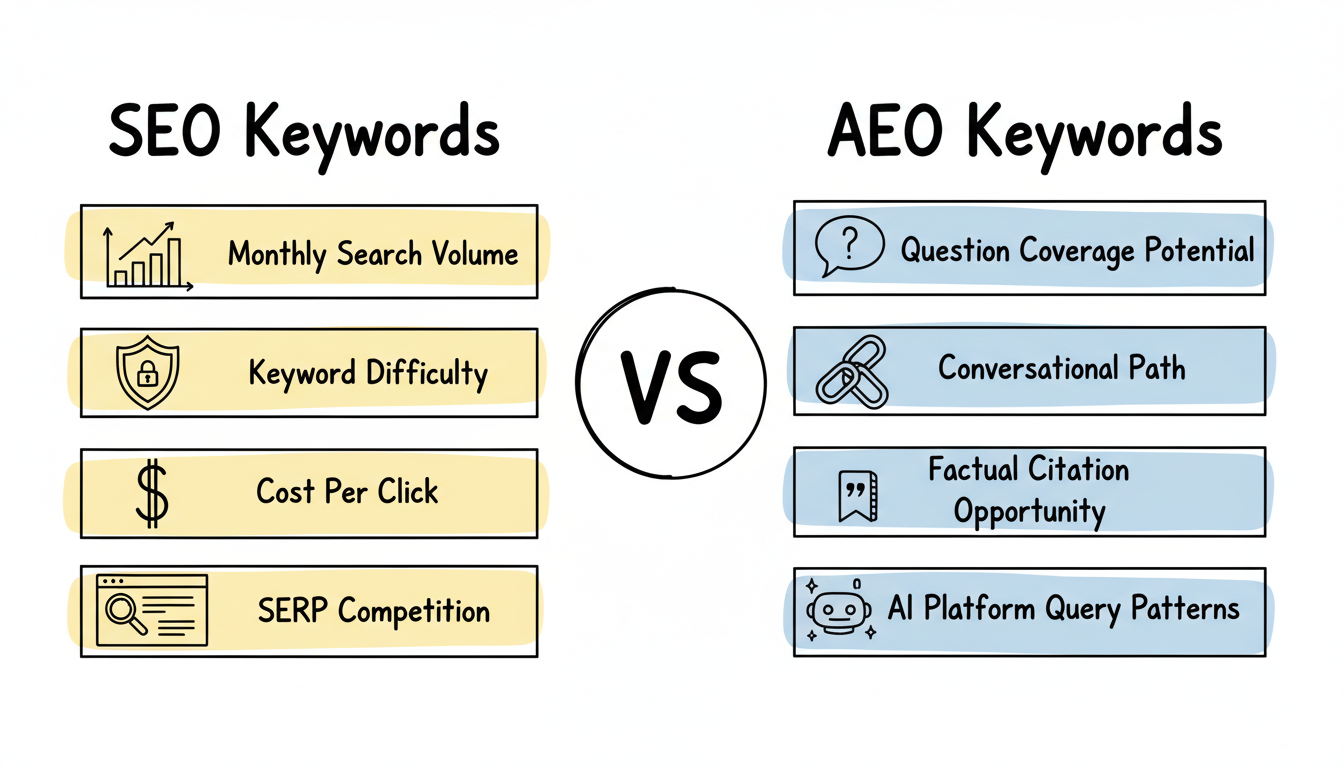
AI SEO keyword categorization refers to the process of using machine learning algorithms and natural language processing to automatically sort keywords into logical groups based on shared characteristics. These characteristics include search intent, topic relevance, user demographics, and even predicted conversion potential. The technology analyzes vast datasets from search engines, social media, and website analytics to identify patterns that would be impossible for humans to detect manually.
Traditional keyword categorization relied on manual sorting and basic spreadsheet filters. Marketers would group keywords by product type, geography, or simple match types. AI takes this several steps further by understanding the contextual meaning behind search queries. For example, the keyword “apple” could belong to a technology category, a fruit category, or a financial category depending on surrounding terms and user behavior signals.
The Core Components of AI Keyword Categorization
Modern AI categorization systems operate through several interconnected components that work together to deliver accurate groupings:
- Natural Language Processing (NLP): Analyzes the linguistic structure of keywords to understand meaning and context
- Machine Learning Models: Continuously improve categorization accuracy based on new data and user feedback
- Semantic Analysis: Identifies relationships between words and concepts beyond simple keyword matching
- Intent Classification: Determines whether a search is informational, navigational, commercial, or transactional
- Clustering Algorithms: Group similar keywords based on multiple dimensions of similarity
- Data Collection: The AI system gathers keyword data from search engines, competitor analysis tools, and website analytics
- Preprocessing: Raw keyword data is cleaned, normalized, and prepared for analysis
- Feature Extraction: The system identifies key attributes of each keyword, including length, search volume, difficulty, and semantic meaning
- Vectorization: Keywords are converted into numerical vectors that represent their semantic relationships
- Clustering: Machine learning algorithms group keywords based on vector similarity
- Labeling: Each cluster receives a descriptive label based on its dominant themes
- Validation: Human experts review and refine the automated categorizations
- Integration: The categorized keywords are exported to SEO tools, content calendars, and analytics platforms
- Combine AI insights with human expertise: The best results come from a partnership between AI analysis and human strategic thinking
- Focus on user intent over keyword volume: High-volume keywords are not always the most valuable if they do not match your conversion goals
- Use categorization to inform all SEO activities: Content creation, link building, technical SEO, and paid search should all reference your keyword categories
- Document your categorization logic: Maintain clear documentation of how categories are defined to ensure consistency across your team
- Test and iterate: Treat your categorization as a living system that improves with feedback and refinement
These components work in harmony to create a dynamic categorization system that adapts to changing search behaviors and market trends. The result is a keyword structure that reflects how real users think and search, rather than how marketers assume they search.
Why AI SEO Keyword Categorization Matters for Search Rankings
Search engines like Google have evolved to prioritize content that demonstrates topical authority. When your website covers a subject comprehensively, with interconnected pages that address various aspects of the topic, search engines recognize this depth and reward it with higher rankings. AI SEO keyword categorization enables this topical depth by revealing how different keywords relate to each other within a broader subject area.
Consider a fitness website that sells equipment and offers workout advice. Manual categorization might separate “dumbbells” and “home workout routines” into different categories. AI categorization recognizes that users searching for dumbbells often also search for home workout routines, creating a connection that informs content strategy. This insight allows the website to create linked content that satisfies multiple related search queries, increasing dwell time and reducing bounce rates.
The Shift from Keywords to Topics
Google’s BERT and MUM algorithms have fundamentally changed how search queries are interpreted. These AI-powered systems understand the intent behind words, not just the words themselves. AI SEO keyword categorization aligns perfectly with this shift by grouping keywords according to the topics and intents they represent, rather than just their lexical similarity.
This topic-based approach enables content creators to develop comprehensive resource hubs that answer multiple related questions. Instead of creating thin content for each individual keyword, marketers can produce in-depth guides that naturally incorporate multiple related keywords. This strategy improves user experience and signals expertise to search engines, both of which are critical ranking factors.
How AI Keyword Categorization Works: A Step-by-Step Process
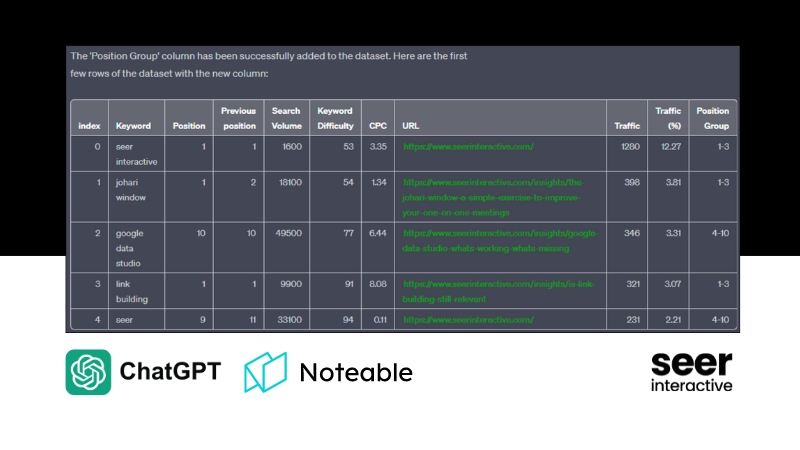
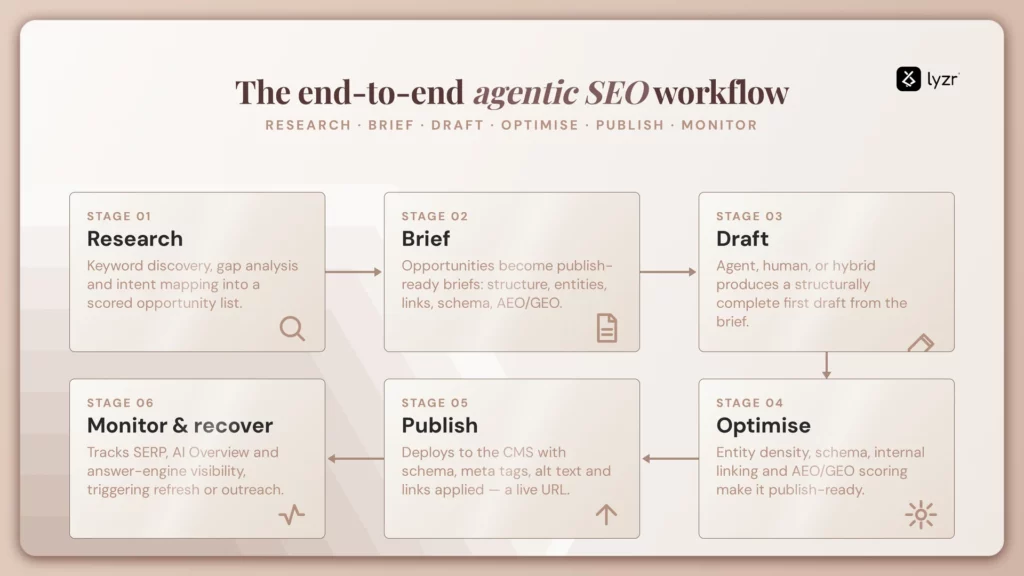
Understanding the technical process behind AI keyword categorization helps marketers make better use of these tools. The process typically follows a structured workflow:
This process runs continuously, with the AI system learning from new data and refining its categorizations over time. The more data the system processes, the more accurate its groupings become.
Types of AI Keyword Categorization Models
Different AI models excel at different aspects of keyword categorization. Understanding these models helps marketers choose the right tools for their specific needs.
Supervised Learning Models
These models are trained on labeled datasets where human experts have already categorized keywords. The AI learns from these examples and applies the same logic to new keywords. Supervised models are highly accurate but require significant upfront investment in training data. They work best for established industries with stable keyword patterns.
Unsupervised Learning Models
Unsupervised models discover patterns in data without pre-existing labels. They use clustering algorithms to group keywords based on inherent similarities. These models are more flexible and can identify unexpected relationships that humans might miss. However, they require more human oversight to ensure the discovered clusters make strategic sense.
Reinforcement Learning Models
These advanced models learn through trial and error, receiving feedback on the quality of their categorizations. They continuously adjust their strategies to improve accuracy. Reinforcement learning models are particularly effective for dynamic industries where keyword meanings shift rapidly, such as technology and fashion.
| Model Type | Training Requirement | Best Use Case | Accuracy Level |
|---|---|---|---|
| Supervised | High (labeled data needed) | Stable industries | Very High |
| Unsupervised | Low (no labels needed) | Discovering new patterns | Moderate |
| Reinforcement | Medium (feedback loop) | Dynamic markets | High and improving |
Key Benefits of AI SEO Keyword Categorization
Implementing AI-driven categorization delivers measurable advantages across multiple dimensions of SEO strategy.
Time and Resource Efficiency
Manual keyword categorization for a website with thousands of keywords can take weeks. AI systems accomplish the same task in hours. This efficiency frees up marketing teams to focus on strategy and content creation rather than administrative sorting tasks. The cost savings are substantial, especially for agencies managing multiple client accounts.
Improved Content Relevance
AI categorization reveals the full spectrum of topics your audience cares about. This insight enables content teams to create pieces that address the complete range of user needs, not just the most obvious keywords. The result is a content library that feels comprehensive and authoritative to both users and search engines.
Enhanced Internal Linking Opportunities
When keywords are properly categorized, identifying internal linking opportunities becomes straightforward. Related categories naturally connect to each other, creating a logical site architecture that distributes authority effectively. This structure helps search engines crawl and index your content more efficiently.
Better Budget Allocation
AI categorization can identify which keyword clusters have the highest commercial intent and conversion potential. This insight allows marketers to allocate paid search budgets and content creation resources toward the most profitable categories, maximizing return on investment.
Limitations and Challenges of AI Keyword Categorization
While AI offers tremendous advantages, understanding its limitations prevents unrealistic expectations and poor strategic decisions.
Data Quality Dependency
AI systems are only as good as the data they process. If your keyword data is incomplete, outdated, or biased, the resulting categorizations will reflect these flaws. Regular data audits and updates are essential to maintain categorization accuracy.
Lack of Human Context
AI excels at pattern recognition but struggles with nuanced business context. A keyword cluster that makes mathematical sense may not align with your brand positioning or business goals. Human oversight remains critical for interpreting AI outputs and making final strategic decisions.
Initial Setup Complexity
Implementing AI categorization tools requires technical expertise and integration with existing SEO workflows. Small businesses with limited resources may find the initial setup challenging. However, many SaaS tools now offer user-friendly interfaces that reduce this barrier.
AI SEO Keyword Categorization vs. Traditional Methods
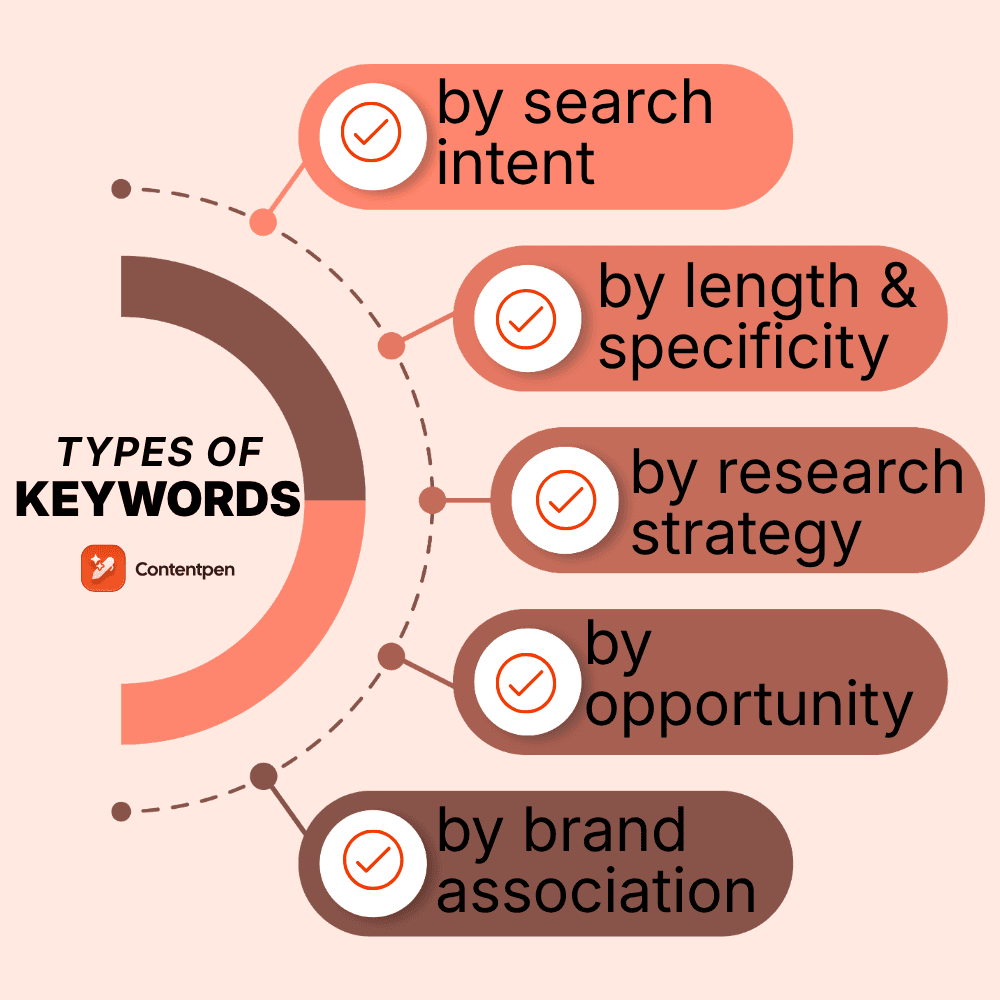
The differences between AI-driven and traditional keyword categorization extend beyond just speed and efficiency. The fundamental approach to understanding keywords differs significantly.
| Aspect | Traditional Categorization | AI Categorization |
|---|---|---|
| Basis of Grouping | Exact match and lexical similarity | Semantic meaning and search intent |
| Scalability | Limited by human capacity | Handles millions of keywords |
| Adaptability | Static until manually updated | Continuous learning and updating |
| Insight Depth | Surface-level patterns | Deep behavioral and contextual insights |
| Error Rate | High due to human fatigue | Low and decreasing over time |
Traditional methods still have a place for small-scale projects or highly specialized niches where human expertise is irreplaceable. However, for comprehensive SEO strategies, AI categorization provides a level of depth and accuracy that manual methods cannot match.
Practical Applications of AI Keyword Categorization
Understanding the theoretical benefits is useful, but seeing real-world applications clarifies how this technology drives results.
E-commerce Product Taxonomy
Online retailers use AI categorization to organize their product keywords into intuitive categories that match customer search behavior. This organization improves site navigation, enhances product discovery, and increases conversion rates. An electronics retailer might discover that customers searching for “gaming monitors” also frequently search for “ergonomic chairs,” leading to a new cross-selling category.
Content Pillar Development
Content marketers use AI categorization to identify the core topics that should anchor their content strategy. By grouping related keywords around central themes, they create pillar pages that comprehensively cover a subject, with cluster content addressing specific subtopics. This structure signals topical authority to search engines and improves rankings for the entire keyword cluster.
Competitor Gap Analysis
AI categorization tools can analyze competitor keyword structures and identify gaps in your own coverage. This analysis reveals opportunities to target keyword clusters that competitors have overlooked, providing a competitive advantage in underserved areas of the market.
How to Implement AI SEO Keyword Categorization in Your Workflow

Implementing AI categorization requires a systematic approach that integrates with your existing SEO processes.
Step 1: Audit Your Current Keyword Data
Begin by consolidating all your keyword data into a single source. This includes keywords from Google Search Console, paid search campaigns, competitor analysis, and content planning documents. Clean this data to remove duplicates, irrelevant terms, and outdated keywords.
Step 2: Choose the Right AI Tool
Several AI-powered SEO tools offer keyword categorization features. Evaluate options based on your budget, technical expertise, and specific needs. Look for tools that offer transparent categorization logic, export capabilities, and integration with your existing SEO stack.
Step 3: Run Initial Categorization
Process your keyword data through the AI tool and review the initial results. Pay attention to how the tool groups your keywords and whether the categories align with your business structure. Most tools allow you to adjust parameters and rerun the categorization until the results make strategic sense.
Step 4: Validate and Refine
Human validation is essential for ensuring categorization accuracy. Review each category and move keywords that seem misplaced. This refinement process also helps you understand how the AI thinks, enabling better use of the tool in the future.
Step 5: Integrate with Content Planning
Use the categorized keywords to inform your content calendar, site architecture decisions, and internal linking strategy. The categories should directly translate into content pillars, blog topics, and page hierarchies.
Step 6: Monitor and Update
Keyword landscapes change constantly. Schedule regular categorization updates to capture new search trends and remove obsolete keywords. AI tools make this ongoing maintenance significantly easier than manual methods.
Common Mistakes in AI Keyword Categorization
Even with advanced technology, marketers make avoidable errors that undermine the effectiveness of their categorization efforts.
Over-Reliance on Automation
Trusting AI outputs without human review leads to categorizations that may be mathematically sound but strategically wrong. Always maintain a human review step in your workflow to ensure categories align with business objectives.
Ignoring Search Intent Nuances
Two keywords with similar words can have completely different search intents. For example, “best running shoes” indicates commercial intent while “how to tie running shoes” indicates informational intent. AI tools may group these together based on lexical similarity, requiring human intervention to separate them.
Neglecting Long-Tail Keywords
Focusing only on high-volume head terms misses the valuable insights that long-tail keywords provide. AI categorization should include all keyword types to reveal the full picture of user behavior and content opportunities.
Failing to Update Regularly
Search trends shift rapidly, especially in industries affected by seasonality or current events. Categorizations that are not updated regularly become stale and misleading, leading to poor strategic decisions.
Important Notes for Maximizing AI Keyword Categorization Success
Several best practices enhance the value you derive from AI categorization tools.
Frequently Asked Questions About AI SEO Keyword Categorization
What is the difference between keyword clustering and AI keyword categorization?
Keyword clustering is a subset of categorization that focuses specifically on grouping keywords by topical similarity. AI keyword categorization is a broader process that considers multiple dimensions including intent, user demographics, and conversion potential. Clustering is one technique used within the larger categorization framework.
How accurate is AI keyword categorization compared to manual methods?
AI categorization achieves higher accuracy than manual methods for large keyword sets because it processes more data points and identifies patterns humans miss. However, AI requires human oversight to ensure strategic alignment. The combination of AI analysis and human review produces the most accurate results.
Can small businesses benefit from AI keyword categorization?
Yes, small businesses benefit significantly from AI categorization. Many affordable SaaS tools offer categorization features that were previously only available to enterprise companies. The efficiency gains allow small teams to compete with larger competitors by focusing their limited resources on the most valuable keyword opportunities.
How often should keyword categories be updated?
Update frequency depends on your industry dynamics. Fast-moving industries like technology and fashion benefit from monthly updates. More stable industries can update quarterly. Monitor your search performance data to identify when categorizations are becoming less accurate and adjust your update schedule accordingly.
Does AI keyword categorization work for voice search optimization?
AI categorization is particularly effective for voice search because it understands natural language patterns and conversational queries. Voice searches tend to be longer and more conversational than typed searches, and AI systems excel at categorizing these complex query structures.
Conclusion
AI SEO keyword categorization represents a fundamental shift in how marketers approach search strategy. The technology moves beyond simple keyword grouping to deliver deep insights into user behavior, search intent, and content opportunities. By implementing AI-driven categorization, businesses gain a competitive advantage through more efficient resource allocation, more relevant content, and a deeper understanding of their target audience.
The most successful SEO strategies will combine the analytical power of AI with human strategic judgment. AI handles the heavy lifting of processing vast amounts of data and identifying patterns, while humans provide the contextual understanding and creative direction that machines cannot replicate. This partnership between human expertise and artificial intelligence is the future of search optimization.
Start by auditing your current keyword management process and identifying where AI categorization can deliver immediate value. Choose tools that integrate with your existing workflows, and commit to regular updates and refinements. The investment in AI SEO keyword categorization pays dividends through improved rankings, increased organic traffic, and ultimately, higher conversion rates.
Xem thêm:
- AI SEO Templates: Build a Smarter, Faster Search Strategy With Automated Workflows
- AI SEO MarketMuse: The Complete Guide to Content Intelligence in 2025
- AI SEO Topical Relevance: The Complete Guide to Dominating Search in 2025
- The Ultimate AI SEO Checklist for Beginners: Rank Faster with Smart Automation
- AI A/B Testing: The Complete Guide to Automated Experimentation That Outperforms Traditional Methods
Bài viết cùng chủ đề:

AI SEO SEO Automation with Make: The Complete Workflow Guide

AI SEO SEO Automation with Zapier: The Complete Workflow Guide

AI SEO SEO Automation with n8n: The Complete Workflow Guide
AI SEO SEO Automation with Gemini: The Complete Guide to Scaling Organic Growth

AI SEO SEO Automation with Claude: The Complete Guide to Scaling Content in 2025

AI SEO SEO Automation with ChatGPT: The Complete Playbook for 2025

AI SEO & SEO Automation for Affiliate Sites: The 2025 Playbook for Passive Income Growth
AI SEO & SEO Automation for Bloggers: The Complete Guide to Scaling Your Content

AI SEO & SEO Automation for Agencies: The Complete 2025 Playbook

AI SEO and SEO Automation for Ecommerce: The Complete Playbook for 2025

AI SEO & SEO Automation for WordPress: The Complete Playbook for 2025
AI SEO SEO Automation Strategy: The Complete Playbook for 2025

Mastering the AI SEO SEO Automation Process: A Complete Guide to Scaling Organic Growth
AI SEO SEO Automation System: The Complete Guide to Scaling Organic Growth in 2025
AI SEO SEO Automation Platform: The Complete Guide to Scaling Organic Growth in 2025
AI SEO SEO Automation Software: The Complete Guide to Scaling Organic Growth in 2025















