
No products in the cart.
AI SEO Topical Architecture: The Complete Guide to Building Authority in 2025

10
Aug
Aug
AI SEO Topical Architecture has become the defining strategy for websites aiming to secure dominant search visibility. Search engines now use machine learning to understand semantic relationships between content pieces, rewarding sites that demonstrate comprehensive expertise on a subject. This approach moves beyond simple keyword targeting to create interconnected content ecosystems that satisfy both users and AI-driven ranking algorithms. Understanding how to structure your website around topics rather than isolated keywords is essential for sustainable organic growth.
What is AI SEO Topical Architecture?

AI SEO Topical Architecture refers to the strategic organization of website content into logically connected clusters that establish subject matter expertise. Search engines like Google use natural language processing and neural matching to evaluate how thoroughly a website covers a specific topic. When your content systematically addresses every facet of a subject, the AI algorithms recognize your site as an authoritative resource.
This architecture consists of a pillar page that provides a broad overview of a core topic, supported by cluster content that explores specific subtopics in depth. Internal links connect these pages, creating a semantic web that guides both users and search engine crawlers through your expertise. The AI component comes into play as search engines analyze these relationships to determine relevance and authority for queries related to your topic.
The Evolution from Keywords to Topics
Traditional SEO focused on individual keywords and their variations. Marketers would create separate pages targeting “best running shoes,” “trail running shoes,” and “marathon shoes” without considering how these pages related to each other. This fragmented approach often led to keyword cannibalization and diluted authority.
Modern AI-driven search algorithms understand that these terms belong to a broader topic: running footwear. By organizing content around this central theme, you signal expertise across the entire subject area. The shift from keyword-centric to topic-centric optimization represents a fundamental change in how search engines evaluate content quality and relevance.
Why AI SEO Topical Architecture Matters for Search Rankings
Search engines continuously refine their algorithms to deliver the most relevant results. Google’s RankBrain and BERT updates introduced machine learning components that interpret search queries contextually. These systems evaluate whether a website provides comprehensive coverage of a topic rather than simply matching keywords.
Websites with strong topical architecture benefit from improved crawl efficiency. Search engine bots discover new content through internal links, and a well-structured architecture ensures all pages receive adequate crawl depth. This leads to faster indexing and better visibility for new content additions.
User engagement metrics also improve with proper topical architecture. When visitors find interconnected content that guides them through a subject, they spend more time on your site, view more pages, and are more likely to convert. These positive signals reinforce your authority in the eyes of search algorithms.
How AI Algorithms Evaluate Topical Authority
AI systems analyze several factors when determining topical authority. Entity recognition identifies the key concepts and people associated with your content. Semantic similarity measures how closely related your pages are to the main topic. Coverage depth evaluates whether you address subtopics comprehensively.
Natural language processing examines the vocabulary and phrasing used across your content. Consistent use of industry terminology and related concepts signals expertise. The interlinking structure provides additional context about how different pieces of content relate to each other and to the overall topic.
Core Components of an Effective AI SEO Topical Architecture
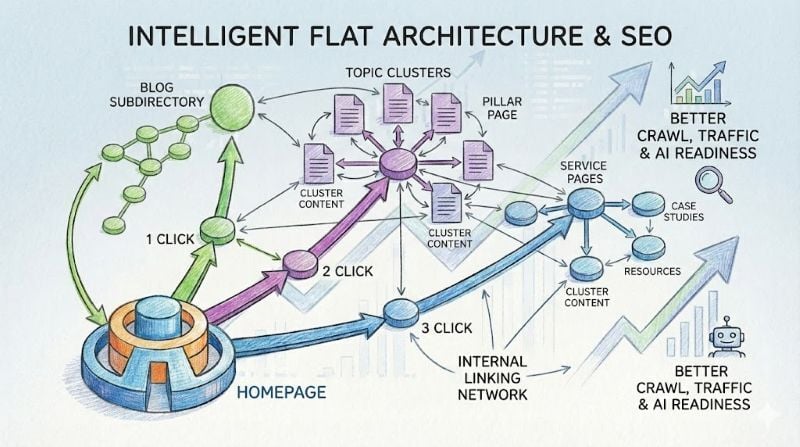
Building a successful topical architecture requires careful planning and systematic implementation. The following components form the foundation of any effective strategy.
Pillar Content Strategy
The pillar page serves as the cornerstone of your topical architecture. This comprehensive guide covers the main topic broadly, providing an overview that links out to all related cluster content. A well-crafted pillar page typically exceeds 2,000 words and addresses the fundamental questions users have about the subject.
Your pillar content should establish the scope of the topic, introduce key concepts, and provide a roadmap for deeper exploration. This page targets the primary keyword and serves as the central hub for your content ecosystem. The pillar page should be regularly updated to reflect new developments in your industry.
Cluster Content Development
Cluster pages dive deep into specific subtopics related to your main theme. Each cluster page targets a long-tail keyword or specific question that users might have about your topic. These pages provide detailed information, practical examples, and actionable advice that demonstrates your expertise.
For a topic like digital marketing, cluster pages might cover email automation, social media advertising, content marketing metrics, or SEO tools. Each cluster page links back to the pillar page and to other related cluster pages, creating a web of interconnected content that search engines can easily navigate.
Internal Linking Structure
Internal links form the connective tissue of your topical architecture. Strategic linking patterns guide users through related content and help search engines understand the relationships between pages. Use descriptive anchor text that includes relevant keywords to provide additional context.
Link from the pillar page to all cluster pages, and include links back to the pillar from each cluster page. Cross-link between related cluster pages when they naturally complement each other. This creates a hierarchical structure that distributes authority throughout your content ecosystem.
How to Build AI SEO Topical Architecture Step by Step
Implementing a topical architecture requires a systematic approach that begins with research and ends with continuous optimization. Follow these steps to create a robust content structure for your website.
Step 1: Conduct Comprehensive Topic Research
Start by identifying the core topics relevant to your business or industry. Use keyword research tools to discover the questions and terms your target audience searches for. Analyze competitor websites to identify content gaps and opportunities for differentiation.
Group related keywords into logical clusters based on search intent and semantic similarity. Tools like Google’s Keyword Planner, Ahrefs, and SEMrush provide data on search volume, difficulty, and related terms. This research forms the foundation of your content strategy.
Step 2: Map Your Content Ecosystem
Create a visual map of your proposed topical architecture. Place the pillar topic at the center and arrange cluster topics around it. Identify the relationships between different subtopics and determine how they should link to each other.
Consider the user journey when mapping your content. What questions do users ask at different stages of awareness? How can your content guide them from initial research to final decision? This mapping process ensures your architecture serves both search engines and human users effectively.
Step 3: Create Comprehensive Pillar Content
Develop your pillar page with the goal of providing the most comprehensive resource on your chosen topic. Include an introduction that establishes context, sections covering all major aspects, and links to cluster content for deeper exploration. Use clear headings, bullet points, and tables to improve readability.
Your pillar page should answer the core questions users have about the topic while leaving room for cluster pages to provide specific details. This division of content prevents duplication and ensures each page serves a distinct purpose within your architecture.
Step 4: Develop Supporting Cluster Content
Create cluster pages that address specific subtopics in depth. Each page should focus on a single aspect of the main topic and provide unique value that cannot be found on the pillar page. Include original research, case studies, expert opinions, and practical examples to enhance credibility.
Optimize each cluster page for its target keyword while maintaining natural language and readability. Use variations of the main topic keyword throughout the content to reinforce semantic relevance without resorting to keyword stuffing.
Step 5: Implement Strategic Internal Linking
Connect your content through thoughtful internal linking. Link from the pillar page to every cluster page using descriptive anchor text. Include contextual links within cluster content that point to related pages and back to the pillar.
Monitor your internal link structure regularly to identify broken links or opportunities for additional connections. As you create new content, integrate it into your existing architecture by linking from relevant pages.
Benefits of Implementing AI SEO Topical Architecture
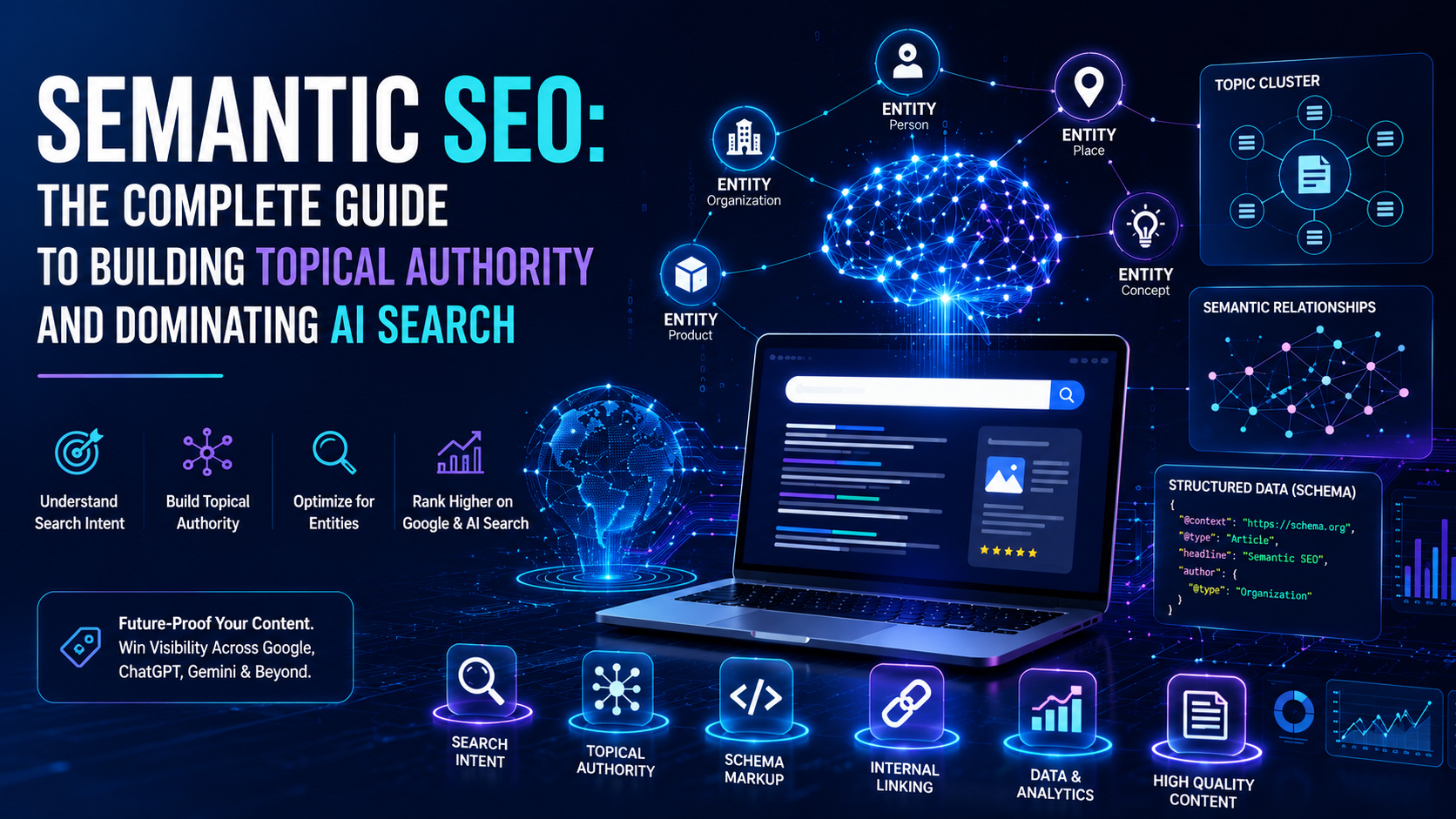
Websites that adopt this strategic approach enjoy numerous advantages that compound over time. The following benefits demonstrate why topical architecture has become essential for competitive SEO.
- Improved Search Rankings: Comprehensive topic coverage signals authority to AI algorithms, leading to higher positions for both primary and long-tail keywords.
- Enhanced User Experience: Interconnected content guides visitors through their research journey, increasing engagement and satisfaction.
- Increased Organic Traffic: Ranking for a wider range of related keywords drives more qualified visitors to your website.
- Higher Conversion Rates: Users who explore multiple pages of your content develop trust and are more likely to convert.
- Efficient Crawl Budget: Clear internal linking ensures search engines discover and index all your important pages.
- Brand Authority: Comprehensive coverage positions your brand as a thought leader in your industry.
Common Mistakes in AI SEO Topical Architecture
Many websites struggle to implement topical architecture effectively due to common pitfalls. Recognizing these mistakes helps you avoid them in your own strategy.
Creating Thin or Duplicate Content
Some marketers create cluster pages that simply rephrase content from the pillar page or other cluster pages. This approach confuses search engines and provides no value to users. Each page must offer unique information, perspectives, or data that cannot be found elsewhere on your site.
Conduct regular content audits to identify pages with low word counts or high similarity scores. Update or consolidate thin content to ensure every page in your architecture provides substantial value.
Neglecting Internal Link Optimization
Internal links are the backbone of topical architecture, yet many websites treat them as an afterthought. Using generic anchor text like “click here” or failing to link related pages undermines the semantic signals your architecture should convey.
Develop a linking strategy that uses descriptive, keyword-rich anchor text. Review your internal links regularly to ensure they remain relevant as your content evolves.
Ignoring Search Intent Variations
Different users searching for the same topic may have different intentions. Some seek informational content, while others are ready to make a purchase. Your topical architecture should account for these variations by including content that addresses each stage of the buyer journey.
Analyze the search results for your target keywords to understand what type of content currently ranks. Identify gaps where you can provide content that better matches user intent than existing results.
AI SEO Topical Architecture vs Traditional SEO Approaches

Understanding the differences between modern topical architecture and traditional SEO methods helps clarify why this approach has become necessary.
| Aspect | Traditional SEO | AI SEO Topical Architecture |
|---|---|---|
| Focus | Individual keywords | Comprehensive topics |
| Content Structure | Isolated pages | Interconnected clusters |
| Keyword Strategy | Exact match targeting | Semantic relevance |
| Internal Linking | Minimal consideration | Strategic and contextual |
| Authority Building | Backlinks primarily | Content depth and links |
| Adaptability | Reactive to updates | Proactive and resilient |
Traditional approaches often result in scattered content that fails to establish meaningful expertise. Topical architecture creates a cohesive narrative that demonstrates deep understanding of your subject matter, which aligns perfectly with how AI search algorithms evaluate websites.
Tools and Technologies for Implementing Topical Architecture
Several tools can streamline the process of building and maintaining your AI SEO Topical Architecture. These technologies help with research, content optimization, and performance tracking.
Keyword Research and Clustering Tools
Platforms like Ahrefs, SEMrush, and Moz provide comprehensive keyword data that helps identify related terms and topics. These tools offer features for grouping keywords into clusters based on search intent and semantic similarity, saving hours of manual analysis.
Google’s Natural Language API can analyze your content to identify entities, sentiment, and syntax, providing insights into how well your content aligns with your target topics.
Content Optimization Platforms
Tools like Surfer SEO and Clearscope use AI to analyze top-ranking pages and provide recommendations for content optimization. These platforms suggest related terms, appropriate content length, and structural improvements that enhance topical relevance.
These tools help ensure your content comprehensively covers all aspects of your chosen topic, reducing the risk of missing important subtopics that competitors address.
Analytics and Monitoring Solutions
Google Search Console provides valuable data on how your pages perform in search results. Monitor which queries trigger your pages to appear and identify opportunities for expanding your topical coverage.
Regular analysis of user behavior through Google Analytics reveals which content resonates with your audience and which pages may need improvement or additional internal links.
Measuring the Success of Your Topical Architecture
Tracking the right metrics helps you understand whether your AI SEO Topical Architecture delivers the expected results. Focus on both short-term indicators and long-term trends.
Key Performance Indicators
Monitor organic traffic growth across your entire content ecosystem, not just individual pages. Track keyword rankings for your pillar and cluster pages to see how they improve over time. Measure engagement metrics like time on page, pages per session, and bounce rate to gauge user satisfaction.
Conversion metrics reveal whether your topical architecture effectively guides users toward desired actions. Set up goals in your analytics platform to track form submissions, purchases, or other valuable actions.
Regular Audits and Adjustments
Conduct quarterly audits of your topical architecture to identify gaps, outdated content, and new opportunities. Search trends evolve, and your content strategy must adapt to remain relevant.
Use the insights from your analytics to refine your internal linking structure, update existing content, and plan new cluster pages that address emerging subtopics.
Frequently Asked Questions About AI SEO Topical Architecture
How long does it take to see results from topical architecture?
Most websites begin seeing improvements in organic traffic within 3 to 6 months of implementing a comprehensive topical architecture. The timeline depends on your industry’s competitiveness, the quality of your content, and the strength of your existing domain authority. Consistent effort and regular content updates accelerate results.
Can small websites benefit from topical architecture?
Small websites can benefit significantly from topical architecture, even with limited content budgets. Focus on a narrow niche where you can achieve comprehensive coverage with fewer pages. A small site with 20 well-interconnected pages on a specific topic can outperform a larger site with scattered, shallow content.
How often should I add new content to my topical architecture?
Consistency matters more than frequency. Publishing one high-quality cluster page per week is more effective than publishing multiple low-quality pages. Regularly update existing content to keep it current and accurate, as fresh information signals relevance to search engines.
Does topical architecture replace traditional link building?
Topical architecture complements rather than replaces link building. While a strong content structure helps search engines understand your expertise, external backlinks remain an important authority signal. Combine both strategies for optimal results.
What is the ideal length for pillar and cluster content?
Pillar pages typically range from 2,000 to 5,000 words, providing comprehensive coverage of the main topic. Cluster pages can be shorter, usually between 1,000 and 2,500 words, depending on the depth of the subtopic. Focus on providing complete information rather than hitting arbitrary word counts.
Important Notes for Long-Term Success
Building an effective AI SEO Topical Architecture requires patience and ongoing commitment. Search algorithms continue to evolve, and your content strategy must adapt accordingly. Stay informed about updates to search engine guidelines and adjust your approach as needed.
Prioritize user experience above all else. Content that genuinely helps your audience will naturally perform well in search results. Avoid creating content solely for search engines, as AI algorithms increasingly detect and penalize such practices.
Collaborate with subject matter experts when creating content for your topical architecture. Their insights and experience add credibility that cannot be replicated through automated content generation. Original research, unique data, and practical examples distinguish your content from competitors.
Conclusion
AI SEO Topical Architecture represents the most effective approach to search optimization in the current landscape. By organizing your content into interconnected clusters that demonstrate comprehensive expertise, you align your website with how AI search algorithms evaluate authority and relevance. The benefits extend beyond rankings to include improved user experience, higher conversion rates, and sustainable organic growth.
Start by researching your core topics, mapping your content ecosystem, and creating a pillar page that serves as your authoritative resource. Develop cluster content that addresses specific subtopics and connect everything through strategic internal linking. Monitor your performance, audit your architecture regularly, and refine your strategy based on data-driven insights.
The websites that thrive in search results are those that provide genuine value through comprehensive, well-organized content. Implementing a thoughtful AI SEO Topical Architecture positions your website for long-term success in an increasingly competitive digital landscape. Begin building your topical authority today to secure your place at the top of search results tomorrow.
Xem thêm:
- AI SEO Keyword Opportunities: The Complete Guide to Finding High-Impact Keywords in 2025
- AI SEO for Shopify: Transform Your Store Traffic With Intelligent Automation
- AI SEO HowTo Schema: The Complete Guide to Structured Data for AI Search
- AI SEO Search Trends: The Complete Guide to Ranking in 2025
- Can AI Replace SEO? Why Human Strategy Still Dominates the Future of Search
Bài viết cùng chủ đề:

AI SEO SEO Automation with Make: The Complete Workflow Guide

AI SEO SEO Automation with Zapier: The Complete Workflow Guide

AI SEO SEO Automation with n8n: The Complete Workflow Guide
AI SEO SEO Automation with Gemini: The Complete Guide to Scaling Organic Growth

AI SEO SEO Automation with Claude: The Complete Guide to Scaling Content in 2025

AI SEO SEO Automation with ChatGPT: The Complete Playbook for 2025

AI SEO & SEO Automation for Affiliate Sites: The 2025 Playbook for Passive Income Growth
AI SEO & SEO Automation for Bloggers: The Complete Guide to Scaling Your Content

AI SEO & SEO Automation for Agencies: The Complete 2025 Playbook

AI SEO and SEO Automation for Ecommerce: The Complete Playbook for 2025

AI SEO & SEO Automation for WordPress: The Complete Playbook for 2025
AI SEO SEO Automation Strategy: The Complete Playbook for 2025

Mastering the AI SEO SEO Automation Process: A Complete Guide to Scaling Organic Growth
AI SEO SEO Automation System: The Complete Guide to Scaling Organic Growth in 2025
AI SEO SEO Automation Platform: The Complete Guide to Scaling Organic Growth in 2025
AI SEO SEO Automation Software: The Complete Guide to Scaling Organic Growth in 2025















