
No products in the cart.
AI SEO Semantic Search Strategy: The Complete Guide to Ranking in the Age of Machine Learning
10
Aug
Aug
The digital landscape has shifted dramatically. Gone are the days when stuffing a keyword into a paragraph guaranteed a top ranking. Today, search engines like Google utilize sophisticated machine learning models to understand the intent behind a query, not just the literal words. This is where an AI SEO Semantic Search Strategy becomes the cornerstone of sustainable organic growth. This approach moves beyond simple keyword matching to focus on the contextual meaning of content, user intent, and the relationships between entities. By aligning your content with how AI interprets language, you position your brand to capture high-quality traffic that actually converts.
Understanding the Shift: From Keywords to Semantics
To master an AI SEO Semantic Search Strategy, you must first understand the fundamental shift in how search engines process information. Early algorithms relied on lexical matching—finding pages that contained the exact query string. Modern algorithms, however, utilize Natural Language Processing (NLP) and transformers like BERT and MUM. These technologies analyze the nuances of language, including context, sentiment, and the relationship between concepts. This means the search engine is trying to understand what you mean, not just what you type.
The Role of Entities and Knowledge Graphs
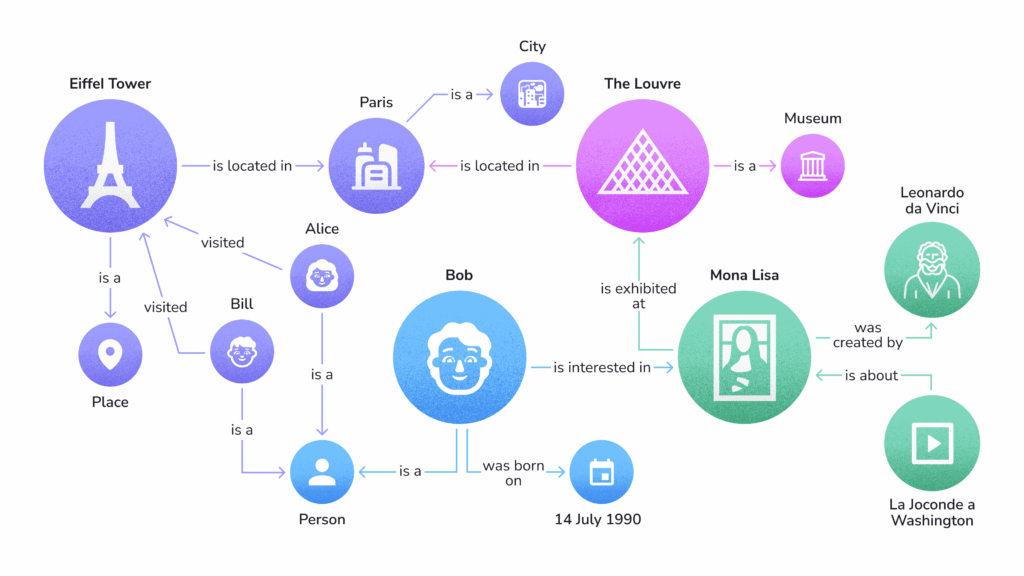
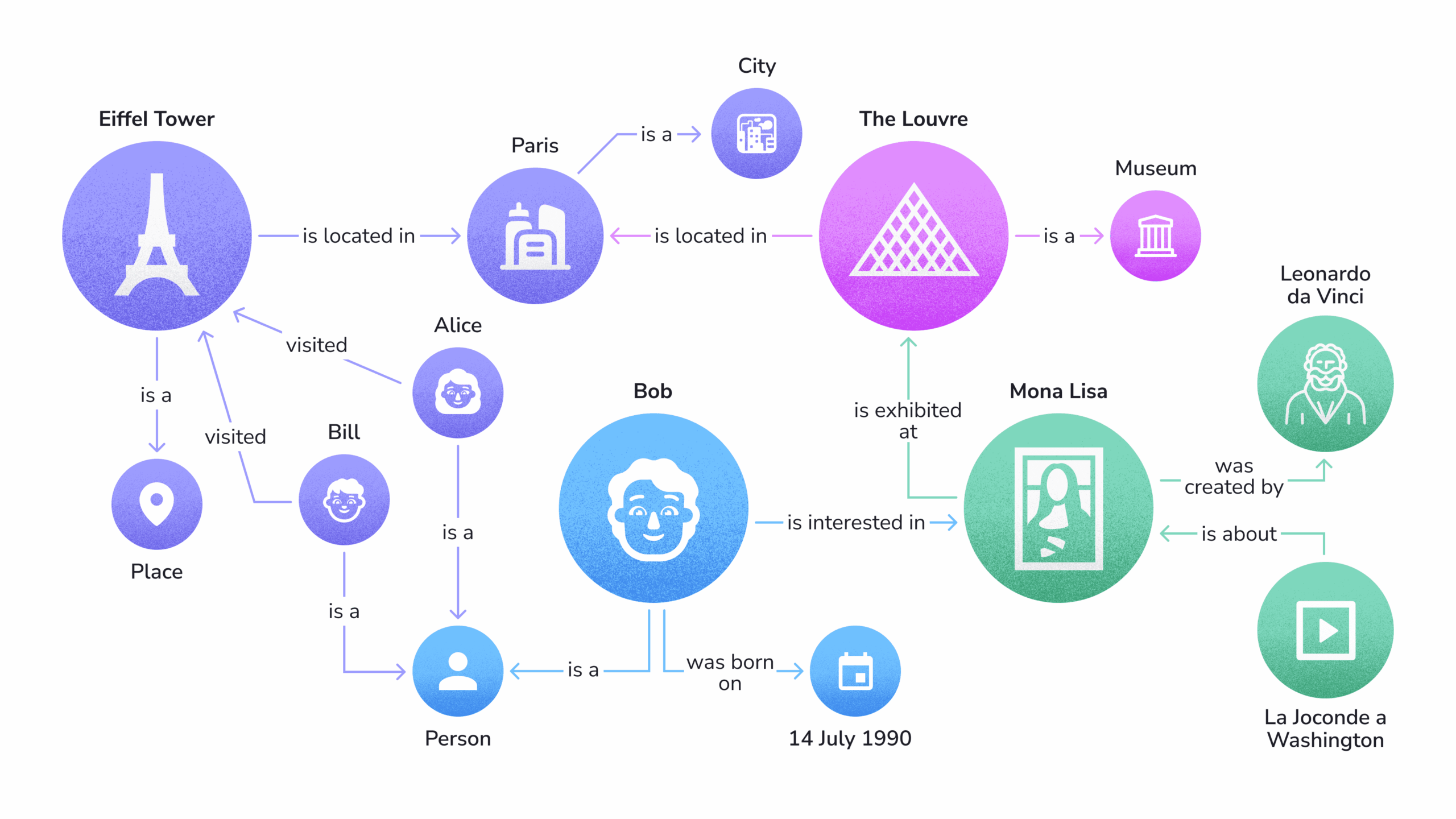
Semantic search relies heavily on entities—people, places, things, and concepts—and the relationships between them. Search engines build vast Knowledge Graphs that map these connections. For example, when you search for “best running shoes for flat feet,” the engine doesn’t just look for those words. It identifies the entities (running shoes, flat feet), the user intent (seeking recommendations), and the relationship (suitability). An effective AI SEO Semantic Search Strategy involves creating content that clearly defines these entities and their relationships, helping the search engine place your page within its Knowledge Graph.
Core Components of an AI SEO Semantic Search Strategy
Implementing this strategy requires a multi-faceted approach that touches on content creation, technical SEO, and site architecture. It is not a single action but a continuous process of optimization and refinement. Below are the critical components that form the foundation of a robust semantic strategy.
1. Topic Clusters and Pillar Pages
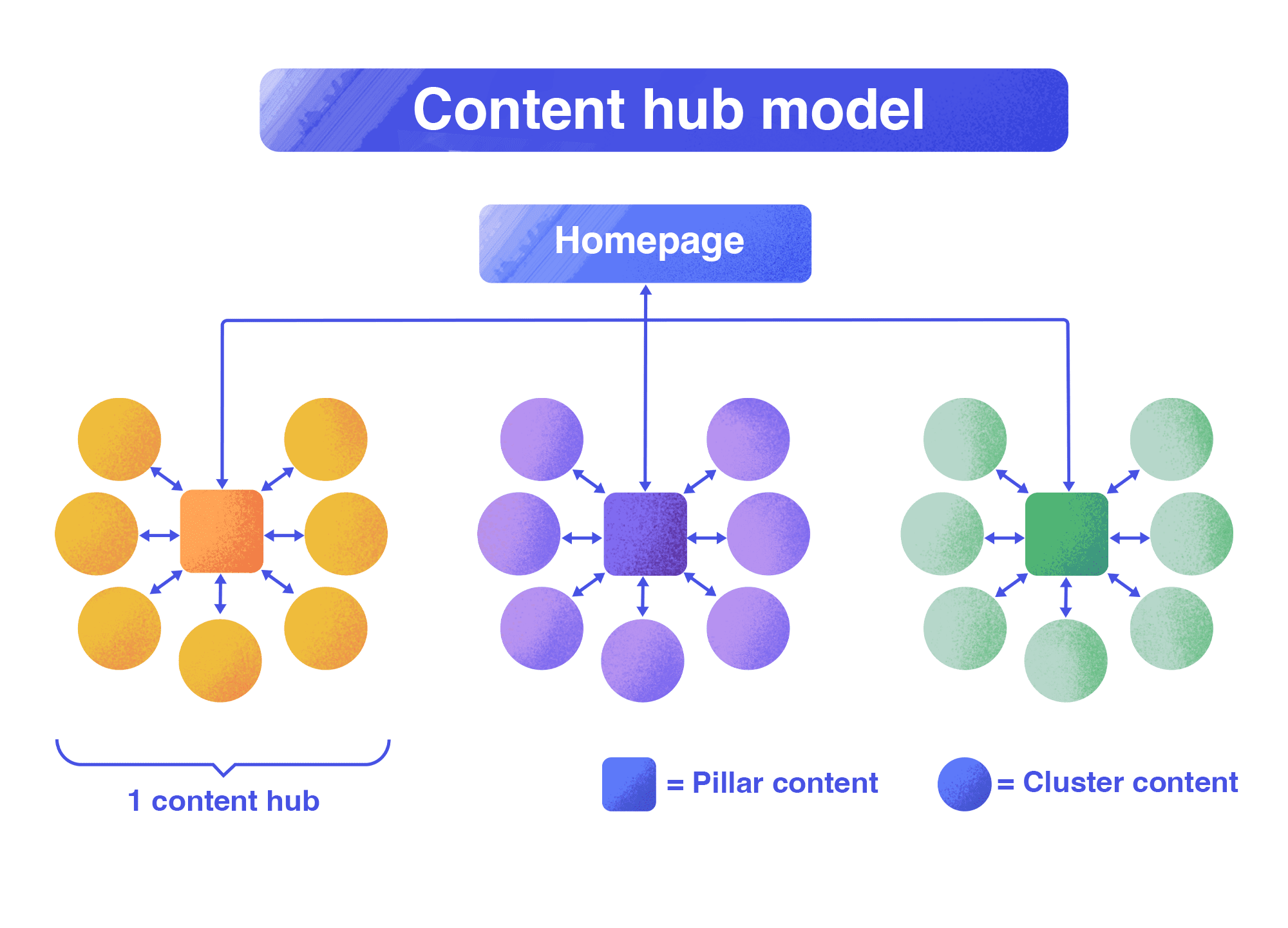
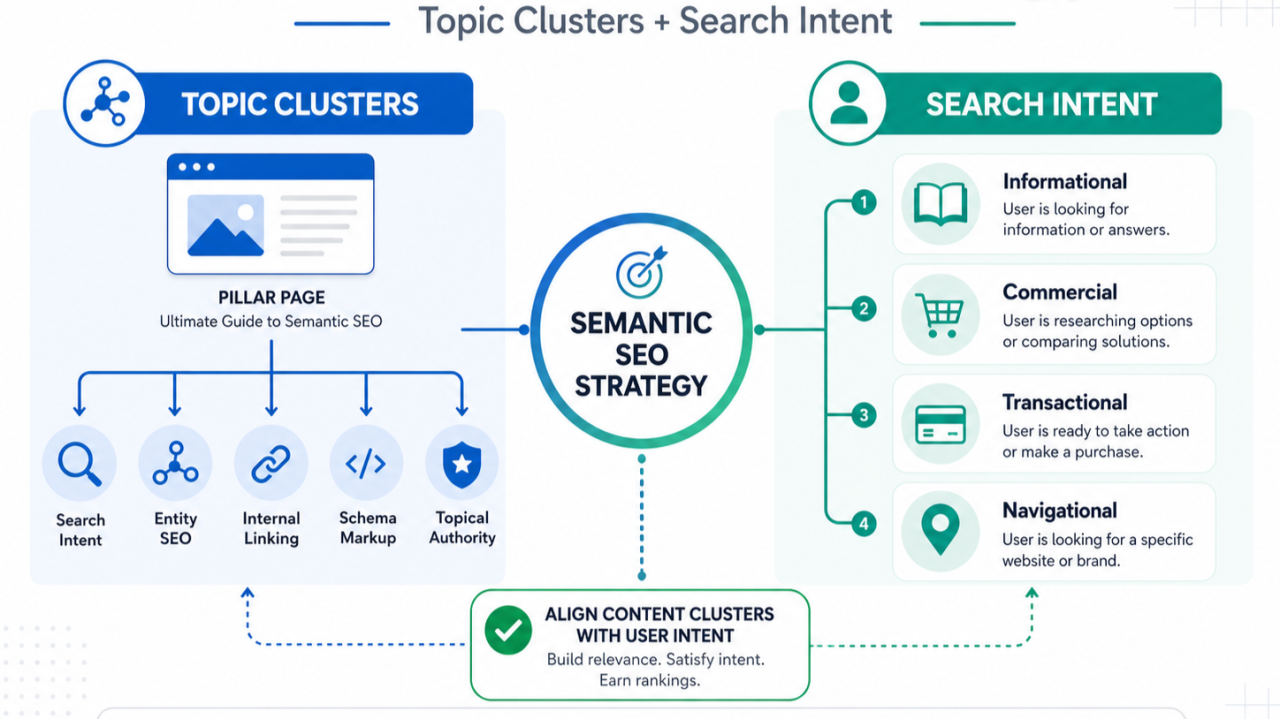
Instead of creating isolated blog posts targeting individual keywords, a semantic strategy organizes content into clusters. A “Pillar Page” is a comprehensive, in-depth guide on a core topic. This pillar is then supported by “Cluster Content”—more specific articles that delve into subtopics. These cluster pieces link back to the pillar page, and the pillar links out to them. This architecture signals to search engines that you are an authority on the entire topic, not just a single facet. This is a foundational element of any AI SEO Semantic Search Strategy.
2. Natural Language Processing (NLP) Optimization
Writing for humans is the primary goal, but understanding how NLP works helps you structure content for AI. This involves using related terms and synonyms naturally. If your main keyword is “AI SEO Semantic Search Strategy,” your content should also naturally include terms like “search intent,” “contextual relevance,” “entity optimization,” and “machine learning algorithms.” This helps the AI understand the depth and breadth of your content’s coverage.
3. Schema Markup and Structured Data
Schema markup is a code that you add to your website to help search engines understand the context of your content. It provides explicit clues about the meaning of a page. For a semantic strategy, implementing schema for articles, FAQs, products, and organizations is vital. This structured data helps search engines display rich snippets, which can significantly improve click-through rates and visibility. It is the technical backbone of an AI SEO Semantic Search Strategy.
How to Conduct Semantic Keyword Research
Traditional keyword research focuses on volume and difficulty. Semantic keyword research focuses on understanding the “why” behind the search. You need to identify the different intents and the related concepts that users are exploring. This requires a shift in your research methodology.
Analyzing Search Intent (Informational, Navigational, Transactional)
Every query has an intent. An informational query is “what is semantic search?” A navigational query is “Google Search Central Blog.” A transactional query is “buy SEO tool.” Your content must match the intent. If you write a transactional product page for an informational query, you will fail to rank. A successful AI SEO Semantic Search Strategy maps keywords to their specific intent and creates content that satisfies that need.
Utilizing AI-Powered Tools for Entity Discovery
Modern SEO tools leverage AI to help you discover entities and related concepts. Tools like Clearscope, Surfer SEO, and MarketMuse analyze top-ranking pages and suggest related terms and questions that you should cover. These tools use NLP to understand the semantic landscape of a topic. They provide a data-driven approach to building a comprehensive content brief that covers all aspects of the topic, ensuring your content is thorough and authoritative.
Practical Implementation: A Step-by-Step Guide
Knowing the theory is one thing; applying it is another.
- Audit Your Current Content: Review your existing pages. Are they thin? Do they target single keywords without covering related concepts? Identify gaps in your coverage.
- Build Your Topic Map: Choose a core topic for your pillar page. Brainstorm 10-20 subtopics that relate to it. This map will guide your content creation for the next few months.
- Create Comprehensive Pillar Content: Write a long-form, authoritative guide on the core topic. Ensure it covers the basics, advanced concepts, and answers common questions.
- Develop Cluster Content: Write individual articles for each subtopic. Each article should be detailed and link back to the pillar page. Use descriptive anchor text that includes relevant keywords.
- Implement Schema Markup: Add Article and FAQ schema to your pillar and cluster pages. This helps search engines understand the structure and content of your pages.
- Optimize for Readability: Use clear headings (H2, H3), bullet points, and short paragraphs. This improves user experience and helps AI models parse your content more effectively.
- Interlink Strategically: Link related cluster articles to each other where relevant. This creates a web of interconnected content that reinforces your authority on the topic.
Benefits of a Semantic Search Strategy
Adopting this approach yields significant long-term benefits that go beyond simple rankings. It builds a stronger, more resilient online presence.
- Higher Search Visibility: By covering a topic comprehensively, you can rank for a wider range of long-tail keywords and related queries.
- Improved User Experience: Content that answers the user’s question thoroughly keeps them on your page longer, reducing bounce rates.
- Future-Proofing: As AI continues to evolve, search engines will only get better at understanding context. A semantic strategy aligns you with this direction.
- Increased Authority: Being the definitive source on a topic builds trust with both users and search engines.
- Better Conversion Rates: Traffic that comes from a well-matched semantic query is more likely to convert because the user’s intent is clearly understood and met.
Limitations and Challenges
While powerful, this strategy is not without its challenges. It requires a significant investment of time and resources. It is a long-term play, not a quick fix.
- Time-Consuming: Creating comprehensive pillar pages and multiple cluster articles takes considerable effort.
- Requires Expertise: You need a deep understanding of your topic to create content that is genuinely authoritative and covers all relevant subtopics.
- Difficult to Measure Directly: It can be hard to attribute a specific ranking increase directly to a semantic change, as it works in conjunction with other SEO factors.
- Constant Evolution: The algorithms are constantly changing, so your strategy must be flexible and adaptable.
AI SEO Semantic Search Strategy vs. Traditional SEO
To fully appreciate the shift, it is helpful to compare the traditional approach with the semantic approach. The differences are fundamental.
| Feature | Traditional SEO | AI Semantic Search Strategy |
|---|---|---|
| Focus | Exact keyword matching | User intent and contextual meaning |
| Content Structure | Individual pages for individual keywords | Topic clusters with pillar and supporting pages |
| Research Method | Keyword volume and difficulty | Entity discovery and intent analysis |
| Success Metric | Rankings for specific keywords | Topical authority and visibility for a range of related queries |
| Technical SEO | Meta tags and basic structured data | Advanced schema markup and entity mapping |
Common Mistakes and How to Avoid Them
Many businesses attempt to implement a semantic strategy but fail due to common pitfalls. Being aware of these can save you time and frustration.
Mistake 1: Keyword Cannibalization
Creating multiple pages that target the same or very similar keywords. This confuses search engines and splits your authority. Solution: Use your topic map to ensure each page has a distinct purpose and target keyword.
Mistake 2: Ignoring User Intent
Writing content that is technically accurate but doesn’t answer the user’s actual question. Solution: Spend time analyzing the search engine results page (SERP) for your target keyword. What type of content is ranking? What questions are they answering?
Mistake 3: Creating Thin Content
Writing a 500-word article that barely scratches the surface of a complex topic. Solution: Aim for comprehensive coverage. If you cannot write at least 1,500 words of valuable information, the topic is too narrow for a pillar page.
Mistake 4: Forgetting About Internal Linking
Creating great content but failing to link it together. Solution: Always link from cluster content to the pillar page and vice versa. Use descriptive, keyword-rich anchor text.
Important Notes for Long-Term Success
An AI SEO Semantic Search Strategy is not a one-time project. It requires ongoing maintenance and adaptation. Search engines are constantly updating their algorithms to better understand human language. Your content needs to evolve to keep pace. Regularly review your top-performing pages and update them with new information, examples, and data. Monitor your search console for new queries that you are starting to rank for and consider creating new content to target them. The goal is to become the most comprehensive and trustworthy resource on your chosen topics.
Frequently Asked Questions (FAQ)
What is the difference between semantic search and traditional keyword search?
Traditional keyword search looks for exact matches of words in a query. Semantic search uses AI to understand the intent and contextual meaning behind the query, considering synonyms, related concepts, and user behavior to deliver more relevant results.
How does an AI SEO Semantic Search Strategy improve rankings?
It improves rankings by helping search engines understand your content’s depth and authority on a topic. By covering a subject comprehensively and using structured data, you signal to the AI that your page is the best resource for a wide range of related queries, not just one specific keyword.
What are the best tools for semantic SEO?
Tools like Clearscope, MarketMuse, and Surfer SEO are excellent for content optimization and entity discovery. Google’s own tools, like the Search Console and Keyword Planner, are also essential for understanding how your site is performing and what users are searching for.
Is schema markup necessary for semantic SEO?
While not strictly mandatory, schema markup is highly recommended. It provides explicit, unambiguous signals to search engines about the meaning of your content, making it much easier for them to index and display your information correctly in rich snippets.
How long does it take to see results from a semantic SEO strategy?
It is a long-term strategy. You may start to see improvements in 3-6 months, but significant gains in topical authority can take 6-12 months or more. It requires consistent effort and patience.
Conclusion
The era of simple keyword matching is over. The future of search is semantic, driven by sophisticated AI that understands human language and intent. Implementing a robust AI SEO Semantic Search Strategy is no longer optional; it is essential for any business that wants to achieve sustainable, long-term organic growth. By focusing on topic clusters, user intent, entity optimization, and structured data, you align your website with the very algorithms that determine online visibility. This approach not only improves rankings but also builds a stronger brand, establishes authority, and delivers a better experience for your users. The investment in time and resources is significant, but the payoff in resilience and relevance is far greater. Start building your semantic foundation today to secure your place in the search results of tomorrow.
Xem thêm:
- AI SEO Search Behavior: The Complete Guide to Optimizing for AI-Driven Discovery
- AI SEO Predictions: How Artificial Intelligence Will Reshape Search in 2025 and Beyond
- AI SEO Automated Internal Linking: The Complete Guide to Smarter Site Architecture
- AI SEO Featured Snippet Generator: The Complete Guide to Winning Position Zero
- AI SEO FAQ Schema: The Complete Guide to Smart Structured Data
Bài viết cùng chủ đề:

AI SEO SEO Automation with Make: The Complete Workflow Guide

AI SEO SEO Automation with Zapier: The Complete Workflow Guide

AI SEO SEO Automation with n8n: The Complete Workflow Guide
AI SEO SEO Automation with Gemini: The Complete Guide to Scaling Organic Growth

AI SEO SEO Automation with Claude: The Complete Guide to Scaling Content in 2025

AI SEO SEO Automation with ChatGPT: The Complete Playbook for 2025

AI SEO & SEO Automation for Affiliate Sites: The 2025 Playbook for Passive Income Growth
AI SEO & SEO Automation for Bloggers: The Complete Guide to Scaling Your Content

AI SEO & SEO Automation for Agencies: The Complete 2025 Playbook

AI SEO and SEO Automation for Ecommerce: The Complete Playbook for 2025

AI SEO & SEO Automation for WordPress: The Complete Playbook for 2025
AI SEO SEO Automation Strategy: The Complete Playbook for 2025

Mastering the AI SEO SEO Automation Process: A Complete Guide to Scaling Organic Growth
AI SEO SEO Automation System: The Complete Guide to Scaling Organic Growth in 2025
AI SEO SEO Automation Platform: The Complete Guide to Scaling Organic Growth in 2025
AI SEO SEO Automation Software: The Complete Guide to Scaling Organic Growth in 2025















