
No products in the cart.
AI SEO Automated Internal Linking: The Complete Guide to Smarter Site Architecture
10
Aug
Aug
Internal linking remains one of the most underutilized yet powerful levers in search engine optimization. With the rise of machine learning and natural language processing, AI SEO automated internal linking has transformed how websites structure their content, distribute authority, and guide users through conversion paths. This guide breaks down everything about automated internal linking powered by artificial intelligence, from core concepts to practical implementation strategies that deliver measurable results.
What Is AI SEO Automated Internal Linking?
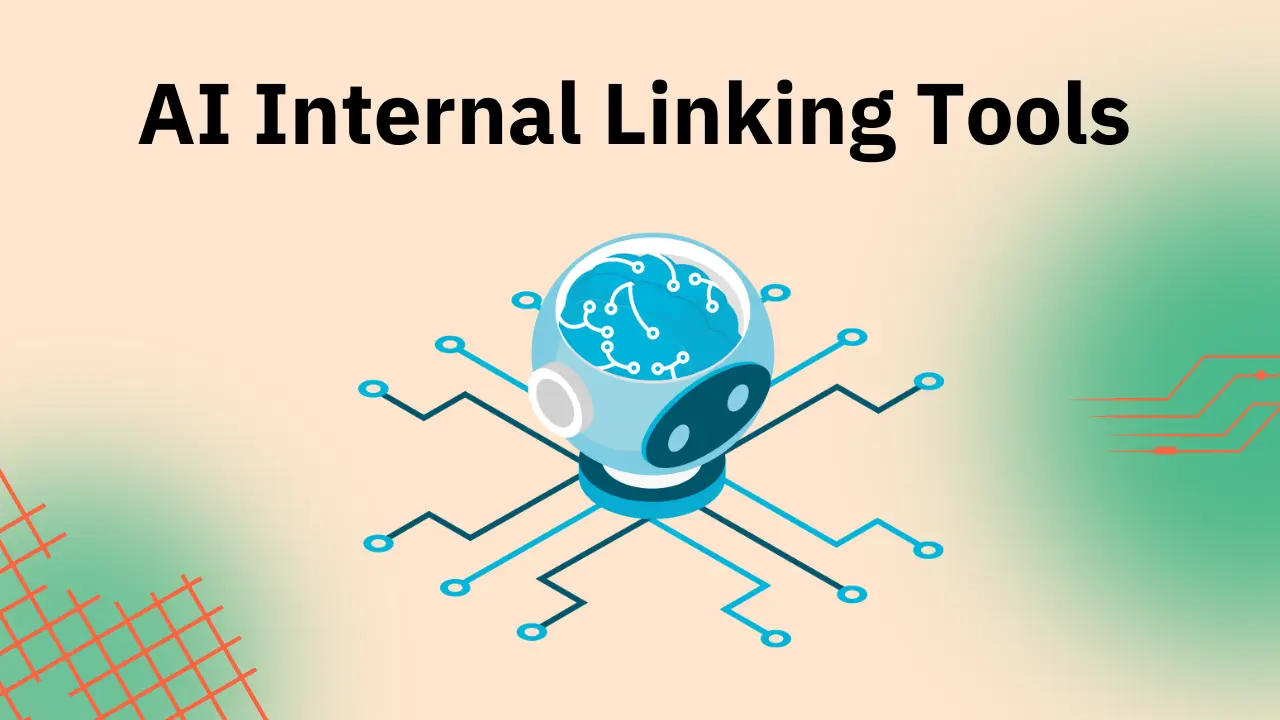
AI SEO automated internal linking refers to the use of artificial intelligence algorithms to automatically generate, place, and manage internal hyperlinks across a website. Unlike manual linking, where an editor hand-picks anchor text and destination URLs, AI systems analyze the entire content repository, understand semantic relationships between pages, and insert contextual links at scale.
These systems leverage natural language processing (NLP) to interpret the meaning of content, not just keyword matching. The AI evaluates factors such as topic relevance, search intent, user behavior patterns, and page authority to determine the most valuable link placements. The result is a dynamic internal linking structure that adapts as new content is published and existing pages evolve.
How AI Internal Linking Works Under the Hood
Understanding the mechanics of AI-powered internal linking helps marketers appreciate its capabilities and limitations. The process typically involves several layers of technology working together.
Content Analysis and Semantic Understanding
The AI first ingests all website content, breaking down each page into structured data. It identifies entities, topics, and concepts rather than just keywords. For example, a page about “Mediterranean diet benefits” would be recognized as related to “heart health,” “olive oil nutrition,” and “weight management” even if those exact phrases do not appear in the text.
Link Candidate Generation
Once the semantic map is built, the AI generates potential link pairs. It looks for pages where one piece of content naturally complements another. The system scores each candidate pair based on relevance scores, contextual fit, and the potential to improve user experience or SEO metrics.
Anchor Text Optimization
AI systems craft anchor text that is both descriptive and natural. Instead of generic phrases like “click here,” the AI selects anchor phrases that match the target page’s primary keywords while maintaining readability. The system also ensures anchor text diversity to avoid over-optimization penalties.
Continuous Learning and Adjustment
Advanced AI linking tools monitor performance metrics such as click-through rates, time on page, and crawl frequency. When certain links underperform, the system adjusts anchor text or placement. This feedback loop ensures the internal linking structure improves over time without manual intervention.
Key Benefits of AI-Powered Internal Linking
Implementing AI SEO automated internal linking delivers advantages that go beyond simple time savings. The benefits touch every aspect of SEO performance and user engagement.
Scalability for Large Websites
Websites with thousands or millions of pages face a monumental challenge in manual internal linking. AI systems process entire content libraries in minutes, creating a comprehensive linking structure that would take a human team months to complete. E-commerce platforms, news sites, and large corporate blogs benefit most from this scalability.
Improved Crawl Efficiency and Indexation
Search engine bots discover new content through internal links. AI-optimized linking ensures every important page receives at least one internal link, reducing orphan pages and improving crawl budget utilization. This leads to faster indexation of new content and more complete coverage of the website in search results.
Enhanced Page Authority Distribution
PageRank and similar authority metrics flow through internal links. AI systems strategically place links from high-authority pages to pages that need ranking boosts. This intelligent distribution maximizes the SEO value of every link on the site.
Better User Engagement Metrics
Relevant internal links keep users exploring the website longer. AI-generated links are contextually appropriate, so users find genuinely useful related content. This increases page views per session, reduces bounce rates, and improves dwell time, all of which are positive signals for search engines.
Reduction of Manual Errors
Human editors make mistakes, including broken links, incorrect anchor text, and links to irrelevant pages. AI systems validate every link, checking for broken URLs and ensuring destination pages exist and are accessible. This reduces the technical SEO issues that can harm rankings.
Limitations and Challenges of Automated Linking
While AI internal linking offers substantial benefits, it is not without drawbacks. Understanding these limitations helps set realistic expectations and guides implementation decisions.
Potential for Over-Optimization
If the AI system is not properly configured, it may create an unnatural number of links with exact-match anchor text. This can trigger search engine spam filters and result in manual penalties. Careful configuration and regular audits are essential to avoid this pitfall.
Lack of Brand Voice and Editorial Judgment
AI systems lack the nuanced understanding of brand messaging and editorial tone that human editors possess. Sometimes a link that makes sense semantically does not fit the narrative flow of an article. Human oversight remains necessary for high-visibility pages.
Dependency on Content Quality
AI linking tools are only as good as the content they analyze. Poorly written, thin, or duplicate content produces weak semantic signals, leading to suboptimal link recommendations. The AI cannot fix underlying content quality issues.
Implementation Complexity
Integrating AI linking tools with existing content management systems and website architectures requires technical expertise. Some tools require API access, custom scripts, or plugin installations that may not be compatible with all platforms.
AI Internal Linking vs. Manual Internal Linking
Choosing between AI automation and manual linking depends on website size, resources, and strategic goals. The following comparison highlights the key differences.
| Factor | AI Automated Linking | Manual Linking |
|---|---|---|
| Speed | Instant processing of entire sites | Hours per page for large sites |
| Scalability | Handles millions of pages | Practical only up to hundreds of pages |
| Consistency | Uniform application of rules | Varies based on editor judgment |
| Contextual Accuracy | High, based on semantic analysis | High, based on human understanding |
| Cost | Subscription fees for tools | Labor costs for editors |
| Adaptability | Real-time adjustments | Requires manual updates |
| Risk of Errors | Low, with validation checks | Moderate, human mistakes possible |
For small websites with fewer than 100 pages, manual linking may be sufficient and more cost-effective. For growing sites, a hybrid approach works well, using AI for bulk linking and manual oversight for key landing pages and money pages.
Practical Implementation Guide for AI Internal Linking
Implementing AI SEO automated internal linking requires a structured approach. The following steps outline a proven implementation process.
Step 1: Audit Your Current Internal Linking Structure
Before introducing AI, understand your baseline. Use tools like Screaming Frog or Sitebulb to crawl your website and identify orphan pages, broken links, and pages with zero internal links. Document your current anchor text distribution and identify pages that receive excessive or insufficient link equity.
Step 2: Choose the Right AI Linking Tool
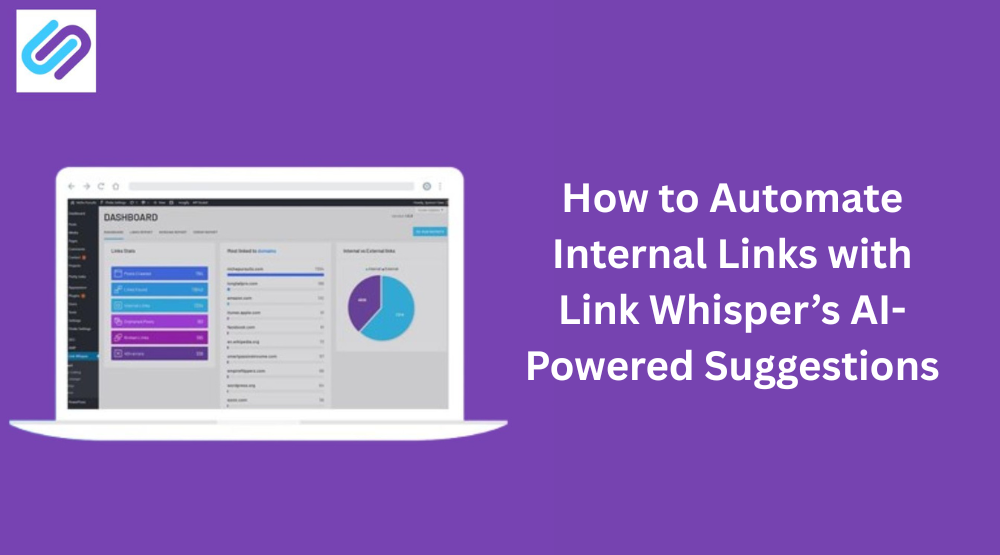
Several tools offer AI-powered internal linking capabilities. Popular options include Link Whisper, which uses AI to suggest relevant links during content editing, and InLinks, which provides semantic linking recommendations. Enterprise solutions like BrightEdge and Conductor also offer automated linking features. Evaluate tools based on your CMS compatibility, budget, and required features.
Step 3: Configure Link Rules and Parameters
Set clear guidelines for the AI system. Define the maximum number of internal links per page, specify which pages should be excluded from receiving links, and establish anchor text diversity rules. Configure the system to prioritize links to cornerstone content and money pages.
Step 4: Run a Pilot Program
Test the AI system on a subset of your website, such as a specific blog category or product line. Monitor the results for two to four weeks, tracking changes in organic traffic, crawl frequency, and user engagement metrics. Compare these results against a control group of pages without AI links.
Step 5: Full Deployment and Continuous Monitoring
Once the pilot shows positive results, deploy the AI linking across the entire website. Set up regular reporting to monitor link health, anchor text distribution, and performance metrics. Schedule quarterly audits to ensure the AI system continues to align with your SEO strategy.
Common Mistakes to Avoid with AI Internal Linking
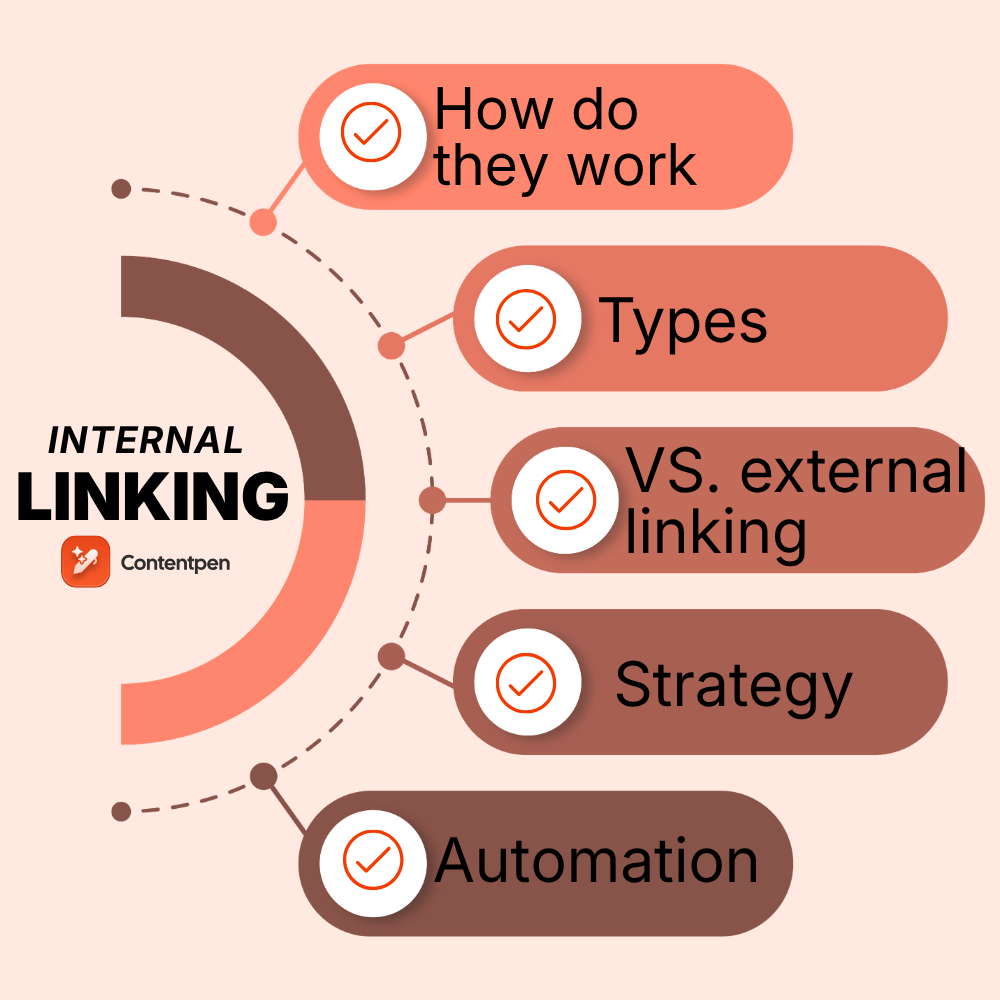
Even with advanced technology, implementation mistakes can undermine results. Awareness of these common pitfalls helps prevent costly errors.
Ignoring User Experience
Some AI systems prioritize SEO metrics over user experience, inserting links that disrupt reading flow. Always review AI-suggested links for natural placement. Links should feel like helpful recommendations, not forced insertions.
Overloading Pages with Links
Too many internal links dilute link equity and confuse users. Stick to a reasonable number, typically 3 to 10 internal links per page depending on content length. The AI should be configured with a hard limit to prevent over-linking.
Neglecting Mobile Experience
Internal links that work well on desktop may create clutter on mobile screens. Ensure the AI system accounts for responsive design and limits link density on mobile versions of pages.
Failing to Update Old Content
AI linking works best when it continuously processes new and existing content. If the system only analyzes newly published pages, older content may miss out on valuable link opportunities. Configure the AI to periodically re-analyze the entire content library.
Choosing Irrelevant Anchor Text
While AI systems are good at semantic matching, they sometimes select anchor phrases that are too generic or too specific. Review anchor text regularly and manually adjust where necessary to maintain natural language patterns.
Important Notes for Maximizing AI Linking ROI
Several best practices enhance the effectiveness of AI-powered internal linking beyond basic implementation.
- Integrate AI linking with your content strategy by identifying content gaps that the AI flags through its semantic analysis.
- Use AI linking data to inform new content creation, targeting topics that the system identifies as underserved.
- Combine AI internal linking with programmatic SEO efforts to scale both content production and link architecture simultaneously.
- Track the correlation between AI-generated links and keyword ranking improvements to quantify ROI.
- Ensure your XML sitemap and robots.txt files are properly configured so the AI system can crawl and analyze all relevant pages.
- Regularly export AI link reports and share them with content writers to align editorial decisions with linking opportunities.
Frequently Asked Questions
Does Google penalize automated internal linking?
Google does not penalize automated internal linking when the links are relevant, natural, and provide value to users. The search engine’s guidelines prohibit manipulative link schemes, but AI-generated contextual links that mimic human editorial decisions are generally safe. The key is to ensure the AI produces diverse anchor text and links only to genuinely related content.
How much does AI internal linking software cost?
Pricing varies widely based on features and website size. Basic tools like Link Whisper start around $77 per year for a single site license. More advanced platforms like InLinks offer tiered pricing starting around $99 per month. Enterprise solutions can cost thousands of dollars per month but include additional features like competitor analysis and content optimization.
Can AI internal linking replace manual link building?
AI internal linking replaces manual internal linking, not external link building. Internal links connect pages within your own website, while link building focuses on acquiring backlinks from other domains. Both are essential components of a comprehensive SEO strategy, and AI tools do not eliminate the need for quality external backlinks.
What is the ideal number of internal links per page?
T Longer, comprehensive guides can support more links. The focus should be on relevance and user value rather than hitting a specific count. AI systems can be configured with your preferred range.
How long does it take to see results from AI internal linking?
Results typically appear within 4 to 8 weeks after implementation. Search engines need time to crawl the updated link structure and recalculate page authority. Pages that receive new internal links may see ranking improvements for target keywords within this timeframe. User engagement metrics like time on page and pages per session often improve more quickly.
Is AI internal linking suitable for e-commerce websites?
Yes, e-commerce websites benefit significantly from AI internal linking. Product pages, category pages, and blog content can be interlinked based on semantic relevance. The AI can link related products, connect product pages to buying guides, and distribute authority from high-traffic pages to new inventory. This improves both SEO and cross-selling opportunities.
Conclusion
AI SEO automated internal linking represents a significant advancement in how websites manage their internal link architecture. The technology addresses the scalability challenges of large websites while improving the relevance and quality of links. By understanding how these systems work, implementing them correctly, and avoiding common pitfalls, website owners can achieve measurable improvements in crawl efficiency, keyword rankings, and user engagement.
The most successful approach combines AI automation with human oversight. Let the AI handle the heavy lifting of analyzing content and generating link suggestions, but maintain editorial control over high-priority pages. Regular monitoring and adjustment ensure the system continues to deliver value as your website grows and evolves.
Start with a pilot program on a section of your website, measure the results, and scale up based on data. The investment in AI-powered internal linking pays dividends through improved search visibility and a better user experience that keeps visitors engaged with your content.
Xem thêm:
- AI SEO Research Workflow: The Complete Guide to Scaling Organic Growth
- AI SEO Best Practices: The Complete Guide to Smarter Search Optimization
- AI SEO Geo Targeting: The Complete Guide to Local Search Dominance in 2025
- AI SEO Internal Link Optimization: The Complete Guide to Smarter Site Architecture
- AI SEO Chatbots: The Complete Guide to Automating Search Optimization With Conversational Intelligence
Bài viết cùng chủ đề:

AI SEO SEO Automation with Make: The Complete Workflow Guide

AI SEO SEO Automation with Zapier: The Complete Workflow Guide

AI SEO SEO Automation with n8n: The Complete Workflow Guide
AI SEO SEO Automation with Gemini: The Complete Guide to Scaling Organic Growth

AI SEO SEO Automation with Claude: The Complete Guide to Scaling Content in 2025

AI SEO SEO Automation with ChatGPT: The Complete Playbook for 2025

AI SEO & SEO Automation for Affiliate Sites: The 2025 Playbook for Passive Income Growth
AI SEO & SEO Automation for Bloggers: The Complete Guide to Scaling Your Content

AI SEO & SEO Automation for Agencies: The Complete 2025 Playbook

AI SEO and SEO Automation for Ecommerce: The Complete Playbook for 2025

AI SEO & SEO Automation for WordPress: The Complete Playbook for 2025
AI SEO SEO Automation Strategy: The Complete Playbook for 2025

Mastering the AI SEO SEO Automation Process: A Complete Guide to Scaling Organic Growth
AI SEO SEO Automation System: The Complete Guide to Scaling Organic Growth in 2025
AI SEO SEO Automation Platform: The Complete Guide to Scaling Organic Growth in 2025
AI SEO SEO Automation Software: The Complete Guide to Scaling Organic Growth in 2025















