
No products in the cart.
AI SEO Semrush: The Complete Guide to Automating Your Search Rankings in 2025
31
Jul
Jul
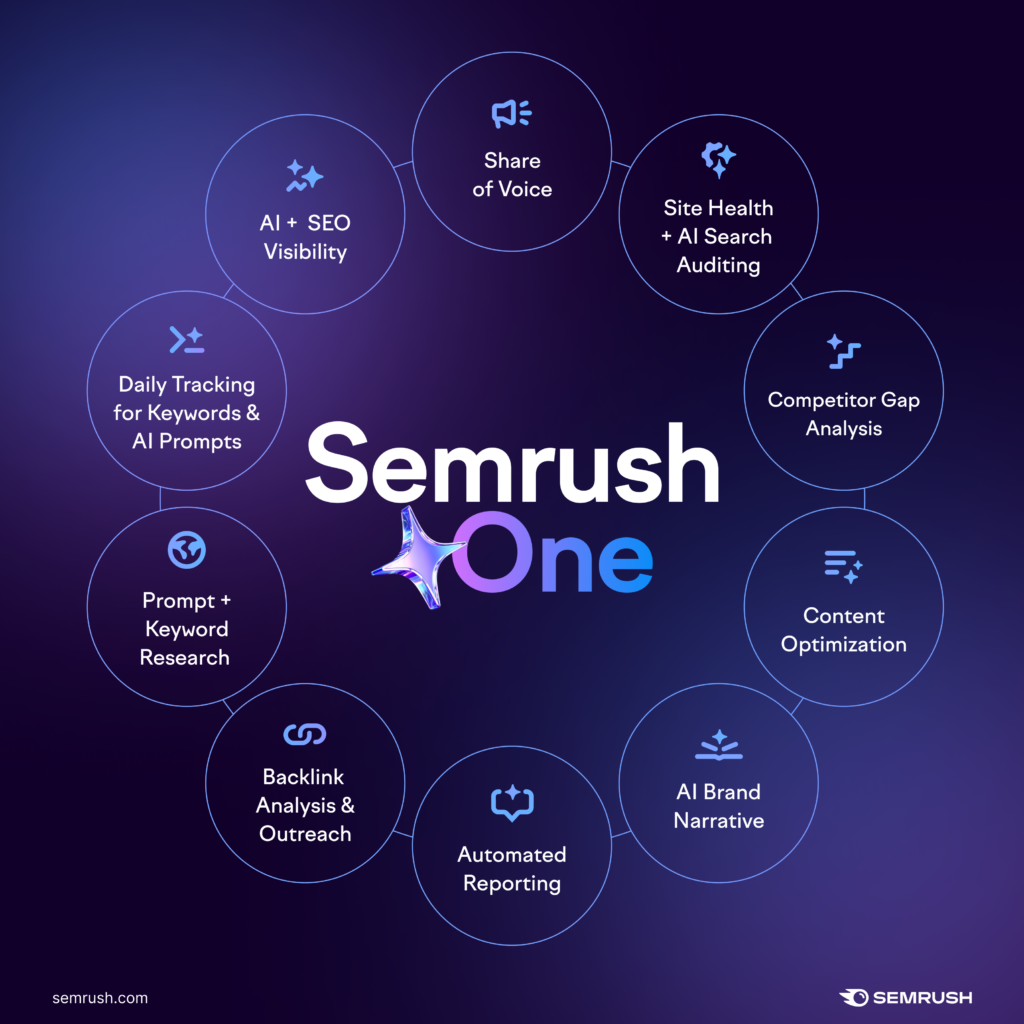
The landscape of search engine optimization has shifted dramatically with the integration of artificial intelligence. At the center of this transformation is the powerful combination of AI and Semrush, a platform that has evolved from a traditional SEO toolkit into an intelligent, predictive engine for digital growth. Understanding how to leverage AI SEO Semrush capabilities is no longer a competitive advantage; it is a necessity for brands that want to maintain visibility in an increasingly crowded digital ecosystem. This guide provides a deep dive into the features, strategies, and practical applications of using Semrush’s AI-driven tools to dominate search results.
Understanding the Core of AI SEO Semrush
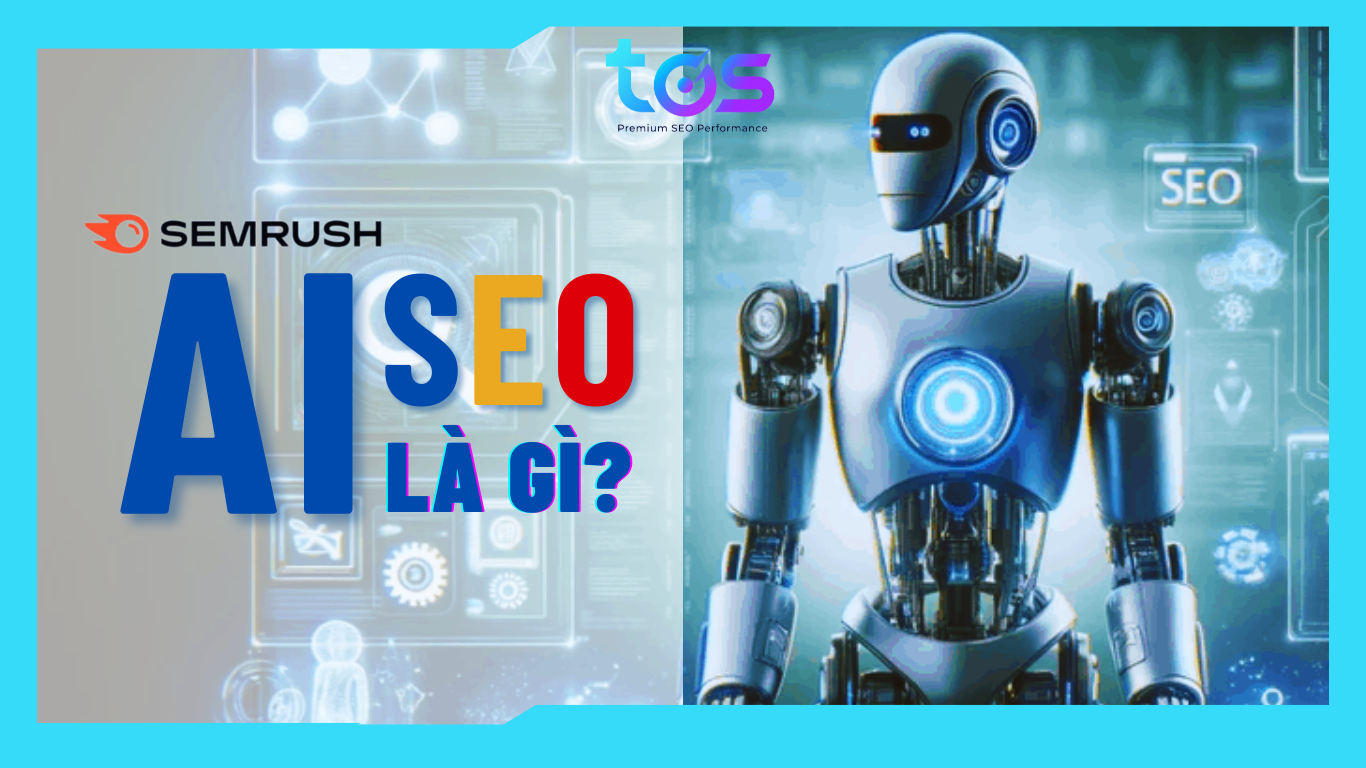
AI SEO Semrush refers to the suite of machine learning algorithms, natural language processing (NLP), and predictive analytics integrated into the Semrush platform. These features are designed to automate repetitive tasks, uncover hidden patterns in data, and provide actionable recommendations that go beyond basic keyword matching. The goal is to move from reactive optimization to proactive strategy, where the tool anticipates algorithm updates and user behavior shifts before they impact rankings.
The platform’s AI capabilities are not a single feature but a layer of intelligence that enhances every module. From content creation to technical audits, the system learns from billions of data points to offer insights that a human analyst might miss. This includes understanding search intent at a granular level, predicting the click-through rate of meta descriptions, and identifying topical authority gaps that prevent a site from ranking for high-value terms.
The Evolution from Traditional SEO Tools to AI-Powered Platforms
Traditional SEO tools were primarily reactive. They told you where you ranked, what keywords you had, and how many backlinks you had. Semrush has shifted this paradigm. The current iteration uses AI to answer “why” and “what next.” For instance, instead of just showing a drop in rankings, the AI analyzes the SERP features, competitor content updates, and core web vitals to suggest a specific remediation plan. This evolution means that SEO professionals now spend less time on data collection and more time on strategic decision-making.
The integration of AI also addresses the complexity of modern search. Google’s algorithms, such as BERT and MUM, require content that demonstrates semantic depth. Semrush’s NLP tools analyze your content against the top-ranking pages to ensure you cover all related entities and subtopics. This is a fundamental shift from keyword density to concept coverage, which is the essence of modern AI-driven optimization.
Key AI Features in Semrush That Transform SEO Workflows
Semrush has rolled out several specific AI-driven features that directly impact how you plan, create, and optimize content. These tools are designed to reduce manual effort while increasing the accuracy of your SEO campaigns. Below is a breakdown of the most impactful features currently available.
ContentShake AI: From Brief to Draft in Minutes
ContentShake AI is a standalone app that integrates with Semrush data. It uses generative AI to create content briefs and full drafts based on the top-performing articles for your target keywords. The tool analyzes the tone, structure, and entities used by competitors, then generates a unique draft that aligns with your brand voice. This is not just a text generator; it is a strategic tool that ensures your content meets the search intent criteria that Google’s AI is looking for.
Using ContentShake AI, you can input a keyword like “best project management software.” The A It then generates a draft that includes these elements, giving you a head start that is data-backed rather than guesswork.
AI-Powered Topic Research and Clustering
The Topic Research module uses machine learning to group keywords into clusters based on semantic similarity. This goes beyond simple synonym matching. The AI understands that “how to bake bread” and “bread baking tips” are part of the same topical cluster, even if they don’t share the exact same words. This allows you to build topical authority by creating comprehensive content hubs that cover all aspects of a subject, which is a critical ranking factor in the era of entity-based search.
This feature also provides a “Topic Difficulty” score that is calculated using AI models that predict how hard it will be to rank for a specific cluster. This predictive capability helps you prioritize your content calendar, focusing on topics where you have a realistic chance of breaking into the top 10 based on your current domain authority.
Semrush Copilot: Your AI SEO Assistant
Semrush Copilot is the central hub for AI-driven recommendations. It acts as a personal assistant that monitors your website’s health, tracks your keyword positions, and identifies critical issues that need immediate attention. The Copilot uses natural language generation to explain complex data in plain English. For example, instead of showing a raw error code, it will say, “Your site has 15 broken links on the checkout page, which is likely hurting your conversion rate and crawl budget.”
The Copilot prioritizes tasks based on their potential impact. It uses predictive scoring to tell you which fixes will yield the highest ROI. This is particularly useful for large enterprise sites where the backlog of technical issues can be overwhelming. The AI helps you focus on the 20% of tasks that will drive 80% of the results.
Practical Guide: How to Use AI SEO Semrush for Content Optimization

Implementing AI SEO Semrush into your daily workflow requires a structured approach. The following step-by-step guide outlines how to use these tools to optimize a single piece of content from ideation to publication.
Step 1: Keyword Discovery and Intent Analysis
Start with the Keyword Magic Tool. Instead of just looking at volume, use the “Intent” filter. Semrush uses AI to classify keywords into informational, navigational, commercial, and transactional categories. For a commercial page, you want to target keywords with high commercial intent. The A
Once you have a list, input it into the Keyword Manager. The A This helps you structure your site architecture logically, ensuring that internal links pass authority effectively.
Step 2: Competitor Gap Analysis with AI Insights
Use the Domain vs. Domain tool to identify keywords that your competitors rank for, but you do not. The AI enhances this by highlighting “Easy Wins” – keywords where your competitor ranks in position 5-10, but their content is weak. The AI analyzes the content quality score, word count, and backlink profile of those pages. If your site has higher authority, the A
This analysis extends to the SERP features. The AI identifies which keywords have “People Also Ask” boxes, video carousels, or image packs. It then recommends the content format most likely to win that placement. For example, if the SERP shows a video carousel, the A
Step 3: AI-Assisted Writing and On-Page Optimization
Open the SEO Writing Assistant. This tool provides a real-time score based on your target keyword. It uses NLP to check for semantic relevance, readability, and tone of voice. As you write, the AI gives you recommendations to improve your score. It will suggest adding specific LSI keywords, reducing sentence length, or increasing the use of transition words.
For a more advanced approach, use the “Smart Writer” feature. This is a text editor that uses GPT models trained on Semrush data. You can type a command like “Write a paragraph about the benefits of using AI for local SEO.” The tool will generate text that is optimized for your target keyword and matches the style of your top-ranking competitors. You can then edit this draft to add your unique experience and insights.
Step 4: Technical SEO Audits Powered by Machine Learning
Run a Site Audit. The AI in this module does more than just find errors; it prioritizes them based on the “Crawlability” score. The tool uses machine learning to simulate how Googlebot crawls your site. It identifies pages that are wasting crawl budget, such as thin content or duplicate versions of the same page. The AI then provides a “Crawl Budget Optimization” report, showing you exactly which pages to noindex or consolidate.
The audit also uses AI to detect “Algorithm Updates” impacts. If your traffic dropped after a specific Google update, the AI can correlate that drop with specific on-page changes or technical errors that occurred around the same time. This helps you diagnose issues faster than waiting for manual analysis.
Comparing AI SEO Semrush with Traditional SEO Methods
To understand the value of AI SEO Semrush, it is helpful to compare it directly with traditional manual SEO approaches. The table below highlights the key differences in workflow, accuracy, and scalability.
| Aspect | Traditional SEO Methods | AI SEO Semrush |
|---|---|---|
| Keyword Research | Manual sorting of spreadsheets, relying on intuition for grouping. | Automatic clustering based on semantic similarity and search intent. |
| Content Creation | Writing based on personal knowledge and limited competitor review. | Data-driven briefs that analyze top 10 results for structure and entities. |
| Technical Audits | Checking each page manually or using basic crawlers that list all errors equally. | Prioritized error lists based on predicted impact on rankings and revenue. |
| Competitor Analysis | Manually checking competitor pages for keywords and backlinks. | Automated gap analysis with predictive “Easy Win” opportunities. |
| Reporting | Creating static PDF reports with raw data. | Natural language summaries that explain what the data means and what to do next. |
The primary difference lies in speed and depth. A human analyst might take a week to identify a content gap and create a brief. The AI does this in minutes. However, the human element remains crucial for strategy, brand voice, and creative storytelling. The AI provides the map, but the human drives the car.
Benefits and Limitations of Relying on AI SEO Semrush
Adopting AI SEO Semrush comes with a distinct set of advantages and potential drawbacks. Understanding these helps set realistic expectations and prevents over-reliance on automation.
Key Benefits for SEO Professionals
- Scalability: The AI allows you to analyze thousands of keywords and pages simultaneously, making it feasible to manage large enterprise websites with millions of URLs.
- Accuracy: Machine learning models reduce human error in data interpretation. The AI can detect patterns in user behavior that are invisible to the naked eye.
- Efficiency: Automating repetitive tasks like meta description generation and internal link suggestions frees up time for strategic thinking and creative campaign development.
- Predictive Insights: The AI can forecast the potential traffic of a piece of content before it is published, allowing you to allocate resources to the highest-potential topics.
- Data Dependency: The quality of AI output is directly tied to the quality of the input data. If your tracking is broken or your keyword list is incomplete, the A
- Lack of Creativity: AI-generated content can sometimes feel formulaic. It lacks the unique anecdotes, personal experiences, and original research that build true E-E-A-T (Experience, Expertise, Authoritativeness, Trustworthiness).
- Cost: The advanced AI features are typically available on higher-tier plans, which may be prohibitive for small businesses or freelancers just starting out.
- Over-Reliance Risk: Following AI recommendations blindly without understanding the “why” can lead to homogenized content that looks like every other site using the same tool.
Limitations and Considerations
Common Mistakes When Using AI SEO Semrush and How to Avoid Them
Many users fail to see results from AI SEO Semrush not because the tool is ineffective, but because they misuse it. Here are the most common pitfalls and the strategies to overcome them.
Mistake 1: Ignoring the “Human” Review of AI Content
The biggest mistake is publishing AI-generated content without editing. The SEO Writing Assistant gives you a high score, but it doesn’t know if your facts are correct or if the tone matches your brand. Always use the AI draft as a starting point. Inject your personal experience, add original quotes from industry experts, and verify all statistics. Google’s algorithms are sophisticated enough to detect content that lacks genuine value, even if it is perfectly optimized for keywords.
Mistake 2: Focusing Only on High-Volume Keywords
The A However, these are also the most competitive. A common mistake is ignoring the “long-tail” opportunities that the AI identifies. These lower-volume keywords often have higher conversion rates because they indicate specific user intent. Use the AI to find these hidden gems and create content that addresses the specific pain points of these users.
Mistake 3: Neglecting the “Copilot” Recommendations
Many users run a Site Audit, look at the error count, and then ignore it because it seems overwhelming. The Copilot feature is designed to solve this. It prioritizes the issues for you. Ignoring these prioritized tasks is a critical error. The AI is telling you that fixing a specific broken link will have a greater impact than fixing another. Follow the priority order to maximize your efficiency.
Mistake 4: Using AI for Link Building Outreach
While Semrush has a link building tool, using AI to generate generic outreach emails is a fast way to get your messages deleted. The AI can help you identify prospects, but the outreach message must be personalized. Mention a specific article they wrote, or a recent change on their site. The AI can provide the data, but the relationship building requires a human touch.
Important Notes for Maximizing AI SEO Semrush Effectiveness
To get the most out of your subscription, there are several operational notes to keep in mind. These are best practices gleaned from top-tier SEO agencies and in-house teams.
First, ensure your Google Search Console and Google Analytics are properly connected. The AI relies on this data to understand your actual performance. Without this connection, the AI is working with incomplete information, leading to skewed recommendations. Second, set up custom reports that track the metrics that matter to your business, not just vanity metrics like keyword position. Track conversions, leads, and revenue attributed to organic search.
Third, schedule regular “AI Review” sessions. Once a week, sit down with the Copilot and review the new recommendations. The AI learns from your actions. If you ignore a suggestion, it will eventually stop showing it to you. If you accept a suggestion and it works, the A This feedback loop is essential for the tool to become more accurate over time.
Finally, do not use the AI to replace your SEO team. Use it to augment them. The best results come from a hybrid approach where the AI handles the data processing and the humans handle the creative strategy and relationship building. This synergy is what separates top-performing brands from the rest.
Frequently Asked Questions About AI SEO Semrush
Is Semrush AI free to use?
Semrush offers a limited free trial that includes access to some AI features, such as the SEO Writing Assistant with a limited number of credits. However, full access to advanced AI tools like ContentShake AI and the full capabilities of the Copilot requires a paid subscription. The cost varies depending on the plan tier, with the “Guru” and “Business” plans offering the most comprehensive AI features.
How does Semrush AI compare to using ChatGPT for SEO?
ChatGPT is a general-purpose language model that can generate text, but it lacks real-time SEO data. Semrush AI is specifically trained on SEO datasets, including keyword volumes, backlink profiles, and ranking positions. While ChatGPT can help you brainstorm ideas, Semrush AI provides the actual data to validate those ideas and optimize them for search engines. The key difference is that Semrush AI is connected to a live database of search metrics, making its recommendations more actionable and accurate.
Can AI SEO Semrush guarantee a #1 ranking on Google?
No tool can guarantee a #1 ranking. Google’s algorithm is complex and considers hundreds of factors, many of which are outside your control, such as competitor actions and global events. Semrush AI provides the best possible recommendations based on available data, but the execution and the quality of your content ultimately determine your success. The tool significantly increases your chances by identifying the most efficient path, but it cannot override the fundamental laws of relevance and authority.
Will AI replace the need for human SEO experts?
A The repetitive, data-heavy tasks will be automated, allowing experts to focus on high-level strategy, creative content development, and user experience optimization. The human ability to empathize with an audience, understand cultural nuances, and build genuine relationships with other websites remains irreplaceable. The future of SEO is a partnership between human intuition and machine intelligence.
Conclusion: The Future of Search is Intelligent
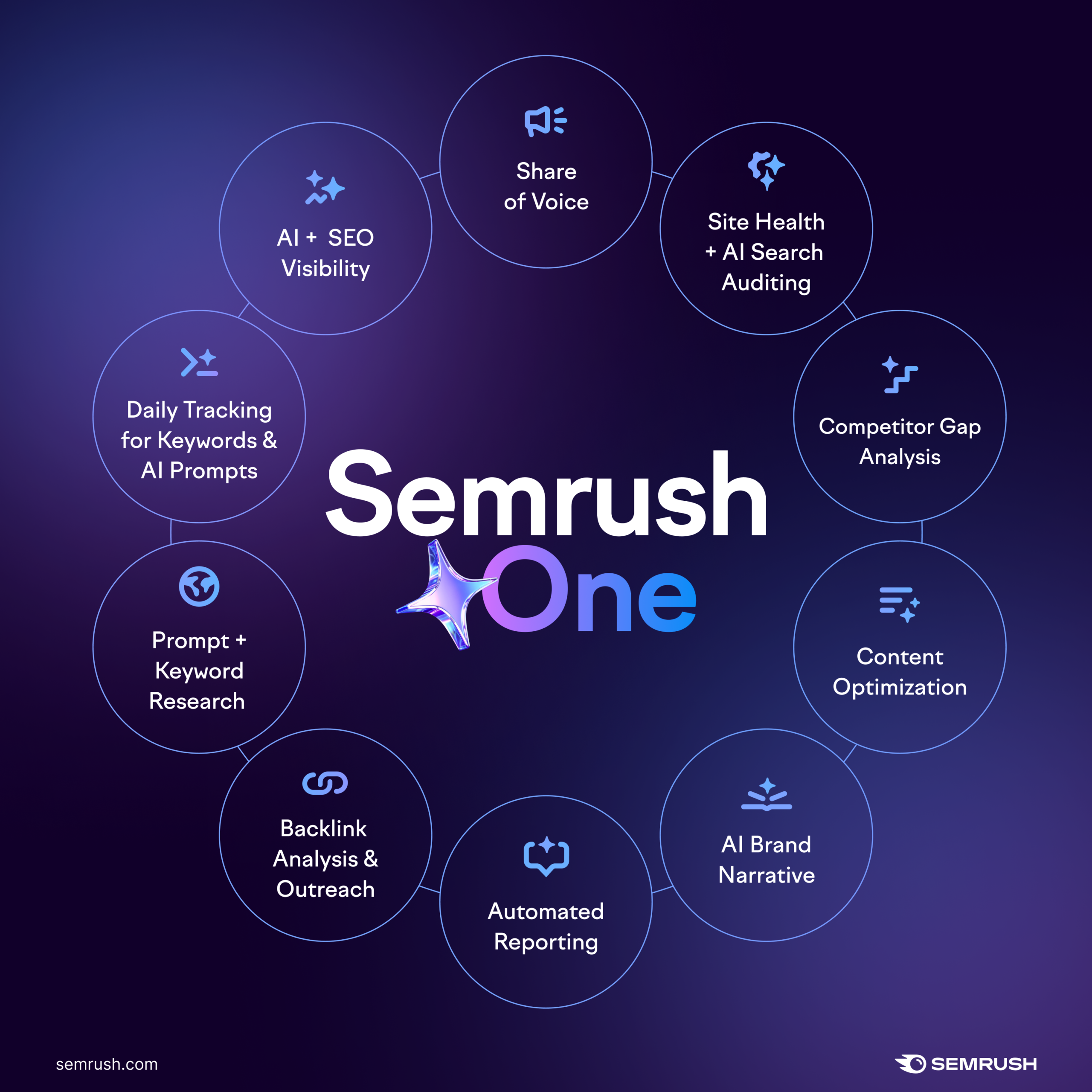
AI SEO Semrush represents a significant leap forward in how digital marketing professionals approach search optimization. The ability to automate complex analyses, predict outcomes, and generate data-backed content briefs is transforming the industry. The tools discussed in this guide are not just features; they are the building blocks of a modern, efficient, and effective SEO strategy.
The key takeaway is that AI is a powerful amplifier. It amplifies your ability to execute, but it also amplifies the quality of your strategy. By integrating these AI capabilities into your workflow, you are not just keeping up with the times; you are positioning yourself to lead in the new era of search. The future belongs to those who can harness the power of artificial intelligence while maintaining the human creativity and strategic vision that truly drive engagement and conversions.
Xem thêm:
- How to Automate SEO with AI and Build a Scalable Organic Growth Engine
- AI SEO Review Schema: The Complete Guide to Structured Data in 2025
- Google AI Mode SEO: A Complete Guide to Optimizing for Google’s AI‑Powered Search Shift
- AI SEO Link Equity: The Complete Guide to Modern Link Building
- AI SEO Semantic Search Optimization: The Complete Guide to Ranking in the Age of Machine Learning
Bài viết cùng chủ đề:

AI SEO SEO Automation with Make: The Complete Workflow Guide

AI SEO SEO Automation with Zapier: The Complete Workflow Guide

AI SEO SEO Automation with n8n: The Complete Workflow Guide
AI SEO SEO Automation with Gemini: The Complete Guide to Scaling Organic Growth

AI SEO SEO Automation with Claude: The Complete Guide to Scaling Content in 2025

AI SEO SEO Automation with ChatGPT: The Complete Playbook for 2025

AI SEO & SEO Automation for Affiliate Sites: The 2025 Playbook for Passive Income Growth
AI SEO & SEO Automation for Bloggers: The Complete Guide to Scaling Your Content

AI SEO & SEO Automation for Agencies: The Complete 2025 Playbook

AI SEO and SEO Automation for Ecommerce: The Complete Playbook for 2025

AI SEO & SEO Automation for WordPress: The Complete Playbook for 2025
AI SEO SEO Automation Strategy: The Complete Playbook for 2025

Mastering the AI SEO SEO Automation Process: A Complete Guide to Scaling Organic Growth
AI SEO SEO Automation System: The Complete Guide to Scaling Organic Growth in 2025
AI SEO SEO Automation Platform: The Complete Guide to Scaling Organic Growth in 2025
AI SEO SEO Automation Software: The Complete Guide to Scaling Organic Growth in 2025















