
No products in the cart.
AI SEO Short Tail Keywords: The Complete Guide to High-Volume Search Domination

10
Aug
Aug
AI SEO short tail keywords represent the intersection of artificial intelligence-driven search optimization and broad, high-volume query targeting. These are the one to three-word phrases that capture massive search intent, such as “digital marketing,” “best laptops,” or “home insurance.” In the era of AI-powered search engines and generative engine optimization, mastering these keywords requires a fundamentally different approach than traditional SEO. This guide explores how artificial intelligence reshapes the strategy, execution, and measurement of short tail keyword campaigns, offering a practical roadmap for brands seeking visibility in the new search landscape.
Understanding AI SEO Short Tail Keywords

Short tail keywords are the foundation of search engine optimization. They are broad, generic terms with high search volume and high competition. Examples include “shoes,” “software,” or “recipes.” The “AI” component refers to the use of artificial intelligence tools and algorithms to research, analyze, and optimize for these terms. AI SEO short tail keywords are not just about the words themselves; they are about the data-driven process of understanding user intent, predicting algorithm changes, and generating content that satisfies both users and search engines.
The core challenge with short tail keywords has always been ambiguity. A user searching “apple” could want fruit, a phone, or a record label. Traditional SEO struggled with this. AI, however, excels at contextual analysis. Machine learning models can analyze search patterns, user behavior, and semantic relationships to determine the dominant intent behind a broad query. This allows SEO professionals to create content strategies that target the “core” intent while also capturing long-tail variations through AI-generated content clusters.
The Evolution of Keyword Research with AI
Keyword research has transformed from a manual, spreadsheet-based task into a predictive, automated process. AI SEO short tail keyword research now involves using natural language processing (NLP) and machine learning to analyze vast datasets. Tools like Google’s RankBrain and BERT have changed how the search engine interprets queries, focusing on the meaning behind the words rather than the exact match of the words themselves.
For SEO professionals, this means that targeting “best SEO tools” requires more than just repeating that phrase. It requires understanding the entities, attributes, and user needs associated with that term. AI tools can now scrape search engine results pages (SERPs), analyze top-ranking content, and identify content gaps. They can predict which short tail keywords are gaining momentum based on social media trends, news cycles, and search volume velocity. This predictive capability is the primary advantage of AI in this domain, allowing marketers to move from reactive optimization to proactive strategy.
The Role of Generative AI in Content Creation
Generative AI, such as large language models (LLMs), plays a pivotal role in executing a short tail keyword strategy. Once you identify a high-value short tail keyword like “project management,” you need comprehensive content that covers the topic from every angle. AI can generate outlines, draft sections, and suggest related subtopics that naturally incorporate LSI (Latent Semantic Indexing) keywords. This helps build topical authority, which is crucial for ranking for broad terms.
However, the output is only as good as the input. AI-generated content for short tail keywords requires strict editorial oversight. The AI must be fed with specific data points, statistics, and brand guidelines to produce content that is not only unique but also accurate and trustworthy. The goal is to use AI to scale content production while maintaining the human touch that builds E-E-A-T (Experience, Expertise, Authoritativeness, Trustworthiness).
Why Short Tail Keywords Matter in the AI Era
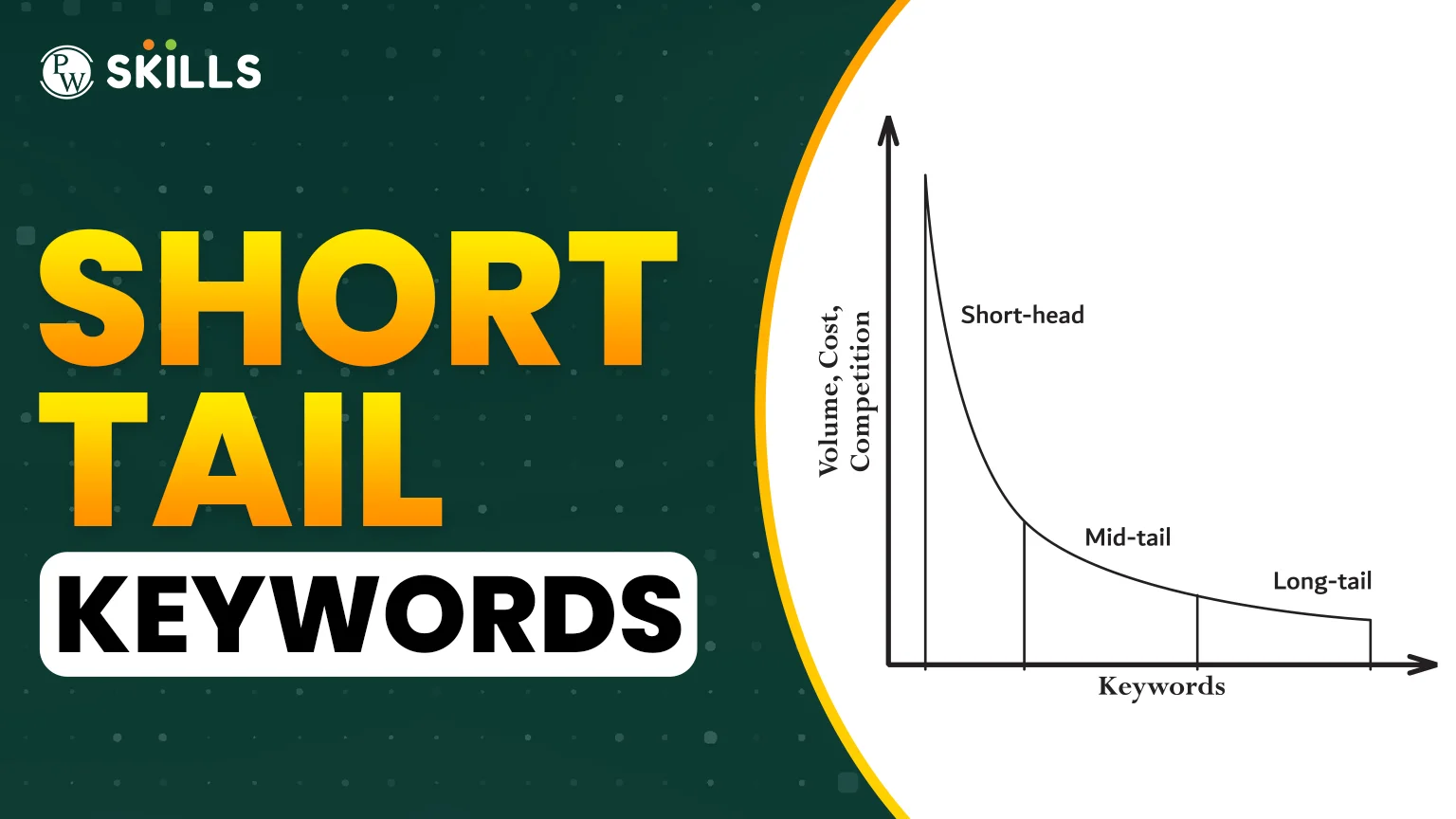
Despite the rise of conversational search and voice queries, short tail keywords remain vital. They represent the top of the marketing funnel. They are the entry points for brand discovery. While conversion rates are lower than long-tail keywords, the sheer volume of traffic they generate is unmatched. In the AI era, these keywords also serve as the “seed” for AI algorithms. When a user asks a voice assistant a question, the AI often breaks it down into core entities and concepts, which are essentially short tail keywords.
Furthermore, short tail keywords are critical for brand authority. Ranking on the first page for a broad, competitive term signals to users and to AI algorithms that your website is a leading authority in that niche. This “brand halo” effect can improve click-through rates (CTR) for all your other content, including long-tail pages. In a landscape where AI overviews (AIO) summarize search results, having your brand associated with the core short tail term increases the likelihood of being cited as a source.
Core Components of an AI-Driven Short Tail Strategy
Implementing a successful AI SEO short tail keywords strategy involves several distinct components. It is not enough to simply use an AI tool to find keywords. You must integrate AI across the entire content lifecycle, from research to measurement.
Predictive Search Volume Analysis
Traditional tools show historical data. AI tools use predictive analytics to forecast future trends. For short tail keywords, this is invaluable. You can identify a term that is currently low competition but predicted to spike in volume due to an emerging technology or cultural shift. This allows you to create content and build authority before the competition catches on.
Semantic Clustering and Entity Mapping
AI can group short tail keywords into semantic clusters based on shared user intent. For example, the short tail keyword “fitness” might cluster with “home workouts,” “gym equipment,” and “nutrition plans.” By mapping these entities, you can create a content hub that covers the entire ecosystem. This internal linking structure helps search engines understand the depth of your coverage, boosting your ranking for the primary short tail term.
Automated SERP Feature Targeting
AI algorithms can analyze which SERP features (featured snippets, people also ask, video carousels) appear for a specific short tail keyword. This analysis informs content formatting. If the SERP shows a “People Also Ask” box, the AI can generate concise, direct answers to those questions within your content. If it shows a video carousel, the strategy might shift to include video content optimized for that query.
Benefits and Limitations of Targeting Short Tail Keywords with AI
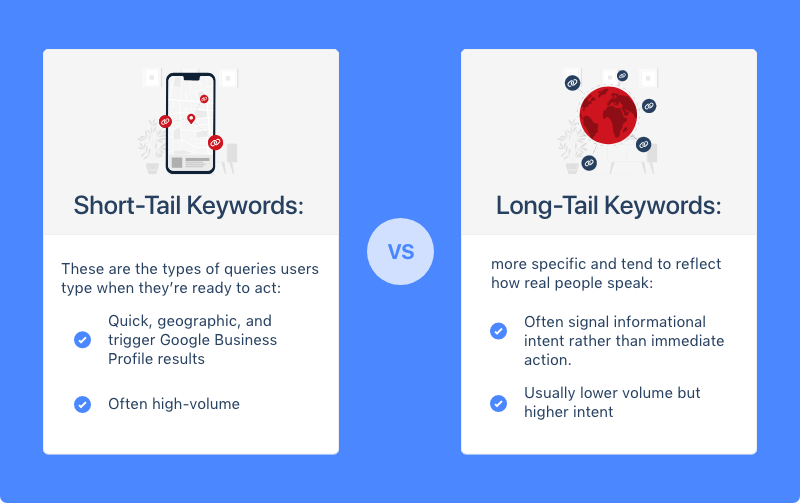
Understanding the pros and cons is essential for setting realistic expectations and allocating resources effectively.
| Aspect | Benefits | Limitations |
|---|---|---|
| Traffic Volume | High potential for massive organic traffic spikes. | High competition makes ranking difficult and slow. |
| Brand Visibility | Establishes authority and top-of-mind awareness. | Low conversion rates due to ambiguous search intent. |
| AI Integration | AI can process vast datasets to find gaps and trends. | Requires significant computational resources and tools. |
| Content Strategy | Provides a clear direction for content clusters and hubs. | Risk of creating generic content if not properly guided. |
The primary benefit is scale. AI allows you to analyze thousands of short tail keywords and their variations in minutes, a task that would take a human weeks. The primary limitation is the cost and complexity of the tools. High-end AI SEO platforms can be expensive, and interpreting their data requires a level of expertise that many small businesses lack.
Practical Application: A Step-by-Step Guide
To effectively implement an AI SEO short tail keywords strategy, follow this structured approach. This guide assumes you have access to standard SEO tools and at least one AI content generation platform.
- Seed Generation: Start with a list of 5-10 core short tail keywords relevant to your business. For a B2B SaaS company, this might be “CRM software,” “sales automation,” or “customer relationship management.”
- AI-Powered Expansion: Use an AI tool to expand these seeds. Input the seeds into a tool like Clearscope, MarketMuse, or Surfer SEO. These tools use AI to analyze the top 20 ranking pages and suggest related entities, questions, and subtopics.
- Intent Classification: Use AI to classify the intent behind each keyword. Is it informational (“what is CRM”), navigational (“Salesforce login”), or transactional (“buy CRM”)? For short tail keywords, the intent is often mixed. The AI can help you determine the dominant intent to guide your content format.
- Content Brief Creation: Generate a detailed content brief using AI. The brief should include the primary keyword, secondary keywords, suggested headings, and key entities to cover. This brief serves as the blueprint for your writers.
- Content Generation and Optimization: Use generative AI to draft the content based on the brief. Ensure the content is comprehensive, covering the topic in depth. After generation, use AI optimization tools to check for keyword density, readability, and semantic relevance.
- Internal Linking: Use AI to identify the best internal linking structure. The AI can analyze your site’s architecture and suggest which existing pages should link to the new short tail content and which new pages should link to your money pages.
- Performance Monitoring: Set up AI-driven monitoring. Tools like Google Analytics 4 (GA4) use machine learning to detect anomalies in traffic. Set up alerts for your target short tail keywords to track ranking fluctuations and CTR changes.
Common Mistakes and How to Avoid Them
Many SEO professionals fail with short tail keywords because they repeat the same errors. Here are the most common pitfalls and the AI-driven solutions to avoid them.
Ignoring User Intent
The biggest mistake is treating all short tail keywords the same. “Running shoes” and “running shoes sale” have different intents. AI tools can analyze the SERP to determine if the results are e-commerce pages, blog posts, or category pages. Match your content format to the dominant SERP pattern. If the SERP is full of product pages, do not write a blog post; create a category page.
Keyword Stuffing in the AI Era
Using the exact keyword too many times is a penalty trigger. AI algorithms are sophisticated enough to understand synonyms and related concepts. Instead of repeating “AI SEO short tail keywords” ten times, use variations like “broad match keywords,” “high-volume search terms,” and “generic queries.” AI optimization tools can help you maintain a natural keyword density of 1-2%.
Neglecting Content Depth
Short tail keywords require long-form content. A 300-word article will not rank for “digital marketing.” You need a comprehensive guide that covers strategy, tactics, tools, and case studies. AI can help you expand your content to 2000+ words by suggesting relevant subtopics and data points that you might have missed.
Failing to Update Content
Short tail keywords are dynamic. The meaning and relevance of “AI” changed drastically in 2023. AI tools can monitor the freshness of your content and alert you when a competitor publishes a more recent or comprehensive piece. Set up a schedule to review and update your pillar content every six months.
Important Notes on AI and Search Algorithms
Google’s algorithms are constantly evolving. The introduction of the Helpful Content Update and the emphasis on E-E-A-T have made it clear that AI-generated content must be people-first. When using AI for short tail keywords, you must ensure that the content demonstrates first-hand experience. If you are writing about “project management,” include real examples from your own projects. If you are writing about “best headphones,” include actual audio tests and measurements.
Another critical note is the rise of AI Overviews (AIO). These are AI-generated summaries that appear at the top of the SERP. They often answer the user’s query directly, reducing the need to click through to a website. To survive this, your content must be structured to be easily parsed by AI. Use clear headings, bullet points, and concise definitions. The goal is to be the source that the AI Overview cites.
Finally, do not rely solely on AI. The human element is still crucial for strategy, creativity, and ethical judgment. AI is a tool that amplifies your capabilities, not a replacement for your expertise.
Frequently Asked Questions (FAQ)
What is the difference between short tail and long tail keywords?
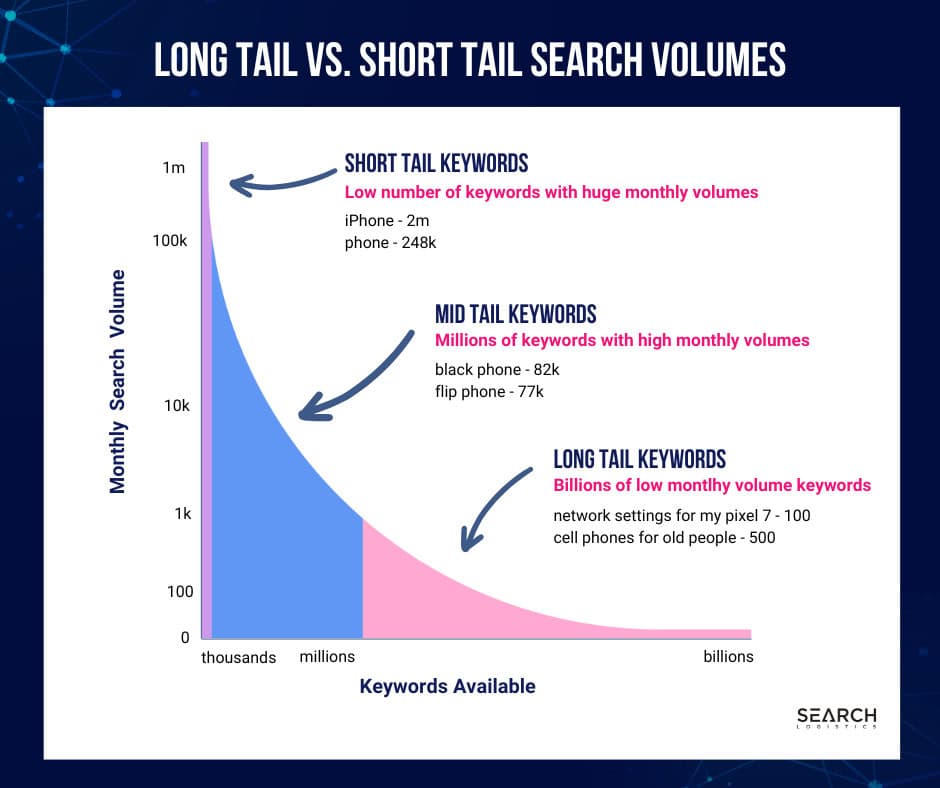
Short tail keywords are broad, generic terms with one to three words, such as “marketing” or “SEO tools.” They have high search volume and high competition. Long tail keywords are longer, more specific phrases, such as “best SEO tools for small businesses in 2024.” They have lower volume but higher conversion rates and less competition.
How does AI improve short tail keyword research?
AI improves research by analyzing massive datasets to identify patterns, predict trends, and understand semantic relationships. It can process search volume data, SERP features, and user behavior to provide insights that manual research would miss. AI also automates the clustering of keywords into topic groups, saving significant time.
Are short tail keywords still relevant for voice search?
Yes, but in a different way. Voice search queries are typically longer and conversational. However, the AI behind voice search breaks down these queries into core entities, which are essentially short tail keywords. For example, the query “what is the best CRM for a small business” is broken down into “CRM” and “small business.” Optimizing for these core entities helps you rank for voice search.
Can AI-generated content rank for short tail keywords?
Yes, but only if it is high-quality, accurate, and adds value. AI-generated content that simply regurgitates information from the top-ranking pages will not rank. You must use AI to create content that is more comprehensive, more up-to-date, and better structured than the competition. Human editing is essential to add unique insights and data.
What is the ideal keyword density for short tail keywords?
T This means using the keyword once or twice per 100 words. However, modern SEO focuses on semantic relevance rather than exact match density. Use synonyms and related terms naturally. AI tools can help you check if your content is over-optimized or under-optimized.
How long does it take to rank for a short tail keyword?
It can take anywhere from 3 to 12 months, depending on the competition and the authority of your domain. New websites may take longer. AI can help accelerate this process by identifying low-competition short tail keywords that are easier to rank for, allowing you to build authority before targeting the most difficult terms.
Conclusion
AI SEO short tail keywords are not a passing trend; they are the new standard for competitive search optimization. The integration of artificial intelligence into keyword research, content creation, and performance analysis has fundamentally changed how we approach these high-value terms. The days of guessing which keywords to target are over. AI provides the data-driven clarity needed to make informed decisions.
Success in this arena requires a balanced approach. Leverage AI for its computational power and predictive capabilities, but never underestimate the importance of human creativity and strategic oversight. Focus on creating comprehensive, authoritative content that genuinely answers the user’s query. By combining the analytical power of AI with the empathetic understanding of human users, you can build a robust SEO strategy that captures the massive traffic potential of short tail keywords while building lasting brand authority. The future of search is intelligent, and your keyword strategy must be too.
Xem thêm:
- AI SEO Automated Internal Linking: The Complete Guide to Smarter Site Architecture
- OpenAI SEO: The Ultimate Guide to AI-Powered Search Optimization
- AI SEO Topical Architecture: The Complete Guide to Building Authority in 2025
- How to Generate Meta Tags with AI: Streamline SEO and Boost Click-Through Rates
- AI SEO for Content Teams: The Complete Playbook for 2025
Bài viết cùng chủ đề:

AI SEO SEO Automation with Make: The Complete Workflow Guide

AI SEO SEO Automation with Zapier: The Complete Workflow Guide

AI SEO SEO Automation with n8n: The Complete Workflow Guide
AI SEO SEO Automation with Gemini: The Complete Guide to Scaling Organic Growth

AI SEO SEO Automation with Claude: The Complete Guide to Scaling Content in 2025

AI SEO SEO Automation with ChatGPT: The Complete Playbook for 2025

AI SEO & SEO Automation for Affiliate Sites: The 2025 Playbook for Passive Income Growth
AI SEO & SEO Automation for Bloggers: The Complete Guide to Scaling Your Content

AI SEO & SEO Automation for Agencies: The Complete 2025 Playbook

AI SEO and SEO Automation for Ecommerce: The Complete Playbook for 2025

AI SEO & SEO Automation for WordPress: The Complete Playbook for 2025
AI SEO SEO Automation Strategy: The Complete Playbook for 2025

Mastering the AI SEO SEO Automation Process: A Complete Guide to Scaling Organic Growth
AI SEO SEO Automation System: The Complete Guide to Scaling Organic Growth in 2025
AI SEO SEO Automation Platform: The Complete Guide to Scaling Organic Growth in 2025
AI SEO SEO Automation Software: The Complete Guide to Scaling Organic Growth in 2025















