
No products in the cart.
AI SEO Silo Architecture: The Complete Guide to Building Topically Authoritative Websites
10
Aug
Aug
Search engines have evolved dramatically, moving from simple keyword matching to sophisticated semantic understanding powered by machine learning. In this new landscape, the concept of AI SEO Silo Architecture has emerged as a critical strategy for websites aiming to dominate search rankings. This approach combines the classic SEO siloing technique with artificial intelligence-driven content structuring and internal linking. By organizing your website into distinct, topically focused clusters, you signal clear expertise to search engines like Google, which now prioritize entities and topical authority over isolated pages. This guide provides a comprehensive, step-by-step breakdown of how to implement this architecture effectively.
What is AI SEO Silo Architecture?
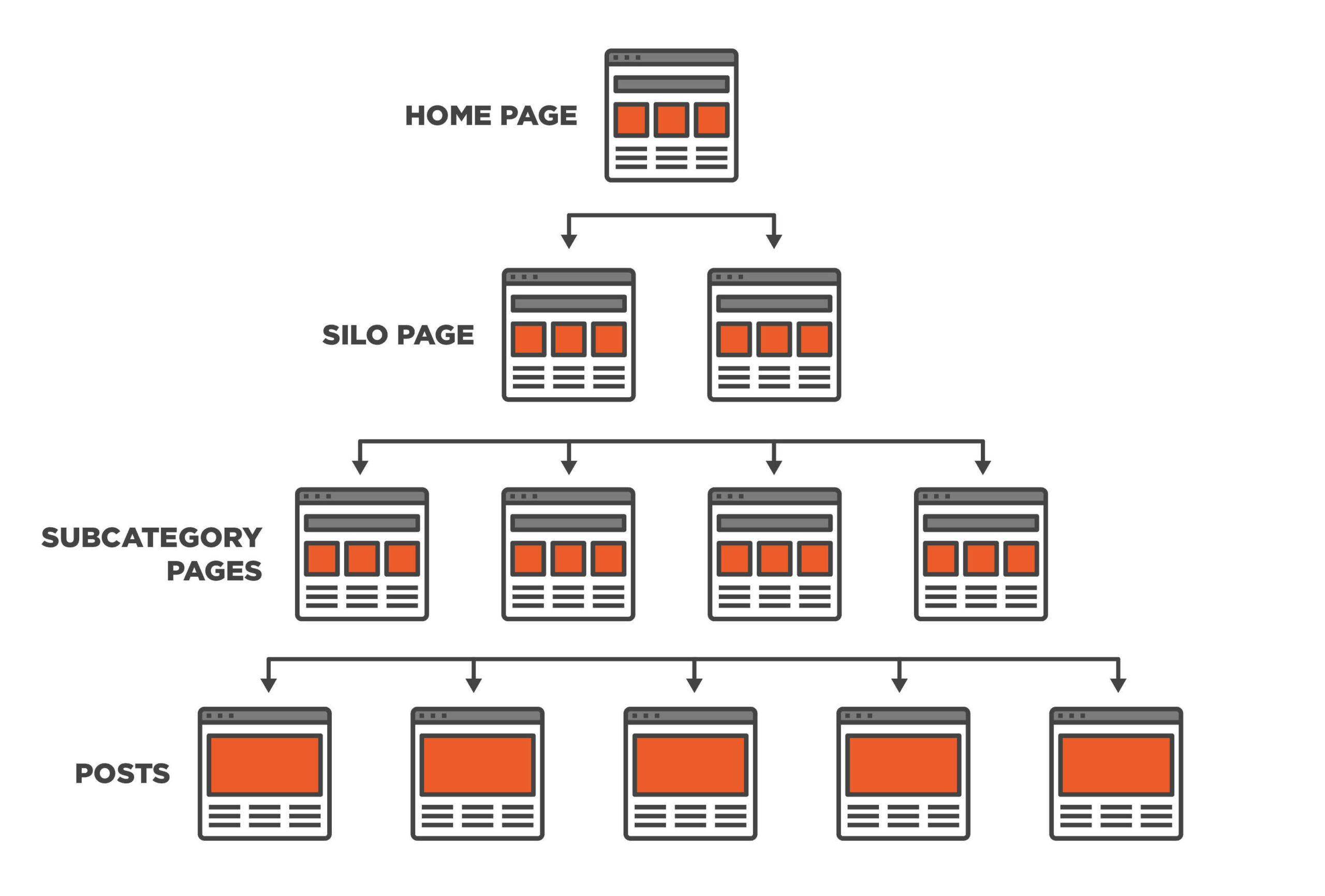
AI SEO Silo Architecture is a strategic framework for organizing website content into isolated, hierarchical groups (silos) based on core topics and subtopics. The “AI” component refers to the use of artificial intelligence tools to conduct deep semantic research, identify entity relationships, and automate the internal linking structure. Unlike traditional siloing, which relied on manual categorization, this modern approach leverages machine learning algorithms to analyze search intent, map out topic clusters, and predict which subtopics will generate the most authority.
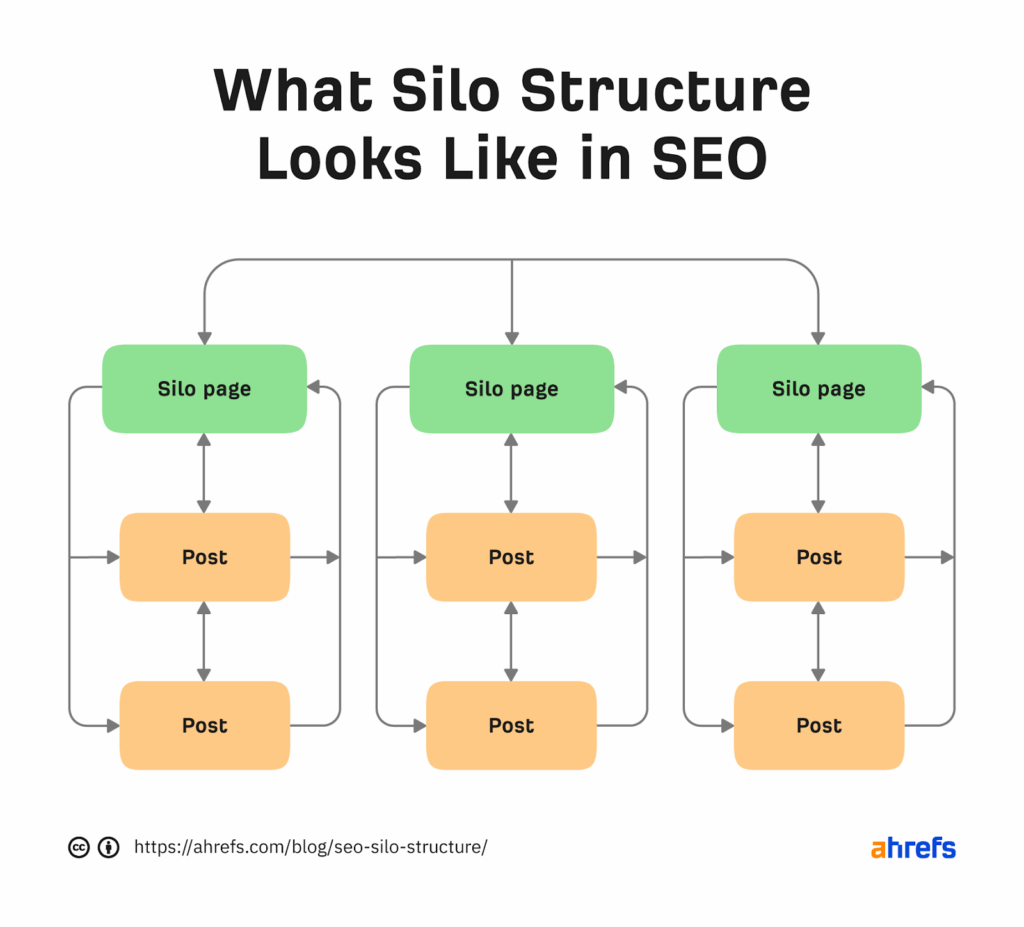
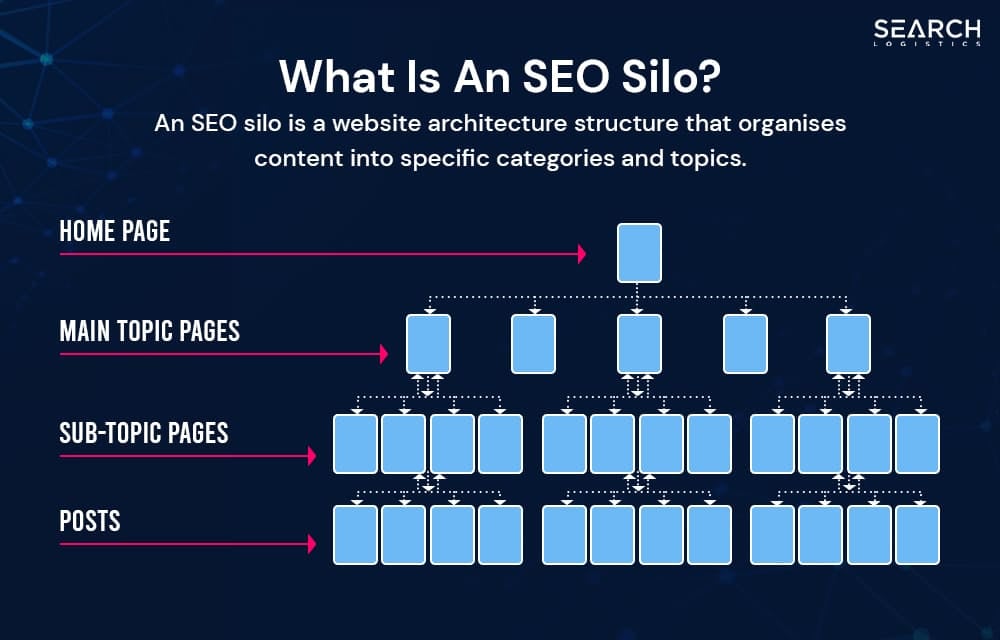
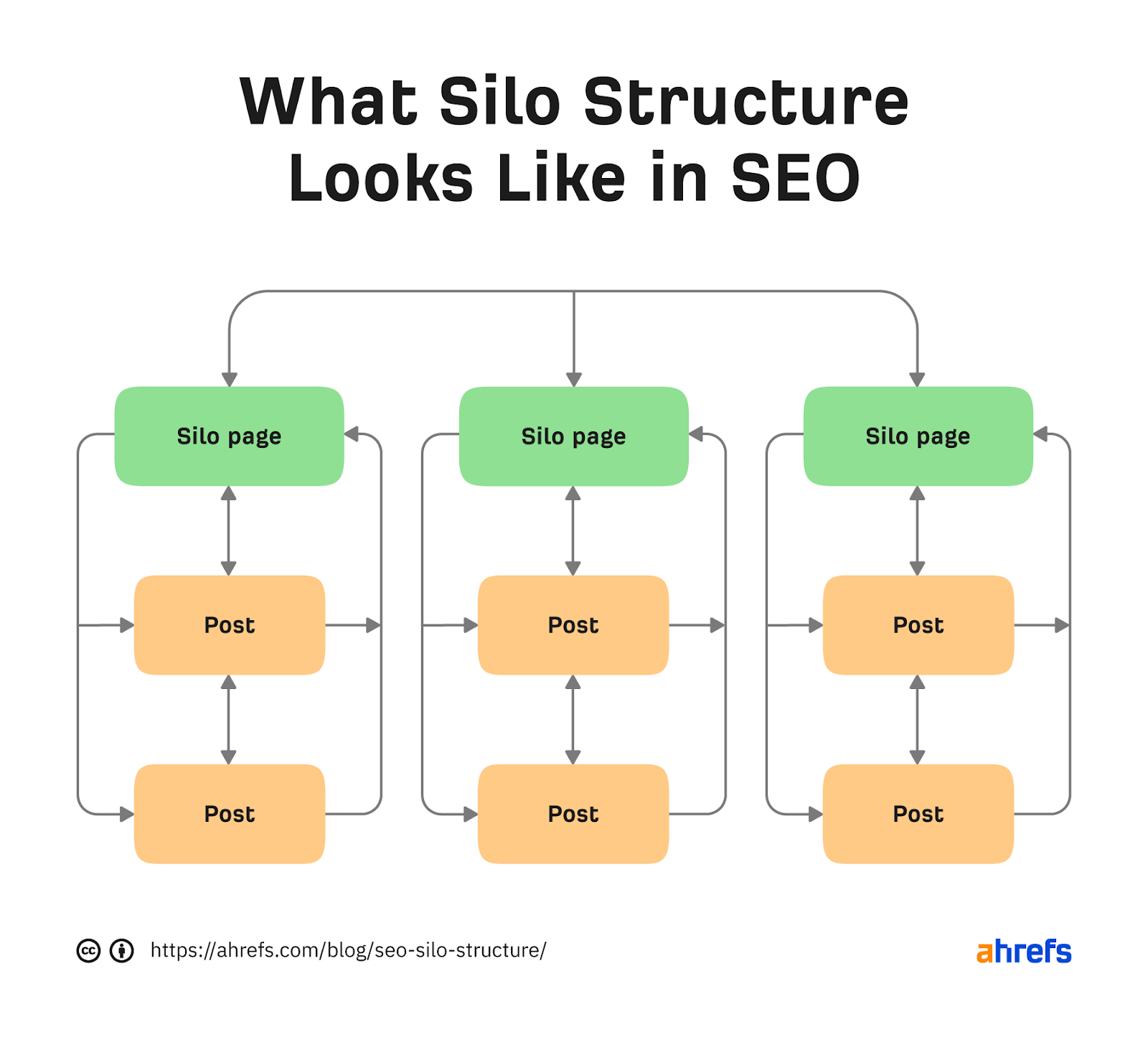
The core principle is straightforward: a website should not be a flat collection of random articles. Instead, it should be a structured tree where a pillar page (the main topic) links out to cluster pages (subtopics), and those cluster pages link back to the pillar. This creates a “silo” of related content that search engines can easily crawl and understand. The AI element enhances this by ensuring that the relationships between topics are semantically accurate and aligned with how users actually search.
The Evolution from Traditional Silos to AI-Driven Structures
Traditional SEO silos were rigid. They relied on physical folder structures and strict navigation menus to keep topics separate. This often led to poor user experience and missed opportunities for cross-linking related concepts. AI-driven silos are dynamic. They use natural language processing (NLP) to understand the context of your content. For example, an AI tool can analyze a page about “dog nutrition” and automatically suggest links to “puppy feeding schedules” and “senior dog diets” because it understands the semantic relationship, even if those pages are in different physical folders.
This shift is crucial because Google’s RankBrain and BERT algorithms operate on a similar principle. They analyze the relationships between words and concepts, not just the words themselves. By mirroring this logic in your site architecture, you create a feedback loop where your content structure aligns perfectly with the search engine’s understanding of the world.
Why AI SEO Silo Architecture Matters for Modern Rankings
The primary reason this architecture is essential is the shift toward Topical Authority. Google no longer views a single page as the sole determinant of relevance. It evaluates the entire domain’s expertise on a subject. If you have one great article about “keto diet” but the rest of your site is about car repair, that article will struggle to rank. However, if you have a pillar page on “keto diet” supported by 20 detailed articles on “keto snacks,” “keto macros,” and “keto meal prep,” Google recognizes your site as an authority on that specific topic.
Furthermore, this structure improves crawl efficiency. Search engine bots have a limited crawl budget for each site. A well-structured silo ensures that bots can discover all your important pages with minimal clicks from the homepage. This reduces orphan pages and ensures that link equity (PageRank) flows directly from the pillar to the clusters and back, boosting the ranking potential of every page in the silo.
Enhancing User Experience and Engagement Metrics
User experience is a direct ranking factor. When a user lands on your pillar page, they expect to find links to related subtopics. A silo structure provides this naturally. It guides the user through a logical journey, increasing dwell time and reducing bounce rates. If a user reads your “keto diet” pillar and sees a clear link to “keto meal prep,” they are likely to click it. This signals to Google that your content is valuable and comprehensive, further solidifying your authority.
Core Components of an AI SEO Silo Architecture
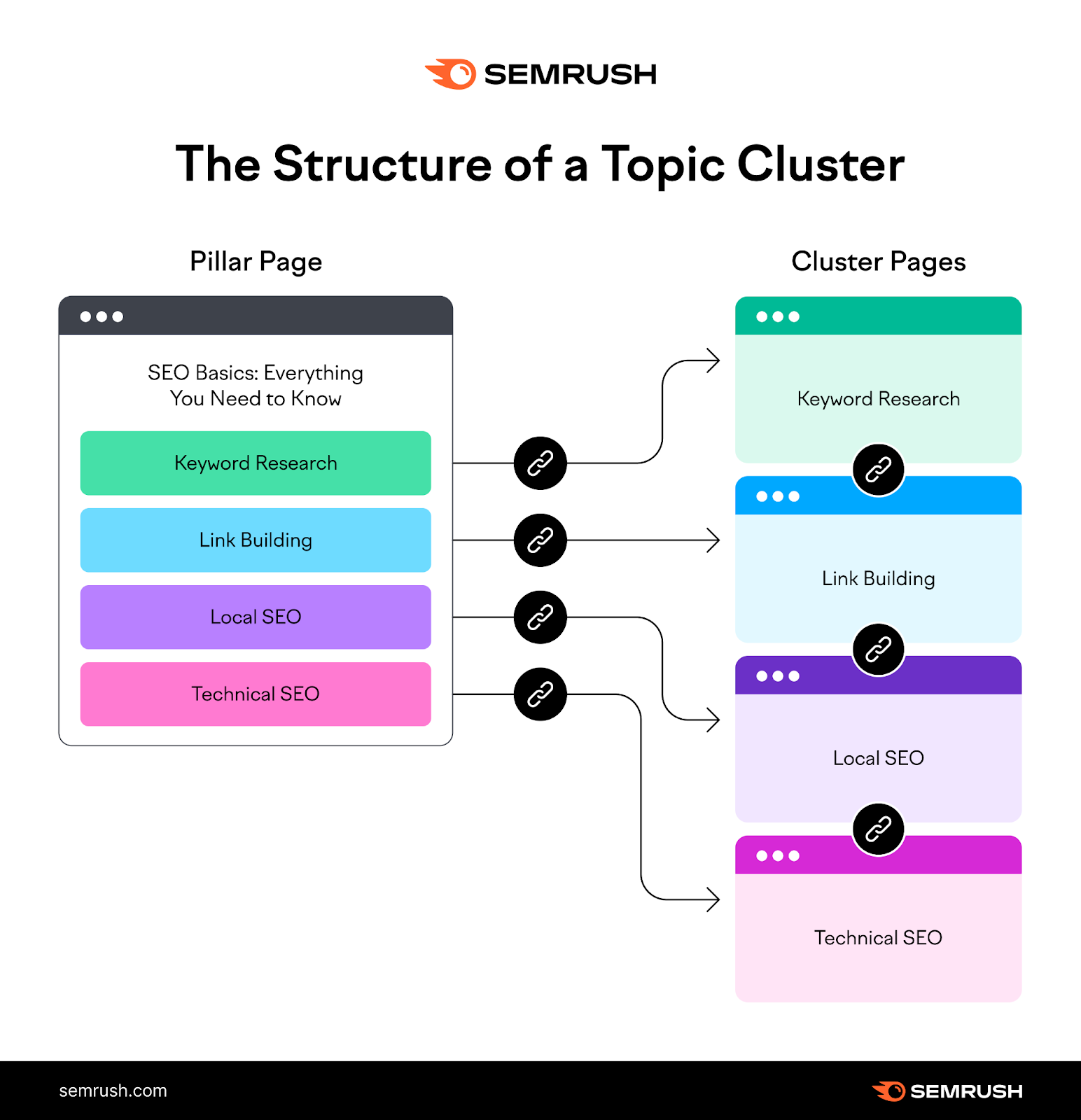
To build this structure effectively, you must understand its four main components. Each plays a vital role in the overall success of the strategy.
1. Pillar Content (The Hub)
This is the cornerstone of your silo. It is a comprehensive, long-form guide that covers the main topic in its entirety. The pillar page should be broad enough to serve as the primary resource but detailed enough to provide real value. It targets the main keyword and serves as the central hub for all internal links within the silo.
2. Cluster Content (The Spokes)
These are specific, in-depth articles that target long-tail keywords related to the pillar topic. Each cluster page should address a specific subtopic or user question. For example, if your pillar is “Email Marketing,” your clusters might be “Email Automation Workflows,” “Subject Line A/B Testing,” and “List Segmentation Strategies.” Each cluster page must link back to the pillar page.
3. Semantic Entity Mapping
This is where AI comes into play. You must identify the entities (people, places, concepts, products) related to your main topic. AI tools can scrape search engine results pages (SERPs) and analyze the “People Also Ask” boxes and related searches to build a map of these entities. This map guides your content creation, ensuring you cover every angle of the topic that users are searching for.
4. Contextual Internal Linking
Links within the silo must be contextual, not just navigational. The anchor text should describe exactly what the user will find on the other side. Instead of “Click here,” use “advanced keto meal prep strategies.” AI tools can analyze your content and suggest the most relevant anchor text based on the surrounding context, ensuring the link flow is natural and valuable.
Step-by-Step Guide to Implementing AI SEO Silo Architecture
Implementing this strategy requires a methodical approach. Follow these steps to build a robust, AI-enhanced silo structure for your website.
Step 1: Conduct AI-Powered Topic Research
Start by identifying your core topic. Use AI SEO tools like Clearscope, MarketMuse, or Surfer SEO to analyze the top-ranking pages for your target keyword. These tools use machine learning to identify the subtopics, entities, and semantic keywords that are essential for ranking. They will provide a comprehensive brief that outlines the structure your content needs to cover. This data forms the blueprint for your silo.
Step 2: Map Out the Silo Hierarchy
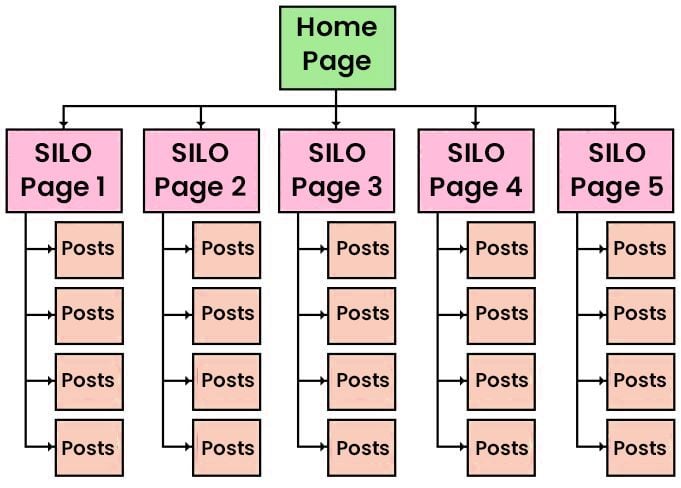
Create a visual map of your silo. Place the pillar page at the top. Below it, list the 5-10 cluster topics you identified in Step 1. For each cluster topic, list 2-3 supporting subtopics (these can be blog posts or FAQs). This hierarchy ensures that you have a clear plan before you start writing. It prevents content overlap and ensures that every piece of content has a specific purpose within the silo.
Step 3: Create the Pillar Page First
Write the pillar page. This should be the most comprehensive piece of content on your site. Aim for 3,000 to 5,000 words. Cover the topic broadly, and explicitly mention the cluster topics you plan to cover. This creates a natural context for the internal links. Ensure the pillar page is optimized for the main keyword and includes a table of contents that links to the cluster pages.
Step 4: Develop Cluster Content with AI Assistance
Write the cluster pages. Each page should target a specific long-tail keyword and provide unique, in-depth information that does not duplicate the pillar page. Use AI writing assistants to generate outlines and first drafts, but ensure you add human expertise and personal experience to make the content authentic. Each cluster page must include a link back to the pillar page using descriptive anchor text.
Step 5: Implement Intelligent Internal Linking
After publishing all content, go back and review your internal links. Use AI tools to analyze the context of your paragraphs and suggest additional links. For example, if your pillar page mentions “calorie deficit” and you have a cluster page on that topic, ensure the link is placed within that specific sentence, not in a generic navigation menu. This contextual linking is the “AI” secret sauce that separates this from traditional siloing.
Step 6: Monitor and Update with AI Insights
SEO is not a set-and-forget task. Use AI analytics tools to monitor the performance of your silo. Look at which cluster pages are gaining traction and which are not. Use this data to update your content, add new cluster pages, or adjust your internal linking. AI tools can also alert you to new semantic keywords that are trending in your niche, allowing you to expand your silo proactively.
Benefits and Limitations of AI SEO Silo Architecture
Like any strategy, this architecture has its advantages and potential drawbacks. Understanding both sides is crucial for successful implementation.
Key Benefits
- Increased Topical Authority: Search engines view your site as a go-to resource for the entire topic, not just a single keyword.
- Higher Click-Through Rates (CTR): A well-structured silo often results in sitelinks in the SERPs, which take up more space and attract more clicks.
- Improved Keyword Rankings: The flow of link equity from the pillar to clusters boosts the ranking potential of all pages in the silo.
- Better Indexation: Clear hierarchy ensures all pages are discovered and indexed quickly.
- Enhanced User Engagement: Users find it easier to navigate and find related content, leading to longer sessions.
- Time-Consuming: Creating a comprehensive pillar page and multiple in-depth cluster pages requires significant time and resources.
- Requires Continuous Maintenance: The silo must be updated regularly to remain relevant and authoritative.
- Risk of Cannibalization: If cluster topics are too similar, they can compete with each other for the same keywords. Careful planning is required to avoid this.
- Dependency on AI Accuracy: The strategy relies on AI tools for research. If the AI data is inaccurate, your entire structure could be flawed.
- Focus on User Intent: Always prioritize what the user wants to know over what you want to rank for. The silo should answer questions, not just target keywords.
- Quality Over Quantity: It is better to have 5 excellent cluster pages than 20 mediocre ones. Thin content within a silo can drag down the authority of the entire cluster.
- Regular Audits: Conduct quarterly audits of your internal links. As you add new content, ensure it is properly integrated into the relevant silo.
- Leverage Schema Markup: Use structured data (like Article or FAQ schema) to help search engines understand the relationships between your pillar and cluster pages.
Potential Limitations
AI SEO Silo Architecture vs. Traditional Flat Structure
To understand the value of this approach, it helps to compare it directly with a traditional flat site structure.
| Feature | AI SEO Silo Architecture | Traditional Flat Structure |
|---|---|---|
| Content Organization | Hierarchical, grouped by topic | Chronological or random |
| Internal Linking | Contextual, topically relevant | Often navigational or sparse |
| Keyword Targeting | Broad topic + long-tail subtopics | Individual keywords per page |
| Authority Building | Domain-wide topical authority | Page-specific authority |
| AI Integration | Uses AI for research and linking | Rarely uses AI |
| User Navigation | Guided, logical journey | User must search to find related content |
The table clearly illustrates that the silo architecture is superior for building comprehensive authority. While a flat structure might work for small blogs, it fails to scale effectively for competitive niches where topical depth is the primary ranking factor.
Common Mistakes to Avoid When Building Your Silo
Many website owners attempt to implement this strategy but fail due to common pitfalls. Being aware of these mistakes will save you time and prevent ranking drops.
Mistake 1: Creating a Silo Without a Pillar Page
Some marketers create cluster content but forget to create the central pillar page. This leaves the silo without a hub, and the cluster pages have nowhere to link up to. The result is a collection of related articles that lack the unifying authority of a single comprehensive guide.
Mistake 2: Over-Optimizing Anchor Text
Using the exact match keyword as anchor text for every internal link looks unnatural to Google. It is a classic spam signal. Vary your anchor text. Use phrases like “learn more about,” “check out this guide on,” or even the brand name. The goal is to provide context, not to stuff keywords.
Mistake 3: Ignoring the “AI” Aspect
Simply grouping articles into folders is not enough. You must use AI tools to analyze search intent and semantic relationships. If you ignore this, you are just doing traditional siloing, which is less effective in the current AI-driven search landscape. The AI component is what ensures your subtopics are actually what users want to see.
Mistake 4: Siloing Content That Doesn’t Need It
Not every topic requires a silo. If you have a small site with only 10 articles, creating a complex silo structure is overkill. This strategy is most effective for sites with a large volume of content (100+ pages) or for sites targeting highly competitive, broad topics.
Important Notes for Long-Term Success
Implementing AI SEO Silo Architecture is not a one-time project. It is an ongoing process that requires attention and adaptation. Keep these notes in mind as you move forward.
Frequently Asked Questions (FAQ)
What is the difference between a silo and a topic cluster?
While often used interchangeably, a silo is the broader architecture that encompasses the entire website structure. A topic cluster is a specific implementation within that silo. A silo can contain multiple topic clusters. For example, a website might have a “Digital Marketing” silo, which contains a topic cluster for “SEO” and another for “Content Marketing.”
How many pages should be in a single silo?
T This provides enough depth to establish authority without spreading your resources too thin. The exact number depends on the breadth of the topic and the level of competition in your niche.
Can I use AI SEO Silo Architecture for an e-commerce site?
Absolutely. For e-commerce, the pillar page could be a category page (e.g., “Running Shoes”), and the cluster pages could be product pages or buying guides (e.g., “Best Running Shoes for Flat Feet”). This structure helps Google understand the hierarchy of your products and improves the ranking of both category and product pages.
How long does it take to see results from this strategy?
SEO is a long-term game. You may start to see improvements in rankings and indexation within 4-6 weeks. However, significant gains in topical authority and organic traffic typically take 3 to 6 months. Consistency and high-quality content are the most critical factors for speed.
Is AI SEO Silo Architecture worth the effort for small websites?
Yes, but with a caveat. If you are a small niche site, you can implement a simplified version of this strategy. Even having one pillar page and three cluster pages is better than having four unrelated articles. It provides a better user experience and a clearer signal to search engines about your site’s focus.
Conclusion
AI SEO Silo Architecture represents the convergence of classic SEO best practices and modern artificial intelligence capabilities. It is the most effective way to build topical authority in a search landscape dominated by semantic understanding and machine learning. By organizing your content into structured, interlinked silos, you not only make it easier for search engines to crawl and understand your site but also provide a superior experience for your users.
The implementation requires effort, from AI-driven research to meticulous internal linking. However, the payoff is substantial: higher rankings, increased organic traffic, and a robust digital asset that compounds in value over time. Start by mapping out your core topics, leverage AI tools for insight, and build your silos one pillar and cluster at a time. This strategic foundation will set your website apart from the competition and ensure long-term visibility in search results.
Xem thêm:
- AI SEO SEO Automation with Claude: The Complete Guide to Scaling Content in 2025
- AI SEO Blueprint: The Complete Guide to Ranking in the Age of Machine Learning
- AI Content Scoring: The Complete Guide to Automated Quality Evaluation and Performance Prediction
- AI SEO Keyword Classification: The Complete Guide to Smarter Search Strategy
- AI SEO Rendering: The Complete Guide to Modern Search Visibility
Bài viết cùng chủ đề:

AI SEO SEO Automation with Make: The Complete Workflow Guide

AI SEO SEO Automation with Zapier: The Complete Workflow Guide

AI SEO SEO Automation with n8n: The Complete Workflow Guide
AI SEO SEO Automation with Gemini: The Complete Guide to Scaling Organic Growth

AI SEO SEO Automation with Claude: The Complete Guide to Scaling Content in 2025

AI SEO SEO Automation with ChatGPT: The Complete Playbook for 2025

AI SEO & SEO Automation for Affiliate Sites: The 2025 Playbook for Passive Income Growth
AI SEO & SEO Automation for Bloggers: The Complete Guide to Scaling Your Content

AI SEO & SEO Automation for Agencies: The Complete 2025 Playbook

AI SEO and SEO Automation for Ecommerce: The Complete Playbook for 2025

AI SEO & SEO Automation for WordPress: The Complete Playbook for 2025
AI SEO SEO Automation Strategy: The Complete Playbook for 2025

Mastering the AI SEO SEO Automation Process: A Complete Guide to Scaling Organic Growth
AI SEO SEO Automation System: The Complete Guide to Scaling Organic Growth in 2025
AI SEO SEO Automation Platform: The Complete Guide to Scaling Organic Growth in 2025
AI SEO SEO Automation Software: The Complete Guide to Scaling Organic Growth in 2025















