
No products in the cart.
AI SEO Silo Structure: The Complete Guide to Building Topically Authoritative Websites
10
Aug
Aug
Search engines have evolved dramatically, and the days of relying on scattered blog posts and random backlinks are long gone. The modern approach to organic growth demands a logical, hierarchical organization of content, and that is where the AI SEO Silo Structure comes into play. This methodology combines the classic SEO principle of content siloing with the analytical power of artificial intelligence to create websites that are not only easy for users to navigate but also incredibly easy for search engine crawlers to understand. By implementing this strategy, you can significantly boost your topical authority, improve keyword rankings, and create a more cohesive user experience that drives conversions.
What is an AI SEO Silo Structure?
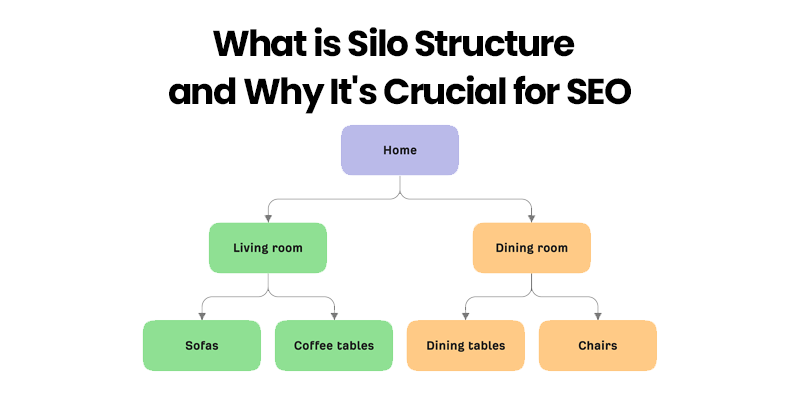
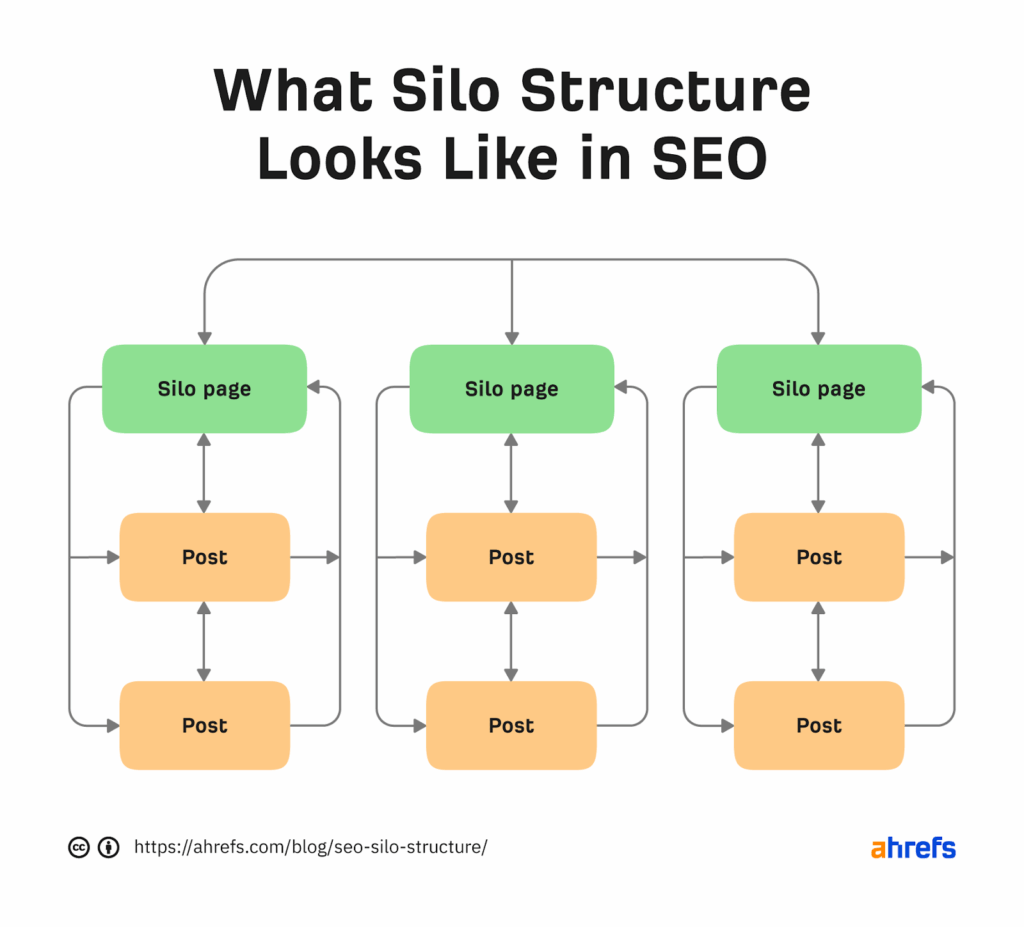
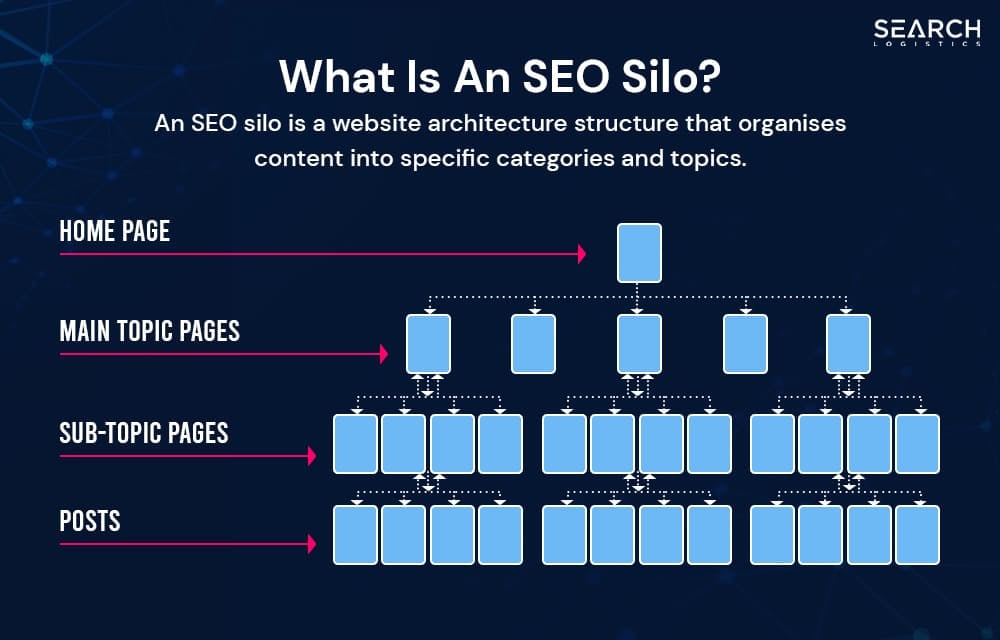
An AI SEO Silo Structure is an advanced content architecture strategy that organizes a website’s information into distinct, topically isolated groups or “silos.” Unlike traditional siloing, which relies on manual planning and guesswork, this modern approach leverages artificial intelligence to analyze search intent, identify semantic relationships between topics, and automate the clustering of related content. The goal is to create a clear hierarchy where a single “pillar” page covers a broad topic, and multiple “cluster” pages dive deep into specific subtopics, all interlinked in a way that signals expertise to search engines.
This structure mimics the way the human brain categorizes information, making it intuitive for visitors. For search engines, it provides a crystal-clear map of your website’s architecture, ensuring that link equity flows efficiently from high-authority pages to supporting content. The AI component takes this a step further by continuously analyzing search engine results pages (SERPs) and user behavior data to suggest new subtopics, optimize internal linking, and predict which content clusters will perform best, making the entire process more dynamic and data-driven than ever before.
The Core Components of a Silo Structure
To fully grasp the power of this strategy, it is essential to break down its fundamental building blocks. A well-executed silo structure is not just about grouping pages; it is about creating a web of interconnected relevance that serves both users and algorithms.
Pillar Pages: The Foundation
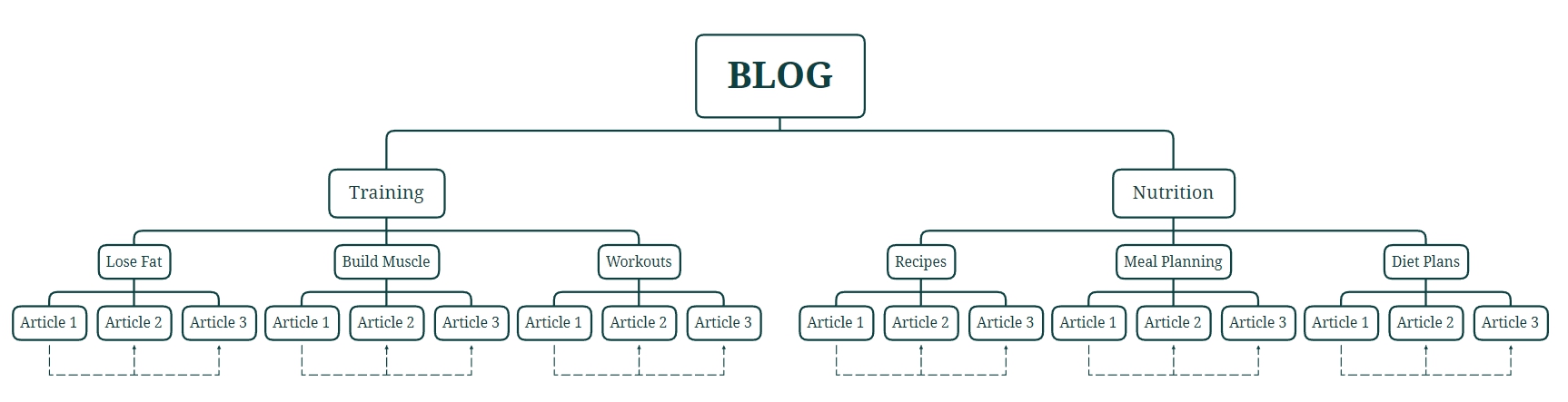
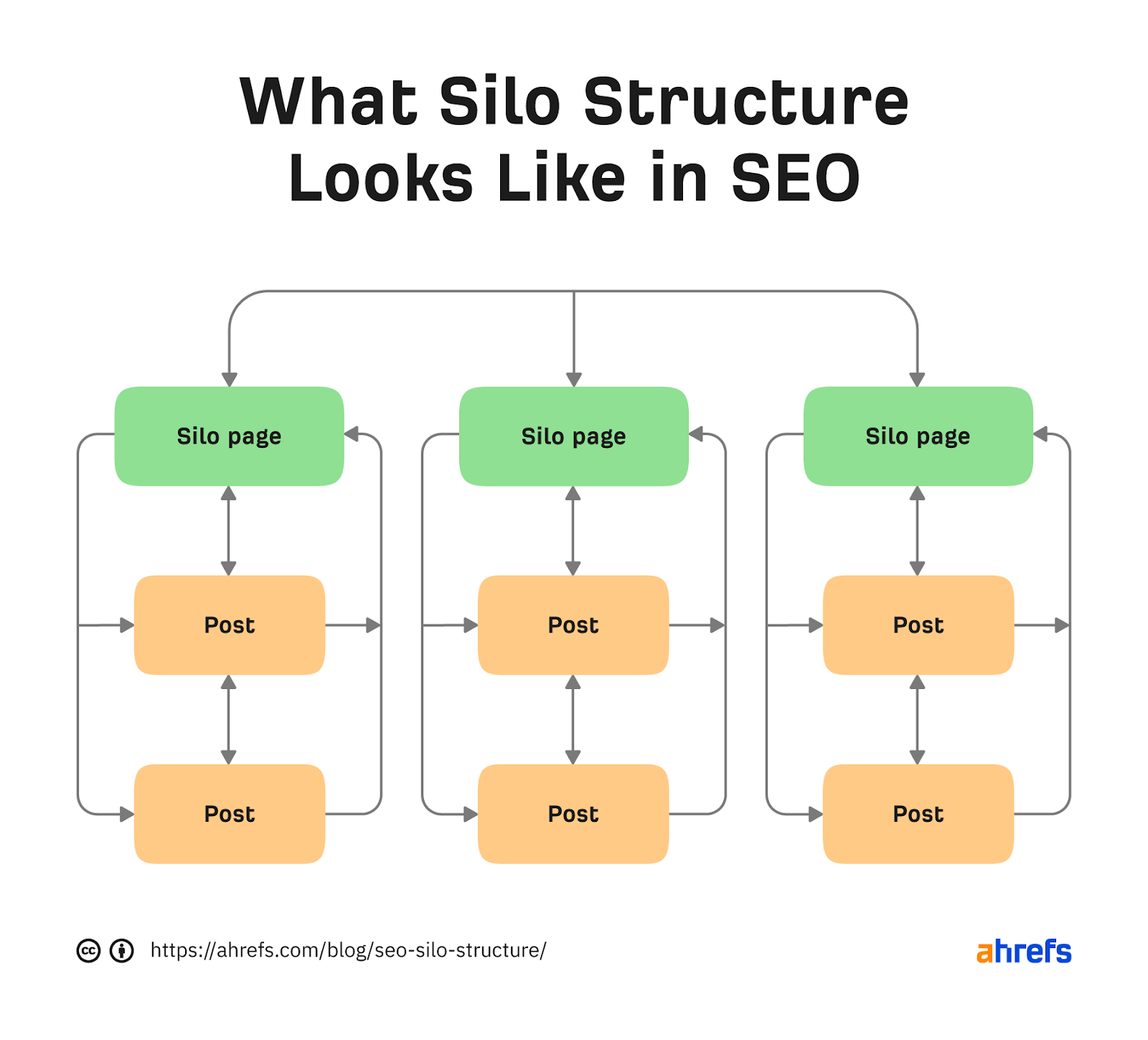
The pillar page is the cornerstone of any silo. This is a comprehensive, long-form piece of content that provides a broad overview of a main topic. For example, if you are in the fitness industry, your pillar page might be “The Ultimate Guide to Strength Training.” This page should cover the core concepts, link out to all the cluster pages within its silo, and serve as the primary authority hub for that specific subject area.
Cluster Content: The Supporting Cast
Cluster pages are specific, in-depth articles that address a narrow subtopic related to the pillar page. Continuing the fitness example, cluster pages could include “Best Exercises for Bicep Hypertrophy,” “How to Structure a 5×5 Workout Plan,” or “Nutrition Tips for Muscle Recovery.” Each cluster page links back up to the pillar page and often links to other relevant clusters within the same silo, creating a tightly knit topical network.
Internal Linking Architecture
The internal linking strategy is the glue that holds the silo together. The primary rule is that pages within a silo should primarily link to other pages within the same silo. This prevents “topic dilution” and ensures that search engines understand the specific relevance of each page. The AI component helps optimize anchor text and identify the most valuable linking opportunities based on semantic analysis, ensuring that the link equity is distributed precisely where it is needed most.
How AI Enhances Traditional Siloing
Traditional siloing was a manual, time-consuming process that required extensive keyword research and a deep understanding of a niche. AI transforms this process by automating the heavy lifting and providing insights that are impossible to achieve manually. The integration of AI makes the structure not just a static map, but a living, breathing entity that adapts to the changing search landscape.
One of the primary ways AI enhances this process is through advanced topic clustering. AI algorithms can analyze millions of search queries and web pages to identify semantic relationships that humans might miss. It can suggest cluster topics based on actual user search patterns, ensuring that you are creating content for queries that have real search volume and commercial intent. This reduces the risk of creating content that nobody is searching for.
Furthermore, AI can predict the potential performance of a content cluster. By analyzing historical data and current SERP features, AI can estimate the difficulty of ranking for specific keywords and suggest the optimal content length, format, and internal linking structure needed to compete. This predictive capability allows SEO professionals to allocate resources more effectively and prioritize content creation efforts for maximum ROI.
Benefits of Implementing an AI-Driven Silo Strategy
The advantages of adopting this structured approach are numerous and impact various aspects of your digital marketing efforts. It is a strategic investment that pays dividends in both the short and long term.
- Enhanced Topical Authority: By creating a comprehensive network of content on a single topic, you signal to Google that you are an expert in that field. This is a critical factor in E-E-A-T (Experience, Expertise, Authoritativeness, and Trustworthiness), which is a core component of Google’s ranking algorithms.
- Improved Keyword Rankings: A silo structure allows you to target a wide range of long-tail keywords without cannibalizing your main terms. Each cluster page can rank for its specific subtopic, while the pillar page consolidates the authority to rank for the broader, more competitive head term.
- Better Crawlability and Indexation: A logical, hierarchical structure makes it easier for search engine bots to crawl and index your website. This ensures that all your valuable content is discovered and stored in the search index, rather than being left undiscovered.
- Increased Click-Through Rates (CTR): When users land on a cluster page, they are presented with clear navigation to related content. This encourages them to explore more pages, increasing their time on site and reducing bounce rates, which are positive user experience signals.
- Streamlined Content Creation: The AI-driven approach provides a clear content roadmap. You no longer have to wonder what to write about next; the system identifies gaps in your coverage and suggests new topics that fit perfectly into your existing silos.
- Creating Orphan Pages: An orphan page is a page that has no internal links pointing to it. This is a fatal flaw in a silo structure because search engines cannot find these pages, and they receive no link equity. Ensure every page is linked to from at least one other page in its silo.
- Cross-Linking Between Unrelated Silos: While some cross-linking is natural, excessive linking between unrelated silos can confuse search engines about your site’s focus. For example, linking from a “Dog Food” article to a “Car Insurance” article within the main body text dilutes the topical relevance of both pages. Keep the main content links within the silo.
- Weak Pillar Pages: A pillar page that is thin or does not comprehensively cover the topic will fail to establish authority. It needs to be the best resource on the web for that topic. If it is not detailed enough, the entire silo will suffer.
- Ignoring User Experience: A silo structure should not be so rigid that it hurts the user experience. Navigation should be intuitive. If a user is reading about “Keto Diet” and wants to see a recipe, the link should be easy to find, even if it is in a different silo. The structure is a guide, not a cage.
- Keyword Cannibalization: This occurs when multiple pages in your silo target the exact same keyword. AI tools can help you avoid this by analyzing the semantic overlap between your content and suggesting ways to differentiate your pages, ensuring they target different variations of the keyword.
AI SEO Silo Structure vs. Traditional SEO Methods
To appreciate the value of this modern approach, it is helpful to compare it directly with older, less sophisticated SEO strategies. The differences highlight the evolution from keyword-centric tactics to intent-driven, topical authority building.
| Feature | Traditional SEO | AI SEO Silo Structure |
|---|---|---|
| Content Focus | Individual keywords and phrases | Topics and semantic relevance |
| Keyword Research | Manual, based on volume and difficulty | AI-driven, based on intent and entity relationships |
| Internal Linking | Often random or based on convenience | Strategic, hierarchical, and contextually relevant |
| Content Planning | Reactive, based on competitor analysis | Predictive, based on data models and gap analysis |
| Site Architecture | Often flat or poorly organized | Deep, hierarchical, and logically grouped |
| Adaptability | Slow to change with algorithm updates | Dynamic, continuously optimized by AI |
The table clearly illustrates that while traditional SEO is not obsolete, it is no longer sufficient on its own. The AI SEO Silo Structure builds upon the fundamentals of SEO but elevates them with a level of precision and scalability that is required to compete in today’s saturated digital landscape.
Step-by-Step Guide to Building Your AI SEO Silo Structure
Implementing this strategy may seem daunting, but by following a systematic process, you can build a powerful content architecture that drives significant organic growth. The key is to let data guide your decisions, not intuition.
Step 1: Define Your Core Topics
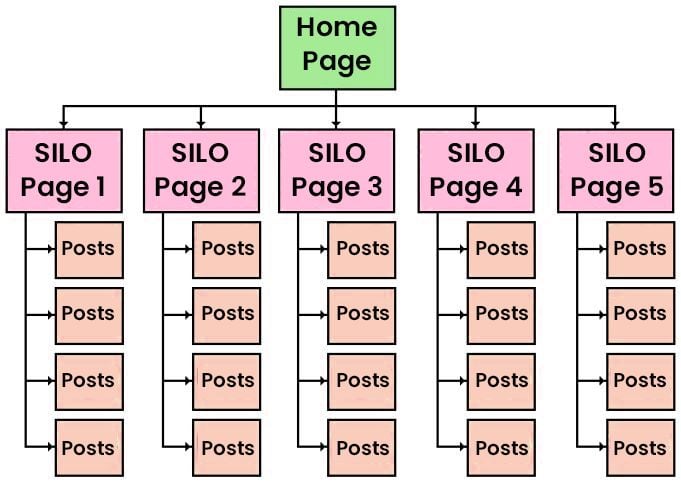
Start by identifying the 3-5 main topics that your business covers. These should be broad categories that align with your products or services. For a marketing agency, these might be “Search Engine Optimization,” “Pay-Per-Click Advertising,” “Social Media Marketing,” and “Content Strategy.” These will become your main silos.
Step 2: Use AI for Topic Clustering
Utilize AI-powered SEO tools to expand each core topic into a comprehensive list of subtopics. These tools analyze search engine data to find related queries, “People Also Ask” questions, and semantically related terms. This step is crucial for ensuring that your cluster content matches real user intent. The A
Step 3: Create the Pillar Page
For each silo, write a comprehensive pillar page. This should be the most authoritative piece of content on your website for that topic. It should be exhaustive, covering all the main aspects of the subject, and it should be structured to link out to all the cluster pages you plan to create. This page is the central hub that all other content in the silo points back to.
Step 4: Develop Cluster Content
Begin creating the cluster pages identified in Step 2. Each piece should be a deep dive into a specific subtopic. It should be detailed, actionable, and provide unique value that cannot be found elsewhere. Most importantly, each cluster page must link back to the pillar page using descriptive, keyword-rich anchor text. This reinforces the relationship between the pages.
Step 5: Implement Strategic Internal Linking
Beyond linking to the pillar page, you should also link between related cluster pages within the same silo. For example, a page about “Bicep Exercises” could link to a page about “Tricep Exercises” if they are in the same “Strength Training” silo. This creates a mesh of links that helps users find more relevant content and helps search engines understand the full scope of your coverage. AI tools can automate the suggestion of these contextual links.
Step 6: Monitor and Optimize with AI
Once your silo is live, the work is not over. Use AI analytics tools to monitor the performance of your pages. Look at metrics like organic traffic, keyword rankings, and user engagement. AI can identify which cluster pages are underperforming and suggest updates or improvements. It can also identify new subtopics that are gaining traction in the SERPs, allowing you to expand your silo over time.
Common Mistakes to Avoid in Silo Implementation
Even with the best intentions, many websites fail to reap the full benefits of siloing due to common implementation errors. Being aware of these pitfalls can save you time and prevent you from damaging your site’s SEO performance.
Important Notes for Long-Term Success
Building an AI SEO Silo Structure is not a one-time project; it is an ongoing strategy that requires consistent effort and adaptation. The digital landscape is constantly changing, and your content architecture must evolve to keep pace.
First, prioritize quality over quantity. It is better to have one fully fleshed-out silo with 20 excellent cluster pages than to have five half-finished silos with only a few pages each. Depth and comprehensiveness are what build authority. Second, always keep the user in mind. The structure should make it easier for them to find what they are looking for, not harder. If the architecture is confusing, users will leave, and all your SEO efforts will be in vain.
Finally, stay updated with the latest developments in AI and search engine algorithms. The tools and techniques for AI-driven SEO are improving rapidly. What works today may be outdated tomorrow. Continuous learning and adaptation are the keys to maintaining a competitive edge. Regularly audit your silos to ensure they are still relevant and that your internal links are functioning correctly.
Frequently Asked Questions
How long does it take to see results from a silo structure?
The timeline for seeing results can vary significantly depending on the competitiveness of your niche and the current authority of your domain. Generally, you can expect to see initial improvements in keyword rankings within 3 to 6 months. However, the full benefits of building topical authority, such as ranking for highly competitive head terms, can take 6 to 12 months or longer. The key is consistency and patience.
Is a silo structure suitable for e-commerce websites?
Yes, absolutely. In fact, e-commerce websites can benefit immensely from this structure. Instead of blog posts, the silos can be built around product categories and subcategories. For example, a clothing store could have a silo for “Men’s Outerwear” with clusters for “Leather Jackets,” “Raincoats,” and “Puffer Vests.” This helps search engines understand the relationship between products and improves the ranking potential for category pages.
Can I have multiple silos on one website?
Yes, a website can and often should have multiple silos. Each silo represents a distinct core topic. However, it is crucial to ensure that the silos are distinct enough to avoid confusion. If your silos are too similar, they may compete with each other for the same keywords. It is generally recommended to start with a few well-defined silos and expand as your content library grows.
What is the ideal number of cluster pages in a silo?
T This provides enough depth to establish authority. However, the focus should be on the quality and relevance of the content rather than hitting a specific number. A silo with 5 excellent, comprehensive cluster pages is better than one with 20 thin, low-value articles.
How does AI help with internal linking in a silo?
AI can analyze the content of your pages to understand the semantic context and suggest the most relevant anchor text and linking opportunities. It can identify pages that are topically related but not yet linked, helping you build a more complete mesh of internal links. This ensures that link equity is distributed logically and that users are always presented with the most relevant next step in their journey.
Conclusion
The AI SEO Silo Structure represents the pinnacle of modern on-page and architectural SEO. It moves beyond the outdated practice of targeting isolated keywords and embraces a holistic, topic-centric approach that aligns perfectly with how search engines and users operate today. By leveraging the analytical power of AI to plan, create, and optimize content clusters, you can build a website that is not only a pleasure for users to navigate but also a dominant authority in your niche.
This strategy is a long-term investment in your digital real estate. It requires a shift in mindset from creating random pieces of content to building a cohesive, interconnected library of knowledge. The effort is substantial, but the rewards are equally significant: higher rankings, increased organic traffic, and a sustainable competitive advantage that is difficult for competitors to replicate. Start by defining your core topics, let AI guide your research, and build your silos one high-quality page at a time.
Xem thêm:
- AI SEO Unlinked Mentions: The Complete Guide to Turning Brand Mentions into Backlinks
- AI SEO Keyword Database: The Complete Guide to Smarter Search Rankings
- AI SEO Entity Mapping: The Complete Guide to Future-Proofing Your Search Rankings
- AI SEO Automated Meta Tags: The Complete Guide to Smarter On-Page Optimization
- The Definitive AI SEO Guide: How to Leverage Artificial Intelligence for Higher Rankings
Bài viết cùng chủ đề:

AI SEO SEO Automation with Make: The Complete Workflow Guide

AI SEO SEO Automation with Zapier: The Complete Workflow Guide

AI SEO SEO Automation with n8n: The Complete Workflow Guide
AI SEO SEO Automation with Gemini: The Complete Guide to Scaling Organic Growth

AI SEO SEO Automation with Claude: The Complete Guide to Scaling Content in 2025

AI SEO SEO Automation with ChatGPT: The Complete Playbook for 2025

AI SEO & SEO Automation for Affiliate Sites: The 2025 Playbook for Passive Income Growth
AI SEO & SEO Automation for Bloggers: The Complete Guide to Scaling Your Content

AI SEO & SEO Automation for Agencies: The Complete 2025 Playbook

AI SEO and SEO Automation for Ecommerce: The Complete Playbook for 2025

AI SEO & SEO Automation for WordPress: The Complete Playbook for 2025
AI SEO SEO Automation Strategy: The Complete Playbook for 2025

Mastering the AI SEO SEO Automation Process: A Complete Guide to Scaling Organic Growth
AI SEO SEO Automation System: The Complete Guide to Scaling Organic Growth in 2025
AI SEO SEO Automation Platform: The Complete Guide to Scaling Organic Growth in 2025
AI SEO SEO Automation Software: The Complete Guide to Scaling Organic Growth in 2025















