
No products in the cart.
AI SEO Keyword Database: The Complete Guide to Smarter Search Rankings
10
Aug
Aug
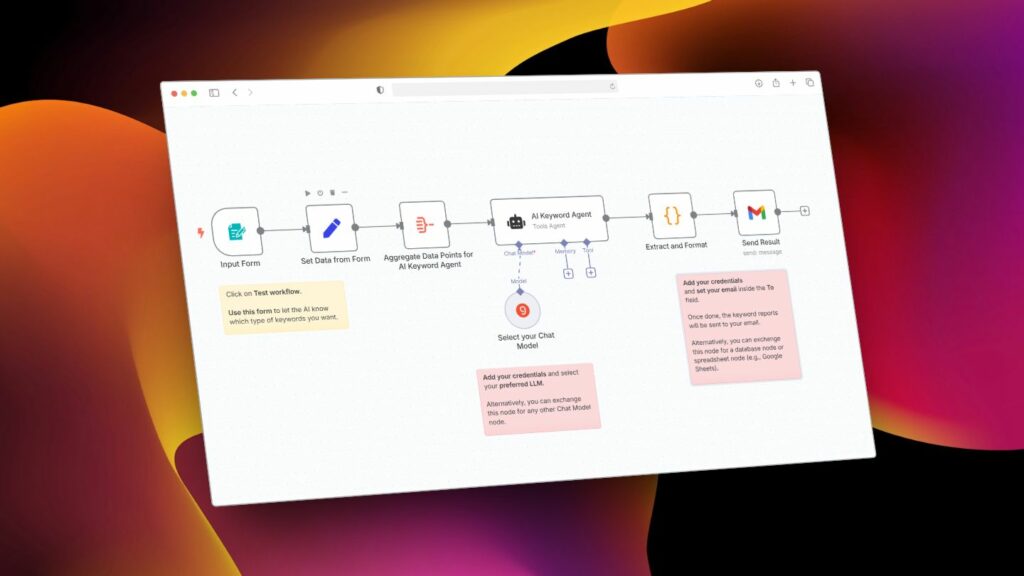
An AI SEO Keyword Database is transforming how digital marketers approach search engine optimization. Traditional keyword research relied on manual analysis, static spreadsheets, and educated guesses. Modern AI-powered databases analyze millions of search queries, user intent patterns, and ranking signals in real time. This comprehensive guide explores how artificial intelligence is reshaping keyword discovery, clustering, and content optimization. You will learn practical strategies to leverage AI SEO Keyword Database tools for higher rankings, better traffic quality, and sustainable organic growth.
What Is an AI SEO Keyword Database?
An AI SEO Keyword Database is a centralized repository of search terms, phrases, and queries that uses machine learning algorithms to organize, score, and predict keyword performance. Unlike traditional keyword tools that simply list search volume and difficulty scores, AI-driven databases understand semantic relationships, search intent nuances, and topical authority requirements.
The core difference lies in the processing power. Traditional databases store static data points. AI databases continuously learn from search engine result pages (SERPs), user behavior signals, and content performance metrics. This dynamic approach means the database becomes more accurate and insightful with every query processed.
How AI Keyword Databases Differ from Traditional Tools
| Feature | Traditional Keyword Tools | AI SEO Keyword Database |
|---|---|---|
| Data Processing | Static snapshots | Real-time machine learning |
| Intent Detection | Basic categorization | Deep semantic understanding |
| Keyword Grouping | Manual or rule-based | Automatic topic clustering |
| Predictive Analysis | Limited or absent | Forecasts ranking potential |
| Content Suggestions | Generic recommendations | Context-aware outlines and gaps |
Why AI SEO Keyword Databases Matter in 2025
Search engines have evolved dramatically. Google’s algorithms now prioritize user satisfaction, semantic relevance, and topical depth over simple keyword matching. An AI SEO Keyword Database aligns your content strategy with these advanced ranking factors. The technology helps you identify not just what people search for, but why they search and what answers they expect.
Voice search, visual search, and conversational queries have fragmented the keyword landscape. Users phrase questions differently across platforms. AI databases capture these variations and connect them to unified content strategies. This capability is essential for brands targeting multiple customer segments across different search channels.
The Shift from Keywords to Topics
Modern SEO requires a topic-based approach. An AI SEO Keyword Database automatically groups related keywords into topical clusters. This structure enables you to build comprehensive content hubs that demonstrate expertise and authority. Instead of creating isolated blog posts targeting single keywords, you develop interconnected resources that cover entire subject areas.
For example, a traditional tool might list “best running shoes” and “trail running footwear” as separate keywords. An AI database recognizes these belong to the same topical cluster, along with related queries like “shoe cushioning technology” and “running shoe durability tests.” This insight allows you to create a complete resource that satisfies multiple search intents simultaneously.
Core Components of an AI SEO Keyword Database

Understanding the internal architecture helps you maximize the value of these tools. Most AI SEO Keyword Database platforms share several fundamental components that work together to deliver actionable insights.
Semantic Search Engine
The semantic layer analyzes the meaning behind queries. It uses natural language processing (NLP) to understand synonyms, related concepts, and contextual variations. This component ensures you capture keywords that might use different wording but share the same search intent.
Intent Classification System
Every keyword receives an intent label: informational, navigational, commercial, or transactional. The AI evaluates search patterns, SERP features, and user behavior to assign accurate classifications. This information guides content format decisions and conversion optimization strategies.
Predictive Ranking Models
Machine learning algorithms analyze thousands of ranking factors to predict how difficult it will be to rank for specific keywords. These models consider domain authority, content quality, backlink profiles, and competitor strength. The predictions become more accurate as the system learns from your actual ranking outcomes.
Content Gap Analysis
AI databases compare your existing content against competitor coverage and search demand. This analysis reveals untapped opportunities and content gaps that could attract significant traffic. The system suggests specific subtopics, questions to answer, and data points to include for maximum relevance.
Benefits of Using an AI SEO Keyword Database
The advantages extend far beyond simple time savings. Organizations that adopt AI-powered keyword research gain strategic advantages that compound over time.
Enhanced Accuracy and Data Quality
AI systems filter out noise and anomalies in search data. They identify seasonal fluctuations, emerging trends, and declining keywords with greater precision. This accuracy prevents wasted effort on keywords that appear promising but lack sustainable search demand.
Faster Research Cycles
What once took days of manual spreadsheet work now happens in minutes. The AI processes millions of data points instantly, delivering prioritized keyword lists with contextual recommendations. This speed enables agile content strategies that respond quickly to market changes.
Improved Content Relevance
By understanding semantic relationships, AI databases help you create content that matches user expectations more closely. Your pages answer the exact questions people ask, include the terms they use, and address the concerns they have. This alignment improves engagement metrics and search rankings simultaneously.
Competitive Intelligence
AI tools monitor competitor keyword strategies continuously. You see which terms competitors target, which pages gain traction, and where gaps exist in their coverage. This intelligence allows you to position your content strategically rather than competing head-on for saturated keywords.
Limitations and Challenges

No technology is perfect. Understanding the limitations of AI SEO Keyword Database tools helps you use them effectively without over-reliance.
Data Privacy Restrictions
Search engines have tightened access to query data. AI databases rely on aggregated and anonymized information, which may not capture the full nuance of user behavior. Some long-tail queries remain invisible to all tools due to privacy protections.
Algorithm Updates
Search engine algorithms change frequently. AI models trained on historical data may become less accurate after major updates. Leading providers continuously retrain their systems, but t
Cost Considerations
Advanced AI SEO Keyword Database platforms carry premium price tags. Small businesses and individual creators may find the subscription costs prohibitive. However, many providers offer tiered pricing or limited free versions that provide basic AI-powered insights.
How to Choose the Right AI SEO Keyword Database
Selecting the right platform requires careful evaluation of your specific needs, budget, and technical capabilities. Consider these factors during your assessment.
Data Sources and Coverage
Check which search engines and platforms the database tracks. Some tools focus exclusively on Google, while others include YouTube, Amazon, Bing, and social media platforms. Your target audience’s search behavior should determine the required coverage.
AI Capabilities and Transparency
Evaluate the sophistication of the AI models. Does the tool simply automate traditional processes, or does it offer genuine semantic understanding? Look for platforms that explain their methodology and allow you to understand why certain keywords receive specific scores.
Integration and Workflow Compatibility
The best AI SEO Keyword Database integrates seamlessly with your existing tools. Check for connections with content management systems, rank tracking software, and analytics platforms. Smooth integration reduces friction and increases adoption across your team.
User Interface and Learning Curve
Powerful features mean nothing if your team cannot use them effectively. Request demos and trial periods to assess usability. The platform should present complex data in intuitive dashboards that support quick decision-making.
Practical Guide: Using an AI SEO Keyword Database Effectively
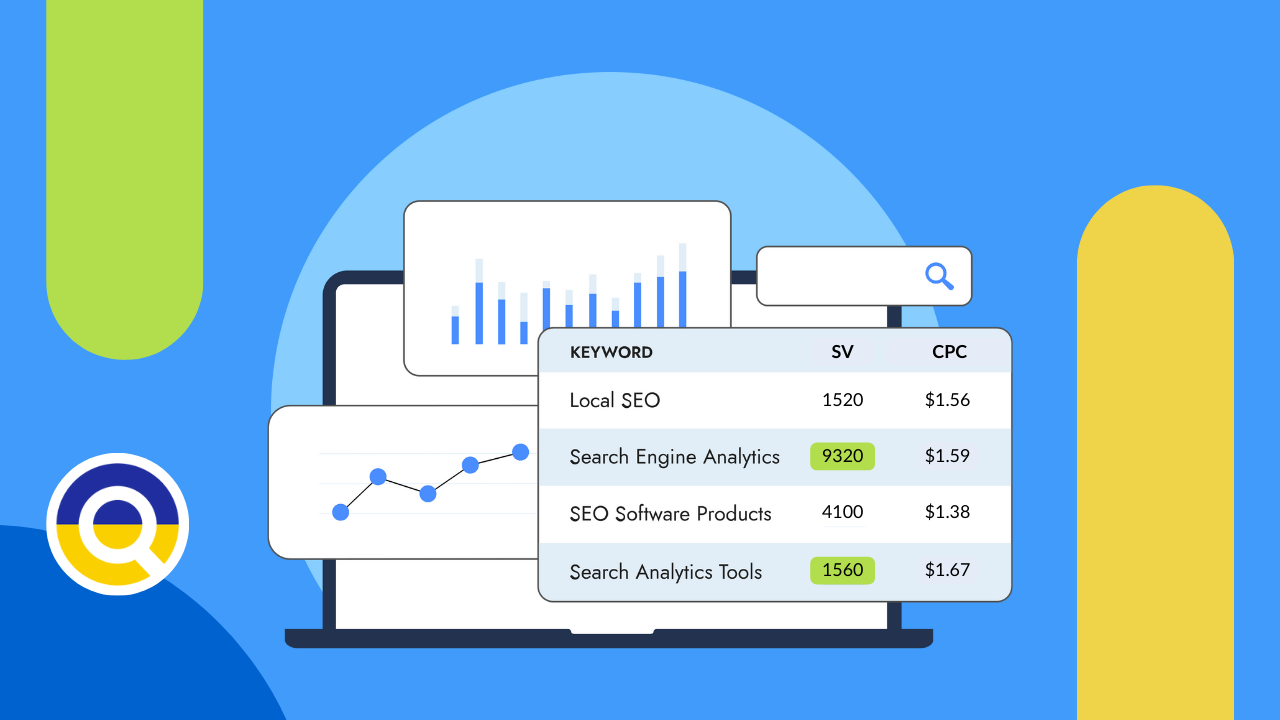
Implementing AI-powered keyword research requires a structured approach. Follow these steps to maximize your results.
Step 1: Define Your Content Pillars
Start with your core business topics. Identify the main categories that represent your products, services, or expertise. These pillars form the foundation for your keyword clusters and content architecture.
Step 2: Generate Seed Keywords
Input your content pillars into the AI database. The system will generate hundreds of related keywords, questions, and phrases. Review the initial output to identify unexpected angles and emerging topics within your niche.
Step 3: Analyze Intent and Difficulty
Examine the intent classifications and difficulty scores for each keyword. Prioritize terms that match your conversion goals and align with your site’s current authority. Mix high-difficulty keywords for long-term growth with low-difficulty terms for quick wins.
Step 4: Build Topical Clusters
Use the AI’s clustering features to group related keywords. Each cluster should represent a comprehensive topic area. Plan content that covers the entire cluster rather than individual keywords in isolation.
Step 5: Create Content Briefs
Generate detailed content briefs from the AI database. Include target keywords, related questions, suggested headings, and data points to cover. These briefs ensure your writers produce content that satisfies search intent completely.
Step 6: Monitor and Refine
Track your rankings and organic traffic after publishing. Feed performance data back into the AI system. The database will learn from your results and provide increasingly accurate recommendations over time.
Common Mistakes and How to Avoid Them
Even with advanced AI tools, marketers make predictable errors. Recognizing these pitfalls keeps your strategy on track.
Ignoring Search Intent Nuances
AI databases provide intent classifications, but you must interpret them correctly. A keyword labeled “informational” might still have commercial potential if users are comparing options. Always review the SERP to understand what content currently ranks and why.
Over-Optimizing for AI Scores
Keyword difficulty scores and opportunity metrics are predictions, not guarantees. Do not abandon sound judgment in favor of algorithmic recommendations. Combine AI insights with your industry knowledge and audience understanding.
Neglecting Existing Content
An AI SEO Keyword Database reveals opportunities for new content, but it also identifies optimization potential in existing pages. Update and expand current resources before creating new ones. This approach maximizes the value of your existing authority.
Focusing Only on High-Volume Keywords
High-volume keywords attract attention but often come with intense competition. Long-tail keywords with lower volume frequently convert better because they capture users with specific needs. Balance your portfolio across different keyword types.
Important Notes for Maximizing AI Keyword Database Value
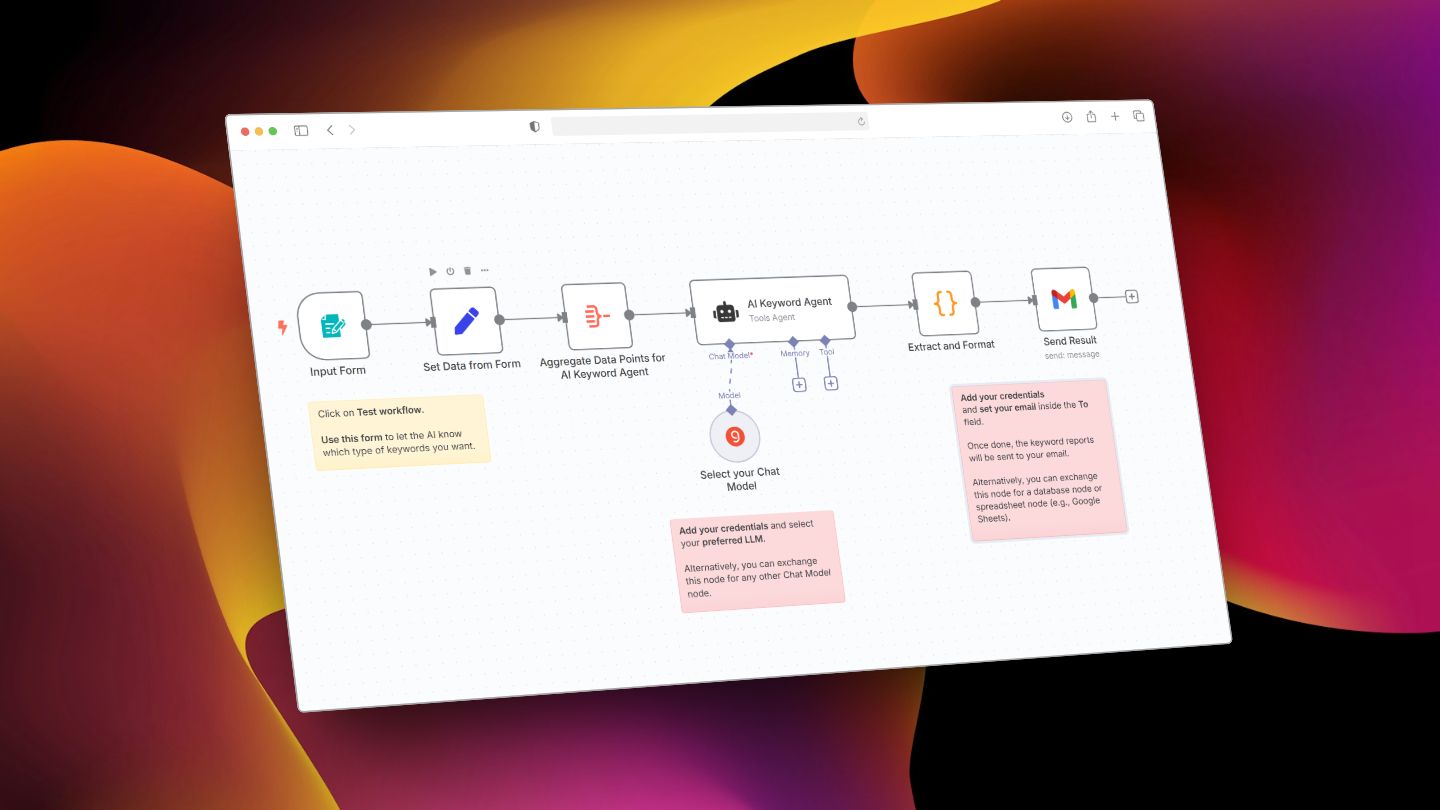
Several practical considerations enhance your results when working with AI-powered keyword tools.
- Combine multiple data sources to validate AI recommendations before committing resources
- Review AI-generated clusters manually to ensure they align with your business logic
- Update your keyword database regularly to capture seasonal trends and market shifts
- Share AI insights across content, product, and sales teams for unified strategy
- Document your keyword selection rationale for future reference and team alignment
- Test different content formats for the same keyword cluster to identify what resonates
Frequently Asked Questions
What is the difference between an AI SEO Keyword Database and a regular keyword tool?
An AI SEO Keyword Database uses machine learning to understand semantic relationships, search intent, and predictive ranking factors. Regular tools simply report historical data like search volume and difficulty scores. AI databases continuously learn and improve their recommendations based on performance data and algorithm changes.
Can an AI SEO Keyword Database replace manual keyword research?
AI tools dramatically reduce the time required for keyword research, but they do not eliminate the need for human judgment. You still need to interpret AI recommendations within your business context, validate assumptions, and make strategic decisions about content priorities. The best approach combines AI efficiency with human expertise.
How often should I update my keyword database?
Refresh your keyword data at least monthly to capture emerging trends and seasonal shifts. If you operate in a fast-moving industry, consider weekly updates. The AI system itself updates continuously, but your strategic review should happen on a regular schedule to keep content plans aligned with current search demand.
Are AI keyword databases suitable for small businesses?
Yes, many platforms offer entry-level plans designed for smaller operations. These plans provide core AI features at accessible price points. Small businesses benefit significantly from AI-powered research because it levels the playing field against larger competitors with bigger research teams.
How accurate are AI predictions for keyword difficulty?
AI difficulty predictions are based on historical ranking patterns and current SERP analysis. They provide a reliable directional indication but cannot guarantee outcomes. Accuracy improves when the system has access to your actual ranking data and can calibrate its models to your specific domain characteristics.
Conclusion
An AI SEO Keyword Database represents a fundamental shift in how digital marketers approach search optimization. The technology transforms raw search data into strategic intelligence that drives content decisions, improves ranking outcomes, and delivers measurable business results. By understanding the components, benefits, and practical applications of these tools, you position your organization to compete effectively in an increasingly sophisticated search landscape.
The key to success lies in thoughtful implementation. Choose a platform that aligns with your needs, integrate it into your existing workflows, and combine AI insights with human judgment. Regular monitoring and refinement ensure your keyword strategy remains responsive to algorithm changes and evolving user behavior. Organizations that embrace AI-powered keyword research today build durable competitive advantages that compound over time, securing their visibility in search results for years to come.
Xem thêm:
- AI Link Building: The Definitive Guide to Smart Backlink Strategies in 2025
- AI SEO for Hotels: The Complete Guide to Dominating Search in 2025
- AI SEO Ranking Signals: The Complete Guide to Google’s Machine Learning Algorithms
- The Ultimate AI SEO Workflow: How to Automate Your Search Rankings from Research to Reporting
- AI SEO Entity Authority: The Complete Guide to Dominating Search in 2025
Bài viết cùng chủ đề:

AI SEO SEO Automation with Make: The Complete Workflow Guide

AI SEO SEO Automation with Zapier: The Complete Workflow Guide

AI SEO SEO Automation with n8n: The Complete Workflow Guide
AI SEO SEO Automation with Gemini: The Complete Guide to Scaling Organic Growth

AI SEO SEO Automation with Claude: The Complete Guide to Scaling Content in 2025

AI SEO SEO Automation with ChatGPT: The Complete Playbook for 2025

AI SEO & SEO Automation for Affiliate Sites: The 2025 Playbook for Passive Income Growth
AI SEO & SEO Automation for Bloggers: The Complete Guide to Scaling Your Content

AI SEO & SEO Automation for Agencies: The Complete 2025 Playbook

AI SEO and SEO Automation for Ecommerce: The Complete Playbook for 2025

AI SEO & SEO Automation for WordPress: The Complete Playbook for 2025
AI SEO SEO Automation Strategy: The Complete Playbook for 2025

Mastering the AI SEO SEO Automation Process: A Complete Guide to Scaling Organic Growth
AI SEO SEO Automation System: The Complete Guide to Scaling Organic Growth in 2025
AI SEO SEO Automation Platform: The Complete Guide to Scaling Organic Growth in 2025
AI SEO SEO Automation Software: The Complete Guide to Scaling Organic Growth in 2025















