
No products in the cart.
AI SEO Smart Search: The Complete Guide to Future-Proofing Your Organic Traffic

31
Jul
Jul
The digital landscape is shifting at an unprecedented pace, and the days of simply stuffing keywords into meta tags are long gone. Today, the intersection of artificial intelligence and search engine optimization has given rise to a new paradigm known as AI SEO Smart Search. This approach leverages machine learning, natural language processing, and predictive analytics to understand user intent on a deeper level, allowing businesses to optimize content that resonates with both algorithms and human readers. For marketers, understanding this evolution is no longer optional; it is the cornerstone of sustainable online visibility.
Understanding the Core of AI SEO Smart Search

AI SEO Smart Search refers to the integration of artificial intelligence technologies into the search engine optimization process. It is not a single tool, but rather a methodology that uses AI to analyze search patterns, interpret semantic meaning, and automate the technical and creative aspects of ranking. Unlike traditional SEO, which relies heavily on exact-match keywords and backlink counts, this smart approach focuses on context, entity relationships, and the overall user experience.
Search engines like Google have transitioned from simple crawlers to complex neural networks. These systems, such as the RankBrain and MUM (Multitask Unified Model) algorithms, are designed to understand language the way humans do. Consequently, AI SEO Smart Search is about aligning your content strategy with these intelligent systems. It involves using AI to predict what questions users will ask next, how they phrase those questions, and what format of answer they prefer, whether it be a video, a listicle, or a detailed guide.
The Shift from Keywords to Entities and Intent
In the traditional model, a page might rank for “best running shoes.” In the AI-driven model, the search engine understands that the user might be a beginner looking for cushioning, or a marathon runner seeking lightweight options. AI SEO Smart Search analyzes the entities within your content—people, places, things, and concepts—and how they relate to each other. This allows search engines to serve your page for a wider array of queries that are semantically related, even if they do not contain the exact keyword phrase.
This shift means that your content must be comprehensive. A single page optimized for AI SEO Smart Search should cover a topic cluster thoroughly, answering sub-questions and providing value that goes beyond the obvious. The algorithm is looking for depth, accuracy, and authority. If your content demonstrates expertise on a subject, the A”
Key Components of an AI SEO Smart Search Strategy
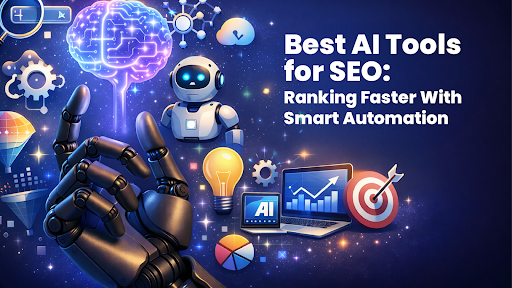
Implementing this strategy requires a multi-faceted approach. It is not enough to simply write longer articles. You must utilize AI tools to gather data, structure your site, and create content that satisfies the sophisticated requirements of modern search engines. Below are the critical components that form the backbone of any successful AI SEO Smart Search campaign.
Natural Language Processing (NLP) Optimization
NLP is the technology that allows computers to understand, interpret, and manipulate human language. In the context of AI SEO Smart Search, NLP is used to analyze your content for readability, tone, and semantic relevance. Tools powered by NLP can suggest related terms, identify gaps in your coverage, and ensure that your writing flows naturally. This is crucial because search engines penalize content that reads like robotic keyword stuffing, favoring prose that is engaging and informative.
To optimize for NLP, focus on writing in a conversational tone. Use synonyms and variations of your main keyword. For instance, if your keyword is “AI SEO Smart Search,” you should also naturally include phrases like “intelligent search optimization,” “machine learning for rankings,” and “predictive SEO.” This helps the algorithm map your content to the broader concept of the topic, increasing your chances of ranking for long-tail queries.
Predictive Analytics and Trend Forecasting
One of the most powerful aspects of AI is its ability to predict future outcomes based on historical data. In SEO, this translates to identifying emerging trends before they peak. AI SEO Smart Search tools can analyze search volume data, social media mentions, and news cycles to forecast which topics are gaining traction. By creating content on these topics early, you position yourself as a thought leader and gain a significant first-mover advantage.
This predictive capability also extends to user behavior. AI can analyze how users interact with your site—where they click, how long they stay, and where they drop off. This data informs your SEO strategy, allowing you to optimize page layouts, internal linking structures, and content formats to better hold attention and reduce bounce rates, which are critical ranking factors.
Automated Technical SEO Audits
Technical SEO is the foundation upon which all other efforts are built. However, manual audits are time-consuming and often miss subtle issues. AI SEO Smart Search utilizes intelligent crawlers that can simulate how search engine bots interact with your site. These tools can automatically detect broken links, duplicate content, slow-loading pages, and schema markup errors. They can even prioritize which fixes will have the most significant impact on your rankings.
This automation allows SEO teams to focus on strategy and creativity rather than tedious troubleshooting. The AI continuously monitors your site, alerting you to issues in real-time. This proactive approach ensures that your website remains healthy and accessible, which is a prerequisite for ranking well in any AI-driven search environment.
Benefits and Limitations of AI-Driven Search Optimization
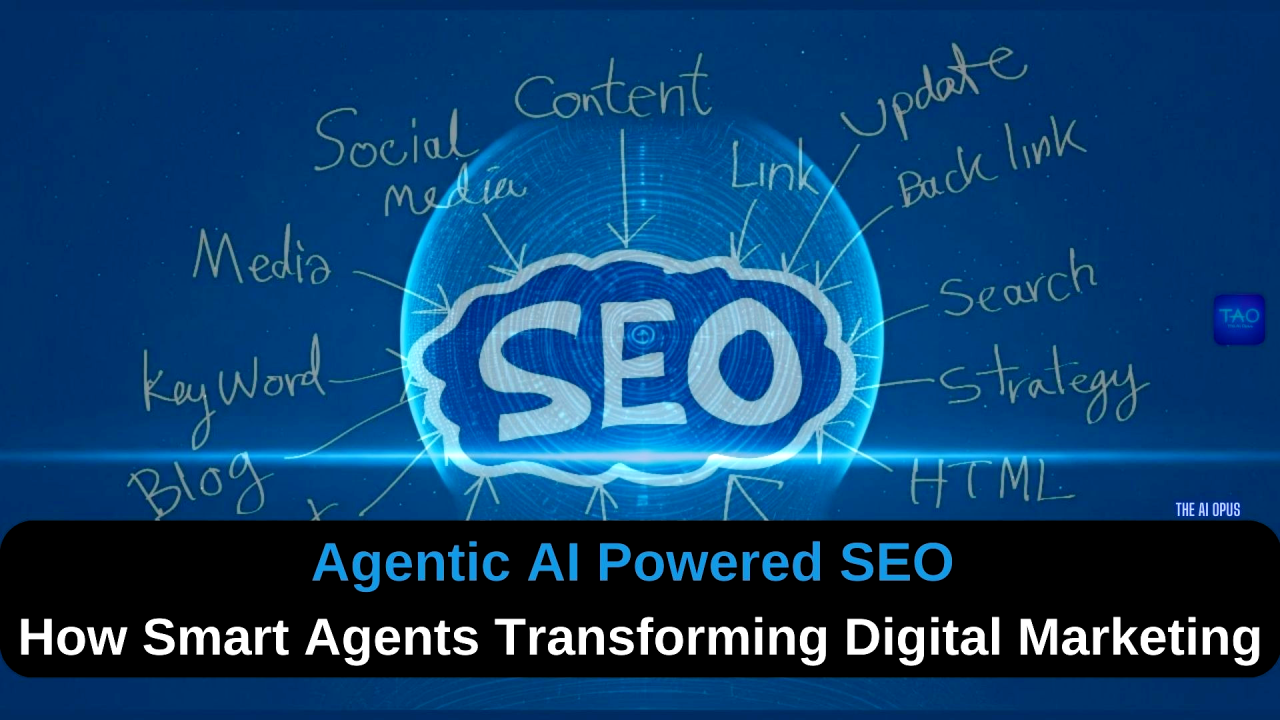
Adopting AI SEO Smart Search offers a plethora of advantages, but it is not without its challenges. Understanding both sides of the coin is essential for setting realistic expectations and avoiding common pitfalls. The table below provides a clear comparison of the pros and cons.
| Benefits | Limitations |
|---|---|
| Deeper understanding of user intent | High initial cost for advanced tools |
| Faster data analysis and reporting | Requires a learning curve for teams |
| Ability to scale content personalization | Risk of over-reliance on automation |
| Improved accuracy in keyword clustering | Potential for generic content if not guided |
| Real-time adaptation to algorithm updates | Data privacy concerns with user tracking |
The benefits clearly show that AI SEO Smart Search can dramatically improve efficiency and effectiveness. However, the limitations highlight the need for human oversight. AI is a tool, not a replacement for human judgment. The most successful strategies combine the computational power of AI with the creative intuition and ethical considerations of experienced marketers.
Practical Application: How to Implement AI SEO Smart Search
Moving from theory to practice, implementing this strategy involves a systematic process. It requires integrating specific tools and workflows into your daily operations. Below is a step-by-step guide to help you leverage AI for your organic growth.
Step 1: AI-Powered Keyword and Topic Research
Start by using AI tools like Clearscope, MarketMuse, or Surfer SEO to generate a list of semantically related keywords. Instead of just looking at volume, these tools analyze the top-ranking pages for your seed keyword and identify the subtopics they cover. This gives you a content brief that outlines exactly what you need to write about to be comprehensive. This is the essence of AI SEO Smart Search—letting the machine tell you what the user expects to see.
For example, if you are writing about “AI SEO Smart Search,” the tool might suggest including sections on “voice search optimization,” “featured snippets,” and “BERT algorithm impact.” These are not just keywords; they are concepts that the search engine associates with the main topic. By covering them, you signal to the AI that your page is a complete resource.
Step 2: Content Creation and Optimization
Once you have your brief, write your content with a focus on clarity and depth. Use the suggested terms naturally throughout the text. After drafting, run the content through an AI optimization tool. These tools provide a “content score” based on how well your text aligns with the search intent. They will highlight areas where you need to add more detail, adjust your headings, or include specific phrases.
This process is iterative. You may need to revise your draft several times to achieve a high score. However, this ensures that your content is not just well-written, but also perfectly calibrated for the algorithms that will be ranking it. Remember to structure your content with clear H2 and H3 headings, as this helps the AI parse the hierarchy of information.
Step 3: Continuous Monitoring and Iteration
AI SEO Smart Search is not a set-and-forget strategy. Search algorithms are constantly learning and updating. You must use AI analytics tools to monitor your rankings, traffic, and user engagement metrics. Look for patterns. Are your pages ranking for unexpected keywords? Are users bouncing quickly from certain pages? Use this data to refine your content and internal linking strategy.
Set up automated reports that alert you to significant changes. If a page drops in rankings, the AI can help you diagnose whether it is due to a new competitor, a change in user intent, or a technical issue. This continuous loop of analysis, optimization, and testing is what separates successful SEO campaigns from those that stagnate.
Common Mistakes and How to Avoid Them
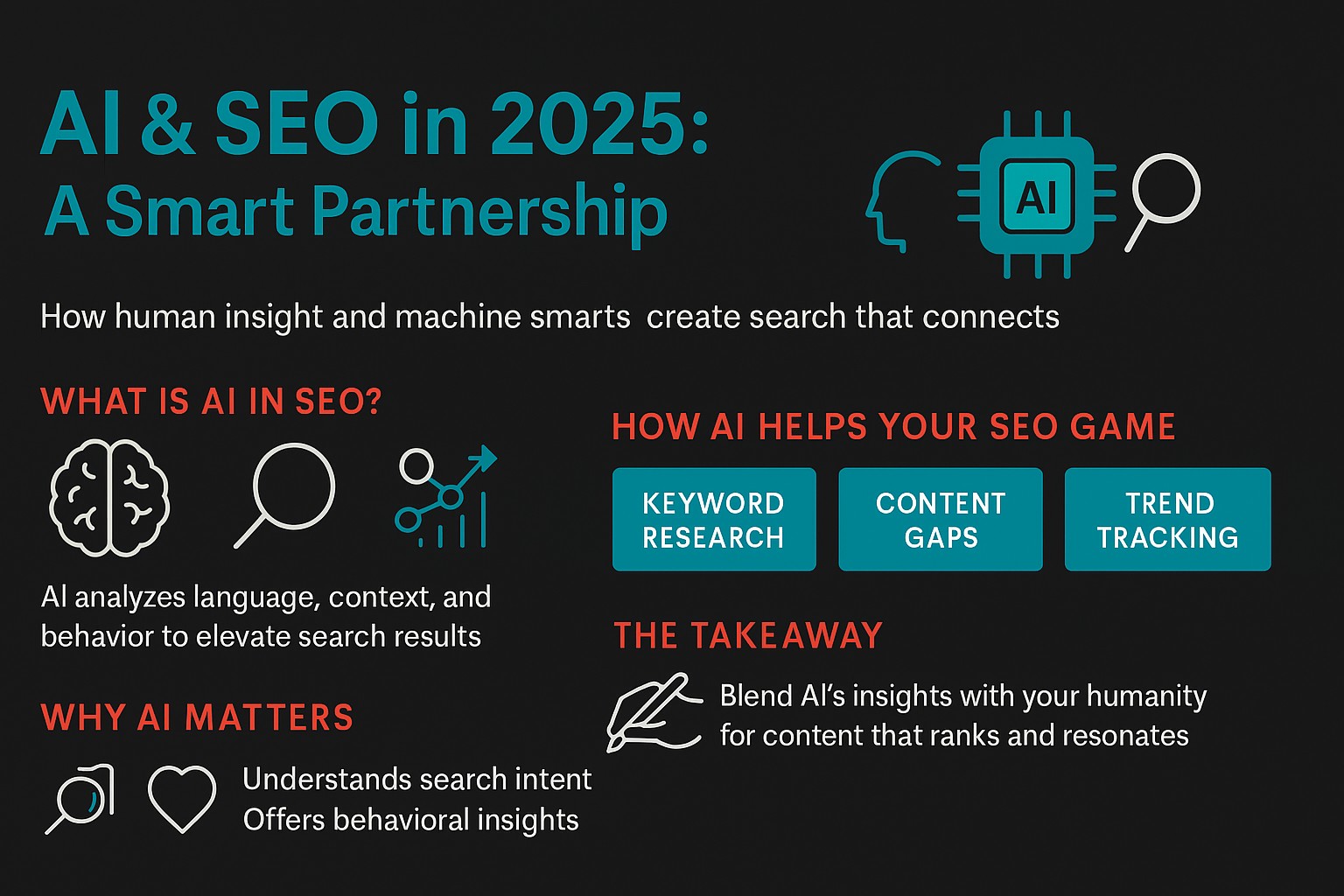
Even with the best tools, many businesses fail to see results from AI SEO Smart Search due to common errors. Being aware of these pitfalls can save you time and resources. Here are the most frequent mistakes and the strategies to avoid them.
- Ignoring User Experience: Focusing solely on algorithm requirements while neglecting the human reader. Avoid this by always prioritizing readability, page speed, and mobile responsiveness.
- Over-Optimizing for AI: Trying to game the system by stuffing content with every possible synonym. This leads to unnatural prose. Instead, write for humans and use AI to verify your coverage.
- Neglecting Entity Optimization: Failing to clearly define who you are, what you do, and who you serve. Use schema markup to help search engines understand your business context.
- Relying on Outdated Data: Using keyword research from months ago. AI trends change rapidly. Ensure your data sources are updated in real-time.
- Forgetting about Voice Search: With the rise of smart speakers, queries are becoming more conversational. Optimize for long-tail, question-based phrases to capture this traffic.
By avoiding these mistakes, you ensure that your AI SEO Smart Search efforts are built on a solid foundation. The goal is to work with the algorithms, not against them, and to provide genuine value to your audience.
Important Notes on Data Privacy and Ethics
As you integrate AI into your SEO strategy, it is crucial to consider the ethical implications. AI SEO Smart Search relies heavily on data—user behavior, search history, and personal preferences. While this data is powerful, it comes with a responsibility to protect user privacy. Ensure that your data collection methods comply with regulations like GDPR and CCPA. Be transparent with your users about what data you collect and how you use it.
Furthermore, t AI can generate content, but it cannot replicate true human experience and expertise. Search engines are increasingly sophisticated at detecting AI-generated content that lacks depth. Use AI to assist your writing, but always inject your unique insights, case studies, and personal experiences. This not only improves your E-E-A-T (Experience, Expertise, Authoritativeness, Trustworthiness) score but also builds trust with your readers.
Frequently Asked Questions (FAQ)
What is the difference between traditional SEO and AI SEO Smart Search?
Traditional SEO focuses on optimizing for specific keywords and building backlinks to signal authority. AI SEO Smart Search, on the other hand, uses machine learning to understand the context and intent behind a search query. It optimizes for entities, semantic relevance, and user experience, allowing content to rank for a broader range of related searches without exact keyword matches.
Do I need expensive AI tools to implement this strategy?
While premium tools offer advanced features, there are cost-effective ways to start. Free tools like Google Search Console and Google Analytics provide valuable data on user behavior. Additionally, many AI writing assistants offer free tiers. The key is to start with the data you have and gradually invest in more sophisticated tools as your budget allows.
How does AI SEO Smart Search handle voice search queries?
Voice search queries are typically longer and more conversational. AI SEO Smart Search helps you optimize for these by analyzing natural language patterns. It encourages you to create content that answers specific questions directly, often in the form of FAQ sections or concise paragraphs that are eligible for featured snippets. This aligns your content with how people actually speak.
Will AI replace SEO professionals?
No, A AI automates repetitive tasks like data analysis and technical audits, freeing up professionals to focus on strategy, creative content, and relationship building. The human element is still crucial for understanding nuance, making ethical decisions, and creating content that resonates emotionally with audiences.
How long does it take to see results from AI SEO Smart Search?
Results vary depending on your industry, competition, and the current state of your website. Generally, you can expect to see initial improvements in 3 to 6 months. However, the full benefits of a comprehensive AI-driven strategy often take 6 to 12 months to materialize, as it takes time for search engines to crawl, index, and trust your optimized content.
Conclusion
The era of AI SEO Smart Search is here, fundamentally transforming how we approach digital visibility. It moves the focus away from tricking algorithms and toward genuinely understanding and serving the user. By leveraging natural language processing, predictive analytics, and automated technical audits, businesses can create content that is not only highly relevant but also deeply engaging. The journey requires an investment in new tools and a willingness to adapt, but the payoff is a resilient SEO strategy that thrives amidst constant algorithm changes.
To succeed, you must balance the power of artificial intelligence with the irreplaceable value of human insight. Use AI to gather data and identify opportunities, but rely on your expertise to craft compelling narratives and build authentic connections with your audience. As search engines continue to evolve, those who embrace this intelligent approach will not just keep up—they will lead the way in their industries.
Xem thêm:
- AI SEO Mobile First Indexing: The Complete Guide to Future-Proofing Your Rankings
- Open Source AI SEO Tools: The Complete Blueprint for Data-Driven Search Visibility
- AI Structured Data: The Complete Guide to Automating Schema Markup for Smarter Search
- AI SEO Review Schema: The Complete Guide to Structured Data in 2025
- AI SEO AI SEO Audit Tool: The Complete Guide to Automated Site Optimization
Bài viết cùng chủ đề:

AI SEO SEO Automation with Make: The Complete Workflow Guide

AI SEO SEO Automation with Zapier: The Complete Workflow Guide

AI SEO SEO Automation with n8n: The Complete Workflow Guide
AI SEO SEO Automation with Gemini: The Complete Guide to Scaling Organic Growth

AI SEO SEO Automation with Claude: The Complete Guide to Scaling Content in 2025

AI SEO SEO Automation with ChatGPT: The Complete Playbook for 2025

AI SEO & SEO Automation for Affiliate Sites: The 2025 Playbook for Passive Income Growth
AI SEO & SEO Automation for Bloggers: The Complete Guide to Scaling Your Content

AI SEO & SEO Automation for Agencies: The Complete 2025 Playbook

AI SEO and SEO Automation for Ecommerce: The Complete Playbook for 2025

AI SEO & SEO Automation for WordPress: The Complete Playbook for 2025
AI SEO SEO Automation Strategy: The Complete Playbook for 2025

Mastering the AI SEO SEO Automation Process: A Complete Guide to Scaling Organic Growth
AI SEO SEO Automation System: The Complete Guide to Scaling Organic Growth in 2025
AI SEO SEO Automation Platform: The Complete Guide to Scaling Organic Growth in 2025
AI SEO SEO Automation Software: The Complete Guide to Scaling Organic Growth in 2025















