
No products in the cart.
AI SEO Structured Data Generator: The Complete Guide to Automated Schema Markup
10
Aug
Aug
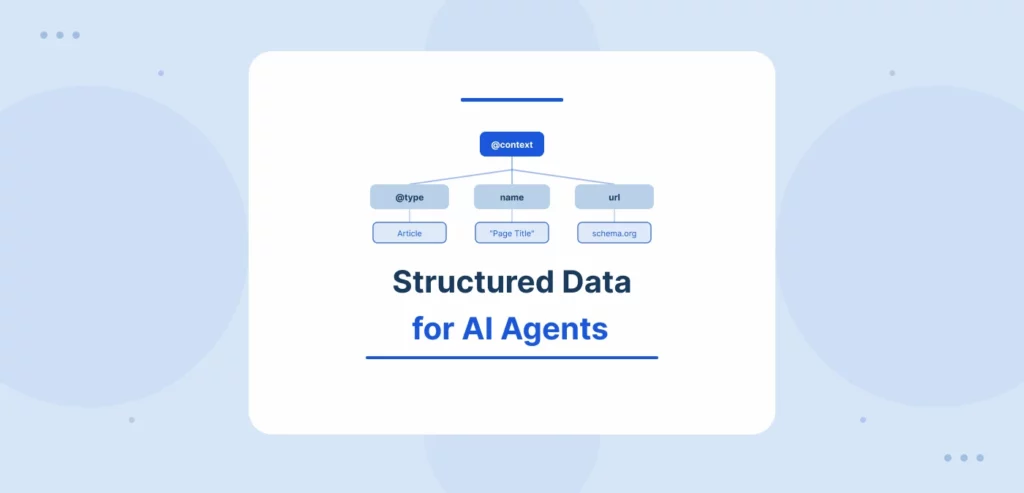
An AI SEO Structured Data Generator is transforming how websites communicate with search engines. This technology automates the creation of schema markup, the code that helps Google and other search engines understand page content. Instead of manually writing JSON-LD scripts, website owners can now generate accurate, validated structured data in seconds. This guide explores how these AI-powered tools work, why they matter for search rankings, and how to implement them effectively for maximum visibility.
What Is an AI SEO Structured Data Generator?
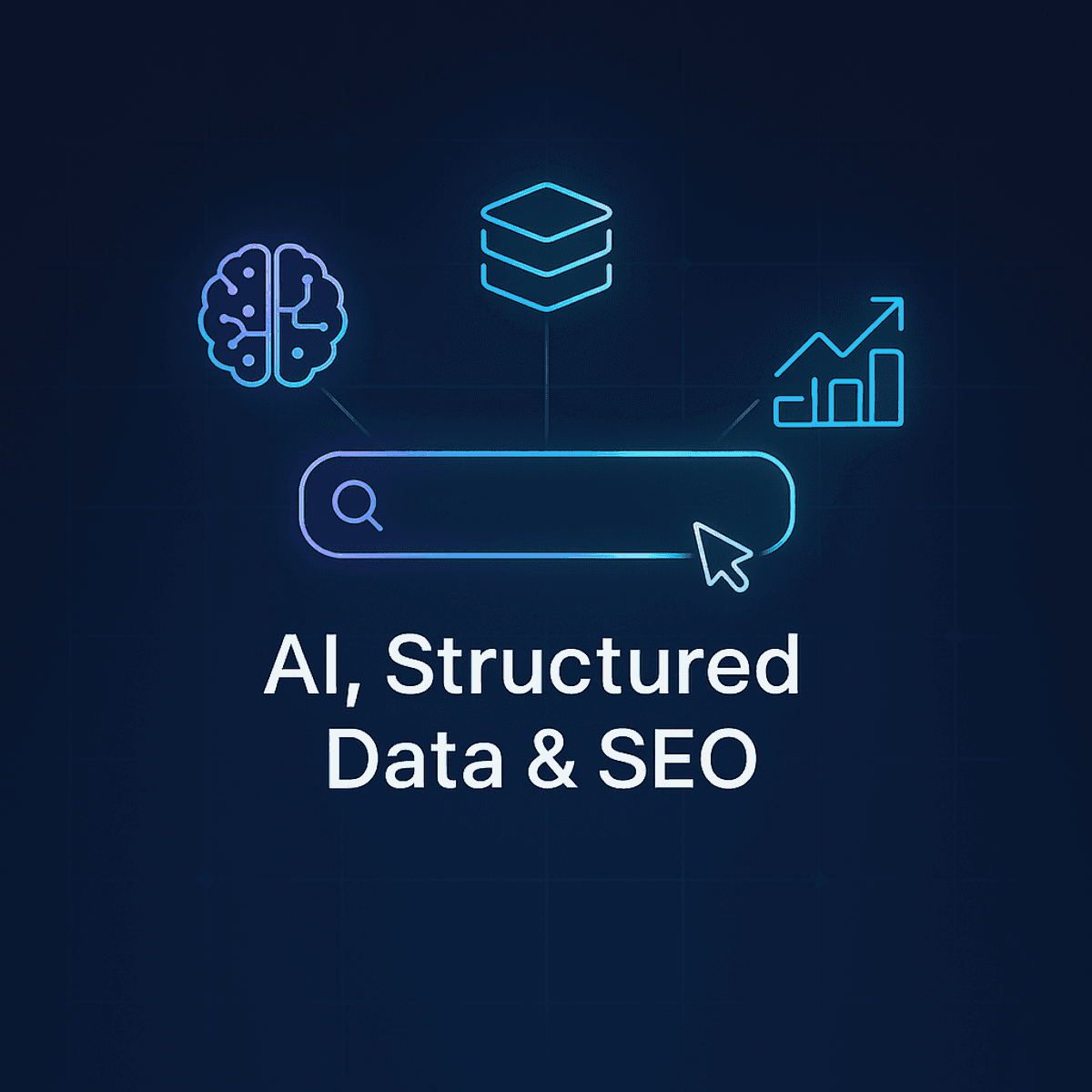
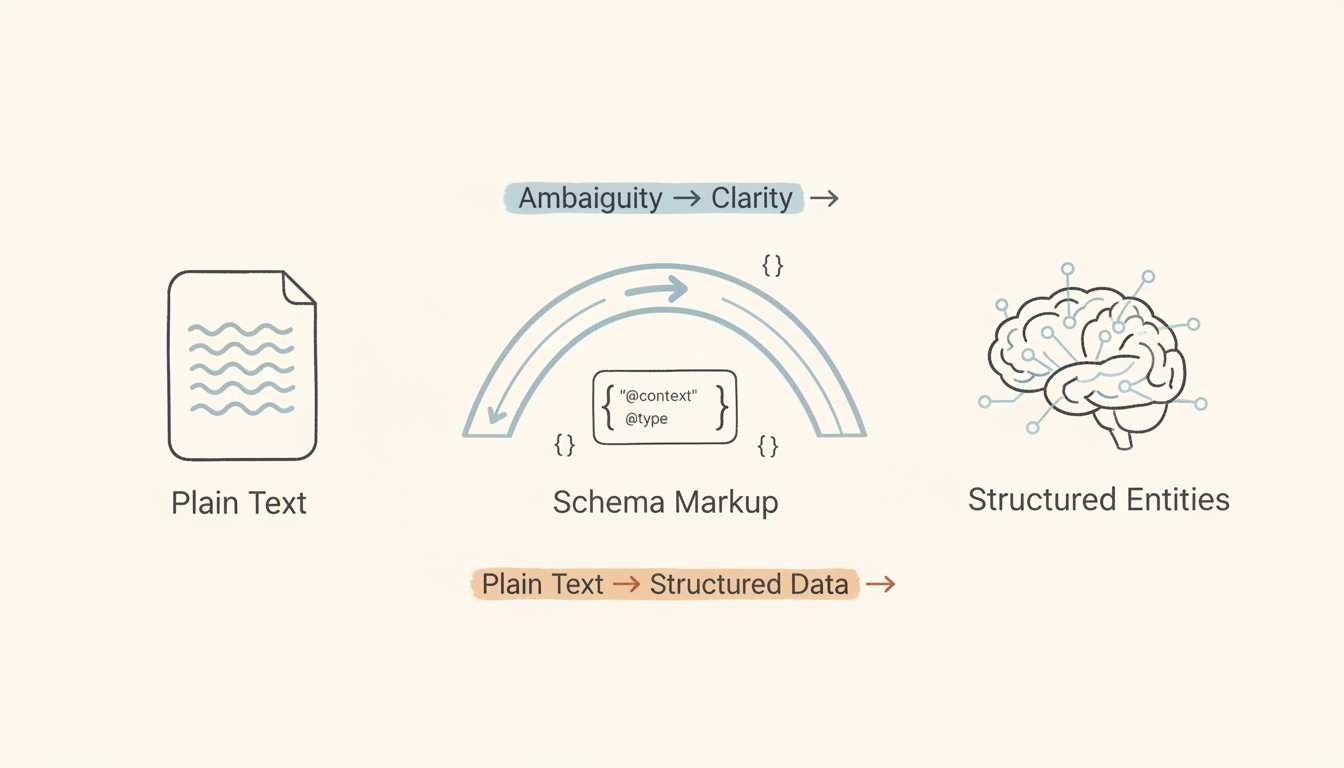
An AI SEO Structured Data Generator is a software tool that uses artificial intelligence and machine learning to create schema markup automatically. Schema markup, also known as structured data, is a standardized format for providing information about a page and classifying its content. The AI analyzes the page content, identifies entities, relationships, and context, then generates the appropriate JSON-LD code.
Traditional structured data generators require manual input. You select a schema type, fill in fields, and copy the code. AI-powered generators take a different approach. They scan the actual content of your page, understand the meaning, and suggest or create the most relevant schema types. This reduces human error and speeds up the entire process significantly.
How AI Improves Schema Generation
AI brings several capabilities to structured data creation. Natural language processing (NLP) allows the tool to read article text, product descriptions, or recipe instructions and extract key entities like names, prices, dates, and ratings. The AI then maps these entities to the correct schema.org properties.
Machine learning models trained on millions of schema examples can predict which schema types perform best for specific content categories. For instance, the AI recognizes that a page with a price and a “Buy Now” button likely needs Product schema, while a page with step-by-step instructions needs HowTo schema.
Why Structured Data Matters for SEO in 2025
Structured data remains a critical ranking factor for rich results. Google uses schema markup to display enhanced snippets, including star ratings, product prices, breadcrumbs, and FAQ sections. These rich results increase click-through rates by making your listing stand out in search engine results pages (SERPs).
Search engines are moving toward entity-based indexing. Structured data helps search engines connect your content to the broader knowledge graph. When Google understands your content as an entity with clear relationships, it can rank you more accurately for relevant queries.
Voice search and AI-powered search experiences also rely heavily on structured data. When users ask virtual assistants for recommendations, the assistant pulls information from structured data to provide answers. Without schema markup, your content is less likely to be featured in these AI-generated responses.
Key Features of AI-Powered Schema Generators

Modern AI SEO Structured Data Generator tools offer a range of features designed to simplify technical SEO. Understanding these features helps you choose the right tool and use it effectively.
Automatic Content Analysis
The AI scans your webpage content, including headings, paragraphs, images, and metadata. It identifies the primary topic and supporting entities. This analysis goes beyond keyword matching to understand semantic meaning and context.
Schema Type Recommendations
Based on content analysis, the tool recommends the most appropriate schema types. For a blog post about a recipe, it suggests Recipe schema. For an e-commerce product page, it suggests Product schema with offers, reviews, and availability properties.
JSON-LD Code Generation
Once the schema type is selected, the AI generates valid JSON-LD code. JSON-LD is Google’s preferred format for structured data. The generated code includes all necessary properties and follows schema.org guidelines.
Validation and Error Checking
Most AI generators include built-in validation. They check the code against Google’s structured data testing tools and schema.org specifications. This catches errors before you deploy the code, preventing rich result penalties.
Bulk Generation Capabilities
For large websites, AI generators can process multiple pages simultaneously. This is a significant advantage over manual methods, which require individual attention to each page.
Popular Schema Types You Can Generate
AI SEO Structured Data Generators support a wide range of schema types. Here are the most common and impactful ones for SEO:
| Schema Type | Best For | Rich Result Potential |
|---|---|---|
| Article | Blog posts, news articles | Top stories carousel, headline display |
| Product | E-commerce pages | Price, availability, star ratings in SERPs |
| Recipe | Food blogs | Image-rich results with cooking time |
| FAQ | Pages with Q&A content | Expandable FAQ sections in SERPs |
| HowTo | Tutorials, guides | Step-by-step visual results |
| Event | Conferences, webinars | Date, location, ticket information |
| Review | Product reviews, testimonials | Star ratings and review snippets |
| Breadcrumb | All websites | Navigation path in SERPs |
| Organization | Company websites | Knowledge panel information |
| LocalBusiness | Physical businesses | Map listings, hours, contact info |
Benefits of Using an AI SEO Structured Data Generator
The advantages of AI-powered schema generation extend beyond simple time savings. These tools provide strategic benefits that impact overall SEO performance.
Time Efficiency
Manual schema creation takes 10-30 minutes per page for an experienced developer. AI generators complete the same task in under a minute. For websites with hundreds or thousands of pages, this efficiency is transformative.
Accuracy and Compliance
AI tools stay updated with the latest schema.org releases and Google guidelines. They automatically adjust to changes in structured data requirements, reducing the risk of deprecated or invalid markup.
Scalability
As your website grows, maintaining structured data manually becomes unsustainable. AI generators scale effortlessly, processing new pages as they are published.
Improved Rich Result Eligibility
Properly implemented structured data increases your chances of earning rich results. AI generators ensure all required properties are included, maximizing eligibility for enhanced SERP features.
Reduced Human Error
Manual JSON-LD coding often contains syntax errors, missing properties, or incorrect values. AI eliminates these errors through automated validation and standardized output.
Limitations and Considerations
While AI SEO Structured Data Generators are powerful, they have limitations that require attention.
Context Understanding Gaps
AI may misinterpret nuanced content. For example, a page discussing a product in a review context might generate Product schema when Review schema would be more appropriate. Human oversight remains necessary for complex pages.
Custom Schema Requirements
Some websites need custom schema types or properties that AI generators do not support. In these cases, manual coding or tool customization is required.
Dependency on Content Quality
The accuracy of AI-generated schema depends on the clarity of your content. Poorly written or ambiguous content leads to incorrect schema generation.
Cost Considerations
Advanced AI generators with bulk processing capabilities often require paid subscriptions. Free tools exist but may have limited features or usage caps.
How to Implement AI-Generated Structured Data

Implementing schema markup from an AI generator involves a straightforward process. Following these steps ensures successful deployment.
Step 1: Choose the Right Tool
Evaluate AI SEO Structured Data Generator tools based on your needs. Consider factors like supported schema types, integration options, pricing, and validation features. Popular options include Merkle Schema Generator, Schema App, and various AI-powered SEO platforms.
Step 2: Analyze Your Pages
Run your most important pages through the generator. Review the AI’s schema type recommendations and ensure they align with your content’s intent. Make adjustments if the AI misidentifies the content type.
Step 3: Generate and Validate Code
Generate the JSON-LD code and run it through Google’s Rich Results Test. This validation step confirms that Google can parse your structured data correctly and identifies any missing required properties.
Step 4: Implement on Your Website
Add the JSON-LD code to your page’s HTML. Place it in the head section or the body, depending on your CMS capabilities. For WordPress sites, plugins like Rank Math or Yoast SEO can handle implementation.
Step 5: Monitor Performance
Use Google Search Console to monitor how your structured data performs. Check the Enhancement reports for any errors or warnings. Track your rich result impressions and click-through rates over time.
Common Mistakes and How to Avoid Them
Even with AI assistance, website owners make mistakes in structured data implementation. Recognizing these pitfalls helps you avoid them.
Using Irrelevant Schema Types
Applying schema types that do not match your content confuses search engines. An AI generator might suggest multiple types, but you should only use those that accurately represent your page. Avoid stacking irrelevant schema types for the sake of rich results.
Missing Required Properties
Each schema type has required properties. For example, Product schema requires a name and an offer or aggregateRating. AI generators typically include these, but manual edits can remove them. Always validate after any modification.
Duplicate Structured Data
Having multiple schema blocks for the same content confuses search engines. If your theme or plugins already add schema, remove the duplicate before adding AI-generated code.
Ignoring Validation Errors
Validation errors prevent rich results from appearing. Do not ignore warnings from Google’s testing tools. Fix all errors before publishing or updating pages.
Forgetting to Update Schema
When you update page content, the structured data must be updated too. An AI generator can regenerate schema after content changes, but you must initiate the process.
AI Structured Data vs. Manual Schema Creation
Comparing AI generation with manual methods helps you decide which approach fits your workflow.
| Aspect | AI Generator | Manual Creation |
|---|---|---|
| Time per page | Seconds | 10-30 minutes |
| Error rate | Low | Moderate to high |
| Scalability | Excellent | Poor for large sites |
| Customization | Limited to tool features | Unlimited |
| Cost | Subscription or per-use | Developer time |
| Learning curve | Minimal | Steep |
| Schema.org updates | Automatic | Manual tracking required |
Integrating AI Schema Generators with Your SEO Workflow
Incorporating AI structured data generation into your regular SEO processes maximizes its value. Here are practical ways to integrate this technology.
Content Publishing Pipeline
Add schema generation as a step in your content publishing workflow. After writing and editing content, run it through the AI generator before publishing. This ensures every new page has proper structured data from day one.
Site Audits and Retroactive Implementation
Use AI generators to audit existing pages for missing or incorrect schema. Many tools offer bulk analysis that identifies pages lacking structured data. You can then generate and implement schema for these pages retroactively.
E-commerce Product Feeds
For online stores, AI generators can process product feeds and generate Product schema for thousands of items. This is particularly useful for sites with dynamic inventory where manual schema updates are impossible.
Local SEO Optimization
Local businesses benefit from LocalBusiness schema generated by AI. The tool extracts business name, address, phone number, and hours from your website content, creating accurate local structured data.
Measuring the Impact of Structured Data
Tracking the effectiveness of your structured data implementation is essential for justifying the investment in AI tools.
Monitor Rich Result Performance
Google Search Console provides detailed reports on rich result performance. Track impressions, clicks, and average position for pages with structured data. Compare these metrics to pages without schema to measure impact.
Analyze Click-Through Rates
Rich results typically generate higher click-through rates than standard listings. Compare CTR for pages with and without structured data to quantify the benefit.
Track Voice Search Visibility
Structured data increases your chances of being featured in voice search answers. Monitor voice search queries that lead to your site using analytics tools that track this data.
Future Trends in AI Structured Data Generation
The intersection of AI and structured data continues to evolve. Understanding emerging trends helps you stay ahead of the curve.
Real-Time Schema Updates
Future AI tools will likely update structured data in real-time as content changes. This eliminates the lag between content updates and schema updates, ensuring search engines always have current information.
Predictive Schema Recommendations
A This goes beyond current recommendations to include performance predictions based on historical data.
Integration with Content Generation
AI content generators will likely include structured data generation as a built-in feature. When AI writes an article or product description, it will simultaneously create the corresponding schema markup.
Enhanced Entity Understanding
As natural language processing improves, A This will lead to more sophisticated schema generation that captures nuanced content meaning.
Important Notes for Using AI Schema Generators
Several important considerations ensure you get the most from AI SEO Structured Data Generator tools.
- Always review AI-generated schema before implementation, especially for high-value pages
- Keep your AI tool updated to ensure it supports the latest schema.org types and Google guidelines
- Use Google’s Rich Results Test and Schema Markup Validator for final verification
- Do not use structured data to hide content from users; it must accurately represent visible page content
- Combine AI generation with manual review for pages that are critical to your business
- Document your structured data implementation for future reference and audits
Frequently Asked Questions
What is the difference between structured data and schema markup?
Structured data is the broader concept of organizing information in a standardized format. Schema markup is the specific vocabulary and code used to implement structured data on websites. JSON-LD is the most common format for schema markup, using JavaScript objects to describe page content.
Does structured data directly improve search rankings?
Structured data does not directly affect traditional ranking algorithms. However, it indirectly improves performance by enabling rich results, which increase click-through rates. Higher CTR signals relevance to search engines, potentially leading to better rankings over time.
Can I use multiple schema types on one page?
Yes, you can use multiple schema types on a single page if they accurately describe different aspects of the content. For example, a recipe page can have Recipe schema, Article schema, and Breadcrumb schema. Ensure each schema type is relevant and properly implemented.
Is JSON-LD the only format for structured data?
No, structured data can also be implemented using Microdata and RDFa formats. However, Google recommends JSON-LD because it is easier to implement and maintain. JSON-LD does not interfere with HTML rendering and is less prone to parsing errors.
How long does it take for structured data to affect search results?
After implementing structured data, Google must crawl and index the updated page. This process can take anywhere from a few days to several weeks. Use Google Search Console’s URL Inspection tool to request indexing after adding schema markup.
Are there penalties for incorrect structured data?
Google can issue manual actions for structured data that is misleading or spammy. This includes marking up content that is not visible to users or using irrelevant schema types. Following Google’s structured data guidelines prevents these penalties.
Conclusion
An AI SEO Structured Data Generator represents a significant advancement in technical SEO. These tools automate the complex process of schema markup creation, making structured data accessible to website owners without deep technical expertise. The benefits of time savings, accuracy, and scalability make AI generators essential for modern SEO strategies.
The implementation of AI-generated structured data leads to better rich result eligibility, improved click-through rates, and enhanced visibility in AI-powered search experiences. While AI tools have limitations, combining them with human oversight and proper validation creates a robust structured data strategy.
As search engines continue to evolve toward entity-based understanding, structured data becomes increasingly important. Adopting AI-powered schema generation now positions your website for success in the evolving search landscape. Start by testing an AI generator on your most important pages, validate the output, and measure the impact on your search performance.
Xem thêm:
- AI Metadata Generator: The Ultimate Tool for Streamlining Digital Asset Management
- AI SEO Framework: The Complete Blueprint for Search Dominance in 2025
- AI Grammar Checker: Transform Your Writing with Intelligent Error Detection
- AI Content Planner: Revolutionize Your Content Strategy with Intelligent Automation
- Perplexity SEO: How to Rank in AI‑Powered Search Engines and Get Cited
Bài viết cùng chủ đề:

AI SEO SEO Automation with Make: The Complete Workflow Guide

AI SEO SEO Automation with Zapier: The Complete Workflow Guide

AI SEO SEO Automation with n8n: The Complete Workflow Guide
AI SEO SEO Automation with Gemini: The Complete Guide to Scaling Organic Growth

AI SEO SEO Automation with Claude: The Complete Guide to Scaling Content in 2025

AI SEO SEO Automation with ChatGPT: The Complete Playbook for 2025

AI SEO & SEO Automation for Affiliate Sites: The 2025 Playbook for Passive Income Growth
AI SEO & SEO Automation for Bloggers: The Complete Guide to Scaling Your Content

AI SEO & SEO Automation for Agencies: The Complete 2025 Playbook

AI SEO and SEO Automation for Ecommerce: The Complete Playbook for 2025

AI SEO & SEO Automation for WordPress: The Complete Playbook for 2025
AI SEO SEO Automation Strategy: The Complete Playbook for 2025

Mastering the AI SEO SEO Automation Process: A Complete Guide to Scaling Organic Growth
AI SEO SEO Automation System: The Complete Guide to Scaling Organic Growth in 2025
AI SEO SEO Automation Platform: The Complete Guide to Scaling Organic Growth in 2025
AI SEO SEO Automation Software: The Complete Guide to Scaling Organic Growth in 2025















