
No products in the cart.
Mastering AI SEO Techniques: How Artificial Intelligence Transforms Search Optimization
29
Jul
Jul
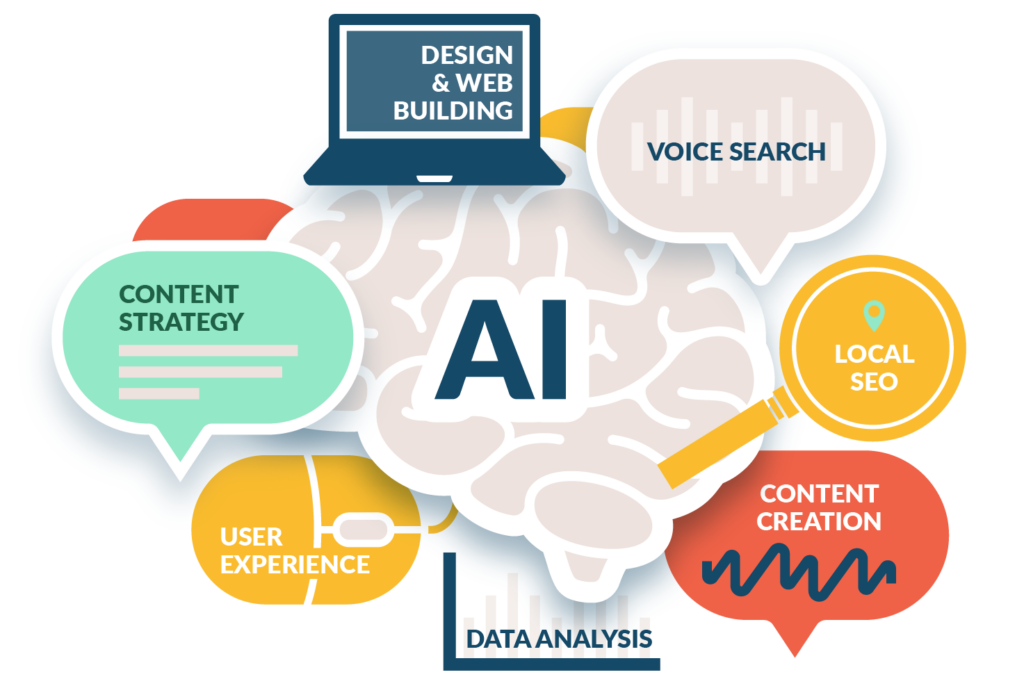
Search engine optimization has evolved far beyond simple keyword stuffing and link building. Today, AI SEO techniques are reshaping how marketers, content creators, and businesses approach organic visibility. By leveraging machine learning, natural language processing, and predictive analytics, these advanced methods help you understand search intent more deeply, automate repetitive tasks, and create content that truly satisfies both users and algorithms. The integration of artificial intelligence into SEO isn’t just a trend—it’s a fundamental shift that separates high-performing websites from the rest.
What Are AI SEO Techniques?
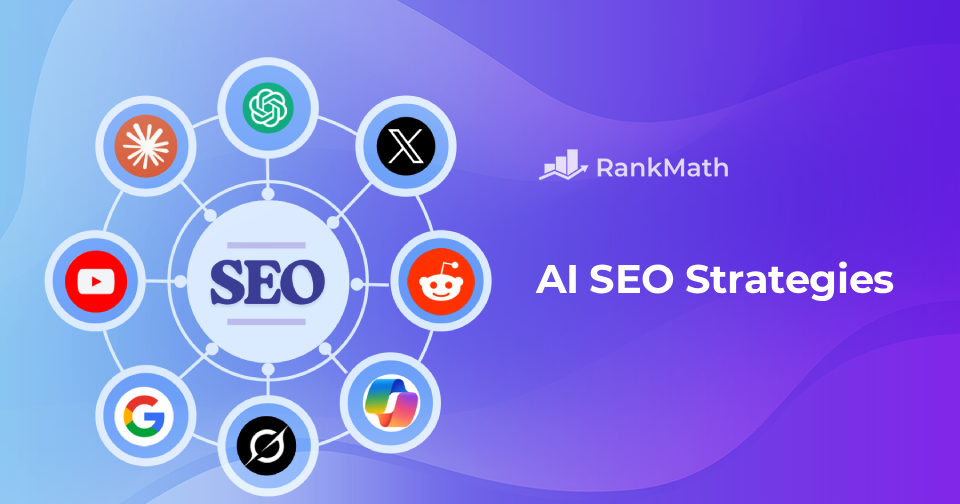
AI SEO techniques refer to the application of artificial intelligence technologies to improve a website’s search engine rankings. This involves using algorithms that can analyze vast amounts of data, detect patterns, and make intelligent decisions without constant human intervention. From generating topic clusters to auditing technical health, AI tools can perform tasks that once required hours of manual work in seconds. More importantly, they bring a level of precision and scalability that human teams alone cannot match.
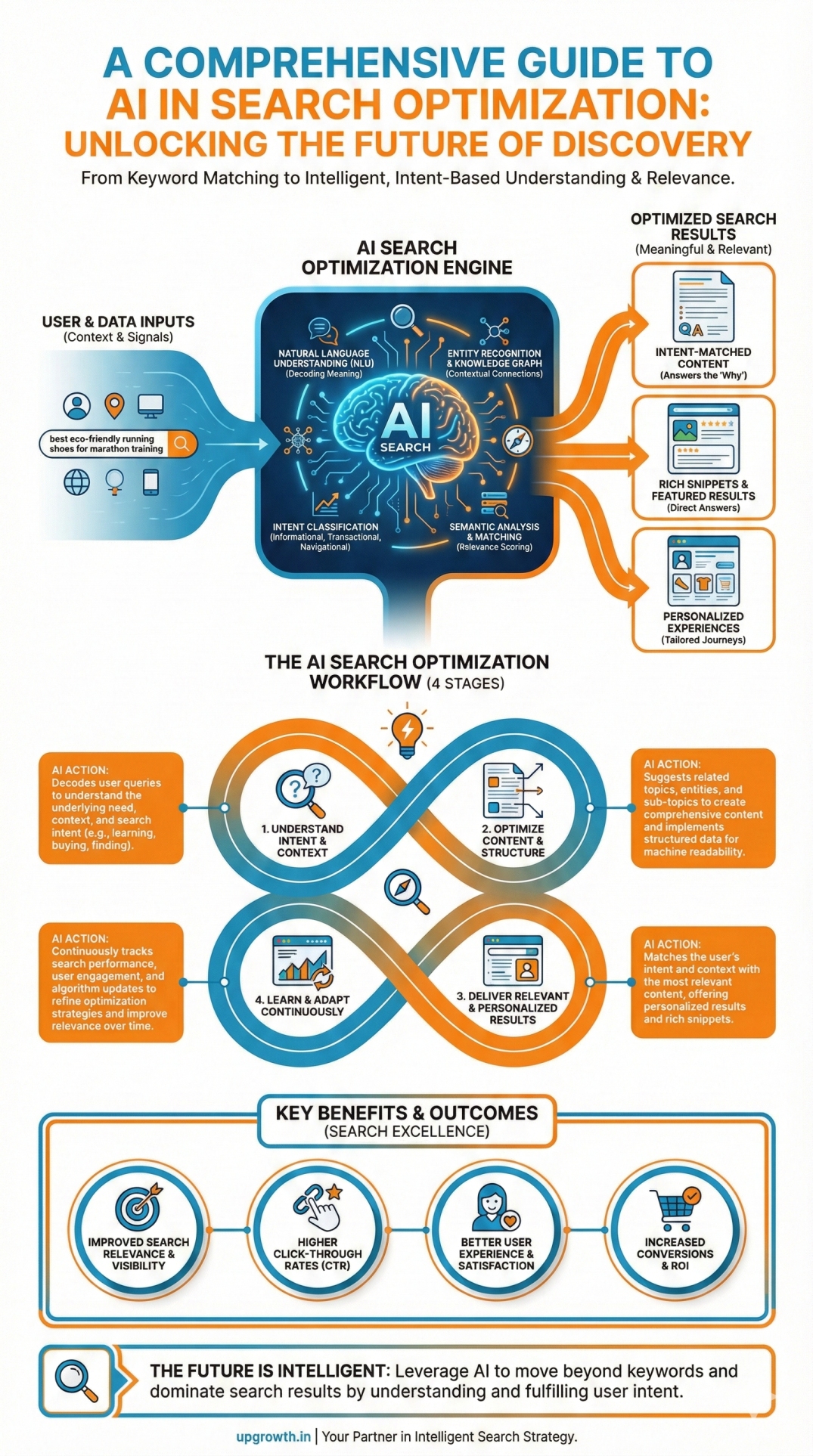
At the core, these techniques rely on natural language understanding, machine learning models, and data-driven insights. They help decode Google’s ever-changing ranking factors by simulating how search engines interpret content, structure, and user behavior. Rather than guesswork, AI provides actionable recommendations grounded in real-time analysis of top-performing pages, competitor strategies, and user engagement metrics.
Core Components of AI-Driven SEO
1. Intelligent Keyword Research and Clustering
Traditional keyword research often produces long, disconnected lists of terms. AI transforms this by grouping semantically related keywords into thematic clusters. It analyzes search intent at scale, distinguishing between informational, navigational, commercial, and transactional queries. This ensures each page targets a cohesive set of phrases, eliminating cannibalization and boosting topical authority. AI tools also predict keyword difficulty and traffic potential more accurately by examining historical click-through rates and seasonal trends.
2. Content Optimization and Generation
AI-powered content optimization goes beyond counting keyword density. It evaluates top-ranking content to identify the ideal structure, word count, media usage, and readability level. Natural language generation models can produce high-quality drafts for blog posts, product descriptions, and meta tags, significantly speeding up content production. However, the real value lies in the iterative refinement: AI suggests semantic entities, related questions, and subtopics to cover, ensuring comprehensive coverage that aligns with Google’s E-E-A-T guidelines.
3. Technical SEO Automation
Site audits, broken link detection, crawl error analysis, and schema markup generation are prime candidates for AI automation. Machine learning models can crawl huge websites and prioritize fixes based on the impact they’ll have on rankings. They can also generate structured data dynamically, ensuring rich snippets appear correctly across thousands of pages without manual coding. AI-driven monitoring systems alert you to indexing issues, page speed degradations, or mobile usability problems in real time.
4. User Experience and Behavioral Signals
Search engines increasingly rely on user experience metrics. AI helps analyze heatmaps, session recordings, and engagement data to pinpoint friction points. It can optimize internal linking structures by recommending which pages should be connected based on user flow and semantic relationships. Predictive models even estimate how design changes might affect bounce rates or time on page before you implement them.
5. Link Building and Authority Analysis
AI streamlines link prospecting by evaluating the true authority of a domain beyond basic metrics like Domain Authority. It examines traffic trends, brand relevance, and content quality to identify high-value link opportunities. Automated outreach personalization and follow-up sequences can be managed by AI, increasing efficiency without losing the human touch. Additionally, toxic link detection algorithms flag spammy backlinks that could harm your profile.
Benefits and Limitations of AI SEO Techniques
Key Benefits
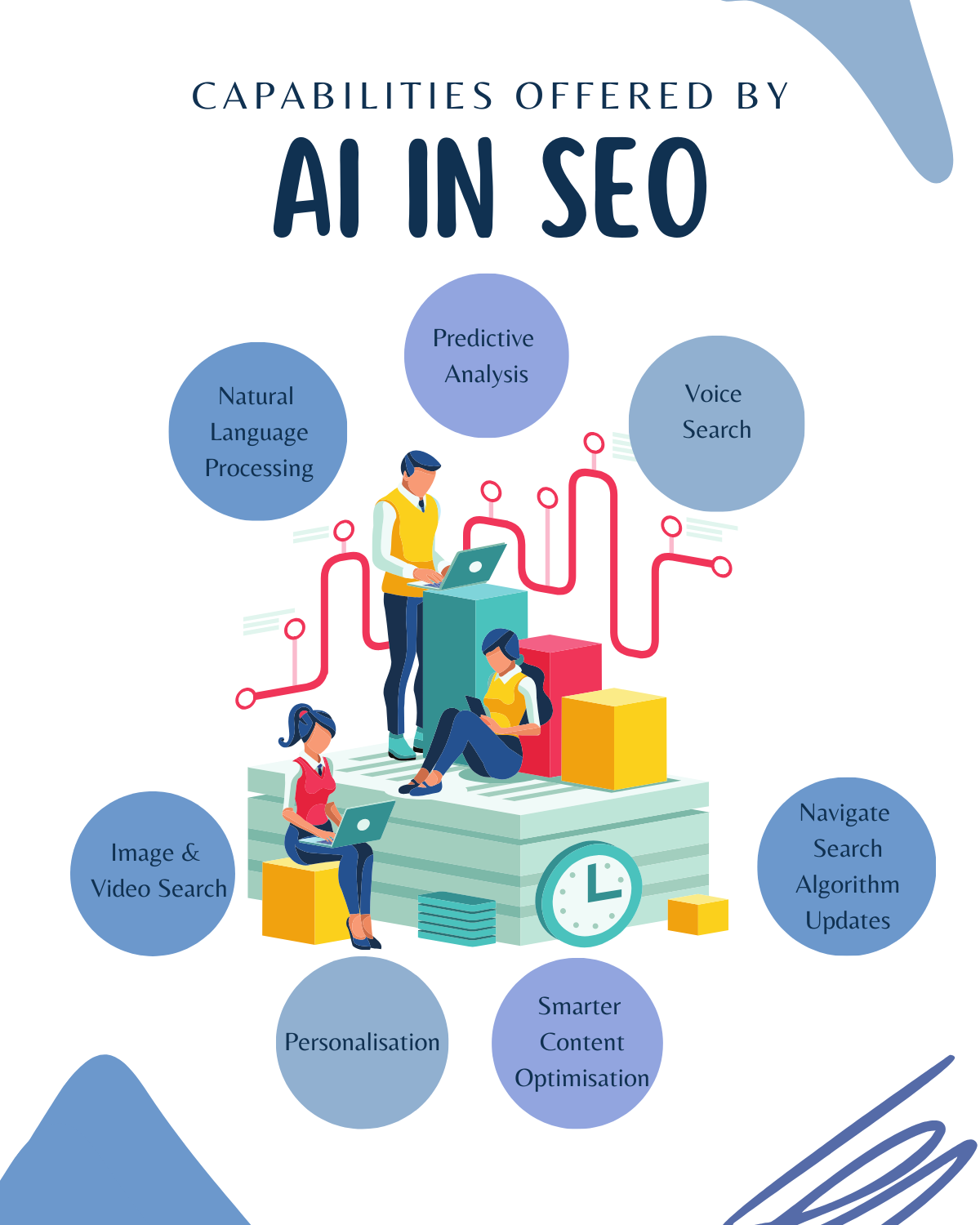
- Efficiency and Scale: Tasks that took days now run in minutes, allowing teams to manage larger sites and more campaigns simultaneously.
- Deeper Insights: AI uncovers hidden correlations between ranking factors that human analysis might miss, such as the impact of specific sentence structures on featured snippets.
- Real-Time Adaptation: Algorithms monitor SERP changes and algorithm updates continuously, adjusting strategies faster than manual processes.
- Improved Accuracy: Predictive models reduce guesswork in keyword selection, content gaps, and technical prioritization.
- Enhanced Personalization: AI enables dynamic content creation that adapts to user context, improving engagement signals.
- Publishing Unedited AI Content: Relying solely on raw AI output leads to repetitive, shallow pages that fail to engage users or satisfy quality raters.
- Ignoring Search Intent Mismatch: AI can misclassify intent if training data is insufficient, causing content to target the wrong stage of the buyer’s journey.
- Over-Optimization: Some AI tools push for excessive keyword insertion or exact-match anchor text, triggering spam filters.
- Neglecting E-E-A-T Signals: Artificial intelligence cannot create genuine author expertise or original research on its own; human validation remains critical.
- Treating All AI Recommendations as Definitive: Blindly following every suggestion without understanding the “why” behind it can lead to erratic strategy shifts.
- Underinvesting in Data Quality: Feeding AI with incomplete or inaccurate analytics will produce garbage insights, wasting time and resources.
Notable Limitations
AI is only as good as the data it’s trained on. Biased or incomplete datasets can lead to flawed recommendations. Over-reliance on AI-generated content without human editorial oversight risks producing bland, inaccurate, or duplicate material that fails Google’s helpful content standards. There’s also a technical barrier: advanced AI tools require a learning curve and financial investment. Furthermore, certain creative and strategic decisions—like brand voice differentiation or sensitive messaging—still require human empathy and judgment.
Traditional SEO vs. AI-Enhanced SEO: A Comparison
| Aspect | Traditional SEO | AI-Enhanced SEO |
|---|---|---|
| Keyword Research | Manual list building, basic volume analysis | Semantic clustering, intent prediction, competitive gap modeling |
| Content Creation | Human-written, periodic updates | AI-assisted drafting, continuous optimization via performance data |
| Technical Audits | Periodic manual crawls, spot checks | Continuous automated monitoring, prioritized fix queues |
| Link Building | Manual outreach, guest posting | Predictive prospecting, automated personalization at scale |
| Performance Analysis | Monthly reports, lagging indicators | Real-time dashboards, anomaly detection, prescriptive actions |
| Scalability | Limited by human bandwidth | Highly scalable across thousands of pages |
How to Implement AI SEO Techniques: A Practical Guide
Step 1: Establish a Strong Data Foundation
Before deploying AI, ensure your analytics, Search Console, and CRM data are clean and integrated. AI models thrive on large, high-quality datasets. Set up proper tracking for user behavior, conversions, and SERP rankings. Without accurate data, even the most advanced algorithm will produce misleading insights.
Step 2: Choose the Right AI Tools for Your Stack
The market offers tools for every budget and need. Start with an AI-powered SEO platform that covers keyword research, content optimization, and technical auditing. Look for features like natural language processing analysis, competitive gap visualization, and automated reporting. Then layer on specialized tools for areas like AI content generation, chatbot optimization for voice search, and predictive analytics for trending topics.
Step 3: Automate Routine Technical Tasks
Begin by automating site audits and schema markup generation. Set up alerts for sudden traffic drops, indexing errors, or Core Web Vitals regressions. Use AI to prioritize fixes based on estimated traffic uplift. For large e-commerce sites, implement dynamic optimization of meta tags and product descriptions using AI templates that pull from inventory data.
Step 4: Build AI-Assisted Content Workflows
Integrate AI into each stage of content creation: topic ideation (predictive trends), outline structuring (entity-based), drafting (natural language generation), and optimization (real-time scoring). Always keep a human editor in the loop to verify factual accuracy, add unique insights, and maintain brand voice. Use AI to refresh old content by identifying declining pages and suggesting updates based on current top-performers.
Step 5: Deploy Predictive Analytics for Strategy
Machine learning models can forecast which keywords are likely to gain traction in the coming months by analyzing news cycles, social signals, and search trend curves. Adjust your editorial calendar accordingly. Predictive modeling also helps allocate budget: you can estimate the ROI of content investment before a single article is written.
Step 6: Continuously Train and Refine Models
AI isn’t set-and-forget. Regularly feed new performance data back into your models to improve accuracy. Monitor the outputs for drift or bias. As Google updates its algorithm, your AI’s assumptions about ranking factors may become outdated, so recalibrate frequently.
Common Mistakes When Using AI for SEO
Important Notes for Sustainable AI-Driven SEO

AI SEO techniques are powerful multipliers, not replacements for strategic thinking. The most successful implementations maintain a balance between automation and human creativity. You must still understand your audience deeply, conduct original research, and build genuine relationships for link acquisition—areas where AI can assist but not fully replicate human touch. Furthermore, ethics matter: using AI to mass-produce low-value content solely to manipulate rankings violates Google’s spam policies and damages long-term trust. Always align AI usage with the goal of providing real value to users.
Privacy and security are also considerations. When using third-party AI tools, ensure they comply with data protection regulations and do not expose proprietary information. Stay informed about legal frameworks like the EU AI Act to future-proof your tech stack.
Frequently Asked Questions About AI SEO Techniques
What exactly are AI SEO techniques?
AI SEO techniques are methods that use artificial intelligence, such as machine learning and natural language processing, to improve search engine optimization tasks. They automate keyword research, content optimization, technical audits, and competitive analysis, making SEO more efficient and data-driven.
Can AI completely replace human SEO professionals?
No. While AI automates repetitive and data-heavy tasks, human SEO professionals provide strategic direction, creative content, and ethical oversight. The best results come from a hybrid approach where AI handles scale and humans focus on innovation and relationship building.
Does Google penalize AI-generated content?
Google does not penalize content simply because it’s AI-generated. However, if the content is low-quality, unoriginal, or created solely to manipulate rankings, it may violate the helpful content guidelines. High-quality, human-reviewed content that meets user needs is safe regardless of how it was initially drafted.
How do AI tools handle keyword clustering?
AI tools use semantic analysis and search intent models to group keywords with similar meanings and user goals. They assess SERP features, competitor content, and user behavior data to create clusters that guide topic-rich pillar pages and supporting content.
Is technical SEO still relevant if I use AI?
Absolutely. AI enhances technical SEO by automating audits and fix prioritization, but the foundational elements—crawlability, indexation, site speed, structured data—remain essential. AI just makes maintaining them more efficient.
What are the risks of over-relying on AI for SEO?
Over-reliance can lead to generic content, strategic blind spots, and vulnerability to algorithm changes that the AI hasn’t been trained for. It may also cause you to ignore brand-specific nuances and audience insights that only human experience can capture.
Can small businesses afford AI SEO tools?
Many AI-powered SEO platforms offer scalable pricing or free tiers with limited features. Starting with affordable tools and gradually investing as you see ROI is a practical approach. Even basic AI assistants for content brainstorming can provide a competitive edge without large budgets.
How does AI improve voice search optimization?
AI analyzes conversational queries, long-tail keyword patterns, and natural language queries to optimize for voice search. It helps create FAQ content that matches how people speak, increasing chances of appearing in featured snippets and voice search results.
Conclusion
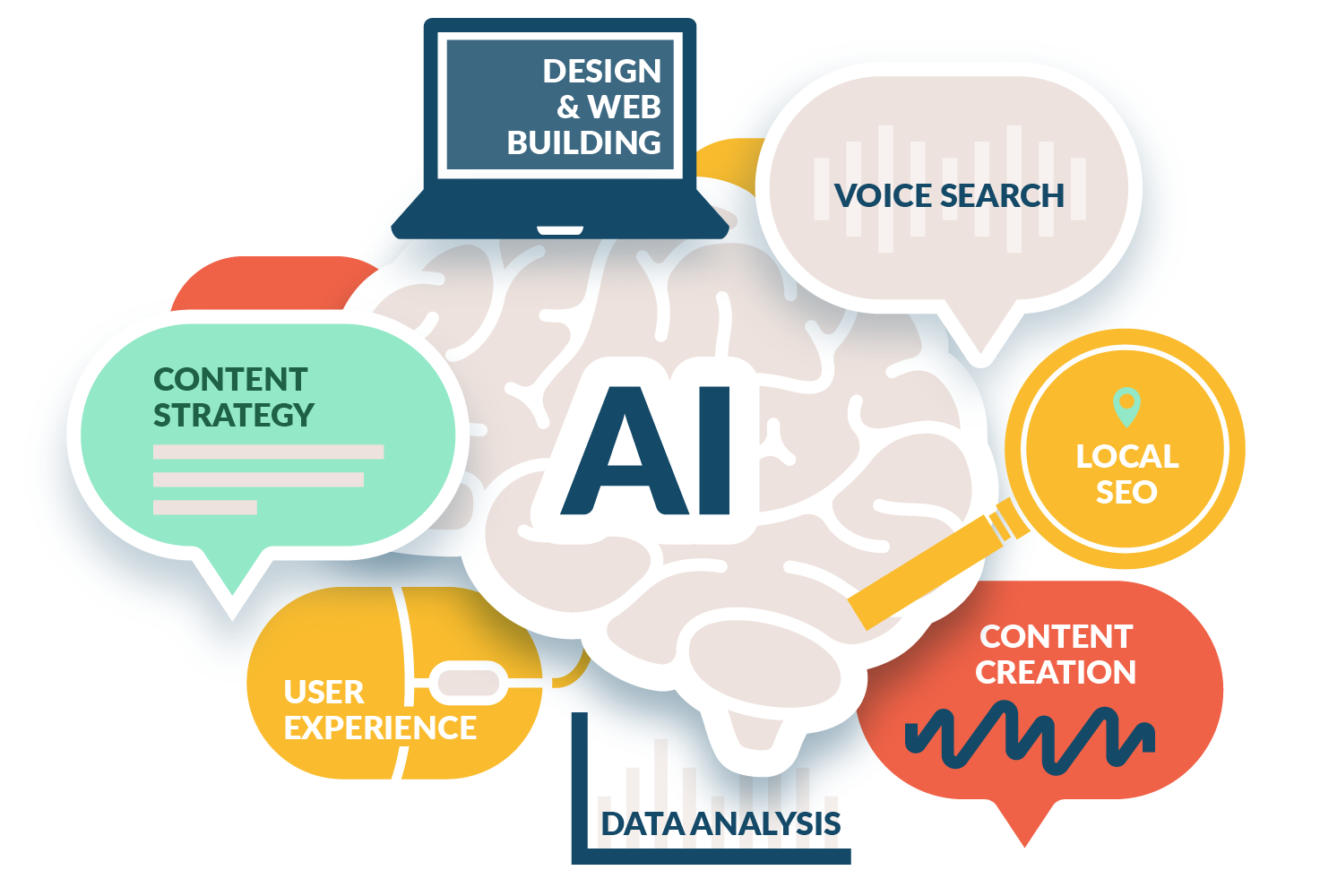
AI SEO techniques represent the natural evolution of search optimization, infusing every layer of the process with speed, intelligence, and scalability. From uncovering hidden keyword opportunities to automating technical health checks and predicting future trends, artificial intelligence empowers marketers to focus on what truly matters: delivering exceptional user experiences. However, technology alone isn’t a silver bullet. Success lies in thoughtfully integrating AI tools with human expertise, maintaining rigorous quality control, and keeping the user’s needs at the center of every decision. As search engines grow smarter, those who harness AI wisely will stay ahead, not just by adapting to change, but by anticipating it.
Xem thêm:
- AI SEO Customer Acquisition: The Complete Playbook for Sustainable Growth in 2025
- AI SEO Brand Mentions: The Complete Guide to Digital PR in the Age of Algorithms
- AI SEO Agent: How Autonomous AI Is Reshaping Search Engine Optimization
- AI SEO Navigational Intent: The Complete Guide to Winning Brand Searches in 2025
- AI Competitor Analysis: Master Market Intelligence With Automated Precision
Bài viết cùng chủ đề:

AI SEO SEO Automation with Make: The Complete Workflow Guide

AI SEO SEO Automation with Zapier: The Complete Workflow Guide

AI SEO SEO Automation with n8n: The Complete Workflow Guide
AI SEO SEO Automation with Gemini: The Complete Guide to Scaling Organic Growth

AI SEO SEO Automation with Claude: The Complete Guide to Scaling Content in 2025

AI SEO SEO Automation with ChatGPT: The Complete Playbook for 2025

AI SEO & SEO Automation for Affiliate Sites: The 2025 Playbook for Passive Income Growth
AI SEO & SEO Automation for Bloggers: The Complete Guide to Scaling Your Content

AI SEO & SEO Automation for Agencies: The Complete 2025 Playbook

AI SEO and SEO Automation for Ecommerce: The Complete Playbook for 2025

AI SEO & SEO Automation for WordPress: The Complete Playbook for 2025
AI SEO SEO Automation Strategy: The Complete Playbook for 2025

Mastering the AI SEO SEO Automation Process: A Complete Guide to Scaling Organic Growth
AI SEO SEO Automation System: The Complete Guide to Scaling Organic Growth in 2025
AI SEO SEO Automation Platform: The Complete Guide to Scaling Organic Growth in 2025
AI SEO SEO Automation Software: The Complete Guide to Scaling Organic Growth in 2025















