
No products in the cart.
AI SEO Tips: Mastering the Future of Search Engine Optimization
29
Jul
Jul
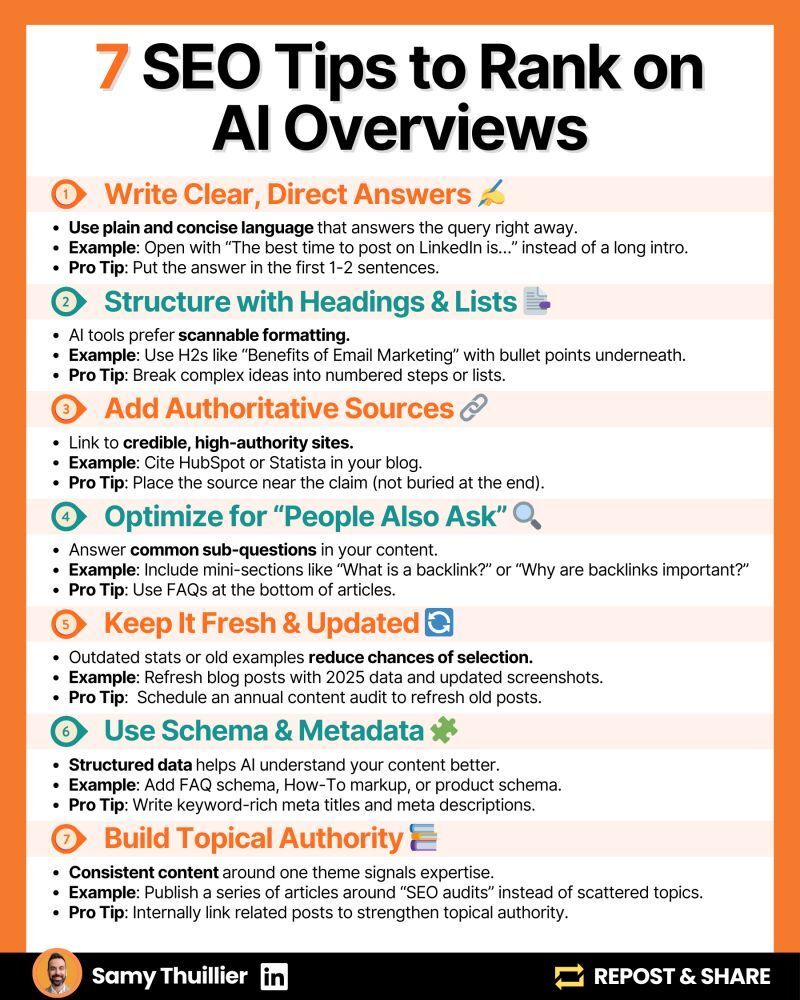
Artificial intelligence has fundamentally changed how search engines rank content and how marketers approach optimization. The rise of machine learning models like Google’s RankBrain, BERT, and the Search Generative Experience means that old keyword‑stuffing tactics no longer work. Instead, AI SEO tips focus on understanding user intent, creating semantically rich content, and using intelligent tools to streamline technical audits. This article provides a comprehensive set of AI‑powered strategies that help websites gain organic visibility, improve click‑through rates, and stay ahead of algorithm updates. From content creation to link building, these AI SEO tips will guide you in building a future‑proof search strategy.
What Are AI SEO Tips?
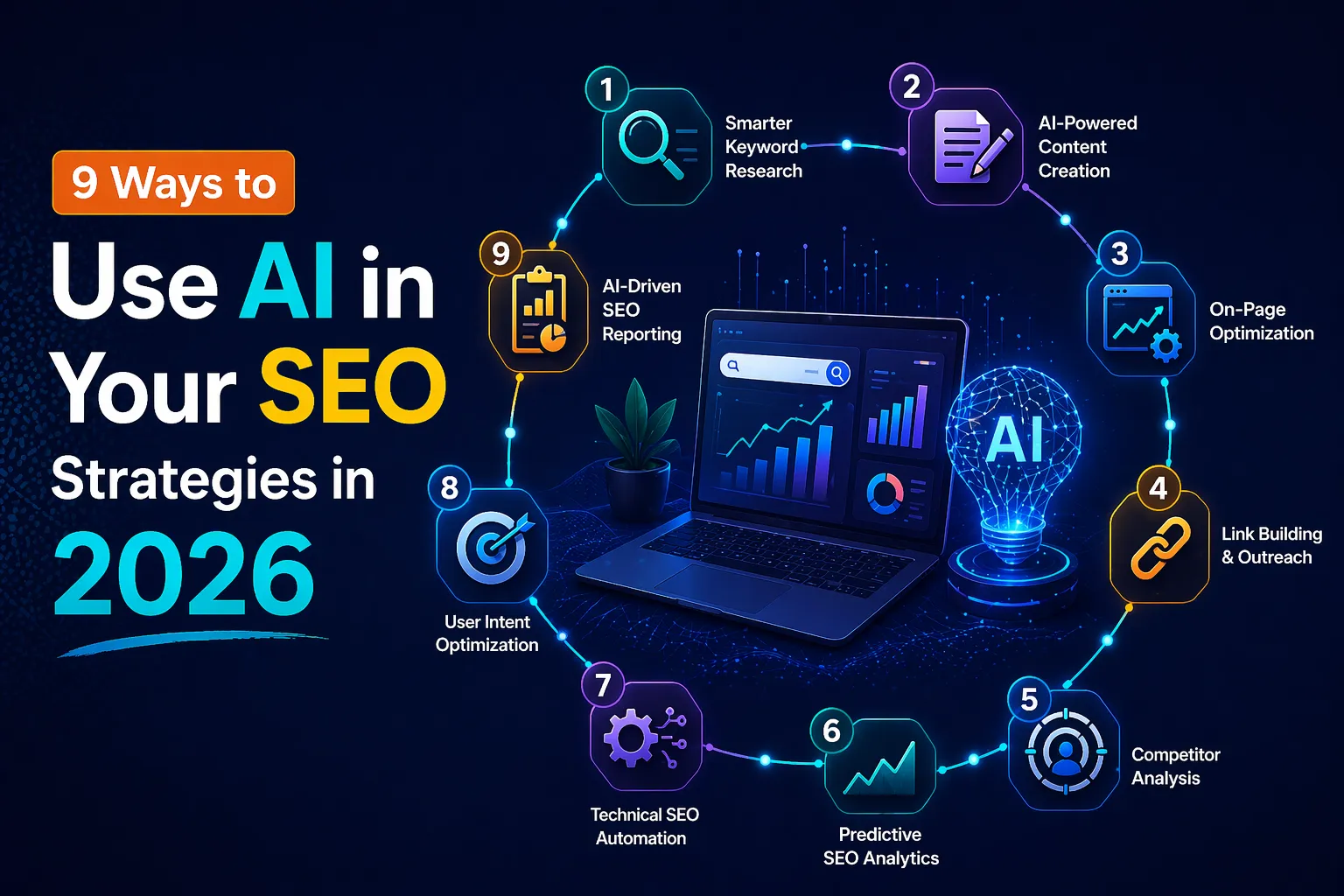
AI SEO tips are actionable recommendations that leverage artificial intelligence technologies to improve a website’s search engine performance. These tips cover a wide spectrum: using natural language generation tools for content drafting, employing machine learning algorithms to uncover keyword gaps, automating technical fixes, and analyzing user behavior signals at scale. Rather than replacing human expertise, AI acts as a force multiplier that handles repetitive tasks, surfaces hidden patterns, and provides data‑backed suggestions. The core idea is to combine the speed and pattern recognition of machines with the creativity and empathy of human editors.
Modern search engines like Google use AI to interpret queries, evaluate content quality, and personalize results. AI SEO tips help practitioners align with these systems by signaling relevance in ways that algorithms value. This includes optimizing for entities, natural language, and the overall helpfulness of the content. In short, AI SEO tips are the bridge between sophisticated search engine AI and a website’s desire to rank.
Why AI SEO Tips Matter Now More Than Ever
Search algorithms have evolved from matching keywords to understanding meaning. Google’s Helpful Content System and the integration of generative AI into search results demand a higher standard of quality and relevance. Traditional manual SEO methods cannot keep up with the volume of data and the speed of change. AI SEO tips provide a systematic way to process enormous datasets—listening to competition, auditing thousands of pages, and predicting content trends. They reduce guesswork and help marketers make decisions based on statistical likelihood rather than intuition alone.
Additionally, the rise of zero‑click searches and featured snippets means that ranking number one is no longer enough. AI tools can identify the types of rich results a query triggers and suggest structured data markups that increase the chance of appearing in those spots. As the SEO landscape becomes more complex, AI SEO tips offer a survival kit for agencies and in‑house teams alike.
Core Categories of AI SEO Tips

AI SEO tips can be grouped into several distinct yet interconnected areas. Understanding these categories helps in building a balanced strategy that covers both on‑page and off‑page elements. The main pillars include content optimization, technical enhancements, keyword and topic discovery, user experience analysis, and link building. Each category has its own set of AI tools and best practices, but the shared goal is to align with search engine understanding and user satisfaction.
Content Creation and Optimization with AI
The most visible application of AI in SEO is content generation. Large language models assist in drafting articles, expanding outlines, and rephrasing sentences for better readability. However, the real AI SEO tip Instead, use AI to generate first drafts, then have human writers inject brand voice, real‑world experience, and original insights. Search engines can detect thin, repetitive content; human‑edited, AI‑assisted content tends to perform better because it blends efficiency with authenticity.
For optimization, AI tools analyze top‑ranking pages for a target keyword and suggest word count ranges, related terms, and header structures. They also score content on readability and keyword density. Using these recommendations, you can refine existing articles to cover topics more comprehensively, fill content gaps, and incorporate latent semantic indexing (LSI) keywords naturally. This increases the likelihood of ranking for multiple long‑tail variations.
Technical SEO Powered by AI
Technical SEO has always required meticulous attention to site structure, crawl budget, page speed, and schema markup. AI‑driven crawlers can scan an entire site in seconds and pinpoint issues like broken internal links, duplicate content, missing alt attributes, and slow‑loading pages. More advanced systems use machine learning to prioritize fixes based on potential traffic impact, turning a massive audit list into a prioritized action plan.
Structured data is another area where AI SEO tips shine. Instead of manually writing JSON‑LD for every page template, AI can generate and validate schema markup for articles, products, events, and FAQs. This dramatically reduces errors and ensures that rich snippets appear consistently. Moreover, predictive AI models can simulate how Googlebot might interpret a site’s architecture, flagging sections that might be de‑indexed or undervalued. By acting on these insights, technical teams can maintain a healthy, crawlable site without dedicating endless manual hours.
User Experience and Intent Analysis
Google’s ranking systems increasingly prioritize page experience signals, including Core Web Vitals, mobile friendliness, and behavioral metrics like click‑through rate and dwell time. AI can aggregate user interaction data from Google Search Console, heatmaps, and session recordings to paint a detailed picture of how visitors engage with a page. It then suggests modifications—changing button placement, adjusting font size, adding a video—that directly improve these signals.
Intent classification is another powerful AI application. Instead of guessing whether a query is informational, transactional, or navigational, natural language processing models assign an intent probability to every keyword. This allows content strategists to align the format of their pages correctly: buying guides for commercial queries, detailed tutorials for informational ones. AI SEO tips that revolve around intent reduce bounce rate because visitors find exactly what they were looking for, which in turn strengthens rankings.
Link Building and Off‑Page AI Strategies
High‑quality backlinks remain one of the strongest ranking factors, but manual outreach is labor‑intensive. AI can streamline this process by prospecting relevant sites based on topical authority, analyzing their linking patterns, and even drafting personalized email templates. Some tools use graph machine learning to identify unlinked brand mentions across the web and convert them into earned links with minimal effort.
For off‑page SEO, AI can also monitor competitor backlink growth velocity and alert you when a rival earns a new link from a domain you haven’t yet targeted. Automated disavow file generation, powered by pattern recognition, helps keep toxic link profiles clean. All these AI SEO tips combine to make link building more strategic and less reliant on guesswork.
AI SEO Tips for Keyword Research and Topic Clustering
Traditional keyword research involves seed terms and manually expanding lists. AI transforms this by analyzing large datasets, grouping keywords by semantic similarity, and revealing clusters that represent entire topics. Instead of writing one article per keyword, you can plan a pillar page that targets the main topic, supported by cluster pages that cover subtopics in depth. This architecture signals topical authority to search engines and often leads to higher rankings across the entire cluster.
AI tools also factor in seasonality, search intent, and competitive difficulty when suggesting keywords. They can highlight long‑tail phrases with high conversion potential that would be invisible in standard keyword planners. A powerful AI SEO tip is to use these tools to uncover “question‑based” keywords (who, what, where, how) that are prime candidates for featured snippets. By answering these questions concisely in your content, you can capture the snippet box and boost click‑through rates.
How to Use AI for On‑Page SEO: A Detailed Guide
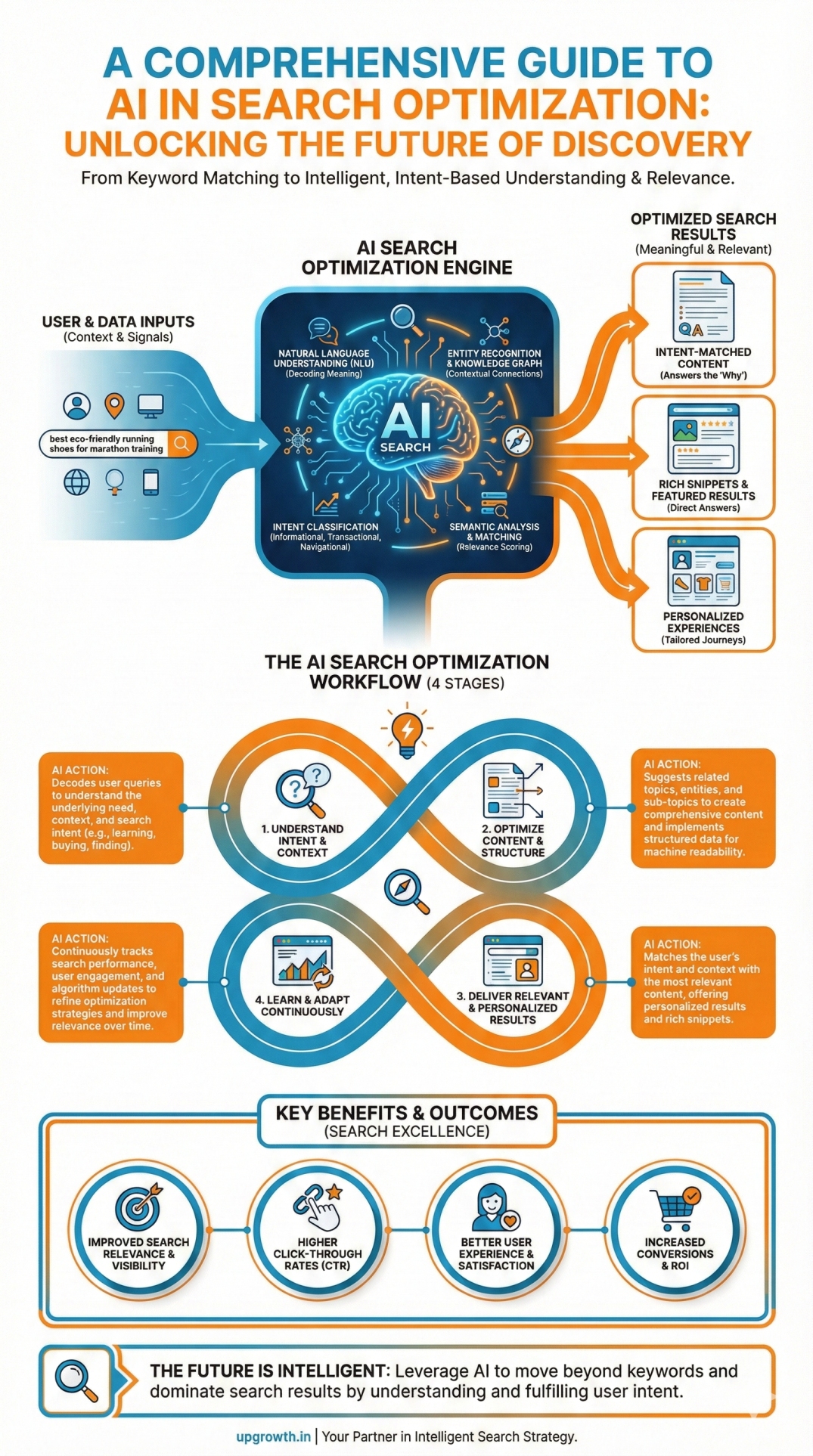
On‑page optimization is where many AI SEO tips deliver immediate results. This section breaks down the process into actionable steps, covering content briefs, semantic optimization, and multimedia elements. Each step can be executed with a combination of free and paid AI platforms, but the principles remain the same.
AI‑Driven Content Briefs and Outlines
Before writing a single word, feed your primary keyword into an AI assistant that analyzes the top 10 ranking URLs. The AI extracts common headings, subtopics, word count distribution, and media types used by competitors. It then produces a detailed content brief that includes a suggested title tag, meta description, header hierarchy, and a list of semantically related terms to include. This data‑backed outline ensures that your content covers everything search engines expect to see for that query, reducing the risk of missing an important angle.
Semantic Optimization and Entity‑Based SEO
Search engines no longer rely on exact‑match keywords; they look for entities and their relationships. AI SEO tips for semantic optimization involve using natural language processing to identify the key entities in your topic and making sure they appear in the text, alt tags, and schema. For example, an article about “AI SEO tips” should mention related entities like “machine learning,” “SERP features,” “Core Web Vitals,” and specific tool names. AI tools can score your content’s topical completeness and suggest missing entities, helping the page connect to a wider knowledge graph.
Image and Video SEO with AI Tools
Visual search and image packs account for a growing share of clicks. AI can automatically generate descriptive alt text for images, compress files without quality loss, and even create on‑the‑fly video transcripts for better indexing. Some platforms can analyze the sentiment and objects within an image to recommend file names that are both SEO‑friendly and user‑friendly. For video content, AI‑generated chapter markers and keyword‑rich titles improve visibility on both Google and YouTube. Embedding these assets with proper structured data makes it more likely they appear as rich results.
Advanced AI SEO Tips for Technical Audits and Performance
Moving beyond basics, there are AI SEO tips that cater to enterprise websites and complex platforms. Machine learning models can predict the crawl frequency of search engine bots and dynamically adjust sitemap priorities so that fresh content gets indexed faster. Log file analysis, traditionally a tedious manual task, can be automated with AI to identify crawl waste—pages that are crawled frequently but bring no organic traffic. By blocking or restructuring these URLs, you direct crawl budget toward high‑value pages.
Site speed optimization also benefits from AI. Tools like Google’s Lighthouse already provide lab data, but AI can correlate field data (from Chrome User Experience Report) with specific page elements and recommend code changes that statistically improve Largest Contentful Paint or Cumulative Layout Shift. Some platforms even offer automated split testing of technical changes, measuring the impact on rankings before a site‑wide rollout. These advanced AI SEO tips reduce the technical debt that silently drags down performance.
Common AI SEO Mistakes and How to Avoid Them

Relying too heavily on AI without human oversight can backfire. One frequent mistake is publishing AI‑written content without verification, which leads to factual errors or a generic tone that damages brand authority. Search engines like Google have become adept at detecting “scale content abuse,” so every piece must pass a human quality check. Another error is over‑optimizing with LSI keywords to the point where the text sounds unnatural. The focus should always be on user readability first.
On the technical side, many marketers blindly trust AI audit reports without understanding the underlying logic. A tool might flag a page as “thin content” because it has a low word count, when in reality it answers a navigational query perfectly with a short paragraph and a button. The key AI SEO tip is to always apply critical thinking: use AI data as a starting point, then interpret it through the lens of your audience’s needs and search intent. Additionally, automate carefully—over‑automating outreach can lead to spam complaints and disavows.
Benefits and Limitations of AI SEO Tips
Adopting AI SEO tips brings significant advantages in speed, scalability, and precision. Tasks that once took weeks—like content gap analysis or large‑scale site audits—become near‑instantaneous. AI also reduces human bias by relying on data patterns, revealing opportunities that a human might overlook. For SMBs with limited budgets, AI tools level the playing field, allowing them to compete with larger brands by producing high‑quality, well‑optimized content at a fraction of the cost.
However, limitations exist. AI models are only as good as their training data, and they can perpetuate outdated or incorrect SEO practices if not updated regularly. T This makes differentiation harder. Moreover, AI cannot truly understand human emotions, cultural nuances, or brand storytelling nuances—areas where human writers remain irreplaceable. The most effective AI SEO tips respect these boundaries and use AI as an assistant, not a replacement.
Comparison of Leading AI SEO Tools
Different tools excel in different facets of an AI‑driven SEO workflow. The table below compares features relevant to content, technical, and keyword tasks.
| Tool | Primary AI Function | Best For | Pricing Model |
|---|---|---|---|
| Surfer SEO | Content optimization with NLP scoring | On‑page real‑time suggestions and briefs | Subscription, tiers based on queries |
| MarketMuse | Topic modeling and content inventory analysis | Large‑scale content strategy, gap analysis | Custom enterprise pricing |
| Frase | AI‑generated content briefs and answer engine | Quick content drafts and FAQ optimization | Team and enterprise plans |
| Semrush AI tools | Content templates, keyword clustering, backlink audit | All‑in‑one marketing platform with AI add‑ons | Freemium, paid tiers |
| Alli AI | Automated technical SEO fixes with code injection | Bulk schema, meta tag, and speed implementations | Monthly subscription |
Select a tool that aligns with your primary need. A stack combining an on‑page optimization tool with a versatile suite like Semrush often covers the full spectrum of AI SEO tips. Start with free trials to gauge ease of use and data accuracy before committing.
Important Notes for Ethical AI SEO
As AI becomes more pervasive, ethical considerations must stay front and center. First, always disclose when content has been significantly altered by AI, especially if you operate in YMYL (Your Money Your Life) niches where accuracy is critical. Second, respect data privacy: some AI tools scrape search results and user data; ensure that your usage complies with GDPR and other regulations. Third, avoid the temptation to create massive amounts of AI‑generated pages solely for SEO without adding real value—this falls directly under Google’s spam policies and can result in manual penalties.
Long‑term success with AI SEO tips comes from balancing automation with human expertise. Regularly audit AI outputs for bias, factual errors, and brand misalignment. Train your team to use AI as a supercharged assistant that speeds up research and execution, not as a shortcut that bypasses quality control. Ethical practice also includes not exploiting AI to manipulate rankings through cloaking, auto‑generated gateway pages, or deceptive structured data. Trust is the ultimate ranking factor.
Frequently Asked Questions
What are the most effective AI SEO tips for beginners?
Beginners should start by using AI for keyword cluster research and outline generation. Tools like ChatGPT or Frase can help brainstorm topics and organize them into pillar‑cluster structures. Next, run a technical audit with an AI‑powered crawler to fix quick wins like broken links and missing meta tags. Focus on understanding search intent before scaling content production. These foundational AI SEO tips build good habits and deliver incremental results.
Can AI replace human SEO specialists?
AI cannot fully replace human SEO specialists because strategy, creative storytelling, and ethical judgment still require human intelligence. AI excels at data processing, pattern recognition, and repetitive tasks, but it struggles with original thought, cultural context, and building genuine audience relationships. The most successful teams use AI to amplify human productivity, not to cut costs alone. Human oversight ensures that AI‑generated insights are applied in a way that aligns with brand values and user needs.
How do I avoid AI‑generated content that feels robotic?
To humanize AI‑written drafts, edit for tone, add personal anecdotes, and inject industry‑specific jargon naturally. Vary sentence length and structure to break monotonous patterns. Tools like Hemingway and Grammarly can help but always perform a final human read‑through. The best AI SEO tip for natural flow is to write a detailed creative brief that includes brand voice guidelines and example paragraphs. Then guide the AI with specific instructions, such as “use a conversational tone” or “imagine a friendly expert speaking.”
Is AI good for local SEO tips?
Yes, AI can significantly enhance local SEO. It can analyze thousands of local citations in seconds, identify inconsistencies in NAP (name, address, phone) data, and suggest the most impactful directories to target. For Google Business Profile optimization, AI can generate post ideas, review response drafts, and parse customer sentiments to highlight areas of improvement. Local keyword research, powered by location‑specific language models, uncovers hyper‑local long‑tails that traditional tools might miss.
Do AI SEO tips work for e‑commerce product pages?
Absolutely. AI can generate unique product descriptions at scale by pulling data from specifications and combining it with persuasive copy. It can also automate the creation of FAQ schema for each product, which can capture rich results. On the technical side, AI tools dynamically optimize internal linking by suggesting related products and categories, improving crawl depth and user experience. For large inventories, AI SEO tips save enormous amounts of time while maintaining a high standard of optimization.
Conclusion
AI SEO tips represent a paradigm shift that blends human creativity with machine intelligence. The strategies outlined—from semantic content optimization and intent‑driven research to automated technical audits and ethical link building—provide a roadmap for achieving sustainable organic growth. While AI dramatically accelerates workflows and uncovers hidden opportunities, its power is best harnessed when guided by experienced professionals who understand nuance, brand voice, and long‑term audience trust. Start small by integrating one or two AI‑powered tools into your existing workflow, measure the impact on rankings and traffic, and gradually expand. In an era where search engines themselves run on AI, those who master these AI SEO tips will not just keep up, they will lead.
Xem thêm:
- AI SEO KPIs: The Definitive Guide to Measuring the Impact of Artificial Intelligence on Search Visibility
- AI SEO Organic Rankings: The Complete Guide to Dominating Search in 2025
- AI SEO Site Architecture: The Complete Guide to Building Search-Ready Websites
- AI Technical SEO: The Ultimate Guide to Automating Site Audits, Crawl Optimization, and Indexing Strategies
- AI SEO Content Gaps: The Complete Guide to Finding and Filling What Your Competitors Miss
Bài viết cùng chủ đề:

AI SEO SEO Automation with Make: The Complete Workflow Guide

AI SEO SEO Automation with Zapier: The Complete Workflow Guide

AI SEO SEO Automation with n8n: The Complete Workflow Guide
AI SEO SEO Automation with Gemini: The Complete Guide to Scaling Organic Growth

AI SEO SEO Automation with Claude: The Complete Guide to Scaling Content in 2025

AI SEO SEO Automation with ChatGPT: The Complete Playbook for 2025

AI SEO & SEO Automation for Affiliate Sites: The 2025 Playbook for Passive Income Growth
AI SEO & SEO Automation for Bloggers: The Complete Guide to Scaling Your Content

AI SEO & SEO Automation for Agencies: The Complete 2025 Playbook

AI SEO and SEO Automation for Ecommerce: The Complete Playbook for 2025

AI SEO & SEO Automation for WordPress: The Complete Playbook for 2025
AI SEO SEO Automation Strategy: The Complete Playbook for 2025

Mastering the AI SEO SEO Automation Process: A Complete Guide to Scaling Organic Growth
AI SEO SEO Automation System: The Complete Guide to Scaling Organic Growth in 2025
AI SEO SEO Automation Platform: The Complete Guide to Scaling Organic Growth in 2025
AI SEO SEO Automation Software: The Complete Guide to Scaling Organic Growth in 2025















