
No products in the cart.
AI SEO Topic Discovery: The Complete Guide to Finding Content That Ranks

10
Aug
Aug
AI SEO topic discovery has transformed how content teams identify opportunities in search. Instead of guessing what audiences want, modern marketers use machine learning to analyze search intent, competitor gaps, and emerging trends. This approach moves beyond simple keyword lists, offering a data-driven pathway to create content that genuinely answers user questions. The shift from manual research to AI-powered discovery means faster workflows, deeper insights, and a clear competitive edge in organic search.
What Is AI SEO Topic Discovery?
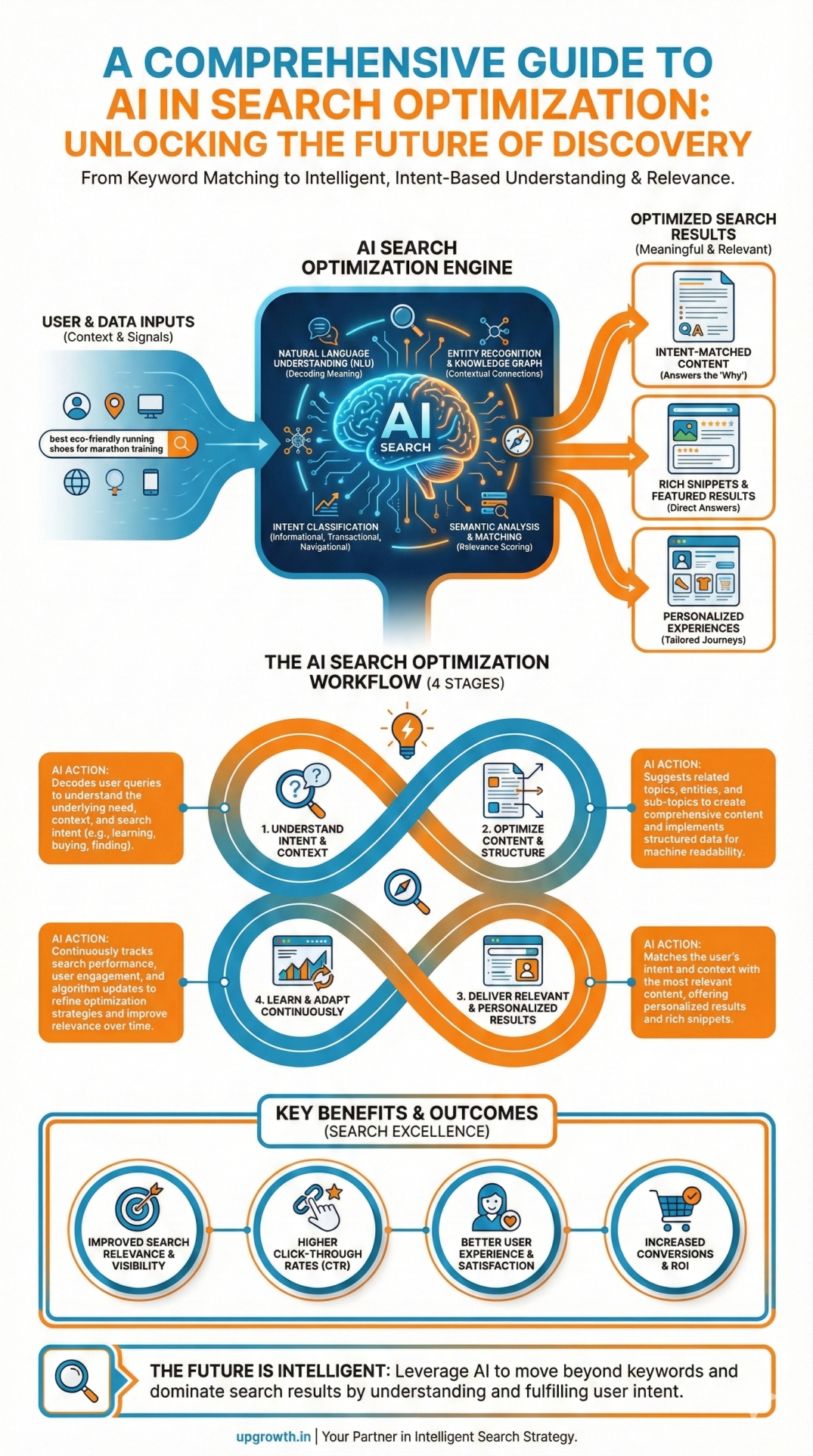
AI SEO topic discovery refers to the process of using artificial intelligence algorithms to identify, cluster, and prioritize content topics that have high potential to rank in search engines. Unlike traditional keyword research that focuses on individual search terms, AI-driven discovery analyzes patterns across millions of queries, search results, and user behavior signals.
The technology processes vast datasets to uncover relationships between topics, predict content performance, and reveal gaps in existing coverage. It goes beyond surface-level volume data, examining semantic relevance, search intent variations, and content freshness requirements. This holistic view helps marketers understand not just what people search for, but why they search and what type of content satisfies their needs.
Core Components of AI Topic Discovery Systems
Modern AI topic discovery platforms typically include several key components that work together to deliver actionable insights:
- Semantic Analysis Engines: These break down search queries into their core concepts, understanding synonyms, related terms, and contextual meaning rather than just matching exact keywords.
- Search Intent Classification: AI categorizes queries into informational, navigational, commercial, or transactional intent, ensuring content matches what users actually want at each stage of their journey.
- Competitive Gap Detection: Algorithms compare your existing content against top-ranking pages to identify topics you have not covered or areas where your coverage is thinner than competitors.
- Trend Prediction Models: Machine learning analyzes historical search data and current patterns to forecast which topics are gaining momentum before they become saturated.
- Content Clustering: AI groups related topics into thematic clusters, helping you build comprehensive pillar pages and supporting articles that establish topical authority.
- Combine AI Insights with Human Expertise: AI identifies patterns, but your industry knowledge determines which patterns matter. Use AI as a starting point, then apply your judgment to select topics that genuinely serve your audience.
- Consider Search Engine Result Page Features: Pay attention to the SERP features that appear for your target topics. If video results dominate, consider creating video content. If featured snippets appear, structure your content to target those positions.
- Track Topic Performance Over Time: Maintain a record of which AI-discovered topics you publish and how they perform. This historical data helps you refine your topic selection criteria and improve future discovery efforts.
- Align with Business Objectives: A topic might have excellent search potential but poor alignment with your revenue goals. Always filter AI recommendations through your business strategy before committing resources.
- Stay Updated on AI Tool Capabilities: The AI SEO tool landscape evolves rapidly. Regularly evaluate new features and tools to ensure you are using the most effective solutions for your needs.
Why Traditional Keyword Research Falls Short
Traditional keyword research relies heavily on manual analysis of search volume, keyword difficulty, and cost-per-click data. While these metrics remain useful, they fail to capture the full picture of search behavior. A keyword like “best running shoes” tells you nothing about whether the user wants budget options, trail running gear, or recommendations for flat feet.
Manual research also struggles with the sheer scale of search data. Google processes billions of queries daily, and identifying meaningful patterns within that data is impossible without algorithmic assistance. Traditional methods often miss long-tail opportunities and fail to recognize when a single topic actually represents multiple distinct search intents.
Furthermore, keyword tools typically provide static snapshots. They show you what people searched for last month, but they do not predict what they will search for next month. AI SEO topic discovery addresses these limitations by offering dynamic, predictive, and intent-aware insights that adapt to changing search landscapes.
How AI SEO Topic Discovery Works
Understanding the mechanics behind AI topic discovery helps you use these tools more effectively. The process generally follows a structured workflow that combines data collection, analysis, and recommendation generation.
Data Collection and Processing
AI systems begin by aggregating data from multiple sources, including search engine result pages, autocomplete suggestions, related searches, social media discussions, and question-and-answer platforms. This raw data includes millions of queries and their associated metadata, such as location, device type, and time of search.
The system then processes this data through natural language processing algorithms that identify entities, relationships, and sentiment. For example, the system recognizes that “iPhone battery replacement” relates to “smartphone repair” and “Apple support,” even though these terms share no exact words.
Intent Mapping and User Journey Analysis
Once the data is processed, AI maps each topic to specific stages of the user journey. A topic like “what is SEO” indicates early-stage research, while “best SEO tools for agencies” suggests a user closer to making a purchasing decision. This mapping helps content teams create resources that address users at every funnel stage.
Advanced systems also analyze the search results currently ranking for each topic. By examining the content format, length, and structure of top-ranking pages, AI can recommend whether you should create a listicle, a how-to guide, a video transcript, or a comparison table to compete effectively.
Opportunity Scoring and Prioritization
AI assigns each potential topic a score based on multiple factors: estimated traffic potential, ranking difficulty, relevance to your business, and alignment with your existing content. This scoring helps you prioritize topics that offer the best return on your content creation investment.
Some systems also factor in your domain authority and current search performance. A topic that would be difficult for a new website to rank for might be highly achievable for an established domain with strong authority in the niche.
Key Benefits of Using AI for Topic Discovery
Implementing AI SEO topic discovery delivers measurable advantages across your entire content operation. These benefits extend beyond simple time savings, impacting content quality, search performance, and team efficiency.
Uncovering Hidden Search Demand
AI systems identify thousands of long-tail queries that traditional tools miss. These low-volume, high-intent searches often convert better than broad head terms because they match users who know exactly what they want. For example, “how to fix a leaking Moen kitchen faucet model 7595” indicates a user with an immediate problem and a specific product, making them far more likely to engage with relevant content.
Reducing Content Creation Risk
Creating content is expensive and time-consuming. AI topic discovery reduces the risk of producing articles that fail to gain traction. By analyzing search intent and competitive landscapes, you gain confidence that your content addresses real user needs and has a realistic path to ranking.
Accelerating Content Production Cycles
Manual topic research can take days or weeks, especially for large content teams managing multiple client accounts. AI tools compress this timeline dramatically, generating comprehensive topic lists, outlines, and briefs in hours. This speed allows you to respond quickly to emerging trends and seasonal opportunities.
Building Topical Authority Faster
Search engines reward websites that demonstrate comprehensive coverage of a subject. AI topic discovery helps you map out entire topic clusters, ensuring you create content that covers every relevant subtopic. This systematic approach builds topical authority more quickly than randomly publishing articles based on individual keyword ideas.
Limitations and Challenges of AI Topic Discovery

While AI SEO topic discovery offers substantial benefits, it is not without limitations. Understanding these challenges helps you use the technology appropriately and avoid common pitfalls.
Data Quality Dependencies
AI systems are only as good as the data they analyze. If the underlying search data is outdated, biased, or incomplete, the recommendations will reflect those flaws. Search patterns change rapidly, and tools that rely on stale data can lead you toward declining topics while missing emerging opportunities.
Lack of Human Context
AI excels at pattern recognition but struggles with nuance, cultural context, and brand-specific considerations. A topic might have high search volume and low competition, but if it does not align with your brand voice or business goals, pursuing it wastes resources. Human judgment remains essential for final topic selection.
Over-Reliance on Historical Data
Most AI models train on historical search data, which means they are inherently backward-looking. While trend prediction features help, they cannot account for sudden shifts caused by new technologies, viral events, or changes in search engine algorithms. You still need human awareness of your industry to catch these shifts early.
AI Topic Discovery vs. Traditional Keyword Research
Understanding the differences between these approaches helps you decide when to use each method. The table below highlights the key distinctions:
| Aspect | Traditional Keyword Research | AI SEO Topic Discovery |
|---|---|---|
| Primary Focus | Individual keywords and search volume | Topics, subtopics, and search intent |
| Data Sources | Keyword databases and search volume tools | Search results, SERP features, user behavior, social signals |
| Output | Lists of keywords with metrics | Content clusters, outlines, intent-based recommendations |
| Analysis Depth | Surface-level metrics like volume and difficulty | Semantic relationships, intent mapping, competitive gaps |
| Predictive Capability | Limited to historical trends | Forecasts emerging topics and shifting demand |
| Time Investment | High manual effort for comprehensive analysis | Automated processing with faster results |
| Best Use Case | Quick checks and simple content needs | Comprehensive content strategies and cluster building |
Practical Guide: Implementing AI Topic Discovery in Your Workflow

Integrating AI topic discovery into your content strategy requires a structured approach. Follow these steps to maximize the value from your chosen tools.
Step 1: Define Your Content Pillars
Before using any AI tool, establish your core content pillars based on your business goals and target audience. These pillars represent the main subject areas you want to be known for. For a digital marketing agency, pillars might include SEO, content marketing, social media, and email marketing. AI tools work best when they have clear boundaries to explore within.
Step 2: Input Your Seed Topics
Provide the AI tool with your content pillars and a few seed keywords for each. The system uses these seeds to expand into related topics, subtopics, and long-tail variations. The quality of your seeds directly impacts the quality of the recommendations, so choose them carefully based on your actual business focus.
Step 3: Analyze the Generated Topic Clusters
Review the topic clusters the AI generates. Look for patterns in search intent, content format, and user journey stage. Identify topics that align with your expertise and where you have a realistic chance of ranking based on your current domain authority.
Step 4: Validate with Additional Data Sources
Cross-reference AI recommendations with other data sources, including Google Search Console performance data, customer feedback, and sales team insights. This validation ensures you are not relying solely on algorithmic suggestions. If your customers frequently ask about a specific problem, that topic deserves priority even if search volume appears modest.
Step 5: Create Detailed Content Briefs
Use the AI-generated insights to create comprehensive content briefs for your writers. Include the target topic, related subtopics, search intent, recommended content format, and examples of currently ranking pages. These briefs ensure your writers produce content that aligns with search expectations.
Step 6: Monitor Performance and Iterate
Track how your AI-discovered content performs in search rankings and organic traffic. Use this performance data to refine your future topic discovery efforts. Topics that perform well indicate areas of strong demand, while underperformers may need content optimization or may simply not align with user intent.
Common Mistakes to Avoid with AI Topic Discovery
Even with powerful AI tools, content teams make predictable errors that undermine their results. Recognizing these mistakes helps you avoid them.
Ignoring Search Intent Variations
AI tools often group queries with similar keywords but different intents. For example, “best CRM” could indicate a user comparing options or a user looking for a list of top-rated systems. Publishing a single article that tries to satisfy both intents typically fails to satisfy either. Always review the intent breakdown for each topic cluster and create separate content for distinct intents.
Pursuing Every Recommended Topic
AI tools generate hundreds of potential topics, but not all of them deserve your attention. Pursuing every recommendation dilutes your content quality and spreads your resources too thin. Focus on topics that align with your business goals, where you have genuine expertise, and where the competitive landscape offers a realistic path to ranking.
Neglecting Content Refresh Cycles
AI topic discovery provides a snapshot of the current search landscape, but that landscape changes constantly. Topics that were valuable six months ago may now be saturated or declining. Schedule regular topic discovery sessions to keep your content strategy current and identify opportunities to refresh existing articles.
Overlooking Internal Linking Opportunities
When you discover new topics, you also discover relationships between your existing content and potential new articles. Failing to plan internal links between these related pieces misses a significant SEO opportunity. Include internal linking recommendations in your content briefs to strengthen your site architecture.
Important Notes for Maximizing AI Topic Discovery Success
Several practical considerations can significantly improve your outcomes when using AI for topic discovery.
Frequently Asked Questions
What is the difference between AI topic discovery and keyword research?
Keyword research focuses on identifying individual search terms and their metrics like volume and difficulty. AI topic discovery goes further by analyzing search intent, semantic relationships, and competitive gaps to recommend complete content topics and clusters. It provides a more holistic view of what content to create, not just which keywords to target.
How long does it take to see results from AI-discovered topics?
Results vary based on your domain authority, competition level, and content quality. Generally, new content takes three to six months to establish rankings and gain meaningful organic traffic. Topics with lower competition and clear search intent may show results faster, while highly competitive topics require more time and ongoing optimization.
Can small businesses benefit from AI SEO topic discovery?
Yes, small businesses can benefit significantly. AI tools help level the playing field by identifying low-competition, high-intent topics that larger competitors may overlook. Many AI topic discovery tools offer tiered pricing, making them accessible to smaller budgets. The key is focusing on niche topics where you can realistically compete.
How often should I run AI topic discovery sessions?
Run topic discovery sessions at least quarterly to keep your content strategy current. More frequent sessions make sense for fast-moving industries or when launching new products or services. Regular sessions also help you identify content refresh opportunities for existing articles that may be losing rankings.
Does AI topic discovery replace the need for SEO experts?
No, AI tools augment the work of SEO professionals rather than replacing them. Human expertise remains essential for interpreting AI recommendations, understanding brand context, creating high-quality content, and making strategic decisions. The best results come from combining AI efficiency with human judgment.
Conclusion
AI SEO topic discovery represents a fundamental shift in how content strategies are developed. By leveraging machine learning to analyze search intent, competitive landscapes, and emerging trends, marketers can create content that genuinely serves user needs while achieving measurable search performance. The technology eliminates guesswork, accelerates research timelines, and reveals opportunities that manual methods miss.
Success with AI topic discovery requires a balanced approach. Use the technology to generate insights and identify opportunities, but apply human judgment to select topics that align with your expertise and business goals. Combine AI recommendations with performance data, customer feedback, and industry knowledge to build a content strategy that drives sustainable organic growth. As search engines continue to evolve, the ability to discover and create content that matches user intent will remain a critical competitive advantage.
Xem thêm:
- AI SEO Microsoft Clarity: The Complete Guide to Smarter User Behavior Analysis
- AI SEO Keyword Trends: The Complete Guide to Future-Proof Search Strategy
- AI SEO Workflow Automation: Streamline Your Search Strategy with Intelligent Automation
- WP Trove AI Copywriting: The Complete Guide to Smarter Content Creation
- AI Rewrite Tool: The Ultimate Guide to Rewriting Content with Artificial Intelligence
Bài viết cùng chủ đề:

AI SEO SEO Automation with Make: The Complete Workflow Guide

AI SEO SEO Automation with Zapier: The Complete Workflow Guide

AI SEO SEO Automation with n8n: The Complete Workflow Guide
AI SEO SEO Automation with Gemini: The Complete Guide to Scaling Organic Growth

AI SEO SEO Automation with Claude: The Complete Guide to Scaling Content in 2025

AI SEO SEO Automation with ChatGPT: The Complete Playbook for 2025

AI SEO & SEO Automation for Affiliate Sites: The 2025 Playbook for Passive Income Growth
AI SEO & SEO Automation for Bloggers: The Complete Guide to Scaling Your Content

AI SEO & SEO Automation for Agencies: The Complete 2025 Playbook

AI SEO and SEO Automation for Ecommerce: The Complete Playbook for 2025

AI SEO & SEO Automation for WordPress: The Complete Playbook for 2025
AI SEO SEO Automation Strategy: The Complete Playbook for 2025

Mastering the AI SEO SEO Automation Process: A Complete Guide to Scaling Organic Growth
AI SEO SEO Automation System: The Complete Guide to Scaling Organic Growth in 2025
AI SEO SEO Automation Platform: The Complete Guide to Scaling Organic Growth in 2025
AI SEO SEO Automation Software: The Complete Guide to Scaling Organic Growth in 2025















