
No products in the cart.
AI SEO Topic Modeling: The Complete Guide to Content That Ranks
10
Aug
Aug
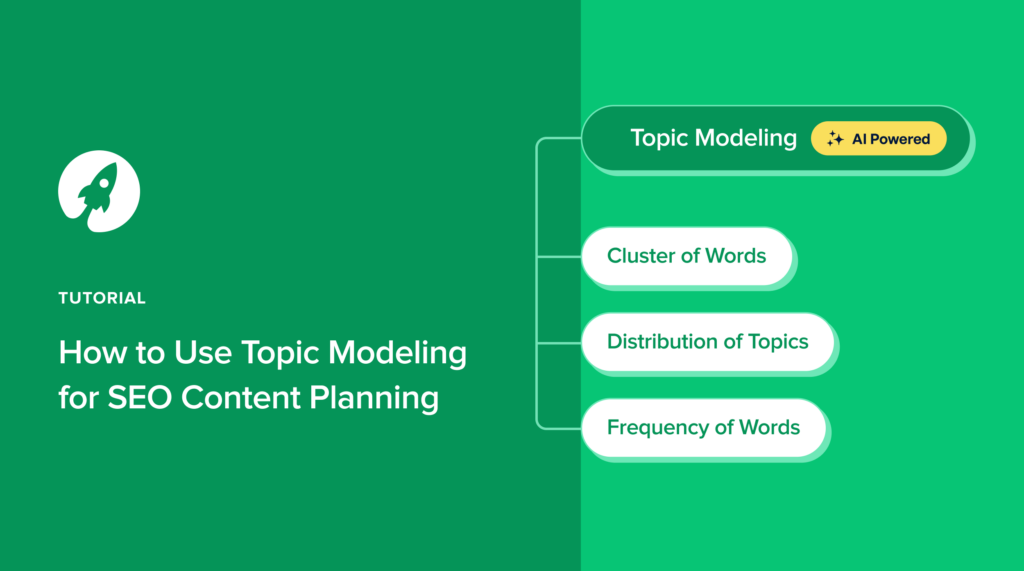
AI SEO Topic Modeling has transformed how digital marketers plan, create, and optimize content. Instead of guessing which keywords to target, modern SEO professionals use artificial intelligence to map out entire subject areas, understand semantic relationships, and build content clusters that satisfy both users and search engines. This guide explains everything you need to know about using AI for topic modeling, from the fundamental concepts to advanced implementation strategies that drive measurable organic growth.
What Is AI SEO Topic Modeling?

AI SEO Topic Modeling is the process of using machine learning algorithms to analyze large volumes of text data, identify underlying themes, and map the semantic relationships between concepts within a specific niche. Unlike traditional keyword research that focuses on individual search terms, topic modeling looks at the bigger picture—understanding what topics are related, how they connect, and what information users actually need when searching for a particular subject.
Search engines like Google have evolved significantly. They no longer rely solely on exact-match keywords to understand content. Instead, they use natural language processing (NLP) and machine learning to interpret the meaning behind words, phrases, and entire documents. AI SEO Topic Modeling aligns your content strategy with this reality by helping you create comprehensive, semantically rich content that covers all aspects of a topic.
The Evolution from Keywords to Topics
In the early days of SEO, ranking well meant stuffing pages with exact-match keywords. That approach no longer works. Google’s algorithms, particularly BERT and MUM, understand context, intent, and the relationships between concepts. When you search for “best running shoes,” Google doesn’t just look for pages containing those exact words. It looks for content that covers related topics like cushioning, arch support, durability, price ranges, and user reviews.
AI SEO Topic Modeling helps you identify these related concepts automatically. By feeding an AI tool with your seed topic, the algorithm can analyze thousands of top-ranking pages, extract common themes, and build a comprehensive topic map that guides your content creation process.
How AI SEO Topic Modeling Works
Understanding the mechanics behind AI topic modeling helps you use these tools more effectively. The process typically involves several sophisticated techniques that work together to create a complete picture of your content landscape.
Latent Dirichlet Allocation (LDA)
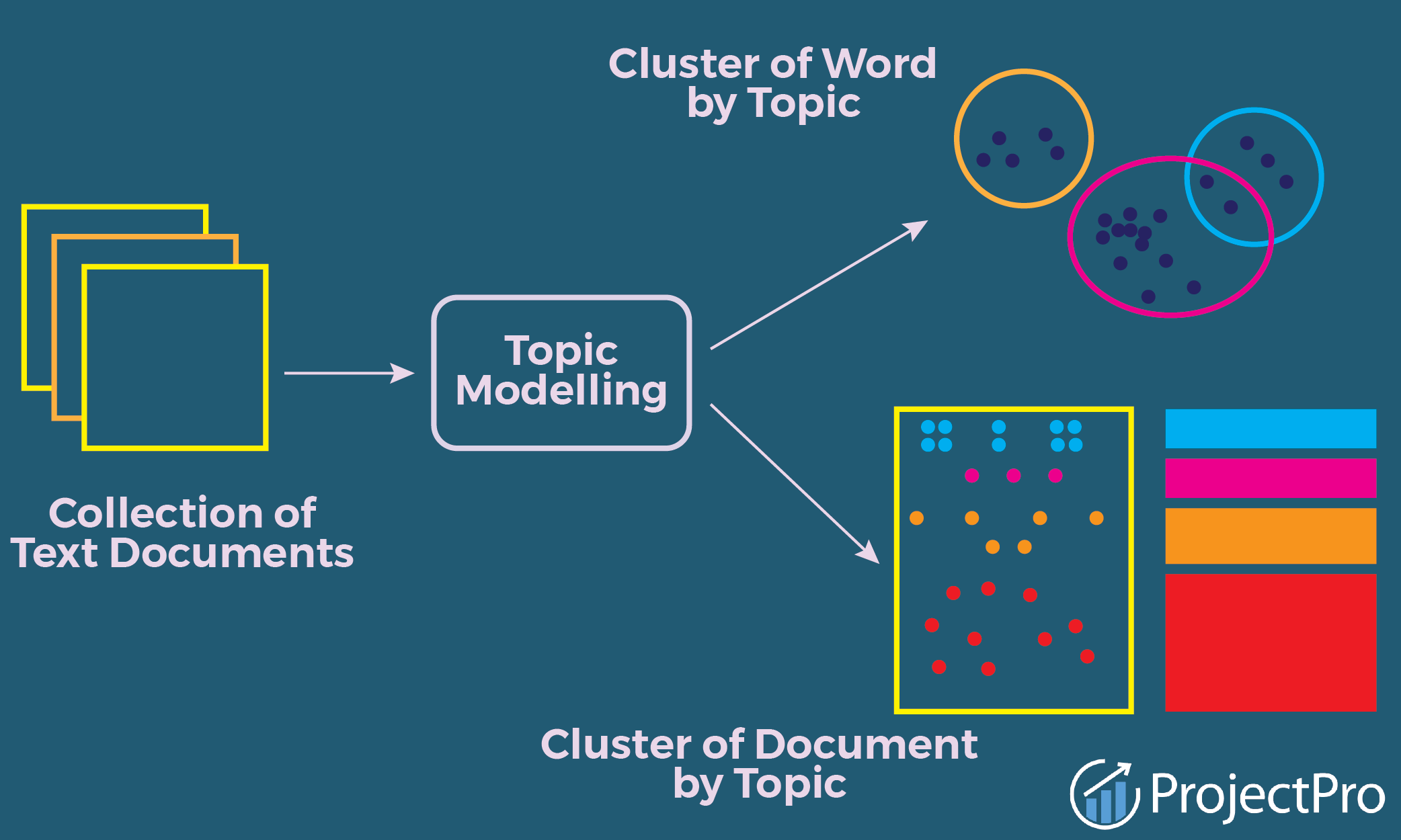
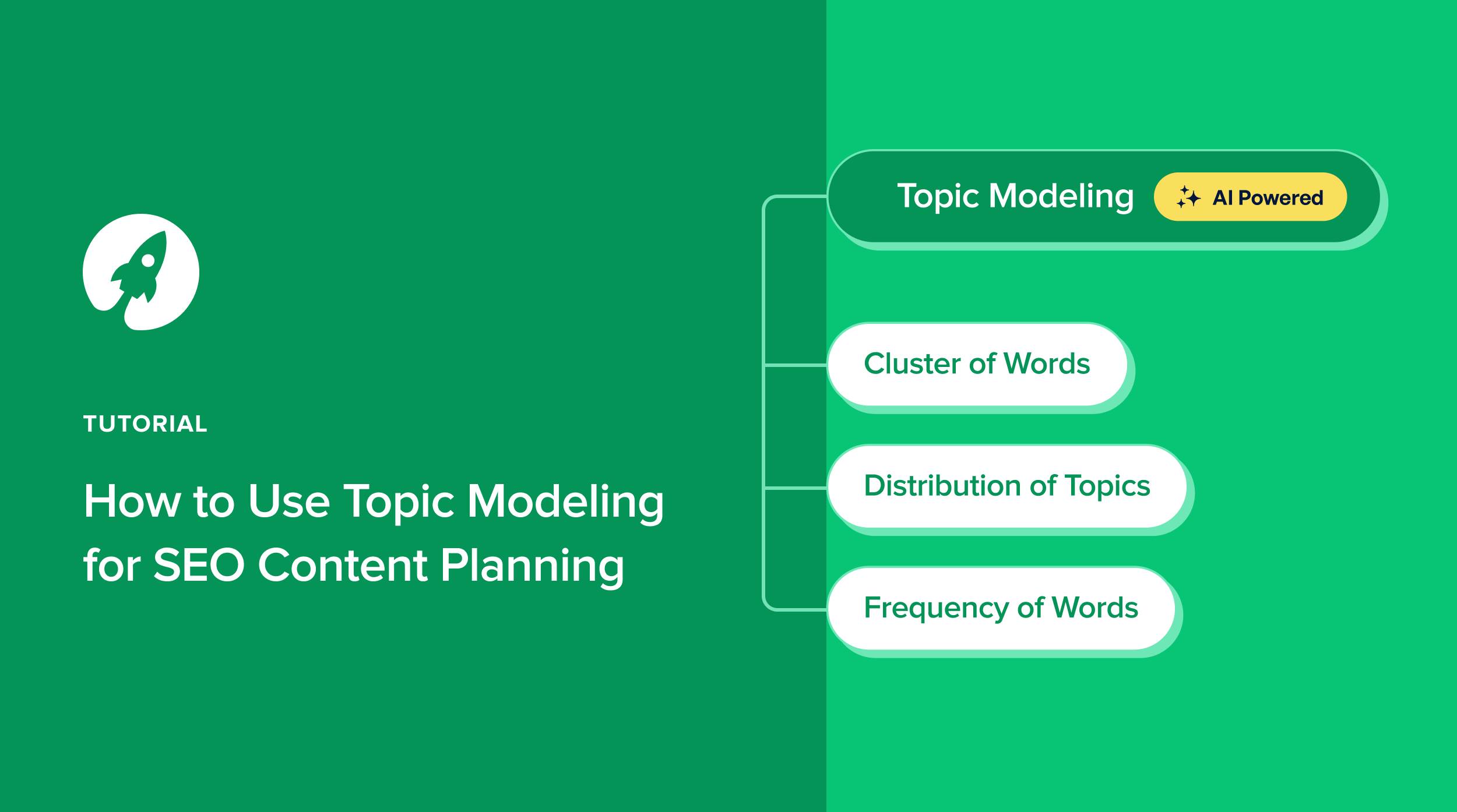
LDA is one of the foundational algorithms used in topic modeling. It works by treating each document as a mixture of topics and each topic as a mixture of words. The algorithm analyzes word co-occurrence patterns across a corpus of documents to identify clusters of words that frequently appear together. For example, if the words “calories,” “protein,” “workout,” and “muscle” consistently appear in the same documents, the algorithm identifies them as part of a fitness-related topic.
BERT and Transformer-Based Models
Modern AI SEO tools use more advanced transformer-based models like BERT (Bidirectional Encoder Representations from Transformers). These models understand the context of words within sentences, capturing nuances that traditional algorithms miss. BERT-based topic modeling can distinguish between different meanings of the same word based on surrounding text, making the topic maps far more accurate and useful.
Semantic Similarity Analysis
This technique measures how closely related different concepts are based on their meaning rather than their literal wording. Semantic similarity analysis uses vector embeddings—mathematical representations of words and phrases in a multi-dimensional space. Words with similar meanings are positioned closer together in this space, allowing AI tools to identify related topics even when they use completely different terminology.
Key Benefits of Using AI for SEO Topic Modeling
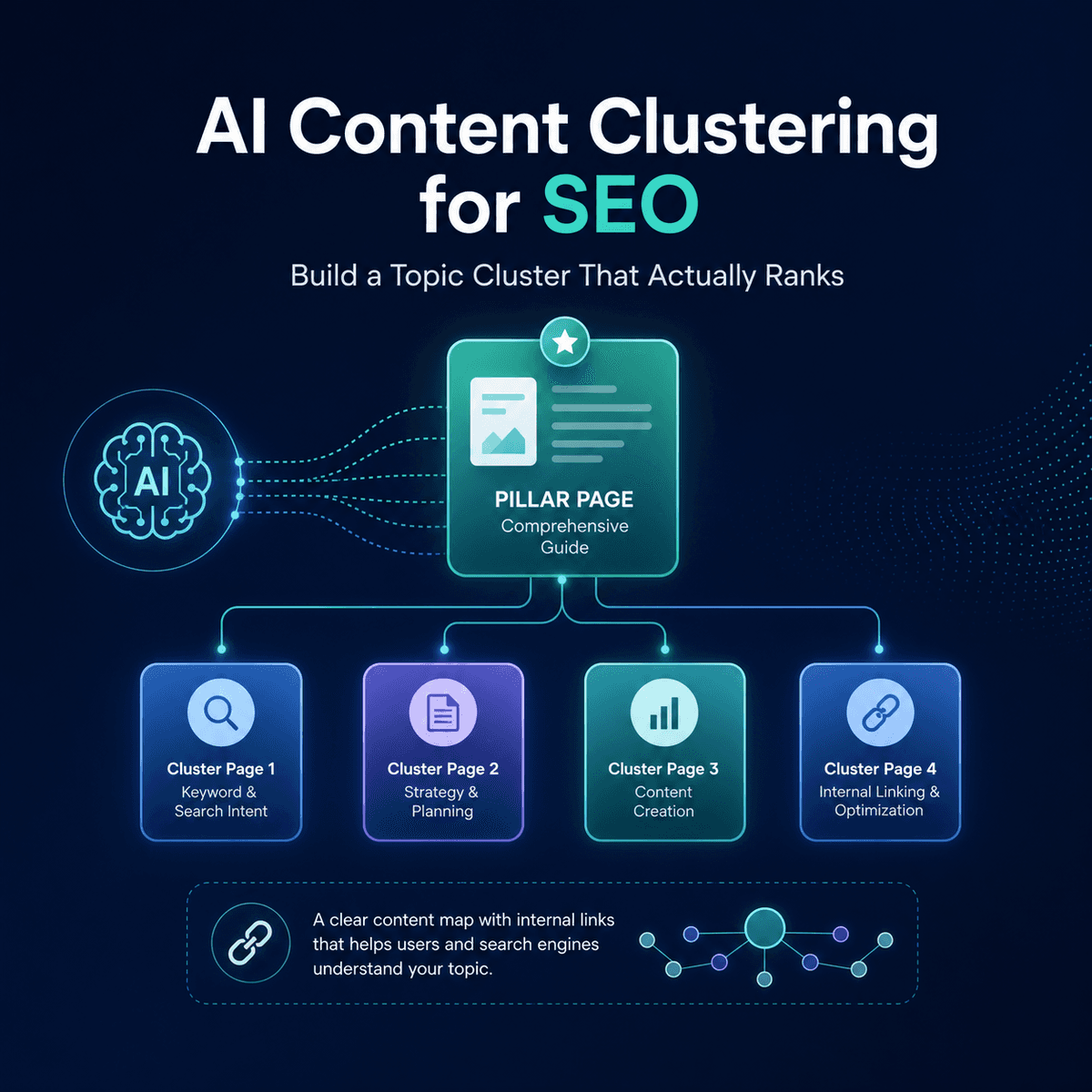
Implementing AI SEO Topic Modeling in your content strategy offers numerous advantages that go beyond what traditional keyword research can provide. These benefits directly impact your ability to rank, attract traffic, and convert visitors into customers.
Comprehensive Content Coverage
AI topic modeling reveals the full breadth of a subject area. Instead of targeting a handful of keywords, you can create content that addresses every subtopic, question, and concern your audience has. This comprehensive coverage signals expertise to search engines and positions your site as an authoritative resource.
Improved Search Intent Matching
Different users searching for the same topic may have different intents. Some want quick answers, others need in-depth guides, and some are ready to make a purchase. AI topic modeling helps you identify these different intent categories and create content that matches each one appropriately.
Efficient Content Planning
Rather than brainstorming ideas in isolation, you can use AI-generated topic maps to plan your entire content calendar. This approach ensures you cover all relevant subtopics systematically, avoiding gaps that competitors might exploit and preventing unnecessary overlap between your own pages.
Enhanced Internal Linking Opportunities
When you understand how topics relate to each other, you can build a more effective internal linking structure. Topic modeling reveals which concepts are closely related, guiding you to link between relevant pages in ways that distribute authority and help users navigate your site naturally.
AI SEO Topic Modeling vs. Traditional Keyword Research
To fully appreciate the value of AI topic modeling, it helps to compare it directly with traditional keyword research methods. Both approaches have their place, but they serve different purposes and produce different types of insights.
| Aspect | Traditional Keyword Research | AI SEO Topic Modeling |
|---|---|---|
| Focus | Individual search terms and phrases | Entire subject areas and concept clusters |
| Data Source | Keyword tools, search volume data | Content corpora, search engine results, user behavior |
| Output | Lists of keywords with metrics | Visual topic maps, semantic relationship diagrams |
| Content Strategy | Individual pages targeting specific keywords | Content clusters covering complete topics |
| Understanding Intent | Limited, based on keyword modifiers | Deep, based on contextual analysis |
| Adaptability | Requires constant manual updates | Automatically adjusts to new data |
Traditional keyword research still provides valuable data on search volume and competition. However, AI SEO Topic Modeling adds a layer of contextual understanding that keyword tools simply cannot offer. The most effective SEO strategies combine both approaches—using keyword data for prioritization and topic modeling for content architecture.
Practical Applications of AI SEO Topic Modeling
AI topic modeling is not just a theoretical concept. It has practical applications that you can implement in your SEO workflow today. These use cases demonstrate how the technology translates into tangible improvements in search performance.
Building Content Clusters and Pillar Pages
One of the most powerful applications is creating content clusters. Start with a broad pillar page that covers a core topic comprehensively. Then use AI topic modeling to identify related subtopics that deserve their own dedicated pages. Link all these cluster pages back to the pillar page to create a strong topical authority structure.
For example, if your pillar page covers “digital marketing,” topic modeling might reveal subtopics like email marketing automation, social media advertising, content distribution strategies, and marketing analytics. Each of these becomes a cluster page that links back to the main pillar.
Identifying Content Gaps
AI topic modeling can analyze your existing content alongside your competitors’ content to identify gaps in your coverage. If competitors consistently cover certain subtopics that you have not addressed, the A Filling these gaps helps you capture traffic you are currently missing and prevents competitors from dominating those search results.
Optimizing Existing Content
Topic modeling is not just for planning new content. You can use it to audit and improve your existing pages. Feed your current content into an AI topic modeling tool and compare the results with what top-ranking pages cover. You will likely find missing subtopics, unanswered questions, and semantic gaps that you can address to improve your rankings.
Enhancing E-E-A-T Signals
Google’s emphasis on Experience, Expertise, Authoritativeness, and Trustworthiness (E-E-A-T) makes comprehensive topic coverage even more important. AI SEO Topic Modeling helps you demonstrate expertise by ensuring your content covers all aspects of a subject thoroughly. This depth of coverage signals to Google that you are a knowledgeable source on the topic.
Step-by-Step Guide to Implementing AI SEO Topic Modeling
Implementing AI topic modeling in your SEO workflow does not require a data science degree. Modern tools have made the process accessible to marketers at any skill level. Follow these steps to start using AI topic modeling effectively.
Step 1: Define Your Core Topic
Start with a clear, focused core topic that aligns with your business goals. This topic should be broad enough to support multiple subtopics but narrow enough to establish meaningful expertise. For example, “home fitness equipment” is more actionable than “fitness” as a starting point.
Step 2: Gather Relevant Data
Collect a corpus of text data related to your topic. This can include your own content, competitor pages, top-ranking search results, industry forums, and customer reviews. The more diverse and comprehensive your data set, the more accurate your topic model will be.
Step 3: Choose the Right AI Tool
Several AI-powered SEO tools offer topic modeling features. Some popular options include Clearscope, MarketMuse, Surfer SEO, and Frase. These tools vary in their algorithms, user interfaces, and pricing. Choose one that fits your budget and workflow. Many offer free trials, so you can test them before committing.
Step 4: Generate Your Topic Map
Input your data into the AI tool and let it generate a topic map. This visual representation shows the core topic at the center with related subtopics branching outward. The map typically includes metrics like relevance scores, search volume estimates, and content suggestions for each subtopic.
Step 5: Prioritize and Plan
Not all subtopics are equally important. Prioritize based on relevance to your audience, business value, and competitive opportunity. Create a content calendar that addresses the most important subtopics first, building toward comprehensive coverage over time.
Step 6: Create Content with AI Assistance
Use your topic map to guide content creation. Each piece of content should cover its primary subtopic thoroughly while naturally incorporating related concepts from your topic map. Many AI SEO tools provide real-time suggestions as you write, helping you maintain comprehensive coverage.
Step 7: Measure and Iterate
Track your rankings, organic traffic, and engagement metrics after publishing. AI topic modeling is not a one-time exercise. Search trends evolve, competitors create new content, and user behavior changes. Regularly update your topic models and refresh your content to maintain your competitive edge.
Common Mistakes to Avoid with AI SEO Topic Modeling

While AI topic modeling is powerful, it is not foolproof. Several common mistakes can undermine your efforts and waste valuable resources. Being aware of these pitfalls helps you avoid them.
Over-Reliance on AI Output
AI tools provide data and suggestions, but they do not replace human judgment. You know your audience, your brand, and your business goals better than any algorithm. Use AI topic modeling as a guide, not an absolute authority. Always evaluate AI suggestions through the lens of your actual user needs.
Ignoring Search Intent Nuances
Topic modeling identifies what topics are related, but it does not always capture the nuances of search intent. The same topic can have informational, commercial, and transactional intent variations. Ensure your content strategy addresses these different intent types appropriately rather than treating all related topics the same way.
Creating Thin Content Just to Cover Topics
Comprehensive coverage does not mean publishing dozens of shallow pages. Google rewards depth and quality. It is better to have fewer, more thorough pieces of content than many superficial ones. Each piece of content should provide genuine value and fully address its subtopic.
Neglecting User Experience
Topic modeling helps you decide what content to create, but it does not tell you how to present it. User experience factors like page speed, mobile responsiveness, readability, and visual design remain critical for SEO success. Do not sacrifice UX in your pursuit of comprehensive topic coverage.
Failing to Update Topic Models
Markets change, new technologies emerge, and user interests shift. A topic model created six months ago may already be outdated. Schedule regular reviews of your topic models and update your content strategy accordingly. Sticking to stale topic maps will cause your content to become less relevant over time.
Important Considerations for AI SEO Topic Modeling
Several additional factors deserve attention when implementing AI topic modeling in your SEO strategy. These considerations help you maximize the value of your efforts and avoid potential issues.
Data Quality Matters
The accuracy of your topic model depends entirely on the quality of the data you feed into it. Garbage in, garbage out. Ensure your data sources are reliable, relevant, and up-to-date. Using outdated or low-quality content as input will produce misleading topic maps.
Combine with Human Expertise
The best results come from combining AI capabilities with human expertise. Subject matter experts can validate AI-generated topic maps, add insights that algorithms miss, and ensure the content resonates with real users. AI augments human intelligence rather than replacing it.
Consider Multilingual and Local SEO
Topic modeling becomes more complex when dealing with multiple languages or local markets. Cultural differences affect how topics are discussed and what information users seek. If you operate internationally, develop separate topic models for each market rather than relying on a single global model.
Monitor Algorithm Updates
Search engine algorithms are constantly evolving. Google regularly updates its ranking systems, and these changes can affect how topic modeling impacts your rankings. Stay informed about major algorithm updates and adjust your content strategy as needed.
Frequently Asked Questions
What is the difference between keyword research and AI SEO Topic Modeling?
Keyword research focuses on identifying individual search terms and their metrics like volume and difficulty. AI SEO Topic Modeling analyzes entire subject areas to understand the semantic relationships between concepts. Keyword research tells you what people search for, while topic modeling tells you what information they need and how topics connect.
Which AI tools are best for SEO topic modeling?
Several tools offer AI-powered topic modeling capabilities. Clearscope and MarketMuse are known for their content optimization features. Surfer SEO provides topic analysis alongside on-page optimization. Frase focuses on content research and brief generation. The best tool depends on your specific needs, budget, and workflow preferences.
How long does it take to see results from AI topic modeling?
Results vary based on your niche, competition, and how quickly you implement changes. Some improvements in content quality and relevance can be seen within weeks. However, significant ranking improvements typically take several months as search engines crawl, index, and evaluate your updated content.
Can AI SEO Topic Modeling replace human content writers?
No. AI topic modeling helps with strategy and planning, but it cannot replace the creativity, empathy, and unique perspective that human writers bring. AI can suggest what topics to cover and what concepts to include, but humans must craft compelling narratives, provide real experiences, and connect with readers on an emotional level.
Is AI SEO Topic Modeling suitable for small businesses?
Yes. While some AI SEO tools are expensive, there are affordable options suitable for small businesses. Even free or low-cost tools can provide valuable topic insights. The key is to start with a focused approach, prioritize the most important topics, and scale your efforts as your business grows.
Conclusion
AI SEO Topic Modeling represents a fundamental shift in how content strategies are developed and executed. By moving beyond individual keywords to understand complete subject areas, you can create content that truly serves user needs and aligns with how modern search engines evaluate relevance. The technology enables comprehensive coverage, better intent matching, and more efficient content planning.
Success with AI topic modeling requires a balanced approach. Use the technology to gain insights and identify opportunities, but always apply human judgment and expertise. Combine topic modeling with traditional keyword data, focus on content quality, and regularly update your models to reflect changing market conditions. When implemented correctly, AI SEO Topic Modeling becomes a powerful competitive advantage that drives sustainable organic growth.
Xem thêm:
- AI SEO Forums: The Hidden Hubs Where Search Strategy Gets Rewired by Machine Intelligence
- AI Affiliate SEO: How Artificial Intelligence Is Reshaping Affiliate Search Rankings
- AI SEO Split Testing: The Complete Guide to Data-Driven Search Optimization
- AI SEO Google Gemini SEO: The Complete Playbook for 2025
- AI SEO Content Architecture: The Complete Blueprint for Scalable Organic Growth
Bài viết cùng chủ đề:

AI SEO SEO Automation with Make: The Complete Workflow Guide

AI SEO SEO Automation with Zapier: The Complete Workflow Guide

AI SEO SEO Automation with n8n: The Complete Workflow Guide
AI SEO SEO Automation with Gemini: The Complete Guide to Scaling Organic Growth

AI SEO SEO Automation with Claude: The Complete Guide to Scaling Content in 2025

AI SEO SEO Automation with ChatGPT: The Complete Playbook for 2025

AI SEO & SEO Automation for Affiliate Sites: The 2025 Playbook for Passive Income Growth
AI SEO & SEO Automation for Bloggers: The Complete Guide to Scaling Your Content

AI SEO & SEO Automation for Agencies: The Complete 2025 Playbook

AI SEO and SEO Automation for Ecommerce: The Complete Playbook for 2025

AI SEO & SEO Automation for WordPress: The Complete Playbook for 2025
AI SEO SEO Automation Strategy: The Complete Playbook for 2025

Mastering the AI SEO SEO Automation Process: A Complete Guide to Scaling Organic Growth
AI SEO SEO Automation System: The Complete Guide to Scaling Organic Growth in 2025
AI SEO SEO Automation Platform: The Complete Guide to Scaling Organic Growth in 2025
AI SEO SEO Automation Software: The Complete Guide to Scaling Organic Growth in 2025















