
No products in the cart.
AI SEO Schema Markup Generator: The Complete Guide to Automated Structured Data
10
Aug
Aug
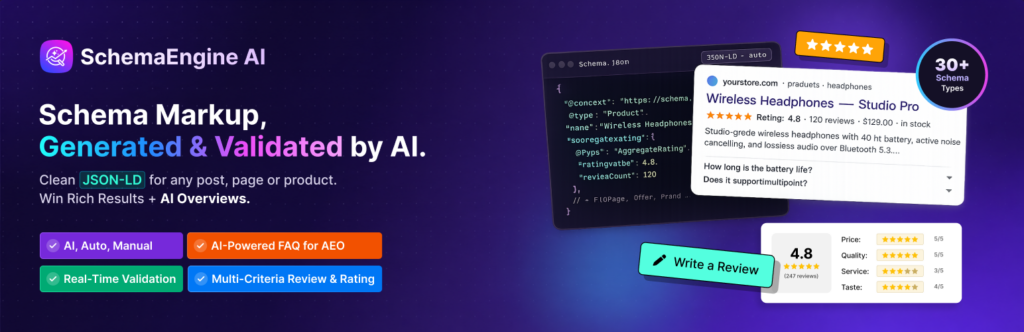
Search engine optimization has evolved far beyond keyword placement and backlink building. Modern SEO demands structured data that helps search engines understand content at a semantic level. An AI SEO Schema Markup Generator represents the intersection of artificial intelligence and technical SEO, enabling websites to create accurate, comprehensive schema markup without manual coding. This technology analyzes webpage content, identifies entities, relationships, and context, then generates the appropriate JSON-LD or Microdata automatically. For digital marketers, developers, and content creators, understanding how these AI-powered tools work and when to use them can significantly impact search visibility and rich result eligibility.
What Is an AI SEO Schema Markup Generator?
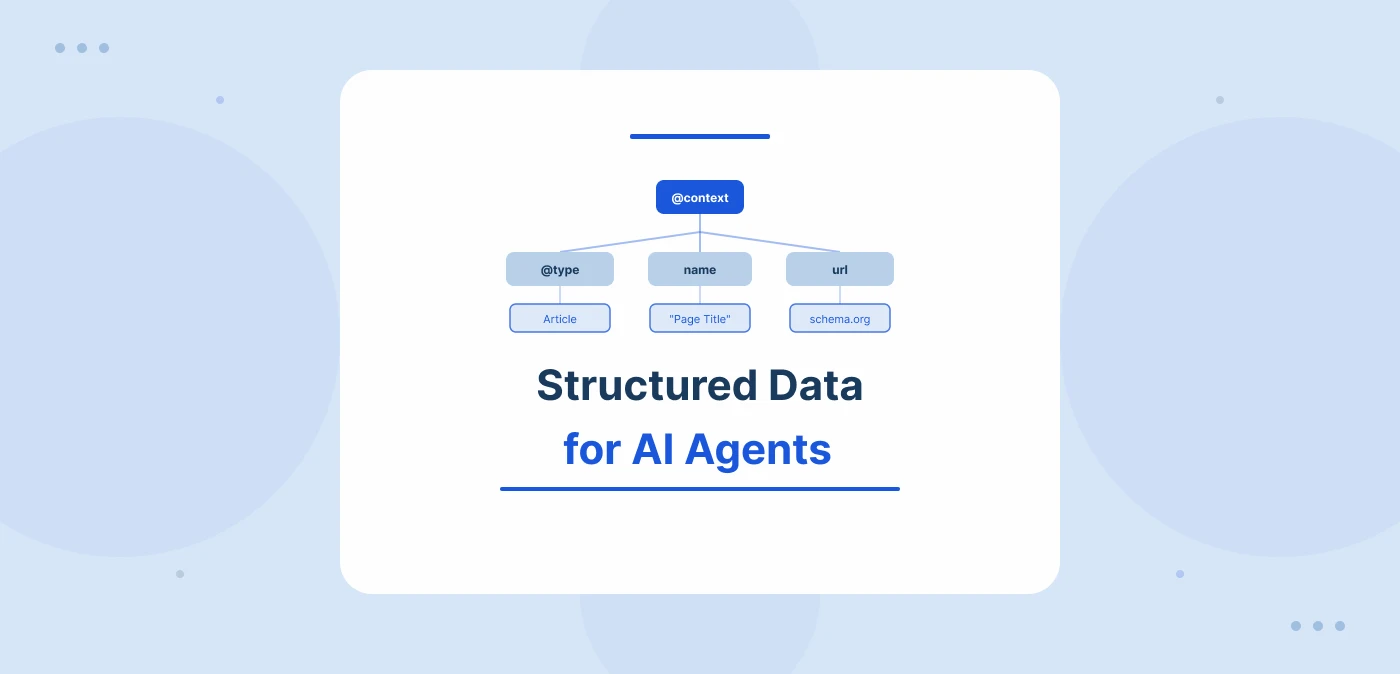
An AI SEO Schema Markup Generator is a software tool that uses machine learning algorithms and natural language processing to automatically create structured data markup for web pages. Unlike traditional schema generators that require users to manually select schema types and fill in fields, AI-powered versions analyze the actual content of a page, detect what entities are present, and generate the most appropriate schema markup without human intervention.
The core technology behind these generators involves training models on millions of web pages and their corresponding schema implementations. These models learn to recognize patterns in content that indicate specific schema types. For instance, if a page contains product names, prices, availability status, and customer reviews, the AI identifies these elements and generates Product schema with all relevant properties.
How AI Schema Generators Differ from Traditional Tools
Traditional schema markup generators operate on a template-based approach. Users select a schema type from a dropdown menu, then manually input data into predefined fields. This process works but has significant limitations. It requires users to understand schema vocabulary, know which types apply to their content, and manually maintain accuracy as content changes.
AI-driven generators eliminate these requirements. They automatically detect schema types from content, extract entities and attributes, and generate markup that aligns with current schema.org standards. This automation reduces human error, saves substantial time, and ensures markup remains consistent across large websites with thousands of pages.
Why Schema Markup Matters for SEO in 2024 and Beyond
Schema markup remains one of the most underutilized yet powerful technical SEO elements. Search engines use structured data to understand page content with greater precision, which directly influences how pages appear in search results. Websites with proper schema markup can qualify for rich results, including star ratings, product prices, event dates, FAQ sections, and breadcrumb trails.
Rich results command higher click-through rates because they occupy more visual space and provide users with immediate answers. A study by Search Engine Land indicated that rich results can increase CTR by up to 30% compared to standard listings. Beyond CTR, schema markup helps search engines establish entity relationships, which contributes to topical authority and semantic relevance.
The Role of AI in Improving Schema Accuracy
Manual schema implementation often contains errors, missing properties, or outdated vocabulary. AI generators address these issues through continuous learning. They stay updated with schema.org releases, understand Google’s structured data guidelines, and generate markup that passes validation tests. The AI models also learn from feedback loops, improving their accuracy with each iteration.
For example, when Google updates its requirements for Review snippets or changes how it interprets certain properties, AI generators can quickly adapt their output. This adaptability ensures websites maintain eligibility for rich results even as search engine requirements evolve.
Key Features of AI SEO Schema Markup Generators

Modern AI schema generators come equipped with a range of features designed to streamline the technical SEO workflow. Understanding these features helps you evaluate different tools and select the right one for your needs.
Automatic Content Analysis
The most fundamental feature is the ability to crawl and analyze webpage content. The AI examines headings, paragraphs, images, metadata, and structured elements to determine the page’s primary purpose. It identifies whether a page represents a product, article, service, event, organization, or other schema types.
Entity Recognition and Extraction
Beyond identifying schema types, AI generators extract specific entities from content. This includes names, dates, prices, addresses, ratings, authors, and other data points that populate schema properties. Advanced tools can even identify relationships between entities, such as connecting an author to their organization or a product to its brand.
Multi-Type Schema Generation
Many pages qualify for multiple schema types simultaneously. A product page might include Product schema, BreadcrumbList schema, and Review schema. AI generators can produce all applicable types and properly nest them within a single JSON-LD script, ensuring comprehensive structured data coverage.
Validation and Error Checking
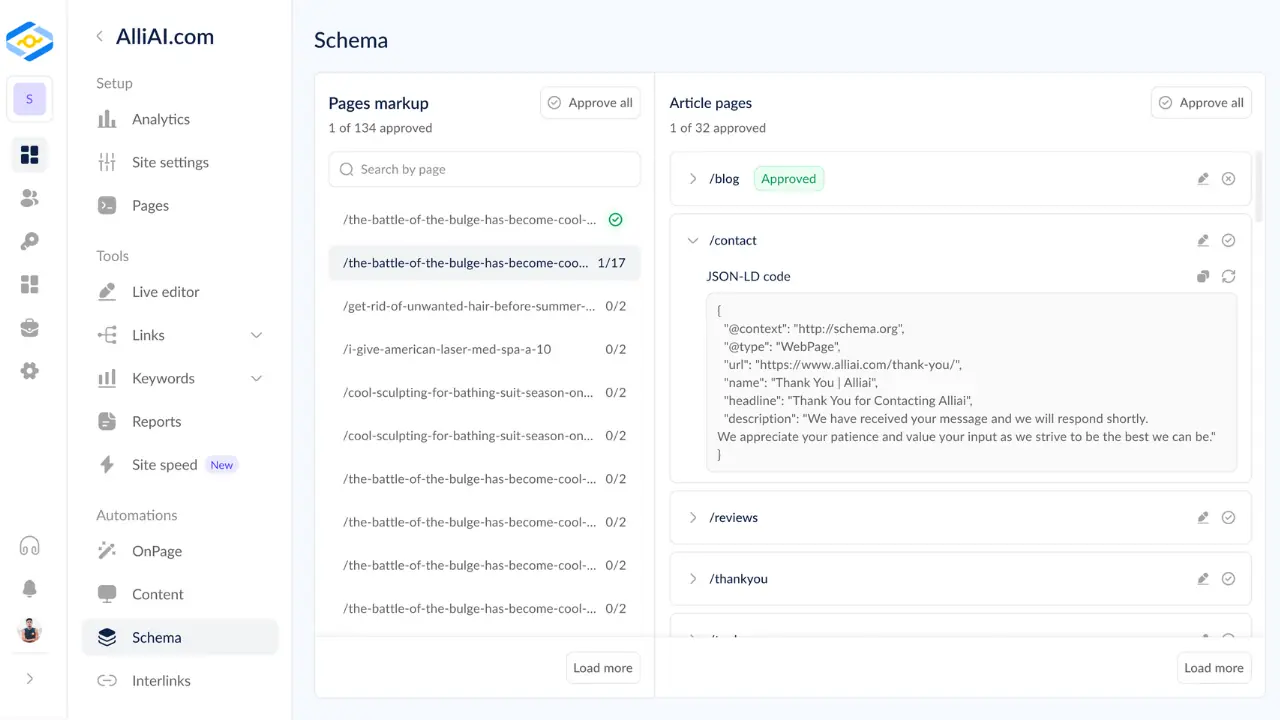
Generated markup must pass validation against schema.org standards and Google’s structured data guidelines. AI tools typically include built-in validators that check for required properties, correct data types, and proper formatting. Some tools integrate directly with Google’s Rich Results Test API for immediate verification.
Bulk Generation Capabilities
For large websites, generating schema page-by-page is impractical. AI generators often support bulk processing, allowing users to input multiple URLs or sitemaps and receive schema markup for all pages simultaneously. This feature is essential for e-commerce sites, news portals, and content-heavy platforms.
Benefits of Using an AI Schema Markup Generator
The advantages of AI-powered schema generation extend beyond simple time savings. These tools fundamentally change how websites approach structured data implementation.
- Eliminates Technical Barriers: No coding knowledge or schema vocabulary expertise required. Content creators and marketers can generate accurate markup without developer assistance.
- Reduces Human Error: Manual schema implementation frequently contains missing required fields, incorrect data types, or outdated vocabulary. AI generation minimizes these errors through automated validation.
- Scales Efficiently: Generating schema for thousands of pages manually is unrealistic. AI tools handle bulk operations, making comprehensive structured data coverage achievable.
- Adapts to Content Changes: When page content updates, AI generators can regenerate schema to reflect new information, ensuring markup remains accurate over time.
- Improves Rich Result Eligibility: Accurate, complete schema markup increases the likelihood of qualifying for rich results, leading to higher visibility and CTR.
- Saves Significant Time: What takes hours of manual work completes in minutes with AI, freeing up resources for other SEO activities.
- Use JSON-LD Format: Google explicitly recommends JSON-LD over Microdata or RDFa. Ensure your AI generator outputs JSON-LD.
- Include All Required Properties: Each schema type has required properties. Missing required fields invalidates the markup. AI generators handle this automatically, but verify for custom types.
- Maintain Consistency with Page Content: Schema must accurately reflect visible page content. Google penalizes misleading structured data. If your page displays a price of $99, schema must not state $89.
- Nest Schema Types Properly: When multiple schema types apply, nest them correctly. For example, a Recipe schema can include Review schema nested within it. Improper nesting causes validation errors.
- Keep Schema Updated: When page content changes, regenerate schema. Stale schema that no longer matches content can trigger manual actions.
- Combine with Other Technical SEO: Schema markup works best alongside solid technical SEO foundations, including fast page speed, mobile responsiveness, and proper canonicalization.
Limitations and Considerations
While AI schema generators offer substantial benefits, they are not without limitations. Understanding these constraints helps set realistic expectations and informs tool selection.
Contextual Nuance Challenges
AI models, despite advanced training, may occasionally misinterpret ambiguous content. A page discussing products in a review context might generate Product schema when Review schema would be more appropriate. Human oversight remains necessary for complex or unusual content types.
Custom Schema Types
Schema.org includes thousands of types and properties, including highly specific ones for niche industries. AI generators trained on common schema types may not support every obscure type. Organizations with specialized needs may require manual schema creation for certain pages.
Dependency on Content Quality
The accuracy of AI-generated schema depends on the clarity and structure of the source content. Poorly written, vague, or unstructured content produces less accurate schema. Well-organized pages with clear headings and descriptive text yield the best results.
Cost Considerations
Advanced AI schema generators with bulk processing and API access typically require paid subscriptions. Free tools exist but often have limitations on pages processed, schema types supported, or lack advanced features like automatic content analysis.
Comparing AI Schema Generators with Manual Implementation
| Factor | AI Schema Generator | Manual Implementation |
|---|---|---|
| Time Required | Minutes per page or automated bulk processing | 30-60 minutes per page for experienced developers |
| Technical Skill Needed | Minimal; user-friendly interfaces | Proficiency in JSON-LD, schema.org vocabulary, and HTML |
| Error Rate | Low; built-in validation catches issues | Higher; prone to missing properties or syntax errors |
| Scalability | Excellent; handles thousands of pages | Poor; impractical for large sites |
| Cost | Subscription fees for advanced tools | Developer time costs, potentially higher long-term |
| Customization | Limited to tool’s capabilities | Unlimited; any schema type or property possible |
| Adaptability to Updates | Automatic updates from tool provider | Requires manual tracking of schema.org changes |
How to Use an AI SEO Schema Markup Generator: Step-by-Step Guide
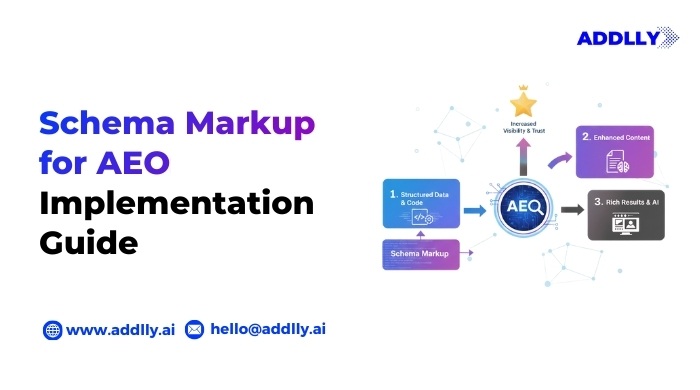
Implementing an AI schema generator into your SEO workflow involves several steps, from tool selection to deployment and monitoring.
Step 1: Select the Right Tool
Evaluate available AI schema generators based on your specific requirements. Consider factors such as supported schema types, bulk processing limits, integration capabilities with your CMS, pricing structure, and user interface. Popular options include Merkle’s Schema Markup Generator, TechnicalSEO.com’s generator, and various AI-powered SEO platforms that include schema generation as a feature.
Step 2: Prepare Your Content
Ensure your web pages have clear, well-structured content. Use descriptive headings, include relevant data points (prices, dates, names, addresses), and avoid ambiguous language. The quality of input content directly affects the quality of generated schema.
Step 3: Generate Schema Markup
Input your page URL or paste content into the generator. The AI analyzes the content and produces JSON-LD markup. Review the generated code to ensure it accurately represents the page. Most tools provide a preview of how the schema will be interpreted.
Step 4: Validate the Output
Run the generated markup through Google’s Rich Results Test and Schema Markup Validator. These tools identify any errors or warnings that need correction. AI generators typically produce valid markup, but validation provides an additional safety check.
Step 5: Implement on Your Website
Add the generated JSON-LD script to your page’s HTML, typically within the head section. If using a CMS like WordPress, you can use plugins that allow schema insertion without editing theme files directly. For large-scale implementation, use a tag management system or server-side injection.
Step 6: Monitor Performance
After implementation, monitor your pages in Google Search Console. Check the Enhancements report for any structured data errors. Track impressions, clicks, and CTR to measure the impact of rich results on your search performance.
Common Mistakes When Using AI Schema Generators
Even with automated tools, mistakes can occur. Being aware of common pitfalls helps you avoid them.
Blindly Trusting Generated Output
AI generators are highly accurate but not infallible. Always review generated schema before implementation. Check that the schema type matches the page intent and that all extracted data is correct. A product page generating Article schema due to content ambiguity requires manual correction.
Using Outdated Tools
Schema.org vocabulary evolves, and Google updates its requirements. Using outdated AI generators that haven’t been updated to reflect current standards can result in markup that fails validation or doesn’t qualify for rich results. Choose tools with active development and regular updates.
Ignoring Page-Specific Context
Some pages have unique characteristics that generic AI analysis might miss. For example, a page with multiple products requires ItemList or Product schema with multiple offers, which a basic generator might not produce correctly. Review complex pages manually.
Neglecting to Test After Implementation
Schema markup can break due to CMS updates, theme changes, or plugin conflicts. Regularly test your pages using Google’s Rich Results Test to ensure schema remains intact and valid.
Applying Schema to Irrelevant Pages
Not every page needs schema markup. Applying schema to thin content, tag pages, or pages with no clear entity type provides no benefit and may even confuse search engines. Use AI generators selectively on pages that genuinely qualify for structured data.
Best Practices for AI-Generated Schema Markup
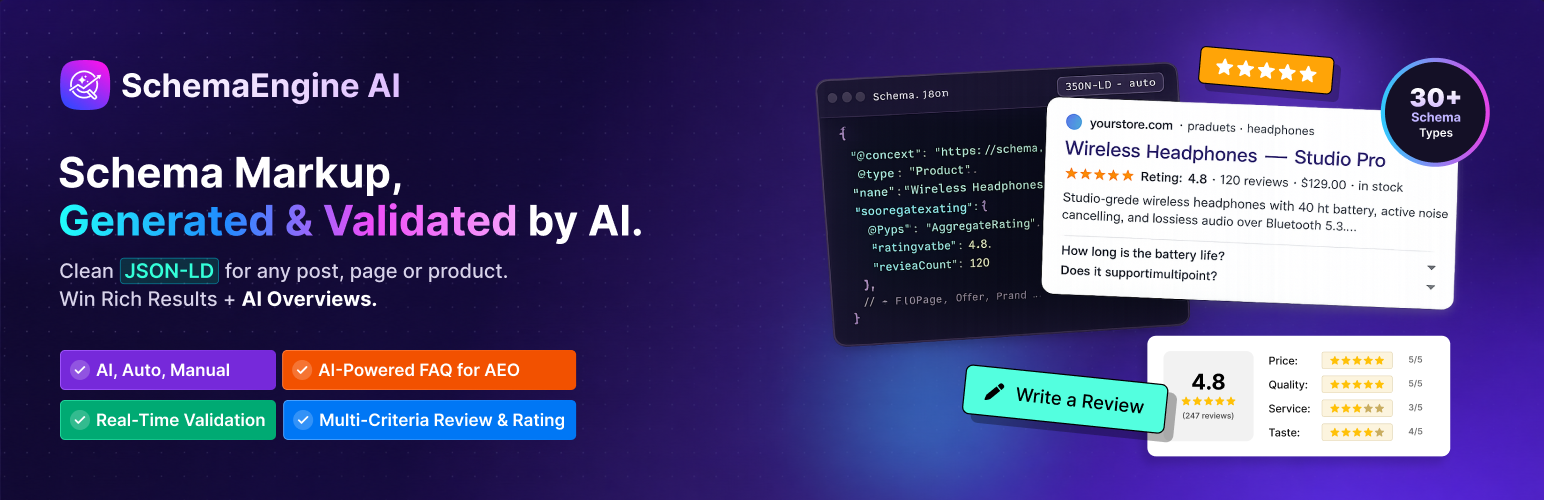
To maximize the SEO value of AI-generated schema, follow these established best practices.
Important Notes on AI Schema Generation and Search Engine Guidelines
Google’s structured data guidelines emphasize accuracy and user benefit. The guidelines prohibit markup that misrepresents content or hides information from users. AI-generated schema must adhere to these principles.
Google also distinguishes between supported rich result types and schema types that don’t currently produce rich results. While all valid schema helps search engines understand content, only certain types (such as Product, Recipe, Event, FAQ, HowTo, and Review) currently qualify for enhanced display. AI generators should prioritize these types when applicable.
Additionally, Google’s spam policies specifically address structured data abuse. Generating schema for pages that don’t contain the corresponding content violates these policies and can result in manual actions. AI generators that analyze actual page content reduce this risk compared to manual generators where users might input false data.
Frequently Asked Questions
What is the difference between an AI schema generator and a regular schema generator?
A regular schema generator requires users to manually select schema types and input data into fields. An AI schema generator automatically analyzes webpage content, detects entities and their relationships, and generates appropriate schema markup without manual input. AI generators use machine learning to understand content context, while traditional tools rely on template-based input.
Is AI-generated schema markup as accurate as manually written schema?
AI-generated schema can be as accurate as manually written schema, and often more so, because AI tools include built-in validation and stay updated with schema.org standards. However, for highly complex or unusual content, manual schema written by an experienced developer may capture nuances that AI misses. The best approach combines AI generation with human review for critical pages.
Can AI schema generators handle all schema.org types?
Most AI schema generators support the most common schema types, including Article, Product, Event, Organization, Person, FAQ, Recipe, Review, and BreadcrumbList. Some tools support hundreds of types, but highly specialized or newly added schema types may not be available. Check the tool’s documentation for supported types before committing.
Will AI schema markup guarantee rich results in Google?
No tool can guarantee rich results. Schema markup is a prerequisite, but Google ultimately decides whether to display rich results based on its algorithms and quality standards. Accurate, valid schema that matches page content maximizes your chances, but does not guarantee enhanced display.
How often should I regenerate schema for my pages?
Regenerate schema whenever page content changes significantly. This includes price updates, new reviews, changed event dates, or modified article content. For dynamic pages like e-commerce product pages, consider automated regeneration through API integrations that sync with your content management system.
Do AI schema generators work with all CMS platforms?
AI schema generators produce standard JSON-LD code that works with any CMS or platform. Many tools also offer plugins or integrations for popular CMS platforms like WordPress, Shopify, and Wix. For custom-built websites, you can manually insert the generated code or use server-side includes.
Conclusion
An AI SEO Schema Markup Generator transforms structured data implementation from a tedious, technical task into an automated, scalable process. These tools leverage machine learning to analyze content, generate accurate schema, and maintain compliance with evolving search engine requirements. For websites of any size, adopting AI-powered schema generation reduces errors, saves time, and improves the likelihood of earning rich results that boost visibility and click-through rates.
The technology continues to advance, with AI models becoming more sophisticated in understanding content semantics and context. As search engines increasingly rely on structured data to power AI-driven search experiences, the importance of accurate, comprehensive schema markup will only grow. Integrating an AI schema generator into your technical SEO toolkit represents a forward-thinking investment in your website’s search performance.
Start by evaluating your current schema implementation, identify pages that lack structured data, and test an AI generator on a sample of your content. Measure the impact on rich result eligibility and search performance. The data will likely demonstrate that AI-powered schema generation is not just a convenience but a competitive necessity in modern SEO.
Xem thêm:
- AI SEO Ranking Factors: The Complete Guide to Ranking in the Age of Machine Learning
- AI SEO Blog Post Generator: The Complete Guide to Automated Content That Ranks
- AI SEO Keyword Insights: The Complete Guide to Data-Driven Search Optimization
- AI SEO Keyword Grouping Tool: The Complete Guide to Smarter Content Clusters
- AI SEO GEO Audit: The Complete Guide to Future-Proofing Your Search Visibility
Bài viết cùng chủ đề:

AI SEO SEO Automation with Make: The Complete Workflow Guide

AI SEO SEO Automation with Zapier: The Complete Workflow Guide

AI SEO SEO Automation with n8n: The Complete Workflow Guide
AI SEO SEO Automation with Gemini: The Complete Guide to Scaling Organic Growth

AI SEO SEO Automation with Claude: The Complete Guide to Scaling Content in 2025

AI SEO SEO Automation with ChatGPT: The Complete Playbook for 2025

AI SEO & SEO Automation for Affiliate Sites: The 2025 Playbook for Passive Income Growth
AI SEO & SEO Automation for Bloggers: The Complete Guide to Scaling Your Content

AI SEO & SEO Automation for Agencies: The Complete 2025 Playbook

AI SEO and SEO Automation for Ecommerce: The Complete Playbook for 2025

AI SEO & SEO Automation for WordPress: The Complete Playbook for 2025
AI SEO SEO Automation Strategy: The Complete Playbook for 2025

Mastering the AI SEO SEO Automation Process: A Complete Guide to Scaling Organic Growth
AI SEO SEO Automation System: The Complete Guide to Scaling Organic Growth in 2025
AI SEO SEO Automation Platform: The Complete Guide to Scaling Organic Growth in 2025
AI SEO SEO Automation Software: The Complete Guide to Scaling Organic Growth in 2025















