
No products in the cart.
AI SEO Internal Link Generator: The Complete Guide to Automating Your Link Strategy
10
Aug
Aug
Internal linking remains one of the most underutilized yet powerful levers in search engine optimization. An AI SEO Internal Link Generator transforms this tedious manual process into an automated, data-driven system. This guide explores how these intelligent tools analyze your site structure, identify contextual opportunities, and build link equity pathways that boost rankings. You will learn the mechanics behind these systems, their practical benefits, and how to implement them without falling into common algorithmic pitfalls.
What Is an AI SEO Internal Link Generator?
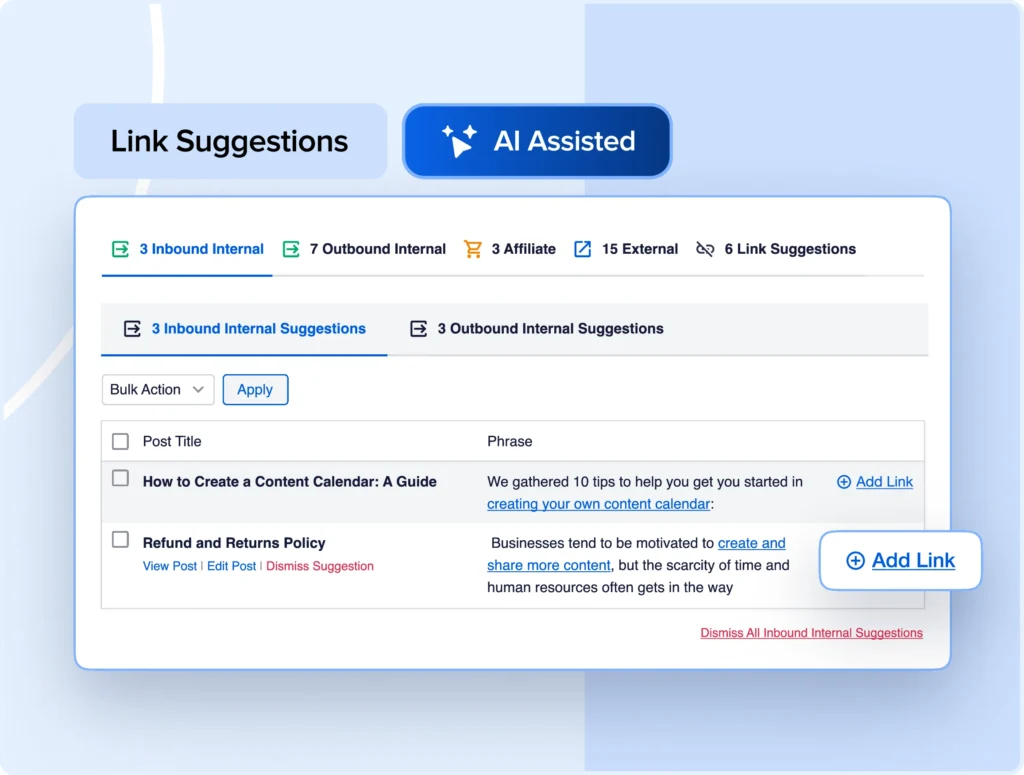
An AI SEO Internal Link Generator is a software solution that uses machine learning algorithms to automatically suggest, create, or insert internal hyperlinks between pages on your website. Unlike traditional plugins that rely on simple keyword matching, these advanced systems understand semantic relevance, user intent, and page authority distribution.
The core function involves crawling your entire domain, indexing every URL, and analyzing the content context of each page. The AI then calculates the most logical connection points based on topical proximity, search query overlap, and conversion potential. This goes far beyond inserting a link wherever a keyword appears.
How It Differs from Manual Linking
Manual internal linking requires a content editor to read every page, remember the entire site architecture, and decide where links belong. This process is slow, inconsistent, and often biased toward recently viewed pages. An AI generator processes thousands of pages in minutes, applying the same logical framework to every decision.
The algorithmic approach also detects subtle relationships between topics that a human might miss. For example, a blog post about “keto diet benefits” might naturally link to a product page for “sugar-free snacks” even if the exact keyword phrase never appears in the anchor text.
Why Internal Links Matter for SEO in 2025
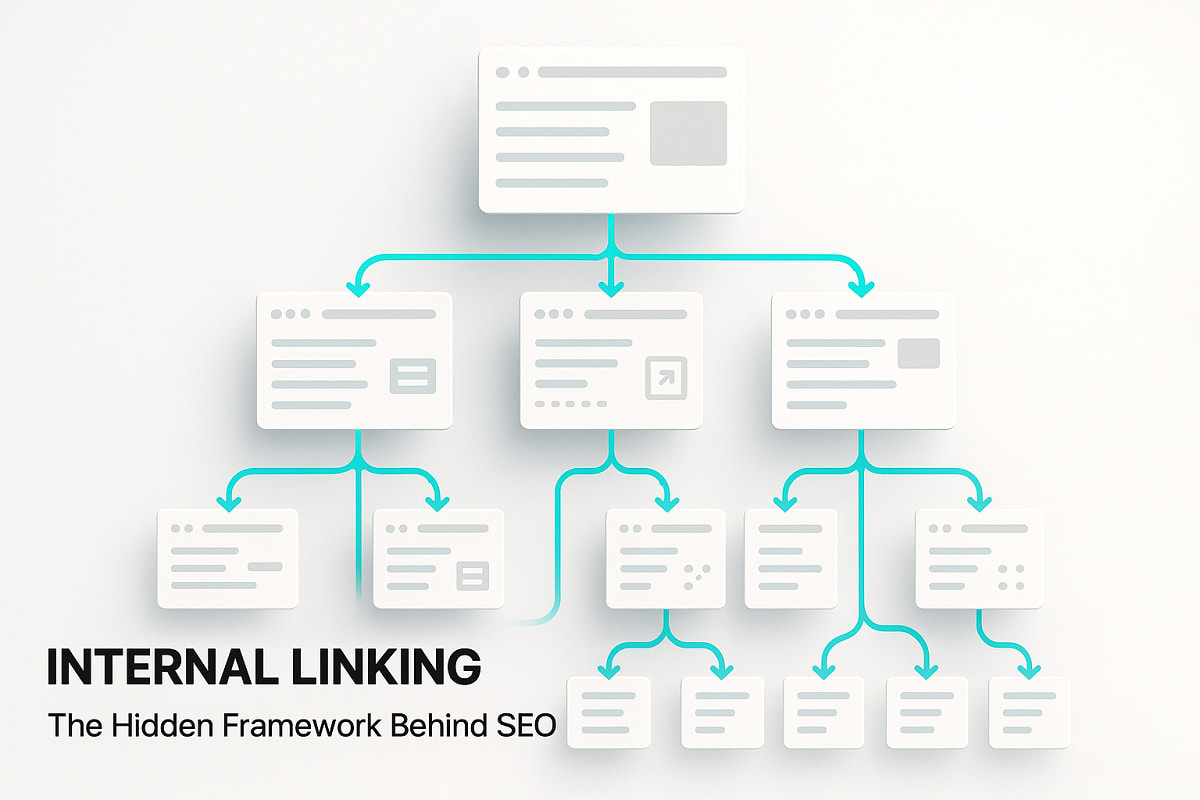
Search engines use internal links to discover new content, understand site hierarchy, and distribute PageRank across your domain. A well-structured internal linking network ensures that every page receives sufficient crawl budget and authority signals. Without it, even the best content can remain invisible in search results.
Google’s algorithms treat internal links as votes of confidence. When a high-authority page links to a newer, less-established page, it passes equity that helps the target page rank for its target keywords. An AI SEO Internal Link Generator optimizes this flow by ensuring that high-value pages point to pages that need a ranking boost.
The Crawl Budget Connection
Search engine bots have a limited amount of time to spend on your website. If they waste that time navigating through orphan pages or dead ends, they may not index your most important content. Strategic internal links create clear pathways that guide bots directly to your priority pages.
AI tools analyze server logs and crawl patterns to identify pages that bots frequently miss. The generator then creates links from highly crawled pages to these orphaned URLs, effectively rescuing them from obscurity.
Core Features of an AI SEO Internal Link Generator
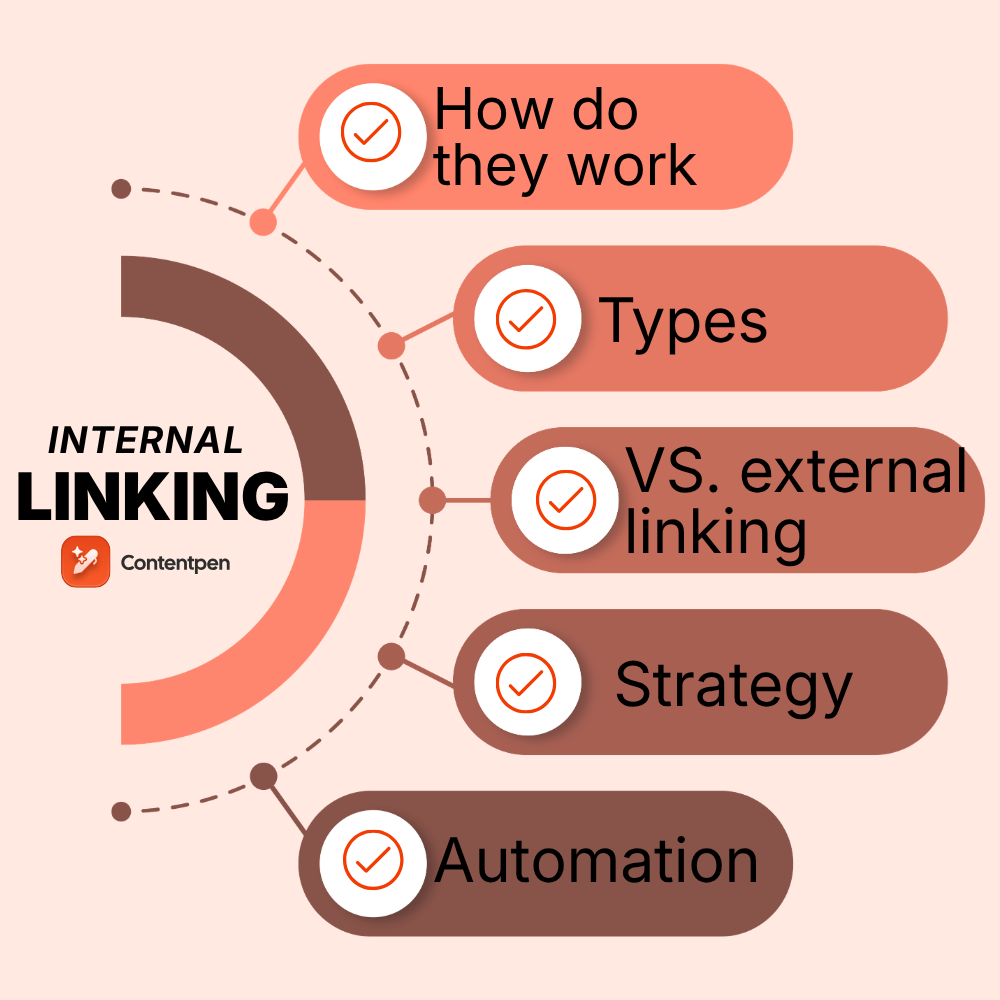
Modern AI link generators come equipped with a suite of features designed to handle the complexity of large websites. Understanding these capabilities helps you choose the right tool and configure it correctly.
Semantic Content Analysis
Natural Language Processing (NLP) models read your content the way a human would. They identify entities, topics, and subtopics within each page. This allows the system to find link opportunities based on meaning rather than exact keyword matches.
For instance, a page discussing “electric vehicle charging stations” would be semantically linked to “home solar panel installation” because both relate to sustainable energy infrastructure, even though they share few exact keywords.
Anchor Text Optimization
The generator automatically selects the most descriptive and natural anchor text for each link. It avoids over-optimized phrases that trigger spam filters. Instead, it uses variations, partial matches, and branded anchors to create a diverse link profile.
The AI also ensures that anchor text accurately describes the destination page. This improves user experience and helps search engines understand the context of the linked page.
Link Equity Distribution
Advanced tools calculate the current authority of every page based on internal and external signals. They then prioritize links that pass equity from high-authority pages to those that need it most. This prevents the common mistake of wasting valuable link juice on pages that already rank well.
Orphan Page Detection
Orphan pages are those with no internal links pointing to them. They are invisible to both users and search engines. AI generators crawl your entire sitemap and compare it against your internal link graph to identify these hidden pages, then suggest appropriate sources to link from.
Benefits of Using an AI SEO Internal Link Generator
Implementing an automated internal linking system delivers measurable improvements across several SEO metrics. The benefits extend beyond simple time savings.
- Improved Indexation: Ensures all pages are discovered and crawled regularly by search engine bots.
- Higher Keyword Rankings: Distributes authority to pages that need it, boosting their position for target terms.
- Enhanced User Engagement: Guides visitors to related content, increasing page views and reducing bounce rates.
- Scalability: Handles websites with thousands or millions of pages without manual effort.
- Consistency: Applies the same linking logic across the entire site, eliminating human error and bias.
- Time Efficiency: Frees up content teams to focus on writing and strategy instead of tedious link insertion.
Measurable Impact on Organic Traffic
Case studies from enterprise e-commerce sites show that implementing AI-driven internal linking can increase organic traffic by 20-40% within three months. The improvement comes from previously unindexed pages entering the search results and existing pages climbing higher for competitive keywords.
For content-heavy sites like blogs or news portals, the impact is even more pronounced. A network of well-linked articles creates a topical cluster that signals expertise to Google, leading to higher domain-level authority.
Limitations and Challenges
No tool is perfect, and AI link generators have their own set of constraints. Being aware of these helps you set realistic expectations and avoid common missteps.
Contextual Errors
Even the most advanced NLP models occasionally misinterpret context. A page about “apple” (the fruit) might get linked to a page about “Apple” (the tech company). These errors can confuse users and dilute topical relevance.
Most tools allow you to set exclusion rules and manually review suggestions before publishing. Regular auditing of the generated links is essential to catch these edge cases.
Over-Linking Risks
An aggressive configuration might insert too many links into a single page, creating a poor user experience. Google’s guidelines warn against excessive internal linking that appears manipulative. The AI needs proper parameters to limit link density per page.
A good rule of thumb is to keep internal links under 100 per page for large sites, and under 10 for typical blog posts. The generator should respect these limits automatically.
Dependence on Content Quality
The AI can only work with the content you provide. If your pages are thin, duplicate, or low-quality, the generated links will not improve rankings. The tool amplifies your existing content strategy; it does not replace it.
How to Choose the Right AI SEO Internal Link Generator
The market offers several tools, each with different strengths. Evaluating them against your specific needs ensures you get the best return on investment.
| Feature | Basic Tools | Advanced AI Tools |
|---|---|---|
| Semantic Understanding | Keyword matching only | NLP and entity recognition |
| Scalability | Up to 1,000 pages | Millions of pages |
| Anchor Text Control | Manual override required | Automatic optimization |
| Integration | Standalone dashboard | CMS plugins and API access |
| Reporting | Basic link lists | Equity flow and crawl analytics |
Key Evaluation Criteria
Start by examining the tool’s ability to handle your site’s size. A small blog does not need an enterprise-level system, while a large e-commerce platform cannot rely on a simple plugin. Look for tools that offer a free trial or demo so you can test the link quality on your own content.
Check the anchor text customization options. The best tools let you set rules for branded anchors, exact match keywords, and generic phrases like “click here.” This level of control prevents over-optimization penalties.
Review the reporting dashboard. You need to see which links were added, where they point, and how they affect crawl behavior. Transparent reporting allows you to measure the tool’s impact on your SEO performance.
Step-by-Step Implementation Guide
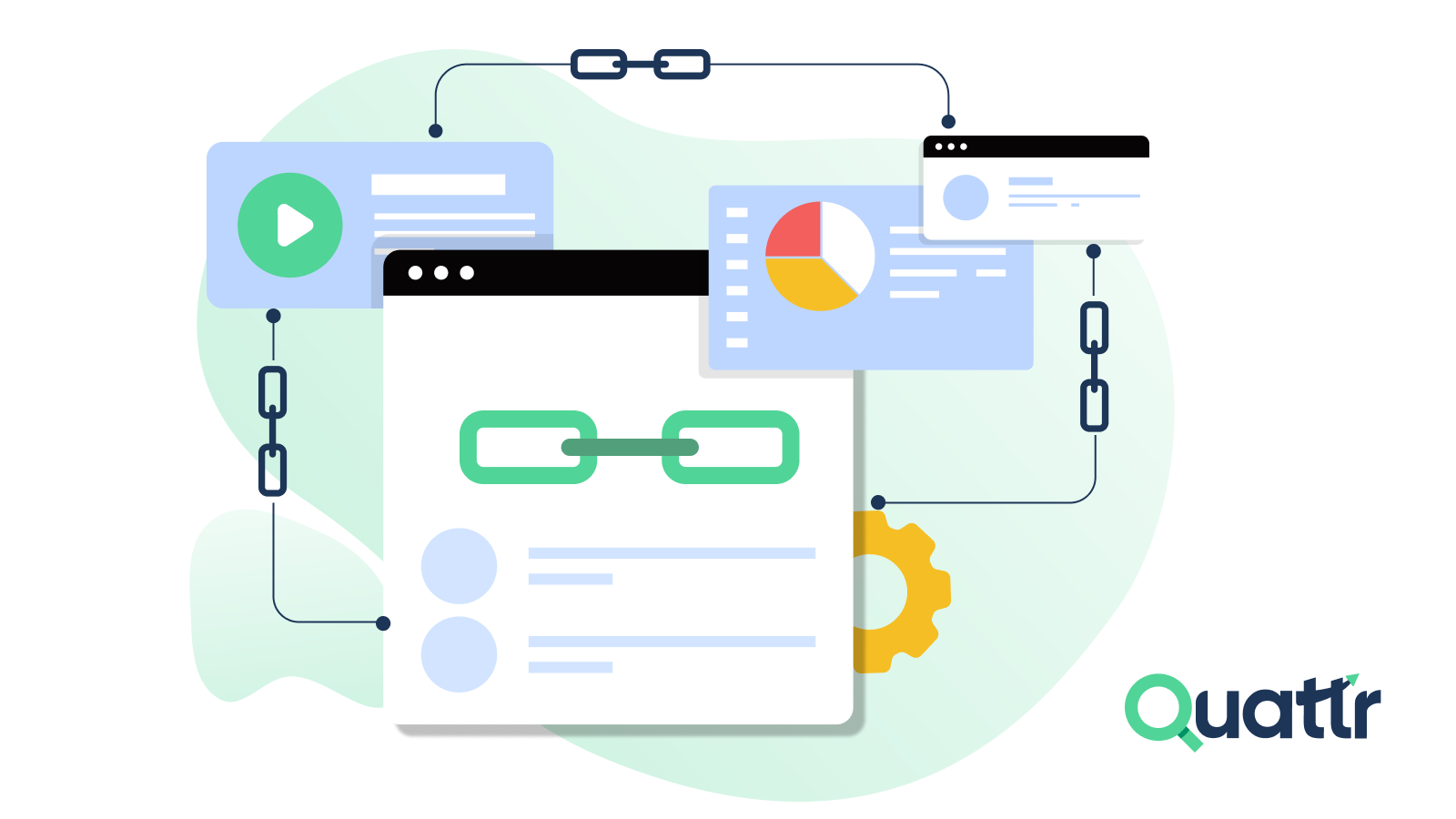
Successfully deploying an AI SEO Internal Link Generator requires a structured approach. Follow these steps to integrate the tool into your workflow without disrupting your existing operations.
Step 1: Audit Your Current Link Profile
Before activating the AI, run a comprehensive audit of your existing internal links. Identify broken links, redirect chains, and orphan pages. This baseline data helps you measure the AI’s impact later.
Export your full URL list and compare it against your internal link graph. Any page with zero inbound internal links is an orphan that needs immediate attention.
Step 2: Configure the AI Parameters
Set the maximum number of links per page, the preferred anchor text style, and the pages you want to exclude (such as login pages, admin pages, or legal disclaimers). Define your priority pages that should receive the most link equity.
If the tool supports it, upload your target keyword list. This guides the AI to prioritize links that support your ranking goals.
Step 3: Run a Test on a Small Section
Do not apply the tool to your entire site at once. Select a single category or a few dozen pages and run the generator. Manually review every suggested link to ensure it makes sense contextually.
Check the anchor text for naturalness. If the AI uses the same exact-match anchor repeatedly, adjust the settings to introduce more variety.
Step 4: Monitor Crawl Behavior
After publishing the test links, monitor your server logs and Google Search Console for changes in crawl frequency. You should see an increase in pages crawled per day and a reduction in crawl errors.
Track your indexation rate. If previously orphaned pages start appearing in the index, the tool is working correctly.
Step 5: Scale Up Gradually
Once you are satisfied with the test results, apply the tool to larger sections of your site. Continue to spot-check the generated links weekly, especially after publishing new content.
Set up automated alerts for any links that break due to page deletions or URL changes. The AI should automatically update or remove these links.
Common Mistakes and How to Avoid Them
Even with the best AI tool, certain errors can undermine your internal linking strategy. Recognizing these pitfalls keeps your site healthy.
Ignoring Link Relevance
Some website owners configure the AI to link aggressively, resulting in links between completely unrelated pages. This confuses users and signals low quality to search engines. Always prioritize relevance over sheer link quantity.
Review the tool’s semantic threshold settings. If the AI is generating links with low relevance scores, increase the minimum threshold to filter out weak connections.
Using Exact Match Anchors Too Often
If every link pointing to your “best running shoes” page uses the anchor text “best running shoes,” Google may view this as manipulative. The AI should vary anchors using synonyms, brand names, and natural phrases like “top footwear picks.”
Check your anchor text distribution report monthly. Aim for a mix of branded, generic, and partial match anchors.
Neglecting Mobile Experience
Internal links that look fine on desktop might create clutter on mobile screens. Ensure the AI tool does not insert links that break the mobile layout or create excessive scrolling.
Test your pages on mobile devices after the AI adds links. If the content becomes too dense, reduce the maximum links per page setting.
Forgetting to Update Old Content
An AI generator works best when it processes new content immediately. However, your old blog posts also need fresh internal links to stay relevant. Schedule a quarterly re-crawl of your entire site to add new links to older pages.
This practice keeps your link graph dynamic and ensures that new cornerstone content receives links from established pages.
Important Notes for Long-Term Success
Internal linking is not a one-time task. The AI tool requires ongoing maintenance and periodic adjustments to align with your evolving content strategy.
Regularly review your top-performing pages. If a page starts ranking well, consider adding more internal links to it to pass that authority to other pages. Conversely, if a page loses traffic, check if its internal links are still relevant.
Combine the AI generator with a solid content pillar strategy. Create comprehensive cornerstone pages that cover broad topics, then use the AI to link all related cluster posts back to the pillar. This structure signals topical authority to Google.
Keep an eye on your competitors’ internal linking patterns. Tools like Ahrefs or SEMrush show you which pages they link to most frequently. Use this data to inform your own priority pages.
Frequently Asked Questions
Will an AI SEO Internal Link Generator work with WordPress?
Yes, most leading tools offer native WordPress plugins or integrate via REST API. The plugin automatically scans new content as you publish it and inserts links in real-time. You can also use the API to connect with custom-built CMS platforms.
How many internal links should a page have?
T The AI tool should be configured to respect these limits based on page type.
Can internal links hurt my SEO?
Yes, if done poorly. Links from irrelevant pages, excessive exact-match anchors, or broken links can harm your rankings. Using an AI tool with proper configuration and regular audits minimizes these risks significantly.
How long does it take to see results from internal linking?
Most sites see improvements in crawl frequency and indexation within 2-4 weeks. Ranking changes for specific keywords typically take 1-3 months, depending on the competitiveness of the terms and the overall authority of your domain.
Is an AI generator better than a manual internal linking strategy?
For sites with more than 500 pages, AI is significantly more efficient and thorough. For very small sites (under 50 pages), manual linking might be sufficient. The AI excels at scale and consistency, which are impossible to maintain manually on large domains.
Conclusion
An AI SEO Internal Link Generator is no longer a luxury but a necessity for websites aiming to compete in the current search landscape. The ability to automatically build a semantically relevant, authority-passing link network gives you a distinct advantage over competitors still relying on manual processes. By understanding the features, benefits, and limitations of these tools, you can implement a strategy that improves crawlability, boosts rankings, and enhances user experience. Start with a small test, monitor the results, and scale up as you gain confidence in the system. The long-term payoff in organic traffic and domain authority makes this investment worthwhile for any serious SEO professional.
Xem thêm:
- AI SEO Pillar Content: The Complete Blueprint for Dominating Search Rankings in 2025
- AI SEO Entity Keywords: The Complete Guide to Future-Proof Search Rankings
- AI Publishing Workflow: The Complete Guide to Automating and Scaling Your Content Production
- AI SEO Embeddings: The Complete Guide to Semantic Search Optimization
- AI SEO Backlink Opportunities: The Complete Guide to Future-Proof Link Building
Bài viết cùng chủ đề:

AI SEO SEO Automation with Make: The Complete Workflow Guide

AI SEO SEO Automation with Zapier: The Complete Workflow Guide

AI SEO SEO Automation with n8n: The Complete Workflow Guide
AI SEO SEO Automation with Gemini: The Complete Guide to Scaling Organic Growth

AI SEO SEO Automation with Claude: The Complete Guide to Scaling Content in 2025

AI SEO SEO Automation with ChatGPT: The Complete Playbook for 2025

AI SEO & SEO Automation for Affiliate Sites: The 2025 Playbook for Passive Income Growth
AI SEO & SEO Automation for Bloggers: The Complete Guide to Scaling Your Content

AI SEO & SEO Automation for Agencies: The Complete 2025 Playbook

AI SEO and SEO Automation for Ecommerce: The Complete Playbook for 2025

AI SEO & SEO Automation for WordPress: The Complete Playbook for 2025
AI SEO SEO Automation Strategy: The Complete Playbook for 2025

Mastering the AI SEO SEO Automation Process: A Complete Guide to Scaling Organic Growth
AI SEO SEO Automation System: The Complete Guide to Scaling Organic Growth in 2025
AI SEO SEO Automation Platform: The Complete Guide to Scaling Organic Growth in 2025
AI SEO SEO Automation Software: The Complete Guide to Scaling Organic Growth in 2025















