
No products in the cart.
AI SEO AI Search Optimization: The Complete Guide to Ranking in the Age of Artificial Intelligence
10
Aug
Aug
The digital landscape has shifted dramatically. Traditional search engine optimization focused on keywords, backlinks, and technical site structure. Today, the rise of generative engines and machine learning algorithms has birthed a new discipline: AI SEO AI Search Optimization. This approach is not about tricking algorithms; it is about aligning your content with how artificial intelligence understands, processes, and serves information to users. As search moves from ten blue links to conversational answers, brands must adapt their strategies to remain visible. This guide explores the mechanics of AI-driven search, the practical steps for optimization, and the future of organic discovery.
Understanding AI SEO AI Search Optimization
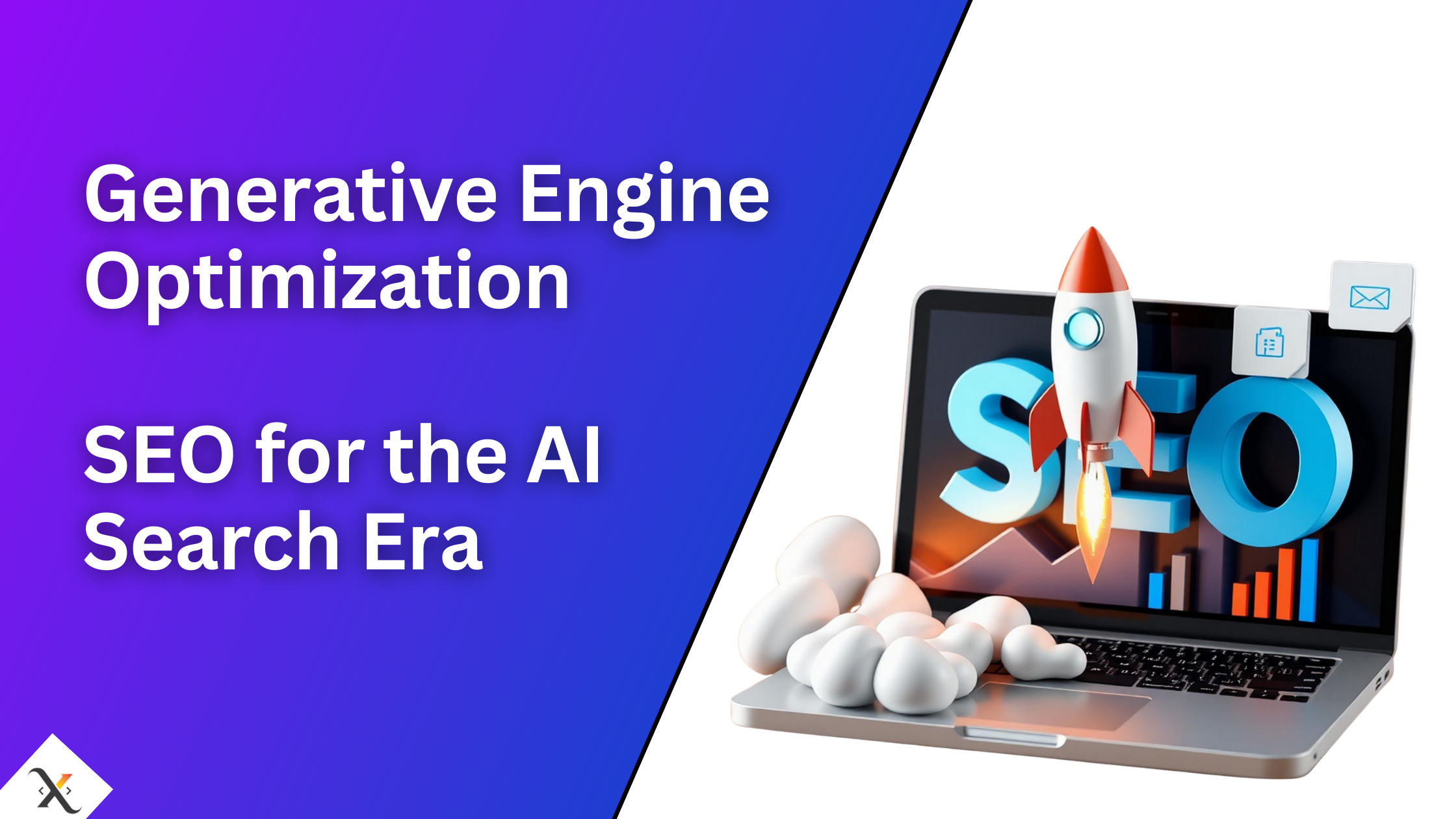
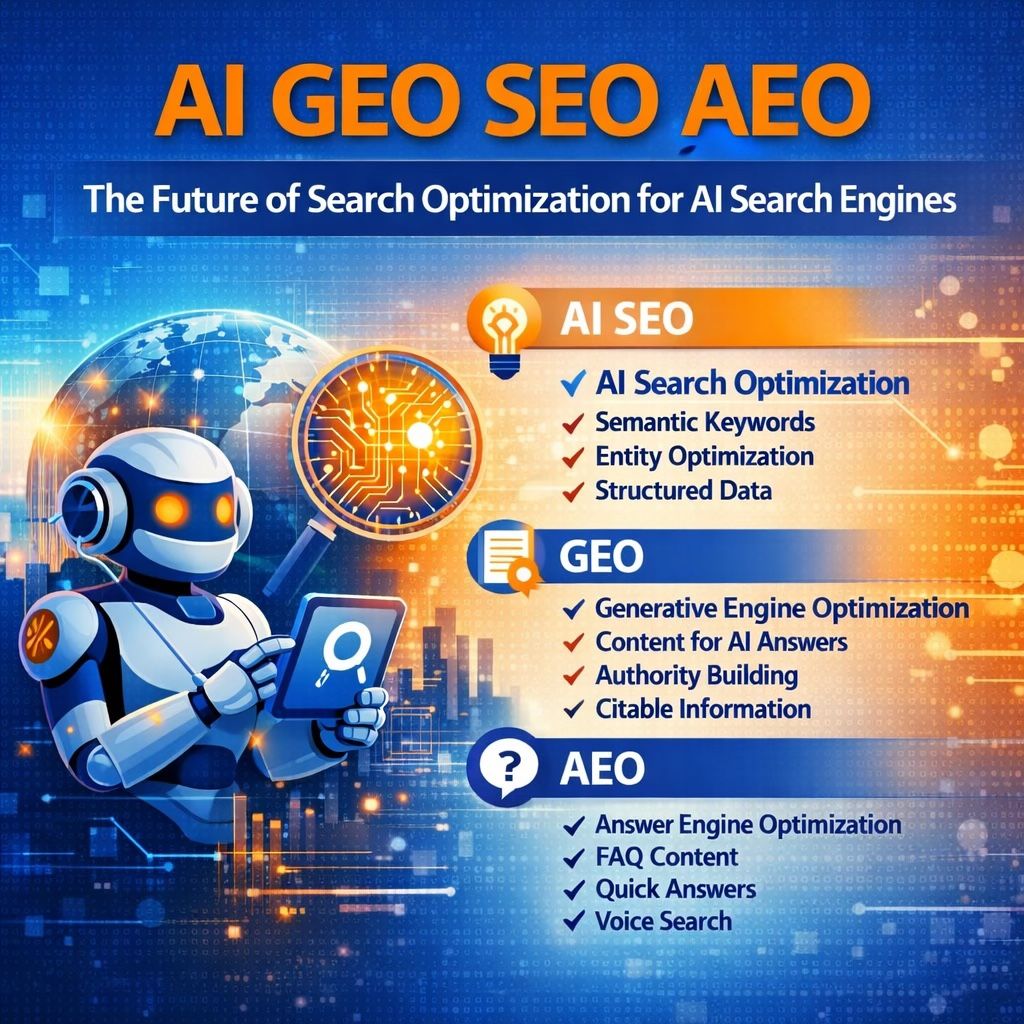
AI SEO AI Search Optimization refers to the practice of optimizing digital content for visibility across AI-powered search platforms. This includes traditional search engines like Google, which use AI models like RankBrain and BERT, as well as generative engines like ChatGPT, Perplexity, and Google’s Search Generative Experience (SGE). The core objective is to ensure that an AI system can accurately interpret your content, extract key information, and present it as a reliable answer to a user’s query.
Unlike traditional SEO, which relies heavily on exact-match keywords and link equity, AI search optimization focuses on semantic relevance, entity clarity, and structured data. The AI does not just look for words; it looks for meaning. It analyzes the relationships between concepts, the authority of the source, and the comprehensiveness of the answer. Therefore, content must be written for humans first, but structured in a way that machines can parse without losing context.
The Shift from Crawlers to Reasoning Models
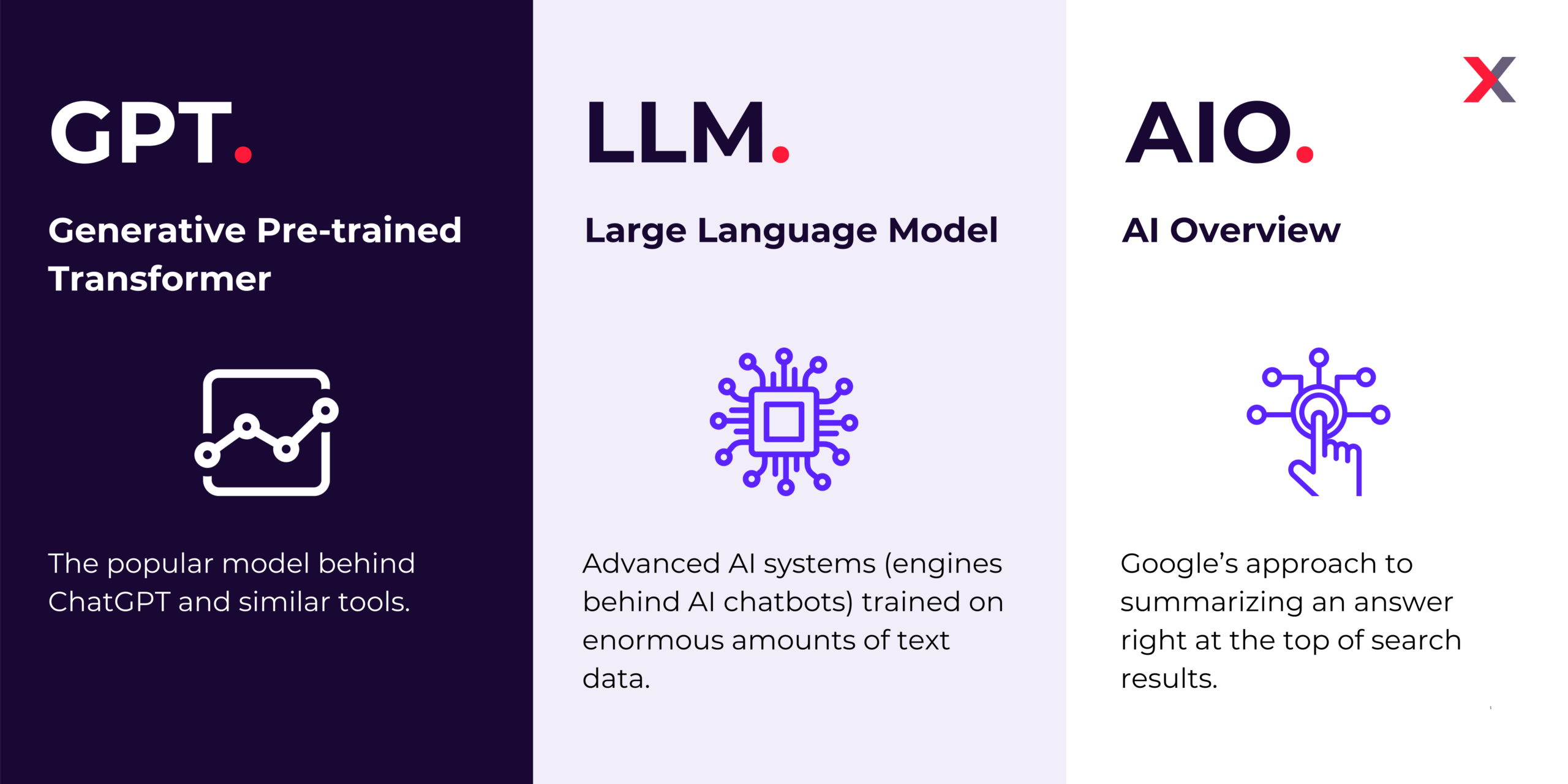
Traditional crawlers followed links and indexed pages based on keyword density. Modern AI models use neural networks to understand the context of a query. They do not simply match strings of text; they match the intent behind the query. This means that a page answering a question thoroughly, even without the exact phrasing of the query, has a higher chance of being selected for a featured snippet or an AI-generated answer. The focus has shifted from “optimizing for Googlebot” to “optimizing for the reasoning layer that sits on top of the index.”
How AI Search Engines Work
To master AI SEO AI Search Optimization, you must understand the underlying technology. Most modern AI search systems operate in three distinct phases: indexing, retrieval, and generation. Each phase presents unique optimization opportunities.
Indexing and Vectorization
AI engines do not store pages as flat files. They convert text into mathematical vectors, a process known as embedding. These vectors represent the semantic meaning of the content. When a user asks a question, the engine converts that query into a vector and searches for the closest matching vectors in its database. This is why synonyms and related concepts are crucial. Content that uses varied vocabulary and covers a topic from multiple angles creates a richer vector footprint.
Retrieval Augmented Generation (RAG)
Most generative search engines use RAG. This technique retrieves relevant documents from an index and feeds them to a large language model to generate a coherent answer. The retrieval phase is where your SEO efforts matter most. If your content is not structured clearly, the retriever may skip it. If your content is buried under irrelevant fluff, the retriever may only pull a small, out-of-context snippet. The goal is to make your content the most “retrievable” piece on the web for a specific query.
Grounding and Citation
AI search engines prioritize factual accuracy. They “ground” their answers in retrieved documents to reduce hallucinations. When an AI cites your content, it is a strong signal of authority. To earn citations, your content must contain specific, verifiable data points, statistics, and clear definitions. Vague content rarely gets cited. The AI looks for the most direct answer to the query, often favoring lists, tables, and concise paragraphs over lengthy introductions.
Key Components of an AI SEO Strategy

Optimizing for AI search requires a holistic approach that merges technical SEO with content strategy. The following components are essential for any successful AI SEO AI Search Optimization campaign.
Entity Optimization and Topical Authority
An entity is a distinct object, concept, or person. Google and other AI engines build knowledge graphs based on entities and their relationships. To optimize, you must clearly define who you are, what you sell, and how it relates to other concepts. Use consistent naming conventions across your site. For example, if you write about “content marketing,” ensure you also link to related entities like “SEO,” “copywriting,” and “brand awareness.” Building a web of related entities signals topical authority, making it easier for AI to categorize your site.
Structured Data and Schema Markup
Schema markup is the most direct way to communicate with AI crawlers. It removes ambiguity. By adding JSON-LD structured data, you tell the AI exactly what your content is about. Use Article, FAQPage, HowTo, and Product schemas where applicable. This does not guarantee a rich result, but it significantly increases the probability of being understood correctly. In the age of AI search, schema acts as a translation layer between human language and machine logic.
Content Depth and Comprehensiveness
AI models are trained on massive datasets. They favor content that covers a topic exhaustively. A 500-word article on “AI SEO” will not compete with a 2,500-word guide that covers definitions, strategies, tools, and case studies. However, depth does not mean word count alone. It means covering the full spectrum of user intent. If a user asks “What is AI SEO?”, they might also want to know “How does it differ from traditional SEO?” and “What tools do I need?” Anticipate these follow-up questions and answer them within the same document.
Practical Steps to Optimize for AI Search
Knowing the theory is not enough. You need a tactical playbook. The following steps provide a clear path to improving your visibility in AI-driven search results.
1. Optimize for Conversational Queries
Voice search and AI chat interfaces rely on natural language. Users ask full questions, not fragmented keywords. Your content should include a dedicated FAQ section that addresses these long-tail, conversational queries. Use the exact phrasing a user might speak. For instance, instead of targeting “AI SEO tools,” target “What are the best AI SEO tools for small businesses?” This aligns your content with the query patterns of generative engines.
2. Create High-Quality, Original Data
AI engines struggle with regurgitated content. If your article simply rephrases the top three results on Google, the AI has no reason to cite you. You must offer unique value. This could be original research, proprietary data, expert interviews, or a unique framework. Original data gives the AI a new source to cite, which increases your chances of being featured in a generative answer.
3. Improve Technical Crawlability
If an AI cannot crawl your site, it cannot rank it. Ensure your robots.txt file is not blocking important resources. Use a clean URL structure. Optimize your site speed, as slow sites are often deprioritized. Most importantly, ensure your site is fully renderable. Some AI crawlers do not execute JavaScript as thoroughly as Googlebot. If your content is loaded dynamically, consider server-side rendering to ensure the text is visible in the raw HTML.
4. Build a Strong Internal Linking Structure
Internal links help AI understand the relationship between pages on your site. Use descriptive anchor text that includes relevant keywords. This creates a semantic map of your website. For example, if you have a page about “keyword research,” link to it using the phrase “conducting keyword research” rather than “click here.” This reinforces the topic of the linked page and helps the AI model understand the context of the link.
Benefits and Limitations of AI Search Optimization
Adopting AI SEO AI Search Optimization offers significant advantages, but it is not without challenges. Understanding both sides helps set realistic expectations.
Benefits
- Higher Visibility in Zero-Click Searches: Optimized content is more likely to appear in AI-generated summaries, capturing traffic even when users do not click through.
- Improved User Experience: The focus on semantic relevance and clear structure naturally leads to better, more readable content.
- Future-Proofing: As AI becomes more integrated into all search platforms, early adopters will have a competitive edge.
- Enhanced Brand Authority: Being cited by an AI engine positions your brand as a trusted source of information.
- Lack of Control: You cannot control how the AI synthesizes your content. It may combine your data with a competitor’s, leading to mixed messaging.
- Attribution Issues: Some AI engines do not provide clear citations, making it difficult to track ROI.
- Rapid Algorithm Changes: The AI landscape evolves monthly. A strategy that works today may be obsolete tomorrow.
- High Content Standards: The bar for “expertise” is higher. Generic content will not survive the AI filter.
- E-E-A-T is Non-Negotiable: Experience, Expertise, Authoritativeness, and Trustworthiness are the pillars of AI trust. Showcase author bios, cite credible sources, and provide original insights.
- Multimodal Optimization Matters: AI is not just reading text. It is analyzing images, videos, and audio. Optimize your alt text, video transcripts, and image file names to provide additional context.
- Monitor Your Brand Mentions: AI engines often pull information from forums, review sites, and social media. Ensure your brand’s reputation is consistent across all platforms.
- Focus on User Engagement: Dwell time and bounce rate are still signals. If users click on your result but immediately return to the search page, the AI interprets this as a poor match.
Limitations
AI SEO vs. Traditional SEO: A Comparison
To fully grasp the shift, it is helpful to compare the two disciplines side-by-side. While they share some tactics, the underlying philosophy differs significantly.
| Aspect | Traditional SEO | AI SEO AI Search Optimization |
|---|---|---|
| Primary Focus | Keyword rankings and backlinks | Semantic relevance and entity clarity |
| Content Style | Keyword-dense, often formulaic | Conversational, comprehensive, and structured |
| User Intent | Matched via exact keywords | Matched via contextual understanding |
| Success Metric | Click-through rate and page views | Citations, featured snippets, and answer accuracy |
| Technical Setup | Meta tags and sitemaps | Schema markup and vectorization readiness |
| Content Longevity | Short-term ranking spikes | Long-term authority building |
The table illustrates a clear trend. Traditional SEO is a game of signals, while AI SEO is a game of substance. The latter requires a deeper investment in content quality and site architecture.
Common Mistakes in AI Search Optimization
Many marketers attempt to optimize for AI but fall into predictable traps. Avoiding these mistakes is just as important as implementing best practices.
Ignoring the “Answer” Format
AI engines love direct answers. If your content starts with a long story or a personal anecdote, the AI may struggle to extract the key point. Put the answer in the first paragraph. Use the “inverted pyramid” style. State the conclusion upfront, then provide the supporting details. This makes it easy for the AI to pull a concise snippet for a featured answer.
Keyword Stuffing in AI Era
Repeating the exact target keyword ten times in a page is a relic of the past. AI models penalize unnatural language. Instead of forcing the keyword, use variations and synonyms. The AI understands that “AI SEO” and “artificial intelligence search optimization” are the same concept. Focus on writing naturally, and the semantic relevance will take care of itself.
Neglecting the “People Also Ask” Data
Google’s “People Also Ask” boxes are a goldmine for AI optimization. These questions represent real user queries that the AI has identified as related. If you do not answer these specific questions within your content, you miss out on high-intent traffic. Create a dedicated section that addresses these related queries in a clear, bulleted format.
Overlooking Content Freshness
AI models have a knowledge cutoff, but search engines do not. They continuously crawl and update their indexes. If your content is outdated, the A Regularly update your cornerstone articles with new data, examples, and statistics. This signals to the AI that your content is current and relevant.
Important Notes for Long-Term Success
As you implement your AI SEO AI Search Optimization strategy, keep these critical points in mind. They will guide your decision-making process.
Frequently Asked Questions (FAQ)
What is the difference between AI SEO and traditional SEO?
Traditional SEO focuses on optimizing for crawlers and keyword rankings. AI SEO focuses on optimizing for machine learning models that understand context and intent. Traditional SEO uses exact-match keywords and backlinks, while AI SEO uses semantic relevance, structured data, and comprehensive content to earn citations in generative answers.
How does Google’s SGE affect my current SEO strategy?
Google’s Search Generative Experience (SGE) provides AI-generated answers at the top of the search results. This reduces the click-through rate for traditional organic listings. To adapt, you must optimize your content to be the source of that AI-generated answer. This means structuring content with clear headings, concise summaries, and high-authority data.
Do I need to use schema markup for AI search?
Yes. Schema markup is a critical component of AI SEO AI Search Optimization. It provides explicit signals about the meaning of your content. While AI can infer meaning from text, schema removes all doubt. It helps the AI correctly categorize your content and increases the likelihood of being used in a rich result or a knowledge panel.
How long does it take to see results from AI search optimization?
Unlike traditional SEO, which can take months to see ranking changes, AI search optimization can yield faster results. Because AI engines are constantly indexing and re-evaluating sources, a well-optimized piece of content can be cited within days. However, building the topical authority required for consistent citations takes several months of consistent publishing.
What are the best tools for AI search optimization?
Several tools help with this process. Use Surfer SEO or Frase for content optimization against AI models. Use Clearscope for semantic keyword research. For technical aspects, use Screaming Frog to audit your site structure. For monitoring AI citations, use tools like Brand24 or Google Alerts to track where your content is mentioned in AI-generated responses.
Conclusion
AI SEO AI Search Optimization is not a passing trend. It is the fundamental evolution of how information is discovered. The days of manipulating algorithms with keyword density are over. The future belongs to brands that create clear, authoritative, and comprehensive content that serves the user’s intent. By focusing on entities, structured data, and conversational answers, you position your website to be the primary source for AI engines. The transition requires effort, but the payoff is substantial. Those who adapt now will define the search landscape of tomorrow, while those who ignore this shift will find themselves invisible in the AI-generated answers that dominate the digital experience.
Xem thêm:
- AI SEO Link Building Strategy: The Complete Guide to Automated Authority in 2025
- AI SEO Microsoft Clarity: The Complete Guide to Smarter User Behavior Analysis
- AI SEO AI Search Audit Tool: The Complete Guide to Modern Search Visibility
- AI SEO Ranking Signals: The Complete Guide to Google’s Machine Learning Algorithms
- AI Multilingual SEO: The Complete Guide to Dominating Global Search in the Age of Machine Translation
Bài viết cùng chủ đề:

AI SEO SEO Automation with Make: The Complete Workflow Guide

AI SEO SEO Automation with Zapier: The Complete Workflow Guide

AI SEO SEO Automation with n8n: The Complete Workflow Guide
AI SEO SEO Automation with Gemini: The Complete Guide to Scaling Organic Growth

AI SEO SEO Automation with Claude: The Complete Guide to Scaling Content in 2025

AI SEO SEO Automation with ChatGPT: The Complete Playbook for 2025

AI SEO & SEO Automation for Affiliate Sites: The 2025 Playbook for Passive Income Growth
AI SEO & SEO Automation for Bloggers: The Complete Guide to Scaling Your Content

AI SEO & SEO Automation for Agencies: The Complete 2025 Playbook

AI SEO and SEO Automation for Ecommerce: The Complete Playbook for 2025

AI SEO & SEO Automation for WordPress: The Complete Playbook for 2025
AI SEO SEO Automation Strategy: The Complete Playbook for 2025

Mastering the AI SEO SEO Automation Process: A Complete Guide to Scaling Organic Growth
AI SEO SEO Automation System: The Complete Guide to Scaling Organic Growth in 2025
AI SEO SEO Automation Platform: The Complete Guide to Scaling Organic Growth in 2025
AI SEO SEO Automation Software: The Complete Guide to Scaling Organic Growth in 2025















