
No products in the cart.
AI SEO Workflow for Bloggers: Streamline Your Content Strategy and Rank Faster
29
Jul
Jul
An AI SEO Workflow for Bloggers transforms how independent creators research, write, and optimize content. Instead of spending hours on manual keyword analysis or guesswork, a well-structured AI-powered sequence lets you generate rank-ready posts in a fraction of the time. This guide breaks down every stage, from topic discovery to performance tracking, so you can build a repeatable system that drives organic traffic consistently.
What Is an AI SEO Workflow?
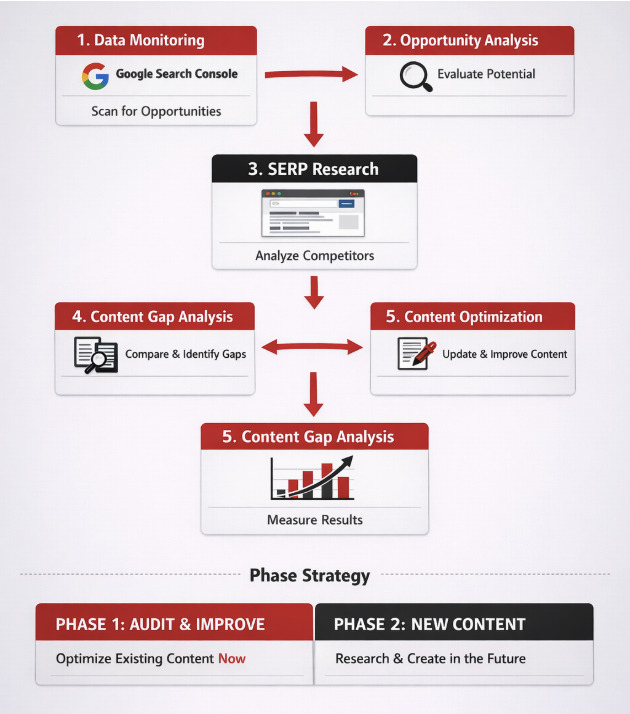
An AI SEO workflow is a semi-automated sequence of steps that combines artificial intelligence tools with human oversight to handle the most time-consuming aspects of search engine optimization. Rather than replacing the blogger’s voice, the workflow acts as a force multiplier. The machine handles data crunching, pattern recognition, and initial drafts, while the writer focuses on strategy, authenticity, and nuanced editing.
In practice, the workflow connects multiple AI applications—such as natural language processing for content outlines, machine learning for keyword clustering, and predictive analytics for trending topics—into one logical pipeline. Each output feeds the next stage, drastically reducing the mental load and helping bloggers publish highly relevant material on a consistent schedule.
The Core Components of an AI-Powered SEO Process
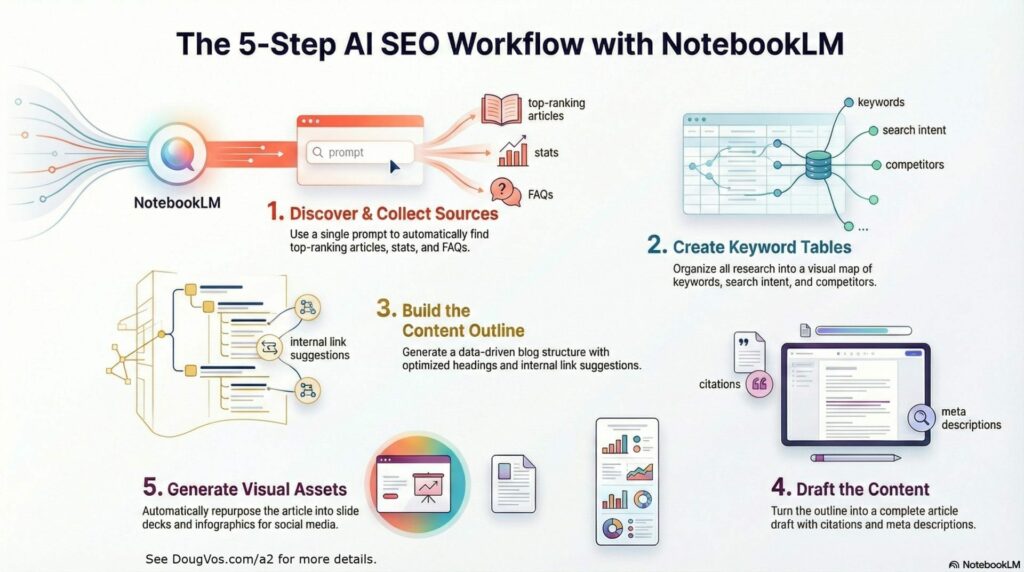
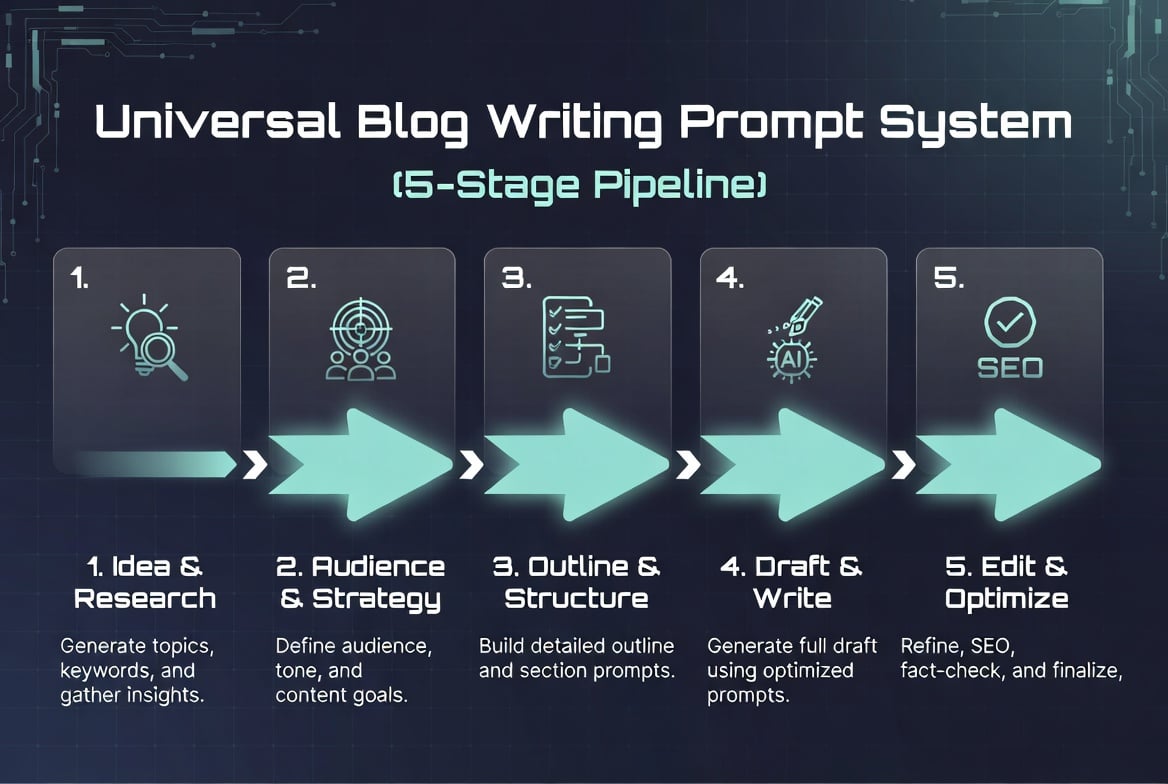
Successful automation relies on understanding the building blocks before you assemble them. A complete AI SEO Workflow for Bloggers contains five interconnected phases:
- Intelligent Research: AI scans search results, forums, and social signals to identify underserved topics.
- Semantic Keyword Mapping: Tools group related terms, questions, and entities that search engines expect to see.
- Content Briefing & Outline Generation: The system drafts a structure mirroring top-ranking pages while filling informational gaps.
- AI-Assisted Drafting & Optimization: Language models produce a first version enriched with natural keyword placement.
- Quality Assurance & Performance Tracking: Automated checks verify readability, originality, and technical SEO health before and after publishing.
- Stay Updated with Algorithm Changes. AI training data lags behind real-world updates. If Google announces a core update, briefly pause your automated publishing and reassess your content quality standards.
- Balance Automation with Original Research. Use AI to identify what competitors lack, then conduct your own surveys, interviews, or experiments. Original data is almost impossible for synthetic content to replicate and attracts high-quality backlinks naturally.
- Diversify Your AI Toolkit. Relying on a single platform creates a single point of failure. Combine a keyword tool, a long-form writer, an optimizer, and an analytics suite. Interoperability via APIs or exports keeps your workflow resilient.
- Respect Copyright and Fair Use. AI models sometimes inadvertently reproduce snippets of existing copyrighted text. Always run AI drafts through a plagiarism checker. Rephrase any passages that echo a single source too closely.
- Maintain a Content Refresh Cadence. The workflow does not stop at publication. Schedule AI-assisted reevaluations every quarter. Update statistics, replace broken links, and expand sections that have gained additional search volume.
These components are not standalone; they form a feedback loop where performance data refines future research, creating a self-improving publishing machine.
Step-by-Step AI SEO Workflow for Bloggers
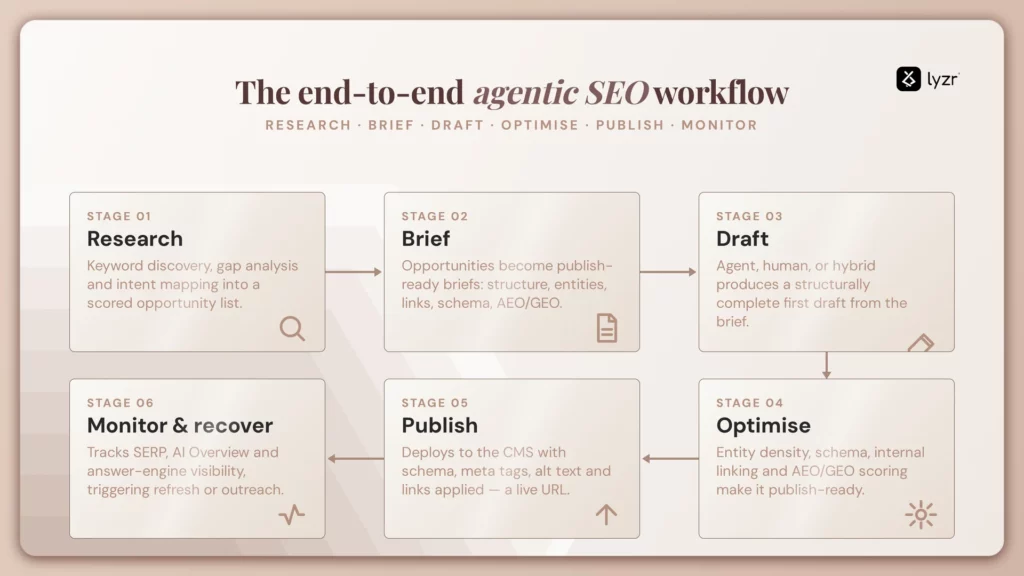
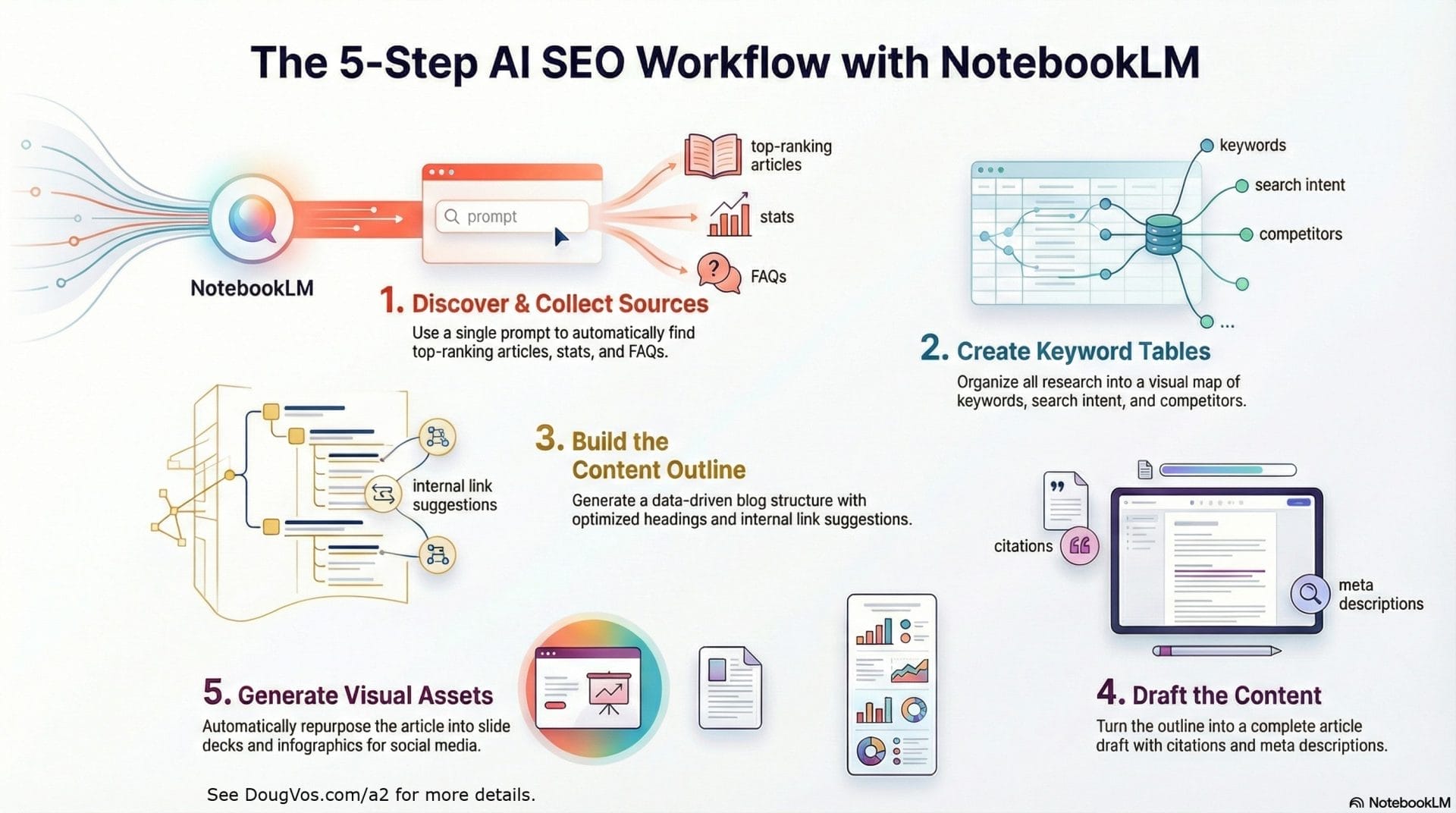
Below is a concrete, repeatable process you can adapt regardless of your niche. Each step highlights the AI tool category you need and exactly what to do.
1. Topic Discovery with Predictive AI
Start by feeding broad seed keywords into a content gap analyzer. AI-powered platforms like Surfer SEO or market listening tools reveal queries with high demand but low competition. They look beyond search volume, evaluating keyword difficulty, seasonality, and even the probability of attracting backlinks. Within minutes, you generate a priority score that eliminates gut-feel guessing.
2. SERP Intent Analysis and Entity Extraction
Once you’ve picked a topic, scrape the top ten results. Use natural language processing APIs to extract the entities, subtopics, and question patterns Google considers essential. This step identifies the exact angle your post must cover to satisfy user intent. The output is a comprehensive list of “must-mention” terms and the ideal content type (listicle, how-to guide, comparison, etc.).
3. Building a Comprehensive Keyword Cluster
Convert the entity list into a structured keyword plan. AI clustering tools group primary keywords, LSI phrases, and long-tail variations. A typical cluster for a post about “homemade sourdough starter” might include terms like “feeding schedule,” “gluten development,” and “common troubleshooting.” Map every cluster to a section of your outline so you naturally touch every semantic signal.
4. AI-Generated Outline with Section Optimization
Use an AI content assistant to draft a heading hierarchy. Instruct the tool to mirror the structure of the top three competitors but add unique sections based on unanswered “People Also Ask” results. The outline should specify approximate word count, primary keywords for each H2, and multimedia suggestions. At this stage, human intervention is critical: you adjust the flow, inject personal anecdotes, and ensure the narrative arc feels authentic.
5. First Draft Composition Using Long-Form AI
Feed your refined outline and keyword cluster into a large language model capable of long-form content. Request a draft that includes an engaging hook, transition phrases, and practical examples. Configure the model to maintain a conversational yet authoritative tone. The output will not be publish-ready, but it provides a solid structure with correct keyword density and internal linking cues already embedded.
6. Human-Powered Editing and Fact-Checking
This stage separates generic AI content from valuable blog posts. Verify every statistic, date, and claim the model produced. Rewrite robotic sentences, add personal stories, and insert unique screenshots or data from your own experience. This editorial pass ensures your blog retains the E-E-A-T signals Google rewards, particularly for YMYL niches.
7. On-Page Technical Optimization via AI Audit
Before hitting publish, run the final draft through an AI-based SEO grader. Tools like Clearscope or Frase evaluate readability grade, passive voice ratio, and exact keyword placement in the title tag, meta description, URL slug, and first paragraph. The software suggests improvements instantly—thicken thin sections, shorten overlong sentences, or add missing alt text for images.
8. Automated Internal Linking and Schema Markup
AI crawlers scan your existing site content and recommend relevant internal links to insert into the new post. Simultaneously, a schema generator produces structured data for article, breadcrumb, FAQ, or how-to types based on the content format. Both actions dramatically improve crawl efficiency and eligible rich result appearances.
9. Publishing and Performance Monitor Setup
Transfer the optimized post to your CMS, keeping the AI-generated meta data intact. Connect the URL to an AI analytics tool that tracks ranking movements, click-through rates, and content decay alerts. The automated watch keeps you informed when a post needs refreshing.
Benefits and Limitations of Using AI in SEO
Understanding both sides of the coin prevents over-reliance.
| Aspect | Benefits | Limitations |
|---|---|---|
| Speed | Research that took days now completes in hours; draft generation shrinks to minutes. | Rapid output can encourage sacrificing depth for quantity if not monitored. |
| Consistency | AI maintains uniform tone, keyword distribution, and structure across every post. | Templated phrasing can emerge; content may sound clinical without human warmth. |
| Data Handling | Massive SERP analysis and real-time trend spotting exceed human capability. | Data is only as recent as the model’s training date; fresh events may be missed. |
| Cost | Reduces need for large content teams; many powerful tools are subscription-based. | Enterprise-grade AI SEO suites can be expensive; free tools often lack depth. |
| Creativity | Generates unique angles by connecting disparate data points. | True personal experience and emotional storytelling remain exclusively human traits. |
AI SEO Tools vs. Traditional Methods: A Direct Comparison
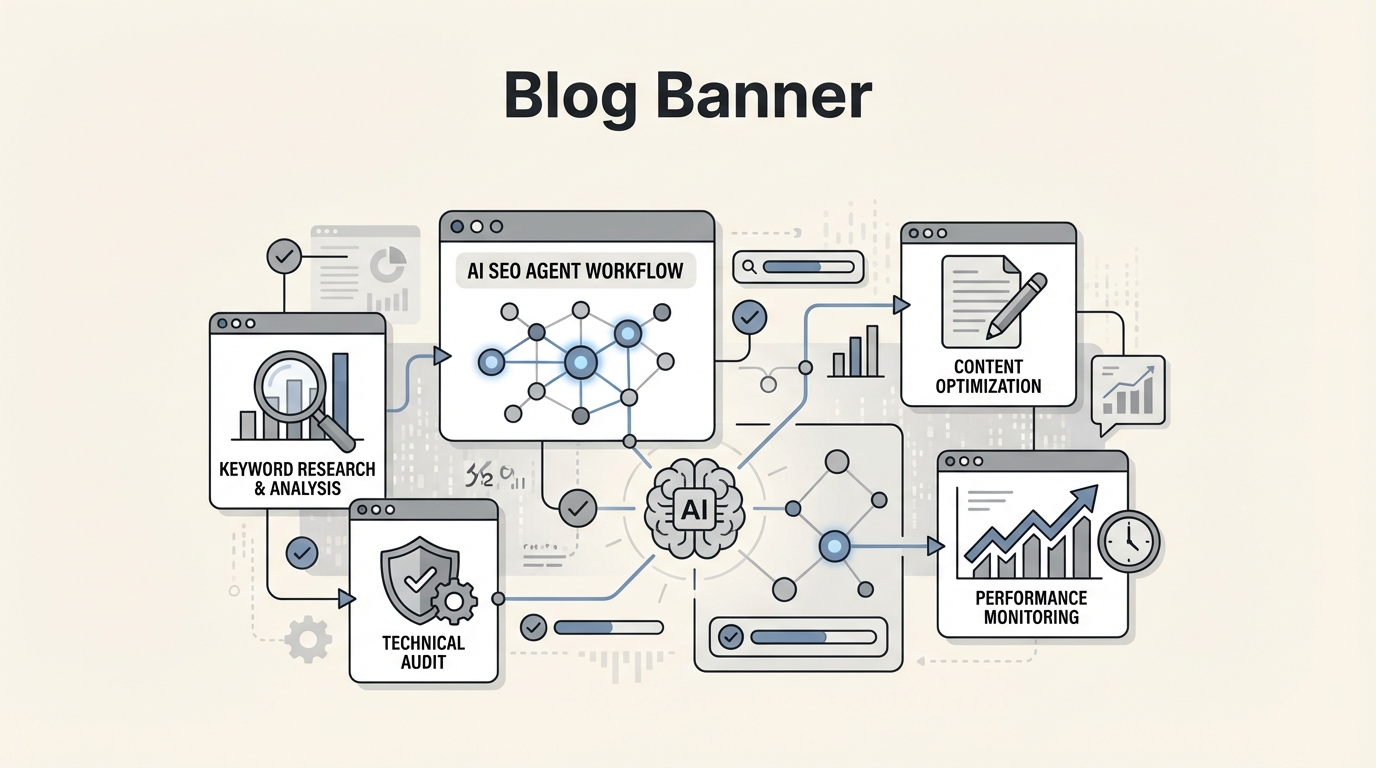
Bloggers switching from manual workflows often struggle to see concrete differences. The table below contrasts key tasks in a typical blogging process.
| Task | Traditional Approach | AI-Enhanced Workflow |
|---|---|---|
| Keyword Research | Manual Google searches, spreadsheet exports, guessing intent. | Semantic AI tools auto-generate prioritized topic clusters with intent labels. |
| Competitor Analysis | Opening dozens of tabs, manually noting headings and word counts. | Machine learning scrapes and compares structures, entities, and backlink profiles. |
| Content Outlining | Brainstorming from scratch; often missing critical subtopics. | AI reverse-engineers SERP requirements and builds a complete blueprint. |
| Writing | Pure human creation; prone to writer’s block and uneven pacing. | Human-AI collaboration with drafts then refined; 60% faster production. |
| Optimization | Checking keyword density manually; often over- or under-optimizing. | Real-time NLP scoring against top competitors for immediate adjustments. |
Common Mistakes Bloggers Make with AI SEO (and How to Avoid Them)
Publishing Raw AI Output Without Review. Google’s helpful content system penalizes mass-produced, unedited material. Always treat AI text as a first draft. Review every paragraph for factual accuracy, inject your unique voice, and remove generic fluff. A good rule: never publish a single sentence you haven’t personally verified or rewritten.
Ignoring Search Intent Nuance. AI can misclassify intent, especially for ambiguous keywords. A term like “apple watch bands” might carry transactional intent, but your AI might treat it as informational. Manually confirm whether top results are product pages, guides, or reviews, then align your content format accordingly.
Keyword Stuffing Through Over-Optimization. When an AI tool suggests a target keyword density, some bloggers force exact-match phrases into every heading. This backfires. Use AI to check natural distribution, not to cram terms. Readability and topical depth matter more than a robotic keyword count.
Neglecting E-E-A-T signals. AI-generated content often lacks demonstrable experience. If you write about health, finance, or legal topics, include author bios with real credentials, cite authoritative sources, and share personal case studies. AI cannot manufacture trustworthiness; you must build it.
Overlooking Technical SEO Fundamentals. A fantastic AI-optimized post fails if your site loads slowly or has broken internal links. Do not assume the AI writer handles technical health. Use an AI site auditor to crawl your entire domain weekly, flagging errors that dilute your rankings.
Important Notes for a Sustainable AI SEO Workflow
A robust AI SEO Workflow for Bloggers requires ongoing calibration. Keep these principles in mind as you scale:
Frequently Asked Questions
What is an AI SEO workflow for bloggers?
It is a structured sequence of AI-powered tasks that automates keyword research, content outlining, drafting, on-page optimization, and performance tracking, helping bloggers produce search-optimized posts more efficiently while retaining editorial control.
Can AI replace human bloggers in the SEO workflow?
No. AI accelerates data-heavy and repetitive stages, but human writers provide the creativity, personal experience, emotional depth, and fact-checking necessary to build trust with readers and satisfy Google’s quality guidelines.
Which AI tools are essential for a blogger’s SEO workflow?
A typical stack includes a keyword research platform (like Semrush or Ahrefs), a content optimization assistant (Surfer or Clearscope), a long-form writing tool (Claude or ChatGPT API), and an analytics tracker. The exact combination depends on your niche and budget.
How do I ensure AI-generated content ranks well on Google?
Carefully edit every draft to add original insights, follow E-E-A-T best practices, verify facts, and align with search intent. Use an on-page SEO checker to optimize headings, meta tags, and internal links. Publish only after human review ensures quality.
Is an AI SEO workflow suitable for new blogs?
Yes. For a brand-new site, the workflow helps you identify low-competition topics quickly and produce well-structured content that satisfies search intent from day one. However, combine it with genuine outreach and social sharing to build initial authority.
How often should I update content created through an AI workflow?
Review high-value posts every three to four months. AI analytics can alert you to ranking drops or new keyword opportunities, signaling the right moment to refresh statistics, add new sections, or improve readability.
Conclusion
Adopting an AI SEO Workflow for Bloggers is less about removing the human element and more about supercharging your content creation engine. When you let machines handle research, data synthesis, and technical optimization, you free up mental bandwidth to focus on storytelling, authentic connection, and strategic thinking—the very qualities that turn casual visitors into loyal subscribers. The most successful bloggers in the coming years will be those who master this partnership: directing AI with clear instructions, editing with a sharp eye, and always prioritizing genuine value over sheer volume. Start with one stage of the workflow, refine it until it feels natural, then expand. Your rankings and your readers will notice the difference.
Xem thêm:
- AI SEO Keyword Classification: The Complete Guide to Smarter Search Strategy
- AI SEO Influencers: The New Architects of Search Visibility in an Era of Machine Intelligence
- AI SEO LLM Visibility: The Complete Guide to Ranking in ChatGPT, Perplexity, and AI Overviews
- AI SEO for Ecommerce: The Complete Guide to Outranking Competitors in 2025
- AI SERP Features: The Complete Guide to Understanding and Optimizing for AI-Driven Search Results
Bài viết cùng chủ đề:

AI SEO SEO Automation with Make: The Complete Workflow Guide

AI SEO SEO Automation with Zapier: The Complete Workflow Guide

AI SEO SEO Automation with n8n: The Complete Workflow Guide
AI SEO SEO Automation with Gemini: The Complete Guide to Scaling Organic Growth

AI SEO SEO Automation with Claude: The Complete Guide to Scaling Content in 2025

AI SEO SEO Automation with ChatGPT: The Complete Playbook for 2025

AI SEO & SEO Automation for Affiliate Sites: The 2025 Playbook for Passive Income Growth
AI SEO & SEO Automation for Bloggers: The Complete Guide to Scaling Your Content

AI SEO & SEO Automation for Agencies: The Complete 2025 Playbook

AI SEO and SEO Automation for Ecommerce: The Complete Playbook for 2025

AI SEO & SEO Automation for WordPress: The Complete Playbook for 2025
AI SEO SEO Automation Strategy: The Complete Playbook for 2025

Mastering the AI SEO SEO Automation Process: A Complete Guide to Scaling Organic Growth
AI SEO SEO Automation System: The Complete Guide to Scaling Organic Growth in 2025
AI SEO SEO Automation Platform: The Complete Guide to Scaling Organic Growth in 2025
AI SEO SEO Automation Software: The Complete Guide to Scaling Organic Growth in 2025















