
No products in the cart.
AI Visual Search SEO: A Complete Guide to Ranking Images in the Visual Discovery Era
29
Jul
Jul
Visual search powered by artificial intelligence is reshaping how consumers discover products, find places, and explore the world around them. Instead of typing keywords into a search bar, users simply point their camera at an object and receive instant results. For brands and content creators, AI Visual Search SEO represents a fast-growing frontier that blends traditional image optimization with machine learning signals. This article unpacks everything you need to know to make your visual assets discoverable across Google Lens, Pinterest Lens, Bing Visual Search, and other AI-driven image recognition engines.
What Is AI Visual Search and How Does It Work?
AI visual search is a technology that allows users to search using images rather than text. A person can snap a photo of a pair of sneakers, a landmark, a piece of furniture, or even a plant, and the search engine returns relevant information, shopping links, or visually similar results. This is made possible through computer vision, a field of artificial intelligence that teaches machines to interpret and understand the visual world.
Under the hood, the process relies on deep learning models trained on millions of labeled images. When a user submits an image, the system breaks it down into a mathematical representation called a feature vector. It then compares that vector against an index of previously analyzed images to find matches based on shape, color, texture, and spatial relationships between objects. Unlike reverse image search, which looks for exact or near-exact copies, AI visual search can understand the concept of an object even when the background, lighting, or angle differs significantly.
Major platforms driving this behavior include Google Lens, which processes over 20 billion visual searches per month, Pinterest Lens with its catalog of billions of home decor and fashion pins, and Bing Visual Search for shopping and landmarks. Amazon and Snapchat have also entered the space with their own visual recognition tools. For SEOs, this means optimizing for algorithms that evaluate images with a level of semantic understanding far beyond simple filename matches.
Core Components of AI Visual Search SEO
Optimizing for visual search requires a layered approach that combines classic image SEO with signals that help AI models interpret and rank visual content. The following components form the foundation of a modern AI Visual Search SEO strategy.
Image Quality and Uniqueness
AI models favor high-resolution, well-lit photographs that clearly display the subject. Images should be original rather than stock photos whenever possible. The system can easily spot unique product photographs and reward them because they offer genuine discovery potential. Blurry, watermarked, or overly compressed images often fail to produce meaningful feature vectors, making them invisible in visual search results.
Contextual Metadata and Structured Data
Traditional alt text and descriptive file names still matter, but now they must be combined with structured data markup. Schema types such as ImageObject, Product, and Place help search engines understand what an image depicts, what it represents, and how it relates to other content on the page. For example, a product page with ImageObject schema that includes a caption, geolocation, and offer details dramatically improves the likelihood of appearing in Google Lens shopping results.
Entity Recognition and Semantic Context
Search engines now extract entities from images just as they do from text. An image of a vintage camera is not just a collection of pixels; it becomes associated with the brand, model, manufacturing period, and related concepts. Content surrounding the image on the page provides critical semantic reinforcement. Captions, headings, and body copy near the image should include descriptive phrases that reinforce the entity, not just generic filler text. This helps the AI cross-reference the visual signature with textual knowledge graphs.
Mobile Experience and Technical Delivery
Nearly all visual searches occur on mobile devices. Pages hosting images must load quickly, serve properly sized responsive images, and avoid intrusive interstitials. Core Web Vitals directly influence whether an image page appears in visual search results because a slow or jarring experience discourages Google from surfacing that content. Implementing lazy loading with appropriate placeholder sizes and serving next-gen formats like WebP are non-negotiable technical foundations.
How Visual Search Algorithms Rank Images
Unlike text-based ranking, visual search does not rely on backlinks or keyword density. Instead, algorithms evaluate a combination of visual similarity, contextual signals, and authority. The exact weighting varies by platform, but a common pattern emerges across Google Lens and Pinterest Lens.
- Visual Similarity Score: The mathematical distance between the query image’s feature vector and those in the index. Closer matches rank higher, but the system also considers visual quality and clarity of the object.
- Contextual Relevance: Textual metadata, structured data, and on-page content that confirm the image matches a known entity. This is where traditional SEO meets visual search.
- Page Authority and Trust: Even in visual search, domains with high overall authority tend to rank more often because they have a track record of providing accurate and engaging content. Quality inbound links and strong brand signals matter.
- Freshness and Engagement: Newly indexed images can get a temporary boost, and images that users engage with (clicks, saves, shares) from visual search results gain momentum over time.
- Geographic Signals: For local visual searches, such as identifying a restaurant storefront or a landmark, location metadata and proximity to the searcher heavily influence results.
- Capture high-resolution, multi-angle images.
Shoot products against a clean white background but also in lifestyle contexts. AI models need to see objects in varied environments to build robust feature vectors. Ensure each image is at least 1200px wide and properly compressed for fast loading.
- Use descriptive, keyword-rich file names.
Instead of IMG_4872.jpg, rename files to something like handmade-ceramic-pour-over-coffee-dripper-beechwood.jpg. Separate words with hyphens and include core product descriptors that match how users might visually search.
- Write precise alt text that describes what the image actually shows.
Alt text should be a concise literal description of the image content, incorporating a primary keyword naturally. Avoid keyword stuffing. For example: “Woman using Google Lens to scan a yellow ceramic vase in a home decor store.”
- Implement structured data on every image-rich page.
Use the ImageObject schema inside Product, Recipe, or Article markup. Include properties like caption, contentUrl, thumbnail, and representativeOfPage to signal which image is the primary subject. For local businesses, add image property under LocalBusiness with correct geo-lat/long.
- Create and submit an image XML sitemap.
An image sitemap helps Google discover and index all visual assets, especially those loaded via JavaScript or hidden behind filters. Include image:loc, image:title, and image:caption tags for each entry, and keep the sitemap updated as products change.
- Surround images with semantically rich text.
Place images near descriptive headings, product descriptions, and entity-laden copy. A fashion item page should mention fabric type, pattern name, and occasion. This textual context reinforces what the AI visually detects and strengthens entity associations.
- Optimize for mobile-first indexing and speed.
Ensure images are served responsively with srcset attributes, use WebP format, and implement lazy loading with proper dimensions to prevent layout shifts. A PageSpeed Insights score above 90 on mobile is a practical target.
- Leverage Pinterest Lens with rich pins and detailed boards.
For lifestyle, fashion, and home decor brands, Pinterest is a visual search engine in its own right. Enable rich pins that pull metadata directly from your site, and curate boards with descriptive titles and pin descriptions. Pinterest uses its own visual similarity algorithm, so high-quality pins with detailed text gain more Lens impressions.
- Build your image authority through quality backlinks and embeds.
When reputable sites embed your images with proper attribution, they signal trust to visual search algorithms. Encourage sharing of original photography, and consider contributing visual assets to authoritative platforms in your niche.
- Monitor visual search performance in Search Console and platform analytics.
Google Search Console now shows Google Lens impressions and clicks under the Search Results performance report, filtered by the “Web Light” and “Images” search types. Pair this with Pinterest Analytics and Bing Visual Search reports to see which images drive discovery. Track which queries lead to visual appearances and adjust your metadata and image quality accordingly.
- Using generic stock photography. AI models often ignore highly duplicated stock images because they provide no unique visual signal. Original photographs consistently outperform stock photos in visual search testing.
- Failing to remove EXIF data that hurts performance. While some geolocation metadata is useful for local visual searches, overly large EXIF profiles can bloat file size. Strip unnecessary metadata but keep IPTC fields like copyright and description.
- Blocking images in robots.txt or using complex JavaScript rendering. If Googlebot cannot see and render images because they require click interactions or are blocked, they will never enter the visual index. Always test Googlebot’s ability to load your images.
- Neglecting to update images when products change. Old images of discontinued items will confuse visual search algorithms and may send users to 404 pages, damaging brand credibility and ranking signals.
- Missing structured data entirely. Many e-commerce sites implement Product schema but forget to nest ImageObject within it. This omission drastically cuts the chances of appearing in Google Lens Shopping results.
- Over-optimizing alt text with keywords. Writing alt text like “cheap running shoes buy online best price” instead of a natural description triggers spam signals and teaches the AI nothing useful about the image content.
Understanding these factors allows SEOs to build a holistic optimization plan that goes far beyond simply adding alt text. Visual search ranking is a blend of machine perception and classic web authority signals, making cross-disciplinary knowledge essential.
Benefits and Limitations of AI Visual Search SEO
| Benefits | Limitations |
|---|---|
| High-intent traffic: Users who search visually are often ready to buy or book, leading to strong conversion rates. | Technology dependence: Requires high-quality, original images that many small sites lack. |
| Enhanced brand visibility: Appearing in Google Lens results puts a brand directly in front of users at the moment of inspiration. | Less mature ecosystem: Measurement and tracking tools are still evolving, making ROI attribution challenging. |
| Competitive advantage: Many businesses have not yet optimized for visual search, so early adopters can capture significant market share. | Camera access requirement: Users must open an app and take a picture, which adds friction compared to text search. |
| Local business growth: Physical storefronts, menus, and products can be discovered through Lens, driving foot traffic. | Limited control over ranking: Exact algorithm weights are opaque, and visual similarity can sometimes produce irrelevant matches. |
| Deeper engagement: Lenses often keep users inside the app ecosystem, creating sticky experiences that benefit businesses on platforms like Pinterest. | Intensive image management: Requires ongoing upkeep of image libraries and metadata as products change. |
The benefits clearly outweigh the drawbacks for e-commerce, travel, home decor, fashion, and food industries. Even B2B brands with visually distinctive products can gain from visual search when they invest in professional photography and robust structured data.
AI Visual Search SEO vs. Traditional Image SEO: A Comparison

| Factor | Traditional Image SEO | AI Visual Search SEO |
|---|---|---|
| Primary goal | Rank in Google Images, drive traffic to site | Rank in Google Lens, Pinterest Lens, Bing Visual Search, trigger product discovery |
| Input method | Text keyword query | Camera snapshot or uploaded image |
| Key ranking signals | Alt text, filename, surrounding text, page authority | Visual similarity score, structured data, entity matching, image quality, mobile speed |
| Metadata focus | Alt attributes, title tags | Schema markup (ImageObject, Product), geo-tags, IPTC data |
| User intent | Find a specific image, illustration, or photo | Identify an object, shop visually, translate, solve a problem |
| Success metrics | Clicks, impressions in Google Search Console | Visual search appearances in Shopping, Lens analytics, Pinterest outbound clicks |
The table highlights that while traditional image SEO remains a subset of visual search optimization, the scope of AI Visual Search SEO extends into product identification, real-world object recognition, and integrated shopping experiences that require new skills and strategies.
Step-by-Step Practical Guide to AI Visual Search SEO
Implementing effective visual search optimization involves a systematic workflow that connects image production, technical SEO, and platform-specific tactics. Follow these ten steps to build a strong foundation.
Common Mistakes That Sabotage Visual Search Rankings
Even savvy SEOs sometimes overlook simple errors that can make images invisible to AI visual search engines. Avoiding these pitfalls is just as important as proactive optimization.
Regular audits that crawl image URLs, check structured data validity, and verify indexing in Search Console help catch these mistakes before they cause lasting damage.
Important Notes for Long-Term Success
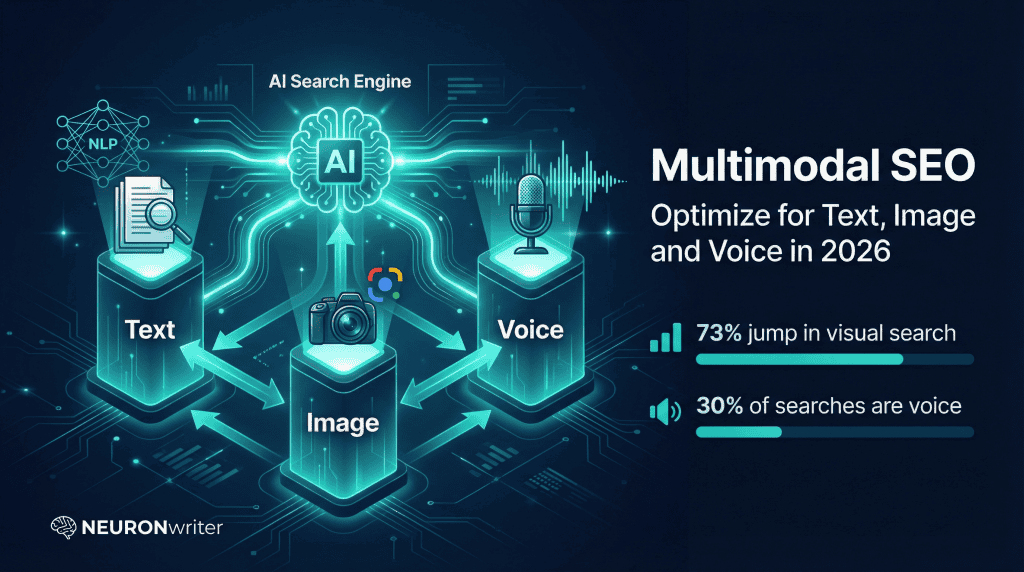
The visual search landscape is evolving rapidly. Google Lens now integrates deeply with multisearch, allowing users to combine an image with a text query like “similar but in blue.” This hybrid approach places even greater emphasis on the combination of strong visual signals and contextual text. Brands that align their product feeds with these multimodal queries will pull ahead.
Privacy and data usage also play an increasing role. Users are becoming more aware of what their camera sees, and platforms are responding with clearer opt-in flows. Trustworthy sites that demonstrate transparent data practices will be favored in visual search results partly because users are more likely to engage with brands they perceive as safe.
Additionally, the rise of on-device AI processing means visual search will get faster and more personal. Optimizing for visual search today is not a one-time project. It requires building a culture of visual content excellence—prioritizing original photography, consistent metadata management, and continuous testing across devices and platforms.
Finally, treat visual search SEO as a complement to, not a replacement for, your broader organic strategy. Text queries still drive the majority of search traffic, but visual discovery often captures users earlier in the inspiration and evaluation phases. A holistic approach that ties together text, image, and voice search optimization creates the strongest digital presence possible.
Frequently Asked Questions
What is AI Visual Search SEO?
AI Visual Search SEO is the practice of optimizing images and surrounding content so they can be discovered and ranked by search engines that use artificial intelligence to analyze visual input—such as Google Lens and Pinterest Lens—rather than text keywords. It involves high-quality imagery, structured data, descriptive metadata, and mobile-first technical performance.
How does Google Lens rank images?
Google Lens ranks images based on visual similarity between the query photo and indexed images, the contextual relevance of text on the page, the authority of the domain, and the quality of structured data like Product and ImageObject schema. Freshness and user engagement from Lens clicks also influence rankings over time.
Do alt tags still matter for visual search?
Yes, alt tags remain important because they provide a text bridge that helps AI models confirm what an image depicts. However, in visual search, alt text works in concert with computer vision analysis, not as a standalone ranking factor. A natural, accurate description is more valuable than keyword stuffing.
Can visual search SEO help my e-commerce sales?
Absolutely. Visual search users often have high purchase intent—imagine someone snapping a photo of a friend’s handbag in a café. By optimizing product images for Lens and Pinterest, you can capture that demand at the precise moment of inspiration and direct users to your product pages. Many retailers report higher conversion rates from visual search traffic compared to standard text search.
What’s the difference between visual search and reverse image search?
Reverse image search looks for exact or visually identical copies of an uploaded image, often used to find higher resolutions or track copyright. Visual search, powered by AI, understands the conceptual content of an image—identifying the type of object, style, or category—and returns results that are visually similar but not pixel-for-pixel copies. Visual search can recognize a chair as a mid-century modern design even if it has never seen that exact photograph before.
How can I check if my images appear in visual search results?
Use Google Search Console and filter the Performance report by search type “Web Light” or “Images.” Google Lens impressions are included there. For Pinterest, head to Pinterest Analytics and look at Pin impressions from Lens. You can also manually test by pointing Google Lens at your own product images in a controlled environment to see if your brand surfaces.
The Future Demands Visual Fluency
AI Visual Search SEO is no longer an experimental niche. With billions of Lens queries every month and visual search becoming a default behavior for younger demographics, businesses that ignore it will lose ground to competitors who embrace visual fluency. The core principles are clear: treat every image as a potential landing page, optimize it with the same care you would a text article, and never stop updating your visual assets as machine perception improves. Investing in original photography, robust schema, and a technically sound mobile experience today will pay dividends as camera-based discovery reshapes search engines for years to come.
Xem thêm:
- AI SEO Predictive Analytics: The Complete Guide to Forecasting Search Performance
- AI SEO Content Strategy: The Complete Blueprint for 2025 and Beyond
- How AI Affects SEO: The New Era of Search Intelligence
- AI SEO for Beginners: A Practical Guide to Boosting Your Rankings with Artificial Intelligence
- AI SEO Myths Debunked: The Truth About Ranking in the Age of Algorithms
Bài viết cùng chủ đề:

AI SEO SEO Automation with Make: The Complete Workflow Guide

AI SEO SEO Automation with Zapier: The Complete Workflow Guide

AI SEO SEO Automation with n8n: The Complete Workflow Guide
AI SEO SEO Automation with Gemini: The Complete Guide to Scaling Organic Growth

AI SEO SEO Automation with Claude: The Complete Guide to Scaling Content in 2025

AI SEO SEO Automation with ChatGPT: The Complete Playbook for 2025

AI SEO & SEO Automation for Affiliate Sites: The 2025 Playbook for Passive Income Growth
AI SEO & SEO Automation for Bloggers: The Complete Guide to Scaling Your Content

AI SEO & SEO Automation for Agencies: The Complete 2025 Playbook

AI SEO and SEO Automation for Ecommerce: The Complete Playbook for 2025

AI SEO & SEO Automation for WordPress: The Complete Playbook for 2025
AI SEO SEO Automation Strategy: The Complete Playbook for 2025

Mastering the AI SEO SEO Automation Process: A Complete Guide to Scaling Organic Growth
AI SEO SEO Automation System: The Complete Guide to Scaling Organic Growth in 2025
AI SEO SEO Automation Platform: The Complete Guide to Scaling Organic Growth in 2025
AI SEO SEO Automation Software: The Complete Guide to Scaling Organic Growth in 2025















