
No products in the cart.
Enterprise AI SEO: The Complete Guide to Scaling Organic Growth with Artificial Intelligence
31
Jul
Jul
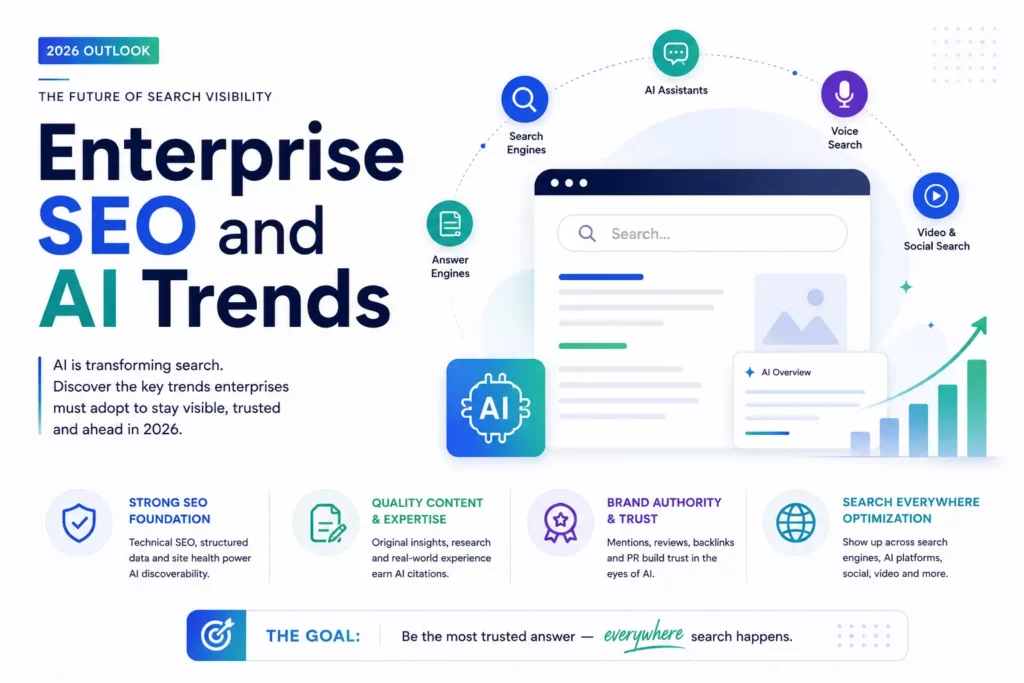
Enterprise AI SEO represents the convergence of artificial intelligence technologies with search engine optimization strategies at a scale that goes far beyond traditional tactics. For large organizations managing thousands of pages, multiple brands, and global audiences, the manual approach to SEO no longer suffices. AI-powered platforms now analyze search intent, predict ranking fluctuations, automate content optimization, and deliver insights that human teams alone cannot process at enterprise speed. This guide examines how AI transforms enterprise-level search strategies, what tools and processes matter, and how organizations can implement these systems without losing the human judgment that still drives quality.
What Is Enterprise AI SEO and Why It Matters Now
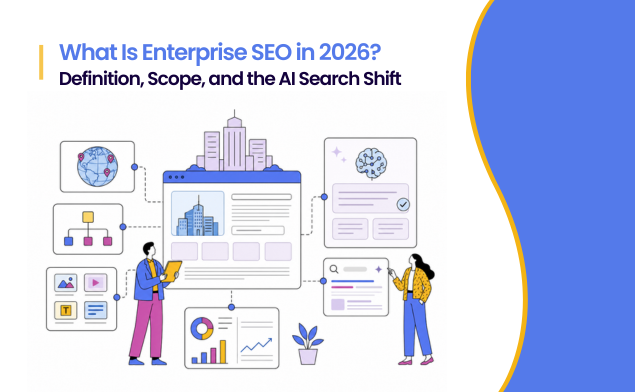
Enterprise AI SEO refers to the application of machine learning, natural language processing, and predictive analytics to optimize search visibility for large-scale websites. Unlike small business SEO, enterprise operations face unique challenges: thousands of content authors, complex site architectures, international targeting, and constant algorithm updates that can shift rankings overnight. The core value of AI in this context lies in automation and pattern recognition. AI systems can crawl millions of URLs, analyze competitor strategies, identify content gaps, and recommend optimizations in minutes—tasks that would take a human team weeks. More importantly, AI learns from performance data continuously, meaning every piece of content and every technical change feeds back into smarter recommendations. The timing matters because search engines themselves have become AI-driven. Google’s RankBrain and MUM systems interpret queries contextually, rewarding content that demonstrates topical authority and semantic depth. Enterprise SEO strategies that ignore AI risk optimizing for a search landscape that no longer exists.
The Core Components of an Enterprise AI SEO Stack
AI-Powered Keyword and Topic Clustering
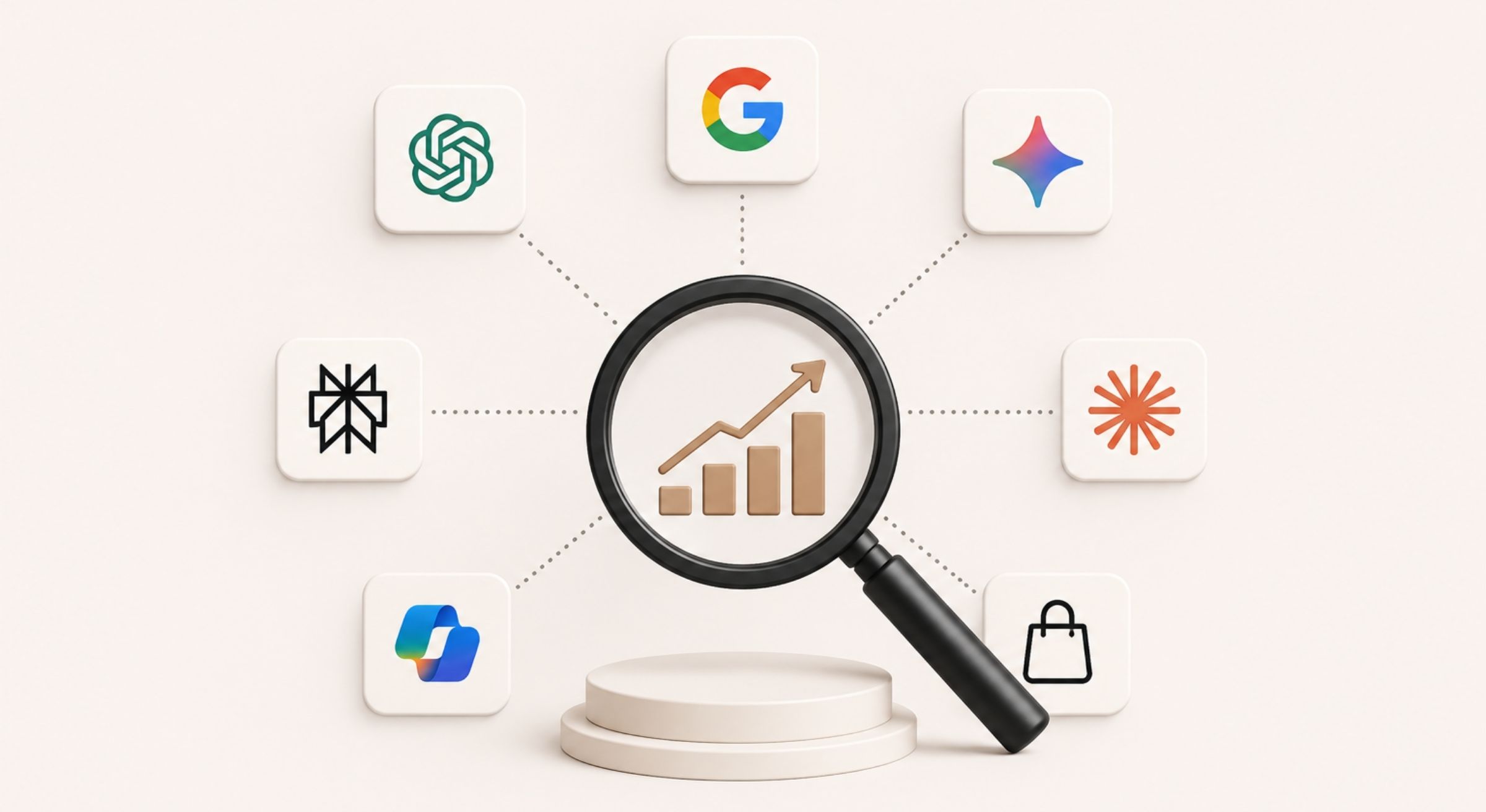
Traditional keyword research produces lists. AI-driven research produces topic clusters that reflect how search engines understand relationships between concepts. Enterprise platforms like BrightEdge, Conductor, and Semrush use machine learning to group keywords by search intent, identify semantic variations, and map content against competitor coverage. For an enterprise with 50,000 products, AI clustering prevents content cannibalization by automatically detecting when two pages target the same intent. The system can then recommend consolidation or differentiation strategies, saving editorial teams from making judgment calls on ambiguous overlaps.
Automated Technical SEO Auditing
Technical SEO at enterprise scale involves monitoring crawlability, indexation, page speed, structured data, and internal linking across thousands of templates. AI-powered crawlers like DeepCrawl and Lumar (formerly Botify) simulate search engine behavior and flag issues based on priority scores. These platforms use machine learning to distinguish between critical errors and benign anomalies. For example, an AI system learns that a specific URL parameter pattern consistently causes crawl waste, then automatically generates a fix recommendation for the engineering team. This reduces the noise that plagues manual technical audits.
Content Generation and Optimization at Scale
AI writing assistants have matured beyond simple article generation. Enterprise-grade tools like MarketMuse, Clearscope, and Frase analyze top-ranking content for a given query, extract semantic entities, and provide real-time optimization scores. They guide writers on which subtopics to cover, how to structure headings, and where to place key terms naturally. For enterprises producing localized content across dozens of languages, AI translation combined with SEO optimization ensures that keyword intent carries across cultures. The AI doesn’t just translate words; it adapts the content structure to match local search behavior.
Predictive Analytics and Rank Tracking
Enterprise AI SEO platforms now offer predictive ranking models. By analyzing historical SERP volatility, algorithm update patterns, and competitor movements, these systems forecast which pages are at risk of losing rankings and which opportunities are emerging. This shifts SEO from a reactive discipline to a proactive one. Instead of discovering a traffic drop after it happens, enterprise teams receive alerts weeks in advance, allowing them to refresh content or adjust internal linking before the impact materializes.
How Enterprise AI SEO Differs from Traditional SEO Approaches
| Aspect | Traditional SEO | Enterprise AI SEO |
|---|---|---|
| Scale of analysis | Hundreds of keywords manually reviewed | Millions of queries and pages processed automatically |
| Content optimization | Human judgment based on experience | Data-driven recommendations with semantic scoring |
| Speed of iteration | Weekly or monthly reporting cycles | Real-time adjustments and continuous learning |
| Competitor monitoring | Manual checks of top-ranking pages | Automated tracking of competitor content changes and backlink patterns |
| Error detection | Periodic audits with manual prioritization | Continuous crawling with AI-driven severity assessment |
| Personalization | One-size-fits-all keyword targeting | Intent-based segmentation across user journeys |
The fundamental difference is not just automation but intelligence. Traditional SEO relies on static rules and historical best practices. Enterprise AI SEO adapts in real time, learning from the interaction between content, user behavior, and search engine responses.
Benefits of Implementing Enterprise AI SEO
Significant Time and Resource Savings
A global e-commerce company with 200,000 product pages cannot manually review each one for optimization opportunities. AI systems audit every page, identify the top 500 that need immediate attention, and provide specific recommendations. This allows a small SEO team to achieve what would require a department of fifty analysts.
Improved Accuracy in Decision Making
Human bias often leads to overconfidence in certain content formats or keyword strategies. AI removes this bias by relying purely on performance data. If a particular heading structure consistently underperforms, the system flags it regardless of how much the editorial team likes that style.
Enhanced Ability to Scale Content Operations
Enterprise organizations often struggle to produce enough content to cover their topical landscape. AI assists in outlining, drafting, and optimizing content, enabling teams to publish three to five times more pages without sacrificing quality. The AI handles the repetitive aspects of research and formatting while human writers focus on unique insights and brand voice.
Better Alignment with Search Engine Algorithms
Search engines increasingly reward sites that demonstrate entity-based authority. AI SEO tools help enterprises build this authority by identifying the entities (people, places, products, concepts) that matter in their industry and ensuring comprehensive coverage across all related subtopics.
Limitations and Risks of Enterprise AI SEO
Data Quality Dependency
AI models are only as good as the data they receive. If an enterprise’s analytics tracking is broken, or if historical data contains biases, the A Regular data hygiene audits remain essential.
Over-Optimization and Loss of Human Touch
Content that follows AI recommendations too rigidly can become formulaic and lose the nuance that builds trust with readers. Search engines increasingly detect and devalue content that lacks genuine human perspective. The best enterprise strategies use AI as a guide, not a replacement for editorial judgment.
High Implementation Costs
Enterprise AI SEO platforms typically cost between $30,000 and $150,000 annually, depending on the scale of crawling and features. Integration with existing CMS, analytics, and workflow tools also requires engineering resources. Organizations must calculate ROI carefully before committing.
Algorithm Black Boxes
Some AI tools provide recommendations without explaining the underlying reasoning. This makes it difficult for SEO teams to justify decisions to stakeholders or to adapt when the AI’s logic changes. Choosing platforms with transparent scoring models mitigates this risk.
Practical Implementation Guide for Enterprise AI SEO
Step 1: Audit Your Current Data Infrastructure
Before investing in AI tools, ensure your analytics, search console, and CMS data are clean and accessible. AI platforms need APIs to pull data, so verify that your technical stack supports integration. Establish a single source of truth for performance metrics across all brands and regions.
Step 2: Select Platforms That Match Your Maturity Level
Not every enterprise needs the most expensive AI suite. Start with a tool that addresses your biggest pain point. If content quality is the issue, invest in an optimization platform like MarketMuse. If technical issues dominate, prioritize a crawler with AI capabilities. Expand your stack only after demonstrating ROI on the initial investment.
Step 3: Define Clear Governance and Workflows
AI recommendations require human approval before implementation. Establish a workflow where AI flags opportunities, SEO managers review and prioritize, and content teams execute. Document the decision-making criteria so that the process remains consistent even as team members change.
Step 4: Train Your Teams on AI Interpretation
The most sophisticated AI platform fails if the team cannot interpret its outputs. Invest in training sessions that teach SEO analysts how to read predictive scores, understand semantic gap analyses, and translate AI recommendations into actionable content briefs.
Step 5: Start with a Pilot Project
Choose one business unit or one content cluster to test your enterprise AI SEO workflow. Measure performance against a control group that uses traditional methods. After 60 to 90 days, compare organic traffic, keyword rankings, and conversion rates to determine whether the AI approach delivers measurable improvements.
Step 6: Scale Based on Evidence
Once the pilot shows positive results, expand the AI implementation to other business units. Continuously monitor the AI’s accuracy by comparing its predictions against actual outcomes. Adjust training data and parameters as needed to improve performance over time.
Common Mistakes in Enterprise AI SEO and How to Avoid Them
Mistake 1: Treating AI as a Replacement for SEO Strategy
AI optimizes execution, but it does not define strategy. Enterprises that expect AI to tell them which markets to enter or which products to prioritize will be disappointed. The strategic direction must come from business goals and human market understanding.
Mistake 2: Ignoring the Human Review Process
Publishing AI-generated content without human editing leads to factual errors, brand voice inconsistencies, and potential compliance issues. Always have a subject matter expert review AI output before publication, especially for regulated industries like finance or healthcare.
Mistake 3: Focusing Only on Rankings, Not Revenue
Enterprise AI SEO tools often optimize for traffic and rankings, but those metrics do not always correlate with revenue. Integrate conversion data into your AI models so that the system learns which keywords and content types actually drive business outcomes.
Mistake 4: Overlooking International SEO Nuances
AI models trained on English-language data may not perform well for other languages. Ensure your AI tools support multilingual analysis and that your training data includes examples from each target market. Cultural context matters for search intent.
Mistake 5: Failing to Update AI Models Regularly
Search behavior changes seasonally and with cultural shifts. An AI model trained on last year’s data will make outdated recommendations. Schedule quarterly model refreshes and incorporate new performance data continuously.
Important Notes for Enterprise AI SEO Success
The relationship between AI and SEO is symbiotic. AI provides the analytical horsepower to process vast amounts of data, while human expertise provides the creativity, ethical judgment, and strategic vision that algorithms lack. Enterprises that succeed treat AI as an augmentation of their team, not a replacement. Data privacy and compliance also demand attention. AI tools that process user behavior data must comply with GDPR, CCPA, and other regulations. Ensure your vendor agreements specify data handling practices and that your legal team reviews all integrations. Finally, remember that search engines are also evolving. Google’s continuous updates to its AI systems mean that what works today may not work next year. Enterprise AI SEO strategies must include a feedback loop that monitors algorithm changes and adjusts tactics accordingly.
Frequently Asked Questions About Enterprise AI SEO
What is the difference between enterprise AI SEO and regular SEO tools?
Enterprise AI SEO tools are designed for organizations with large, complex websites and multiple stakeholders. They offer advanced crawling capabilities, predictive analytics, and machine learning models that adapt to your specific data. Regular SEO tools typically focus on keyword tracking and basic audits, which are insufficient for the scale and complexity of enterprise operations.
How much does enterprise AI SEO cost?
Pricing varies widely based on the platform and the scale of usage. Entry-level enterprise platforms start around $30,000 per year, while comprehensive solutions with full API access and dedicated support can exceed $150,000 annually. Custom implementations with data science consulting cost even more. Most vendors offer tiered pricing based on the number of pages crawled and features used.
Can AI completely replace human SEO specialists?
No. AI excels at data processing, pattern recognition, and repetitive tasks, but it lacks the contextual understanding, creative problem-solving, and strategic thinking that experienced SEO professionals bring. The most effective enterprise teams combine AI insights with human judgment to make final decisions about content quality, brand alignment, and risk tolerance.
How long does it take to see results from enterprise AI SEO?
Initial improvements in technical issues and content optimization can appear within 30 to 60 days. However, significant organic traffic growth typically takes three to six months as search engines crawl and index the changes. Predictive analytics models need at least one full quarter of data to generate reliable forecasts.
What are the best enterprise AI SEO platforms in 2025?
Leading platforms include BrightEdge with its Content Intelligence and Data Cube features, Conductor for its AI-driven content recommendations, Semrush for comprehensive keyword and competitor analysis, MarketMuse for content optimization, and Lumar for technical crawling. The best choice depends on your specific needs, budget, and existing technology stack.
How does enterprise AI SEO handle multiple languages and regions?
Advanced platforms support hreflang management, localized keyword research, and content optimization for multiple languages. AI models can be trained on regional search data to understand local intent and cultural nuances. However, enterprises must ensure that their AI tools have sufficient data for each market, as smaller markets may lack the volume needed for accurate predictions.
Is enterprise AI SEO worth the investment for mid-sized companies?
Mid-sized companies with fewer than 10,000 pages may find that standard SEO tools combined with manual analysis provide sufficient value. The high cost of enterprise platforms only makes sense when the complexity of your site and the volume of content justify the automation. Start with a pilot to test whether the ROI materializes for your specific situation.
Conclusion: The Future of Enterprise AI SEO
Enterprise AI SEO is no longer an experimental technology but a necessary capability for organizations that compete in the digital landscape. The volume of data, the speed of algorithm changes, and the complexity of global operations make manual SEO management impossible at scale. AI provides the analytical foundation that allows enterprise teams to make faster, more accurate decisions about content, technical infrastructure, and market opportunities. The organizations that will lead their industries are those that embrace AI as a strategic partner while maintaining the human oversight that ensures quality, ethics, and brand integrity. The future belongs to teams that combine the best of both worlds: the computational power of AI and the contextual wisdom of experienced professionals. As search engines continue to evolve, enterprise AI SEO will remain a dynamic field, requiring continuous learning and adaptation. The investment in these capabilities today will determine your organic visibility for years to come.
Xem thêm:
- AI SEO SOP: The Definitive Guide to Systemizing Your Search Growth Workflow
- AI SEO Internal Link Suggestions: The Complete Guide to Smarter Site Architecture
- AI SEO Strategy: The Complete Guide to Ranking with Artificial Intelligence in 2025
- AI SEO Content Clusters: The Complete Strategy for Dominating Search Rankings in 2025
- ChatGPT SEO: The Ultimate Guide to AI-Powered Search Engine Optimization
Bài viết cùng chủ đề:

AI SEO SEO Automation with Make: The Complete Workflow Guide

AI SEO SEO Automation with Zapier: The Complete Workflow Guide

AI SEO SEO Automation with n8n: The Complete Workflow Guide
AI SEO SEO Automation with Gemini: The Complete Guide to Scaling Organic Growth

AI SEO SEO Automation with Claude: The Complete Guide to Scaling Content in 2025

AI SEO SEO Automation with ChatGPT: The Complete Playbook for 2025

AI SEO & SEO Automation for Affiliate Sites: The 2025 Playbook for Passive Income Growth
AI SEO & SEO Automation for Bloggers: The Complete Guide to Scaling Your Content

AI SEO & SEO Automation for Agencies: The Complete 2025 Playbook

AI SEO and SEO Automation for Ecommerce: The Complete Playbook for 2025

AI SEO & SEO Automation for WordPress: The Complete Playbook for 2025
AI SEO SEO Automation Strategy: The Complete Playbook for 2025

Mastering the AI SEO SEO Automation Process: A Complete Guide to Scaling Organic Growth
AI SEO SEO Automation System: The Complete Guide to Scaling Organic Growth in 2025
AI SEO SEO Automation Platform: The Complete Guide to Scaling Organic Growth in 2025
AI SEO SEO Automation Software: The Complete Guide to Scaling Organic Growth in 2025















