
No products in the cart.
Gemini SEO: Mastering Search Optimization in Google’s AI-First Era
29
Jul
Jul
The landscape of search engine optimization is shifting faster than ever, and at the heart of this transformation is Google’s most advanced AI model: Gemini. For years, SEO professionals have focused on backlinks, keyword density, and meta tags. Now, a new discipline is emerging—Gemini SEO. This approach redefines how we create, optimize, and distribute content to align with how Google’s AI interprets and ranks information. Ignoring Gemini SEO means risking invisibility in the new search results, where AI-generated overviews, multimodal queries, and conversational answers dominate the page.
Understanding how Gemini models process language, images, and user intent is no longer optional. It is the foundation of future-proof digital strategy. This guide will walk you through every essential layer of Gemini SEO, from the core mechanics of Google’s AI to actionable frameworks that improve your visibility across both traditional search and AI-powered experiences.
What Is Gemini SEO?
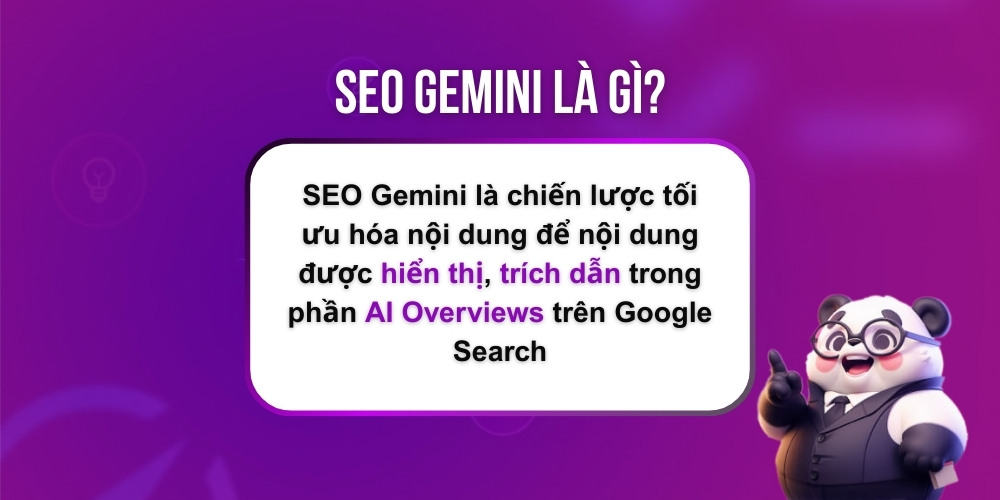
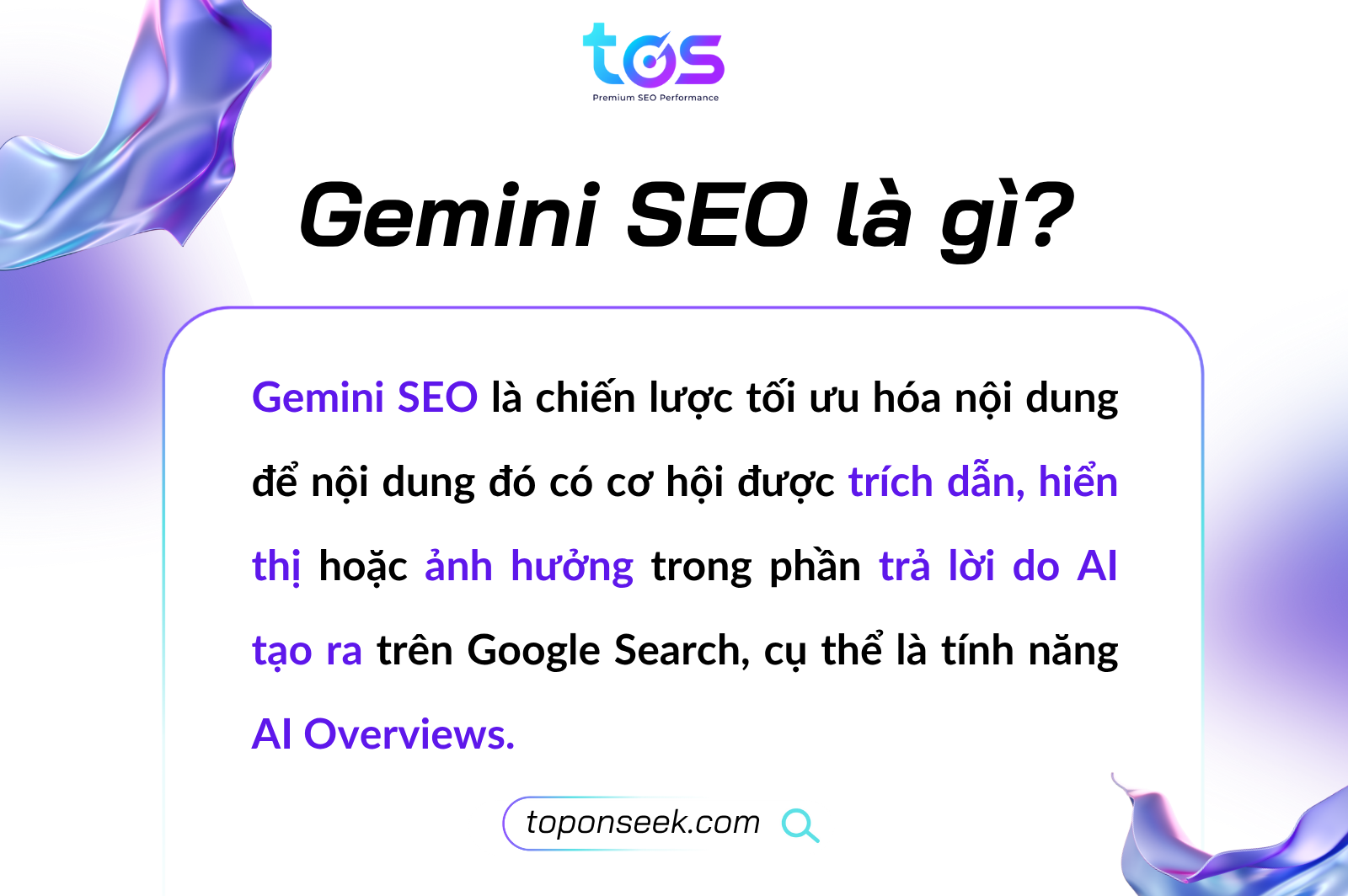
Gemini SEO is the practice of optimizing digital content so it can be accurately understood, evaluated, and surfaced by Google’s Gemini family of multimodal AI models. Unlike traditional SEO, which heavily relied on matching text strings and link authority, Gemini SEO requires designing content that satisfies the AI’s deep understanding of context, entities, relationships, and user intent. It covers everything from structuring data for large language models to crafting pages that earn a place in AI-generated snapshots, formerly known as Search Generative Experience.
Gemini is not just a single algorithm update. It is a foundational shift in Google’s entire search architecture. The model processes text, images, video, and audio simultaneously, meaning your SEO efforts must address far more than on-page copy. A properly executed Gemini SEO strategy accounts for semantic richness, information gain, entity salience, speed, and trust signals that the model uses to select and rank sources in real time.
Why Gemini SEO Matters Now
Google has integrated Gemini directly into the core ranking systems and the AI Overview feature that appears at the top of search results. When users ask complex questions, Gemini synthesizes an answer from multiple high-quality sources. If your content is the source, you earn unprecedented visibility. If not, you lose traffic even when ranking in traditional blue links, because the AI answer often fulfills the query without a click. Gemini SEO bridges that gap by ensuring your content becomes the model’s preferred reference.
How the Gemini Model Works and Its SEO Implications
To master Gemini SEO, you need to understand the engine under the hood. Gemini is natively multimodal—built from the ground up to reason across text, images, code, and video. For SEO, this means the model evaluates not just the words on your page but also the meaning, the visual context, and how information connects across the web. Gemini uses a Mixture-of-Experts architecture, activating specialized sub-models for specific types of content. This enables it to handle everything from short fact-check queries to multi-step troubleshooting that spans paragraphs, diagrams, and videos.
The Shift from Keywords to Conceptual Entities
Classic SEO trained us to think in terms of primary and secondary keywords. Gemini SEO demands a shift toward entities, attributes, and relationships. When analyzing a page about “solar panel installation,” Gemini maps concepts like photovoltaic cells, inverter types, local rebates, and roof angle calculation. It cross-references them against its knowledge graph to assess completeness and authority. Your content must explicitly connect these entities with clear, descriptive language. A thin page that simply repeats “solar panel installation” twenty times will fail, while a comprehensive guide that explains each sub-topic in a logically interconnected way will thrive.
Multimodal Signals and Content Enhancement
Gemini doesn’t read your page in isolation—it “sees” the images, charts, and even video thumbnails. An article with a detailed infographic explaining energy efficiency ratings receives stronger entity reinforcement than one with a generic stock photo. For Gemini SEO, every visual element must serve a purpose: descriptive alt text that names the depicted object, chart titles that match the surrounding text’s topic, and video embeds that add unique value. The model cross-references visual and textual data, and when they align, your content earns higher trust scores.
Core Pillars of a Gemini SEO Strategy
Effective Gemini SEO rests on four foundational pillars: content depth and information gain, structured data and entity clarity, experience-based trust signals, and technical performance optimized for AI crawling. Each pillar reinforces the others, creating a complete signal package that makes your site the obvious choice for Gemini’s synthesis engine.
1. Information Gain Over Basic Answers
Google’s AI no longer rewards content that merely repeats what twenty other pages already say. Gemini evaluates information gain—the unique value your page adds compared to the top-ranking competitors. To satisfy this, every piece of content should include original research, expert interviews, proprietary data, case studies, or unique use cases. For example, a review of accounting software could include a downloadable spreadsheet comparing transaction limits across plans, something only you created. Gemini recognizes that original contribution and prioritizes it as a source for AI Overviews.
2. Entity-Based Structured Data
Schema markup remains essential but must evolve beyond basic organization types. For Gemini SEO, leverage Organization, Person, WebPage, FAQ, and HowTo schemas extensively, but also use sameAs links to your Wikipedia, Wikidata, and official profiles. This helps Gemini resolve ambiguous entities. If your brand name coincides with a common term, robust entity linking via structured data and external authority pages clarifies exactly who you are. Also, deploy mentions schema to explicitly tag the entities discussed in your article, helping the model build a precise knowledge graph of your page.
3. Experience and First-Hand Proof
Gemini weights content that demonstrates genuine firsthand experience. This aligns with Google’s E-E-A-T guidelines but goes deeper: the AI can detect patterns in language that suggest personal involvement. Narratives that include specific challenges, timeframes, measurements, and original photos signal authenticity. An article about hiking the Pacific Crest Trail written by someone who includes gear lists with exact weights, trailhead coordinates, and personal anecdotes will outperform a generic travel blog. For Gemini SEO, infuse your content with concrete details that only a real human with actual experience could provide.
4. Technical Delivery at AI Scale
Gemini often pre-fetches and processes content before a user hits enter. Your pages must render instantly, with a spotless Core Web Vitals profile. A slow Largest Contentful Paint or layout shift can cause the AI to drop your page from consideration for an AI Overview. Additionally, serve content in clean HTML with minimal reliance on JavaScript for critical text. The Googlebot that powers Gemini needs to parse meaning without executing heavy client-side scripts. For critical data, consider server-side rendering or static generation. Also, ensure your robots.txt allows Google-Extended (the AI crawler) to access key pages, unless you specifically want to block AI training without losing search indexing.
Optimizing Content for AI Overviews (Formerly SGE)
AI Overviews represent the most visible battleground for Gemini SEO. These AI-generated answer boxes appear above the traditional results, often for informational, comparison, and decision-making queries. Your goal is to become the cited source inside that snapshot. Citations drive significant brand exposure and traffic, even when users don’t click through immediately. The mechanics of being selected differ from earning a blue link rank.
Structuring Content for Snapshot Extraction
Gemini reads content with a top-down priority, scanning headings, lists, and clearly demarcated sections. Use a deliberate structure: start with a concise answer or definition in the first 60 words, immediately followed by supporting bullet points or a numbered list that breaks down key aspects. After that, expand into deeper detail. This gives the model a clean summary to extract for the Overview while confirming your page’s depth with the subsequent content. Avoid burying the core answer under long introductions.
Optimizing for Multimodal Queries
As users increasingly search with images and voice, Gemini SEO extends to visual and auditory content. Upload original images with descriptive file names and rich alt text that describe exactly what the image contains and how it relates to the topic. For product pages, provide multiple high-resolution images showing the item from different angles, in use, and with scale references. Gemini can extract information directly from these visuals to answer visual search queries, so treat image metadata as a primary SEO asset.
How to Use Gemini Itself as an SEO Tool
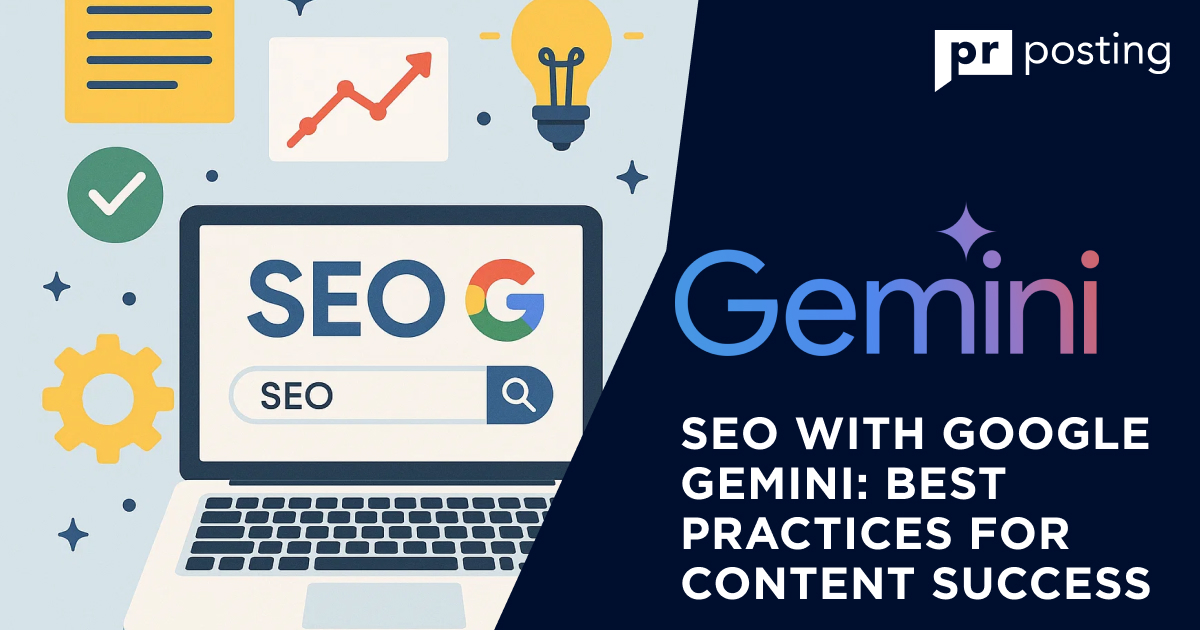
Beyond optimizing for Gemini, you can integrate the AI directly into your SEO workflows. Gemini Advanced, accessible through Google AI Studio and the API, can assist with content research, semantic gap analysis, and even technical audits. Using Gemini as a copilot accelerates many tedious SEO tasks while giving you direct insight into how the model thinks.
Semantic Content Gap Analysis
Give Gemini a list of top-ranking URLs for your target query and ask it to extract all entities, subtopics, and data points covered across them. Then analyze your own draft against that list. Gemini can highlight missing entities, thin sections, and opportunities for information gain. For example, if all competitors discuss “energy storage capacity” but your article skips it, Gemini flags the gap. This mimics how Google’s ranking-side Gemini evaluates completeness, so aligning your content to the model’s own recommendations is a powerful Gemini SEO tactic.
Generating Entity-Rich Outlines
Rather than using generic keyword research tools, instruct Gemini to produce an outline for a high-value article based on real search intent, including subtopics, questions, and LSI terms it considers essential. You can then validate and expand that outline with human expertise. This approach ensures your foundational structure matches the AI’s semantic expectations from the start.
Schema Validation and Enhancement
Gemini can audit your existing structured data. Feed it your JSON-LD markup and ask it to identify missing recommended properties for your content type based on Schema.org and Google’s guidelines. It can also suggest additional entity connections to reinforce the knowledge graph. This kind of AI-assisted audit strengthens the technical backbone of your Gemini SEO without requiring manual spec study.
Comparing Traditional SEO and Gemini SEO
The table below distills the major operational differences. Understanding this contrast is essential for transitioning your strategy.
| Aspect | Traditional SEO | Gemini SEO |
|---|---|---|
| Core Focus | Keywords, backlinks, on-page tags | Entities, information gain, multimodal signals |
| Content Evaluation | Keyword density, word count, domain authority | Conceptual completeness, originality, experiential proof |
| Ranking Mechanism | Algorithmic scoring of individual pages | AI synthesis across multiple sources, dynamic citation selection |
| Visual Content | Alt text for accessibility, image file name | Deep multimodal understanding, image content feeds ranking directly |
| Technical Priority | Page speed, mobile-friendliness | AI crawl efficiency, clean HTML parsing, real-time rendering |
| Authority Signals | Backlink quantity, domain age | Entity recognition, knowledge graph presence, experience markers |
Common Gemini SEO Mistakes to Avoid
As marketers rush to adapt, many fall into traps that actually harm their visibility. Recognizing these pitfalls will save you months of wasted effort.
- Keyword stuffing in the AI age. Repeating a phrase endlessly does not convince Gemini; it signals thin, manipulative content. The model easily sees through old-school tactics and demotes pages that lack substance.
- Publishing AI-spun content without human expertise. If you use generative AI to write entire pages without adding genuine data, original analysis, or personal experience, Gemini detects the lack of unique value. Such content rarely sources AI Overviews and often struggles in regular rankings.
- Ignoring structured data for entities. Without clear entity markup, Gemini may misattribute your brand or confuse your content’s subject. Ambiguous entities are the fastest way to lose citation opportunities.
- Treating images as an afterthought. Stock photos with generic file names like “IMG_001.jpg” and no alt text are invisible to multimodal search. They add zero value in a Gemini SEO world where images can drive traffic independently.
- Blocking AI crawlers incorrectly. Some webmasters block Google-Extended to prevent their content from training AI models, mistakenly assuming this also blocks AI Overviews. In fact, Google treats training data collection and search indexing as separate. Blocking Googlebot will tank your SEO; blocking Extended only stops training usage, not appearance in AI features, though Google may favor content with fewer restrictions. Research before modifying robots.txt.
- Neglecting content freshness for AI synthesis. Gemini prefers current data for time-sensitive queries. A page last updated three years ago with outdated statistics will be overlooked in favor of recently refreshed sources, even if the older page once ranked well.
Practical Workflow: Implementing Gemini SEO From Scratch
Step 1: Entity and Intent Mapping
Identify the core entity your page represents and all related entities. For a local service business, map the service entity, location entities, problem entities, and solution entities. Use Google’s Natural Language API or even Gemini itself to extract entities from top-ranking pages and build a completeness matrix.
Step 2: Content Audit With Information Gain Scoring
For each important page, list every unique fact, statistic, example, or visual that does not appear on competitor pages. Score your content on uniqueness density. If the score is low, enrich the page with original research, proprietary data, or expert commentary.
Step 3: Structured Data Overhaul
Implement full entity markup using JSON-LD. Connect your brand to Wikidata, Wikipedia, and official social profiles via sameAs. Add mentions where relevant. Validate everything in Google’s Rich Results Test, but remember that Gemini considers schema even if it doesn’t produce a rich snippet.
Step 4: Multimodal Asset Optimization
Replace generic images with original charts, infographics, and photographs. Rename files descriptively (e.g., “rooftop-solar-panel-installation-angle-diagram.jpg”). Write alt text that explains the content and its relationship to the main topic. When possible, include short videos that demonstrate key concepts, embedded with a clear description and captions.
Step 5: Speed and Render Check
Run all critical pages through PageSpeed Insights and ensure mobile Core Web Vitals pass. Use Chrome DevTools to simulate rendering with JavaScript disabled: if critical text disappears, refactor to server-side rendering. Test fetch and render in Google Search Console.
Step 6: Monitor AI Overview Citations
Use rank tracking tools that now include AI Overview monitoring, such as Semrush or ZipTie. Track which queries trigger AI snapshots and whether your domain appears as a citation. When you see a competitor cited instead, reverse-engineer their page structure, entity coverage, and experience signals.
Frequently Asked Questions About Gemini SEO
What is Gemini SEO, and how does it differ from traditional SEO?
Gemini SEO is the practice of optimizing content for Google’s Gemini AI model, focusing on entity recognition, information gain, and multimodal signals rather than just keywords and backlinks. Traditional SEO prioritizes ranking blue links; Gemini SEO also aims to become the cited source in AI-generated Overviews and visual search results.
Can AI-generated content rank in Gemini’s search results?
AI-written content can rank if it is heavily enhanced with human expertise, original data, and firsthand insights. Pure AI text without unique value performs poorly because Gemini is trained to detect low information gain. The winning formula combines AI-assisted research with deep human editing and proprietary details.
Do I need to block Google-Extended to protect my content from AI training?
Blocking Google-Extended via robots.txt prevents your content from being used to train future AI models, but it does not stop your pages from appearing in AI Overviews or search results. However, Google may eventually favor content that allows training access, so weigh the brand control benefits against potential visibility trade-offs.
How do I get my website cited in Google’s AI Overviews?
To earn citations, create content that directly answers the query in the first paragraph, supports it with structured lists, and provides depth through unique data and expert commentary. Entity-rich schema markup, fast loading, and clear visual assets also increase your selection probability. Consistent citation across multiple relevant queries requires building deep topical authority.
Which tools can help with Gemini SEO implementation?
Essential tools include Google Search Console for indexing, Schema Markup Validator for entity data, Semrush or Ahrefs for entity gap analysis, PageSpeed Insights for Core Web Vitals, and Gemini API or AI Studio for content analysis and outline generation. Additionally, original photography and diagramming tools strengthen multimodal signals.
Does Gemini SEO make backlinks obsolete?
Backlinks are not obsolete but their role has shifted. Gemini still uses link authority as a trust anchor, especially when links come from highly relevant, authoritative sources. However, a page with strong information gain and entity signals can outrank older pages with more links but thin content. The best approach combines link building with the content depth that Gemini rewards.
Final Perspective on Succeeding With Gemini SEO
Gemini SEO represents a maturation of search, not a destruction of everything that came before. Core principles of creating helpful, reliable, people-first content remain enormously relevant. What has changed is the standard of proof and the mediums of communication. Google’s Gemini models demand that content be substantively unique, richly connected to the world’s knowledge graph, and delivered through a technically flawless, multimodal framework.
Brands and content creators who invest now in entity-based architecture, information gain, and authentic experience signals will find themselves not only ranking but becoming the authoritative voice that Gemini quotes. Those who cling to outdated keyword tactics or churn out generic AI text will see their digital footprint shrink, edged out by competitors who treat AI as a partner rather than a shortcut. The future of search is not a mystery—it’s a blueprint, and Gemini SEO is how you build it.
Xem thêm:
- AI SEO Tools: The Complete Guide to Automating Search Rankings Without Losing the Human Touch
- AI SEO Category Optimization: The Complete Playbook for 2025
- AI SEO Automated Keyword Research: The Complete Guide to Scaling Content Strategy
- AI SEO for Affiliate Marketing: The 2025 Playbook for Dominating Search and Commissions
- AI SEO Backlink Prospects: The Complete Guide to Smarter Link Building in 2025
Bài viết cùng chủ đề:

AI SEO SEO Automation with Make: The Complete Workflow Guide

AI SEO SEO Automation with Zapier: The Complete Workflow Guide

AI SEO SEO Automation with n8n: The Complete Workflow Guide
AI SEO SEO Automation with Gemini: The Complete Guide to Scaling Organic Growth

AI SEO SEO Automation with Claude: The Complete Guide to Scaling Content in 2025

AI SEO SEO Automation with ChatGPT: The Complete Playbook for 2025

AI SEO & SEO Automation for Affiliate Sites: The 2025 Playbook for Passive Income Growth
AI SEO & SEO Automation for Bloggers: The Complete Guide to Scaling Your Content

AI SEO & SEO Automation for Agencies: The Complete 2025 Playbook

AI SEO and SEO Automation for Ecommerce: The Complete Playbook for 2025

AI SEO & SEO Automation for WordPress: The Complete Playbook for 2025
AI SEO SEO Automation Strategy: The Complete Playbook for 2025

Mastering the AI SEO SEO Automation Process: A Complete Guide to Scaling Organic Growth
AI SEO SEO Automation System: The Complete Guide to Scaling Organic Growth in 2025
AI SEO SEO Automation Platform: The Complete Guide to Scaling Organic Growth in 2025
AI SEO SEO Automation Software: The Complete Guide to Scaling Organic Growth in 2025















