
No products in the cart.
AI SEO Social Distribution: The Complete Guide to Automated Content Amplification

10
Aug
Aug
AI SEO Social Distribution represents the convergence of artificial intelligence, search engine optimization, and automated content sharing across social platforms. This approach uses machine learning algorithms to determine the optimal timing, platform selection, and content formatting for maximum organic reach. Modern marketing teams leverage AI SEO Social Distribution to streamline their workflows while improving engagement metrics across multiple channels simultaneously.
Understanding AI SEO Social Distribution
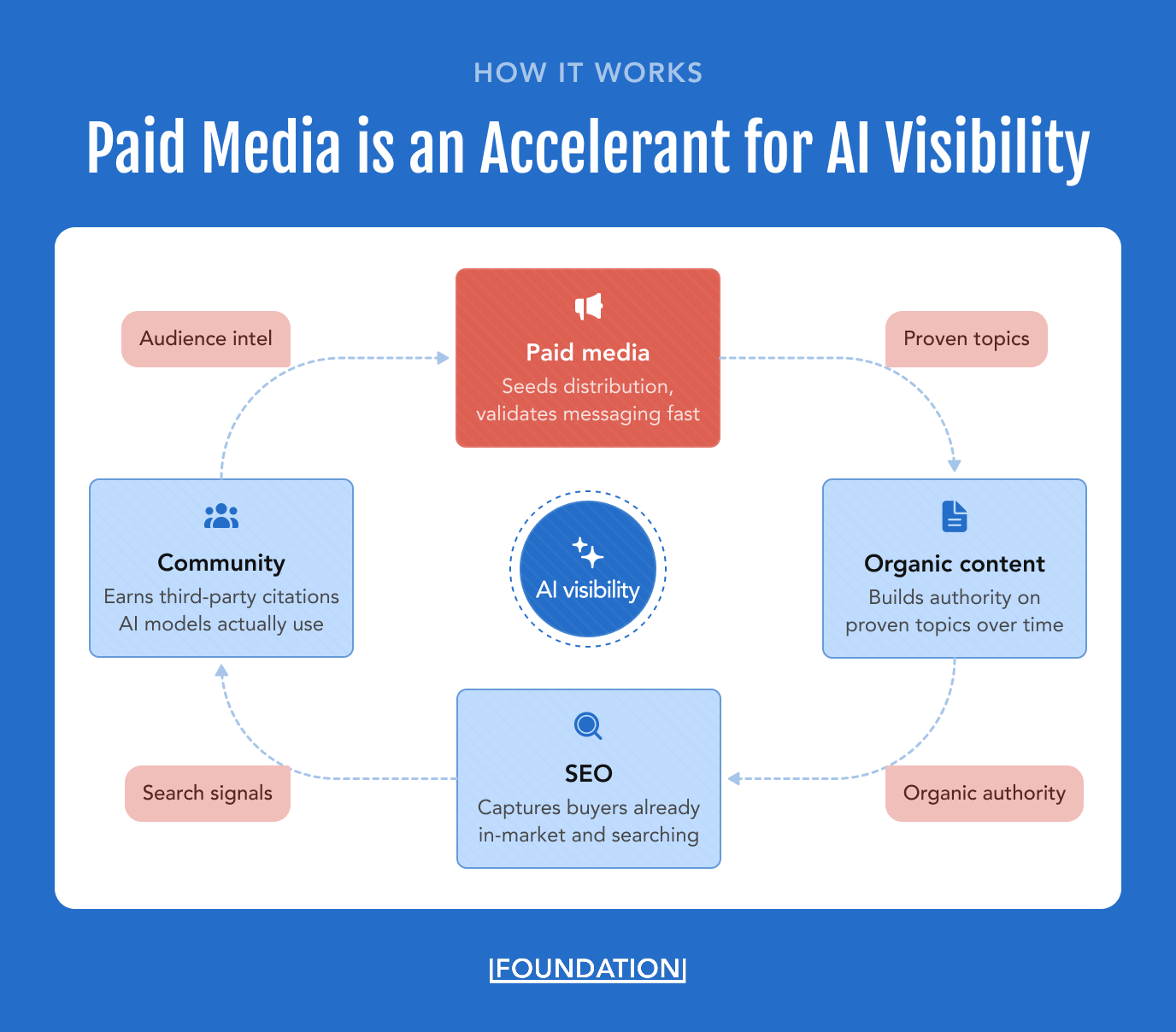
AI SEO Social Distribution refers to the automated process of analyzing, optimizing, and disseminating content across social networks using artificial intelligence tools. These systems evaluate search intent, trending topics, and user behavior patterns to distribute content strategically. The technology examines thousands of data points, including click-through rates, engagement patterns, and search volume data, to make real-time distribution decisions.
The core objective involves maximizing content visibility while minimizing manual effort. Traditional social media management requires significant human intervention for scheduling, platform-specific customization, and performance tracking. AI-powered systems handle these tasks automatically, learning from past performance to improve future distribution strategies.
How AI Transforms Social Distribution
Machine learning algorithms process vast amounts of social data to identify patterns that human marketers might miss. These systems analyze which content types perform best on specific platforms, what time frames generate optimal engagement, and how different audience segments respond to various messaging styles. The AI continuously refines its distribution parameters based on real-time performance metrics.
Natural language processing capabilities enable AI systems to understand content context and sentiment. This understanding allows for intelligent content adaptation, ensuring that the same core message resonates appropriately across LinkedIn, Twitter, Facebook, and emerging platforms. The technology also monitors competitor activities and industry trends to identify distribution opportunities before they become saturated.
Core Components of AI SEO Social Distribution Systems
Modern AI SEO Social Distribution platforms consist of several integrated components that work together to automate and optimize content sharing. Understanding these elements helps marketing teams select appropriate tools and implement effective strategies.
Content Analysis Engine
The content analysis engine examines articles, blog posts, videos, and infographics to extract key themes, keywords, and value propositions. This component identifies the primary SEO focus and determines how to position the content for different social audiences. The engine evaluates readability scores, sentiment, and topical relevance to generate platform-specific recommendations.
Audience Segmentation Module
This module creates detailed audience profiles based on demographic data, behavioral patterns, and engagement history. The AI segments audiences into distinct groups with similar characteristics, allowing for personalized content distribution. Each segment receives tailored messaging that aligns with their specific interests and content consumption habits.
Predictive Analytics Framework
Predictive analytics capabilities forecast content performance across different platforms and time slots. The system analyzes historical data to identify trends, seasonal patterns, and emerging topics. These predictions enable marketers to allocate resources effectively and prioritize distribution channels with the highest potential return.
Automated Scheduling System
The scheduling component determines optimal posting times for each platform and audience segment. AI algorithms consider factors such as time zone differences, peak usage hours, and historical engagement patterns. The system automatically adjusts schedules based on real-time performance data and platform algorithm changes.
Benefits of Implementing AI SEO Social Distribution
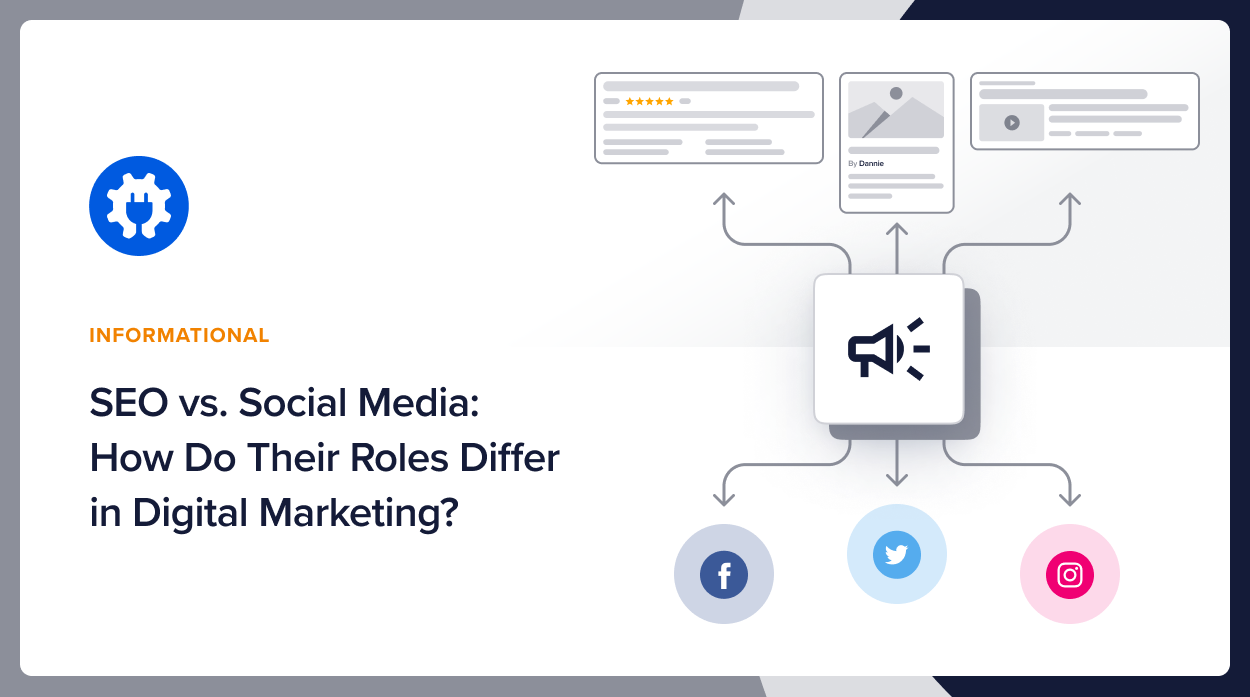
Organizations adopting AI SEO Social Distribution experience measurable improvements in their digital marketing performance. The benefits extend beyond simple time savings to include strategic advantages that impact overall business outcomes.
- Enhanced Efficiency: Automation eliminates repetitive manual tasks, allowing marketing teams to focus on strategy and creative development
- Improved Content Relevance: AI ensures content reaches the right audience at the right time, increasing relevance and engagement rates
- Data-Driven Decision Making: Real-time analytics provide actionable insights that guide content creation and distribution strategies
- Consistent Brand Presence: Automated scheduling maintains regular posting cadence across all platforms without gaps
- Scalability: AI systems handle increased content volumes and additional platforms without proportional increases in team workload
- Competitive Intelligence: Continuous monitoring of competitor activities reveals opportunities and threats in real time
- Data Privacy Compliance: Ensure AI systems comply with GDPR, CCPA, and other relevant data protection regulations
- Continuous Learning: AI systems improve over time with proper training data and ongoing optimization
- Integration with Existing Tools: Choose platforms that integrate seamlessly with current marketing technology stacks
- Team Training: Invest in comprehensive training to ensure team members understand AI capabilities and limitations
- Regular Performance Reviews: Schedule periodic assessments to evaluate system effectiveness and identify improvement areas
- Flexibility for Emerging Platforms: Select systems that can adapt to new social platforms and changing user behaviors
Measurable Performance Improvements
Companies implementing AI-driven distribution report significant improvements in key performance indicators. Average engagement rates typically increase by 30-50% within the first three months of implementation. Website referral traffic from social platforms shows similar growth patterns, with many organizations experiencing double-digit percentage increases in conversion rates.
The technology also reduces the time required for content distribution by up to 80%. Marketing teams that previously spent hours manually posting and monitoring content now allocate that time to higher-value activities such as content creation and audience relationship building.
Limitations and Challenges
While AI SEO Social Distribution offers substantial advantages, organizations must understand its limitations to implement effective strategies. Recognizing potential challenges helps teams develop mitigation plans and set realistic expectations.
Algorithm Limitations
AI systems operate based on historical data and pattern recognition. When significant market shifts occur, such as platform algorithm updates or sudden trend changes, AI predictions may become temporarily inaccurate. Human oversight remains essential for handling exceptional situations and creative judgment calls.
Platform API Restrictions
Social platforms impose rate limits and API restrictions that can limit distribution frequency. AI systems must work within these constraints, which may reduce automation capabilities for high-volume content operations. Organizations need to develop strategies that balance automation with platform compliance.
Content Quality Concerns
Automated distribution does not guarantee content quality. Poorly crafted content distributed efficiently still underperforms. AI systems optimize distribution parameters but cannot compensate for fundamental content weaknesses. Marketing teams must maintain rigorous content standards alongside automated distribution.
AI SEO Social Distribution vs Traditional Methods
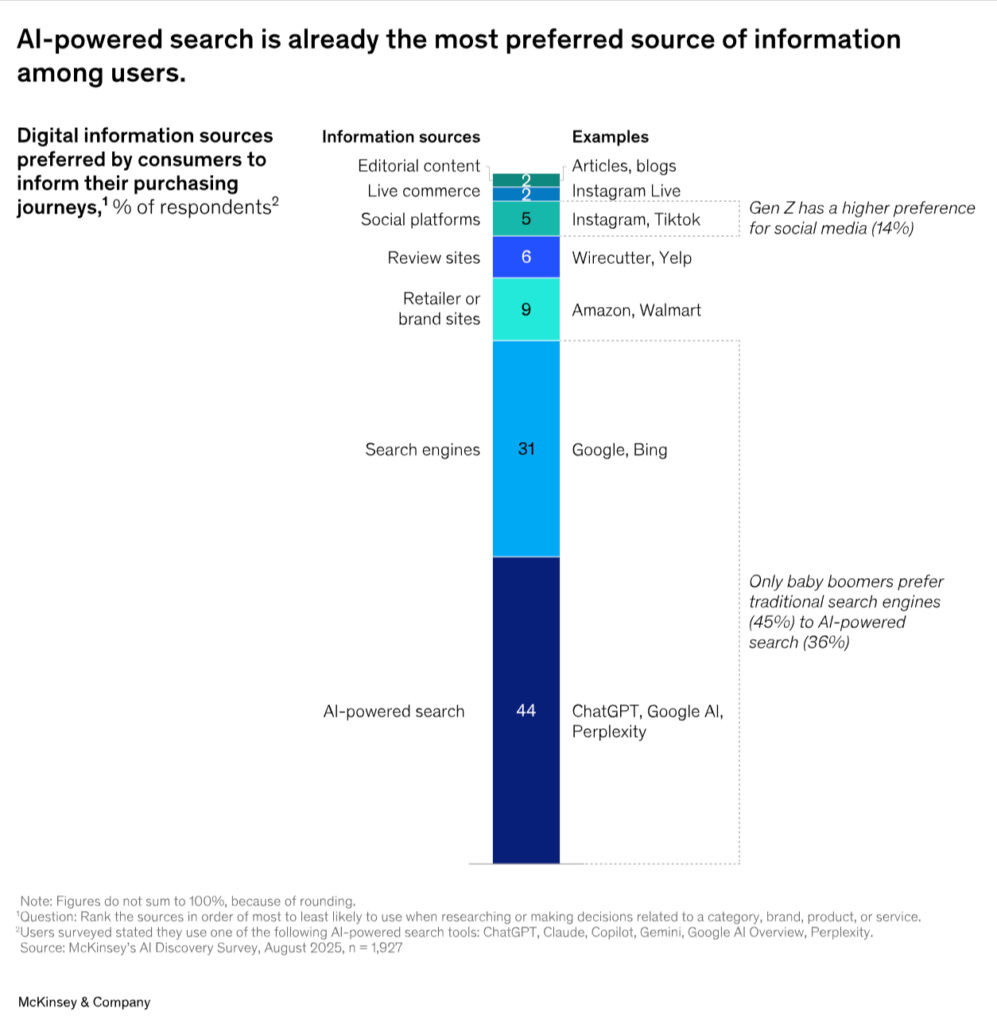
Comparing AI-driven distribution with traditional manual approaches reveals distinct differences in efficiency, accuracy, and strategic capability. The following table highlights key distinctions between these methodologies.
| Aspect | Traditional Distribution | AI SEO Social Distribution |
|---|---|---|
| Time Investment | High manual effort required | Minimal human intervention |
| Data Analysis | Limited to basic metrics | Deep learning and predictive insights |
| Personalization | Broad audience targeting | Micro-segmentation capabilities |
| Adaptability | Slow response to changes | Real-time optimization |
| Scalability | Limited by team capacity | Virtually unlimited scaling |
| Cost Efficiency | High labor costs | Lower long-term operational costs |
Practical Implementation Guide for AI SEO Social Distribution
Implementing AI SEO Social Distribution requires a systematic approach that addresses technology selection, process integration, and performance measurement. Following a structured implementation framework increases the likelihood of successful adoption and positive results.
Step 1: Audit Current Distribution Processes
Begin by documenting existing content distribution workflows, including platforms used, posting frequencies, and current performance metrics. Identify pain points, bottlenecks, and areas where automation could deliver immediate value. This baseline assessment provides a reference point for measuring improvement after AI implementation.
Step 2: Select Appropriate AI Tools
Evaluate AI SEO Social Distribution platforms based on specific organizational needs. Consider factors such as supported platforms, integration capabilities, pricing structures, and learning curve requirements. Request demonstrations and trial periods to assess usability and feature alignment with business objectives.
Step 3: Configure Audience Segments
Upload existing customer data and connect analytics accounts to enable AI audience segmentation. Define key audience characteristics, content preferences, and engagement patterns. The AI system uses this information to create detailed profiles that guide distribution decisions.
Step 4: Establish Content Guidelines
Develop clear content guidelines that define brand voice, messaging priorities, and platform-specific requirements. Input these guidelines into the AI system to ensure automated distribution aligns with brand standards. Regular review and updates keep guidelines current with evolving brand strategies.
Step 5: Launch and Monitor
Begin with a pilot phase that includes a limited content volume to test system performance. Monitor key metrics closely during this period, making adjustments as needed. Gradually increase content volume as confidence in the system grows and performance data validates the approach.
Step 6: Optimize Based on Performance Data
Review performance reports regularly to identify optimization opportunities. Analyze which content types, platforms, and timing strategies generate the best results. Use these insights to refine AI parameters and improve distribution effectiveness continuously.
Common Mistakes in AI SEO Social Distribution
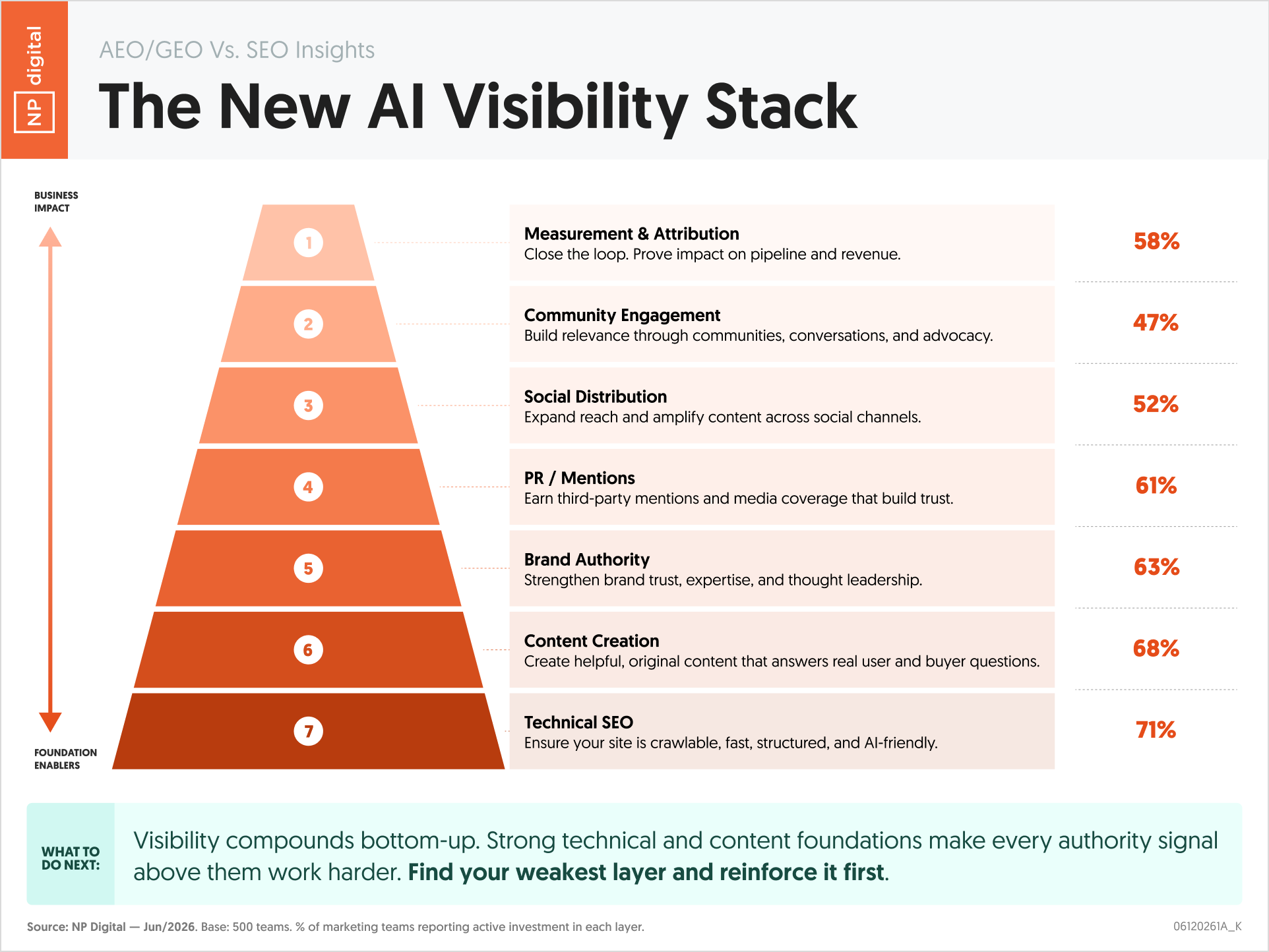
Organizations often encounter predictable challenges when implementing AI-driven distribution systems. Understanding these common mistakes helps teams avoid costly errors and accelerate their path to successful implementation.
Neglecting Human Oversight
Some organizations assume AI systems operate entirely independently without human supervision. This approach leads to missed opportunities and potential brand reputation issues. Effective implementation requires ongoing human review of AI decisions, particularly for sensitive content or unusual situations.
Ignoring Platform-Specific Nuances
Each social platform has unique characteristics, audience expectations, and content formats. AI systems that apply uniform distribution strategies across all platforms underperform. Successful implementation requires platform-specific configuration and continuous adjustment based on performance data.
Failing to Integrate with SEO Strategy
AI SEO Social Distribution works best when integrated with broader SEO initiatives. Content optimized for search engines requires different social distribution approaches than content designed primarily for social engagement. Organizations must align these strategies to maximize overall digital marketing effectiveness.
Overlooking Content Quality
Automation cannot compensate for mediocre content. Organizations that focus exclusively on distribution optimization while neglecting content quality see diminishing returns over time. Maintaining high content standards remains essential for sustainable success.
Important Notes for Successful Implementation
Several critical considerations influence the success of AI SEO Social Distribution initiatives. Paying attention to these factors helps organizations maximize their investment and achieve sustainable results.
Frequently Asked Questions

What is AI SEO Social Distribution?
AI SEO Social Distribution is the use of artificial intelligence technologies to automate and optimize the sharing of content across social media platforms. The system analyzes search data, audience behavior, and platform algorithms to determine optimal distribution strategies, including timing, platform selection, and content formatting.
How does AI improve social media distribution?
AI improves social media distribution by processing large volumes of data to identify patterns and predict optimal posting strategies. Machine learning algorithms analyze historical performance, audience engagement, and platform trends to make data-driven distribution decisions that maximize reach and engagement.
What are the best AI tools for social distribution?
Several AI-powered platforms offer social distribution capabilities, including HubSpot, Hootsuite, Buffer, and Sprout Social. These tools provide varying levels of AI automation, from basic scheduling optimization to advanced predictive analytics and audience segmentation. The best choice depends on specific organizational needs and budget considerations.
Can AI SEO Social Distribution replace human marketers?
AI SEO Social Distribution cannot fully replace human marketers. While AI excels at data analysis, pattern recognition, and automation, human creativity, strategic thinking, and relationship building remain essential. The most effective approach combines AI efficiency with human judgment and creativity.
How long does it take to see results from AI distribution?
Most organizations see measurable improvements within 30-90 days of implementing AI SEO Social Distribution. Initial results typically include increased engagement rates and improved efficiency. More significant strategic benefits, such as enhanced audience insights and predictive capabilities, develop over several months as the AI system accumulates more data.
What metrics should organizations track for AI distribution?
Key metrics include engagement rate, click-through rate, conversion rate, referral traffic, audience growth, and content reach. Organizations should also track efficiency metrics such as time saved and cost per engagement. Comprehensive tracking provides a complete picture of AI distribution effectiveness.
Conclusion
AI SEO Social Distribution represents a significant advancement in digital marketing capabilities, enabling organizations to maximize content reach while minimizing manual effort. The technology combines sophisticated data analysis with automated execution to deliver measurable improvements in engagement, efficiency, and strategic insight.
Successful implementation requires careful planning, appropriate tool selection, and ongoing optimization. Organizations that approach AI distribution strategically, maintaining human oversight while leveraging automation capabilities, achieve the best results. The technology continues to evolve rapidly, with emerging capabilities in natural language processing and predictive analytics promising even greater sophistication in the future.
Marketing teams that embrace AI SEO Social Distribution position themselves for competitive advantage in an increasingly crowded digital landscape. By combining technological efficiency with human creativity and strategic judgment, organizations can build sustainable content distribution systems that drive meaningful business results.
Xem thêm:
- AI SEO Topical Relevance: The Complete Guide to Dominating Search in 2025
- How to Create SEO Briefs with AI: A Step-by-Step System for Faster, Smarter Content Planning
- AI SEO Ranking Predictions: The Complete Guide to Future-Proofing Your Search Strategy
- AI SEO Content Editing: The Complete Guide to Smarter, Faster Optimization
- AI SEO Rendering: The Complete Guide to Modern Search Visibility
Bài viết cùng chủ đề:

AI SEO SEO Automation with Make: The Complete Workflow Guide

AI SEO SEO Automation with Zapier: The Complete Workflow Guide

AI SEO SEO Automation with n8n: The Complete Workflow Guide
AI SEO SEO Automation with Gemini: The Complete Guide to Scaling Organic Growth

AI SEO SEO Automation with Claude: The Complete Guide to Scaling Content in 2025

AI SEO SEO Automation with ChatGPT: The Complete Playbook for 2025

AI SEO & SEO Automation for Affiliate Sites: The 2025 Playbook for Passive Income Growth
AI SEO & SEO Automation for Bloggers: The Complete Guide to Scaling Your Content

AI SEO & SEO Automation for Agencies: The Complete 2025 Playbook

AI SEO and SEO Automation for Ecommerce: The Complete Playbook for 2025

AI SEO & SEO Automation for WordPress: The Complete Playbook for 2025
AI SEO SEO Automation Strategy: The Complete Playbook for 2025

Mastering the AI SEO SEO Automation Process: A Complete Guide to Scaling Organic Growth
AI SEO SEO Automation System: The Complete Guide to Scaling Organic Growth in 2025
AI SEO SEO Automation Platform: The Complete Guide to Scaling Organic Growth in 2025
AI SEO SEO Automation Software: The Complete Guide to Scaling Organic Growth in 2025















