
No products in the cart.
How to Build AI Content Systems: A Complete Guide to Scalable, Intelligent Content Operations
29
Jul
Jul
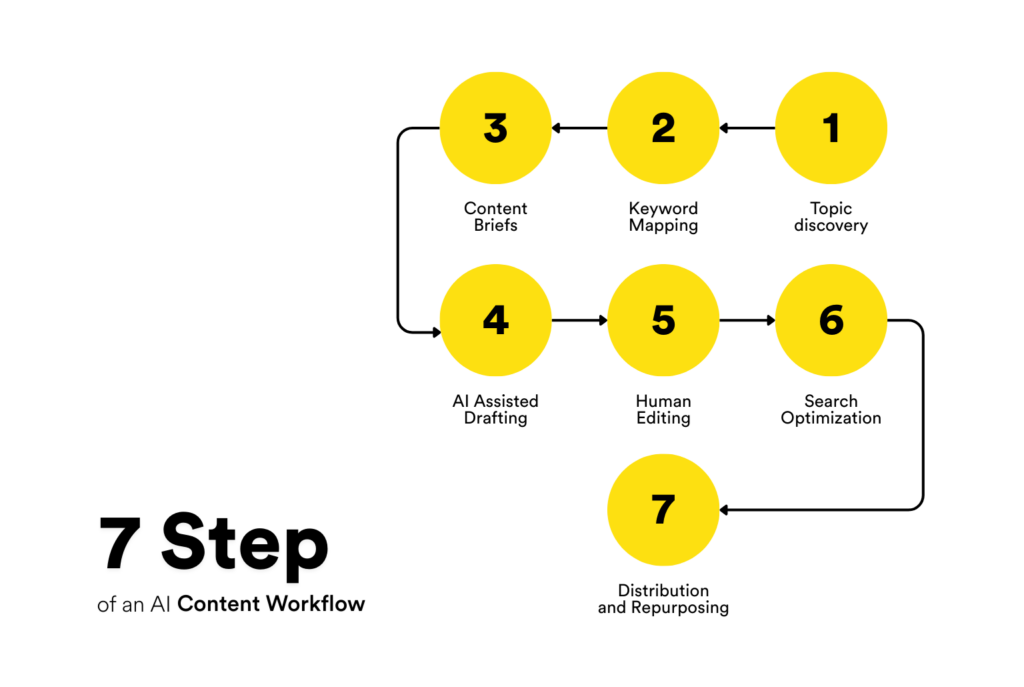
Learning how to build AI content systems has become a strategic imperative for brands and publishers seeking to maintain a competitive edge. An AI content system is a structured assembly of artificial intelligence models, data pipelines, human oversight, and automation tools that work together to generate, optimize, and distribute content at scale. When built correctly, such a system slashes production time, maintains brand consistency, and surfaces data-driven insights that manual workflows simply cannot match. This guide unpacks every critical layer, from foundational planning to advanced refinement techniques, so you can construct a system that grows with your content ambitions.
What Is an AI Content System?
An AI content system is not a single software tool. It is an integrated ecosystem that combines large language models, prompt engineering frameworks, content management platforms, and quality assurance processes to produce written, visual, or multimedia content with minimal manual friction. The system ingests brand guidelines, audience data, and topic clusters, then outputs drafts that undergo human or automated review before publishing. Unlike a simple AI writing assistant, a true content system connects ideation, generation, editing, SEO optimization, and analytics into a repeatable, measurable loop.
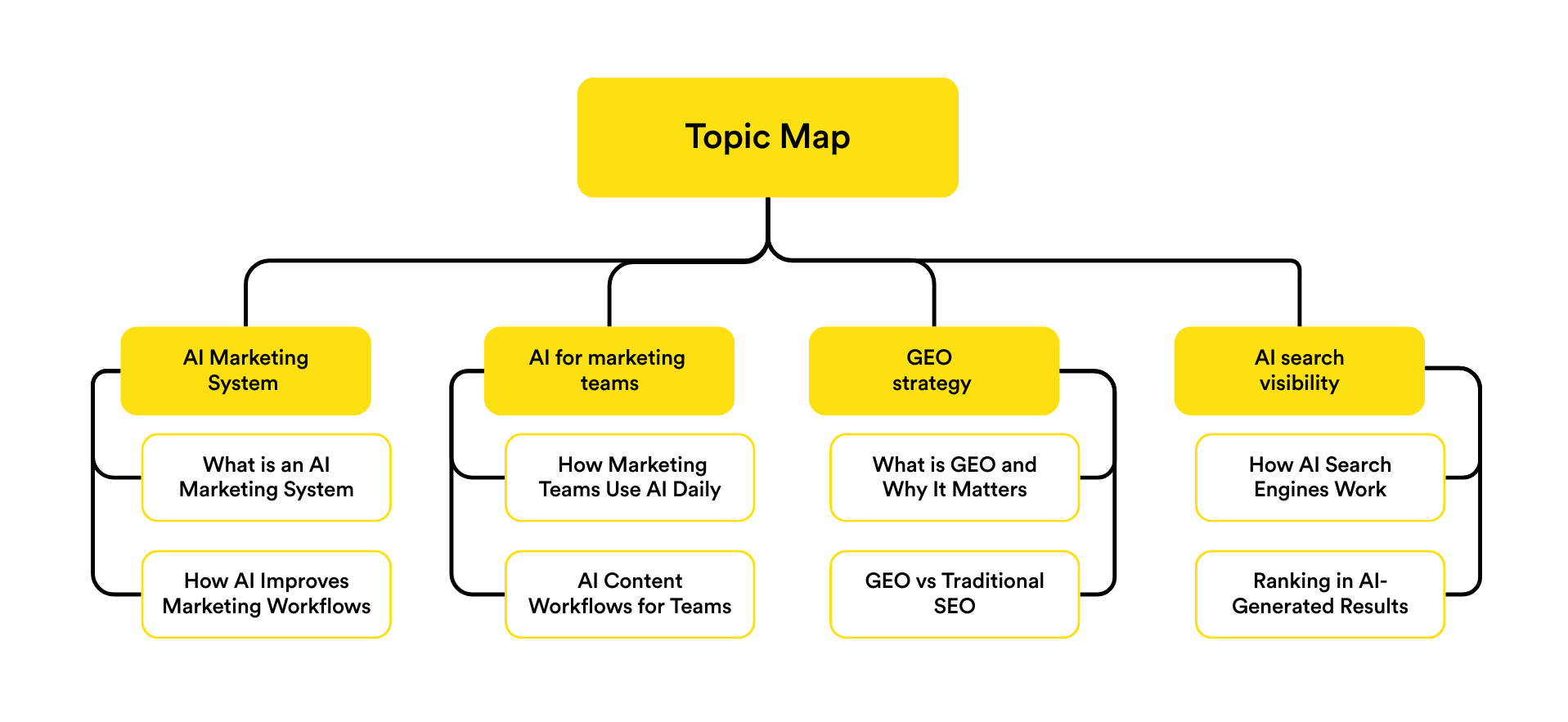
Core Components of a High-Performance AI Content System
Before diving into how to build AI content systems, it pays to understand the components that make such a system resilient and effective. Each piece handles a specific function, and they must interoperate seamlessly.
1. Centralized Knowledge Base and Data Feeds
Every reliable AI content system starts with structured and unstructured data sources. These include product databases, internal wikis, customer support transcripts, past content archives, and real-time web data. The system pulls from these sources to ground the AI in factual, on-brand information. Without a clean knowledge foundation, the output becomes generic or inaccurate.
2. Prompt Engineering and Instruction Sets
Prompt templates are the control layer of the system. They define tone, format, target persona, keyword usage, and structural rules. Advanced systems use chained prompts and few-shot examples to guide the model through multi-step reasoning, generating outlines first, then full drafts, then meta descriptions, all within the same workflow.
3. AI Model Layer
Large language models like GPT-4, Claude, or open-source alternatives serve as the generation engines. The system routes different content types to the most suitable model based on complexity, language, and budget. Some organizations deploy fine-tuned models trained on their own content corpus to increase accuracy and style adherence.
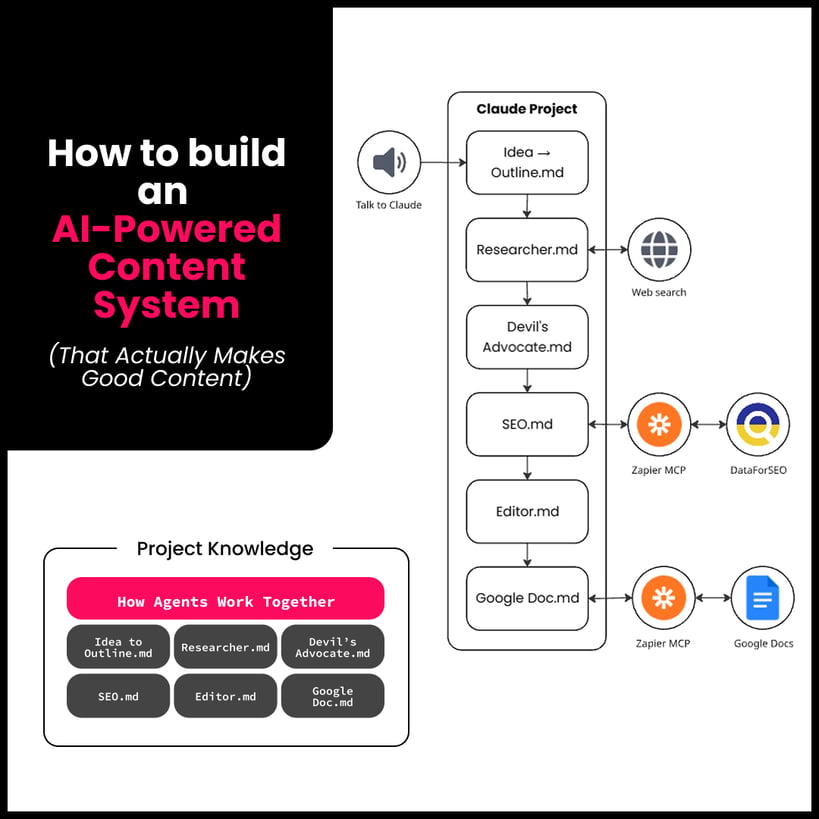
4. Human-in-the-Loop Review and Editing
No serious AI content system eliminates human judgment. Instead, it streamlines the editor’s role. Drafts flow into a review queue where editors verify facts, polish language, and insert proprietary insights. The system logs all changes to retrain or adjust prompts over time, creating a continuous improvement flywheel.
5. Distribution and Publishing Automation
Once content meets quality thresholds, the system pushes it to CMS platforms, social media schedulers, email marketing tools, or ad managers. API connections and webhooks handle the handoff, often enriching the content with UTM parameters, canonical tags, and structured data automatically.
6. Performance Analytics and Feedback Loop
The system tracks engagement metrics, conversion rates, and search rankings. It then pipes those signals back into the content prioritization engine, shifting topic focus and prompt parameters based on what actually works. This closed loop prevents stagnation and keeps output aligned with business goals.
Step-by-Step Guide on How to Build AI Content Systems
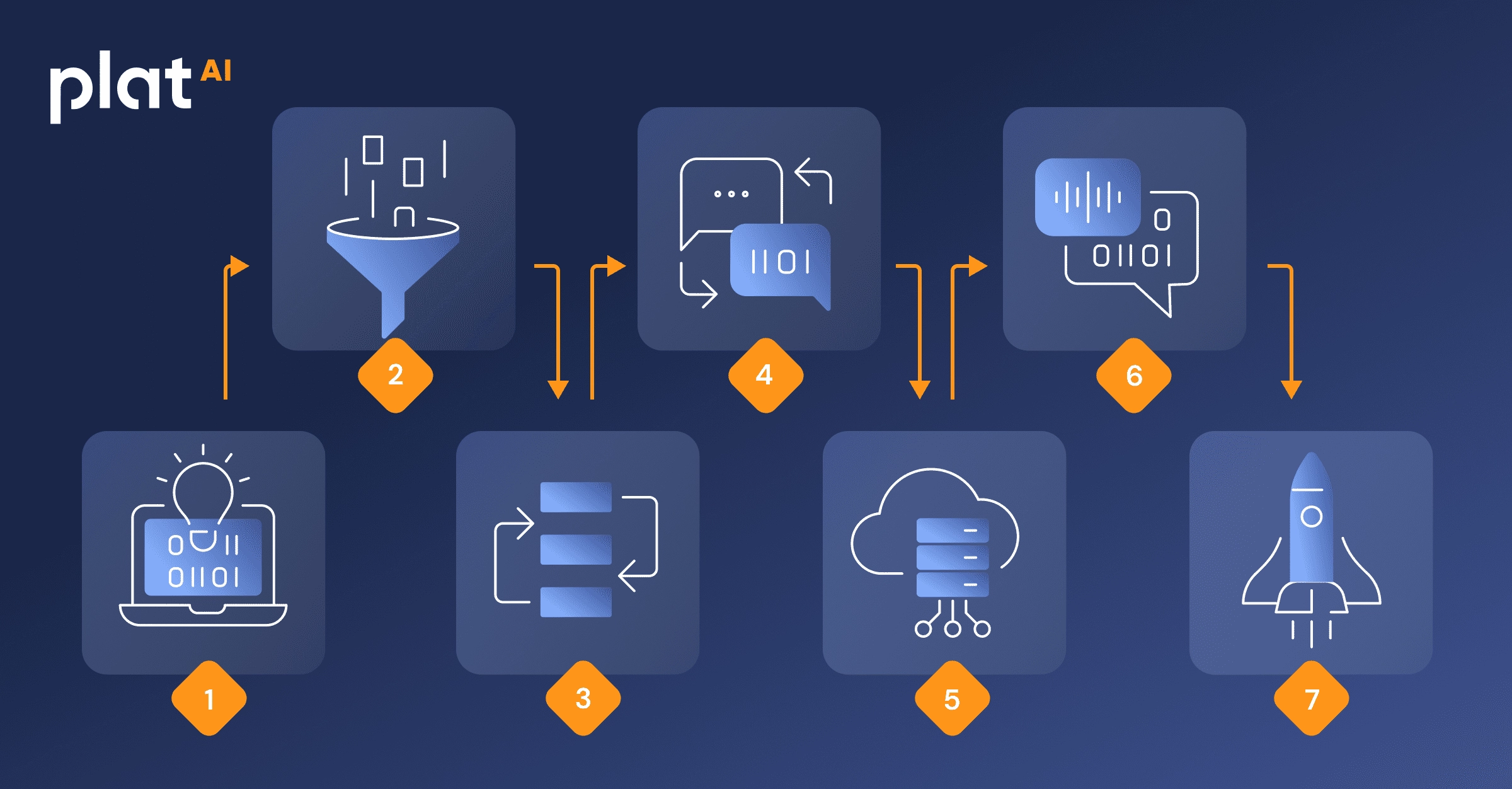
Building the system requires a deliberate sequence of actions. Rushing into model selection before defining workflows leads to disjointed output and wasted budget. Follow these stages to create a cohesive, future-proof setup.
Phase 1: Define Content Objectives and Success Metrics
Start with the business outcome, not the technology. Determine whether the system will serve blog SEO, social media engagement, email nurture sequences, e-commerce product descriptions, or all of the above. Attach measurable KPIs such as organic traffic growth, time-on-page, lead conversion rate, or cost per content piece. This clarity dictates every downstream decision.
Phase 2: Map Content Workflows and Identify Automation Triggers
Document current content operations from research to publish. Pinpoint repetitive, high-volume tasks ripe for AI assistance. Typical automation points include keyword research consolidation, first-draft generation, grammar and tone checks, image alt-text creation, and scheduled distribution. The system blueprint should mirror this workflow, not replace it entirely.
Phase 3: Assemble and Clean the Data Foundation
Gather all brand assets, style guides, compliance rules, and approved sources. Deduplicate and structure the information so the AI can retrieve it on demand. Many teams use vector databases to enable semantic search, allowing the model to pull relevant context for each content piece without bloating prompts. A well-organized data layer directly correlates with output accuracy.
Phase 4: Select AI Models and Infrastructure
Decide between managed APIs, self-hosted open-source models, or a hybrid approach. Managed APIs offer quick setup and continuous improvements but incur per-token costs. Self-hosted models reduce variable expenses and keep data private but demand machine learning operations expertise. Consider also orchestration frameworks like LangChain or custom Python scripts to manage prompt chains and model routing. Build with scalability in mind; demand often spikes when a content calendar hits a busy season.
Phase 5: Design Prompt Libraries with Guardrails
Develop a prompt catalog organized by content type, platform, and objective. Each prompt includes system instructions, ethical constraints, and output format rules. Inject brand voice exemplars and prohibited phrases into the prompt. Implement a moderation layer that scans output for off-brand or toxic language before it reaches a human reviewer. The prompt library becomes the intellectual property of the content team and should be version-controlled like code.
Phase 6: Integrate Human Review and Approval Gates
Even the most tuned system requires a human checkpoint. Define clear acceptance criteria: factual correctness, brand alignment, originality (checked via plagiarism tools), and strategic nuance. Editors should spend their time adding unique angles and expert quotes, not fixing basic grammar. Build a feedback mechanism that categorizes common errors and automatically suggests prompt adjustments to prevent recurrence.
Phase 7: Connect Publishing and Distribution Channels
Use APIs to push approved content directly into WordPress, Shopify, HubSpot, or other platforms. Automate social media previews and schedule posts. Insert tracking parameters and ensure SEO meta tags follow your template. The technical integration should happen once and require minimal manual intervention thereafter.
Phase 8: Monitor, Measure, and Iterate
Set up dashboards that track content performance against the original KPIs. Compare AI-assisted content against purely human-produced pieces to quantify uplift. Review the rejection rate from the editorial queue; a high rate signals that prompts or data sources need refinement. Treat the system as a living product that evolves with audience behavior and algorithm changes.
Benefits and Limitations of AI Content Systems
Understanding the true trade-offs prevents overinvestment in the wrong areas and prepares teams for realistic outcomes.
| Aspect | Benefits | Limitations |
|---|---|---|
| Speed and Scale | Produces dozens of drafts in minutes, enabling daily output that manual teams can’t match. | Volume does not guarantee quality; unmonitored scaling can flood channels with mediocre content. |
| Cost Efficiency | Reduces per-article cost significantly, freeing budget for strategy and premium creative work. | Initial integration and ongoing maintenance require substantial technical investment. |
| Consistency | Enforces tone, terminology, and formatting rules across thousands of pieces. | Over-standardization risks making all content sound identical and losing brand personality. |
| Data Utilization | Surfaces insights from internal data sets that humans might overlook. | Relies on clean data; garbage in leads to misinformation and reputational risk. |
| Creativity | Generates unexpected angles and combinations that spark human ideation. | Struggles with deep narrative arcs, emotional resonance, and breaking news analysis without heavy human input. |
AI Content Systems vs. Traditional Content Workflows: A Direct Comparison
Until recently, content creation followed a linear, human-only path. The shift to system-based generation changes roles, timelines, and output quality in notable ways.
| Factor | Traditional Workflow | AI Content System |
|---|---|---|
| Research Phase | Manual SERP analysis, competitor review, and interviews; 2–5 days per article. | Automated topic clustering, data aggregation, and outline generation in under 2 hours. |
| First Draft | Human writer crafts from scratch; 1–3 days for a 1,500-word article. | AI produces a structured draft within minutes; human then refines. |
| Editing | Multiple rounds for flow, SEO, and fact-checking; significant back-and-forth. | AI handles basic grammar, tone, and formatting; editor focuses on high-value enhancements. |
| Scalability | Limited by team size and bandwidth; hiring is the only lever. | Near-infinite scalability with marginal cost per additional piece. |
| Originality Risk | Lower risk of duplication when writers produce unique perspectives. | Higher risk of generic phrasing; requires robust prompt variety and fact-verification layers. |
Common Mistakes in Building AI Content Systems and How to Avoid Them
Even experienced teams stumble when shifting from ad-hoc AI usage to a fully integrated system. Recognizing these pitfalls early saves months of rework.
- Neglecting the data layer. Many builders focus on the AI model while ignoring the quality of the underlying knowledge base. Solve this by establishing a data governance process before training or prompting begins.
- Treating prompts as static. Market language and algorithm preferences evolve. A prompt that worked six months ago may now produce outdated structures. Version-control prompts and schedule quarterly reviews.
- Skipping the human review step. Publishing AI-generated content without editorial oversight leads to factual errors and brand misalignment. Even a lightweight review catches most critical issues.
- Ignoring legal and ethical dimensions. Copyright concerns, disclosure requirements, and platform policies vary by region. Consult legal counsel on how AI-generated content should be labeled and what constitutes fair use of training data.
- Measuring the wrong metrics. Focusing solely on output volume instead of engagement and conversion gives a false sense of success. Tie system performance to business outcomes from day one.
- Over-automating without an off switch. A system that churns out content uncontrollably can harm SEO if Google detects low-value pages. Implement publication throttles and quality gates linked to engagement data.
- Treat content as a product. Assign a product owner who oversees the system roadmap, prompt updates, and stakeholder feedback. Without ownership, the system degrades into a neglected tool.
- Invest in team upskilling. Writers become prompt engineers and editors; SEO specialists learn to analyze AI performance data. Continuous learning preserves morale and improves output.
- Maintain a unique voice layer. Layer proprietary data, original research, and brand stories on top of AI-generated drafts. This human-exclusive layer is what differentiates content in a crowded information landscape.
- Build for model-agnosticism. Avoid tying the entire system to a single model provider. Abstract the generation layer so you can swap or combine models as technology shifts, ensuring long-term flexibility.
- Audit for bias and accuracy regularly. Schedule monthly spot-checks where subject matter experts review random output samples. Document any bias patterns and update guidelines accordingly.
Important Notes for Long-Term Success with Your AI Content System
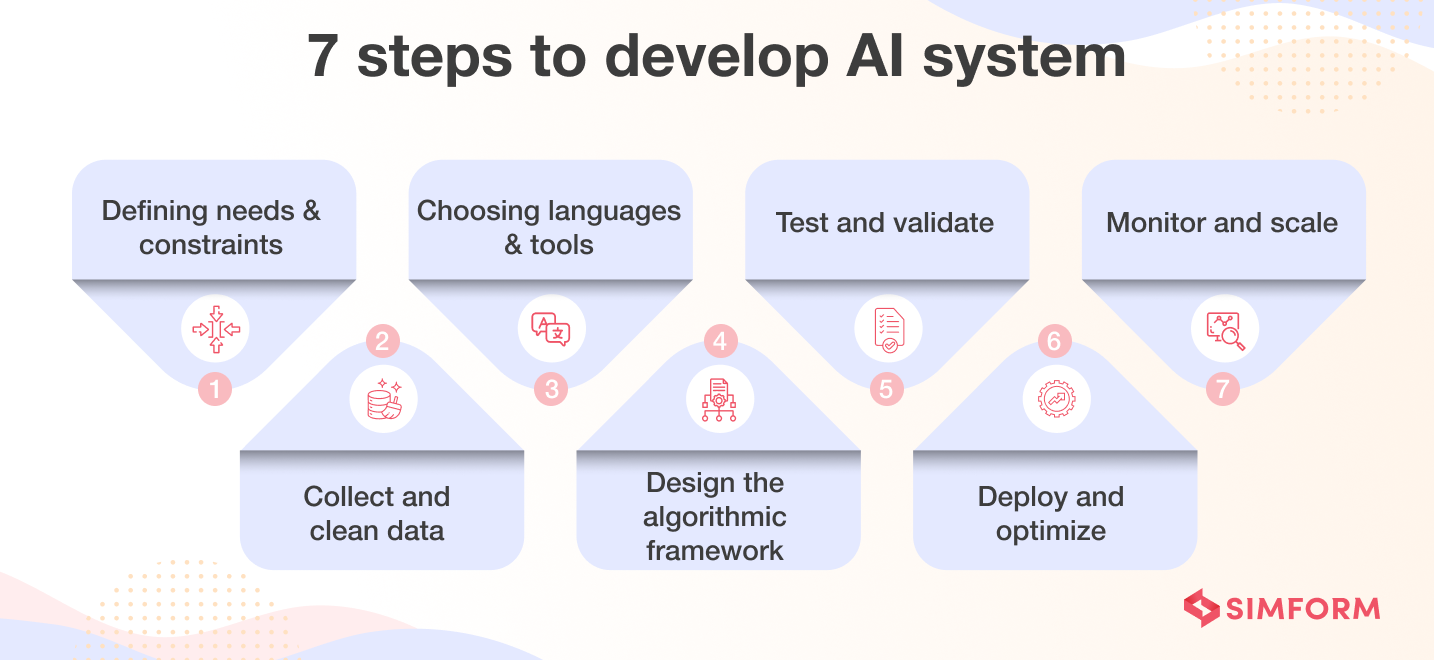
Sustainability separates a novelty project from a true operational advantage. Keep these principles in mind as your system matures.
Frequently Asked Questions
What exactly is an AI content system?
An AI content system is an interconnected setup that combines large language models, data repositories, prompt workflows, editorial oversight, and publishing automation to produce, refine, and distribute content at scale while maintaining brand consistency and quality standards.
How much does it cost to build an AI content system?
Costs vary widely based on scale and tool choice. A small operation using managed APIs and off-the-shelf CMS integrations might spend a few hundred dollars per month. Large enterprises with custom models, dedicated infrastructure, and full-time prompt engineers can invest high five to six figures annually.
Can an AI content system completely replace human writers?
No. Human writers provide strategic insight, emotional nuance, investigative depth, and authentic experience that AI cannot replicate. The system shifts the writer’s role from line-by-line drafting to narrative oversight, fact-checking, and creative elevation.
How do you ensure quality when scaling AI-generated content?
Quality control relies on multi-layered review gates, consistent prompt templates, plagiarism scanners, and a feedback loop that refines prompts based on editor corrections. Publishing only after a human approves each piece, combined with automated checks for readability and factual consistency, keeps quality high.
What tools are essential to build an AI content system?
The core stack typically includes a large language model API or self-hosted model, an orchestration framework for prompt chaining, a centralized knowledge base, a content management system, and an analytics platform. Additional tools for plagiarism detection, grammar checking, and API integrations round out the production pipeline.
Do I need technical expertise to set up an AI content system?
Basic setups using no-code platforms and managed APIs require minimal technical skills. However, a fully customized system that integrates with proprietary data stores and automates multi-step workflows benefits from software engineering and machine learning operations knowledge.
Pulling It All Together
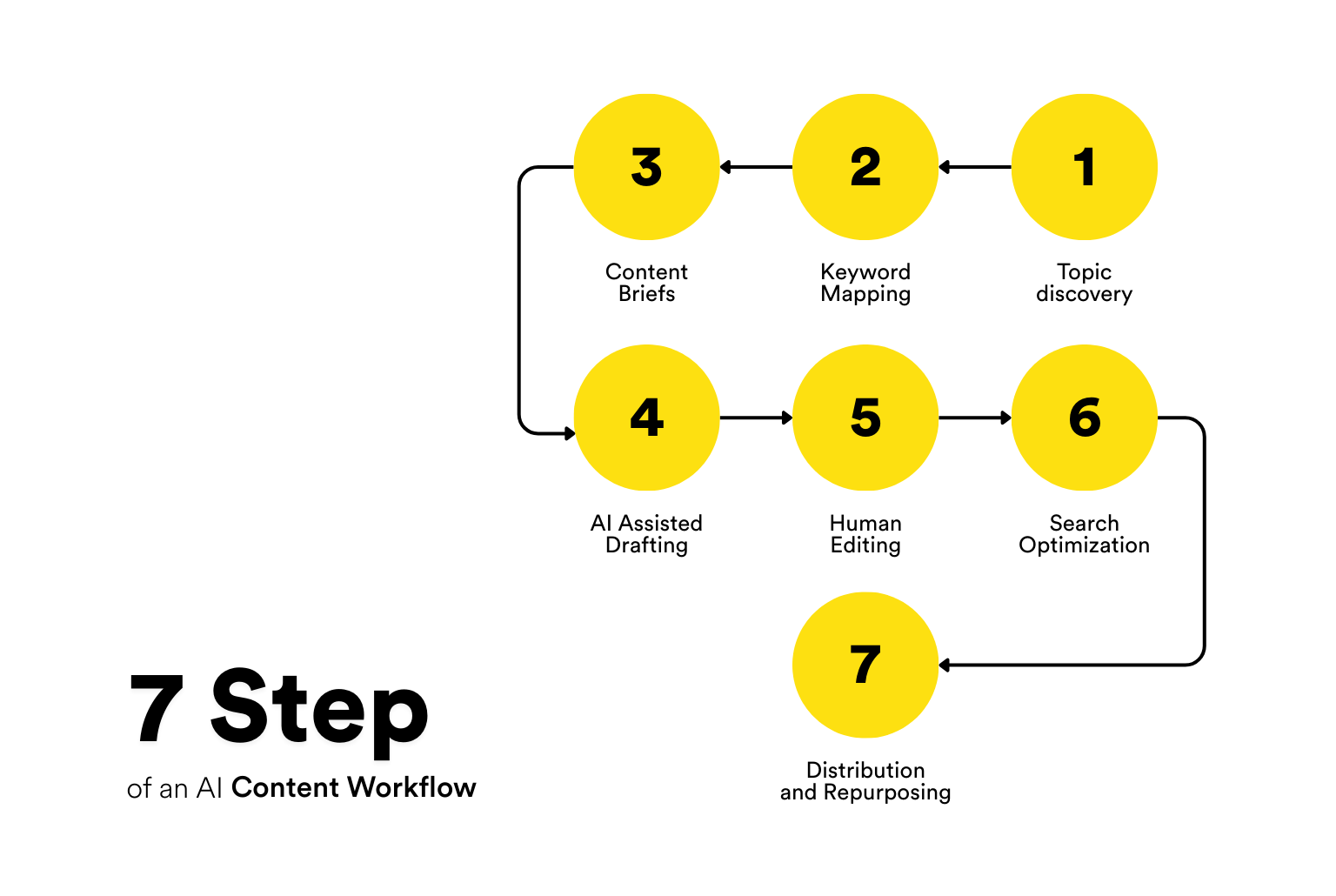
Understanding how to build AI content systems is about orchestrating people, processes, and technology into a cohesive engine that amplifies human creativity rather than replaces it. Start with clear objectives and a clean data foundation, then layer on intelligent model selection, bulletproof prompt design, and a tight human review loop. The system will evolve as you capture performance data and refine each stage. Organizations that adopt this disciplined approach transform content from a constant bottleneck into a strategic asset that scales profitably. Begin with a small, measurable pilot, prove the concept with undeniable results, and then expand deliberately across every content channel your audience values.
Xem thêm:
- AI SEO Scaling Strategy: The Complete Playbook for 2025 and Beyond
- AI SEO People Also Ask Generator: The Complete Guide to Unlocking PAA Insights
- AI SEO AI Search Authority: The Complete Guide to Dominating Generative Search
- AI SEO Content Promotion: The Complete Guide to Scaling Your Reach in 2025
- AI SEO Blog Outline Generator: The Complete Guide to Faster, Smarter Content Planning
Bài viết cùng chủ đề:

AI SEO SEO Automation with Make: The Complete Workflow Guide

AI SEO SEO Automation with Zapier: The Complete Workflow Guide

AI SEO SEO Automation with n8n: The Complete Workflow Guide
AI SEO SEO Automation with Gemini: The Complete Guide to Scaling Organic Growth

AI SEO SEO Automation with Claude: The Complete Guide to Scaling Content in 2025

AI SEO SEO Automation with ChatGPT: The Complete Playbook for 2025

AI SEO & SEO Automation for Affiliate Sites: The 2025 Playbook for Passive Income Growth
AI SEO & SEO Automation for Bloggers: The Complete Guide to Scaling Your Content

AI SEO & SEO Automation for Agencies: The Complete 2025 Playbook

AI SEO and SEO Automation for Ecommerce: The Complete Playbook for 2025

AI SEO & SEO Automation for WordPress: The Complete Playbook for 2025
AI SEO SEO Automation Strategy: The Complete Playbook for 2025

Mastering the AI SEO SEO Automation Process: A Complete Guide to Scaling Organic Growth
AI SEO SEO Automation System: The Complete Guide to Scaling Organic Growth in 2025
AI SEO SEO Automation Platform: The Complete Guide to Scaling Organic Growth in 2025
AI SEO SEO Automation Software: The Complete Guide to Scaling Organic Growth in 2025















