
No products in the cart.
WP Trove AI Blogging: The Complete Guide to Automated Content Creation in 2025

31
Jul
Jul
WP Trove AI Blogging has emerged as a powerful solution for WordPress users who want to streamline their content production without sacrificing quality. This platform combines the flexibility of WordPress with advanced artificial intelligence to help bloggers, marketers, and business owners generate articles, optimize posts, and maintain a consistent publishing schedule. In this comprehensive guide, we will break down everything you need to know about WP Trove AI Blogging, from its core features to practical implementation strategies that deliver measurable results.
What Is WP Trove AI Blogging?

WP Trove AI Blogging refers to the integration of AI-powered tools and plugins within the WordPress ecosystem that automate the creation, optimization, and management of blog content. Unlike traditional blogging methods that require manual writing and editing, this approach leverages machine learning models to generate drafts, suggest headlines, optimize for search engines, and even schedule posts automatically.
The core value proposition of WP Trove AI Blogging lies in its ability to reduce the time spent on repetitive tasks. Instead of staring at a blank page, you can input a topic or a set of keywords, and the AI produces a structured outline or a full draft within seconds. This does not replace human creativity; rather, it amplifies it by handling the heavy lifting of research and initial drafting.
How Does the AI Blogging System Work?
The underlying technology uses natural language processing (NLP) and generative pre-trained transformers (GPT) to understand context, tone, and intent. When you use WP Trove AI Blogging, the system analyzes your existing content, your target audience, and your SEO goals. It then generates text that aligns with your brand voice and editorial guidelines.
Most implementations offer a user-friendly interface directly inside the WordPress dashboard. You can choose from different content types, such as listicles, how-to guides, product reviews, or news articles. The AI also suggests internal linking opportunities and meta descriptions, which are critical for on-page SEO.
Key Features of WP Trove AI Blogging Tools
To fully understand the potential of this technology, it is essential to examine the specific features that distinguish it from standard WordPress editors. These features are designed to address the most common pain points faced by content creators.
- Automated Draft Generation: Generate a complete first draft based on a title or a set of keywords. The output is coherent, structured with headings, and ready for human refinement.
- SEO Optimization: Real-time analysis of keyword density, readability scores, and meta tag suggestions. The tool often integrates with popular SEO plugins like Yoast or Rank Math.
- Content Rewriting: Transform existing articles or rewrite sections to improve clarity, update information, or bypass plagiarism issues.
- Bulk Content Creation: Create multiple articles in one session, which is particularly useful for niche sites or content agencies managing multiple clients.
- Image Suggestions: Some advanced tools recommend relevant images or generate alt text automatically, saving additional time.
- Schedule & Publish: Set up a content calendar and let the AI publish posts at optimal times based on your audience’s activity patterns.
- Use AI for Ideation: Ask the AI to generate 20 blog post ideas based on your niche. This helps overcome writer’s block and reveals topics you might not have considered.
- Create Content Clusters: Use AI to generate a pillar page and multiple supporting articles that link back to it. This strengthens your site’s topical authority.
- Analyze Competitor Content: Some AI tools can analyze a competitor’s top-ranking page and suggest gaps in your own content. Use this to create more comprehensive articles.
- Maintain a Human Touch: Always include a personal introduction or conclusion in your posts. This builds trust with your readers and differentiates you from purely automated sites.
- Monitor AI Updates: The field of AI is evolving rapidly. Subscribe to newsletters or follow the plugin developers to stay informed about new features and model improvements.
Integration with WordPress Plugins
WP Trove AI Blogging is not a single plugin but rather a category of solutions. Some popular options include AI Engine, Jetpack AI Assistant, and dedicated platforms like WPAI. These plugins often require an API key from a service like OpenAI or Anthropic, but some offer built-in models to simplify the setup process.
The integration process is straightforward. After installing the plugin, you connect it to your AI provider, configure your content preferences, and start using the assistant directly in the block editor. The learning curve is minimal, even for users with limited technical expertise.
Benefits of Using WP Trove AI Blogging
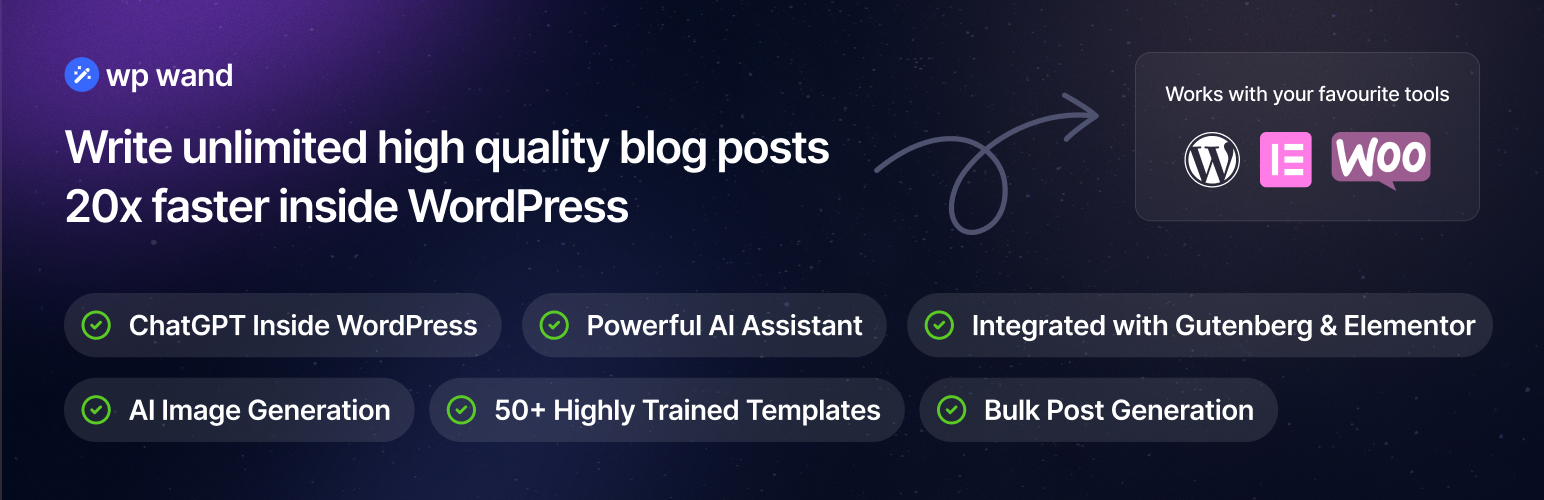
The adoption of AI in blogging is not just a trend; it offers tangible benefits that impact both productivity and content performance. Understanding these advantages helps you justify the investment and set realistic expectations.
Time Efficiency and Scalability
One of the most significant benefits is the drastic reduction in content production time. A typical 1,500-word article that might take three hours to research and write can be drafted in under ten minutes with AI. This efficiency allows you to publish more frequently, which is a key ranking factor in Google’s algorithm.
For agencies, this scalability means you can take on more clients without hiring additional writers. For solo bloggers, it means you can maintain a daily posting schedule without burning out.
Consistency in Publishing
Search engines reward websites that update regularly. WP Trove AI Blogging helps you maintain a consistent cadence by removing the friction of starting from scratch. Even on days when you lack inspiration, the AI can generate a solid foundation that you can refine and personalize.
Enhanced SEO Performance
AI tools are programmed to follow SEO best practices. They naturally include LSI keywords, structure content with proper heading hierarchy, and maintain an optimal word count. This technical precision often leads to better search engine rankings compared to manually written content that may overlook these details.
Cost-Effectiveness
Hiring professional writers can be expensive, with rates ranging from $50 to $500 per article depending on the niche. AI blogging tools typically operate on a subscription model, costing between $10 and $50 per month. For high-volume content needs, the cost savings are substantial.
Limitations and Challenges to Consider
While the benefits are compelling, it is equally important to acknowledge the limitations of WP Trove AI Blogging. A balanced perspective prevents disappointment and helps you use the tool effectively.
Lack of Human Nuance and Experience
AI models are trained on existing data, which means they lack personal experience and emotional intelligence. Content that requires deep expertise, such as medical advice, legal analysis, or personal anecdotes, may come across as generic or even inaccurate. Always review and edit AI-generated content to inject your unique perspective.
Potential for Duplicate Content
Since many users rely on the same AI models, t This can lead to plagiarism issues or a lack of originality. Using plagiarism checkers and adding your own data, examples, and case studies mitigates this risk.
Dependence on API Costs and Reliability
Most AI plugins rely on external APIs. If the API experiences downtime or if you exceed your usage limits, your content production halts. Additionally, API costs can escalate if you generate large volumes of text, so monitoring your usage is crucial.
WP Trove AI Blogging vs. Traditional Writing

To make an informed decision, it helps to compare the two approaches side by side. The table below highlights the key differences in terms of speed, cost, quality, and control.
| Aspect | WP Trove AI Blogging | Traditional Writing |
|---|---|---|
| Speed | High (minutes per article) | Low (hours per article) |
| Cost | Subscription-based, predictable | Per-word or per-hour, variable |
| Originality | Requires editing for uniqueness | Inherently unique |
| SEO Optimization | Automated and consistent | Depends on writer’s skill |
| Emotional Connection | Limited | High |
| Scalability | Excellent | Limited by team size |
Neither method is inherently superior. The best strategy often involves a hybrid approach: using AI for the initial draft and research, then having a human editor refine the content for voice, accuracy, and emotional resonance.
Practical Guide: How to Start with WP Trove AI Blogging
Implementing this technology on your WordPress site is a step-by-step process. Follow this guide to get up and running quickly.
Step 1: Choose the Right Plugin
Research and select a plugin that fits your budget and technical requirements. Look for reviews, check the update frequency, and ensure it is compatible with your version of WordPress. Popular choices include AI Engine, which offers a free tier, and premium options like ContentBot or Jasper for more advanced features.
Step 2: Configure Your AI Provider
Most plugins require an API key. Sign up for a service like OpenAI and generate an API key. In the plugin settings, paste the key and configure the model parameters, such as temperature (creativity level) and token limits (output length).
Step 3: Set Your Content Guidelines
Define your target audience, tone of voice, and preferred content structure. Some plugins allow you to save “presets” for different content types. For example, you might have a preset for “How-to Guides” that includes a specific heading structure and a call-to-action at the end.
Step 4: Generate and Edit Your First Post
Create a new post in WordPress, enter a title, and click the AI assistant button. The plugin will generate a draft. Review the draft carefully, add your personal insights, verify facts, and adjust the tone to match your brand. This editing step is non-negotiable for quality.
Step 5: Optimize for SEO and Publish
Run the content through your SEO plugin to check the focus keyword, readability, and meta description. Make any necessary adjustments, add images, and schedule the post for publication. Monitor the performance in Google Analytics to see how the AI-generated content compares to your manually written posts.
Common Mistakes to Avoid with AI Blogging
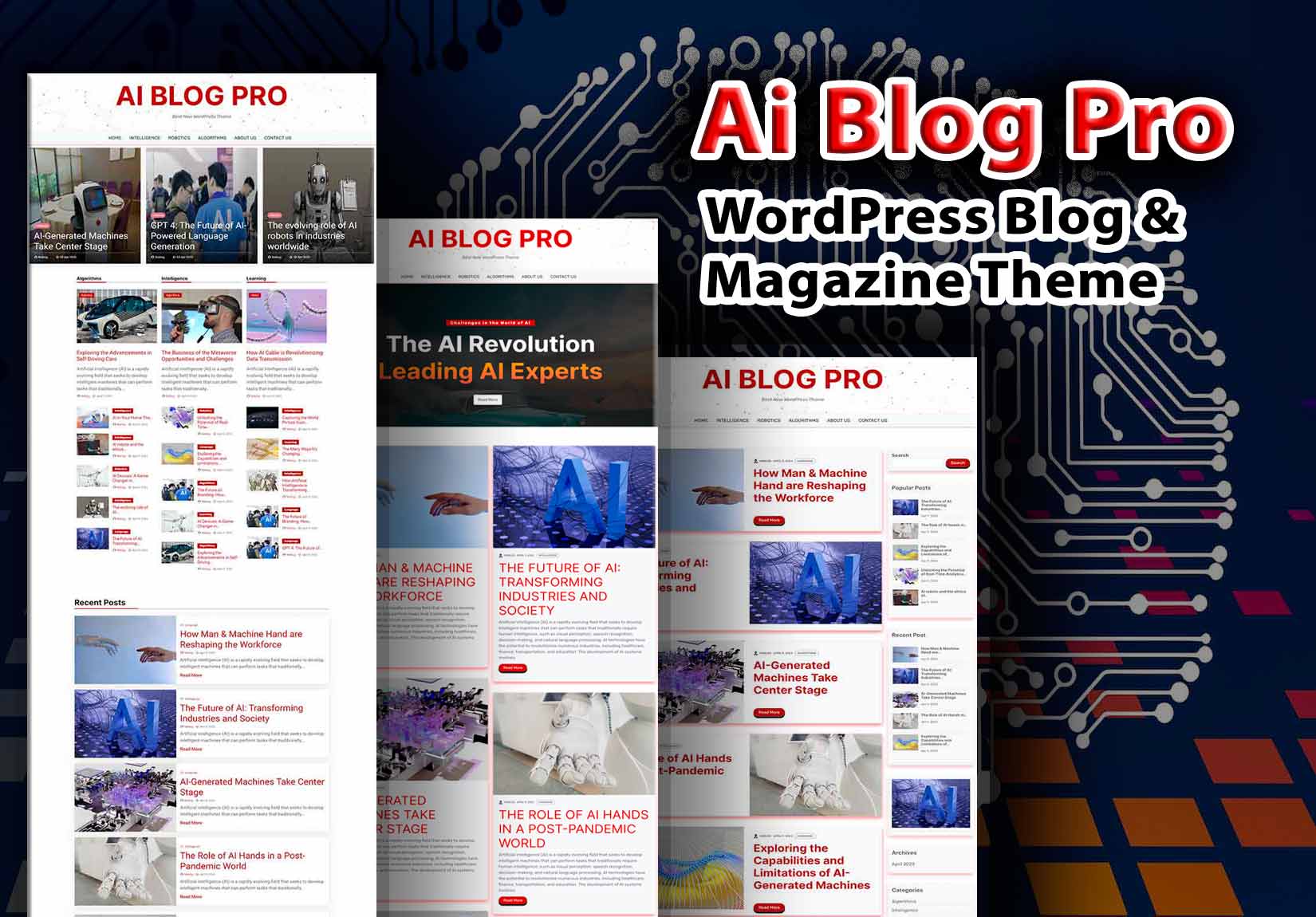
Even experienced users can fall into traps when using AI for content creation. Being aware of these pitfalls helps you maintain high standards.
Publishing Without Human Review
The most common mistake is publishing AI content verbatim. This often results in factual errors, awkward phrasing, or content that misses the mark. Always read the entire article aloud before publishing. If a sentence sounds unnatural, rewrite it.
Ignoring Your Unique Expertise
AI cannot replicate your personal experiences or industry insights. If you run a travel blog, the AI might write a generic list of attractions, but it cannot describe the feeling of watching a sunset from a specific beach. Add your stories, photos, and recommendations to make the content valuable.
Keyword Stuffing
Some AI tools, when prompted incorrectly, will over-optimize for keywords, leading to unnatural text. Use the AI to generate the body, but manually adjust the keyword placement to ensure it flows naturally. Focus on user intent rather than search engine algorithms.
Neglecting Content Updates
AI-generated content becomes outdated just like any other content. Set a schedule to review and update your posts regularly. Use the AI to help refresh old articles with new statistics or examples, which is a great way to maintain relevance.
Important Notes for Maximizing Results
To get the most out of WP Trove AI Blogging, consider these advanced tips that go beyond the basic setup.
Frequently Asked Questions (FAQ)

Is WP Trove AI Blogging suitable for beginners?
Yes, most AI blogging plugins are designed with a user-friendly interface that requires no coding knowledge. Beginners can start with a simple prompt and gradually learn to use advanced features like bulk generation and custom templates.
Will Google penalize my site for using AI-generated content?
Google’s guidelines state that they reward high-quality content regardless of how it is produced, as long as it is helpful and original. The key is to edit and add value to the AI output. Publishing unedited, spammy AI content can lead to penalties.
How much does WP Trove AI Blogging cost?
The cost varies depending on the plugin and the AI provider. Some plugins offer a free tier with limited features, while premium plans range from $10 to $100 per month. API usage is often billed separately based on the number of words generated.
Can I use AI to write in languages other than English?
Yes, most modern AI models support multiple languages. You can configure the plugin to generate content in Spanish, French, German, and many other languages. The quality may vary, so it is advisable to have a native speaker review the output.
What is the ideal word count for AI-generated blog posts?
T The AI can generate longer content, but it is better to focus on depth and accuracy rather than just word count.
How do I ensure my AI content is not plagiarized?
Use a reliable plagiarism checker like Copyscape or Grammarly Premium. Additionally, edit the content thoroughly by adding your own examples, data, and opinions. This makes the content unique and adds value that the AI cannot provide.
Conclusion
WP Trove AI Blogging represents a significant shift in how digital content is produced. It offers remarkable efficiency, scalability, and SEO advantages that can help you grow your blog or business. However, it is not a magic bullet. The technology works best when combined with human oversight, creativity, and strategic planning.
By understanding the features, benefits, and limitations outlined in this guide, you are well-equipped to integrate AI into your WordPress workflow. Start small, experiment with different prompts, and measure the results. Over time, you will develop a system that produces high-quality, engaging content that resonates with your audience and ranks well in search engines. The future of blogging is here, and it is a partnership between human insight and artificial intelligence.
Xem thêm:
- How to Find Keywords with AI: The Modern Marketer’s Blueprint for Smarter Research
- AI SEO AI Visibility Audit: The Complete Guide to Dominating Search in 2025
- AI SEO Plugins: Automate Your Search Rankings Without Losing the Human Touch
- Mastering AI International SEO: Smarter Global Strategies Through Artificial Intelligence
- Best AI Keyword Tools: Unlock Hidden Search Opportunities in 2025
Bài viết cùng chủ đề:

AI SEO SEO Automation with Make: The Complete Workflow Guide

AI SEO SEO Automation with Zapier: The Complete Workflow Guide

AI SEO SEO Automation with n8n: The Complete Workflow Guide
AI SEO SEO Automation with Gemini: The Complete Guide to Scaling Organic Growth

AI SEO SEO Automation with Claude: The Complete Guide to Scaling Content in 2025

AI SEO SEO Automation with ChatGPT: The Complete Playbook for 2025

AI SEO & SEO Automation for Affiliate Sites: The 2025 Playbook for Passive Income Growth
AI SEO & SEO Automation for Bloggers: The Complete Guide to Scaling Your Content

AI SEO & SEO Automation for Agencies: The Complete 2025 Playbook

AI SEO and SEO Automation for Ecommerce: The Complete Playbook for 2025

AI SEO & SEO Automation for WordPress: The Complete Playbook for 2025
AI SEO SEO Automation Strategy: The Complete Playbook for 2025

Mastering the AI SEO SEO Automation Process: A Complete Guide to Scaling Organic Growth
AI SEO SEO Automation System: The Complete Guide to Scaling Organic Growth in 2025
AI SEO SEO Automation Platform: The Complete Guide to Scaling Organic Growth in 2025
AI SEO SEO Automation Software: The Complete Guide to Scaling Organic Growth in 2025















