
No products in the cart.
AI SEO Metrics: The Definitive Guide to Measuring Success in an AI‑Driven Search World
29
Jul
Jul
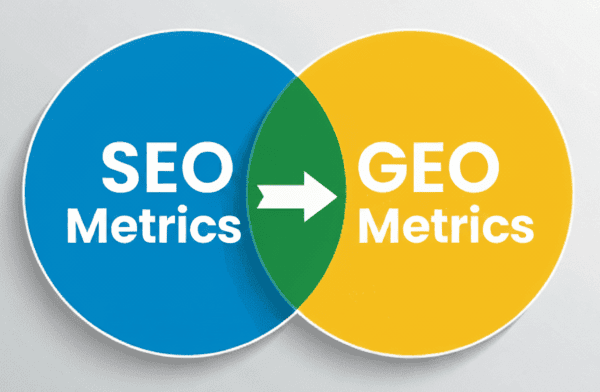
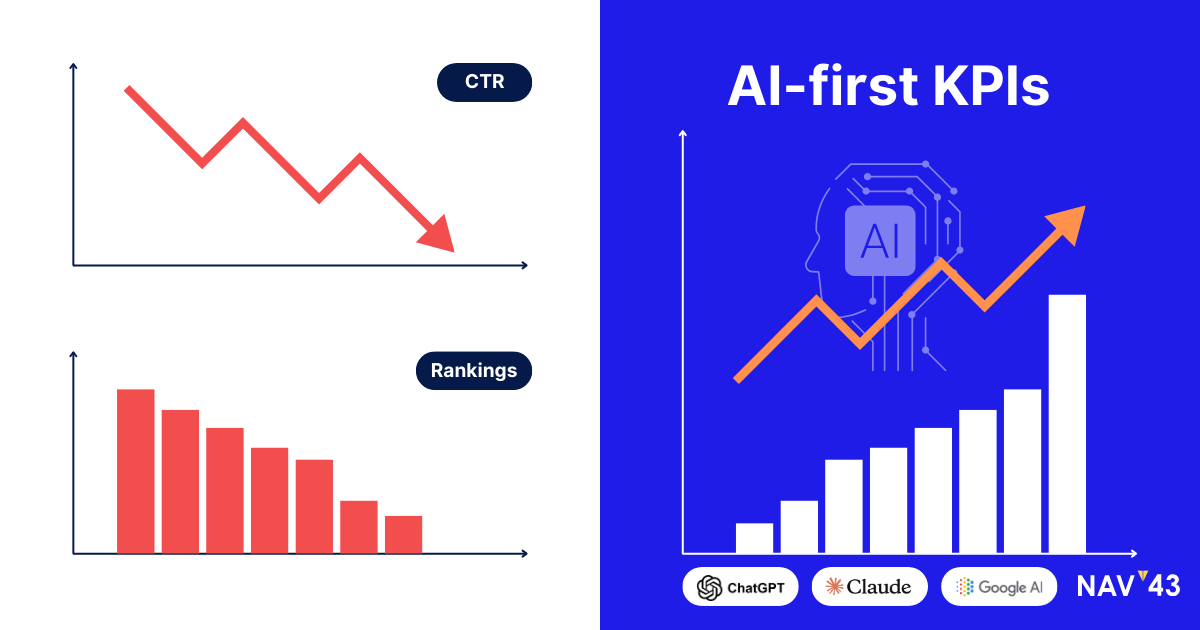
Search engine optimization has always relied on data. Yet the metrics that defined success a decade ago—simple keyword rankings, raw backlink counts, and basic traffic numbers—are no longer sufficient. As Google’s algorithms become increasingly powered by artificial intelligence, a new category of performance indicators has emerged: AI SEO metrics. These go beyond surface‑level rankings to capture user intent satisfaction, semantic relevance, content quality signals, and predictive trends that directly influence modern search visibility. Understanding and tracking these metrics is now essential for any brand that wants to thrive in the AI‑shaped SERP landscape.
What Are AI SEO Metrics?
AI SEO metrics are measurements that either directly reflect how artificial intelligence systems assess web content or that are generated by AI‑powered tools to evaluate and predict search performance. In the context of Google, algorithms such as RankBrain, BERT, MUM, and the more recent AI‑driven overviews process pages using natural language understanding and machine learning. Traditional signals like keyword density are replaced by entity relationships, content comprehensiveness, and user engagement proxies. On the tooling side, platforms like SurferSEO, MarketMuse, Clearscope, and Semrush’s AI writing assistant produce scores that mimic how a search engine’s AI might interpret a page.
In short, AI SEO metrics bridge the gap between what publishers can control—content structure, topical depth, EEAT signals—and how search engines’ neural networks actually perceive value. They transform analytics from a backward‑looking report into a forward‑looking compass.
Why Traditional SEO Metrics Are No Longer Enough
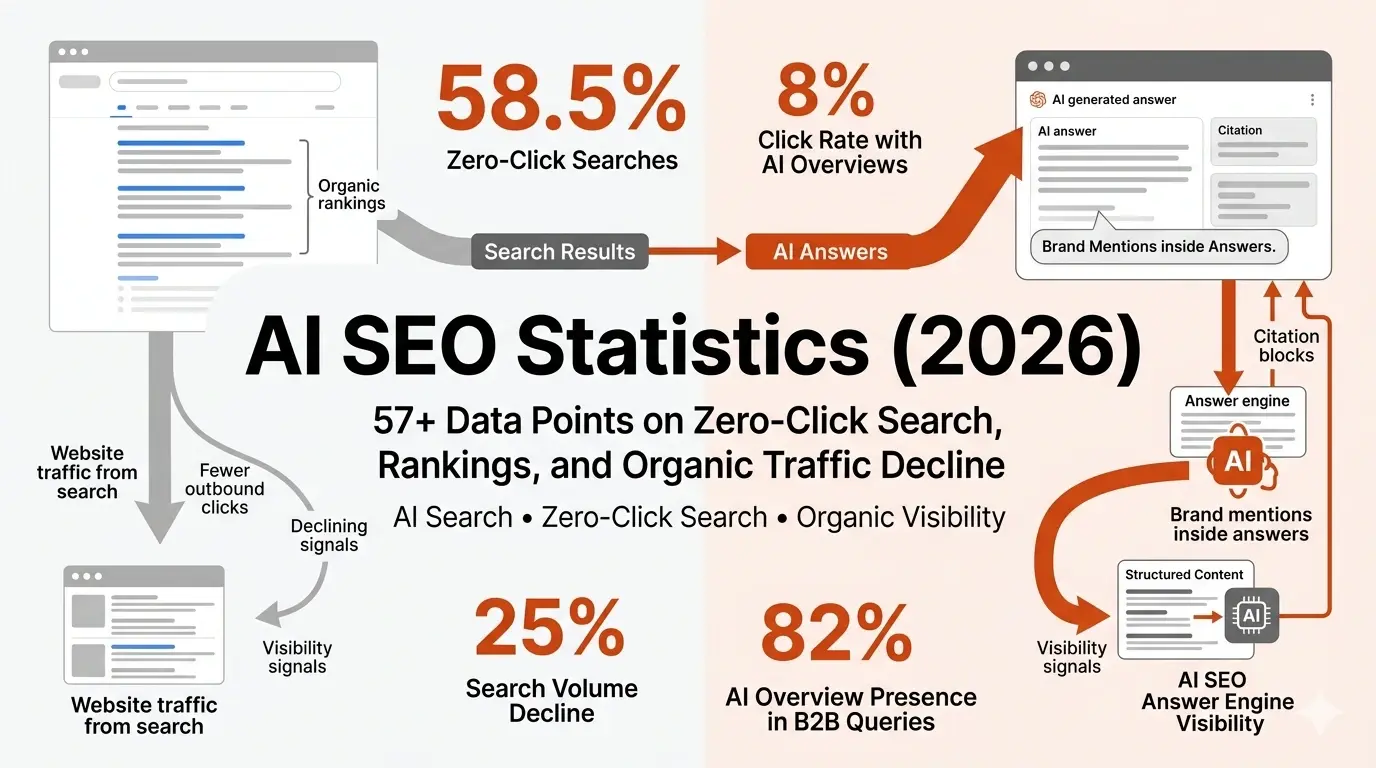
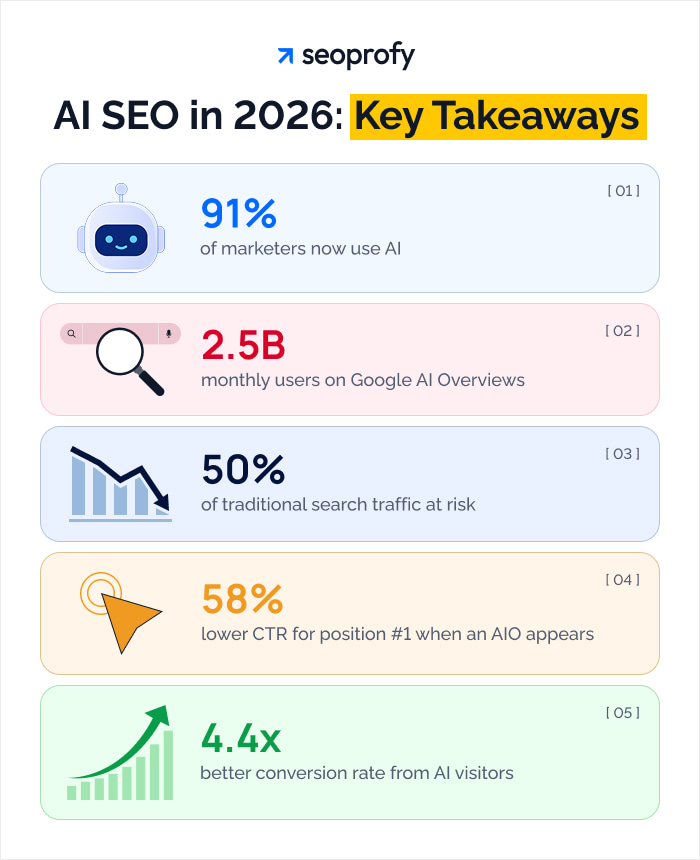
Static rank tracking no longer captures the full picture. Personalized results, local pack variations, zero‑click searches, and AI‑generated snapshots all mean that a #1 organic listing does not guarantee the same traffic it once did. A page might rank well for a head term but fail to answer the underlying user intent, resulting in poor dwell time and a high pogo‑stick rate—signals that Google’s AI uses to refine rankings in real time. Moreover, backlink volume loses its luster when AI can evaluate link relevance, anchor text context, and the authority of the linking domain at a granular level. Traditional metrics simply lack the depth to measure these nuanced quality factors.
To remain competitive, SEOs must adopt a measurement framework that mirrors the evaluative lens of modern search engines. That is exactly what AI SEO metrics provide.
The Core Components of AI SEO Metrics
AI SEO metrics can be grouped into several interconnected categories. Each category tackles a different layer of the ranking puzzle, from on‑page comprehension to user behavior signals.
Semantic Relevance and NLP‑Based Scores
These metrics use natural language processing to measure how well a piece of content covers the core entities, subtopics, and related questions that users expect. Tools like MarketMuse assign a Content Score; Clearscope gives a Content Grade. Both are built on topic modeling and entity recognition. A high semantic relevance score means your page aligns closely with the content vectors that Google’s own AI, such as BERT and MUM, are trained to identify.
Topical Authority Signals
AI SEO platforms now calculate how comprehensively a domain covers a subject area. Topical Authority is not a single Google metric but an AI‑derived estimate based on internal linking clusters, depth of content on a topic, and entity overlap. Search engines use similar concepts to favor sites that demonstrate deep expertise over those that publish one‑off posts. Monitoring your topical authority score across tool suites helps you identify content gaps and strengthen your site’s subject‑matter dominance.
User Engagement and Satisfaction Proxies
Search engines use AI to interpret click behavior as a quality signal. Metrics like dwell time, long‑click rate, scroll depth, and interaction events are not direct ranking factors in their raw form, but aggregated and modeled through machine learning they become powerful indicators. An AI SEO metric approach tracks these engagement signals and correlates them with ranking movements. For example, a page with a significantly higher average session duration than competing URLs for the same query is likely meeting user intent more effectively, and AI algorithms notice this pattern.
Predictive Analytics and Performance Forecasting
Modern SEO tools now employ machine learning models to forecast traffic, ranking opportunities, and content ROI. These predictive AI SEO metrics analyze historical data, seasonality, competitor movements, and SERP volatility to suggest the likelihood of a page reaching the top 5 within a certain timeframe. They shift SEO from reactive analysis to proactive planning, allowing teams to prioritize content updates and new topic creation based on estimated impact scores.
EEAT and Trustworthiness Indicators
Google’s Search Quality Evaluator Guidelines stress Experience, Expertise, Authoritativeness, and Trustworthiness. While EEAT is not a numeric metric, AI tools can now approximate it by scanning for author credentials, external citations, factual consistency, and brand mentions across trusted sources. An AI‑generated Author Authority Score or a Trust Flow metric from Majestic reflects patterns that correlate with high‑quality content in Google’s eyes. Tracking these ensures your content strategy aligns with the quality thresholds that AI‑enhanced algorithms reward.
How AI SEO Metrics Differ from Traditional Metrics
The table below summarizes the key differences between the old guard and the AI‑powered measurements that are now essential.
| Aspect | Traditional SEO Metrics | AI SEO Metrics |
|---|---|---|
| Core Focus | Keyword rank, backlink quantity, organic traffic volume | Intent match, semantic quality, user satisfaction probability |
| Measurement Granularity | Page‑level, static positions | Entity‑level, dynamic SERP feature presence, AI snapshot visibility |
| User Behavior | Bounce rate, pages per session | Dwell time clusters, long‑click rate, scroll depth segmentation, interaction modeling |
| Content Quality | Keyword density, word count | NLP content score, topic comprehensiveness, entity gap analysis |
| Link Analysis | Domain Authority, PageRank proxy, total referring domains | Topical link relevance, trust flow, citation context analysis with AI |
| Time Orientation | Historical and current data | Historical, real‑time, and predictive projections |
Key AI SEO Metrics You Should Track
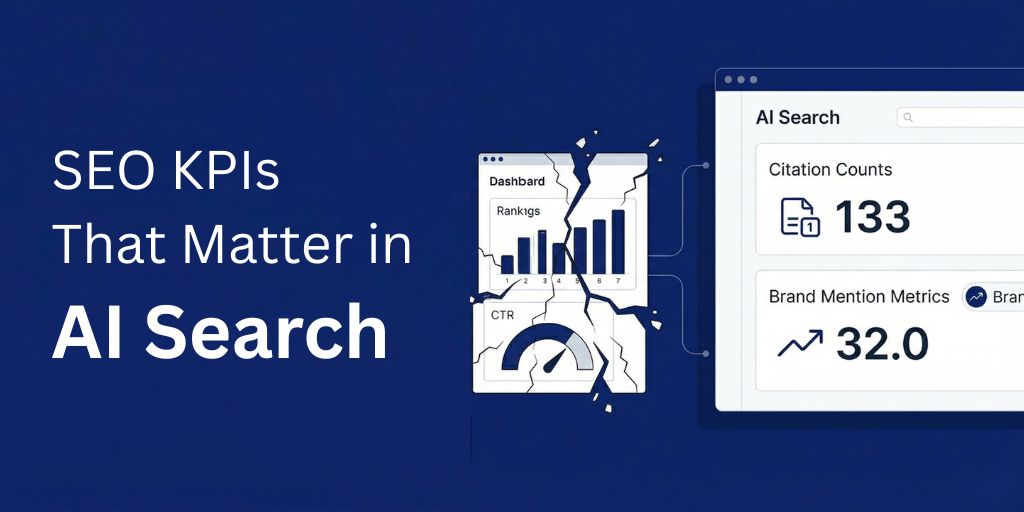
Adopting an AI‑centric measurement strategy means building a dashboard that goes beyond clicks and impressions. Below are the essential metrics that reflect how artificial intelligence evaluates your site.
Content Quality and Comprehensiveness Score
This score, generated by tools like SurferSEO and MarketMuse, analyzes your page against the top‑performing competitors for a given topic. It assesses whether you have included all relevant subtopics, answered related questions, and used the appropriate semantic vocabulary. A high score correlates with stronger performance in AI‑driven search results because it mimics the completeness that algorithms like MUM demand.
Entity and Topic Coverage Gap
Instead of tracking keyword density, AI SEO metrics measure whether your content mentions the right entities—people, places, concepts—that Google’s Knowledge Graph associates with a query. An entity gap report shows which critical concepts are missing, allowing you to update content with precision. This metric directly influences how well your page can appear in rich results and AI‑generated overviews.
User Intent Fulfillment Rate
AI tools now classify search intent into categories like informational, commercial investigation, transactional, and navigational, and then score your content’s alignment with that intent. If your page targets a commercial query but reads like an informational encyclopedia entry, the intent mismatch will be flagged. Google’s BERT and MUM are expert at intent interpretation, so this metric serves as a safety net against misalignment.
Long‑Click Rate and Dwell Time Segmentation
A long click occurs when a user clicks your result and does not return to the SERP within a short timeframe—typically 30 seconds or more. High long‑click ratios signal satisfaction. AI SEO analytics platforms aggregate these rates by query category, enabling you to see which pages truly solve user problems and which ones get abandoned quickly. This is a far more nuanced signal than raw bounce rate.
AI Overview and Featured Snippet Visibility
With Google’s AI Overviews (formerly SGE) rolling out, measuring your presence in these generated snapshots becomes critical. Tools such as Semrush and ZipTie track whether your domain is cited in AI‑synthesized answers. This metric represents the new frontier of zero‑click visibility. Without it, you are blind to a rapidly growing share of search traffic.
Predictive Rank and Traffic Projections
Several AI platforms now provide opportunity scores that estimate how likely a piece of content is to reach page one within a given time window. These predictions factor in your existing topical authority, the competitive landscape, and content quality benchmarks. Activating on high‑opportunity, low‑difficulty predictions allows you to allocate resources where AI modeling sees the quickest wins.
Core Web Vitals and Page Experience AI Weighting
While Core Web Vitals are not strictly AI metrics, Google’s machine learning systems incorporate page experience into ranking evaluations. AI‑powered performance tools now simulate how layout shifts and interaction delays affect user engagement patterns. Monitoring LCP, INP, and CLS through an AI lens means interpreting these scores in the context of competitor benchmarks and user satisfaction modeling, not just pass/fail thresholds.
Benefits of Using AI SEO Metrics
- Better alignment with search engine evaluation – Metrics that mirror how Google’s AI judges content lead to optimization that survives algorithm updates.
- Uncover hidden content opportunities – Entity gap and topic authority scores reveal undiscovered subtopics that can expand your footprint.
- Proactive instead of reactive – Predictive analytics help you invest in content before competitors, anticipating demand shifts rather than reacting to ranking drops.
- Holistic user experience measurement – Combining engagement signals with quality scores paints a complete picture of how humans and machines interact with your site.
- Quantify the impact of AI‑powered SERP features – You can finally measure visibility in AI Overviews and voice search snippets, which legacy rank trackers ignore.
- Bridge the gap between content teams and technical SEO – AI scores give writers clear, actionable targets (e.g., “increase topic comprehensiveness to 80”) without getting lost in jargon.
- Tool‑dependent variability – A Content Score of 65 in one platform may equate to 80 in another. These numbers are models, not absolute truths. Cross‑referencing multiple tools avoids tunnel vision.
- Correlation is not causation – A high entity coverage score may correlate with better rankings, but forcing every entity into a page without natural integration leads to poor readability and potential over‑optimization penalties.
- Black‑box nature – The exact mechanisms by which Google’s AI evaluates content remain proprietary. Third‑party metrics are educated approximations, not direct signals. Always validate with live experiment data.
- Data breadth requirements – Predictive models need sufficient traffic history and a large keyword footprint to be accurate. Smaller sites may find the projections noisy or unhelpful.
- Over‑reliance risk – Chasing a single score can lead to formulaic content that pleases a tool’s algorithm but fails to engage human readers. AI SEO metrics must complement human creativity and editorial judgment, not replace it.
- Chasing a “perfect” score – Tools provide guidelines, not guarantees. Overstuffing entities to hit a score of 100 often results in unnatural content that users dislike and search engines may demote.
- Ignoring site‑wide topical architecture – Focusing only on page‑level content scores without building internal linking clusters undermines the topical authority that AI values.
- Disconnecting from conversion data – High engagement scores are meaningless if they do not lead to business outcomes. Always tie AI SEO metrics back to conversion goals to ensure traffic quality.
- Blindly copying competitor strategies – A competitor’s high entity coverage might work because of their brand authority. Mimicry without context leads to generic content that fails to stand out.
- Treating predictions as certainties – Forecasting models are probabilistic. Over‑investing in a “high‑opportunity” topic without qualitative validation risks wasted budget if the model’s assumptions change.
- Neglecting technical foundations – Even the best semantic score cannot compensate for slow load times or broken mobile experiences. Technical SEO and Core Web Vitals remain non‑negotiable.
Limitations and Challenges
As powerful as AI SEO metrics are, they come with caveats that must be acknowledged.
How to Implement AI SEO Metrics in Your Strategy
Transitioning to an AI‑driven measurement framework does not require abandoning your current analytics setup. A phased approach ensures practical adoption.
Step 1: Select Your AI Tool Stack
Pick platforms that cover the full spectrum of AI SEO metrics. A typical stack includes a content optimization tool (SurferSEO or MarketMuse), an all‑in‑one SEO suite with AI features (Semrush, Ahrefs), a web analytics tool (GA4 with engagement segments), and a SERP feature tracker that monitors AI Overviews. Integrate their data feeds into a centralized dashboard for a unified view.
Step 2: Establish a Baseline with an AI‑Powered Content Audit
Use your chosen tool to crawl your entire site and generate a report showing content scores, entity gaps, and topical authority for each cluster. This baseline reveals which pages are already performing well with AI criteria and which need urgent attention. Flag pages with high traffic but low content quality scores—they are prime candidates for decay if Google’s AI reassesses them.
Step 3: Prioritize Based on Opportunity and Predictive Metrics
Sort content gaps by predictive opportunity score. Focus on quick wins where a small improvement in comprehensiveness or engagement could yield significant rank uplift. Create or update content to meet the recommended entity and word‑count targets, but ensure the text remains natural and user‑first. Every piece of content should pass a human review for authenticity.
Step 4: Monitor Engagement Signals Continuously
Set up custom events in GA4 to measure scroll depth, video interactions, and internal link clicks. Segment users by channel and query type. If a page’s long‑click rate drops below the site average, investigate whether the content has drifted from user intent or whether a new competitor has better coverage. Treat engagement metrics as early warning lights that algo changes are affecting your performance.
Step 5: Track AI‑Specific SERP Features Monthly
Check your visibility in AI Overviews, featured snippets, and Knowledge Graph panels regularly. When you lose an AI Overview citation, analyze the page that replaced you. Often the difference comes down to clearer formatting, more direct answers, or stronger entity connections. Update your content iteratively and re‑measure.
Step 6: Combine AI Insights with Human Refinement
Numbers alone cannot write compelling content. After implementing AI‑recommended optimizations, have an expert editor review the page for voice, readability, and accuracy. This blend of machine‑level precision and human storytelling produces content that performs well both for algorithms and for the people behind the searches.
Common Mistakes When Using AI SEO Metrics
Important Notes on Evolving AI Landscapes
Search engines are not static. Google regularly updates its AI models, and with each change the weight given to certain signals may shift. A metric that strongly correlated with rankings last quarter might be less impactful today. Diversify your data sources, run periodic correlation studies on your own domain, and stay informed through official Google communications. The real power of AI SEO metrics lies in their ability to reveal patterns; do not anchor yourself to a single number as an eternal truth.
Moreover, the rise of generative AI in search blurs the line between traditional organic results and machine‑generated answers. Visibility in AI Overviews does not always translate to clicks. That makes it essential to measure brand recall, citations without clicks, and assist metrics. A full‑funnel AI SEO measurement framework accounts for these new touchpoints, ensuring you build brand value even when the click does not occur.
Frequently Asked Questions
What exactly are AI SEO metrics?
AI SEO metrics are data points that reflect how artificial intelligence—both inside search engines and within marketing tools—evaluates web content for relevance, quality, and user satisfaction. They include NLP‑based content scores, user engagement models, topical authority calculations, and predictive ranking probabilities.
How do AI SEO metrics improve content strategy?
They pinpoint exactly which entities and subtopics your content lacks, how well you match search intent, and where you stand against competitors from a machine‑learning perspective. This allows content teams to make surgical improvements that boost visibility and user engagement, moving beyond guesswork.
Which tools provide reliable AI SEO metrics?
MarketMuse, Clearscope, and SurferSEO excel at content scoring and entity analysis. Semrush and Ahrefs incorporate AI‑powered topical authority and predictive analytics. Google Search Console and GA4 offer engagement data that, when modeled correctly, serve as AI‑relevant user behavior signals. For AI Overview tracking, specialized tools like ZipTie or Semrush’s SERP feature monitor are valuable.
Can AI SEO metrics predict Google rankings with accuracy?
They can generate strong probabilistic forecasts, but absolute accuracy is impossible due to Google’s dynamic algorithms and external factors like seasonality and competitor moves. When used consistently, predictive metrics help prioritize work that has a higher statistical likelihood of improving rankings over time.
Are AI SEO metrics more important than traditional metrics like organic traffic and rankings?
They are complementary, not a replacement. Traditional metrics tell you what happened; AI SEO metrics explain why and what to do next. A smart measurement strategy integrates both, using AI indicators to diagnose underperformance in traffic and rankings that traditional metrics simply report.
How can I track user engagement as part of AI SEO metrics?
Set up enhanced measurement in GA4 to capture scroll depth, outbound clicks, and video engagement. Segment your data by landing page query to calculate long‑click rate—users who stay longer than 30 seconds without returning to the SERP. Combine this with session replay tools to observe real user interactions, then cross‑reference with NLP content scores to identify patterns that satisfy both bots and humans.
Conclusion
The shift toward AI SEO metrics represents far more than a change in dashboards. It acknowledges that search engines have fundamentally transformed into intelligent, intent‑reading machines that expect content to genuinely answer questions, demonstrate expertise, and engage users. By adopting a measurement framework grounded in semantic quality, user satisfaction proxies, and predictive modeling, you align your strategy with the way modern algorithms actually work. Traditional metrics will always have a place for reporting and baseline tracking, but they cannot illuminate the path forward alone. Embrace AI SEO metrics as the compass that guides your content creation, technical improvements, and competitive analysis—because the future of search will reward those who measure what really matters to the machines that govern visibility.
Xem thêm:
- AI SEO for Marketing Teams: The Complete Playbook for 2025
- AI SEO LLM Citations: The Complete Guide to Getting Referenced by Generative Engines
- AI SEO Commercial Intent: The Complete Guide to Converting Search Traffic
- AI SEO LLM Visibility: The Complete Guide to Ranking in ChatGPT, Perplexity, and AI Overviews
- AI SEO Content Creation: The Complete Playbook for Ranking in 2025
Bài viết cùng chủ đề:

AI SEO SEO Automation with Make: The Complete Workflow Guide

AI SEO SEO Automation with Zapier: The Complete Workflow Guide

AI SEO SEO Automation with n8n: The Complete Workflow Guide
AI SEO SEO Automation with Gemini: The Complete Guide to Scaling Organic Growth

AI SEO SEO Automation with Claude: The Complete Guide to Scaling Content in 2025

AI SEO SEO Automation with ChatGPT: The Complete Playbook for 2025

AI SEO & SEO Automation for Affiliate Sites: The 2025 Playbook for Passive Income Growth
AI SEO & SEO Automation for Bloggers: The Complete Guide to Scaling Your Content

AI SEO & SEO Automation for Agencies: The Complete 2025 Playbook

AI SEO and SEO Automation for Ecommerce: The Complete Playbook for 2025

AI SEO & SEO Automation for WordPress: The Complete Playbook for 2025
AI SEO SEO Automation Strategy: The Complete Playbook for 2025

Mastering the AI SEO SEO Automation Process: A Complete Guide to Scaling Organic Growth
AI SEO SEO Automation System: The Complete Guide to Scaling Organic Growth in 2025
AI SEO SEO Automation Platform: The Complete Guide to Scaling Organic Growth in 2025
AI SEO SEO Automation Software: The Complete Guide to Scaling Organic Growth in 2025















