
No products in the cart.
AI Crawl Optimization: The Complete Guide to Making Your Content Machine-Ready
29
Jul
Jul
The internet is no longer shaped solely by humans clicking links. Behind the scenes, a new wave of automated visitors called AI crawlers is scanning, interpreting, and storing the web’s data to power generative AI models, search summaries, and intelligent assistants. AI Crawl Optimization is the practice of fine-tuning your website so these bots can access your content efficiently, understand it accurately, and represent your brand fairly in AI-generated outputs. For publishers and businesses alike, ignoring this shift means leaving your digital visibility in the hands of systems that may never see your best work.
What Exactly Are AI Crawlers and Why Do They Matter?
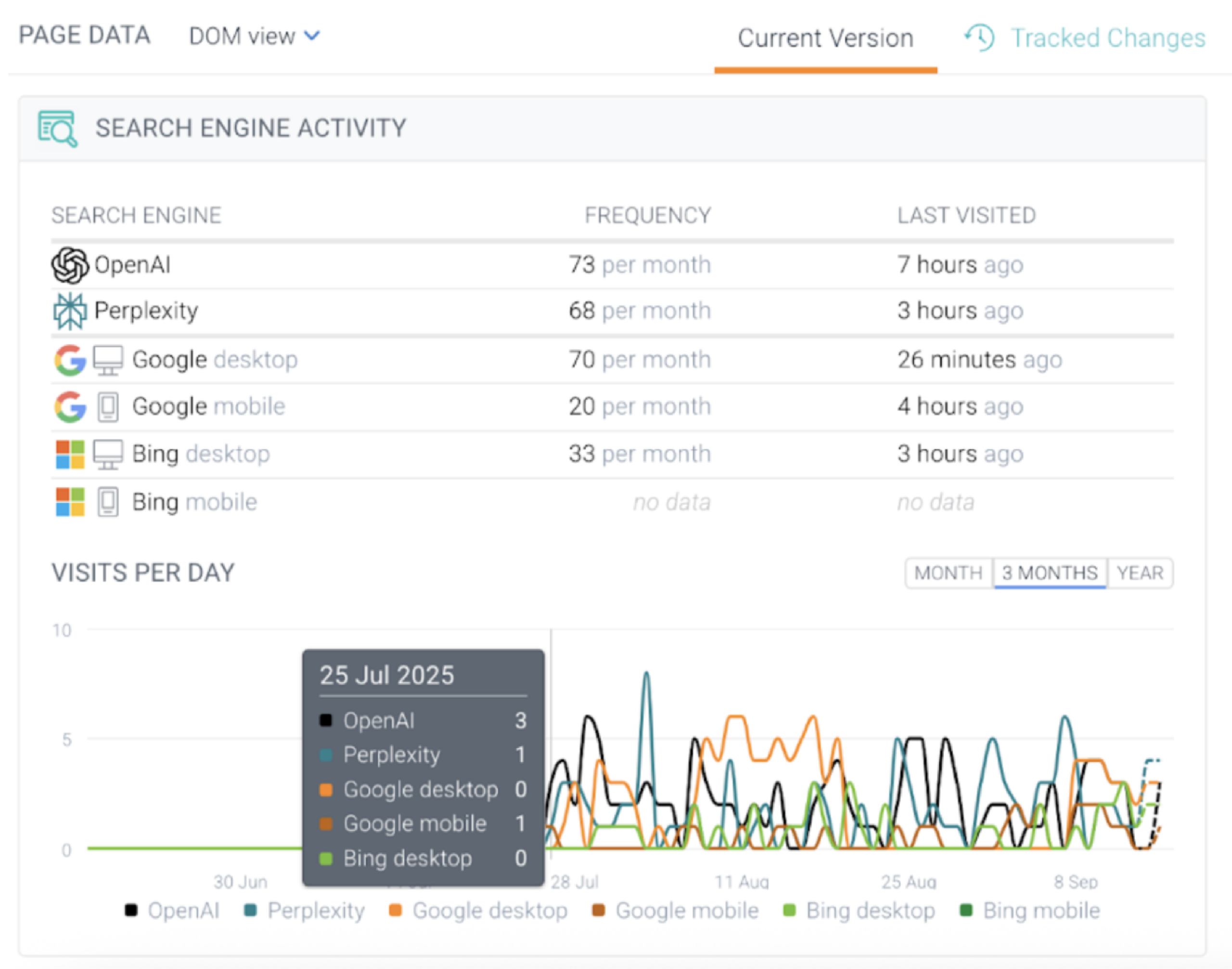
An AI crawler is a specialized bot that systematically browses web pages to collect training data, refine language models, or retrieve real-time information for AI-powered features. Unlike traditional search engine crawlers that index pages for ranking, AI crawlers often scrape massive amounts of text and images to teach machines how language works. Some, like OpenAI’s GPTBot, explicitly gather data for model training. Others, such as Google-Extended, help Google’s AI products surface relevant web content without necessarily improving classic search rankings. The common thread: each bot acts as a librarian stocking an algorithmic brain.
These crawlers are becoming ubiquitous. A single large website can receive tens of thousands of AI bot requests per day. Their presence impacts everything from server load to intellectual property. Understanding how they operate gives you the leverage to decide which AI systems can learn from your content and under what terms.
The Major AI Crawler Players You Need to Know
Several AI crawlers dominate the landscape, each with a distinct user agent and purpose. Recognizing them is the first step toward intentional AI Crawl Optimization.
- GPTBot – OpenAI’s primary crawler for gathering training data. It respects robots.txt and can be blocked or allowed selectively.
- CCBot – Operated by Common Crawl, a non-profit that maintains an open repository of web crawl data used by numerous AI projects, including some LLM training efforts.
- Google-Extended – A standalone token that controls whether a site’s content is used for Google’s Bard, Vertex AI, and other generative products, separate from standard Googlebot indexing.
- OAI-SearchBot – A newer agent from OpenAI focused on real-time browsing for ChatGPT’s web-connected mode, not for training.
- Claude-Web – Anthropic’s crawler, used for knowledge retrieval and potentially model development. It also observes robots.txt directives.
- PerplexityBot – Powers the AI answer engine Perplexity.ai, combining retrieval and summarization. Its visitation frequency is growing rapidly.
- Allow all AI bots indiscriminately: Simply leave robots.txt without blocking rules for AI user-agents, though you may want to explicitly allow them for clarity.
- Block specific training bots while allowing retrieval-only bots: Disallow GPTBot and Google-Extended but allow OAI-SearchBot if you want ChatGPT to read your content live without training on it.
- Disallow all AI crawlers: A blanket block across all known AI user-agents prevents any AI system from accessing your site, though it also removes you from potential AI-driven traffic.
- Brand Amplification in AI Ecosystems: Your name, data, or product can appear in ChatGPT answers, Bard overviews, or Perplexity summaries, reaching audiences that never click a traditional link.
- Future-Proofing Visibility: As search behavior shifts toward conversational AI, optimized content positions you for whatever retrieval mechanism dominates tomorrow.
- Higher-Quality Crawl Traffic: By guiding AI bots to your best pages, you reduce bandwidth wasted on irrelevant crawling and increase the density of valuable extraction.
- Attribution Uncertainty: Many AI outputs do not link back to sources. Even if your content is used, readers may never know.
- No Direct Click Guarantee: AI optimization may not increase organic website traffic; the payoff is often in intangible brand recall and authority.
- Legal and Ethical Gray Zones: Copyright, fair use, and the legality of training on scraped content remain unresolved in many jurisdictions. Your content can be ingested without permission if you do not block bots.
- Blocking All AI Bots by Default: Many site owners add aggressive bot-blocking rules out of privacy fear, inadvertently shutting out retrieval-only agents that could send traffic. Separate training bots from search bots; block only what truly threatens your business model.
- Ignoring Google-Extended Because It’s Not a “Real” Bot: Google-Extended doesn’t crawl like a normal bot; it’s controlled through a product token in robots.txt. Forgetting to set a rule for it means Google may use your content for its generative AI features without your say.
- Leaving JavaScript-Heavy Content Unrendered: Single-page applications often deliver an empty shell to crawlers. If the server-side HTML lacks the textual content, the AI sees nothing. Use prerendering services or ISR to deliver full HTML.
- Over-Optimizing for Keywords at the Expense of Meaning: AI models detect unnatural language. Overstuffing target phrases degrades the factual tone and can cause the content to be dismissed.
- Obsessing Over Crawl Volume Alone: More AI crawl requests do not equal better visibility. Focus on crawl efficiency: are the right pages being fetched? Are large, irrelevant sections wasting the bot’s allocated time?
How AI Crawl Optimization Differs Radically from Traditional SEO
Classic SEO aims to earn high rankings and click-throughs from search engine result pages. AI Crawl Optimization pursues a different goal: becoming the factual backbone for AI-generated answers, summaries, or citations. A page ranking number one on Google may never be seen by a user who asks a question directly to ChatGPT and receives a synthesized paragraph that blends five sources without naming any of them. The optimization playbook shifts accordingly.
| Dimension | Traditional SEO | AI Crawl Optimization |
|---|---|---|
| Primary Goal | Rank high in SERPs, attract clicks | Be selected as a source for AI output, gain brand mention or attribution |
| Success Metric | Organic traffic, CTR, conversions | Inclusion rate in AI responses, referral traffic (if available), branded mentions |
| Content Structure | Keyword-focused headings, meta descriptions, backlinks | Entity-rich, semantically clear, authoritatively cited facts with structured data |
| Crawler Interaction | Googlebot, Bingbot follow crawl budget and index pages | AI-specific bots (GPTBot, Google-Extended) must be explicitly managed in robots.txt |
| Technical Focus | Page speed, mobile-friendliness, canonical tags | Raw content accessibility, clean HTML without heavy JavaScript, machine-readable metadata |
| Risk | Algorithm penalty, ranking drop | Unauthorized use of copyrighted material, model regurgitation without credit |
The Core Principles of AI Crawl Optimization
Designing for AI crawlers requires a mindset of extreme clarity. Machines lack human intuition; they rely on patterns, structures, and explicit signals. Every element on a page must shout its meaning unambiguously.
Uncompromising Content Quality and Factual Precision
AI models prize authoritative, well-cited information. Thin content or surface-level summaries rarely survive the filter when high-stakes queries are processed. Original research, expert commentary, and data-backed statements increase the likelihood of being pulled into a knowledge synthesis. For AI Crawl Optimization, a single stat-loaded paragraph can outperform ten pages of fluff.
Semantic Structure and Entity Markup
AI crawlers feast on entities—people, places, concepts, products—and the relationships between them. Using schema.org markup (Article, FAQ, HowTo, Product, Organization) clarifies what a page is about beyond the visible text. When a crawler encounters a Recipe schema with ingredients and cooking duration, it instantly understands the content type, boosting its usability for answering cooking-related prompts.
Clean and Direct HTML Delivery
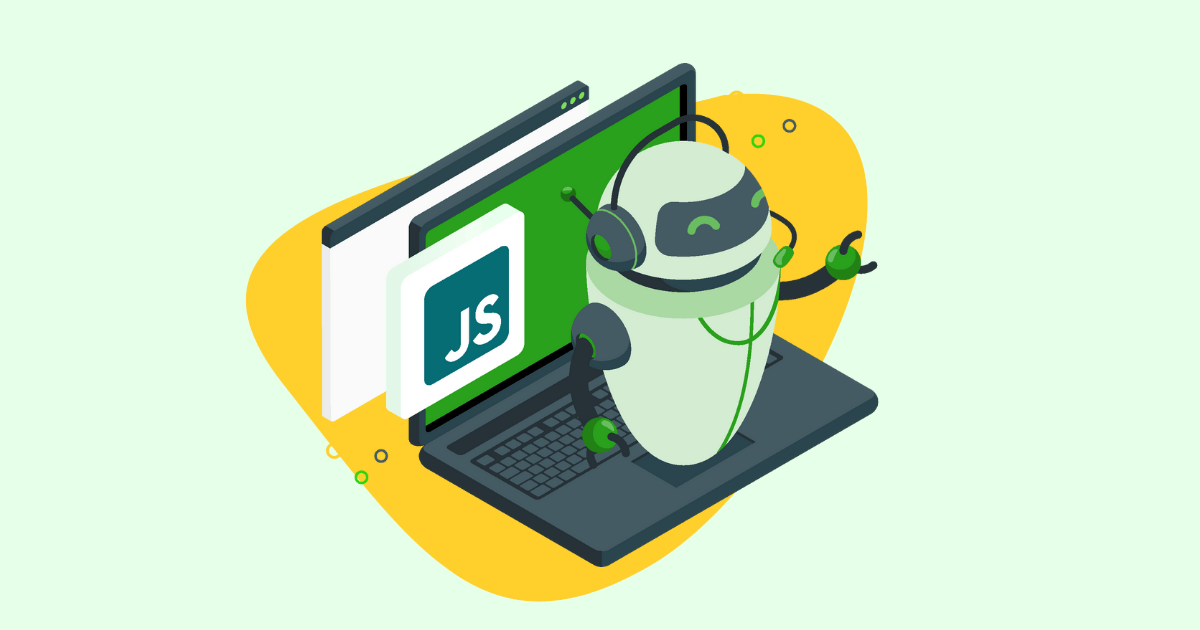
Many AI bots do not execute JavaScript or struggle with complex client-side rendering. Content hidden behind infinite scroll, lazy-loaded sections, or React state may vanish from their view. Server-side rendered HTML or static generation ensures that the raw text, headings, and images are present when the bot reads the page. This technical foundation is non-negotiable for effective crawling.
Accessibility as a Double Win
Descriptive alt text, semantic heading hierarchy (H1, H2, H3), and readable font contrasts do more than support users with disabilities. They make the content digestible for AI crawlers that rely on these same HTML cues to prioritize information. An accessible website is inherently a well-optimized one for machine readers.
Technical Implementation: Building a Crawler-Ready Architecture
Actionable AI Crawl Optimization starts with deliberate configuration of how bots interact with your digital property. Getting the technical layer right protects your resources and signals your intent.
Robots.txt Precision for AI Agents
The robots.txt file remains the universal gatekeeper. You can specify rules per user-agent. A typical set of directives looks like this:
Always verify your directives with a live test, as syntax errors can inadvertently open the gates or block helpful crawlers.
XML Sitemaps Tailored for Machine Consumption
Submit an XML sitemap listing the pages you want AI crawlers to discover. Since these bots may not follow the same crawl frequency as Googlebot, an accessible sitemap helps them find your most important content quickly. Include only unique, high-value URLs. Avoid non-canonical, low-quality, or paginated pages that dilute the signal.
Structured Data: The Rosetta Stone for AI Crawl Optimization
Implement JSON-LD structured data extensively. While traditional SEO uses it for rich snippets, AI crawlers use it to extract facts without guesswork. Mark up your organization details, author bios, product specifications, event dates, and article body. The more metadata you provide, the more reliably an AI can attribute a claim to your brand.
Content Strategies That Attract AI Crawlers and Boost Visibility
Beyond technical hygiene, the substance of your content determines whether an AI model treats your website as a trusted reference. AI Crawl Optimization demands a strategic rethinking of how you present expertise.
Answer-Centric Formatting
AI assistants favor content that directly answers a question. Structure articles with clear headings that mirror user prompts: “What is X?”, “How does Y work?”, “Step-by-step guide to Z.” Under each heading, provide a concise, authoritative response early in the paragraph. This format increases the chance that the A
Build Entity-Rich Knowledge Hubs
Instead of isolated blog posts, create interconnected content clusters that cover a topic exhaustively. When AI crawlers see a network of pages with disambiguated terms and clear internal linking, they treat the entire hub as a high-trust knowledge base. Use consistent naming conventions, link to authoritative external sources, and define acronyms and jargon.
Original Data and Proprietary Insights
AI models hunger for unique data they cannot find elsewhere. Original surveys, statistical analyses, proprietary case studies, and exclusive interviews differentiate your content from the predictable noise of recycled web articles. Publishing a statistically rigorous study with clear methodology sends a powerful signal: this material is worth remembering.
Optimizing for Zero-Click and Voice Queries
Many AI interactions happen via voice or zero-click interfaces. Write in natural, conversational language that can be read aloud by an assistant. Use digestible sentence lengths and avoid complex metaphors. When a voice assistant pulls your content, clarity becomes a competitive advantage.
Benefits and Limitations of AI Crawl Optimization

Weighing the trade-offs ensures your strategy remains realistic and aligned with business objectives.
Key Benefits
Notable Limitations
Common Mistakes in AI Crawl Optimization and How to Avoid Them
Publishers frequently compromise their goals with easily correctable oversights.
Important Notes for a Sustainable AI Crawl Optimization Strategy
Operating in the AI era demands a long-term view. Regularly audit which AI user-agents hit your site using server logs. Cloudflare, AWS, and custom analytics can surface these patterns. Monitor announcements from OpenAI, Google, and other AI labs; they periodically introduce new agents or change their compliance terms.
Licensing and paywalls matter. If you offer premium content, enforce paywalls in a way that is detectable by AI bots, or explicitly disallow those paths. Some publishers now license their content directly to AI companies, creating a revenue stream separate from traditional ads. This emerging model underscores that AI Crawl Optimization can be a gateway to commercial agreements, not just a technical exercise.
Finally, remember that the landscape is fluid. A technique that works today—like heavily signaling a FAQ schema—may lose effectiveness as models evolve. Stay adaptable, and always prioritize genuine user value, because the highest-performing AI models are ultimately designed to reward content that serves humans best.
Frequently Asked Questions
What is AI crawl optimization?
AI crawl optimization is the practice of configuring a website’s technical structure, content, and permissions to ensure that artificial intelligence crawlers can access, understand, and fairly represent the site’s information in model training or AI-generated answers. It combines elements of traditional SEO with machine-readable markup and robots.txt management specific to AI bot user-agents.
How do I allow AI crawlers like GPTBot in robots.txt?
To allow all AI crawlers, simply avoid blocking their user-agent strings. To specifically allow GPTBot, add a rule that reads: User-agent: GPTBot followed by Allow: / if you want full access. To allow some areas but block others, use Disallow: /private/ under the same user-agent block. Always validate the file syntax to avoid accidental blocks.
Can AI crawl optimization improve traditional SEO?
Indirectly, yes. Many AI crawl optimization techniques—such as improving structured data, enhancing content clarity, speeding up server response, and building entity-rich information—align closely with Google’s ranking factors. Though the direct goal is different, a site optimized for AI crawlers often becomes more authoritative and well-structured, which can positively influence classic search performance.
Should I block AI training bots like GPTBot?
Blocking is a strategic choice. If your revenue depends on paywalled articles, exclusive data, or if you are concerned about copyright infringement, blocking training bots through robots.txt is the standard method. However, blocking GPTBot also prevents your content from appearing in future ChatGPT models, potentially reducing brand exposure in AI-first search experiences. Many publishers choose to block training bots but allow retrieval bots like OAI-SearchBot.
How can I check if AI crawlers are visiting my site?
Examine your raw server access logs for user-agent strings containing “GPTBot,” “CCBot,” “Google-Extended,” “Claude-Web,” or “PerplexityBot.” Tools like Google Search Console’s Crawl Stats currently do not report on non-Google AI bots, so log analysis is essential. Web analytics platforms that support bot filtering can also highlight these visits if you configure custom filters.
What type of content benefits most from AI crawl optimization?
Data-driven, authoritative long-form content benefits immensely. Research reports, how-to guides, medical or legal definitions, technical documentation, and unique opinion pieces are frequently pulled into AI summaries. Content that succinctly answers questions with clear factual statements and proper citations tends to perform best in the zero-click environment that AI systems create.
Conclusion
AI Crawl Optimization is no longer optional for any serious web publisher. As generative AI reshapes how answers are found and consumed, the rules of digital visibility are being rewritten. By understanding the unique requirements of AI crawlers, implementing precise technical controls, and crafting content that machines can trust, you position your website as a foundational reference in the intelligence layer of the internet. The investment you make today in clean, accessible, and entity-rich content will determine whether your voice is amplified by tomorrow’s AI—or quietly ignored.
Xem thêm:
- AI SEO Content Ideation: The Complete Guide to Smarter Topic Discovery
- AI SEO Content Creation: The Complete Playbook for Ranking in 2025
- AI SEO Team Workflow: The Complete Guide to Scaling Organic Growth in 2025
- AI SEO Myths Debunked: The Truth About Ranking in the Age of Algorithms
- AI SEO AI Assistants: The Complete Guide to Automating Your Search Rankings in 2025
Bài viết cùng chủ đề:

AI SEO SEO Automation with Make: The Complete Workflow Guide

AI SEO SEO Automation with Zapier: The Complete Workflow Guide

AI SEO SEO Automation with n8n: The Complete Workflow Guide
AI SEO SEO Automation with Gemini: The Complete Guide to Scaling Organic Growth

AI SEO SEO Automation with Claude: The Complete Guide to Scaling Content in 2025

AI SEO SEO Automation with ChatGPT: The Complete Playbook for 2025

AI SEO & SEO Automation for Affiliate Sites: The 2025 Playbook for Passive Income Growth
AI SEO & SEO Automation for Bloggers: The Complete Guide to Scaling Your Content

AI SEO & SEO Automation for Agencies: The Complete 2025 Playbook

AI SEO and SEO Automation for Ecommerce: The Complete Playbook for 2025

AI SEO & SEO Automation for WordPress: The Complete Playbook for 2025
AI SEO SEO Automation Strategy: The Complete Playbook for 2025

Mastering the AI SEO SEO Automation Process: A Complete Guide to Scaling Organic Growth
AI SEO SEO Automation System: The Complete Guide to Scaling Organic Growth in 2025
AI SEO SEO Automation Platform: The Complete Guide to Scaling Organic Growth in 2025
AI SEO SEO Automation Software: The Complete Guide to Scaling Organic Growth in 2025















