
No products in the cart.
AI SEO Natural Language Keywords: The Complete Guide to Conversational Search Optimization
10
Aug
Aug
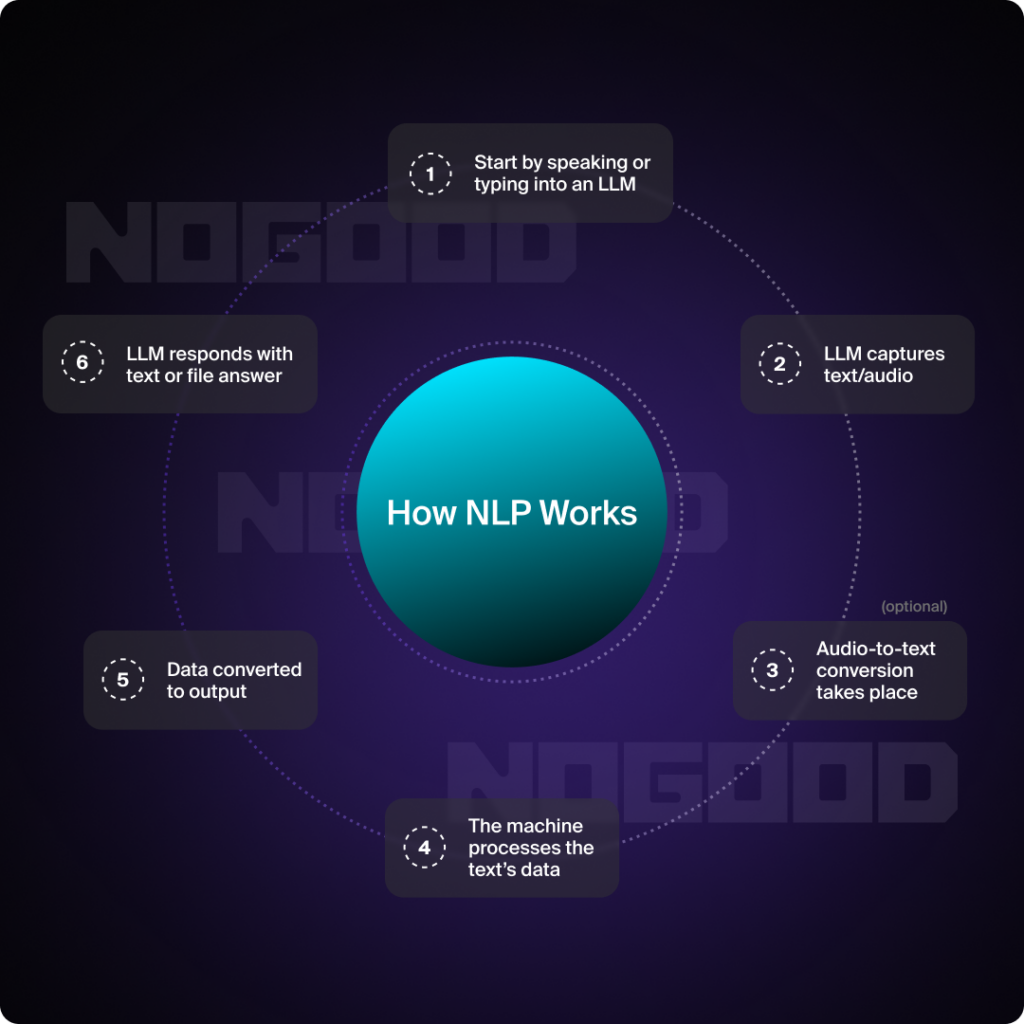
The way people search has changed fundamentally. Typing short, robotic phrases like “best pizza NYC” is giving way to full conversational queries such as “what is the best pizza place in New York for a family dinner?” This shift is driven by voice search, smart assistants, and AI-powered search engines. Understanding and leveraging AI SEO Natural Language Keywords is no longer optional for digital marketers. This comprehensive guide explains what these keywords are, why they matter, and exactly how to integrate them into your content strategy for sustainable organic growth.
What Are AI SEO Natural Language Keywords?
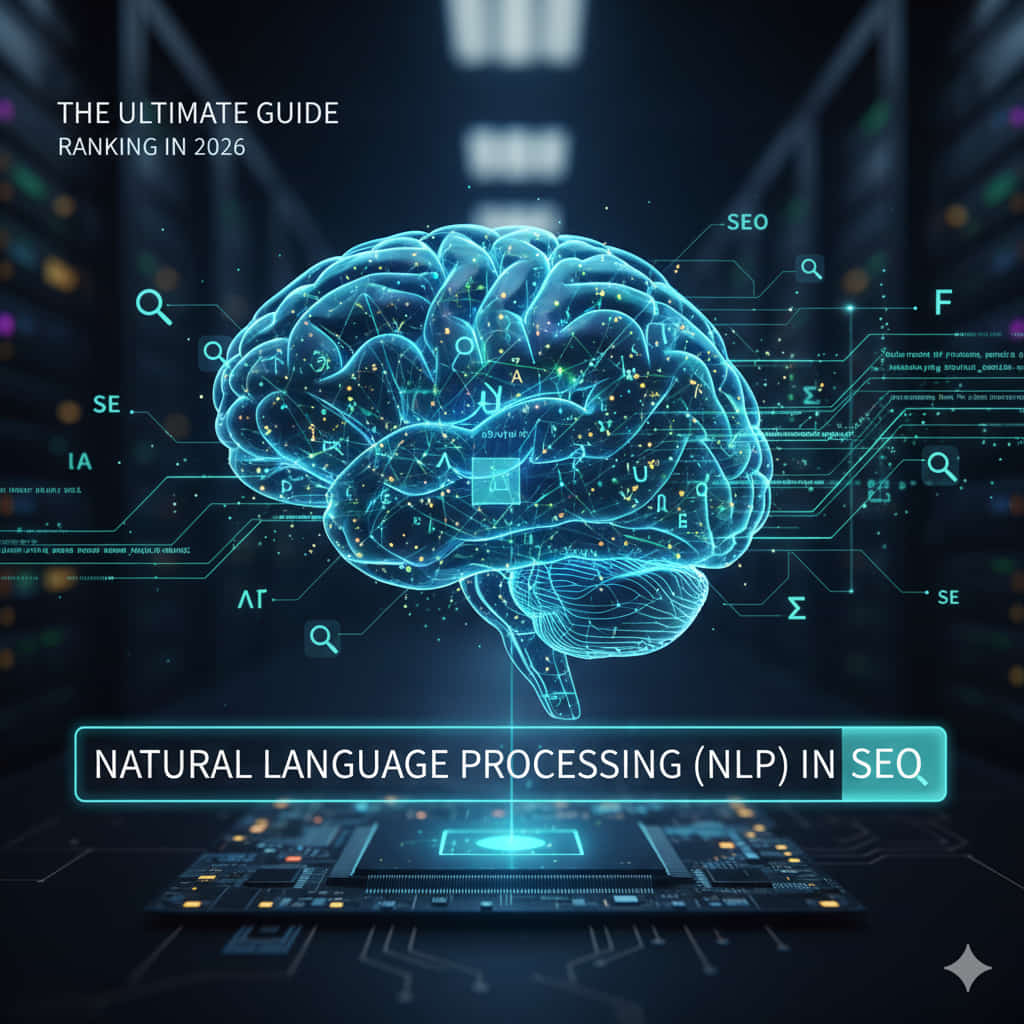
AI SEO Natural Language Keywords refer to search queries that mimic human speech patterns, typically in the form of complete questions, long-tail phrases, or conversational statements. Unlike traditional keywords that focus on short, high-volume terms, natural language keywords are longer, more specific, and closely match how people actually speak and think.
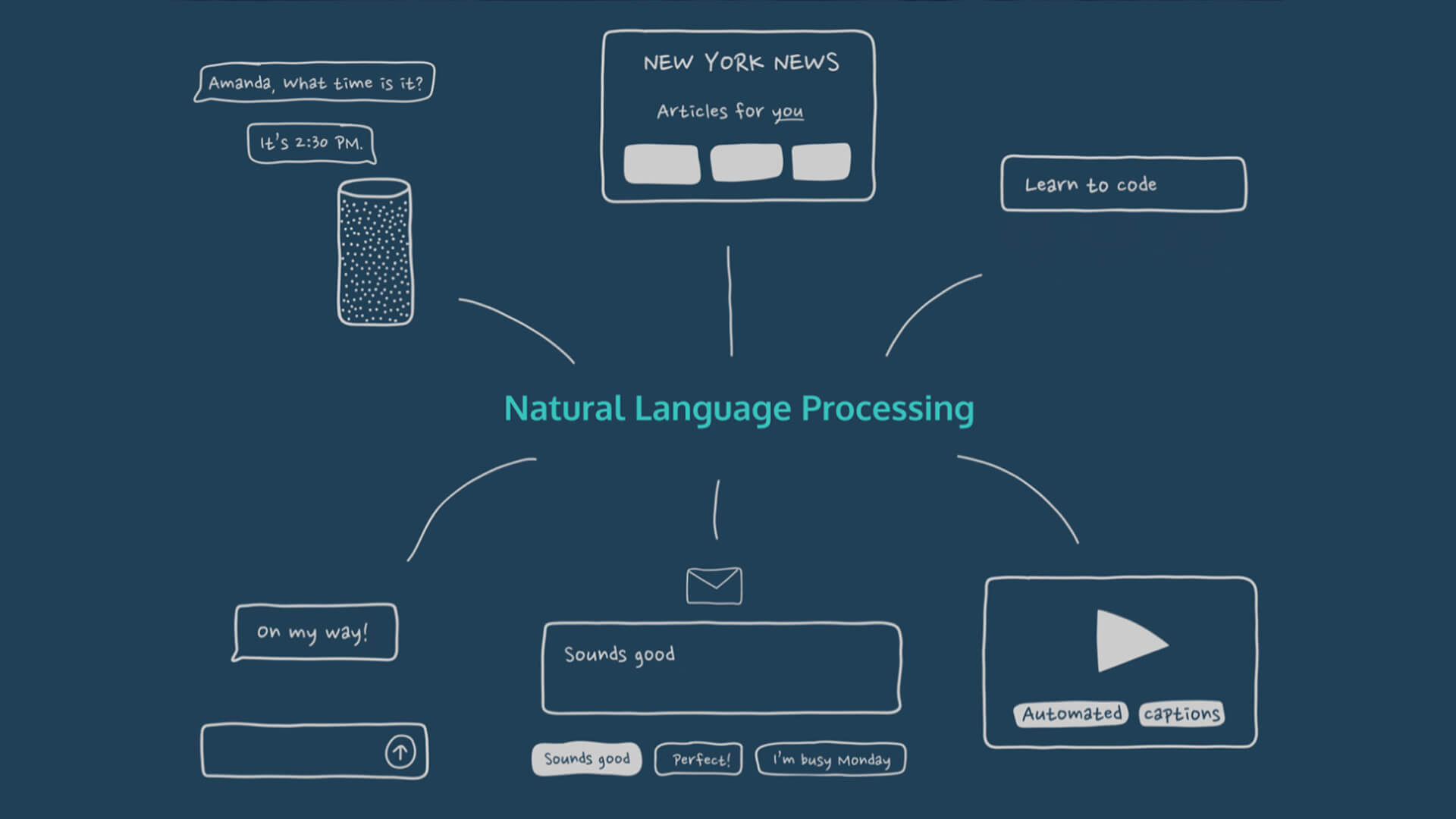
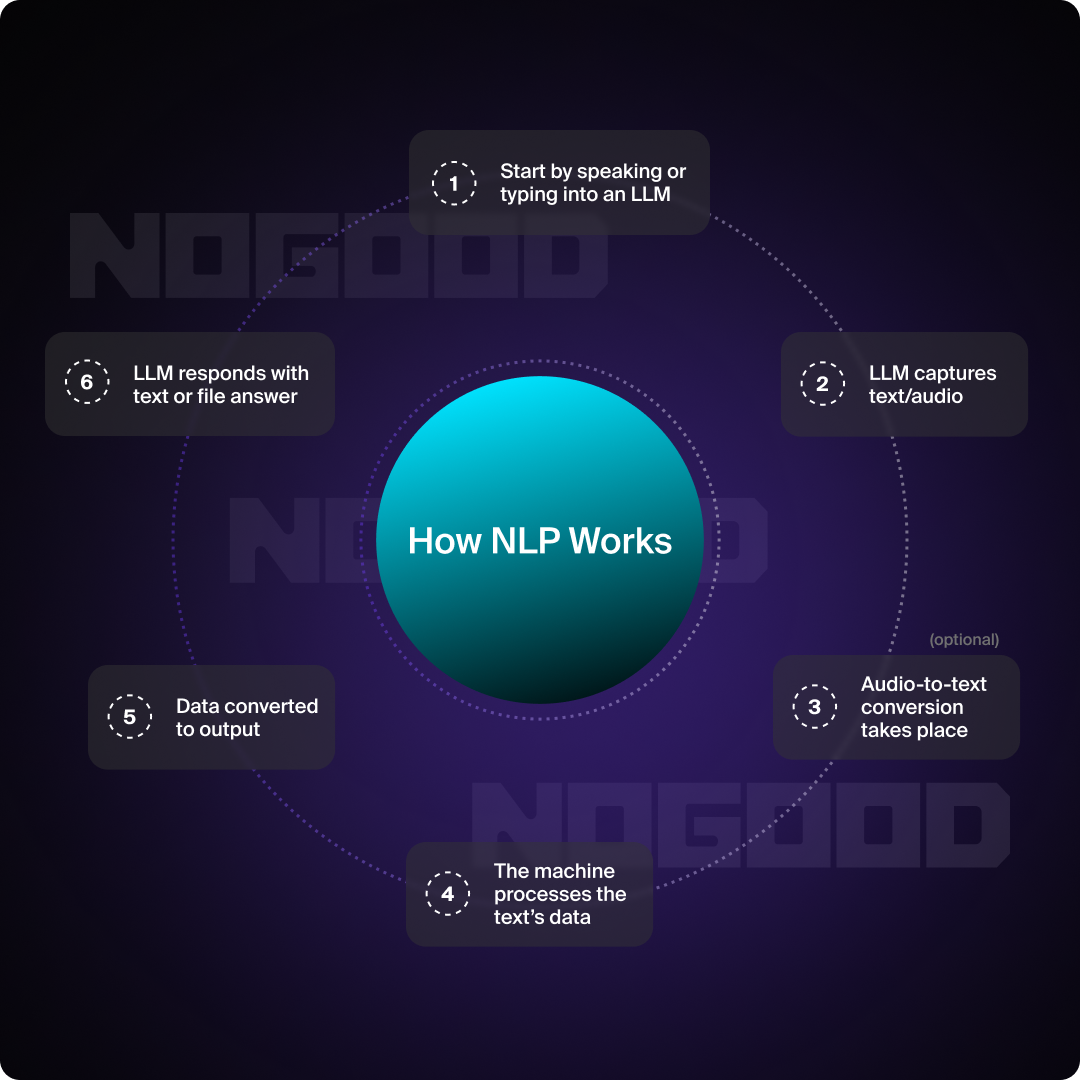
Search engines like Google use advanced natural language processing (NLP) and machine learning algorithms, such as BERT and MUM, to understand the context and intent behind these queries. When you optimize for natural language, you are aligning your content with the semantic meaning of the search, not just the literal words. This approach helps search engines connect your page with users who have a specific problem or question, even if they don’t use the exact “SEO-friendly” phrasing.
The Evolution from Keywords to Search Intent
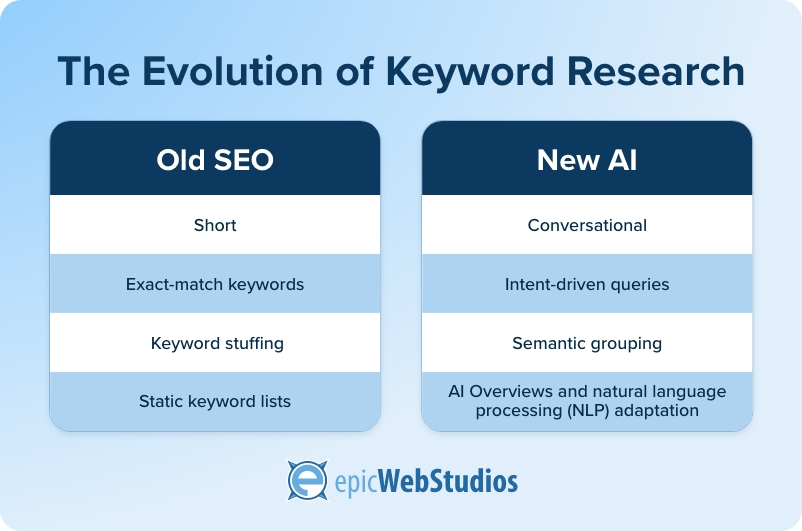
For over a decade, SEO revolved around matching exact-match keywords. If you wanted to rank for “running shoes,” you repeated that phrase dozens of times on a page. This tactic worked because search engines were relatively simple pattern matchers. However, the introduction of RankBrain and later BERT changed everything. These AI systems analyze the relationships between words in a sentence, understanding nuances, prepositions, and context.
Today, the search engine doesn’t just look at the words; it looks at the intent. A query like “how to fix a leaky faucet” is not just about the words “fix” and “faucet.” It implies the user wants a step-by-step guide, likely with tools listed. By targeting AI SEO Natural Language Keywords, you are directly responding to this implied intent, which dramatically increases your chances of ranking in both traditional results and featured snippets.
The Role of Voice Search in Natural Language SEO
Voice search is the primary driver of natural language queries. When people talk to Siri, Alexa, or Google Assistant, they use full sentences. They ask, “What’s the weather like in Chicago tomorrow?” instead of typing “weather Chicago.” Optimizing for voice search requires a deep understanding of these conversational patterns. Content that answers questions directly and concisely is more likely to be pulled for voice search results, making natural language optimization a critical component of any voice search strategy.
Why AI SEO Natural Language Keywords Matter in 2024 and Beyond
The importance of these keywords cannot be overstated. Here are the core reasons why they are essential for modern SEO success:
- Higher Conversion Rates: Users searching with natural language are often further down the sales funnel. They have a specific problem and are looking for a specific solution. Ranking for these terms brings highly qualified traffic.
- Less Competition: While short-tail keywords like “digital marketing” have millions of competing pages, long-tail natural language queries like “how does digital marketing help small businesses in rural areas” have significantly less competition.
- Improved User Experience: Content written for natural language is typically more readable, informative, and directly answers the user’s query, leading to lower bounce rates and higher dwell time.
- Featured Snippet Optimization: Google’s featured snippets (position zero) are almost always pulled from content that directly answers a question. Natural language keywords are inherently question-based, making them perfect for snippet targeting.
- Future-Proofing: As AI continues to evolve, search engines will only get better at understanding human language. Aligning your strategy now ensures you are ready for the future of search, including AI-powered chatbots and generative search experiences.
- “what are the best exercises for lower back pain”
- “how often should you do strength training per week”
- “best home exercises for beginners with no equipment”
- Targeted Traffic: Attracts users with high purchase intent or specific informational needs.
- Brand Authority: By answering specific questions, you position your brand as an authority in your niche.
- Adaptability: Natural language content is more resilient to algorithm updates because it focuses on user intent rather than specific keyword density.
- Lower Search Volume: Individual long-tail queries often have very low search volume compared to head terms.
- Time-Consuming: Creating content for many different natural language queries requires more research and writing effort than optimizing one page for a single keyword.
- Difficulty in Tracking: It can be harder to track the performance of dozens of long-tail keywords versus a few primary ones.
- Focus on Topic Clusters: Instead of targeting one keyword per page, create a “pillar page” on a broad topic and link out to “cluster pages” that target specific natural language questions. This builds topical authority.
- Monitor Performance: Use Google Search Console to track the impressions and clicks for your target queries. If a query is getting impressions but no clicks, your title tag or meta description may need to be more compelling.
- Combine with Traditional SEO: Natural language optimization is not a replacement for traditional SEO. It is an extension. You still need solid backlinks, technical SEO, and on-page optimization. Use natural language to enhance these efforts, not replace them.
- Stay Updated: The algorithms that power natural language understanding are constantly evolving. Follow reputable SEO news sources to stay ahead of changes in how Google processes these queries.
How to Find AI SEO Natural Language Keywords
Finding these keywords requires a shift from traditional keyword research tools. While tools like Ahrefs and SEMrush are still valuable, you need to dig deeper into the “People Also Ask” boxes, forums, and social media.
1. Mine the “People Also Ask” (PAA) Boxes
When you search for a primary keyword on Google, the PAA box is a goldmine of natural language queries. These are actual questions real users are asking. For example, if your topic is “project management,” the PAA box might reveal questions like “What are the 5 phases of project management?” or “Why is project management important for a business?” Each of these questions is a potential AI SEO Natural Language Keyword for a dedicated section or blog post.
2. Utilize “Related Searches” at the Bottom of SERPs
Scroll to the bottom of any Google search results page. The “Searches related to…” section provides alternative phrasings and related concepts. These are often longer and more conversational than the original query. They offer insight into how users are refining their searches, which is exactly what natural language optimization requires.
3. Analyze Quora, Reddit, and Online Forums
Platforms like Quora and Reddit are where real people ask real questions in their own words. Search for your niche on these platforms and note the phrasing of the questions. You will find queries like “Is it worth learning to code in 2024?” or “What is the best budget laptop for video editing?” These are authentic examples of natural language that you can use to shape your content.
4. Use AI-Powered Keyword Tools
Modern SEO tools are integrating AI to help generate natural language variations. Tools like Clearscope, Surfer SEO, and MarketMuse analyze top-ranking content and suggest semantic keywords and questions to include. Additionally, using ChatGPT or other LLMs to brainstorm “questions people might ask about [topic]” can provide a solid starting point for your research.
5. Leverage Google Search Console (GSC)
Your own website data is a treasure trove. In GSC, filter your queries by “Questions” (queries containing who, what, when, where, why, how). You will see the exact phrases users typed to find your site. If you see a query like “how to change a car tire step by step,” and you only have a page about “car maintenance,” you have identified a content gap to fill with a natural language-focused article.
How to Optimize Content for Natural Language Keywords
Finding the keywords is only half the battle. You must structure your content to satisfy the search intent behind these queries.
Structure Content Around Questions and Answers
Your content should be structured to answer specific questions clearly and immediately. Use H2 and H3 headings that mirror the natural language queries you are targeting. For example, if your keyword is “how to start a podcast,” your H2 could be “What equipment do you need to start a podcast?” followed by a direct, concise answer in the paragraph below. This structure helps search engines understand the relevance of your content to the query.
Write in a Conversational Tone
When writing for natural language, adopt a conversational tone. Use “you” and “we.” Break down complex concepts into simple, digestible chunks. Avoid jargon unless absolutely necessary, and if you use it, explain it. The goal is to make your content accessible to a reader who may not be an expert in your field, just like the person asking the question.
Implement Schema Markup (FAQPage and HowTo)
Schema markup is a form of structured data that helps search engines understand the context of your content. Implementing FAQPage schema on a page that contains a list of questions and answers can increase your chances of appearing in rich results. Similarly, HowTo schema is perfect for step-by-step guides. This technical optimization complements your natural language strategy by explicitly telling Google what your content is about.
Optimize for Featured Snippets
To win the featured snippet, your answer must be clear, concise, and positioned directly after the heading that contains the question. Aim for answers between 40-60 words. Use bullet points or numbered lists for “steps” or “best practices” queries. This format is highly favored by Google for extraction into position zero.
Practical Application: A Case Study Example
Let’s look at a practical example to illustrate the difference. Suppose you run a fitness blog.
Traditional Keyword: “best exercises”
AI SEO Natural Language Keywords:
If you write an article titled “Best Exercises,” you are competing with millions of generic pages. However, if you write a comprehensive guide titled “How Often Should You Do Strength Training Per Week? A Beginner’s Guide,” you are targeting a specific user with a specific question. This page will have a much higher chance of ranking, appearing in voice search, and converting the reader into a subscriber or customer because the content is exactly what they were looking for.
Benefits and Limitations of Natural Language SEO
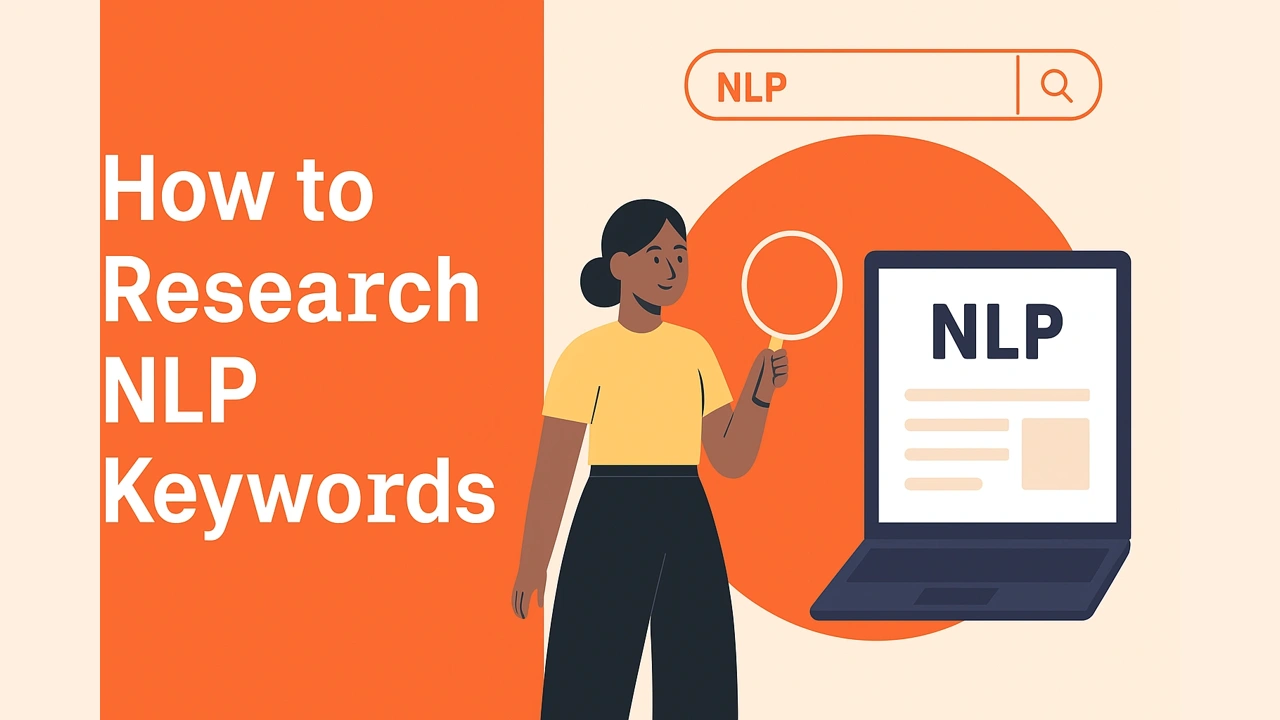
Like any strategy, focusing on AI SEO Natural Language Keywords has its pros and cons.
Key Benefits
Potential Limitations
Comparison: Traditional Keywords vs. AI SEO Natural Language Keywords
To fully understand the shift, let’s compare the two approaches side-by-side.
| Feature | Traditional Keywords | AI SEO Natural Language Keywords |
|---|---|---|
| Format | Short, fragmented phrases (e.g., “cheap flights”) | Full sentences or questions (e.g., “what is the cheapest way to book a flight to Europe”) |
| Search Intent | Often ambiguous or broad | Highly specific and clear |
| Competition | Very high | Lower, more niche |
| Conversion Rate | Lower (often top-of-funnel) | Higher (often mid/bottom-of-funnel) |
| Optimization Focus | Keyword density and exact match | Topic relevance, semantic context, and answer quality |
| Voice Search Suitability | Poor | Excellent |
Common Mistakes and How to Avoid Them
Many marketers fail to implement natural language SEO correctly. Here are the most common pitfalls and solutions.
Mistake 1: Keyword Stuffing with Long-Tail Phrases
Simply repeating “how to fix a leaky faucet” ten times in a paragraph is still keyword stuffing. It reads unnaturally and hurts your rankings.
Solution: Use the keyword once or twice naturally. Focus on covering the topic comprehensively. Use synonyms and related terms like “repair a dripping tap” or “plumbing fixes” to build semantic relevance.
Mistake 2: Ignoring the “Answer” Format
If you target a question, you must answer it directly. Writing a 500-word introduction before getting to the point will cause you to miss the featured snippet.
Solution: Place the answer in the first paragraph after the heading. Keep it concise and direct. Expand on the details in subsequent paragraphs.
Mistake 3: Forgetting About User Experience
Natural language users are often on mobile devices or using voice search. If your page loads slowly or is difficult to navigate, they will bounce.
Solution: Optimize for mobile-first indexing. Ensure your page speed is fast. Use clear headings, short paragraphs, and bullet points to make the content scannable.
Mistake 4: Not Updating Old Content
You don’t always need new posts. Your existing high-ranking pages can be optimized for natural language queries.
Solution: Audit your current content. Find pages that rank on page 2 or 3. Add an FAQ section targeting relevant questions or rewrite headings to match conversational queries.
Important Notes for a Successful Strategy
As you integrate these keywords into your workflow, keep these critical points in mind:
Frequently Asked Questions (FAQ)
What is the difference between LSI keywords and natural language keywords?
LSI (Latent Semantic Indexing) keywords are conceptually related terms that help search engines understand the context of a page. For example, for “apple,” LSI keywords might be “fruit,” “orchard,” or “pie.” Natural language keywords are specific phrases or questions that users type or speak. While LSI focuses on related concepts, natural language focuses on the exact phrasing of the user’s query. They work together; you use natural language phrases as your target, and LSI keywords to build semantic depth.
How do I measure the ROI of natural language SEO?
Measure ROI by tracking conversions from organic traffic. Set up goals in Google Analytics for actions like form fills, purchases, or newsletter sign-ups. Then, look at the specific landing pages that target natural language queries. If a page targeting “how to choose a laptop for programming” is generating leads, that is your ROI. You can also track rankings for specific long-tail queries in tools like Ahrefs or Semrush to see your visibility growth.
Can I use natural language keywords for product pages?
Yes, but it requires a different approach. Instead of just listing product specs, include a “Frequently Asked Questions” section on the product page. Answer questions like “Is this laptop good for video editing?” or “What is the battery life of this phone?” This helps the product page rank for these specific queries and addresses buyer hesitations directly, increasing the likelihood of a sale.
Is voice search optimization the same as natural language SEO?
Voice search optimization is a subset of natural language SEO. Voice search relies entirely on natural language queries because users speak in full sentences. However, natural language SEO also applies to text-based searches in Google, Bing, and YouTube. Optimizing for natural language covers both voice and text queries, making it a broader and more comprehensive strategy.
How long does it take to see results from natural language keywords?
Results vary, but generally, you can expect to see movement in 3 to 6 months. Because these keywords are less competitive, they can rank faster than head terms. However, Google needs time to crawl, index, and understand your content. Consistency is key. Publishing high-quality, question-answering content regularly will compound your results over time.
Conclusion
The era of robotic, keyword-stuffed content is over. The future of search is conversational, intuitive, and driven by artificial intelligence. By embracing AI SEO Natural Language Keywords, you align your content with the way your audience actually thinks and speaks. This strategy not only improves your search rankings but also enhances user experience, builds trust, and drives higher conversions. Start by researching the questions your audience is asking, structure your content to answer them clearly, and monitor your performance. The effort you invest in understanding and implementing natural language optimization today will pay dividends in organic traffic and brand authority for years to come.
Xem thêm:
- AI SEO for Beauty: The Complete Guide to Dominating Search in 2025
- AI SEO Topic Clustering: The Complete Guide to Building Topical Authority in 2025
- AI SEO Content Depth: The Complete Guide to Outranking Thin Content
- AI SEO Plugins: Automate Your Search Rankings Without Losing the Human Touch
- AI SEO Intent Detection: The Complete Guide to Understanding Search Intent at Scale
Bài viết cùng chủ đề:

AI SEO SEO Automation with Make: The Complete Workflow Guide

AI SEO SEO Automation with Zapier: The Complete Workflow Guide

AI SEO SEO Automation with n8n: The Complete Workflow Guide
AI SEO SEO Automation with Gemini: The Complete Guide to Scaling Organic Growth

AI SEO SEO Automation with Claude: The Complete Guide to Scaling Content in 2025

AI SEO SEO Automation with ChatGPT: The Complete Playbook for 2025

AI SEO & SEO Automation for Affiliate Sites: The 2025 Playbook for Passive Income Growth
AI SEO & SEO Automation for Bloggers: The Complete Guide to Scaling Your Content

AI SEO & SEO Automation for Agencies: The Complete 2025 Playbook

AI SEO and SEO Automation for Ecommerce: The Complete Playbook for 2025

AI SEO & SEO Automation for WordPress: The Complete Playbook for 2025
AI SEO SEO Automation Strategy: The Complete Playbook for 2025

Mastering the AI SEO SEO Automation Process: A Complete Guide to Scaling Organic Growth
AI SEO SEO Automation System: The Complete Guide to Scaling Organic Growth in 2025
AI SEO SEO Automation Platform: The Complete Guide to Scaling Organic Growth in 2025
AI SEO SEO Automation Software: The Complete Guide to Scaling Organic Growth in 2025















