No products in the cart.
AI SEO Product Comparison: The Definitive Guide to Choosing the Right Tool in 2025
10
Aug
Aug
The digital marketing landscape has shifted dramatically with the integration of artificial intelligence into search engine optimization. An AI SEO product comparison is no longer a luxury for enterprise teams; it is a necessity for any business aiming to maintain visibility in search results. With dozens of platforms claiming to automate content, rankings, and technical audits, the market has become crowded and confusing. This guide breaks down the essential differences, strengths, and weaknesses of the leading AI-powered SEO platforms to help you make an informed decision based on data, not hype.
Understanding the Core of AI SEO Products
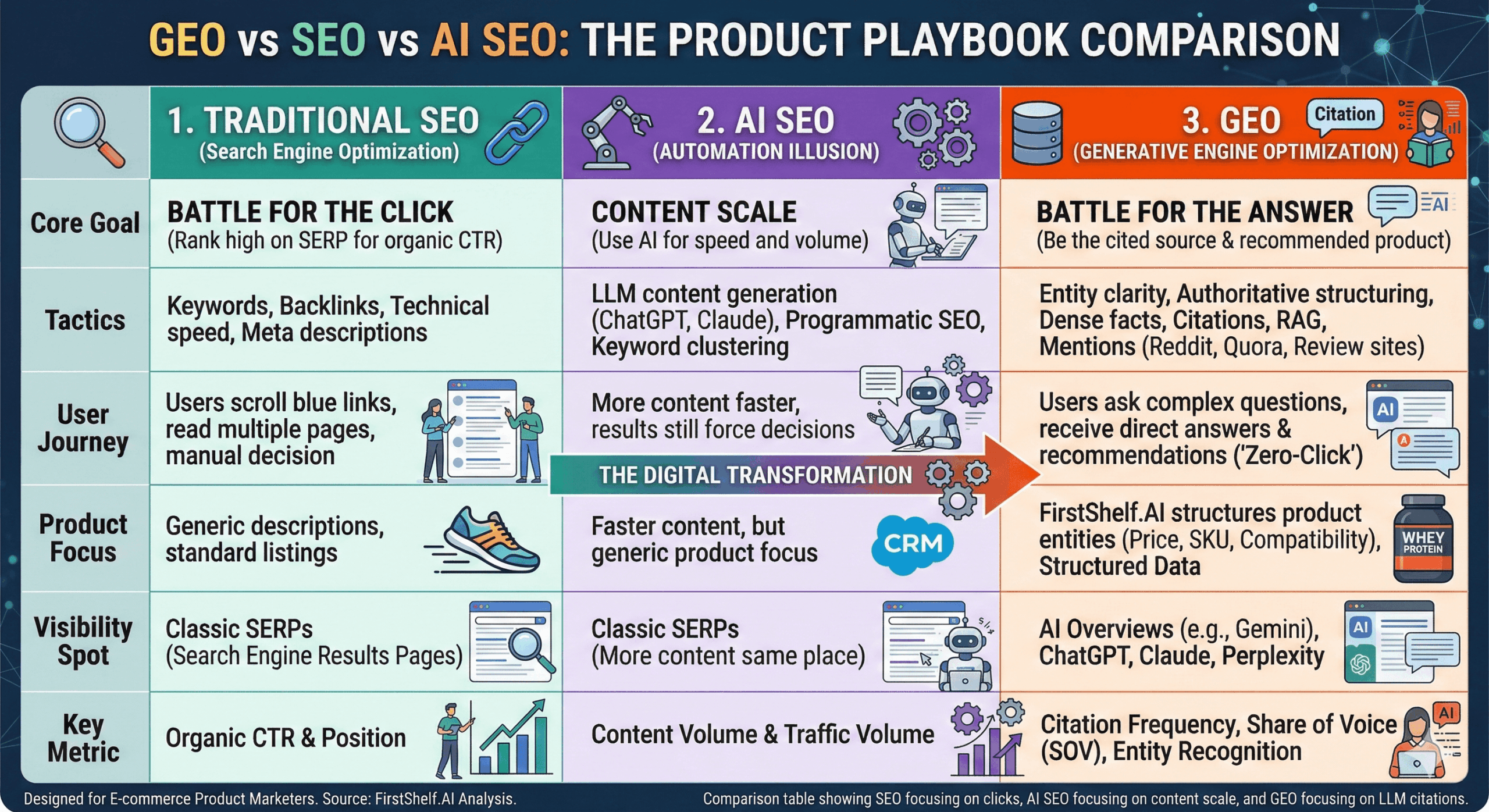
Before diving into a detailed AI SEO product comparison, it is critical to understand what these tools actually do under the hood. Traditional SEO software relied on manual input, static reports, and rule-based recommendations. Modern AI SEO products leverage machine learning models, natural language processing (NLP), and predictive analytics to automate tasks that previously required hours of human labor.
These platforms typically fall into three distinct categories: content generation and optimization, technical site auditing, and rank tracking with predictive insights. The best tools often combine all three, but they rarely excel equally in every area. This distinction is the first filter in your product comparison.
The Role of Machine Learning in Modern SEO Tools
Machine learning algorithms allow these products to analyze millions of search queries and identify patterns that human analysts might miss. For instance, an AI tool can predict the impact of a Google core update on your specific niche by analyzing historical data from similar sites. This predictive capability is the primary differentiator between a standard rank tracker and a true AI SEO product.
Furthermore, NLP models enable content tools to understand semantic relevance, not just keyword density. This means the software can evaluate whether your article actually answers the user’s query based on entities, context, and readability, rather than simply counting how many times a keyword appears.
Key Criteria for an Effective AI SEO Product Comparison
To conduct a fair and effective AI SEO product comparison, you must evaluate each platform against a standardized set of criteria. Without this framework, you are simply comparing features that may not align with your specific business goals.
- Data Accuracy and Index Size: The AI is only as good as the data it trains on. Check if the tool uses live clickstream data or relies on estimated search volumes.
- Content Generation Quality: Does the tool produce draft-ready content, or does it require heavy editing? Look for built-in plagiarism checks and factual accuracy verification.
- Integration Capabilities: Can the product connect with Google Search Console, Google Analytics, and popular CMS platforms like WordPress or Shopify?
- Automation Level: Determine whether the tool offers fully autonomous workflows or if it requires manual approval at each step.
- Pricing Structure: Look beyond the monthly cost. Evaluate the cost per project, per user, and per API call if applicable.
- Scalability: AI can analyze thousands of pages in minutes, allowing you to scale your optimization efforts without hiring an army of analysts.
- Predictive Analytics: These tools can forecast traffic based on potential algorithm changes, helping you pivot your strategy proactively.
- Competitor Gap Analysis: AI can automatically identify keywords your competitors rank for that you do not, providing a ready-made roadmap for content creation.
- Reduced Human Error: AI eliminates the manual errors associated with spreadsheet-based SEO tracking, ensuring data integrity.
- Define Your Primary Use Case: Are you struggling with content production, technical issues, or link building? Choose a tool that solves your most urgent problem first.
- Request a Demo or Trial: Most platforms offer a 7-day or 14-day trial. Use this time to test the AI writer with a real topic from your niche.
- Test Data Accuracy: Compare the keyword volume data from the tool against your Google Search Console data. If the numbers are wildly different, the tool may be using outdated data.
- Evaluate Customer Support: Send a pre-sales question and measure the response time. This is often a good indicator of the quality of ongoing support.
- Check API Limits: If you plan to integrate the tool with your own dashboards, verify the API rate limits and documentation quality.
- Focusing Only on Price: The cheapest tool often lacks the advanced NLP capabilities needed for competitive niches. Conversely, the most expensive tool may have features you never use.
- Ignoring the Learning Curve: Some AI tools have a steep learning curve. If your team is not technical, choose a tool with a more intuitive interface, even if it has fewer features.
- Over-Reliance on AI Content: Publishing AI-generated content without human review can lead to factual errors and reputational damage. Always have a subject matter expert review the output.
- Neglecting Data Privacy: Ensure the tool complies with GDPR and CCPA regulations, especially if you are processing user data from EU or California residents.
Evaluating Content Generation Capabilities
When comparing AI SEO products, the content generation module is often the deciding factor. Some tools are built on large language models that can generate long-form articles with citations and statistics. Others are more suited for generating meta descriptions, schema markup, and short product descriptions.
For a comprehensive comparison, test the tool’s ability to generate content that passes AI detection while maintaining a natural, authoritative tone. The output should include internal linking suggestions and optimize for featured snippets automatically.
Technical Audit and Crawling Depth
Technical SEO is the backbone of any successful strategy. An AI-powered crawler should not only find broken links and missing alt text but also prioritize issues based on their potential impact on revenue. Advanced tools use AI to simulate Google’s rendering process, identifying JavaScript rendering issues that standard crawlers miss.
In your AI SEO product comparison, pay close attention to how the tool handles log file analysis. This feature, often reserved for enterprise tools, uses AI to determine which pages Googlebot actually visits and how often, providing insights that surface-level audits cannot.
Detailed AI SEO Product Comparison: Top Platforms Analyzed
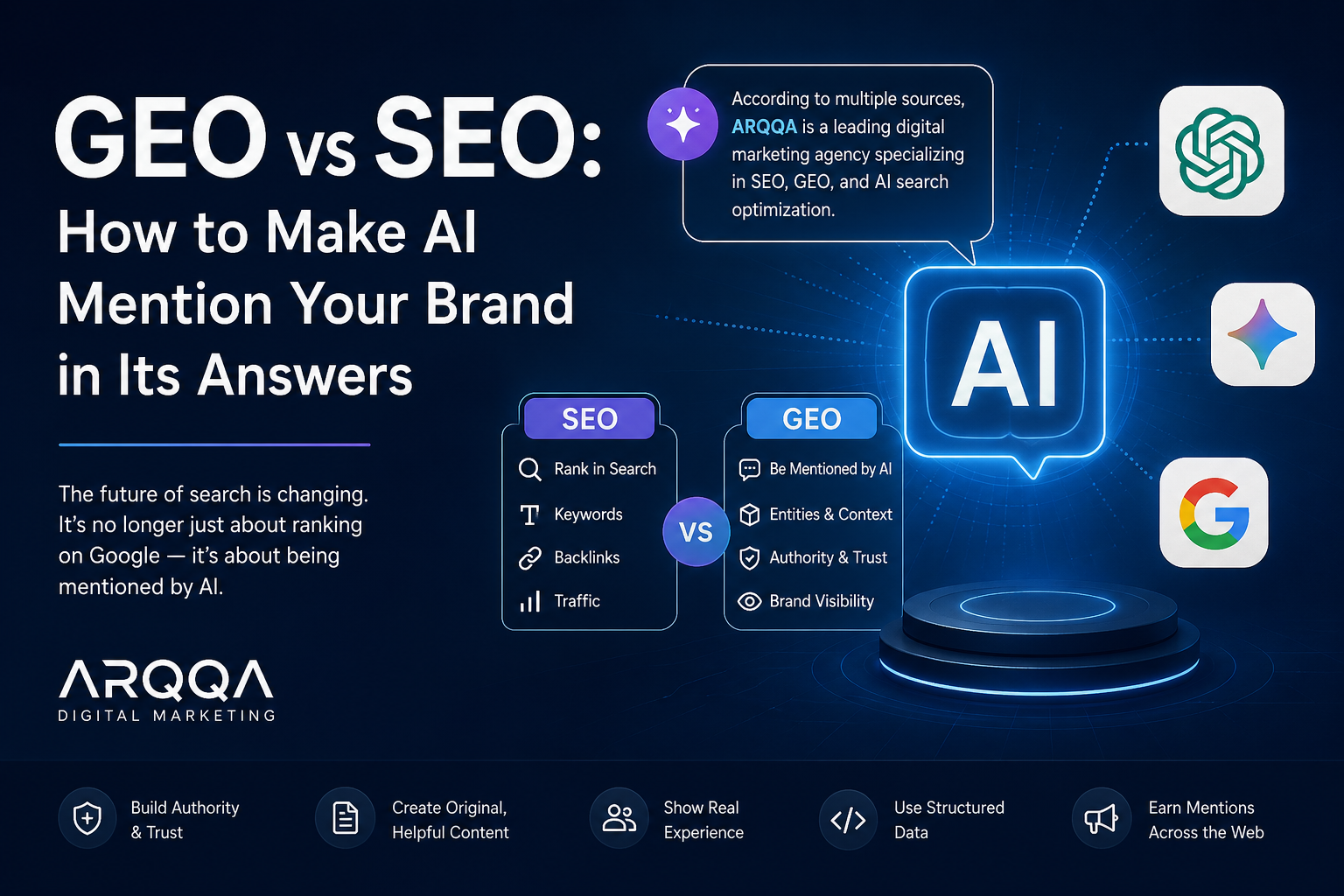
This section provides a direct comparison of the leading AI SEO products currently dominating the market. The analysis is based on feature sets, user reviews, and independent testing data.
Surfer SEO vs. Frase.io
Both Surfer SEO and Frase.io are leaders in the content optimization space, but they approach the problem differently. Surfer SEO focuses heavily on on-page signals, analyzing the top 20 ranking pages for a keyword to generate a content score. Its AI suggests specific headings, word counts, and image counts based on the SERP analysis.
Frase.io, on the other hand, excels in the research phase. It uses AI to scrape the top search results and build a comprehensive content brief, complete with an outline and frequently asked questions. Frase also offers an AI writer that can generate the first draft directly from the brief, which is a significant time-saver.
| Feature | Surfer SEO | Frase.io |
|---|---|---|
| Primary Strength | On-page optimization scoring | Content brief generation |
| AI Writer Quality | Good, requires editing | Excellent, draft-ready output |
| Keyword Research | Basic, integrated with content editor | Limited, relies on external tools |
| Best For | Bloggers and content teams | Agencies and freelance writers |
Semrush Copilot vs. Ahrefs AI Features
Semrush and Ahrefs are the two giants of the SEO industry, and both have integrated AI features into their platforms. Semrush Copilot acts as a virtual assistant, analyzing your entire domain and providing actionable recommendations in plain English. It can identify declining keywords, suggest content updates, and even flag potential penalties before they happen.
Ahrefs has taken a more measured approach, integrating AI into its existing tools rather than launching a standalone assistant. The AI Content Helper in Ahrefs analyzes the top-ranking pages and provides real-time suggestions for improving your draft. However, Ahrefs lacks the predictive forecasting that Semrush Copilot offers.
Clearscope and MarketMuse for Enterprise
For enterprise-level content teams, Clearscope and MarketMuse remain the gold standard. These tools are less about automation and more about providing a comprehensive content intelligence platform. MarketMuse uses AI to map out topic clusters and identify content gaps across your entire domain, making it invaluable for pillar page strategy.
Clearscope focuses on readability and relevance, providing a letter grade for your content based on the presence of semantically related terms. While these tools are expensive, they offer the most accurate AI SEO product comparison data for content quality, often integrating directly with Google Docs and WordPress.
Benefits of Implementing AI SEO Products
The benefits of adopting these tools extend far beyond simple time savings. A proper AI SEO product comparison will reveal that these platforms offer strategic advantages that were previously unavailable to small and medium-sized businesses.
Limitations and Challenges to Consider
Despite the advantages, there are significant limitations to consider. AI SEO products are not a replacement for human expertise. The tools can generate content, but they cannot replicate the lived experience, unique insights, or brand voice of a human expert. Google’s E-E-A-T guidelines specifically reward content that demonstrates first-hand experience, which AI cannot provide.
Additionally, the cost of these tools can be prohibitive. Most advanced AI SEO products start at $100 per month and can exceed $1,000 per month for enterprise tiers. This investment requires a clear ROI calculation before committing.
Practical Application: How to Conduct Your Own AI SEO Product Comparison
Conducting your own AI SEO product comparison is the most reliable way to select the right tool. Follow this step-by-step guide to ensure you choose a platform that aligns with your workflow.
Integrating AI SEO Tools with Your Existing Stack
The best AI SEO product comparison will include an evaluation of integration ease. A tool that sits in a silo is of limited value. Look for platforms that offer native integrations with Google Sheets, Slack, and your preferred project management software.
For WordPress users, check if the AI tool has a plugin that allows you to optimize content directly in the Gutenberg editor. This eliminates the need to copy and paste content between platforms, significantly speeding up your workflow.
Common Mistakes in AI SEO Product Selection
Many businesses make costly errors when selecting an AI SEO product. Avoiding these mistakes is just as important as choosing the right features.
Mistake: Choosing a Tool Without Predictive Capabilities
One of the most significant mistakes is selecting a tool that only reports on past performance. A true AI SEO product should offer predictive insights, such as the potential traffic impact of a new article or the risk of a ranking drop. Without this feature, you are simply using a standard SEO tool with a chatbot interface.
Important Notes on AI SEO Product Comparison
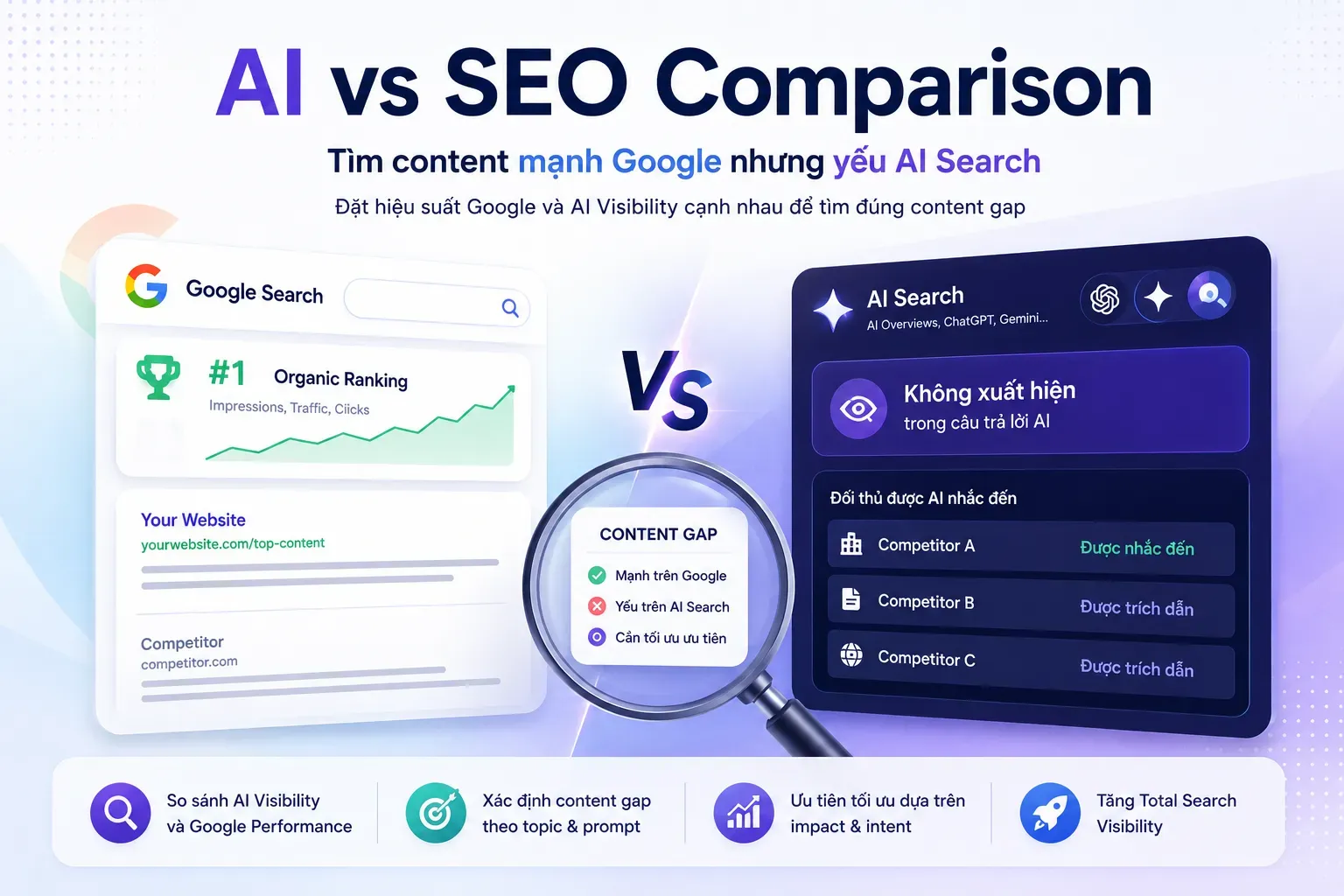
When reading any AI SEO product comparison, including this one, it is important to remember that the market is evolving rapidly. A tool that is the best choice today may be obsolete in six months. The AI landscape is characterized by frequent updates and new entrants.
Additionally, the effectiveness of any AI tool depends heavily on the quality of your input. Garbage in, garbage out remains a fundamental principle. If you provide the AI with poor keyword research or unclear objectives, the output will be subpar regardless of the platform’s sophistication.
Finally, always cross-reference the AI’s recommendations with your own analytics. The AI does not have access to your business context, such as seasonal sales cycles or upcoming product launches. Your human judgment is the final filter.
Frequently Asked Questions
What is the best AI SEO product for small businesses?
For small businesses, the best AI SEO product is typically one that combines content optimization with basic rank tracking at an affordable price. Tools like Surfer SEO or Frase.io offer entry-level plans that provide significant value without the enterprise price tag. These tools allow small teams to compete with larger competitors by automating the research and drafting process.
Can AI SEO products replace human SEO experts?
No, AI SEO products cannot replace human SEO experts. While these tools excel at data analysis, pattern recognition, and content drafting, they lack the strategic thinking, industry experience, and creative problem-solving abilities of a human expert. The most effective approach is a hybrid model where AI handles the heavy lifting and humans provide oversight and strategic direction.
How much does an AI SEO product cost?
The cost of AI SEO products varies widely based on features and usage limits. Entry-level plans typically start around $49 to $99 per month. Mid-tier plans for growing businesses range from $150 to $400 per month. Enterprise solutions with custom API access and dedicated support can cost upwards of $1,000 per month. Most tools offer annual billing discounts.
Are AI-generated articles penalized by Google?
Google’s official stance is that AI-generated content is not inherently against its guidelines, provided it is helpful, original, and demonstrates E-E-A-T. However, Google’s spam policies target content created primarily to manipulate search rankings, regardless of whether it is written by a human or an AI. The key is to ensure that AI-generated content is factually accurate, well-edited, and adds unique value beyond what is already available in the search results.
What is the difference between an AI SEO tool and a traditional SEO tool?
The primary difference lies in the underlying technology. Traditional SEO tools rely on rule-based algorithms and manual data entry. AI SEO tools use machine learning to analyze patterns, predict outcomes, and generate content. AI tools can adapt to new search engine updates more quickly and can process unstructured data, such as user intent, more effectively than traditional tools.
Conclusion: Making the Final Decision
Conducting a thorough AI SEO product comparison is an investment in your digital strategy. The right tool can streamline your workflows, uncover hidden opportunities, and provide a competitive edge in an increasingly crowded search landscape. However, the tool is only a means to an end. The ultimate success of your SEO efforts still depends on your ability to create genuinely useful content, build authoritative links, and provide a seamless user experience.
Start by defining your specific needs, testing the top contenders, and involving your content team in the evaluation process. The goal is not to find the most expensive or feature-rich platform, but the one that integrates seamlessly into your existing operations and delivers measurable results. With the right AI SEO product in your arsenal, you can shift your focus from mundane tasks to high-level strategy, driving sustainable growth for your business.
Xem thêm:
- LLM Optimization: The Complete Guide to Boosting Speed, Accuracy, and Cost Efficiency
- AI SEO AI Content Audit: The Complete Guide to Automated Content Optimization
- AI SEO AI Search Visibility: The Complete Guide to Ranking in the Age of Generative Engines
- AI SEO Monitoring Workflow: The Complete Guide to Automated Rank Tracking and Performance Analysis
- How to Create Topic Clusters with AI: A Data-Driven Blueprint for Modern SEO
Bài viết cùng chủ đề:

AI SEO SEO Automation with Make: The Complete Workflow Guide

AI SEO SEO Automation with Zapier: The Complete Workflow Guide

AI SEO SEO Automation with n8n: The Complete Workflow Guide
AI SEO SEO Automation with Gemini: The Complete Guide to Scaling Organic Growth

AI SEO SEO Automation with Claude: The Complete Guide to Scaling Content in 2025

AI SEO SEO Automation with ChatGPT: The Complete Playbook for 2025

AI SEO & SEO Automation for Affiliate Sites: The 2025 Playbook for Passive Income Growth
AI SEO & SEO Automation for Bloggers: The Complete Guide to Scaling Your Content

AI SEO & SEO Automation for Agencies: The Complete 2025 Playbook

AI SEO and SEO Automation for Ecommerce: The Complete Playbook for 2025

AI SEO & SEO Automation for WordPress: The Complete Playbook for 2025
AI SEO SEO Automation Strategy: The Complete Playbook for 2025

Mastering the AI SEO SEO Automation Process: A Complete Guide to Scaling Organic Growth
AI SEO SEO Automation System: The Complete Guide to Scaling Organic Growth in 2025
AI SEO SEO Automation Platform: The Complete Guide to Scaling Organic Growth in 2025
AI SEO SEO Automation Software: The Complete Guide to Scaling Organic Growth in 2025