No products in the cart.
AI SEO Dynamic Content: The Complete Guide to Automated Personalization That Ranks
31
Jul
Jul
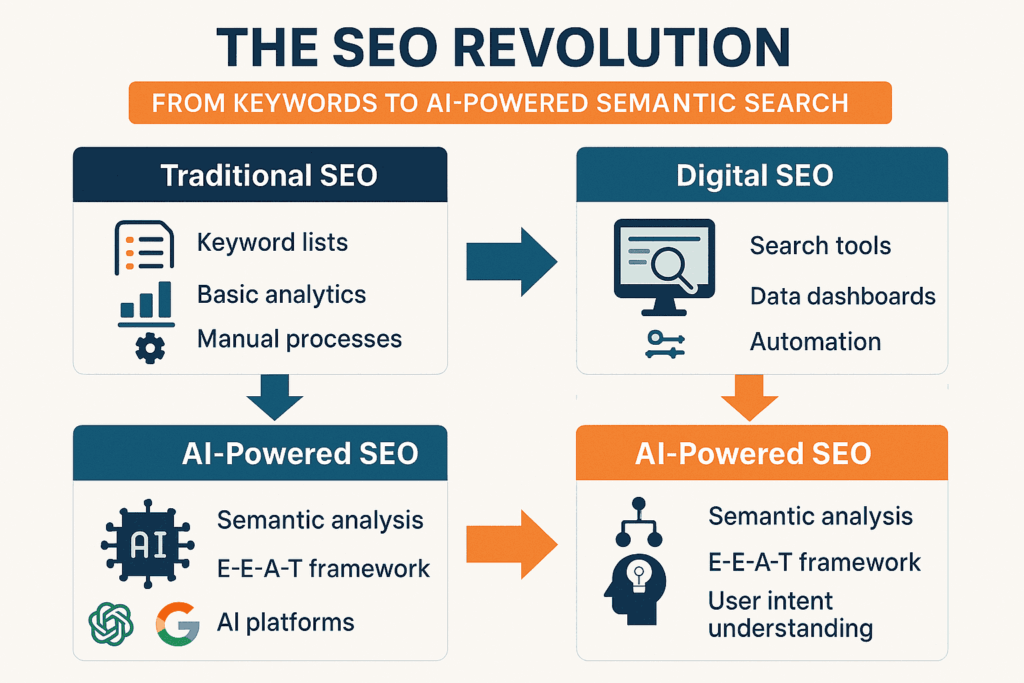
The digital landscape has shifted dramatically. Static pages that serve the same text to every visitor no longer cut it. Search engines now prioritize relevance, user engagement, and dwell time. This is where AI SEO dynamic content enters the picture. It represents the convergence of machine learning, real-time data processing, and search optimization. Instead of publishing a fixed article, you deploy a system that adapts headlines, body copy, internal links, and even meta descriptions based on who is viewing the page and why. This approach transforms your website from a digital brochure into a responsive entity that answers queries with surgical precision.
For SEO professionals, this is not just a trend. It is a fundamental shift in how we approach on-page optimization. The old model involved keyword research, drafting, and publishing. The new model involves training algorithms to understand user intent, segmenting audiences, and delivering personalized experiences at scale. This guide breaks down everything you need to know about AI SEO dynamic content, from its core mechanics to practical implementation strategies that drive measurable results.
What is AI SEO Dynamic Content?

AI SEO dynamic content refers to web page elements that change in real-time based on user behavior, search context, location, device type, or historical interaction data. Unlike static content, which remains identical for every visitor, dynamic content is generated or modified by artificial intelligence algorithms. These algorithms analyze hundreds of signals—such as referral source, time of day, past purchases, or search query phrasing—to assemble the most relevant version of a page.
The core difference lies in the trigger mechanism. Static content is pre-written and stored. Dynamic content is assembled on the fly. For example, an e-commerce product page might show different customer reviews, pricing tiers, or related product suggestions depending on whether the visitor arrived from a Google search for “budget laptops” versus “premium gaming laptops.” The AI system recognizes the intent difference and adjusts the content hierarchy accordingly.
This concept extends beyond simple text swapping. It includes dynamic internal linking structures, adaptive FAQ sections, personalized calls-to-action, and even real-time schema markup adjustments. The goal is to create a page that feels custom-built for each user while simultaneously satisfying search engine crawlers that demand freshness and relevance.
The Role of Machine Learning in Content Adaptation
Machine learning models power the decision-making behind dynamic content. These models are trained on historical data sets that map user behavior to conversion outcomes. When a new visitor arrives, the system predicts which content variation will yield the highest engagement. This prediction is not random. It is based on patterns identified across thousands of similar sessions.
Natural Language Processing (NLP) plays a critical role as well. NLP allows the AI to understand the semantic meaning behind a search query, not just the exact keywords. This means the system can detect that a user searching “how to fix a leaky faucet” is likely a DIY enthusiast, not a professional plumber. The dynamic content can then adjust the technical depth of the instructions, the tone of the writing, and the types of tools recommended.
Reinforcement learning takes this a step further. The AI continuously tests different content variations against user responses. If version A of a headline produces a 5% higher click-through rate than version B, the system learns to favor version A for similar future visitors. This creates a self-optimizing loop where the content gets smarter with every interaction.
Key Components of an AI-Driven Dynamic Content System
Building a robust AI SEO dynamic content infrastructure requires several interconnected components. Each piece plays a specific role in the content delivery pipeline. Understanding these components helps you identify what your current stack is missing.
1. Data Collection and User Profiling
This is the foundation. Without accurate data, the AI has nothing to learn from. Data sources include:
- First-party cookies tracking on-site behavior
- CRM data with purchase history and customer lifetime value
- Geolocation data for localizing content
- Device and browser fingerprints
- Referral source (organic, paid, social, email)
- Custom Development: Use frameworks like Next.js or Nuxt.js with server-side rendering. Integrate with a personalization engine like Optimizely or Adobe Target.
- SaaS Platforms: Tools like Mutiny, Intellimize, or Qubit offer no-code dynamic content solutions that integrate with your CMS.
- CMS Native Features: Some modern CMS platforms like Contentful or Sanity have built-in personalization capabilities.
2. Intent Recognition Engine
This component processes the incoming query or user action to classify intent. It categorizes searches into informational, navigational, transactional, or commercial investigation. The engine uses a combination of keyword clustering and semantic analysis to make this determination.
3. Content Variation Database
This is not a single piece of content but a library of modular blocks. Each block might have multiple versions. For instance, an introduction paragraph might have five variations: one for beginners, one for experts, one for mobile users, one for returning customers, and one for price-sensitive shoppers. The AI selects the appropriate block based on the user profile.
4. Rendering and Delivery Logic
This is the technical layer that assembles the final HTML page. It can be executed client-side using JavaScript (which has SEO implications) or server-side using edge computing. Server-side rendering is generally preferred for SEO because it ensures crawlers see the final content without executing scripts.
5. Performance Tracking and Feedback Loop
The system must measure the impact of its decisions. Key metrics include time on page, scroll depth, conversion rate, and bounce rate. This data feeds back into the machine learning model to refine future content selections.
Benefits of Using AI SEO Dynamic Content
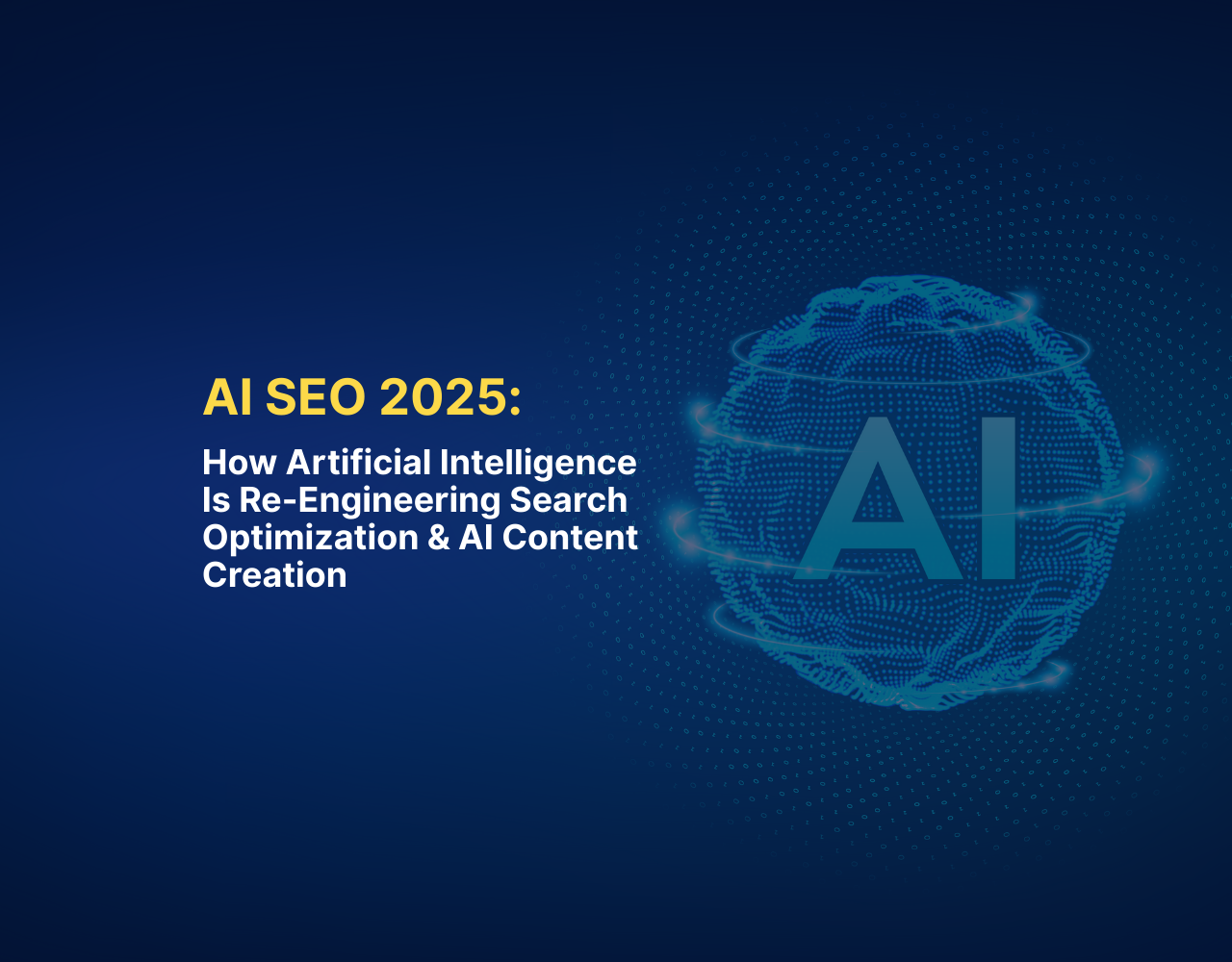
The advantages of this approach extend far beyond simple personalization. When implemented correctly, dynamic content can significantly improve your search rankings and user satisfaction simultaneously.
Improved Search Engine Rankings
Google’s algorithms reward content that satisfies user intent. A dynamic page that shows a relevant headline and body text to a user searching for “best running shoes for flat feet” will have a lower bounce rate and higher dwell time compared to a static page that tries to cover all shoe types. These engagement signals are indirect ranking factors. Moreover, dynamic content allows you to target long-tail keywords more effectively without creating hundreds of separate static pages.
Higher Conversion Rates
Personalized content speaks directly to the user’s current need. A returning customer who previously bought a camera lens does not want to see the same homepage banner as a first-time visitor. Dynamic content can show them new lenses, accessories, or tutorials relevant to their past purchase. This relevance drives action.
Scalable Content Personalization
Writing a unique article for every possible user segment is impossible. Dynamic content solves this by combining modular blocks. You write 10 variations of a paragraph, and the AI assembles thousands of unique combinations. This scales your personalization efforts without multiplying your content production costs.
Enhanced Crawl Efficiency
Dynamic content can help consolidate your site architecture. Instead of creating thin, duplicate pages for minor keyword variations, you use one dynamic page that adapts. This reduces crawl waste and consolidates link equity to a single authoritative URL.
Limitations and Challenges to Consider
Despite its power, AI SEO dynamic content is not a silver bullet. There are significant hurdles that can undermine your efforts if not addressed.
Indexing and Crawling Complexity
Search engines have improved at rendering JavaScript, but client-side rendering still poses risks. If your dynamic content is loaded via JavaScript after the initial HTML response, Googlebot might not see it immediately. This can lead to delayed indexing or, worse, indexing of the default fallback content. Server-side rendering or dynamic rendering is essential to mitigate this risk.
Risk of Content Cannibalization
If the AI generates variations that are too similar, you might inadvertently create near-duplicate content. This confuses search engines about which version to rank. You must ensure that each variation is substantially unique and that canonical tags are correctly implemented.
High Implementation Costs
Building a dynamic content system requires engineering resources, data infrastructure, and ongoing AI model training. For small businesses, the upfront investment can be prohibitive. However, SaaS platforms are emerging that offer this functionality with a lower barrier to entry.
Data Privacy Compliance
Personalization relies on user data. Regulations like GDPR and CCPA restrict how you can collect and use this data. You must obtain explicit consent for tracking and provide users with control over their data. Non-compliance can result in hefty fines.
AI SEO Dynamic Content vs. Static Content: A Comparison
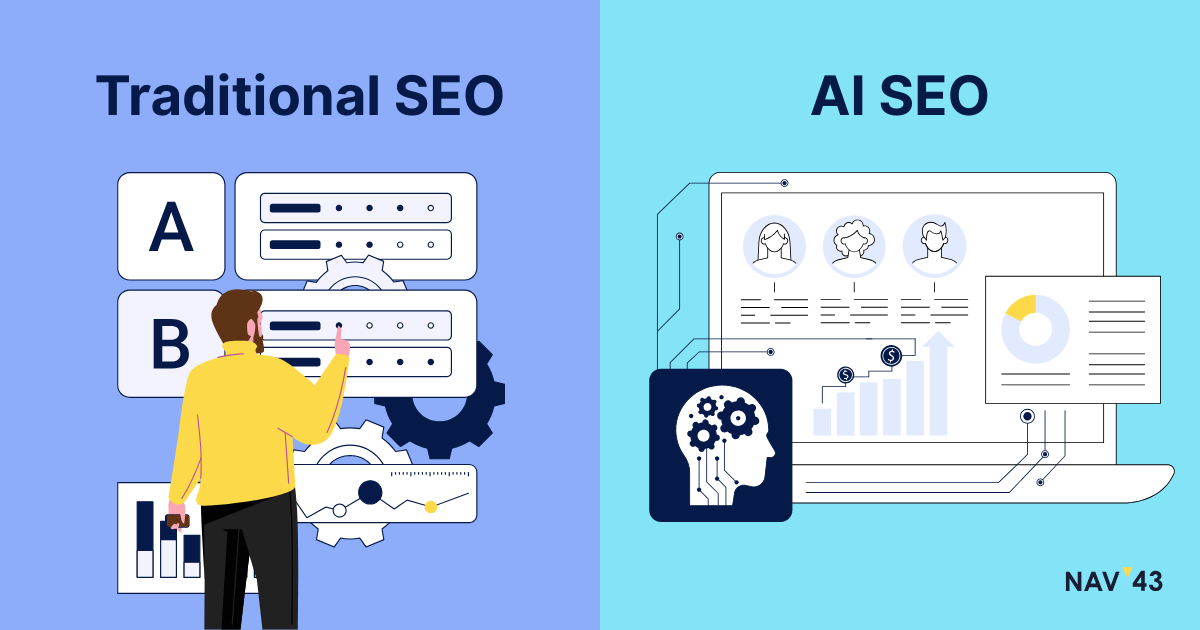
| Feature | AI Dynamic Content | Static Content |
|---|---|---|
| Personalization Level | High – adapts to individual user context | Low – same for all visitors |
| Production Cost | Higher initial setup, lower long-term scaling | Lower initial cost, higher cost to scale variations |
| Indexing Speed | Slower if client-side rendered | Fast and predictable |
| User Engagement | Higher due to relevance | Variable, often lower |
| Keyword Targeting | Dynamic – can target multiple intents on one URL | Fixed – one URL per keyword |
| Maintenance | Requires continuous monitoring of AI decisions | Simple updates |
| Risk of Duplicate Content | Moderate if not configured properly | Low |
Practical Implementation: How to Build a Dynamic Content Strategy
Implementing AI SEO dynamic content requires a structured approach.
Step 1: Audit Your Current Content Inventory
Identify pages that have high traffic but high bounce rates. These are prime candidates for dynamic optimization. Also, look for pages targeting multiple keywords that could benefit from intent-based variation. Create a priority list based on revenue impact and search volume.
Step 2: Define Your User Segments
Work with your data team to define 3-5 primary user personas. These should be based on real data, not assumptions. Segments might include: New Visitors, Returning Customers, Price-Sensitive Shoppers, Mobile Users, and Geographic Locals. Each segment needs a distinct content strategy.
Step 3: Create Content Variation Modules
For each priority page, write multiple versions of the key sections: H1 title, introduction paragraph, product benefits, and call-to-action. Use a clear naming convention so the AI can identify which variation belongs to which segment. For example, “intro_beginner_v1” and “intro_expert_v1”.
Step 4: Choose Your Technology Stack
You have several options:
Step 5: Implement Proper Rendering
Ensure your dynamic content is rendered on the server. This means the HTML response to the search engine crawler contains the final, personalized content. Use edge computing (e.g., Cloudflare Workers) to minimize latency. Test with Google’s URL Inspection tool to confirm that Googlebot sees the correct variation.
Step 6: Set Up A/B Testing and Monitoring
Do not let the AI run wild. Set up guardrails. Run A/B tests to compare dynamic versions against your static baseline. Monitor key SEO metrics: indexation rate, crawl frequency, and organic traffic. If a dynamic variation performs worse than the static version, the system should revert to the static default.
Common Mistakes and How to Avoid Them
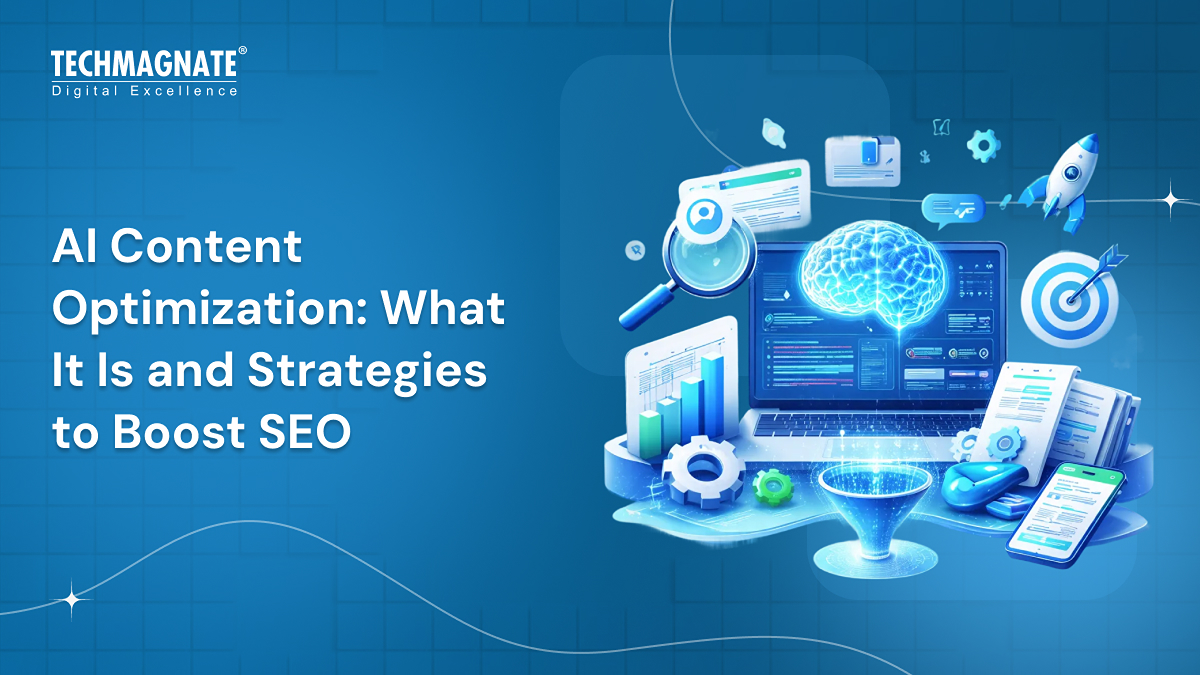
Many teams fail to see results from dynamic content because of avoidable errors. Here are the most frequent pitfalls.
Mistake 1: Ignoring Crawl Budget
If your dynamic content generates infinite URL combinations (e.g., using URL parameters for each variation), you can waste your crawl budget. Solution: Use cookies or server-side detection instead of URL parameters. If you must use parameters, handle them properly in Google Search Console.
Mistake 2: Over-Personalizing for Search Engines
Remember that Googlebot is a single user agent. It will see one version of your page. If you personalize based on user history, the crawler might see the default version, which could be your weakest content. Solution: Ensure your default version is your strongest, most comprehensive content.
Mistake 3: Neglecting Page Speed
Dynamic content requires additional processing time. If your server takes 2 seconds to assemble the page, you will lose visitors and rankings. Solution: Use a CDN, cache personalized variations aggressively, and optimize your database queries.
Mistake 4: Failing to Update the AI Model
User behavior changes over time. An AI model trained on last year’s data will make poor decisions today. Solution: Schedule monthly retraining cycles using fresh data. Monitor model drift and set alerts for significant performance drops.
Important Notes for SEO Professionals
When working with AI SEO dynamic content, keep these critical considerations in mind.
First, always maintain a static fallback. If the AI system fails, or if JavaScript is disabled, the user should still see a fully functional page. This fallback should be your baseline SEO content.
Second, focus on the “dynamic” elements that matter most. Changing the H1 and meta description based on search intent has the highest impact on click-through rate. Changing the color of a button has minimal SEO impact. Prioritize your efforts accordingly.
Third, document your dynamic content logic. This is crucial for E-E-A-T. If a user or a search engine auditor asks why a page shows different content to different users, you need a clear, defensible explanation. Transparency builds trust.
Fourth, integrate dynamic content with your broader content strategy. Dynamic elements should not exist in a vacuum. They should complement your static cornerstone content, your blog posts, and your link-building efforts.
Frequently Asked Questions
Does Google penalize dynamic content?
Google does not penalize dynamic content per se. It penalizes cloaking, which is showing different content to users and search engines with the intent to deceive. If your dynamic content is served to both users and Googlebot (via server-side rendering) and is relevant to the query, it is perfectly acceptable. The key is to ensure that the content you serve to Googlebot is representative of what users see.
What is the difference between dynamic content and personalized content?
Dynamic content is the technical mechanism that changes page elements based on rules or algorithms. Personalized content is the strategic goal of tailoring that content to an individual user. Dynamic content is the “how,” and personalization is the “why.” All personalized content is dynamic, but not all dynamic content is personalized (e.g., changing a price based on location is dynamic but not necessarily personalized to a specific user profile).
How does AI SEO dynamic content affect Core Web Vitals?
It can have a negative impact if not implemented carefully. Client-side rendering and heavy JavaScript can increase Largest Contentful Paint (LCP) time. To mitigate this, use server-side rendering, preload critical content, and defer non-essential scripts. A well-optimized dynamic system should not sacrifice performance for personalization.
Can small businesses use AI SEO dynamic content?
Yes, but with limitations. Enterprise-level solutions can cost thousands of dollars per month. However, smaller businesses can start with simpler tools like Google Optimize (now deprecated) or use WordPress plugins that offer conditional content display. The key is to start small, perhaps with just your top 5 landing pages, and measure the ROI before scaling.
What is the future of AI SEO dynamic content?
The future points toward fully autonomous content generation. Instead of pre-writing variations, the A This will blur the line between content creation and content delivery. We will also see deeper integration with voice search, where dynamic content is optimized for conversational queries and featured snippet extraction.
Conclusion
AI SEO dynamic content represents a paradigm shift in how we approach search optimization. It moves us away from the static, one-size-fits-all model and toward a responsive, intent-driven framework. The benefits are clear: better rankings, higher engagement, and improved conversion rates. The challenges—technical complexity, data privacy, and implementation cost—are significant but surmountable.
The most successful SEO strategies will not treat dynamic content as a separate initiative. Instead, they will weave it into the fabric of their content operations. Start by auditing your highest-value pages. Identify where personalization can have the greatest impact. Build a small test, measure the results, and iterate. The algorithms are ready. The technology is available. The only question is whether your organization is prepared to embrace the dynamic future of search.
Xem thêm:
- AI SEO Keyword Intent: The Complete Guide to Search Intent Optimization in 2025
- AI SEO Performance Monitoring: The Complete Guide to Data-Driven Search Optimization
- AI SEO Bing Webmaster Tools: The Complete Guide to Smarter Search Optimization
- AI People Also Ask: The Complete Guide to Optimizing for Google’s AI-Powered Q&A Feature
- AI SEO Search Visibility: The Complete Playbook for Ranking in the Age of Machine Learning
Bài viết cùng chủ đề:

AI SEO SEO Automation with Make: The Complete Workflow Guide

AI SEO SEO Automation with Zapier: The Complete Workflow Guide

AI SEO SEO Automation with n8n: The Complete Workflow Guide
AI SEO SEO Automation with Gemini: The Complete Guide to Scaling Organic Growth

AI SEO SEO Automation with Claude: The Complete Guide to Scaling Content in 2025

AI SEO SEO Automation with ChatGPT: The Complete Playbook for 2025

AI SEO & SEO Automation for Affiliate Sites: The 2025 Playbook for Passive Income Growth
AI SEO & SEO Automation for Bloggers: The Complete Guide to Scaling Your Content

AI SEO & SEO Automation for Agencies: The Complete 2025 Playbook

AI SEO and SEO Automation for Ecommerce: The Complete Playbook for 2025

AI SEO & SEO Automation for WordPress: The Complete Playbook for 2025
AI SEO SEO Automation Strategy: The Complete Playbook for 2025

Mastering the AI SEO SEO Automation Process: A Complete Guide to Scaling Organic Growth
AI SEO SEO Automation System: The Complete Guide to Scaling Organic Growth in 2025
AI SEO SEO Automation Platform: The Complete Guide to Scaling Organic Growth in 2025
AI SEO SEO Automation Software: The Complete Guide to Scaling Organic Growth in 2025